Royal Enfield Bullet 500 Es
The Royal Enfield Bullet 500 Es has a top speed of Approximately 130 km/h, produces 27.2 hp and weighs 191 kg. Motoryk rates it 7/10.
Royal Enfield Bullet 500 to jeden z najdłużej działających modeli motocykli w historii, którego korzenie sięgają 1932 roku i ciągłą produkcję w Indiach od 1955 roku. Wariant „ES” (Electric Start) został wprowadzony, aby zmodernizować klasyczny design poprzez dodanie rozrusznika elektrycznego obok tradycyjnego kickstartu, atrakcyjnego dla jeźdźców, którzy chcieli estetyki vintage z nowoczesną wygodą. Pozostaje kultowy ze względu na charakterystyczne uderzenia, żeliwne dziedzictwo silników i silny związek z indyjskimi drogami i użyciem wojskowym, co czyni go symbolem kulturowym tak samo jak motocykl.
27.2 hp
Moc
41.3 Nm
Moment obrotowy
191 kg
Waga
Approximately 130 km/h
Prędkość maksymalna
Approximately 3.0–3.5 L/100km (28–33 km/L typical real-world average)
Paliwo
Nagie
Ciało
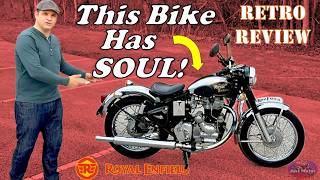
Video Review
Co kupujący powinni wiedzieć
Watch for Oil Leaks
The Bullet 500's cast iron engine is known to develop oil seepage around the rocker box and head gasket, especially on older units. Regular inspections and timely gasket replacements can prevent this from becoming a costly issue.
Strong Resale Value
The Bullet 500 holds its value exceptionally well compared to competitors, largely due to its iconic status and loyal fanbase. A well-maintained example can retain 60-70% of its value after three years.
Electric Start Advantage
The 'ES' variant adds a reliable electric starter while keeping the classic kick-start as a backup, giving you the best of both worlds. This makes it far more practical for daily commuting without sacrificing vintage character.
Pokolenia i specyfikacje według roku
Silnik konstrukcyjny jednostki wprowadzony w 1959 r.; żeliwna lufa; tradycyjny brytyjski jednocylindrowy; warianty eksportowane i zbudowane w Indiach.
"Wadliwy, sympatyczny kciuk, który wymaga mechanicznego oddania."
Silnik konstrukcyjny jednostki był prawdziwym ulepszeniem w stosunku do starszego bałaganu przedagregatu, ale „ulepszenie” jest względne - ten rower wciąż płacze olej z uszczelek, które nauczysz się nazywać osobiście, a elektryka jest najlepszym argumentem Lucasa przeciwko brytyjskiej inżynierii. To powiedziawszy, żeliwna lufa 499 cm3 daje moment obrotowy przy niskich obrotach, który naprawdę Cię zaskakuje: włącz ją z prędkością 40 km/h na najwyższym biegu i po prostu ciągnie, wolno i nieuniknione jak ciągnik. Pojechałem jednym z Delhi do Manali w 1987 roku, a rower wytrząsnął trzema śrubami z podstawowej obudowy łańcucha, ale zrobiłbym to jeszcze raz - jest medytacyjna cecha w uderzeniu kciuk-kciuk z prędkością przelotu, której współczesne równoległe bliźniaki po prostu nie potrafią udawać. Wystarczy mieć przy sobie pełny zestaw narzędzi, zapasowy skraplacz i realistyczne oczekiwania dotyczące zużycia oleju.
Plusy
Wady
Kontynuacja produkcji indyjskiej pod własnością Eicher; drobne udoskonalenia; Zaprojektowany przez AVL silnik ze stopu wprowadzony około 2003 roku w celu uzyskania czystszych emisji.
"Piorunowy rower, który wymaga mechanicznej cierpliwości."
Ten wielki singel wkracza w życie za pomocą przycisku ES jak niechętny starzec budzący się - powolny, celowy i całkowicie charakterystyczny. Poniżej 60 km/h jest naprawdę relaksujący, 40 Nm przybywa wcześnie i ciągnie czysto przez miasto bez większego zamieszania. Ale przekrocz 90, a cała maszyna zacznie brzęczeć, twoje ręce drętwieją, lustra stają się bezużyteczne, a mokry ciężar 187 kg przypomina ci, że nigdy nie było to przeznaczone do poruszania. Silnik ze stopu AVL z 2003 r. jest znacznie ciaśniejszy niż starsze żelazne jednostki - mniej płaczu oleju, lepsza niezawodność rozruchu - ale „lepszy” jest nadal względny; nadal będziesz nosić zestaw narzędzi i nauczyć się czasować nawyki wspomagania kopania prawą nogą.
Plusy
Wady
UCE (Unit Construction Engine) 499cc wprowadzono; opcja wtrysku paliwa dodana później; zapłon elektroniczny; poprawiona niezawodność i zgodność z przepisami Euro.
Ostateczne aktualizacje dotyczące zgodności z Euro 4; ABS dodano jako standard; produkcja zakończyła się wraz z wycofaniem Bullet 500 na większości rynków.
Recenzja używanego kupującego
"Buy it for the soul, not the spec sheet."
$3,500-$5,500 usedThe Bullet 500 ES is properly old-school in a way that either enchants you or drives you mad — usually both on the same ride. That electric start is genuinely useful and disguises just how agricultural the single-cylinder engine actually is. It thumps along beautifully at 50-60mph, sounds incredible, and turns heads everywhere. Just don't ask it to hurry anywhere. The gearbox feels like stirring porridge and the brakes are an afterthought, but somehow none of that matters much. Buy used and budget for consumables immediately — tyres, brake pads, and the inevitable oil leak investigation. Check the electrics obsessively on any example before 2015, as the Wipro-era wiring is genuinely troubling. Post-2017 units are vastly more reliable. Look for evidence of regular oil changes; these engines punish neglect hard. Steer clear of anything that's been 'customised' by a previous owner with cafe racer fantasies — they've invariably butchered the wiring loom.
Top 10 Accessories
Curated picks for the Royal Enfield Bullet 500 Es — owned, ridden, recommended.




Typowe problemy
Test starter cold, inspect battery age and terminals
Look under engine for fresh oil seepage or staining
Cold start quality, idle stability, throttle response
Inspect frame welds, footpegs, mirrors, handlebar mounts
✅Lista kontrolna przed zakupem
Decent if maintained, avoid neglected examples
Full Specifications
Rivals & Alternatives
Bikes that buyers cross-shop with the Royal Enfield Bullet 500 Es
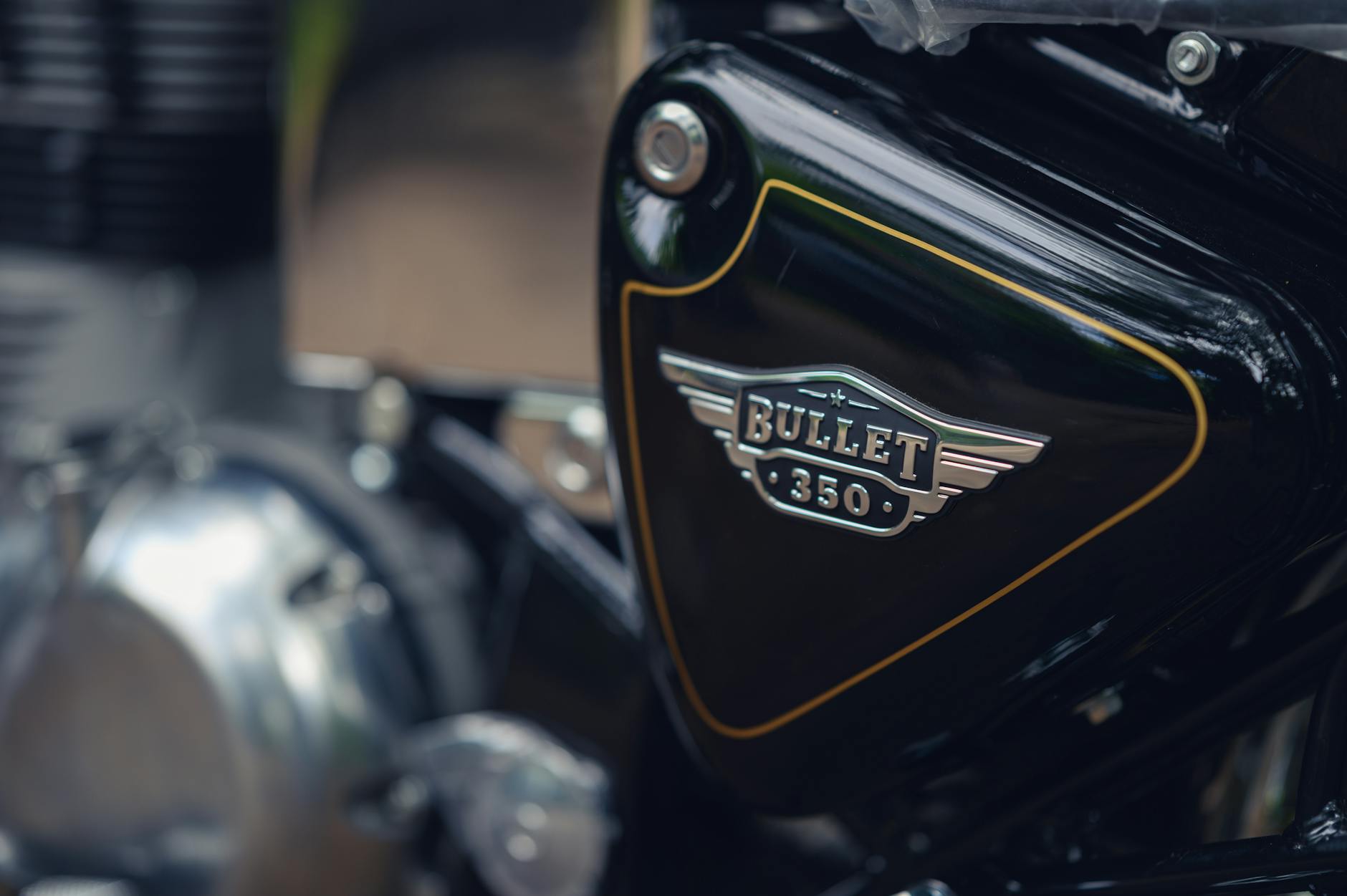
Royal Enfield Bullet 350
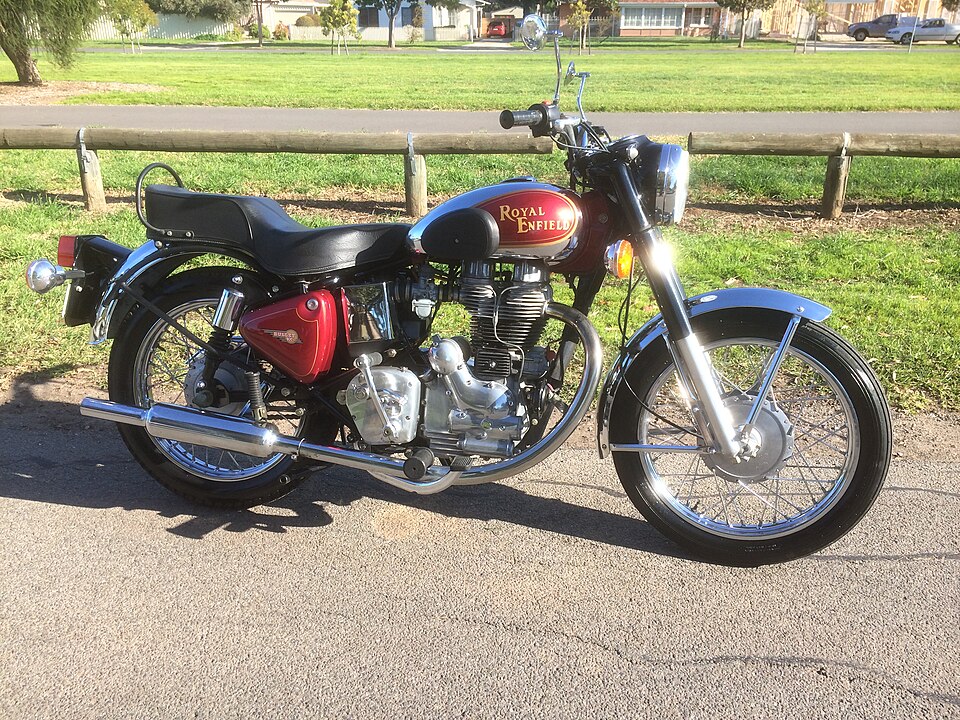
Royal Enfield Bullet 500
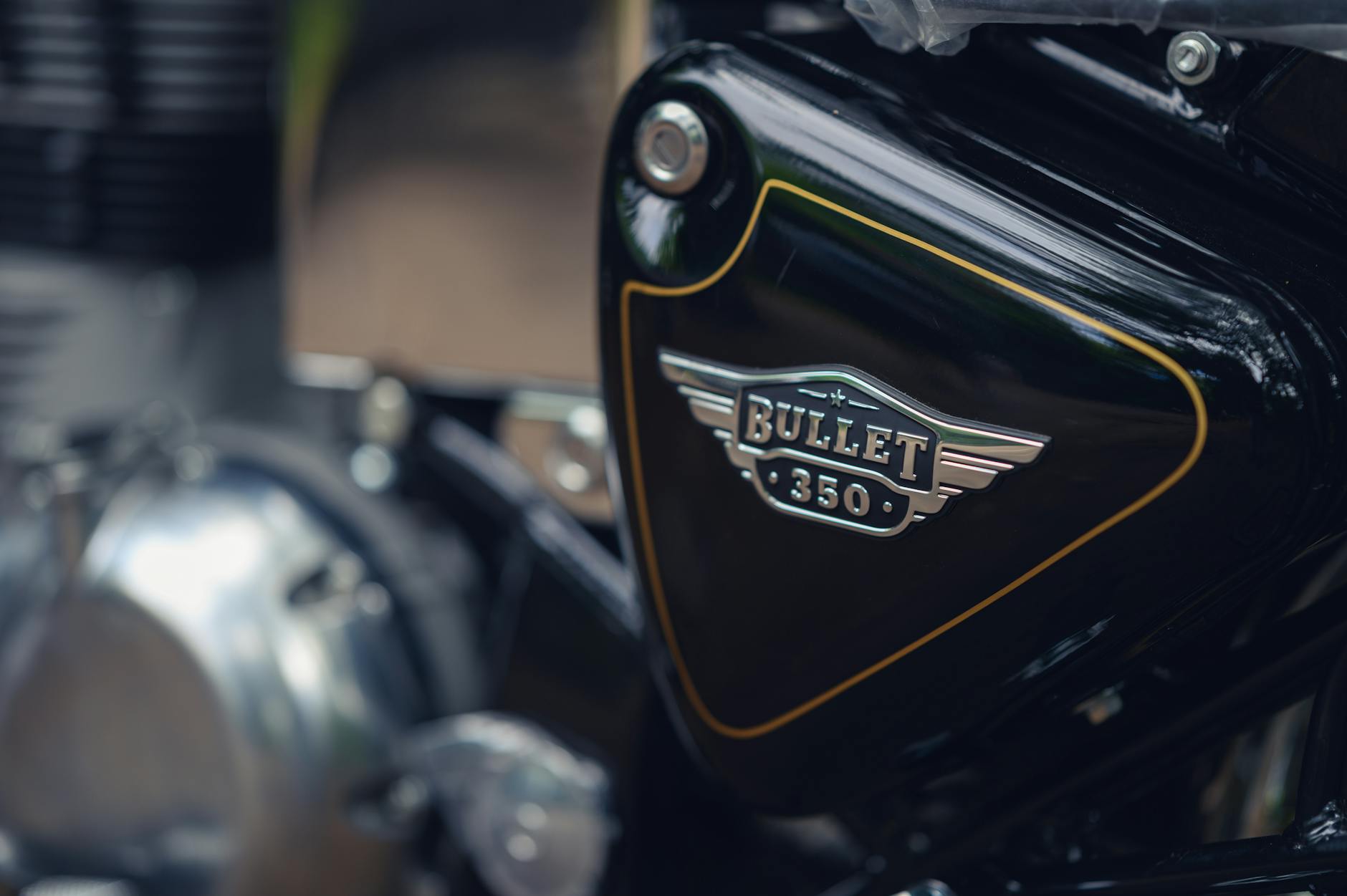
Royal Enfield Bullet 350 Es
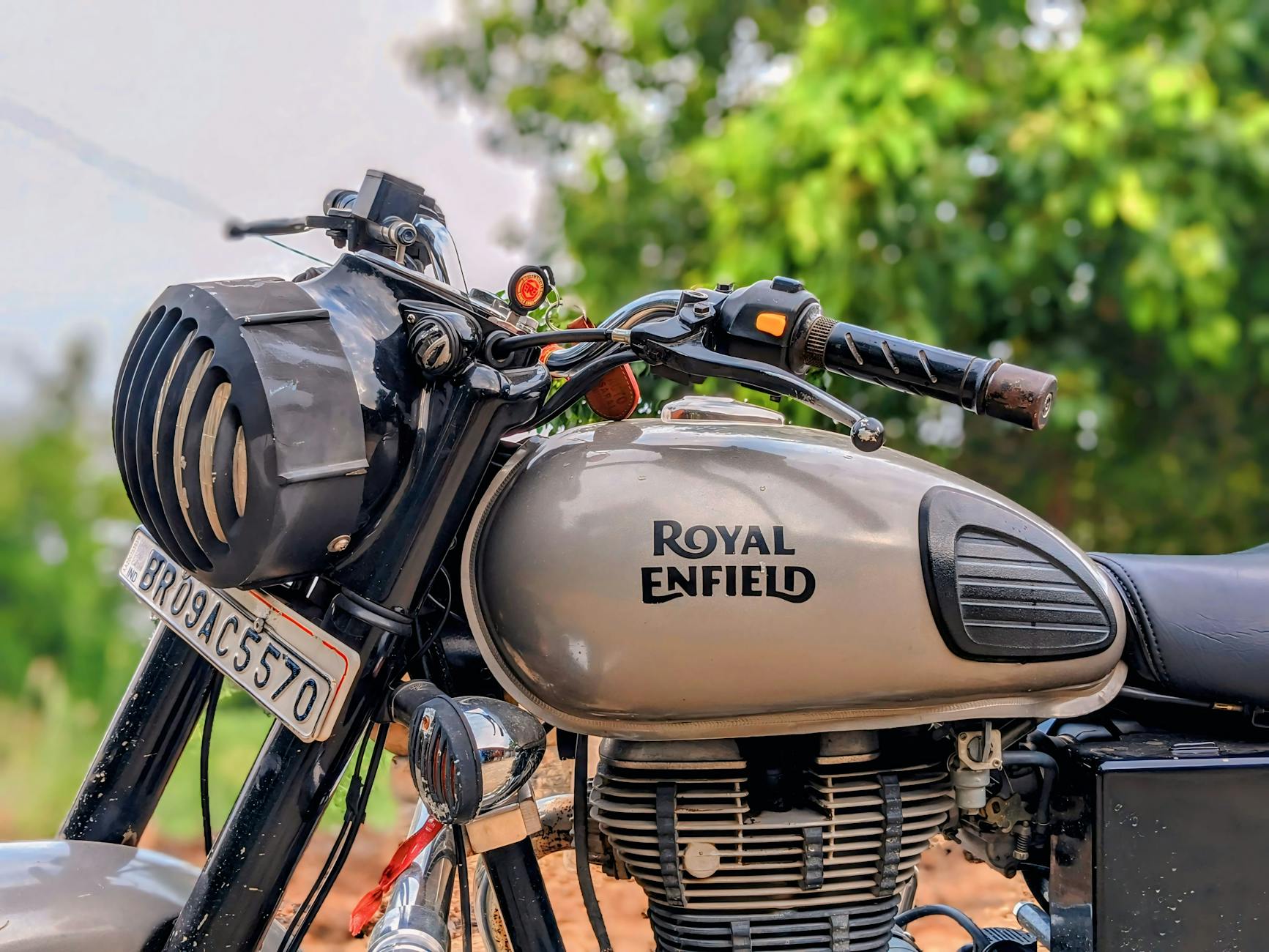
Royal Enfield Machismo 500
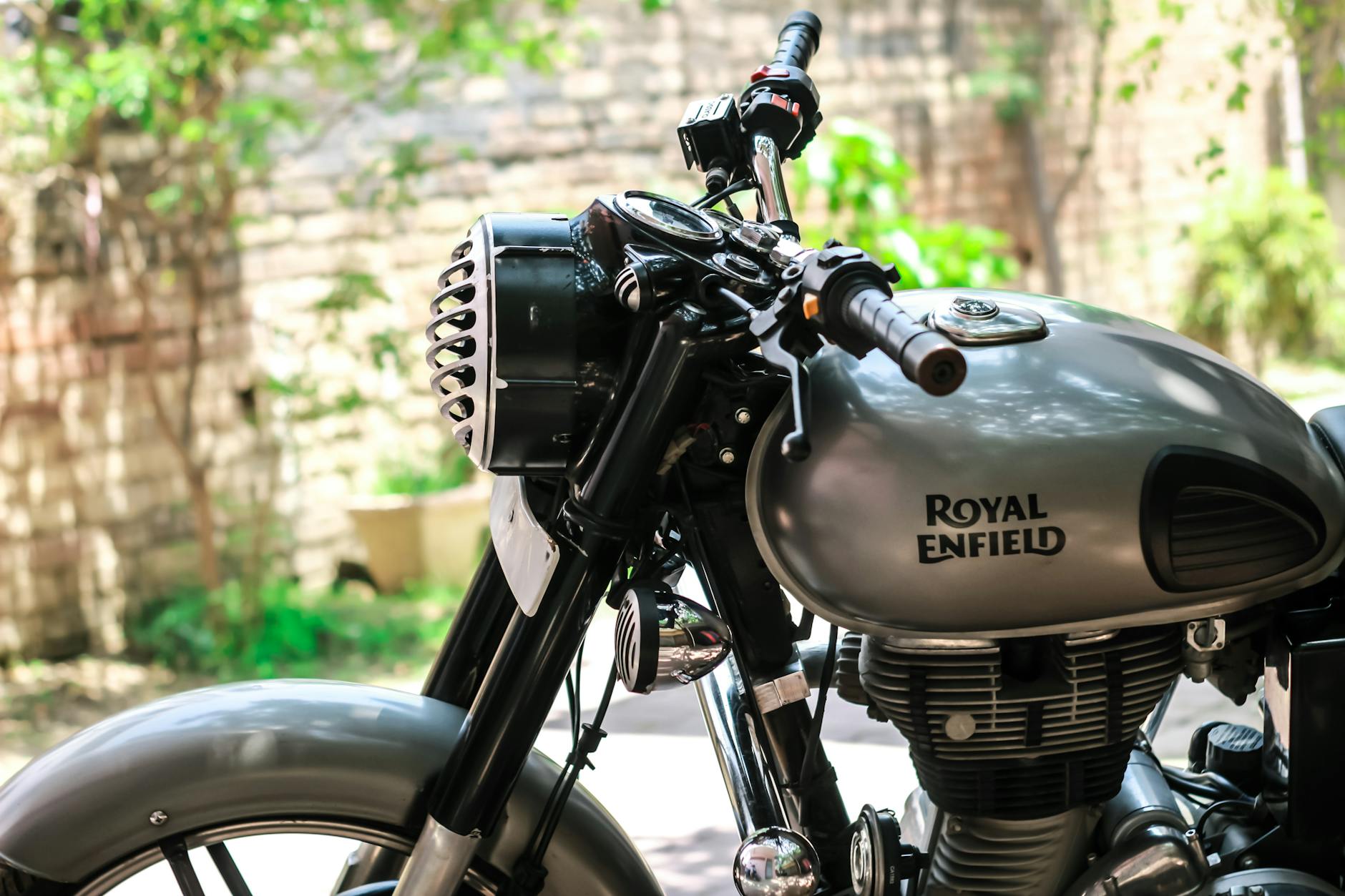
Royal Enfield Bullet Electra
Compare Royal Enfield Bullet 500 Es Side-by-Side
compare_arrowsSpecs, power, weight & buyer verdict — head-to-head with the bikes most often cross-shopped.
Royal Enfield Bullet 500 Es vs Royal Enfield Bullet 350
Specs · Power · Buyer verdict
Royal Enfield Bullet 500 Es vs Royal Enfield Bullet 500
Specs · Power · Buyer verdict
Royal Enfield Bullet 500 Es vs Royal Enfield Bullet 350 Es
Specs · Power · Buyer verdict
Royal Enfield Bullet 500 Es vs Royal Enfield Machismo 500
Specs · Power · Buyer verdict
Royal Enfield Bullet 500 Es vs Royal Enfield Bullet Electra
Specs · Power · Buyer verdict
More Royal Enfield Bullet 500 Es Guides
More from Royal Enfield
View all Royal Enfield models →Community Reviews
Discussion
Frequently Asked Questions
What are common problems with the Royal Enfield Bullet 500 Es? +
Electric starter failure or weak battery: Test starter cold, inspect battery age and terminals (moderate) | Oil leaks from engine gaskets: Look under engine for fresh oil seepage or staining (moderate) | Carburetor gumming and poor idling: Cold start quality, idle stability, throttle response (minor)
Is the Royal Enfield Bullet 500 Es a good motorcycle? +
Buy it for the soul, not the spec sheet. Rating: 7.0/10. Best for: Patient city riders wanting authentic retro character. Avoid if: You value mechanical precision over romantic imperfection.
What is the horsepower of the Royal Enfield Bullet 500 Es? +
The Royal Enfield Bullet 500 Es produces 27.2 hp @ 5,250 rpm, with 41.3 Nm @ 4,000 rpm of torque. Top speed: Approximately 130 km/h.
Is the Royal Enfield Bullet 500 Es good for beginners? +
Yes — the Royal Enfield Bullet 500 Es is a reasonable choice for new riders (27.2 hp is manageable), weighing 191 kg. Patient city riders wanting authentic retro character
Is the Royal Enfield Bullet 500 Es reliable? +
The Royal Enfield Bullet 500 Es has no widely-reported critical reliability issues. 4 minor issues are documented — see the Common Problems section above.
Is the Royal Enfield Bullet 500 Es good for daily use? +
Patient city riders wanting authentic retro character Fuel: Approximately 3.0–3.5 L/100km (28–33 km/L typical real-world average).
How fast is the Royal Enfield Bullet 500 Es? +
The Royal Enfield Bullet 500 Es reaches a top speed of Approximately 130 km/h, producing 27.2 hp at 191 kg curb weight. Real-world performance depends on rider weight, gearing, and road conditions.
What gear should I buy for a Royal Enfield Bullet 500 Es? +
Motoryk has curated a Top 10 gear list specifically for the Royal Enfield Bullet 500 Es, covering engine oil, tires, chain, battery, and brake pads — see motoryk.com/bikes/royal-enfield/bullet-500-es/top10. Each pick is matched to this bike's spec.