Royal Enfield Bullet 500 Es
The Royal Enfield Bullet 500 Es has a top speed of Approximately 130 km/h, produces 27.2 hp and weighs 191 kg. Motoryk rates it 7/10.
La Royal Enfield Bullet 500 est l'un des modèles de motos les plus anciens de l'histoire. Ses origines remontent à 1932 et sa production est continue en Inde depuis 1955. La variante « ES » (démarrage électrique) a été introduite pour moderniser le design classique en ajoutant un démarreur électrique au démarreur traditionnel, attirant ainsi les pilotes qui recherchaient une esthétique vintage associée à un confort moderne. Elle demeure emblématique en raison de son héritage distinctif de moteur en fonte et de son association étroite avec les routes indiennes et son utilisation militaire, ce qui en fait un symbole culturel au même titre qu'une moto.
27.2 hp
Pouvoir
41.3 Nm
Torque
191 kg
Poids
Approximately 130 km/h
Vitesse maximale
Approximately 3.0–3.5 L/100km (28–33 km/L typical real-world average)
Carburant
Nue
Corps
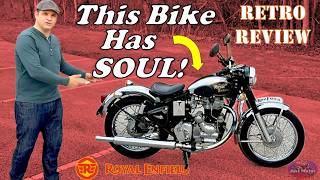
Video Review
Ce que les acheteurs doivent savoir
Watch for Oil Leaks
The Bullet 500's cast iron engine is known to develop oil seepage around the rocker box and head gasket, especially on older units. Regular inspections and timely gasket replacements can prevent this from becoming a costly issue.
Strong Resale Value
The Bullet 500 holds its value exceptionally well compared to competitors, largely due to its iconic status and loyal fanbase. A well-maintained example can retain 60-70% of its value after three years.
Electric Start Advantage
The 'ES' variant adds a reliable electric starter while keeping the classic kick-start as a backup, giving you the best of both worlds. This makes it far more practical for daily commuting without sacrificing vintage character.
Générations et spécifications par année
Moteur de construction unitaire introduit en 1959 ; canon en fonte ; monocylindre britannique traditionnel ; variantes exportées et fabriquées en Inde.
"Un coup de pouce imparfait et adorable qui exige un dévouement mécanique."
Le moteur de construction de l'unité représentait une véritable amélioration par rapport à l'ancien moteur d'avant l'unité, mais « amélioration » est relative : ce vélo puise encore de l'huile sur les joints que vous apprendrez à nommer personnellement, et l'électricité est le meilleur argument de Lucas contre l'ingénierie britannique. Cela dit, le canon en fonte de 499 cm3 produit un couple à bas régime qui vous surprend vraiment : il roule à 40 km/h en vitesse maximale et il tire tout simplement, lentement et inévitablement comme un tracteur. J'en ai fait un de Delhi à Manali en 1987 et le vélo s'est détaché de trois boulons du carter principal, mais je recommencerais. Il y a une qualité méditative dans le cliquetis à vitesse de croisière que les jumeaux parallèles modernes ne peuvent tout simplement pas simuler. Emportez simplement une boîte à outils complète, un condenseur de rechange et des attentes réalistes en matière de consommation d'huile.
Pros
Les inconvénients
Poursuite de la production indienne sous la propriété d'Eicher ; améliorations mineures ; moteur en alliage conçu par AVL introduit vers 2003 pour des émissions plus propres.
"Une moto pleine de caractère qui demande de la patience mécanique."
Ce gros single prend vie grâce à la touche ES, comme un vieil homme réticent qui se réveille : lentement, délibérément et tout à fait original. En dessous de 60 km/h, c'est vraiment relaxant. Les 40 Nm arrivent tôt et traversent la ville proprement sans trop de tracas. Mais si vous dépassez 90 degrés, toute la machine se met à bourdonner, vos mains sont engourdies, les rétroviseurs deviennent inutiles et le poids humide de 187 kg vous rappelle que cela n'a jamais été fait pour être bousculé. Le moteur en alliage AVL à partir de 2003 est nettement plus étanche que les anciennes unités en fer (moins de suintement d'huile, meilleure fiabilité de démarrage) mais « meilleur » est tout de même relatif ; vous aurez toujours une boîte à outils et apprendrez de toute façon à chronométrer vos habitudes en matière d'assistance au coup de pied droit.
Pros
Les inconvénients
Lancement de l'UCE (Unit Construction Engine) 499cc ; option d'injection de carburant ajoutée ultérieurement ; allumage électronique ; fiabilité améliorée et conformité à la norme Euro.
Dernières mises à jour pour la conformité à la norme Euro 4 ; ABS ajouté en standard ; la production a pris fin avec l'arrêt progressif du Bullet 500 sur la plupart des marchés.
Évaluation d'un acheteur d'occasion
"Buy it for the soul, not the spec sheet."
$3,500-$5,500 usedThe Bullet 500 ES is properly old-school in a way that either enchants you or drives you mad — usually both on the same ride. That electric start is genuinely useful and disguises just how agricultural the single-cylinder engine actually is. It thumps along beautifully at 50-60mph, sounds incredible, and turns heads everywhere. Just don't ask it to hurry anywhere. The gearbox feels like stirring porridge and the brakes are an afterthought, but somehow none of that matters much. Buy used and budget for consumables immediately — tyres, brake pads, and the inevitable oil leak investigation. Check the electrics obsessively on any example before 2015, as the Wipro-era wiring is genuinely troubling. Post-2017 units are vastly more reliable. Look for evidence of regular oil changes; these engines punish neglect hard. Steer clear of anything that's been 'customised' by a previous owner with cafe racer fantasies — they've invariably butchered the wiring loom.
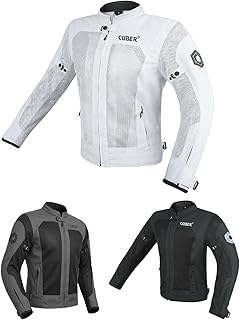
Top 10 Accessories
Curated picks for the Royal Enfield Bullet 500 Es — owned, ridden, recommended.




Problèmes courants
Test starter cold, inspect battery age and terminals
Look under engine for fresh oil seepage or staining
Cold start quality, idle stability, throttle response
Inspect frame welds, footpegs, mirrors, handlebar mounts
✅Liste de contrôle préalable à l'achat
Decent if maintained, avoid neglected examples
Full Specifications
Rivals & Alternatives
Bikes that buyers cross-shop with the Royal Enfield Bullet 500 Es
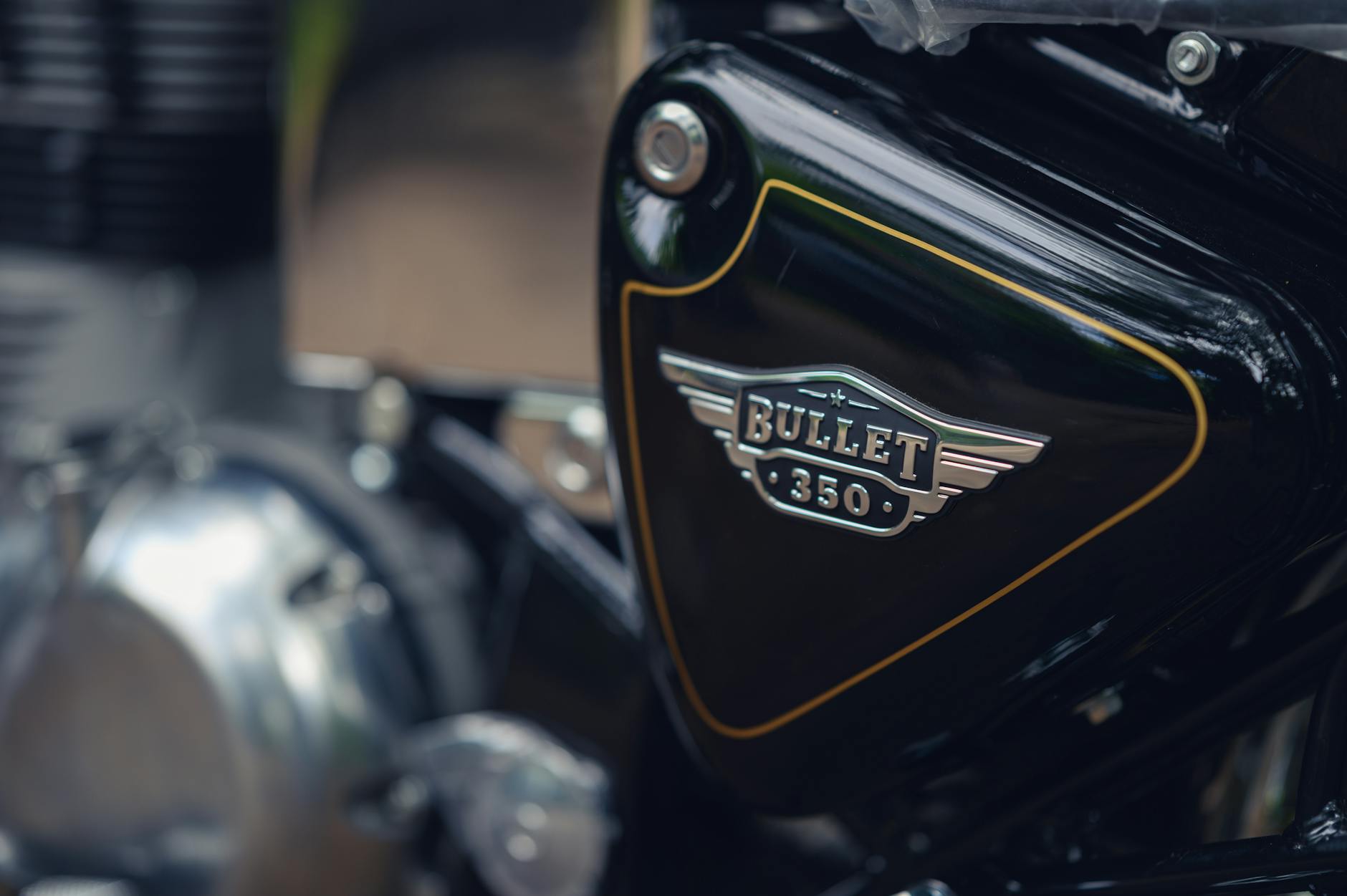
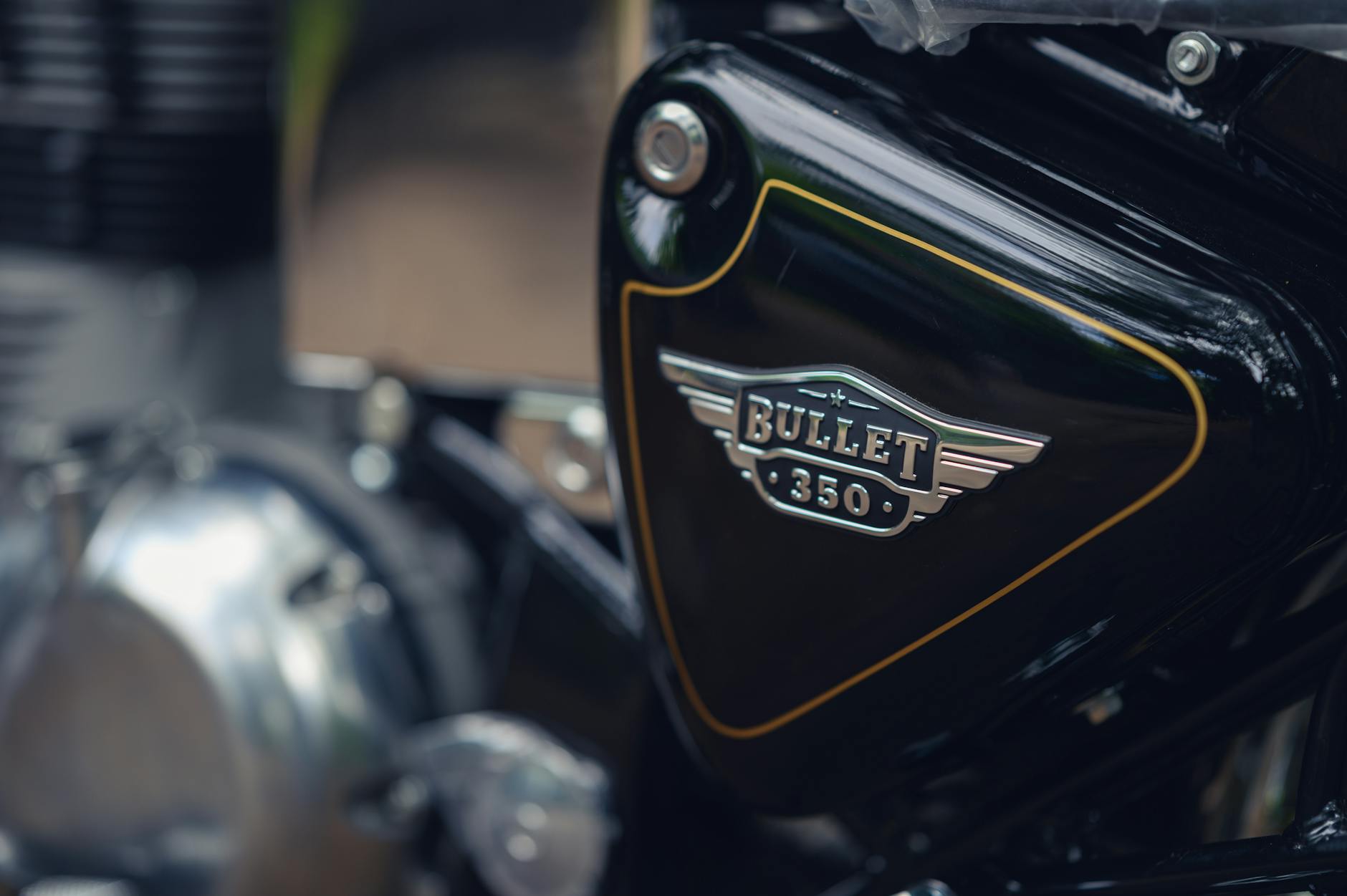
Royal Enfield Bullet 350
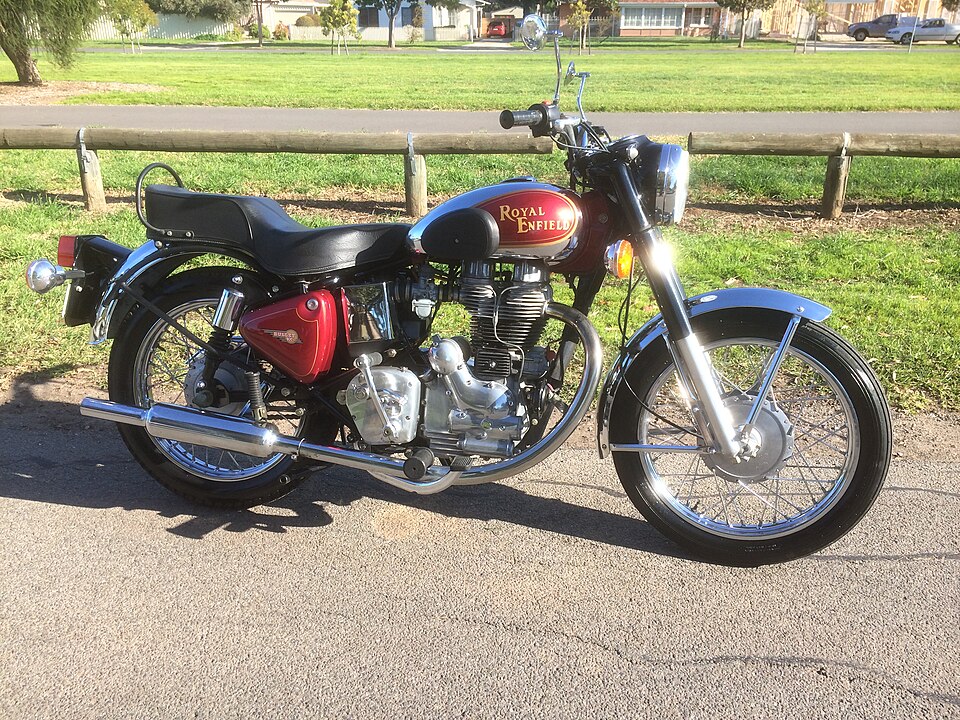
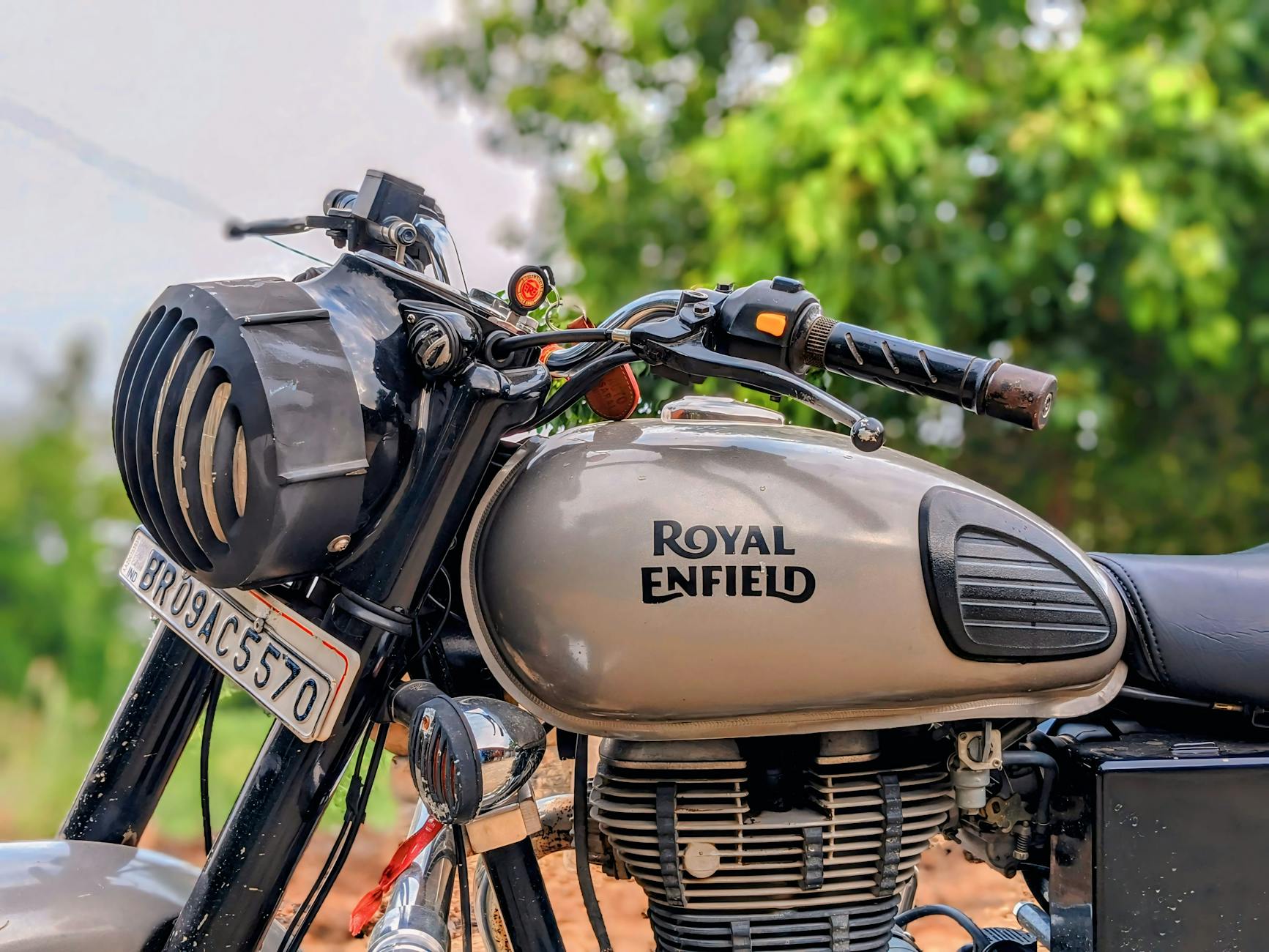
Royal Enfield Bullet 500
Royal Enfield Bullet 350 Es
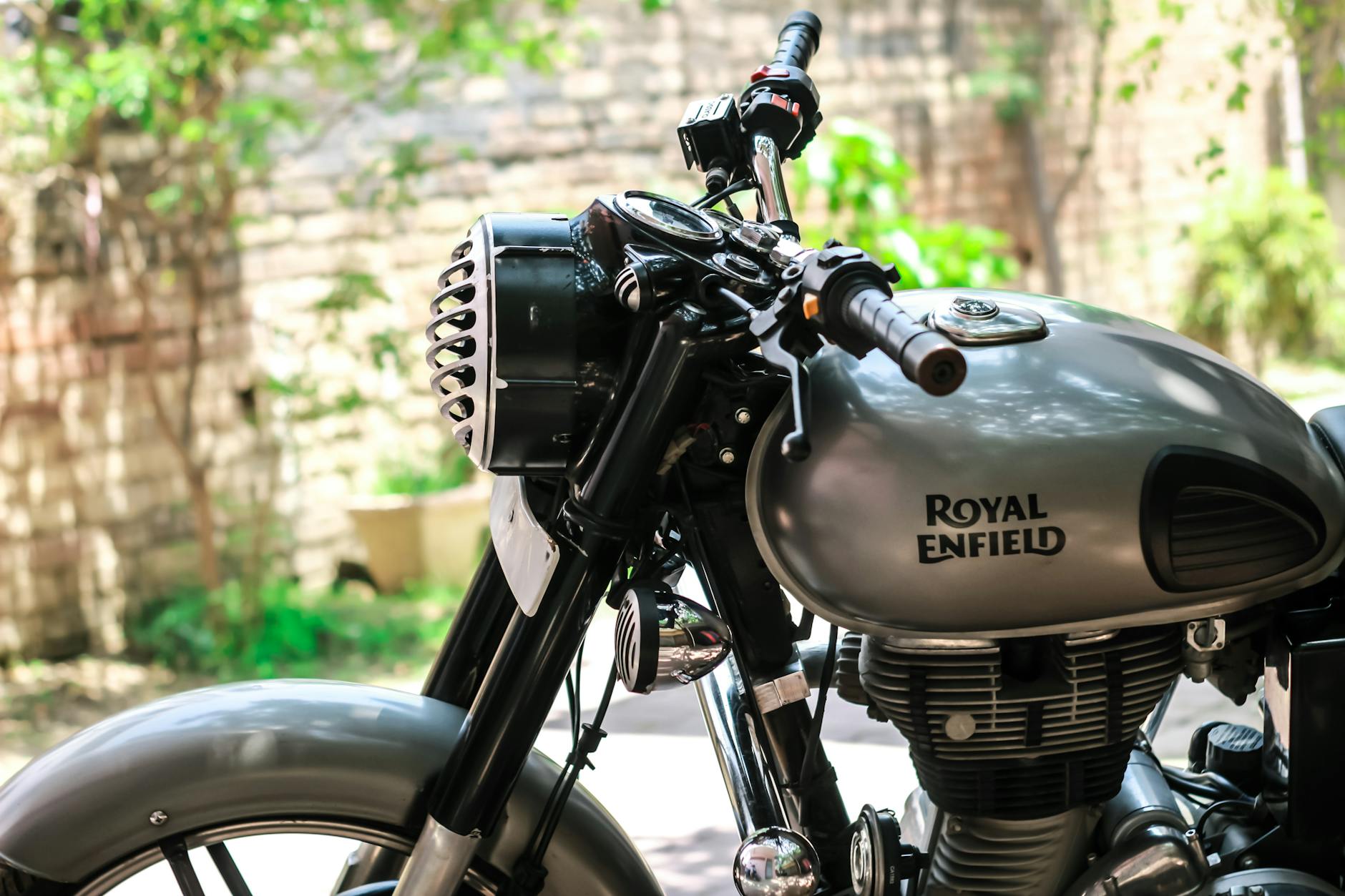
Royal Enfield Machismo 500
Royal Enfield Bullet Electra
Compare Royal Enfield Bullet 500 Es Side-by-Side
compare_arrowsSpecs, power, weight & buyer verdict — head-to-head with the bikes most often cross-shopped.
Royal Enfield Bullet 500 Es vs Royal Enfield Bullet 350
Specs · Power · Buyer verdict
Royal Enfield Bullet 500 Es vs Royal Enfield Bullet 500
Specs · Power · Buyer verdict
Royal Enfield Bullet 500 Es vs Royal Enfield Bullet 350 Es
Specs · Power · Buyer verdict
Royal Enfield Bullet 500 Es vs Royal Enfield Machismo 500
Specs · Power · Buyer verdict
Royal Enfield Bullet 500 Es vs Royal Enfield Bullet Electra
Specs · Power · Buyer verdict
More Royal Enfield Bullet 500 Es Guides
More from Royal Enfield
View all Royal Enfield models →Community Reviews
Discussion
Frequently Asked Questions
What are common problems with the Royal Enfield Bullet 500 Es? +
Electric starter failure or weak battery: Test starter cold, inspect battery age and terminals (moderate) | Oil leaks from engine gaskets: Look under engine for fresh oil seepage or staining (moderate) | Carburetor gumming and poor idling: Cold start quality, idle stability, throttle response (minor)
Is the Royal Enfield Bullet 500 Es a good motorcycle? +
Buy it for the soul, not the spec sheet. Rating: 7.0/10. Best for: Patient city riders wanting authentic retro character. Avoid if: You value mechanical precision over romantic imperfection.
What is the horsepower of the Royal Enfield Bullet 500 Es? +
The Royal Enfield Bullet 500 Es produces 27.2 hp @ 5,250 rpm, with 41.3 Nm @ 4,000 rpm of torque. Top speed: Approximately 130 km/h.
Is the Royal Enfield Bullet 500 Es good for beginners? +
Yes — the Royal Enfield Bullet 500 Es is a reasonable choice for new riders (27.2 hp is manageable), weighing 191 kg. Patient city riders wanting authentic retro character
Is the Royal Enfield Bullet 500 Es reliable? +
The Royal Enfield Bullet 500 Es has no widely-reported critical reliability issues. 4 minor issues are documented — see the Common Problems section above.
Is the Royal Enfield Bullet 500 Es good for daily use? +
Patient city riders wanting authentic retro character Fuel: Approximately 3.0–3.5 L/100km (28–33 km/L typical real-world average).
How fast is the Royal Enfield Bullet 500 Es? +
The Royal Enfield Bullet 500 Es reaches a top speed of Approximately 130 km/h, producing 27.2 hp at 191 kg curb weight. Real-world performance depends on rider weight, gearing, and road conditions.
What gear should I buy for a Royal Enfield Bullet 500 Es? +
Motoryk has curated a Top 10 gear list specifically for the Royal Enfield Bullet 500 Es, covering engine oil, tires, chain, battery, and brake pads — see motoryk.com/bikes/royal-enfield/bullet-500-es/top10. Each pick is matched to this bike's spec.