Royal Enfield Bullet 500 Es
The Royal Enfield Bullet 500 Es has a top speed of Approximately 130 km/h, produces 27.2 hp and weighs 191 kg. Motoryk rates it 7/10.
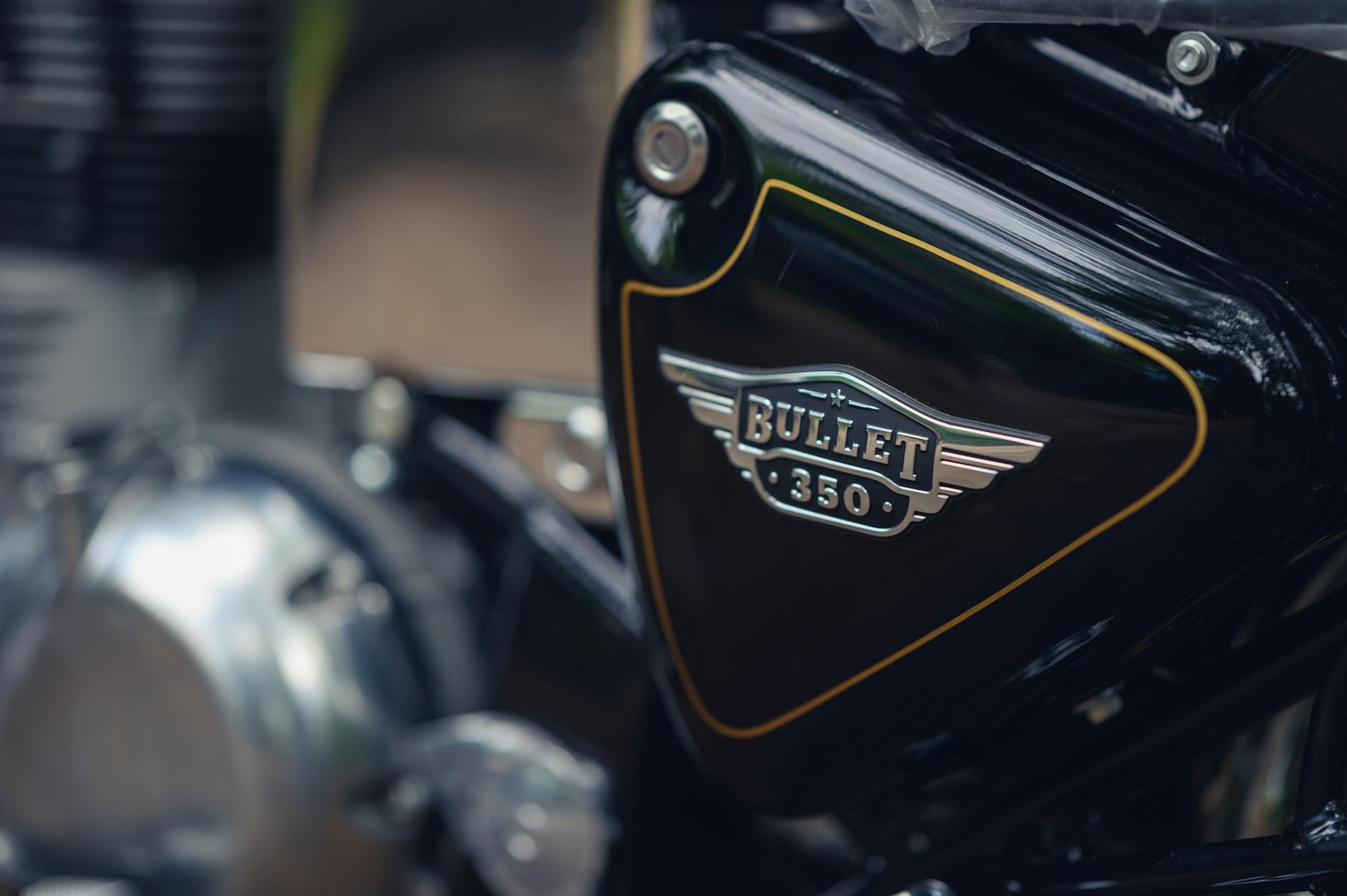
La Royal Enfield Bullet 500 es uno de los modelos de motocicletas más antiguos de la historia, con raíces que se remontan a 1932 y una producción continua en la India desde 1955. La variante «ES» (arranque eléctrico) se introdujo para modernizar el diseño clásico, añadiendo un motor de arranque eléctrico al arranque tradicional, lo que resultó atractivo para los pilotos que buscaban una estética vintage con una comodidad moderna. Sigue siendo icónica por su característica herencia de motores de hierro fundido y su fuerte asociación con las carreteras indias y el uso militar, lo que la convierte en un símbolo cultural tanto como una motocicleta.
27.2 hp
Potencia
41.3 Nm
Torsión
191 kg
Peso
Approximately 130 km/h
Velocidad máxima
Approximately 3.0–3.5 L/100km (28–33 km/L typical real-world average)
Combustible
Desnudo
Cuerpo
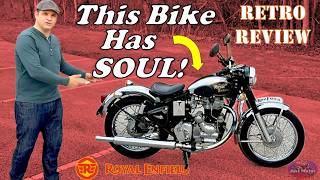
Video Review
Lo que los compradores deben saber
Watch for Oil Leaks
The Bullet 500's cast iron engine is known to develop oil seepage around the rocker box and head gasket, especially on older units. Regular inspections and timely gasket replacements can prevent this from becoming a costly issue.
Strong Resale Value
The Bullet 500 holds its value exceptionally well compared to competitors, largely due to its iconic status and loyal fanbase. A well-maintained example can retain 60-70% of its value after three years.
Electric Start Advantage
The 'ES' variant adds a reliable electric starter while keeping the classic kick-start as a backup, giving you the best of both worlds. This makes it far more practical for daily commuting without sacrificing vintage character.
Generaciones y especificaciones por año
El motor de construcción unitario se introdujo en 1959; el barril de hierro fundido; el monocilíndrico británico tradicional; las variantes exportadas y fabricadas en la India.
"Un golpeador imperfecto y adorable que exige devoción mecánica."
El motor de construcción de la unidad supuso una auténtica mejora con respecto al antiguo lío anterior a la unidad, pero la «mejora» es relativa: esta moto aún extrae aceite de las juntas que aprenderás a nombrar personalmente, y el sistema eléctrico es el mejor argumento de Lucas en contra de la ingeniería británica. Dicho esto, el cañón de hierro fundido de 499 cc produce un golpe de par a bajas revoluciones que te sorprende de verdad: si lo haces rodar a 40 km/h a toda velocidad, simplemente tira, lento e inevitable como un tractor. Viajé en una de Delhi a Manali en 1987 y la moto se soltó tres tornillos de la cadena principal, pero lo volvería a hacer: el golpe a golpe a velocidad de crucero tiene una cualidad meditativa que las gemelas paralelas modernas simplemente no pueden fingir. Solo tienes que llevar contigo un juego de herramientas completo, un condensador de repuesto y expectativas realistas sobre el consumo de aceite.
Pros
Contras
Producción india continua bajo la propiedad de Eicher; pequeñas mejoras; motor de aleación diseñado por AVL que se introdujo alrededor de 2003 para generar emisiones más limpias.
"Una bicicleta de personajes atronadora que exige paciencia mecánica."
Ese gran sencillo cobra vida con el botón ES como un anciano reacio que se despierta: lento, deliberado y absolutamente distintivo. Por debajo de los 60 km/h es realmente relajante, ya que los 40 Nm llegan temprano y recorren la ciudad sin problemas. Pero si superas los 90, toda la máquina empieza a zumbar, te adormecen las manos, los espejos se vuelven inútiles y el peso en mojado de 187 kg te recuerda que esto no está hecho para correr a toda velocidad. El motor de aleación AVL de 2003 en adelante es significativamente más ajustado que las unidades de hierro más antiguas (pierde menos aceite y mayor fiabilidad de arranque), pero «mejor» sigue siendo relativo; de todos modos, seguirás llevando un kit de herramientas y aprenderás a cronometrar tus hábitos de asistencia al patear con el pie derecho.
Pros
Contras
Se introdujo el UCE (motor de construcción unitaria) de 499 cc; la opción de inyección de combustible se añadió más adelante; el encendido electrónico; la confiabilidad mejorada y el cumplimiento de la normativa europea.
Actualizaciones finales para cumplir con la norma Euro 4; se añadió ABS de serie; la producción finalizó cuando el Bullet 500 se retiró gradualmente en la mayoría de los mercados.
Reseña de un comprador usado
"Buy it for the soul, not the spec sheet."
$3,500-$5,500 usedThe Bullet 500 ES is properly old-school in a way that either enchants you or drives you mad — usually both on the same ride. That electric start is genuinely useful and disguises just how agricultural the single-cylinder engine actually is. It thumps along beautifully at 50-60mph, sounds incredible, and turns heads everywhere. Just don't ask it to hurry anywhere. The gearbox feels like stirring porridge and the brakes are an afterthought, but somehow none of that matters much. Buy used and budget for consumables immediately — tyres, brake pads, and the inevitable oil leak investigation. Check the electrics obsessively on any example before 2015, as the Wipro-era wiring is genuinely troubling. Post-2017 units are vastly more reliable. Look for evidence of regular oil changes; these engines punish neglect hard. Steer clear of anything that's been 'customised' by a previous owner with cafe racer fantasies — they've invariably butchered the wiring loom.
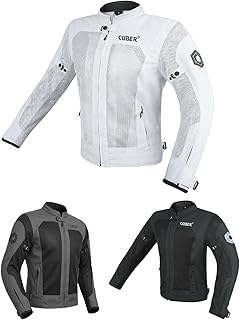
Top 10 Accessories
Curated picks for the Royal Enfield Bullet 500 Es — owned, ridden, recommended.




Problemas comunes
Test starter cold, inspect battery age and terminals
Look under engine for fresh oil seepage or staining
Cold start quality, idle stability, throttle response
Inspect frame welds, footpegs, mirrors, handlebar mounts
✅Lista de verificación previa a la compra
Decent if maintained, avoid neglected examples
Full Specifications
Rivals & Alternatives
Bikes that buyers cross-shop with the Royal Enfield Bullet 500 Es
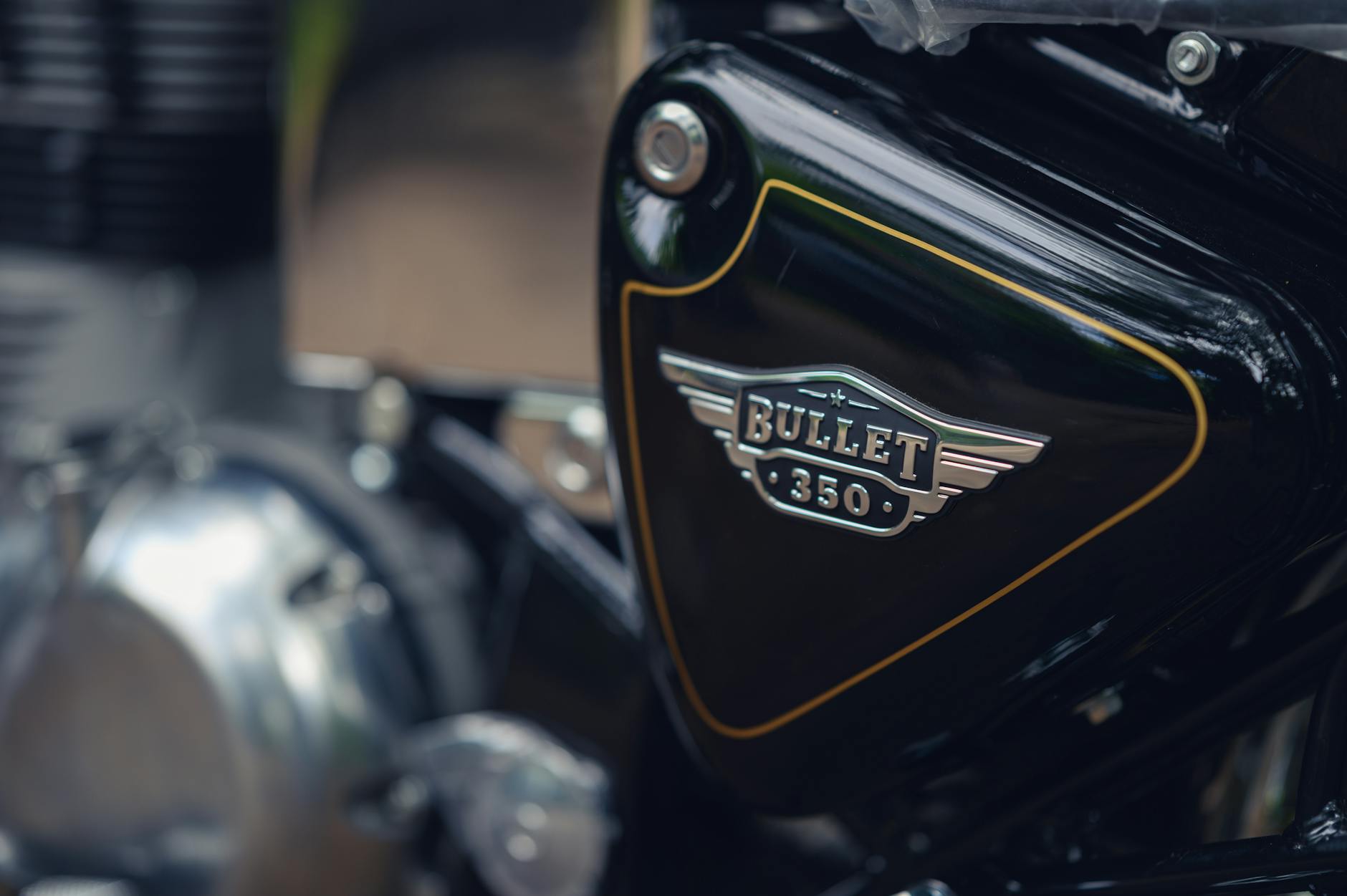
Royal Enfield Bullet 350
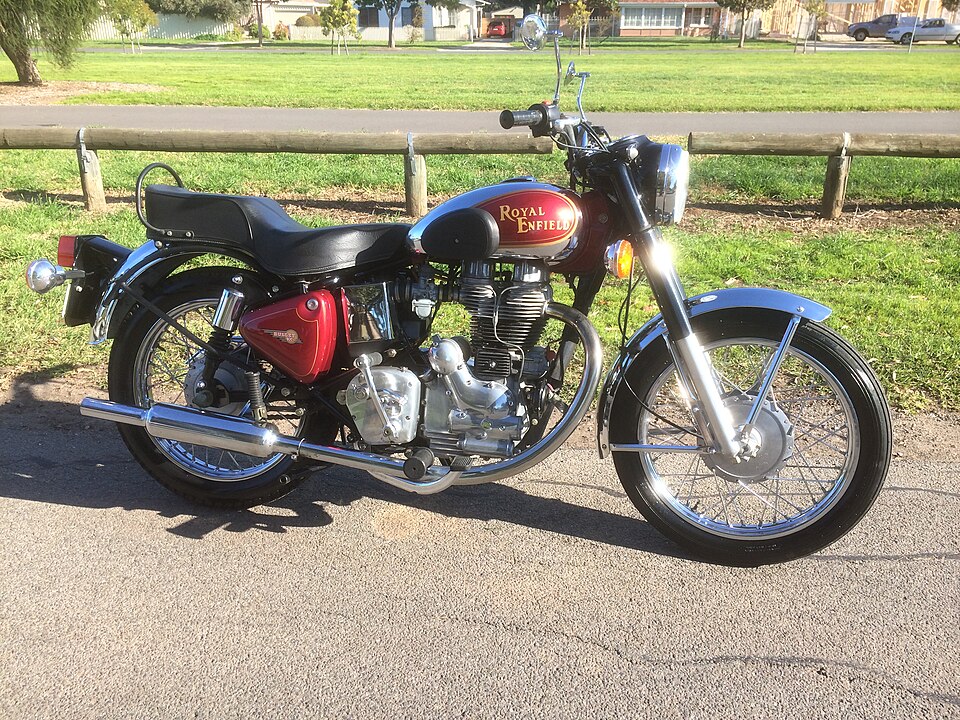
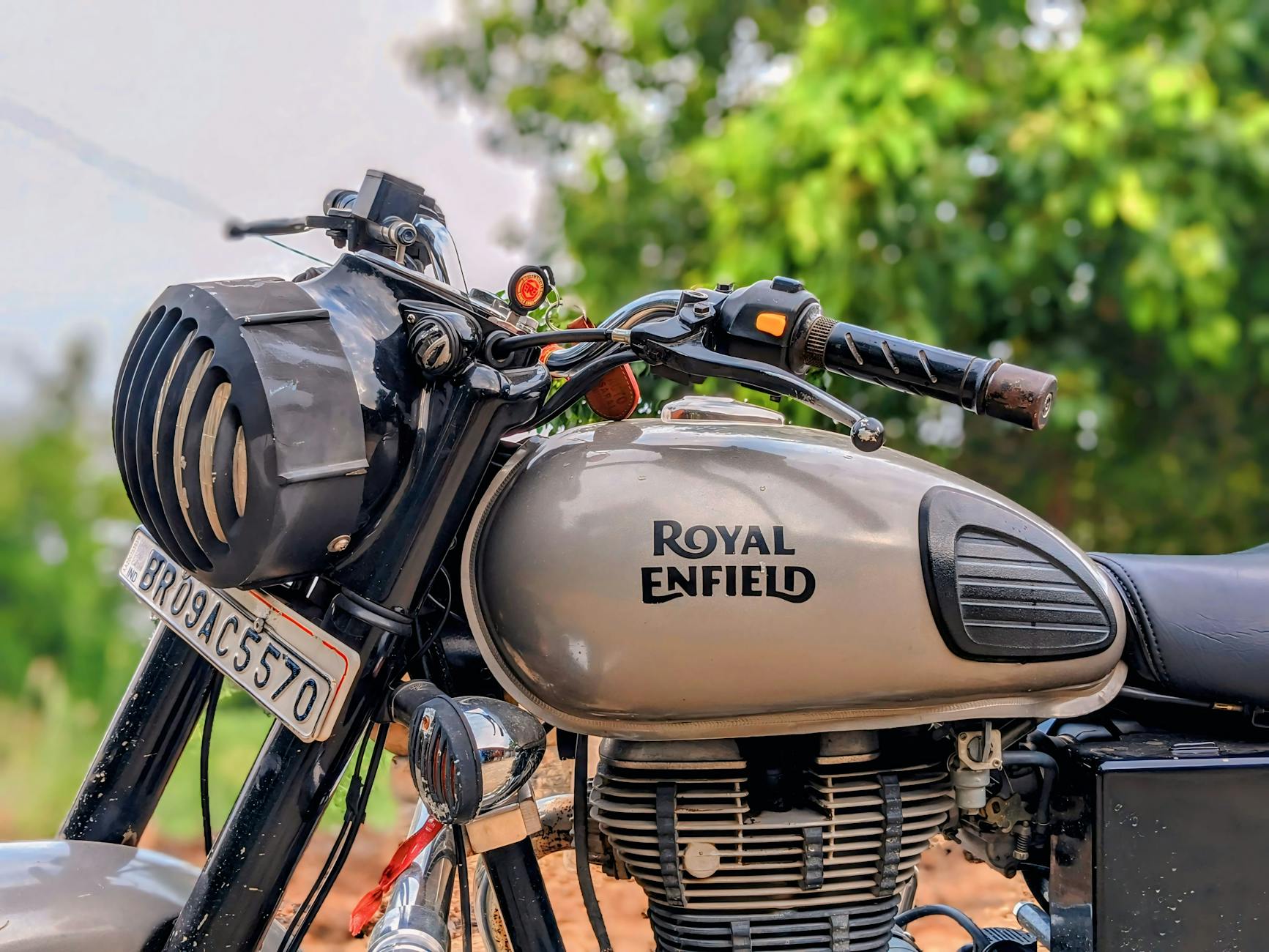
Royal Enfield Bullet 500
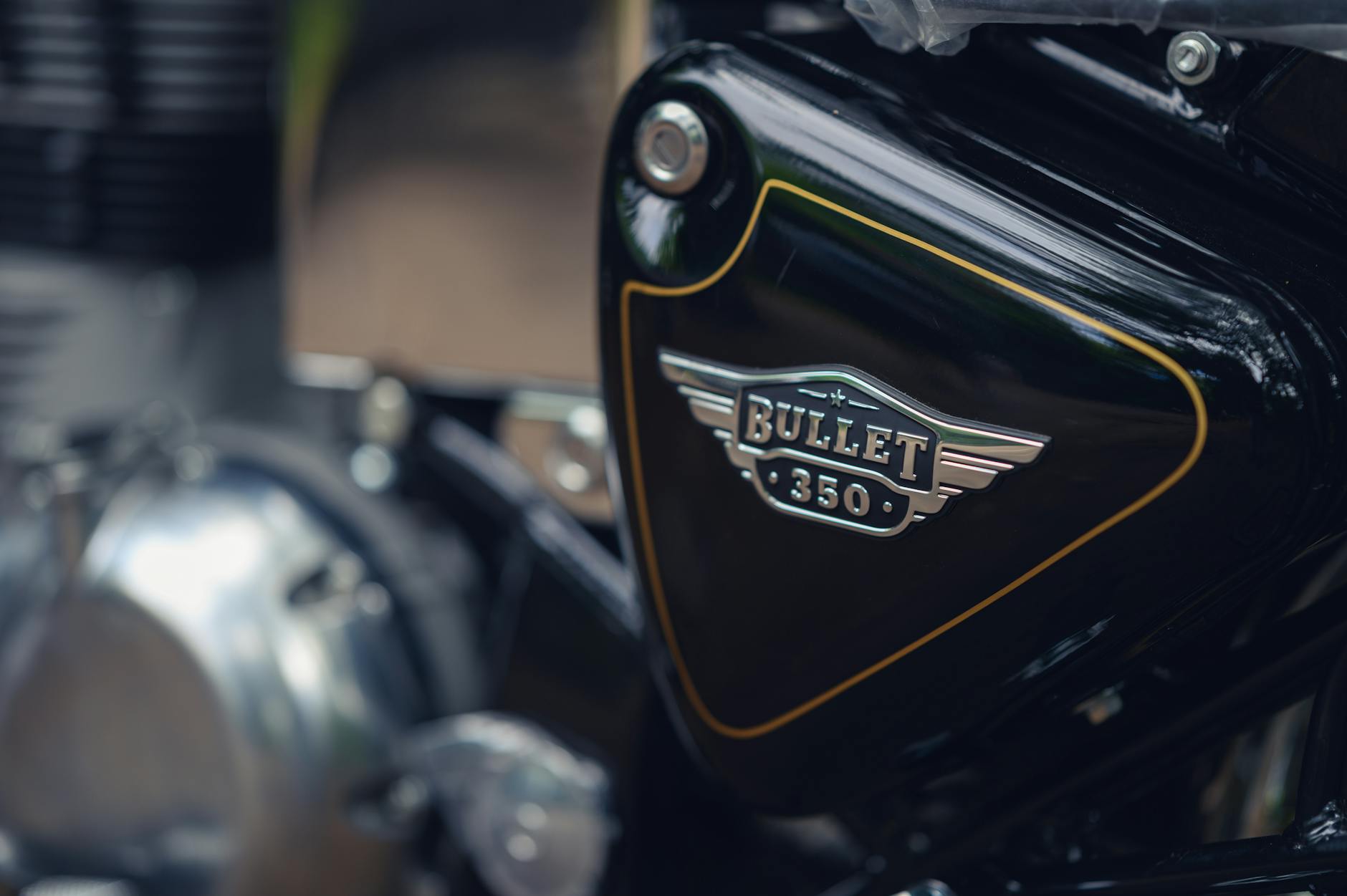
Royal Enfield Bullet 350 Es
Royal Enfield Machismo 500
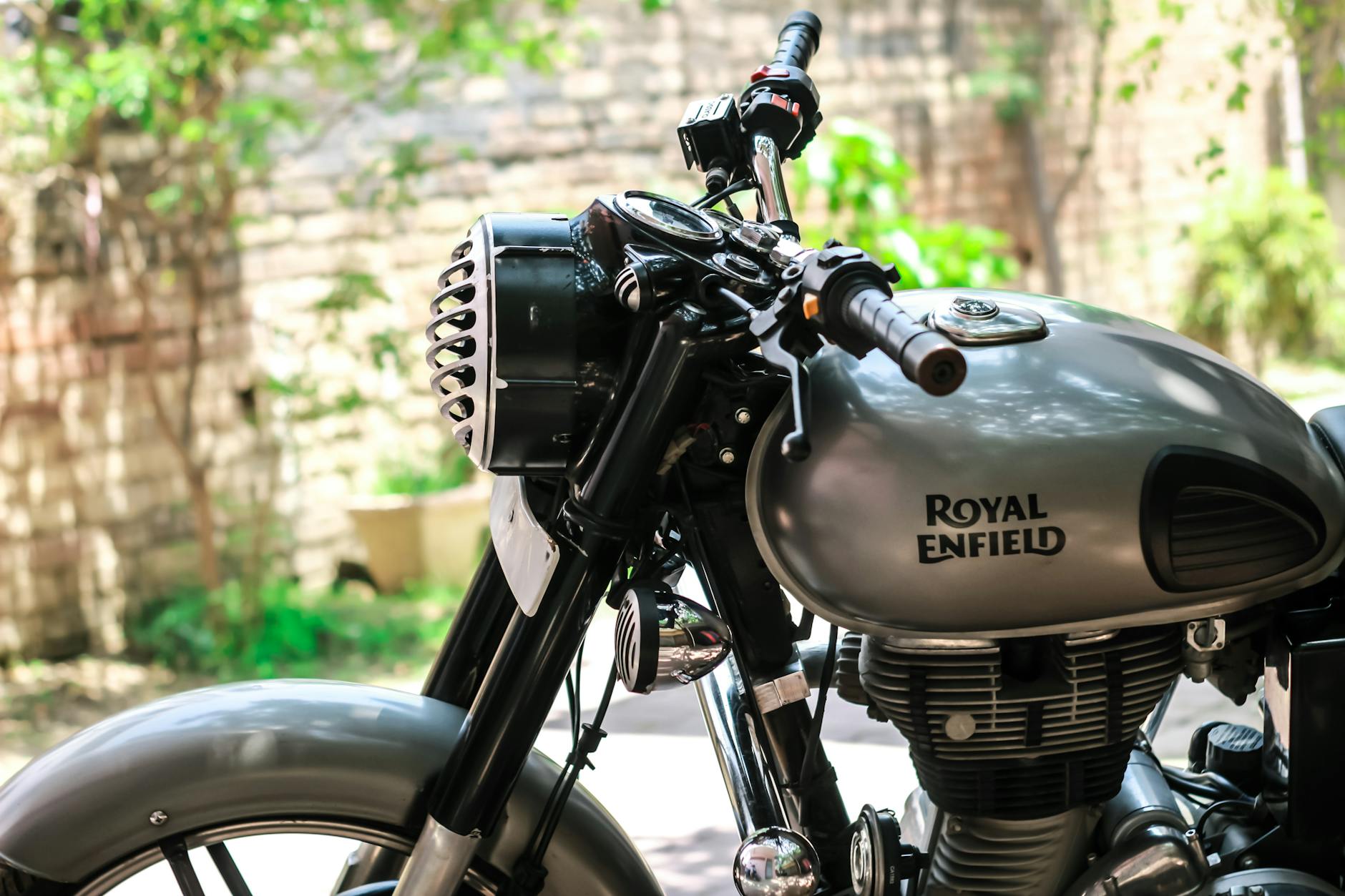
Royal Enfield Bullet Electra
Compare Royal Enfield Bullet 500 Es Side-by-Side
compare_arrowsSpecs, power, weight & buyer verdict — head-to-head with the bikes most often cross-shopped.
Royal Enfield Bullet 500 Es vs Royal Enfield Bullet 350
Specs · Power · Buyer verdict
Royal Enfield Bullet 500 Es vs Royal Enfield Bullet 500
Specs · Power · Buyer verdict
Royal Enfield Bullet 500 Es vs Royal Enfield Bullet 350 Es
Specs · Power · Buyer verdict
Royal Enfield Bullet 500 Es vs Royal Enfield Machismo 500
Specs · Power · Buyer verdict
Royal Enfield Bullet 500 Es vs Royal Enfield Bullet Electra
Specs · Power · Buyer verdict
More Royal Enfield Bullet 500 Es Guides
More from Royal Enfield
View all Royal Enfield models →Community Reviews
Discussion
Frequently Asked Questions
What are common problems with the Royal Enfield Bullet 500 Es? +
Electric starter failure or weak battery: Test starter cold, inspect battery age and terminals (moderate) | Oil leaks from engine gaskets: Look under engine for fresh oil seepage or staining (moderate) | Carburetor gumming and poor idling: Cold start quality, idle stability, throttle response (minor)
Is the Royal Enfield Bullet 500 Es a good motorcycle? +
Buy it for the soul, not the spec sheet. Rating: 7.0/10. Best for: Patient city riders wanting authentic retro character. Avoid if: You value mechanical precision over romantic imperfection.
What is the horsepower of the Royal Enfield Bullet 500 Es? +
The Royal Enfield Bullet 500 Es produces 27.2 hp @ 5,250 rpm, with 41.3 Nm @ 4,000 rpm of torque. Top speed: Approximately 130 km/h.
Is the Royal Enfield Bullet 500 Es good for beginners? +
Yes — the Royal Enfield Bullet 500 Es is a reasonable choice for new riders (27.2 hp is manageable), weighing 191 kg. Patient city riders wanting authentic retro character
Is the Royal Enfield Bullet 500 Es reliable? +
The Royal Enfield Bullet 500 Es has no widely-reported critical reliability issues. 4 minor issues are documented — see the Common Problems section above.
Is the Royal Enfield Bullet 500 Es good for daily use? +
Patient city riders wanting authentic retro character Fuel: Approximately 3.0–3.5 L/100km (28–33 km/L typical real-world average).
How fast is the Royal Enfield Bullet 500 Es? +
The Royal Enfield Bullet 500 Es reaches a top speed of Approximately 130 km/h, producing 27.2 hp at 191 kg curb weight. Real-world performance depends on rider weight, gearing, and road conditions.
What gear should I buy for a Royal Enfield Bullet 500 Es? +
Motoryk has curated a Top 10 gear list specifically for the Royal Enfield Bullet 500 Es, covering engine oil, tires, chain, battery, and brake pads — see motoryk.com/bikes/royal-enfield/bullet-500-es/top10. Each pick is matched to this bike's spec.