Piaggio Vespa Gts 300
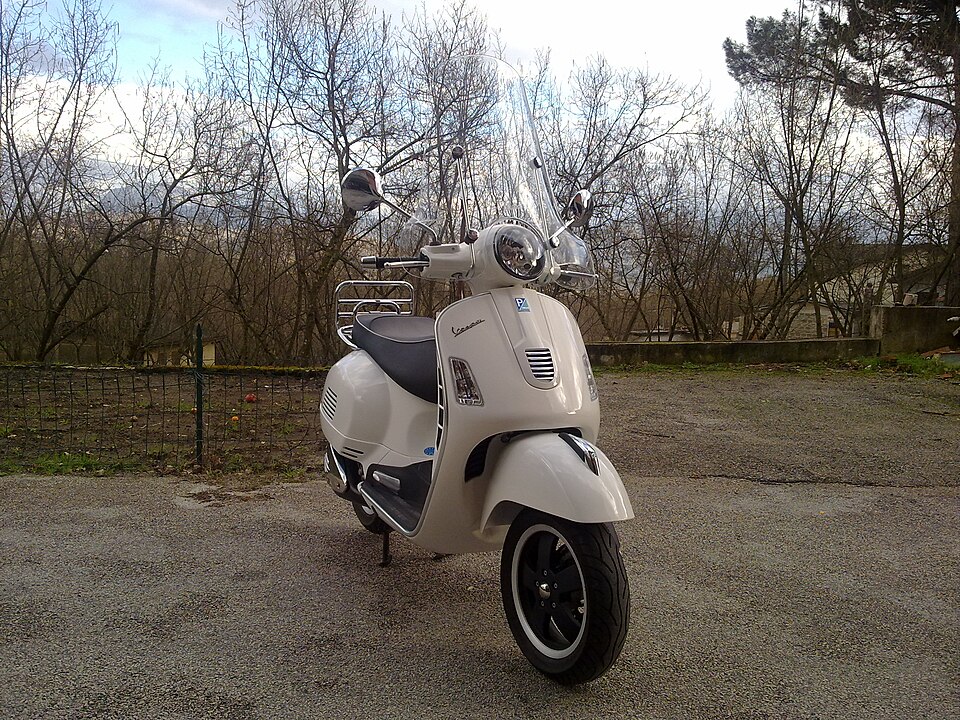
The Piaggio Vespa Gts 300 has a top speed of 123 km/h, produces 24 hp and weighs 170 kg. Motoryk rates it 8/10.
베스파 GTS 300은 2008년 피아지오의 현대식 베스파 라인업의 플래그십으로 출시되었습니다. GTS 250을 대체하고 당시 베스파 스쿠터에 장착된 엔진 중 가장 큰 엔진을 탑재했습니다.이 모델은 2019년 HPE (고성능 엔진) 모델이 출시되면서 대대적인 업데이트를 거쳤습니다. HPE (고성능 엔진) 모델은 개선된 출력과 유로 5 준수를 갖춘 새로운 300cc 단일 실린더 엔진을 탑재했습니다.클래식한 이탈리아 스타일과 현대적인 성능 및 기술이 조화를 이룬 것으로 유명하며, 여전히 세계에서 가장 많이 팔리는 대배기량 스쿠터 중 하나입니다.
24 hp
파워
26 Nm
토크
170 kg
무게
123 km/h
탑 스피드
3.2 L/100km (approx. 31 km/L typical real-world average)
연료
페어링
바디
🔧 Service Schedule & Parts
Affiliate · we may earn| Service item | Every | Typical cost | Parts |
|---|---|---|---|
| 🛢️ Engine oil + oil filter | 6,000 km / 3,500 mi or 12 mo | $40-80 | 🛢️ Buy → ⚙️ Buy → |
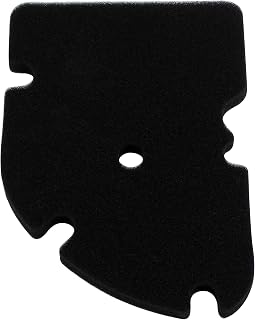
| 🌬️ Air filter | 12,000 km / 7,500 mi | — | 🌬️ Buy → |
| ⚡ Spark plugs | 12,000 km / 7,500 mi | — | ⚡ Buy → |
| 🔧 Valve clearance check | 24,000 km / 15,000 mi | $150-300 | |
| 🔗 Chain & sprockets | N/A - belt drive km (replace) | $N/A - belt drive | 🔗 Buy → |
| 🛑 Brake pads | 15000-25000 km | $40-80 | 🛑 Buy → |
| 💧 Brake fluid | 24,000 km / 15,000 mi or 2 yr | — | |
| 🧊 Coolant | 24,000 km / 15,000 mi | — | |
| 🛞 Tires | 15000-25000 km | $150-300 | 🛞 Buy → |
| 🔩 Major service | 24,000 km / 15,000 mi | $250-500 |
Video Review
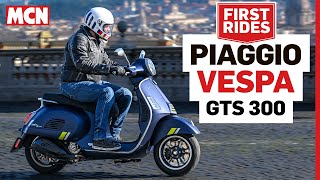
구매자가 알아야 할 사항
Strong Resale Value
The Vespa GTS 300 holds its value exceptionally well compared to most scooters, often retaining 70-80% of its value after 3 years. Its iconic brand status and timeless design make it consistently in demand on the used market.
Watch the Cooling Fan
A known issue on the GTS 300 is the cooling fan relay failing, which can cause the engine to overheat in stop-and-go traffic. It's an inexpensive fix but worth inspecting on any used example before purchase.
Advanced Tech Standard
The GTS 300 HPE (High Performance Engine) model features traction control, ABS, and a ride-by-wire throttle system — rare features typically reserved for much larger motorcycles. This makes it one of the most technologically advanced scooters in its class.
연도별 세대 및 사양
278cc 퀘이사 단일 실린더 엔진, 연료 분사, 전방 및 후방 디스크 브레이크를 장착한 GTS 300이 처음 출시되었습니다.
차체 스타일 수정, 계기판 업데이트, 개선된 ABS 시스템 도입, 사소한 엔진 개선.
새로운 HPE (고성능 엔진) 300cc 장치가 출시되어 출력 및 토크 출력이 크게 향상되었습니다.
Euro 4 호환 엔진 업데이트, 트랙션 컨트롤 추가, 연결 기능, LED 조명 업데이트.
Euro 5 규정 준수, 업데이트된 HPE 엔진 튜닝, 개선된 전자 패키지, 개선된 서스펜션 설정.
중고 구매자 리뷰
"The scooter that makes proper motorcyclists quietly jealous."
$4,500-$7,500 usedThe GTS 300 is genuinely one of the best urban two-wheelers money can buy used, and I say that as someone who's spent time on proper motorcycles. The HPE engine (post-2019 bikes especially) pulls hard enough to embarrass stoplight warriors, and that single-sided front suspension actually handles better than it has any right to. Build quality is Italian, meaning the chrome and paint age beautifully but electrical gremlins are absolutely a thing — budget for that upfront. Used examples pile up mileage fast because owners actually ride them daily, which is either reassuring or a red flag depending on service history. Check the variator rollers and belt religiously — neglected CVT maintenance is the silent killer here. Pre-2019 carb models are cheaper but thirstier and slower; the fuel-injected HPE is worth the premium. Avoid anything with front fork knocks or weeping fork seals, as parts aren't cheap. Bottom line: find a dealer-serviced example with receipts and you're buying something that'll outlast most motorcycles in the urban jungle.
Variants of the Piaggio Vespa Gts 300
Same bike, different trim or year-range — pick the one matching the listing.
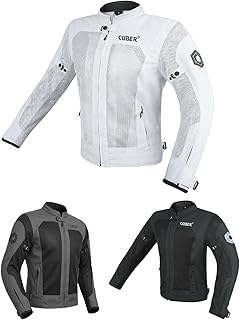
Top 10 Accessories
Curated picks for the Piaggio Vespa Gts 300 — owned, ridden, recommended.




일반적인 문제
🔥 1 CRITICALBounce test rear end, look for oil residue
Cold start idle quality, hesitation on acceleration
Slipping or jerky acceleration, ask service history
Check under seat for corrosion or swollen battery
✅사전 구매 체크리스트
Solid scooter, maintenance-dependent, avoid neglected examples
Full Specifications
Rivals & Alternatives
Bikes that buyers cross-shop with the Piaggio Vespa Gts 300
Kymco People Gt 300
Piaggio Beverly 300
Piaggio Vespa Gts 300 Hpe
Piaggio Vespa Gts Super 300
Piaggio Vespa Gtv 300
Compare Piaggio Vespa Gts 300 Side-by-Side
compare_arrowsSpecs, power, weight & buyer verdict — head-to-head with the bikes most often cross-shopped.
Piaggio Vespa Gts 300 vs Kymco People Gt 300
Specs · Power · Buyer verdict
Piaggio Vespa Gts 300 vs Piaggio Beverly 300
Specs · Power · Buyer verdict
Piaggio Vespa Gts 300 vs Piaggio Vespa Gts 300 Hpe
Specs · Power · Buyer verdict
Piaggio Vespa Gts 300 vs Piaggio Vespa Gts Super 300
Specs · Power · Buyer verdict
Piaggio Vespa Gts 300 vs Piaggio Vespa Gtv 300
Specs · Power · Buyer verdict
More Piaggio Vespa Gts 300 Guides
More from Piaggio
View all Piaggio models →Community Reviews
Discussion
Frequently Asked Questions
What are common problems with the Piaggio Vespa Gts 300? +
Rear shock absorber leaking or worn out: Bounce test rear end, look for oil residue (moderate) | Fuel injector clogging causing rough idle: Cold start idle quality, hesitation on acceleration (moderate) | CVT belt and roller wear: Slipping or jerky acceleration, ask service history (serious)
Is the Piaggio Vespa Gts 300 a good motorcycle? +
The scooter that makes proper motorcyclists quietly jealous. Rating: 8.0/10. Best for: Urban commuters wanting style and genuine performance. Avoid if: You need highway miles or tight budgets.
What is the horsepower of the Piaggio Vespa Gts 300? +
The Piaggio Vespa Gts 300 produces 24 hp @ 8,250 rpm, with 26 Nm @ 5,000 rpm of torque. Top speed: 123 km/h.
Is the Piaggio Vespa Gts 300 good for beginners? +
Yes — the Piaggio Vespa Gts 300 is a reasonable choice for new riders (24 hp is manageable), weighing 170 kg. Urban commuters wanting style and genuine performance
Is the Piaggio Vespa Gts 300 reliable? +
Owners report 1 critical issue to watch for on the Piaggio Vespa Gts 300, notably: CVT belt and roller wear (Slipping or jerky acceleration, ask service history). Buy with a pre-purchase inspection.
Is the Piaggio Vespa Gts 300 good for daily use? +
Urban commuters wanting style and genuine performance Fuel: 3.2 L/100km (approx. 31 km/L typical real-world average).
How fast is the Piaggio Vespa Gts 300? +
The Piaggio Vespa Gts 300 reaches a top speed of 123 km/h, producing 24 hp at 170 kg curb weight. Real-world performance depends on rider weight, gearing, and road conditions.
What gear should I buy for a Piaggio Vespa Gts 300? +
Motoryk has curated a Top 10 gear list specifically for the Piaggio Vespa Gts 300, covering engine oil, tires, chain, battery, and brake pads — see motoryk.com/bikes/piaggio/vespa-gts-300/top10. Each pick is matched to this bike's spec.