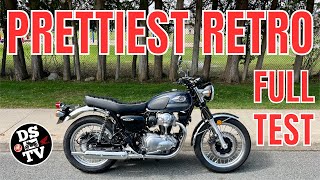
Kawasaki W800
The Kawasaki W800 has a top speed of 180 km/h (estimated, manufacturer does not officially publish), produces 47 hp and weighs 221 kg. Motoryk rates it 8/10.
La Kawasaki W800 tire ses origines de la W1 originale de 1966, largement inspirée de la BSA A7 et devenue la première moto de grande cylindrée du Japon. La W800 moderne a été réintroduite en 2011 en tant que successeur spirituel de ces jumelles parallèles classiques de style britannique, alliant style rétro et fiabilité moderne, et a été mise à jour en 2019 avec l'injection de carburant, la conformité Euro 4 et une esthétique raffinée pour rester compétitive sur le segment rétro-classique en pleine croissance.
47 hp
Pouvoir
62.9 Nm
Torque
221 kg
Poids
180 km/h (estimated, manufacturer does not officially publish)
Vitesse maximale
4.5 L/100km (approx. 22 km/L, typical real-world average)
Carburant
Nue
Corps
🔧 Service Schedule & Parts
Affiliate · we may earn| Service item | Every | Typical cost | Parts |
|---|---|---|---|
| 🛢️ Engine oil + oil filter | 6,000 km / 3,500 mi or 12 mo | $40-80 | 🛢️ Buy → ⚙️ Buy → |
| 🌬️ Air filter | 12,000 km / 7,500 mi | — | 🌬️ Buy → |
| ⚡ Spark plugs | 12,000 km / 7,500 mi | — | ⚡ Buy → |
| 🔧 Valve clearance check | 24,000 km / 15,000 mi | $200-400 | |
| 🔗 Chain & sprockets | 25000-40000 km (replace) | $150-300 | 🔗 Buy → |
| 🛑 Brake pads | 15000-30000 km | $30-60 | 🛑 Buy → |
| 💧 Brake fluid | 24,000 km / 15,000 mi or 2 yr | — | |
| 🛞 Tires | 10000-20000 km | $200-400 | 🛞 Buy → |
| 🔩 Major service | 24,000 km / 15,000 mi | $300-600 |
Video Review
Ce que les acheteurs doivent savoir
Parallel Twin Reliability
The W800's 773cc air-cooled parallel twin is known for exceptional long-term reliability with minimal mechanical issues when properly maintained. Many owners report 50,000+ km with only routine servicing.
Watch the Electrics
Older W800 models (2011-2016) have known issues with the charging system and regulator/rectifier failing, which can drain the battery or damage the alternator. Always check charging voltage before buying used.
Strong Resale Value
The W800 holds its value unusually well for a mid-size retro bike due to its limited production numbers and timeless styling. Low-mileage examples often sell close to their original purchase price even years later.
Générations et spécifications par année
Présentation de la W800 en tant que successeur spirituel de la W650 ; injection de carburant, bicylindre parallèle de 773 cm3, style classique conservé.
Conformité révisée aux normes Euro 4 puis Euro 5, injection de carburant mise à jour, nouvelles variantes du W800 Street et du W800 Cafe introduites.
Évaluation d'un acheteur d'occasion
"The most honest retro twin you can buy used today."
$5,500-$8,500 usedThe W800 is Kawasaki doing retro properly — not as a gimmick, but as a genuinely sorted motorcycle. That parallel twin is the real deal: smooth below 4,000rpm, characterful enough to feel alive, and with an exhaust note that sounds like something your grandfather would approve of. Build quality is exceptional for the price bracket, and these bikes age gracefully. Find one with reasonable miles and it'll likely need very little beyond consumables. Used examples typically show their age through cosmetic wear rather than mechanical issues — these engines are bulletproof if serviced. Check the chrome carefully though, because it pits and bubbles if previous owners neglected it, and restoration costs add up fast. Carb models pre-2011 need occasional attention; the fuel-injected W800 from 2011 onward is genuinely hassle-free. Avoid anything that's been dropped — the engine cases crack and parts availability, while improving, still isn't great outside specialist dealers.
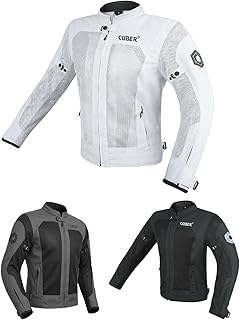
Top 10 Accessories
Curated picks for the Kawasaki W800 — owned, ridden, recommended.




Problèmes courants
Rough idle, hesitation, inspect carb slides for tears
Cold start ticking noise from top end
Check all connectors under seat for green corrosion
Oil residue on lower fork legs and dust boots
✅Liste de contrôle préalable à l'achat
Generally reliable, maintenance-friendly classic-style bike
Full Specifications
Rivals & Alternatives
Bikes that buyers cross-shop with the Kawasaki W800
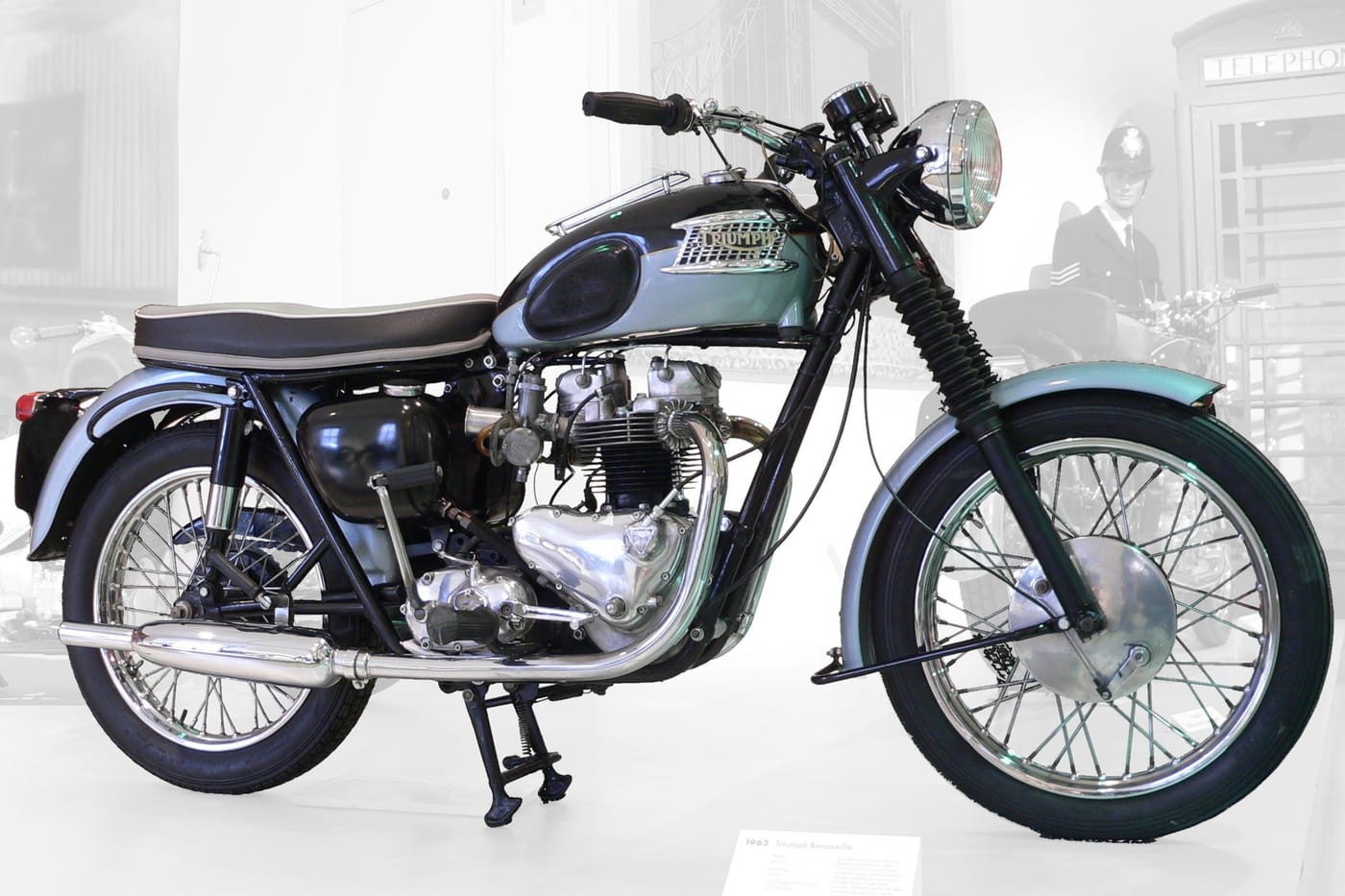
Triumph Bonneville T120
Triumph Bonneville T100
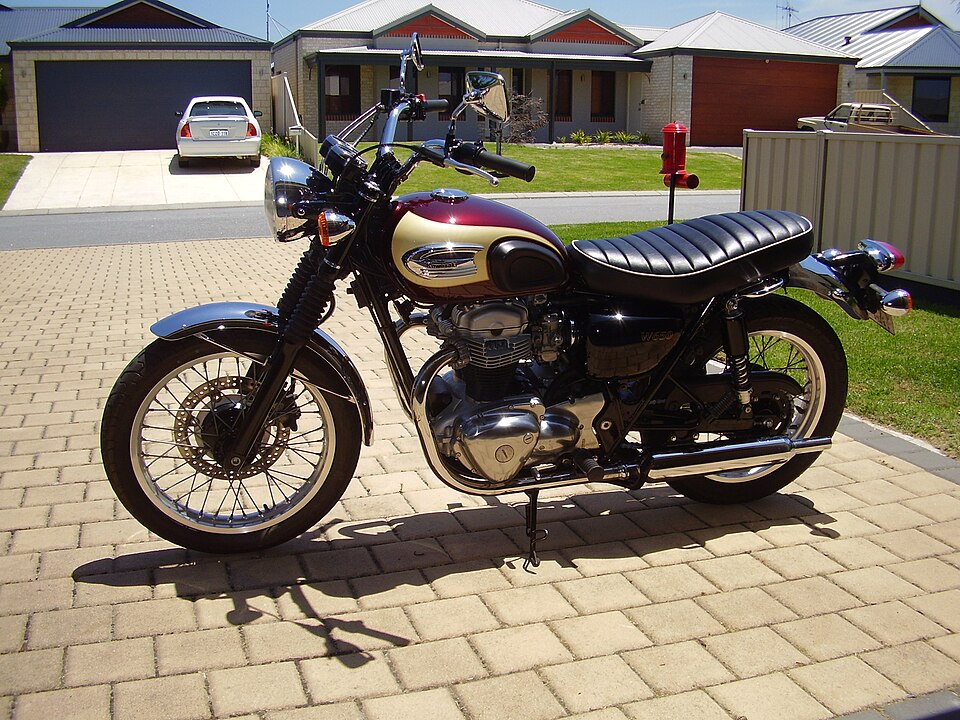
Kawasaki W650
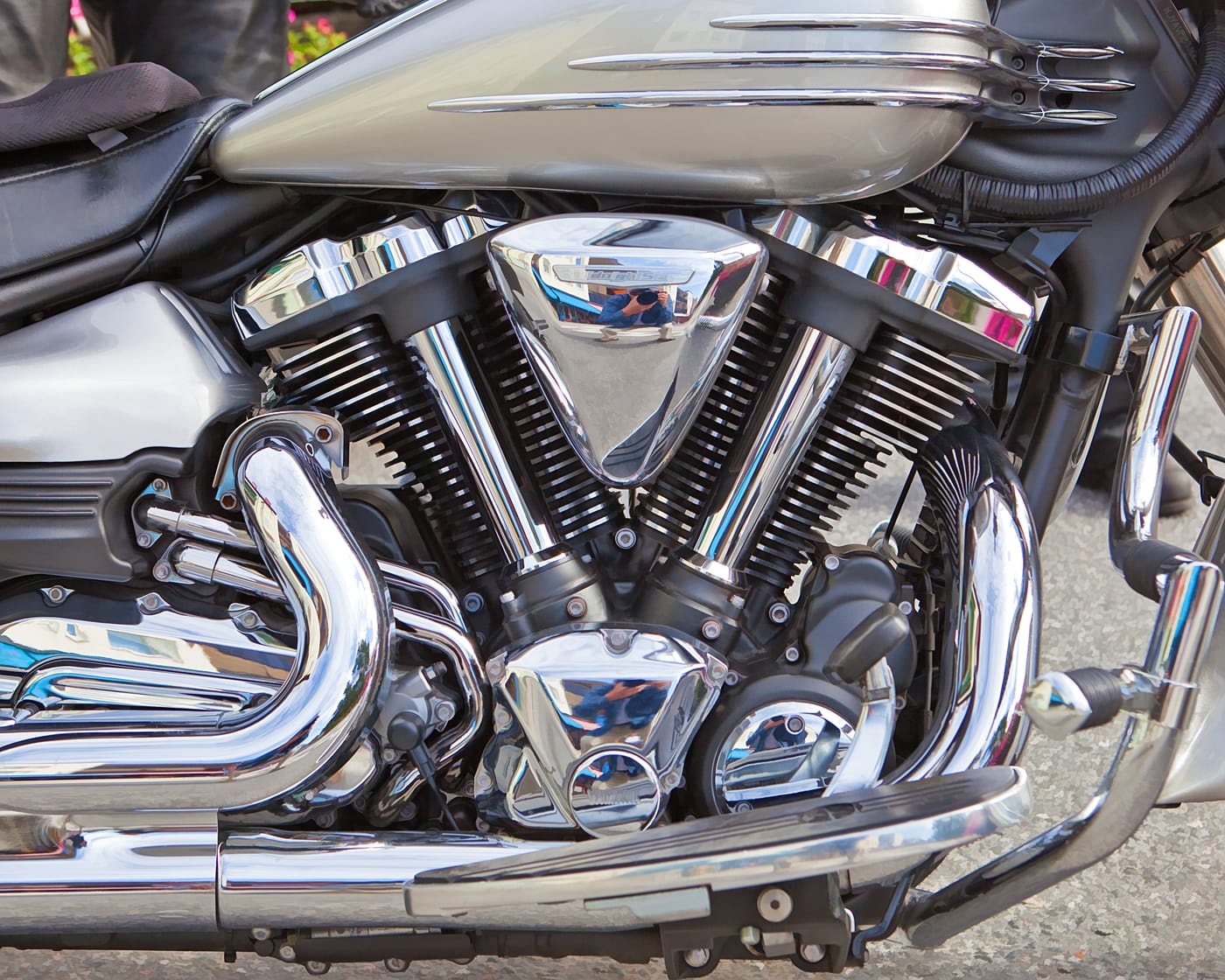
Moto Guzzi V7 Classic
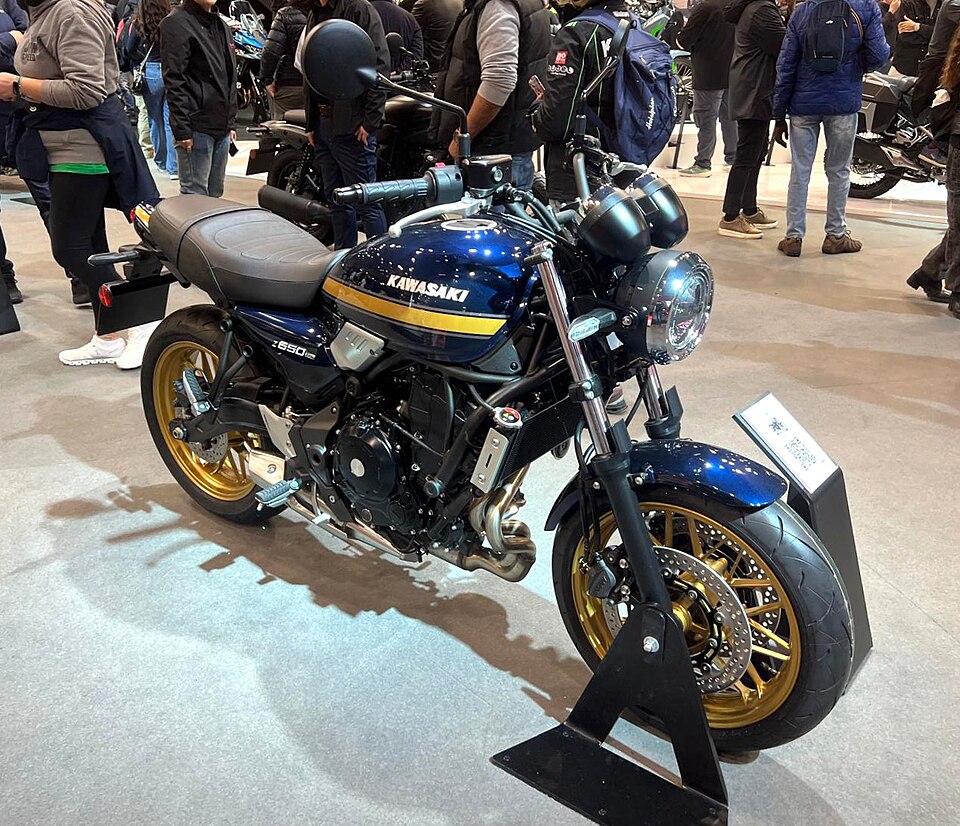
Kawasaki Z650rs
Compare Kawasaki W800 Side-by-Side
compare_arrowsSpecs, power, weight & buyer verdict — head-to-head with the bikes most often cross-shopped.
Kawasaki W800 vs Triumph Bonneville T120
Specs · Power · Buyer verdict
Kawasaki W800 vs Triumph Bonneville T100
Specs · Power · Buyer verdict
Kawasaki W800 vs Kawasaki W650
Specs · Power · Buyer verdict
Kawasaki W800 vs Moto Guzzi V7 Classic
Specs · Power · Buyer verdict
Kawasaki W800 vs Kawasaki Z650rs
Specs · Power · Buyer verdict
More Kawasaki W800 Guides
More from Kawasaki
View all Kawasaki models →Community Reviews
Discussion
Frequently Asked Questions
What are common problems with the Kawasaki W800? +
Carb diaphragm cracking from ethanol fuel: Rough idle, hesitation, inspect carb slides for tears (moderate) | Cam chain tensioner wear causing rattle: Cold start ticking noise from top end (moderate) | Corroded battery terminals and electrical connectors: Check all connectors under seat for green corrosion (minor)
Is the Kawasaki W800 a good motorcycle? +
The most honest retro twin you can buy used today. Rating: 8.0/10. Best for: Riders wanting reliable, beautiful, low-drama classics. Avoid if: You need cornering ABS or serious performance.
What is the horsepower of the Kawasaki W800? +
The Kawasaki W800 produces 47 hp @ 6,500 rpm, with 62.9 Nm @ 4,800 rpm of torque. Top speed: 180 km/h (estimated, manufacturer does not officially publish).
Is the Kawasaki W800 good for beginners? +
Yes — the Kawasaki W800 is a reasonable choice for new riders (47 hp is manageable), weighing 221 kg. Riders wanting reliable, beautiful, low-drama classics
Is the Kawasaki W800 reliable? +
The Kawasaki W800 has no widely-reported critical reliability issues. 4 minor issues are documented — see the Common Problems section above.
Is the Kawasaki W800 good for daily use? +
Riders wanting reliable, beautiful, low-drama classics Fuel: 4.5 L/100km (approx. 22 km/L, typical real-world average).
How fast is the Kawasaki W800? +
The Kawasaki W800 reaches a top speed of 180 km/h (estimated, manufacturer does not officially publish), producing 47 hp at 221 kg curb weight. Real-world performance depends on rider weight, gearing, and road conditions.
What gear should I buy for a Kawasaki W800? +
Motoryk has curated a Top 10 gear list specifically for the Kawasaki W800, covering engine oil, tires, chain, battery, and brake pads — see motoryk.com/bikes/kawasaki/w800/top10. Each pick is matched to this bike's spec.