Kawasaki Vulcan 2000
The Kawasaki Vulcan 2000 has a top speed of 185 km/h (estimated; limited by aerodynamics and gearing), produces 103 hp and weighs 359 kg. Motoryk rates it 7.5/10.
The Kawasaki Vulcan 2000 was introduced in 2004 as Kawasaki's flagship cruiser, featuring the largest displacement V-twin engine ever fitted to a production motorcycle at the time — a massive 2,053cc air-cooled engine. It was produced through 2010 and offered in Classic and Classic LT variants, targeting riders seeking maximum displacement and torque in the American cruiser segment. The Vulcan 2000 was notable for directly competing with Harley-Davidson's top models and showcased Kawasaki's engineering ambition in the heavyweight cruiser market.
103 hp
Power
175 Nm
Torque
359 kg
Weight
185 km/h (estimated; limited by aerodynamics and gearing)
Top Speed
7.5 L/100km (approximately 13.3 km/L) — estimated real-world average
Fuel
Naked
Body
🔧 Service Schedule & Parts
Affiliate · we may earn| Service item | Every | Typical cost | Parts |
|---|---|---|---|
| 🛢️ Engine oil + oil filter | 6,000 km / 3,500 mi or 12 mo | $60-100 | 🛢️ Buy → ⚙️ Buy → |
| 🌬️ Air filter | 12,000 km / 7,500 mi | — | 🌬️ Buy → |
| ⚡ Spark plugs | 12,000 km / 7,500 mi | — | ⚡ Buy → |
| 🔧 Valve clearance check | 24,000 km / 15,000 mi | $300-600 | |
| 🛑 Brake pads | 15000-25000 km | $50-100 | 🛑 Buy → |
| 💧 Brake fluid | 24,000 km / 15,000 mi or 2 yr | — | |
| 🧊 Coolant | 24,000 km / 15,000 mi | — | |
| 🛞 Tires | 15000-25000 km | $300-500 | 🛞 Buy → |
| 🔩 Major service | 24,000 km / 15,000 mi | $400-800 |
Video Review
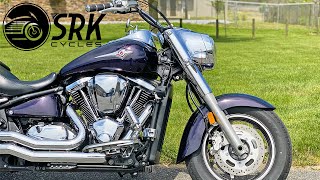
What Buyers Should Know
Massive Engine, Watch Cooling
The 2053cc V-twin is one of the largest displacement cruiser engines ever built, but the air/oil-cooled design can run hot in slow traffic or summer heat. Ensure previous owners maintained oil changes religiously to avoid premature wear.
Strong Resale Holds
The Vulcan 2000 holds its value better than many cruisers due to its rare mega-displacement status and devoted fanbase. Low-mileage examples in good condition consistently command premium prices on the used market.
Check Cam Chain Tensioners
A known weak point on the Vulcan 2000 is the cam chain tensioner, which can wear and cause a rattling noise on startup. Always listen for unusual engine noise at cold start before purchasing.
Generations & Specs by Year
Introduced 2053cc V-twin engine, largest displacement Kawasaki cruiser, classic styling, belt drive.
"Raw, ridiculous torque monster with serious real-world limitations."
That 2053cc engine doesn't ask permission — at 3,000 rpm it shoves you backward in a way that genuinely startles first-timers, and the belt drive keeps things surprisingly refined for a bike this agricultural in character. But 380 kg is not a number, it's a lifestyle commitment: slow parking lot maneuvers will catch you out, and if it ever tips over, you're calling a friend. Ergonomics are reasonable for a tall rider, and the 705mm seat height actually helps with confidence despite the mass, but the suspension is tuned soft to the point of vagueness at highway speeds above 150 km/h. Kawasaki clearly built this to one-up the competition on displacement alone, and it works as a statement piece, though it lacks the polish of a Yamaha Road Star or the heritage cachet of a big Harley.
Pros
Cons
Classic trim added with studded leather saddlebags, windshield, and additional chrome detailing over base model.
"America's answer to the biggest cruiser argument, mostly won."
That 2053cc V-twin doesn't just rumble — it shoves you forward with a chest-thumping torque surge from idle that makes Harley twin-cam motors feel apologetic. The Classic trim's studded bags and windshield genuinely justify the premium; this isn't badge-engineering cynicism, it's a usable touring package out of the box. At 356 kg wet, slow-speed parking lot maneuvers will humble you fast, and the wide 240mm rear tire makes mid-corner corrections feel deliberate rather than intuitive. Freeway cruising at 120 km/h is near-effortless, but push past 150 and wind blast behind that small screen reminds you this motor was built for torque, not top-end heroics.
Pros
Cons
Classic LT added highway pegs, backrest, and enhanced touring accessories over Classic variant.
"Monster torque, touring comfort, but bring your gym membership."
That 2053cc V-twin doesn't make power so much as it generates geological events — 166 Nm arriving at barely 2,500 rpm means you're rolling the throttle like you're threading a needle, not cracking a whip. The Classic LT's highway pegs and factory backrest transform what would otherwise be a muscle bike into a genuine two-up distance runner, and I've done 600-kilometer days on this thing without serious complaints from my passenger. But at 379 kg wet, parking lots become a psychological test, and slow-speed U-turns on cambered surfaces will humble riders who haven't done their legwork — I've put it down once, and that's once too many. The ergonomics and seat height are genuinely accessible at 700mm, which is the one concession to human reality on an otherwise oversized machine.
Pros
Cons
Used Buyer Review
"Serious muscle cruiser that rewards big, experienced riders willing to commit."
$6,000-$10,000 usedThe Vulcan 2000 is Kawasaki's answer to the displacement wars, and that 2053cc V-twin genuinely delivers. Torque hits hard from idle and doesn't quit — highway passing is effortless, almost laughably so. This isn't a bike that rewards aggressive riding though; it's a mile-eater built for big guys who want presence and grunt without the Harley tax. Used examples need careful inspection. The frame and engine are bulletproof if maintained, but check the final belt drive for cracking and inspect fork seals thoroughly — they're known to weep after 20,000 miles. Cooling system maintenance gets skipped by lazy owners, so ask for records. Weight is the honest dealbreaker at 380kg wet; dropping this thing in a parking lot is a genuine nightmare and repair costs reflect that. For the right rider it's genuinely underrated. You get serious American-style cruiser muscle for well under Harley money, with Japanese reliability underneath. Just make sure you can actually handle the size before handing over cash.
Top 10 Accessories
Curated picks for the Kawasaki Vulcan 2000 — owned, ridden, recommended.


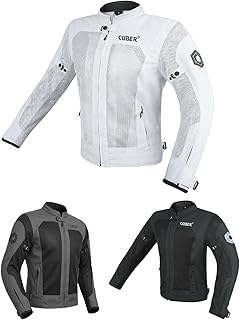


Common Problems
🔥 1 CRITICALBattery voltage at idle, dimming lights, stator output
Rough idle, stumbling throttle response, vacuum leaks
Oil seeping near rear wheel, clunking during acceleration
✅Pre-Purchase Checklist
Solid cruiser, maintain charging system religiously
Full Specifications
Rivals & Alternatives
Bikes that buyers cross-shop with the Kawasaki Vulcan 2000
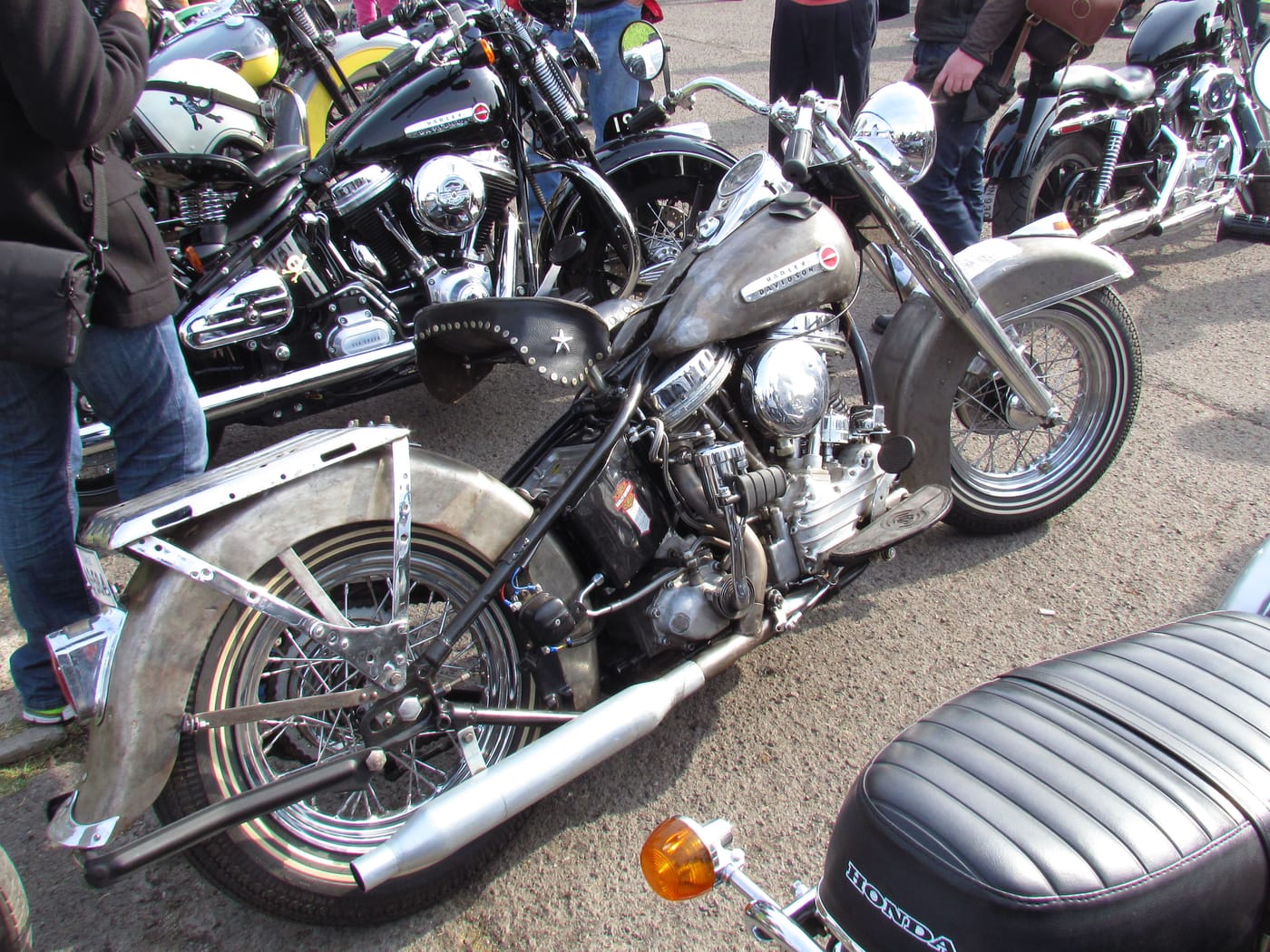
Suzuki Boulevard C90
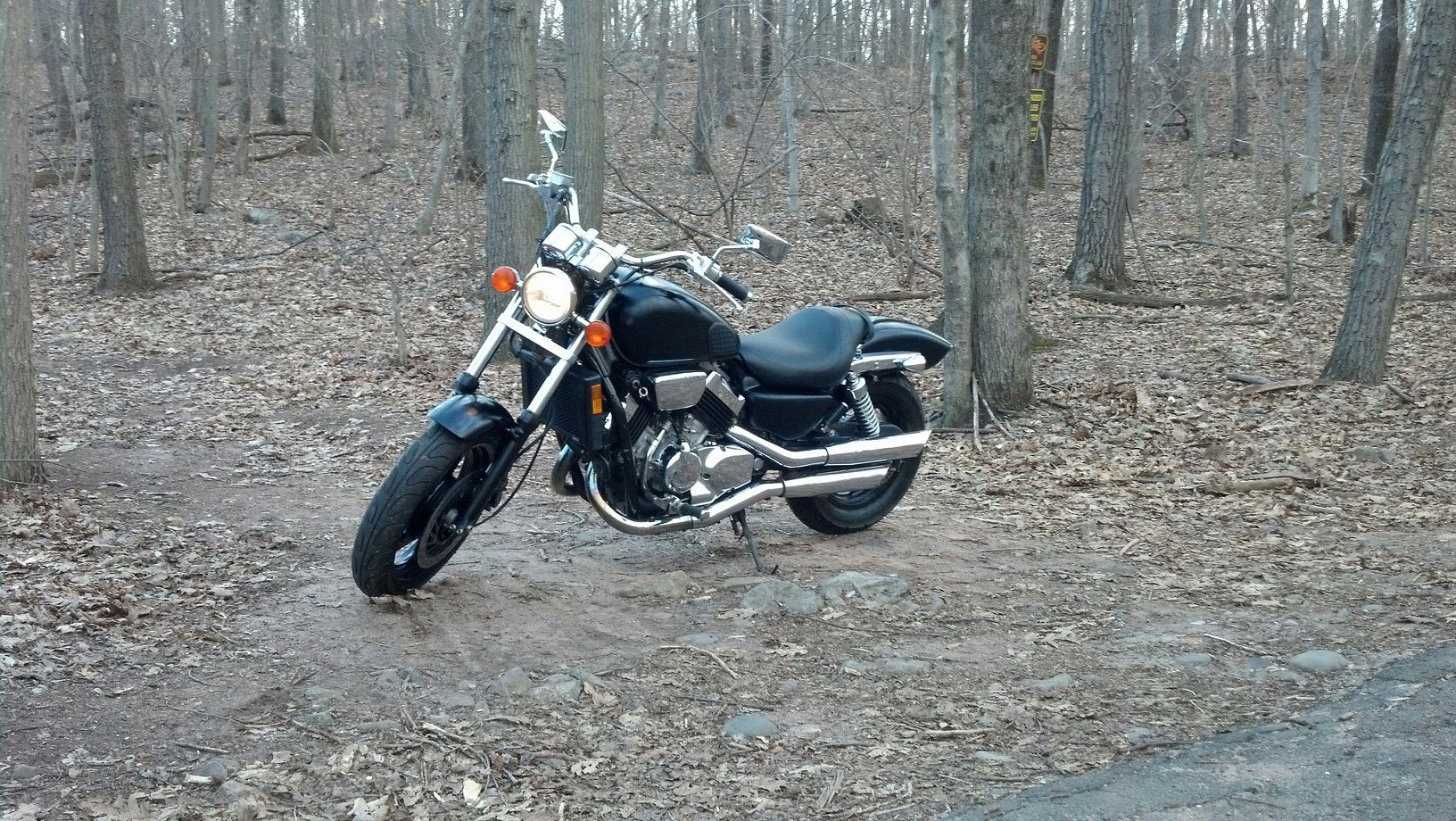
Honda Valkyrie 1800
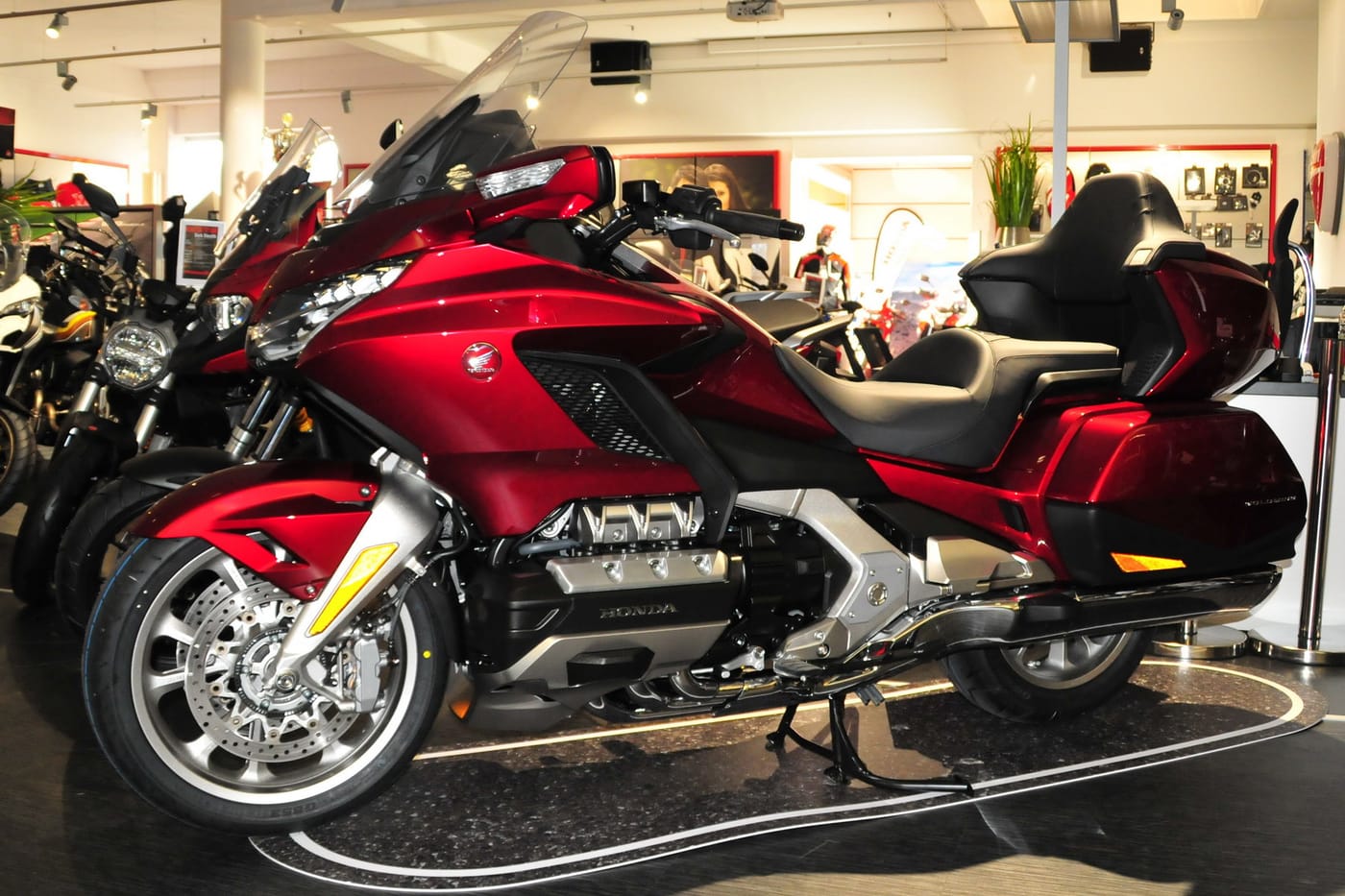
Honda Rune 1800
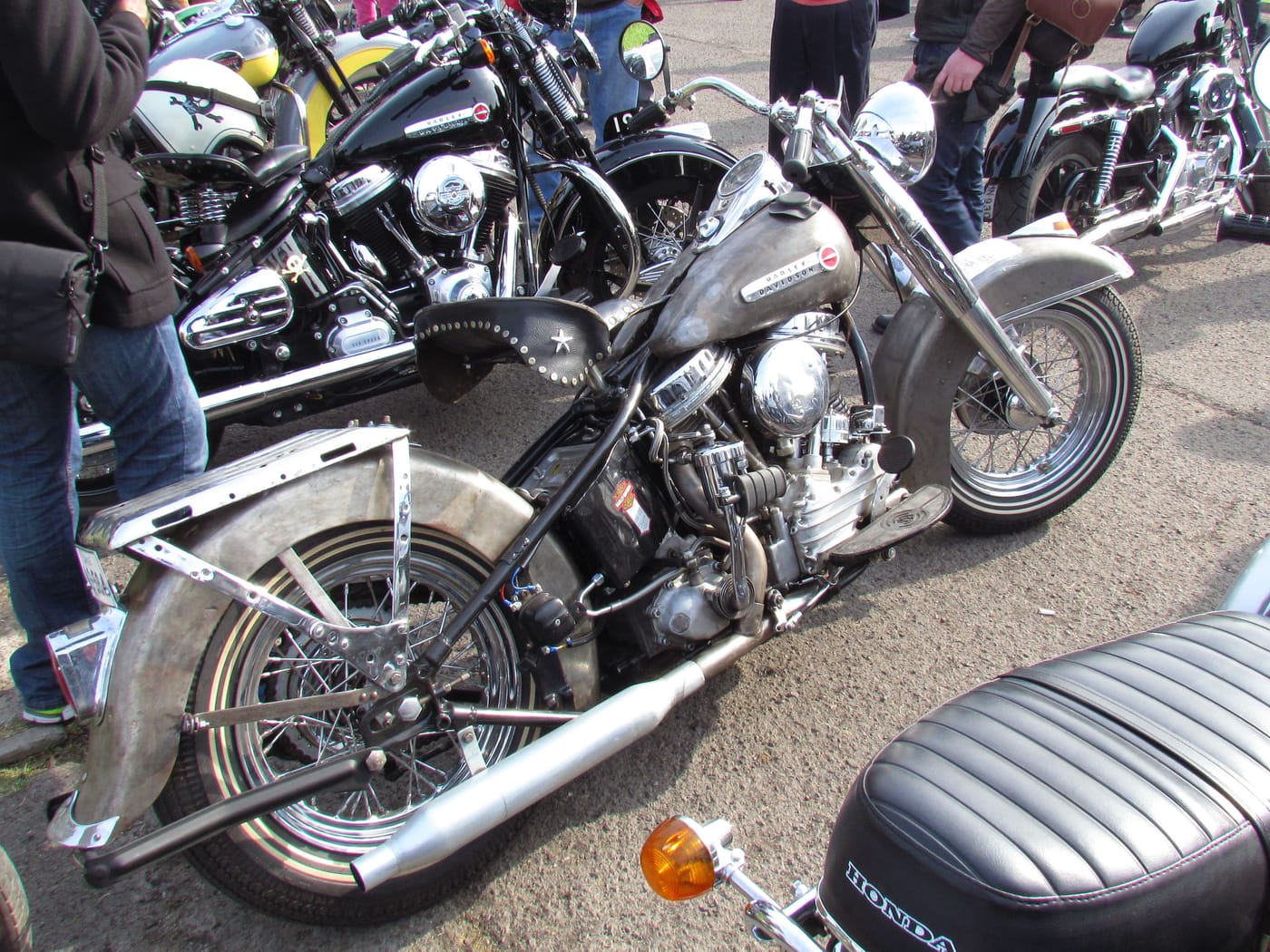
Suzuki Intruder 1500
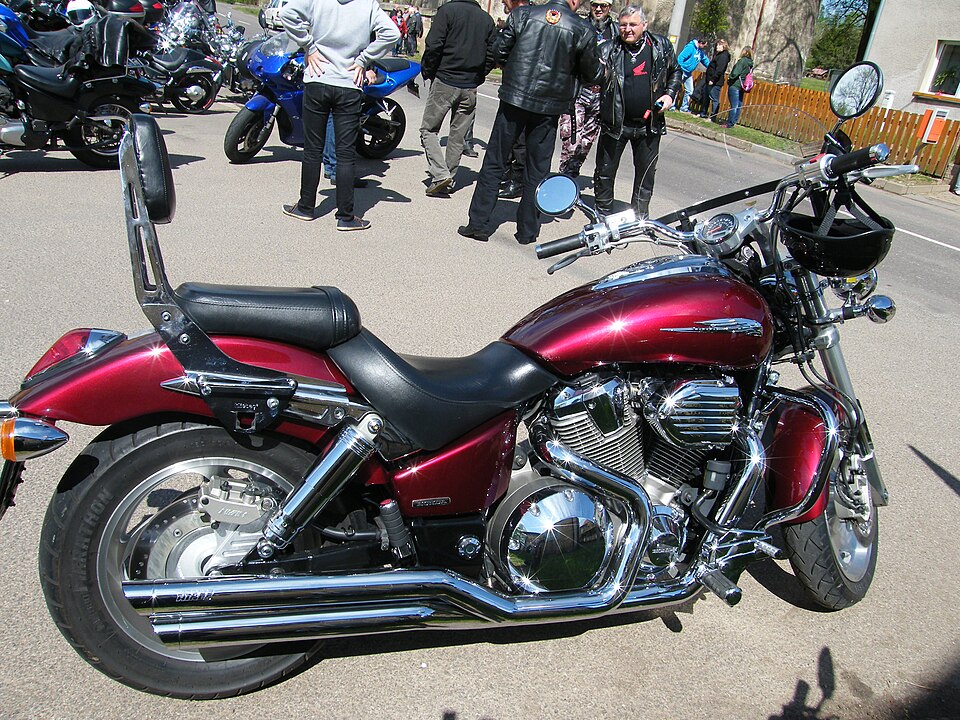
Honda Vtx1800
Compare Kawasaki Vulcan 2000 Side-by-Side
compare_arrowsSpecs, power, weight & buyer verdict — head-to-head with the bikes most often cross-shopped.
Kawasaki Vulcan 2000 vs Suzuki Boulevard C90
Specs · Power · Buyer verdict
Kawasaki Vulcan 2000 vs Honda Valkyrie 1800
Specs · Power · Buyer verdict
Kawasaki Vulcan 2000 vs Honda Rune 1800
Specs · Power · Buyer verdict
Kawasaki Vulcan 2000 vs Suzuki Intruder 1500
Specs · Power · Buyer verdict
Kawasaki Vulcan 2000 vs Honda Vtx1800
Specs · Power · Buyer verdict
More Kawasaki Vulcan 2000 Guides
More from Kawasaki
View all Kawasaki models →Community Reviews
Discussion
Frequently Asked Questions
What are common problems with the Kawasaki Vulcan 2000? +
Charging system failure, stator and regulator burnout: Battery voltage at idle, dimming lights, stator output (serious) | Carburetor sync and idle issues on older units: Rough idle, stumbling throttle response, vacuum leaks (moderate) | Final drive shaft seal leaks and lash wear: Oil seeping near rear wheel, clunking during acceleration (moderate)
Is the Kawasaki Vulcan 2000 a good motorcycle? +
Serious muscle cruiser that rewards big, experienced riders willing to commit. Rating: 7.5/10. Best for: Tall, experienced riders wanting big-displacement cruiser value. Avoid if: Shorter riders or anyone lacking low-speed confidence.
What is the horsepower of the Kawasaki Vulcan 2000? +
The Kawasaki Vulcan 2000 produces 103 hp @ 4,800 rpm, with 175 Nm @ 3,000 rpm of torque. Top speed: 185 km/h (estimated; limited by aerodynamics and gearing).
Is the Kawasaki Vulcan 2000 good for beginners? +
Yes — the Kawasaki Vulcan 2000 is a reasonable choice for new riders (103 hp is manageable), weighing 359 kg. Tall, experienced riders wanting big-displacement cruiser value
Is the Kawasaki Vulcan 2000 reliable? +
Owners report 1 critical issue to watch for on the Kawasaki Vulcan 2000, notably: Charging system failure, stator and regulator burnout (Battery voltage at idle, dimming lights, stator output). Buy with a pre-purchase inspection.
Is the Kawasaki Vulcan 2000 good for daily use? +
Tall, experienced riders wanting big-displacement cruiser value Fuel: 7.5 L/100km (approximately 13.3 km/L) — estimated real-world average.
How fast is the Kawasaki Vulcan 2000? +
The Kawasaki Vulcan 2000 reaches a top speed of 185 km/h (estimated; limited by aerodynamics and gearing), producing 103 hp at 359 kg curb weight. Real-world performance depends on rider weight, gearing, and road conditions.
What gear should I buy for a Kawasaki Vulcan 2000? +
Motoryk has curated a Top 10 gear list specifically for the Kawasaki Vulcan 2000, covering engine oil, tires, chain, battery, and brake pads — see motoryk.com/bikes/kawasaki/vulcan-2000/top10. Each pick is matched to this bike's spec.