Kawasaki Vulcan 2000 vs Harley-davidson Forty-eight
Side-by-side comparison for used motorcycle buyers
Kawasaki Vulcan 2000 vs Harley-davidson Forty-eight. Kawasaki Vulcan 2000: 103 hp @ 4,800 rpm hp, 359 kg (wet/curb weight) weight, top speed 185 km/h (estimated; limited by aerodynamics and gearing), Motoryk rating 7.5/10. Harley-davidson Forty-eight: 60 hp @ 6,000 rpm hp, 253 kg (wet/curb weight) weight, top speed 170 km/h, Motoryk rating 7.5/10.
Performance at a Glance
Green = winner per metric · Bars are relative to the higher value
Kawasaki Vulcan 2000
Harley-davidson Forty-eight
Horsepower (hp)
103 hp
60 hp
Torque (Nm)
175 Nm
97 Nm
Top Speed (km/h)
185 km/h
170 km/h
Weight (kg) — lower is better
359 kg
253 kg
Type
Cruiser
Cruiser
Horsepower
103 hp @ 4,800 rpm
60 hp @ 6,000 rpm
Torque
175 Nm @ 3,000 rpm
97 Nm @ 3,500 rpm
Top Speed
185 km/h (estimated; limited by aerodynamics and gearing)
170 km/h
Weight
359 kg (wet/curb weight)
253 kg (wet/curb weight)
Fuel
7.5 L/100km (approximately 13.3 km/L) — estimated real-world average
5.5 L/100km (approx. 18 km/L typical real-world average)
Fairing
No
No
Individual Reviews
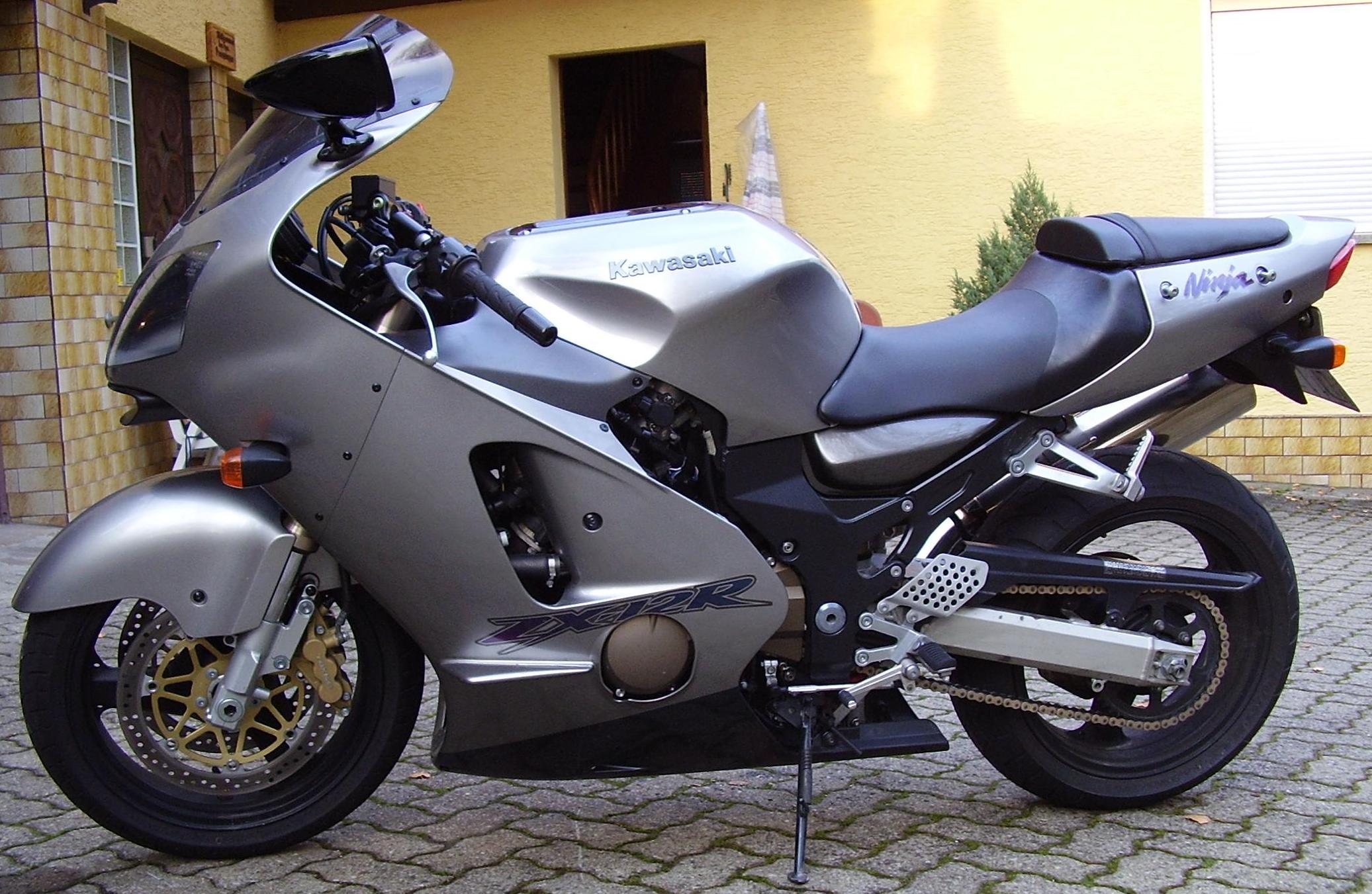
Kawasaki Vulcan 2000
7.5/10
"Serious muscle cruiser that rewards big, experienced riders willing to commit."
Pros
+Monstrous torque, effortless cruising
+Japanese reliability, solid engineering
+Strong used value proposition
Cons
−Brutally heavy, unwieldy low-speed
−Thirsty, expect 35mpg
−Limited aftermarket support
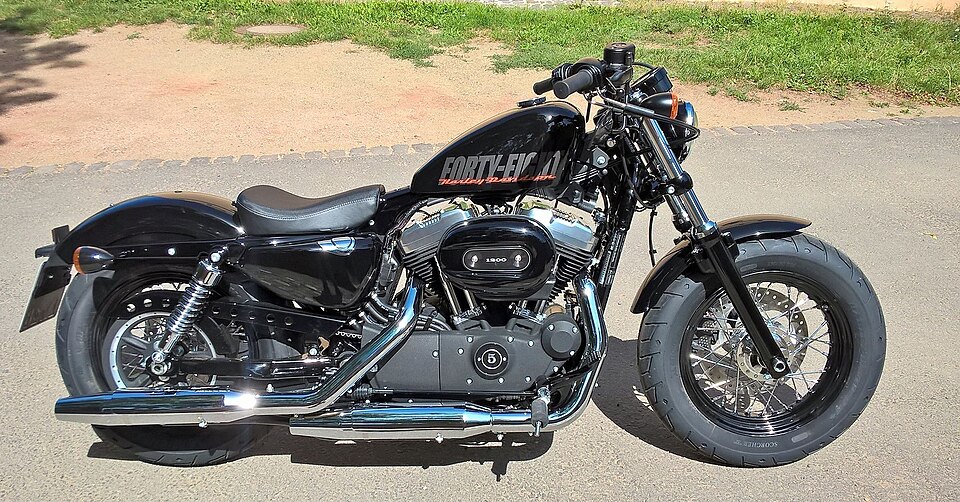
Harley-davidson Forty-eight
7.5/10
"A charismatic city scramblers that demands realistic expectations about range and comfort."
Pros
+Bulletproof Sportster engine reliability
+Parts availability everywhere
+Genuinely stunning visual presence
Cons
−Tiny tank, terrible range
−Seat punishes longer rides
−Many dropped examples exist
Top 10 Accessories
Picks that work on either bike.


