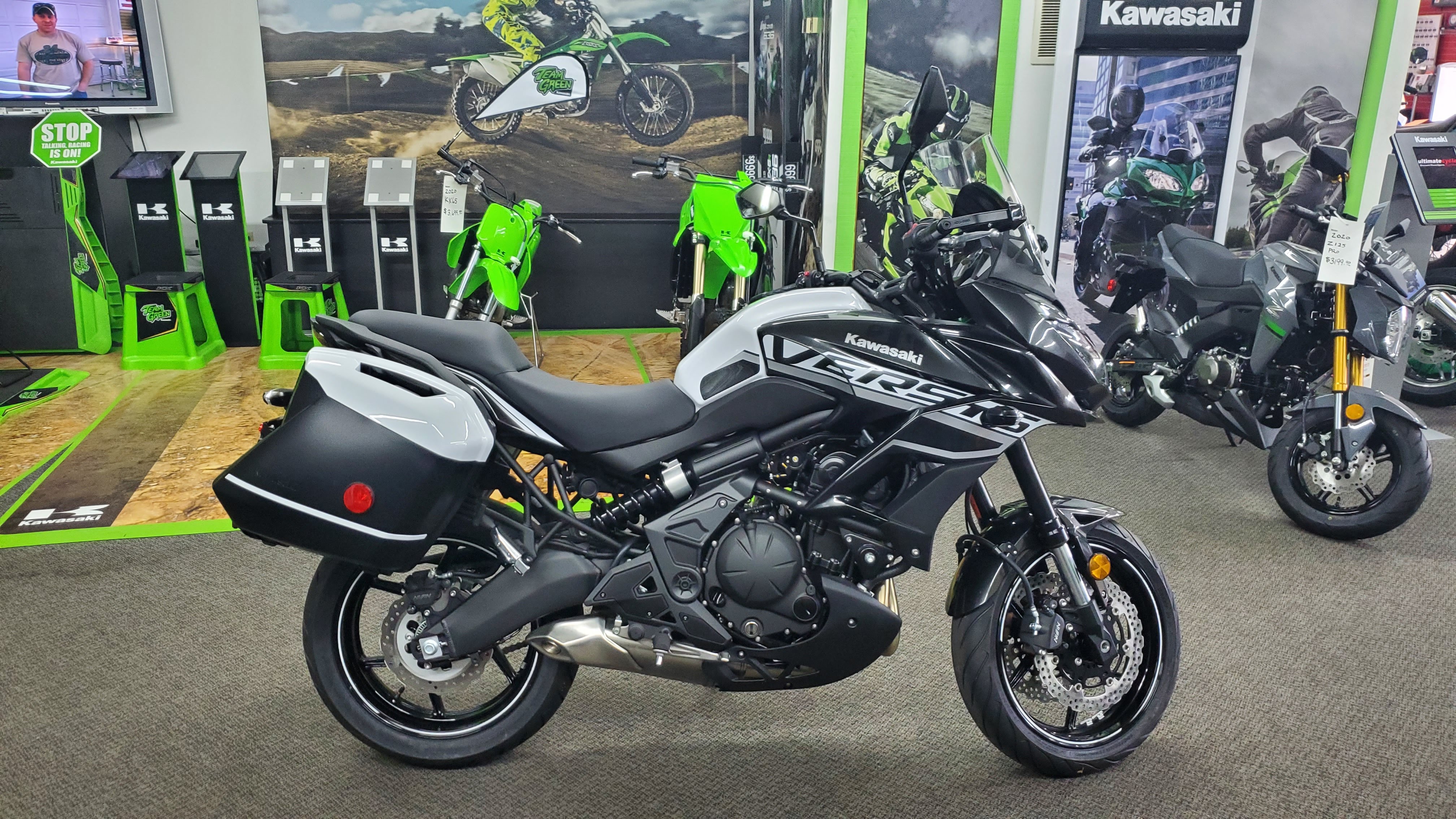
Kawasaki Versys 650
The Kawasaki Versys 650 has a top speed of 195 km/h (estimated; note: manufacturer does not publish official top speed), produces 69 hp and weighs 216 kg. Motoryk rates it 7.8/10.
Die Kawasaki Versys 650 wurde 2007 als vielseitiger Abenteuer-Tourer der Mittelklasse vorgestellt, der auf dem Parallel-Twin-Motor des ER-6N/Ninja 650 basiert. Im Jahr 2015 wurde er grundlegend überarbeitet und erhielt eine höhere Frontscheibe, eine aktualisierte Ergonomie, eine überarbeitete Federung und eine verbesserte Elektronik. Er wurde bekannt für seine erschwingliche Leistung, seine aufrechte Sitzposition und seinen Langstreckenkomfort zu einem wettbewerbsfähigen Preis, was ihn zu einem der beliebtesten Mittelklasse-Abenteuertourer in seinem Segment machte.
69 hp
Leistung
64 Nm
Drehmoment
216 kg
Gewicht
195 km/h (estimated; note: manufacturer does not publish official top speed)
Höchstgeschwindigkeit
5.2 L/100km (approx. 19.2 km/L typical real-world average)
Treibstoff
Ausgeleitet
Körper
🔧 Service Schedule & Parts
Affiliate · we may earn| Service item | Every | Typical cost | Parts |
|---|---|---|---|
| 🛢️ Engine oil + oil filter | 6,000 km / 3,500 mi or 12 mo | $40-80 | 🛢️ Buy → ⚙️ Buy → |
| 🌬️ Air filter | 12,000 km / 7,500 mi | — | 🌬️ Buy → |
| ⚡ Spark plugs | 12,000 km / 7,500 mi | — | ⚡ Buy → |
| 🔧 Valve clearance check | 24,000 km / 15,000 mi | $150-300 | |
| 🔗 Chain & sprockets | 25000-40000 km (replace) | $150-300 | 🔗 Buy → |
| 🛑 Brake pads | 15000-30000 km | $30-60 | 🛑 Buy → |
| 💧 Brake fluid | 24,000 km / 15,000 mi or 2 yr | — | |
| 🧊 Coolant | 24,000 km / 15,000 mi | — | |
| 🛞 Tires | 15000-25000 km | $200-400 | 🛞 Buy → |
| 🔩 Major service | 24,000 km / 15,000 mi | $300-500 |
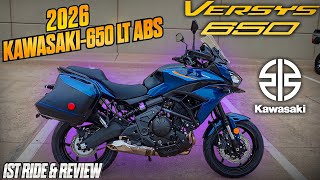
Video Review
Was Käufer wissen sollten
Bulletproof Engine Reliability
The parallel-twin 649cc engine is renowned for going well beyond 50,000 miles with basic maintenance. Kawasaki's conservative engine tuning means it rarely suffers catastrophic failures when serviced regularly.
Watch the Final Drive
Pre-owned models should have the chain and sprockets inspected carefully, as many owners neglect lubrication on this high-mileage adventure bike. Also check for cracked subframes on higher-mileage examples that have seen rough roads.
Strong Resale Value
The Versys 650 holds its value exceptionally well due to consistent demand and a loyal owner base, often retaining 70-80% of its value after two years. Its versatility as both a commuter and tourer keeps the used market competitive.
Generationen und Spezifikationen nach Jahr
Einführung des 649-cm3-Parallel-Twin-Gitterrahmens, 41-mm-Gabeln, aufrechter Ergonomie und vielseitiges Touring-Design.
"Unglamouröses Schweizer Taschenmesser, das tatsächlich liefert."
Kawasaki hat im Grunde einen Ninja 650-Motor in ein richtiges Adventure-Touring-Chassis geschweißt und weniger als die Konkurrenz aufgeladen — und es hat funktioniert. Der Parallel-Twin zieht sauber ab 3.000 Umdrehungen pro Minute und die aufrechte Sitzposition bedeutet, dass Sie 500 km ohne kaputten Rücken erreichen, was mehr zählt als jeder Prüfstand. Die Federung ist für Sportbike-Verhältnisse weich, aber das ist die richtige Wahl für kaputte Fahrbahnen und beladenes Gepäck. Die 41-mm-Gabeln tauchen bei starker Bremsung ein und das Hinterrad muss angepasst werden, sobald Sie einen Beifahrer oder eine Packtasche hinzufügen. Es ist nicht schön, das Armaturenbrett ist einfach zu einem Schnäppchenpreis, und dieser Sitz wird nach zwei Stunden zu Beton, aber nichts an diesem Fahrrad kämpft aktiv gegen Sie — es macht einfach mit der Arbeit weiter.
Profis
Nachteile
Überarbeitete Karosserie, aktualisierte Kraftstoffeinspritzung, verbesserte Federung, neues Kombiinstrument, verbesserte Ergonomie und optimierter Sitz.
Komplett überarbeitete Karosserie, neuer Gitterrahmen, überarbeitete Motorabstimmung, Traktionskontrolle, LED-Beleuchtung hinzugefügt.
Aktualisiertes Design, überarbeitete Ergonomie, verbesserte Federungseinstellungen, aktualisiertes TFT-Display bei einigen Varianten.
Bewertung von gebrauchten Käufern
"The sensible adventurer's choice that quietly does everything well."
$4,500-$7,500 usedThe Versys 650 is one of the most underrated used buys in the middleweight segment, full stop. It's not glamorous — nobody's going to stop you at a gas station to photograph it — but that parallel twin is genuinely bulletproof if the previous owner wasn't an idiot. Check the chain and sprockets hard on any example over 20k miles, because neglectful owners exist. The suspension is soft from the factory, which is fine for commuting and light touring but gets soggy with a passenger and luggage. Budget for a rear spring swap early. The 2015+ models are the sweet spot — Kawasaki ironed out the fueling quirks and the ergonomics suit a wide range of riders well. Avoid anything that looks like it's been dropped repeatedly without repairs, and walk away from bikes with aftermarket exhausts and no service history. Those are red flags, not enhancements. This thing will happily run 60,000 miles with basic maintenance.
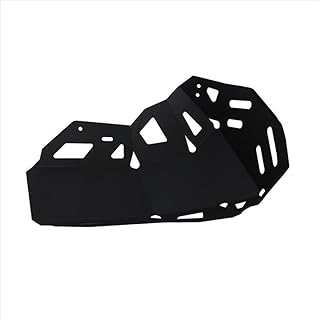
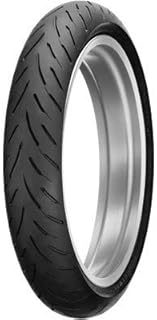
Top 10 Accessories
Curated picks for the Kawasaki Versys 650 — owned, ridden, recommended.



Häufig auftretende Probleme
🔥 1 CRITICALStart cold, listen for metallic rattling at idle
Idle smoothness, hesitation between 3000-5000 RPM
Oil streaks on fork tubes, soft front suspension
Battery voltage at idle, should read 13.8-14.5V
✅Checkliste vor dem Kauf
Solid, reliable bike with proper maintenance history
Full Specifications
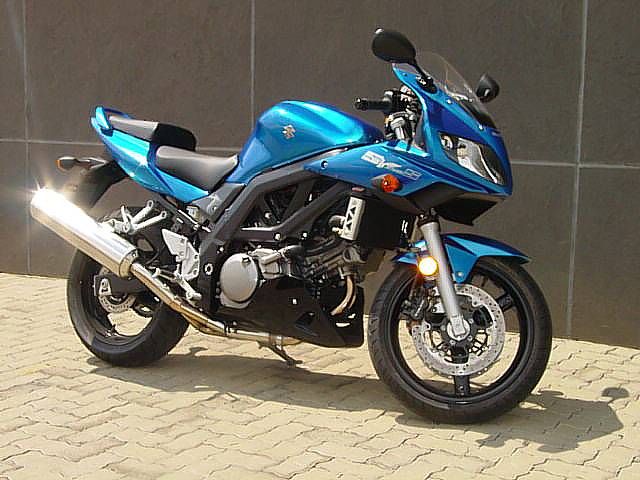
Rivals & Alternatives
Bikes that buyers cross-shop with the Kawasaki Versys 650
Suzuki V-strom 650
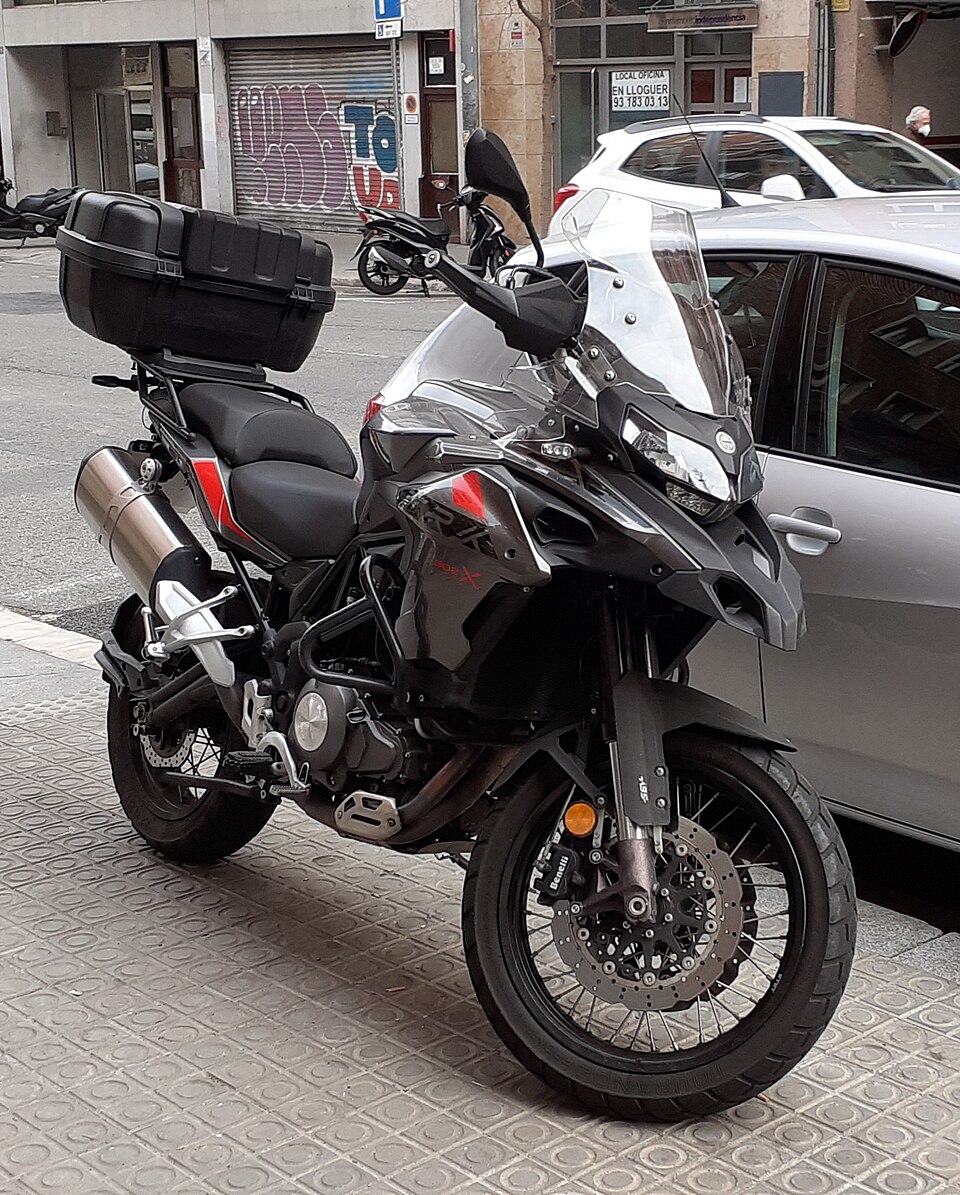
Benelli Trk 502
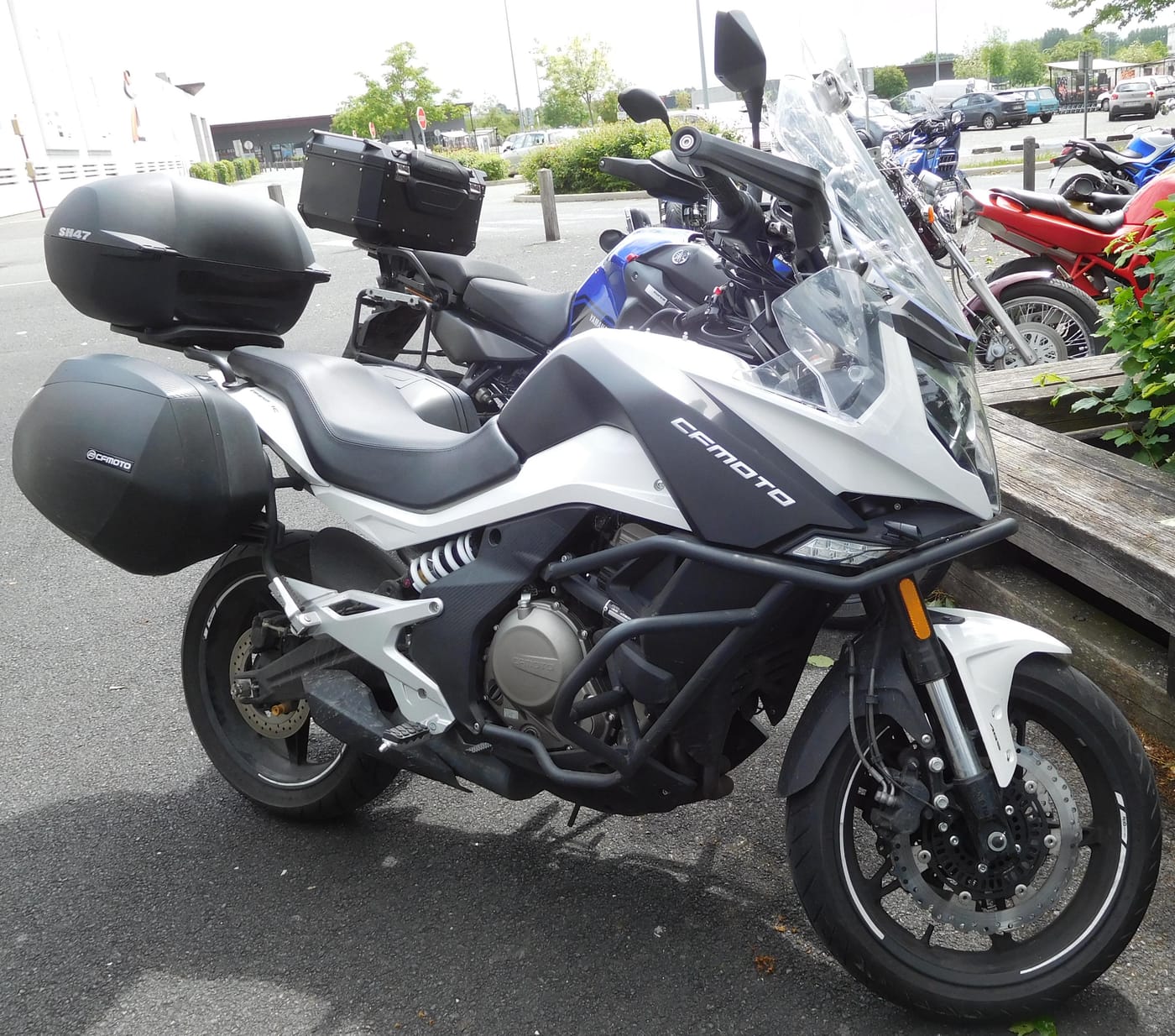
Cfmoto 650mt
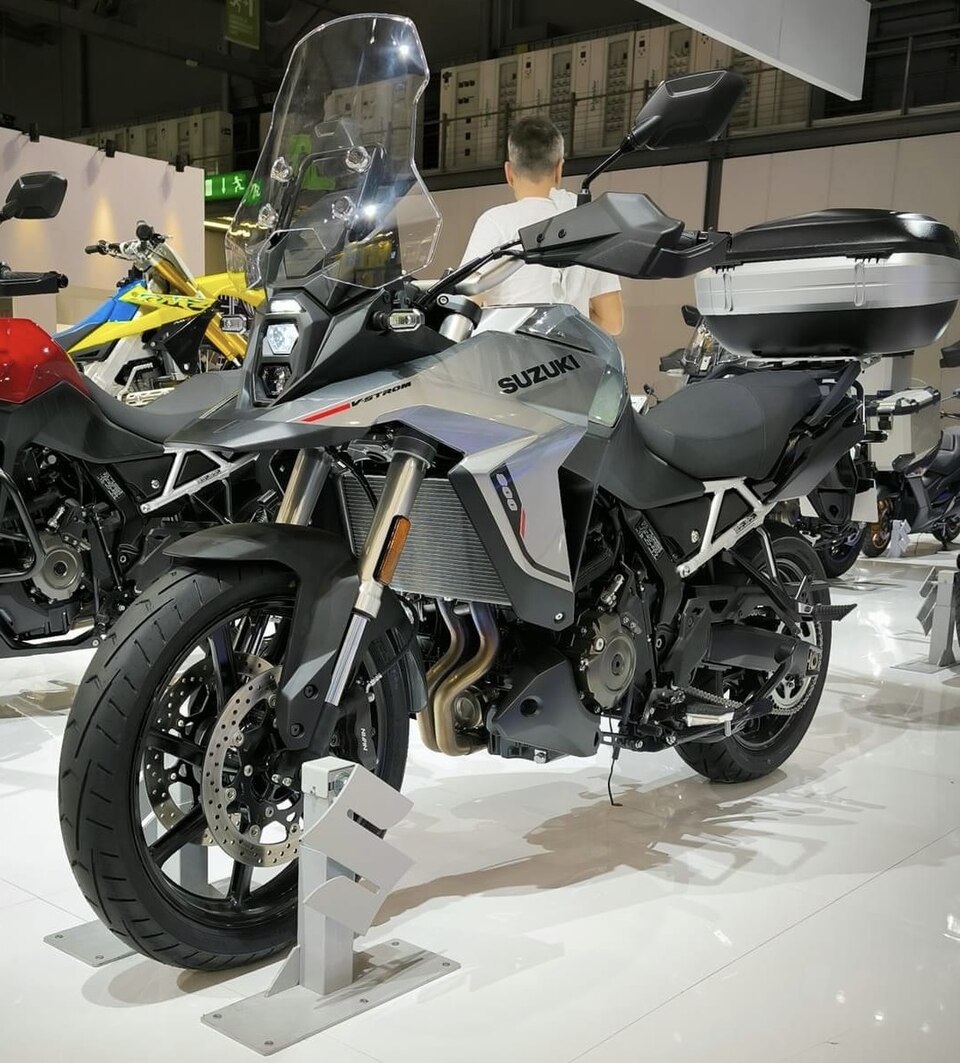
Suzuki V-strom 800
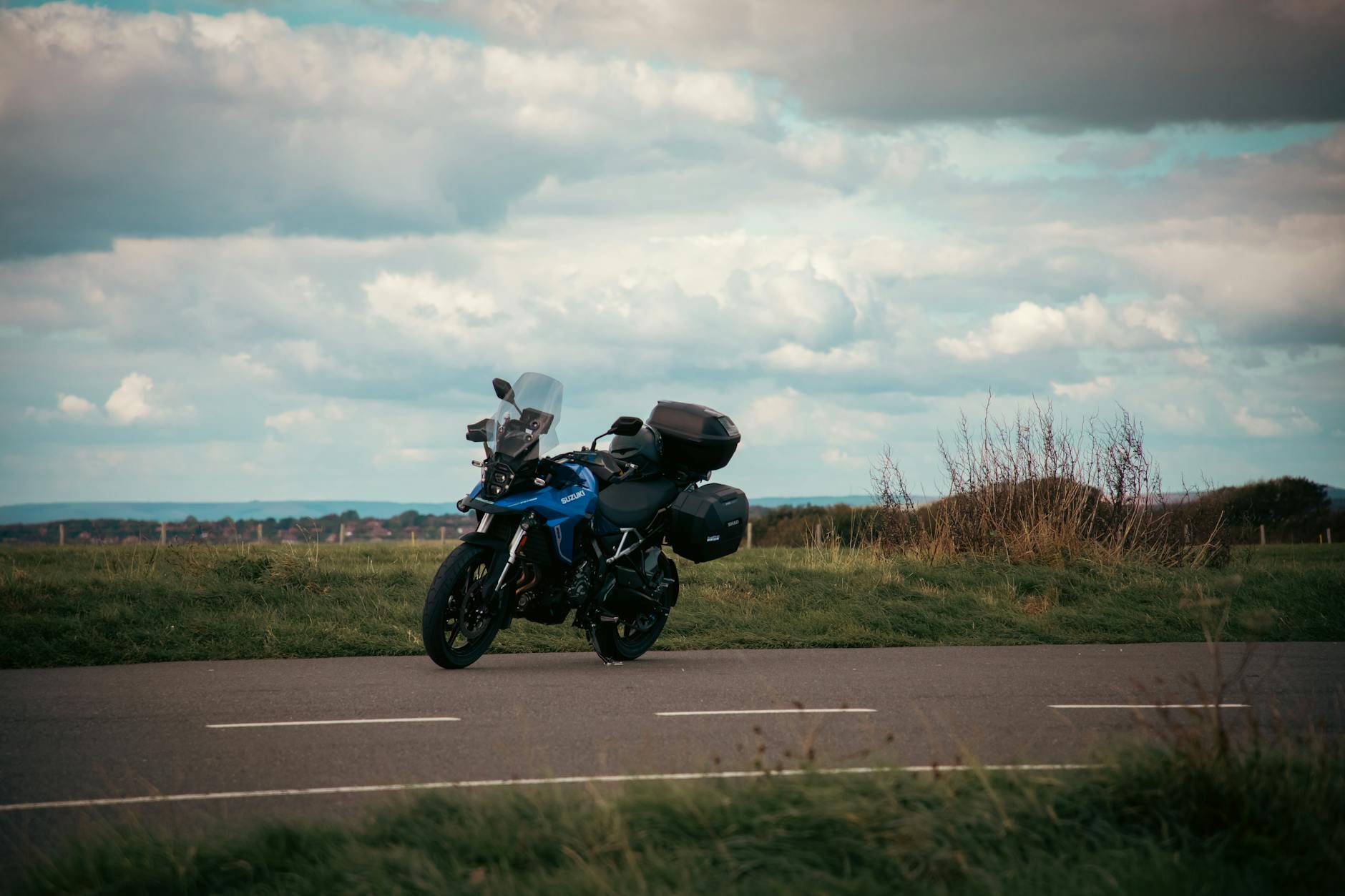
Suzuki Dl650 V-strom
Compare Kawasaki Versys 650 Side-by-Side
compare_arrowsSpecs, power, weight & buyer verdict — head-to-head with the bikes most often cross-shopped.
Kawasaki Versys 650 vs Suzuki V-strom 650
Specs · Power · Buyer verdict
Kawasaki Versys 650 vs Benelli Trk 502
Specs · Power · Buyer verdict
Kawasaki Versys 650 vs Cfmoto 650mt
Specs · Power · Buyer verdict
Kawasaki Versys 650 vs Suzuki V-strom 800
Specs · Power · Buyer verdict
Kawasaki Versys 650 vs Suzuki Dl650 V-strom
Specs · Power · Buyer verdict
More Kawasaki Versys 650 Guides
More from Kawasaki
View all Kawasaki models →Community Reviews
Discussion
Frequently Asked Questions
What are common problems with the Kawasaki Versys 650? +
Cam chain tensioner rattle on cold start: Start cold, listen for metallic rattling at idle (moderate) | Throttle body sync issues causing rough idle: Idle smoothness, hesitation between 3000-5000 RPM (minor) | Corroded or leaking fork seals: Oil streaks on fork tubes, soft front suspension (moderate)
Is the Kawasaki Versys 650 a good motorcycle? +
The sensible adventurer's choice that quietly does everything well. Rating: 7.8/10. Best for: Commuters wanting weekend touring capability too. Avoid if: You crave excitement over dependable practicality.
What is the horsepower of the Kawasaki Versys 650? +
The Kawasaki Versys 650 produces 69 hp @ 8,500 rpm, with 64 Nm @ 7,000 rpm of torque. Top speed: 195 km/h (estimated; note: manufacturer does not publish official top speed).
Is the Kawasaki Versys 650 good for beginners? +
Not really — the Kawasaki Versys 650 is better for experienced riders. Commuters wanting weekend touring capability too Avoid if: You crave excitement over dependable practicality
Is the Kawasaki Versys 650 reliable? +
Owners report 1 critical issue to watch for on the Kawasaki Versys 650, notably: Charging system failure at high mileage (Battery voltage at idle, should read 13.8-14.5V). Buy with a pre-purchase inspection.
Is the Kawasaki Versys 650 good for daily use? +
Commuters wanting weekend touring capability too Fuel: 5.2 L/100km (approx. 19.2 km/L typical real-world average).
How fast is the Kawasaki Versys 650? +
The Kawasaki Versys 650 reaches a top speed of 195 km/h (estimated; note: manufacturer does not publish official top speed), producing 69 hp at 216 kg curb weight. Real-world performance depends on rider weight, gearing, and road conditions.
What gear should I buy for a Kawasaki Versys 650? +
Motoryk has curated a Top 10 gear list specifically for the Kawasaki Versys 650, covering engine oil, tires, chain, battery, and brake pads — see motoryk.com/bikes/kawasaki/versys-650/top10. Each pick is matched to this bike's spec.