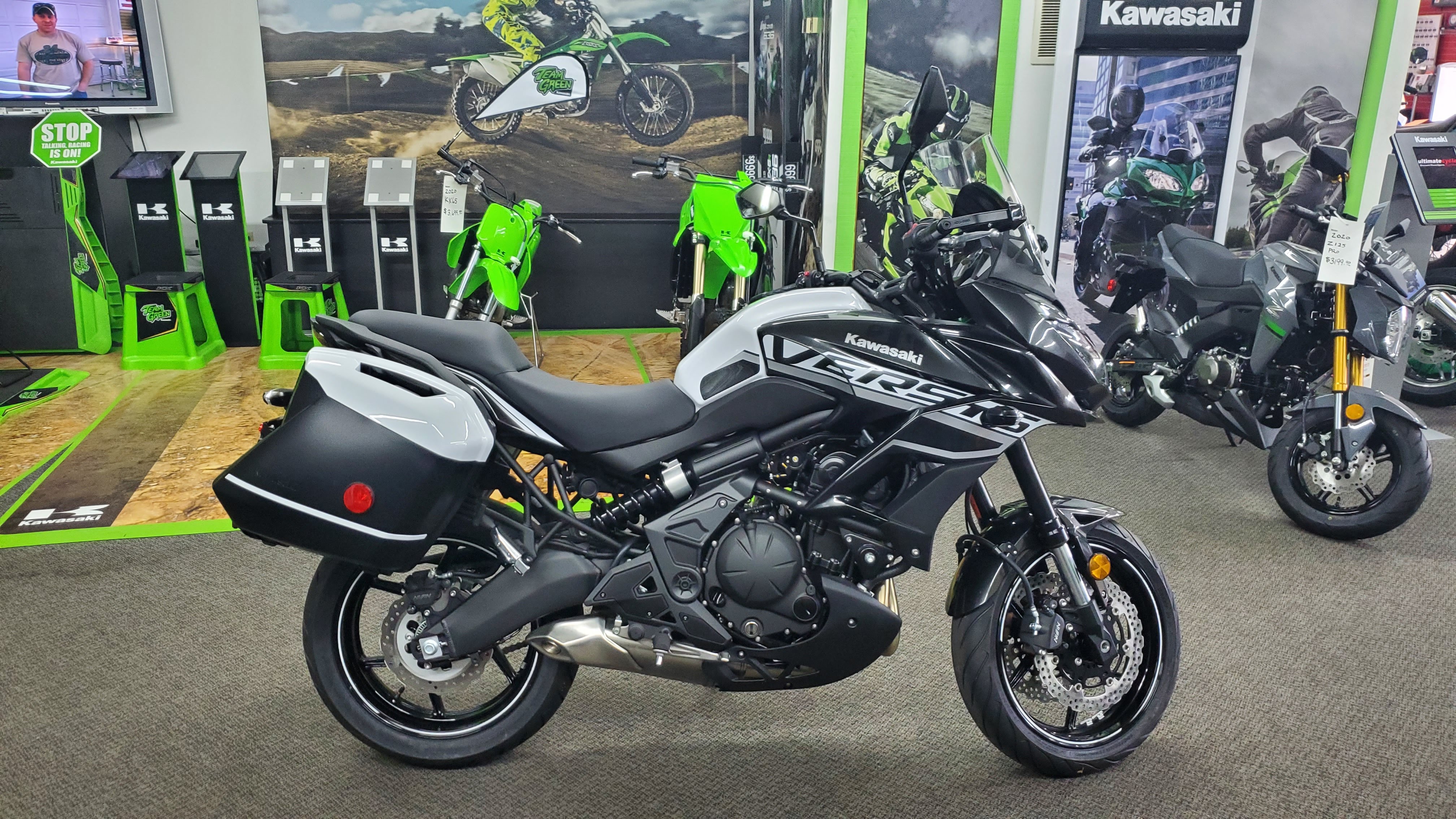
Kawasaki Versys 650
The Kawasaki Versys 650 has a top speed of 195 km/h (estimated; note: manufacturer does not publish official top speed), produces 69 hp and weighs 216 kg. Motoryk rates it 7.8/10.
The Kawasaki Versys 650 was introduced in 2007 as a versatile mid-range adventure-tourer built around the parallel-twin engine from the ER-6n/Ninja 650. It underwent a significant redesign in 2015, gaining a taller windscreen, updated ergonomics, revised suspension, and improved electronics. It became notable for its accessible power, upright riding position, and long-distance comfort at a competitive price point, making it one of the most popular mid-size adventure tourers in its segment.
69 hp
Power
64 Nm
Torque
216 kg
Weight
195 km/h (estimated; note: manufacturer does not publish official top speed)
Top Speed
5.2 L/100km (approx. 19.2 km/L typical real-world average)
Fuel
Faired
Body
🔧 Service Schedule & Parts
Affiliate · we may earn| Service item | Every | Typical cost | Parts |
|---|---|---|---|
| 🛢️ Engine oil + oil filter | 6,000 km / 3,500 mi or 12 mo | $40-80 | 🛢️ Buy → ⚙️ Buy → |
| 🌬️ Air filter | 12,000 km / 7,500 mi | — | 🌬️ Buy → |
| ⚡ Spark plugs | 12,000 km / 7,500 mi | — | ⚡ Buy → |
| 🔧 Valve clearance check | 24,000 km / 15,000 mi | $150-300 | |
| 🔗 Chain & sprockets | 25000-40000 km (replace) | $150-300 | 🔗 Buy → |
| 🛑 Brake pads | 15000-30000 km | $30-60 | 🛑 Buy → |
| 💧 Brake fluid | 24,000 km / 15,000 mi or 2 yr | — | |
| 🧊 Coolant | 24,000 km / 15,000 mi | — | |
| 🛞 Tires | 15000-25000 km | $200-400 | 🛞 Buy → |
| 🔩 Major service | 24,000 km / 15,000 mi | $300-500 |
Video Review
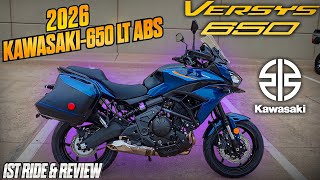
What Buyers Should Know
Bulletproof Engine Reliability
The parallel-twin 649cc engine is renowned for going well beyond 50,000 miles with basic maintenance. Kawasaki's conservative engine tuning means it rarely suffers catastrophic failures when serviced regularly.
Watch the Final Drive
Pre-owned models should have the chain and sprockets inspected carefully, as many owners neglect lubrication on this high-mileage adventure bike. Also check for cracked subframes on higher-mileage examples that have seen rough roads.
Strong Resale Value
The Versys 650 holds its value exceptionally well due to consistent demand and a loyal owner base, often retaining 70-80% of its value after two years. Its versatility as both a commuter and tourer keeps the used market competitive.
Generations & Specs by Year
Introduced 649cc parallel-twin, trellis frame, 41mm forks, upright ergonomics, dual-purpose touring design.
"Unglamorous Swiss Army knife that actually delivers."
Kawasaki basically welded a Ninja 650 engine into a proper adventure-touring chassis and charged less than the competition — and it worked. The parallel-twin pulls cleanly from 3,000 rpm and the upright seating position means you arrive at 500km without a wrecked back, which counts for more than any dyno sheet. Suspension is soft by sportsbike standards but that's the right call for broken pavement and loaded luggage; the 41mm forks dive under hard braking and the rear needs a preload tweak the moment you add a passenger or panniers. It's not pretty, the dash is bargain-bin basic, and that seat turns to concrete after two hours, but nothing about this bike actively fights you — it just gets on with the job.
Pros
Cons
Revised bodywork, updated fuel injection, improved suspension, new instrument cluster, refined ergonomics and seat.
Completely redesigned bodywork, new trellis frame, revised engine tune, traction control, LED lighting added.
Updated styling, revised ergonomics, improved suspension settings, updated TFT display on some variants.
Used Buyer Review
"The sensible adventurer's choice that quietly does everything well."
$4,500-$7,500 usedThe Versys 650 is one of the most underrated used buys in the middleweight segment, full stop. It's not glamorous — nobody's going to stop you at a gas station to photograph it — but that parallel twin is genuinely bulletproof if the previous owner wasn't an idiot. Check the chain and sprockets hard on any example over 20k miles, because neglectful owners exist. The suspension is soft from the factory, which is fine for commuting and light touring but gets soggy with a passenger and luggage. Budget for a rear spring swap early. The 2015+ models are the sweet spot — Kawasaki ironed out the fueling quirks and the ergonomics suit a wide range of riders well. Avoid anything that looks like it's been dropped repeatedly without repairs, and walk away from bikes with aftermarket exhausts and no service history. Those are red flags, not enhancements. This thing will happily run 60,000 miles with basic maintenance.
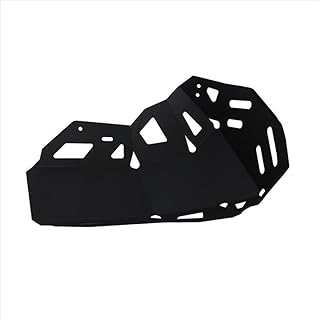
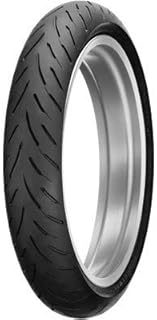
Top 10 Accessories
Curated picks for the Kawasaki Versys 650 — owned, ridden, recommended.



Common Problems
🔥 1 CRITICALStart cold, listen for metallic rattling at idle
Idle smoothness, hesitation between 3000-5000 RPM
Oil streaks on fork tubes, soft front suspension
Battery voltage at idle, should read 13.8-14.5V
✅Pre-Purchase Checklist
Solid, reliable bike with proper maintenance history
Full Specifications
Rivals & Alternatives
Bikes that buyers cross-shop with the Kawasaki Versys 650
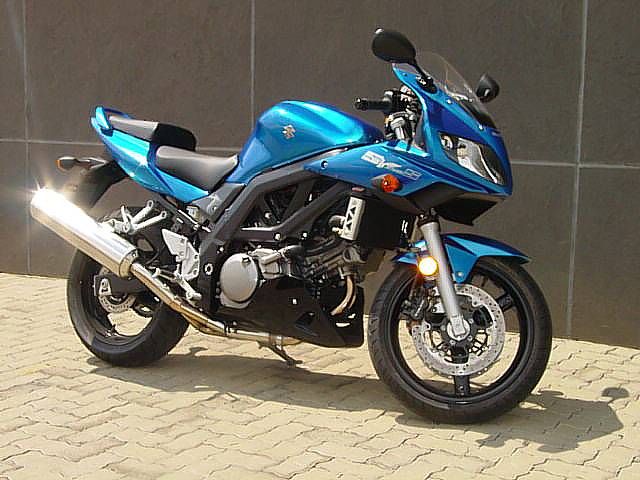
Suzuki V-strom 650
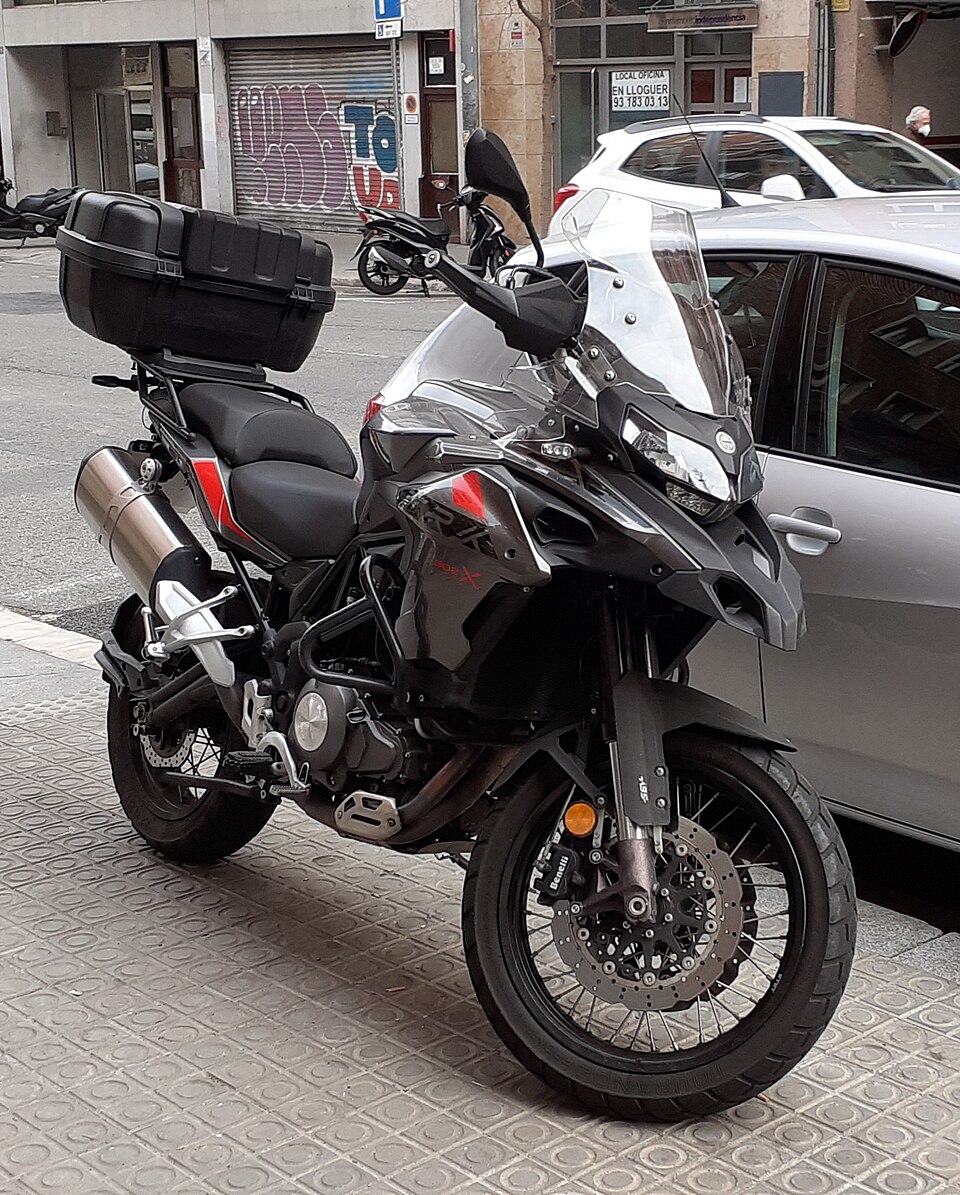
Benelli Trk 502
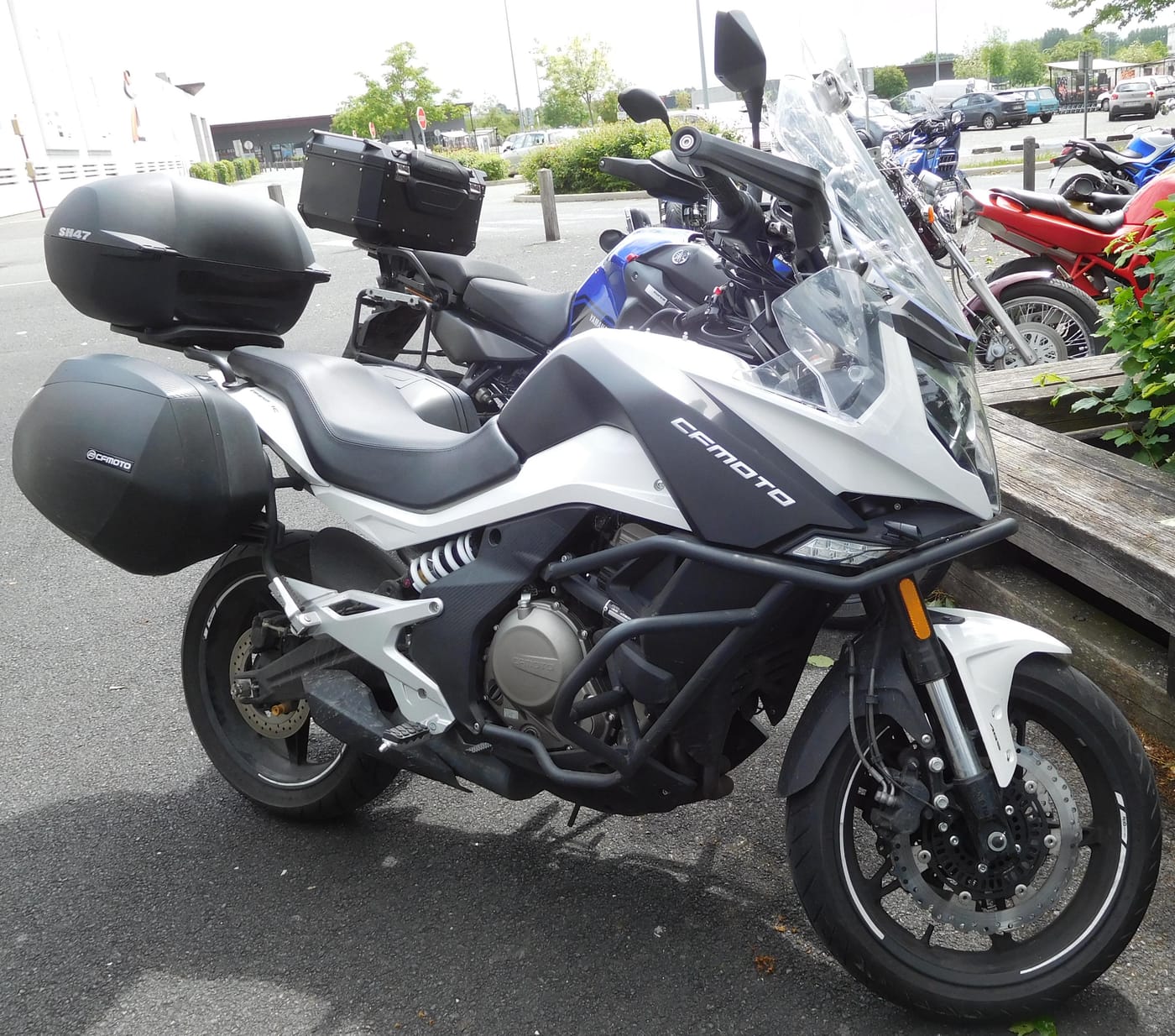
Cfmoto 650mt
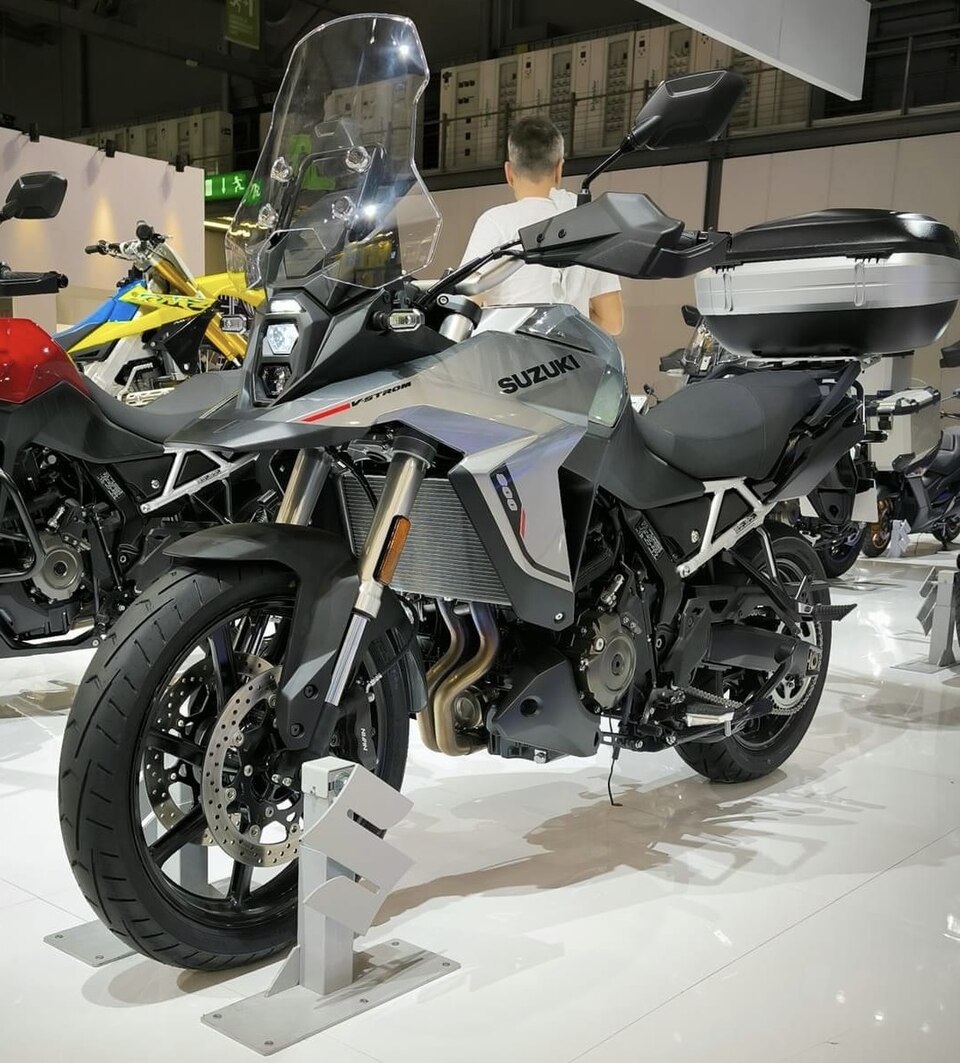
Suzuki V-strom 800
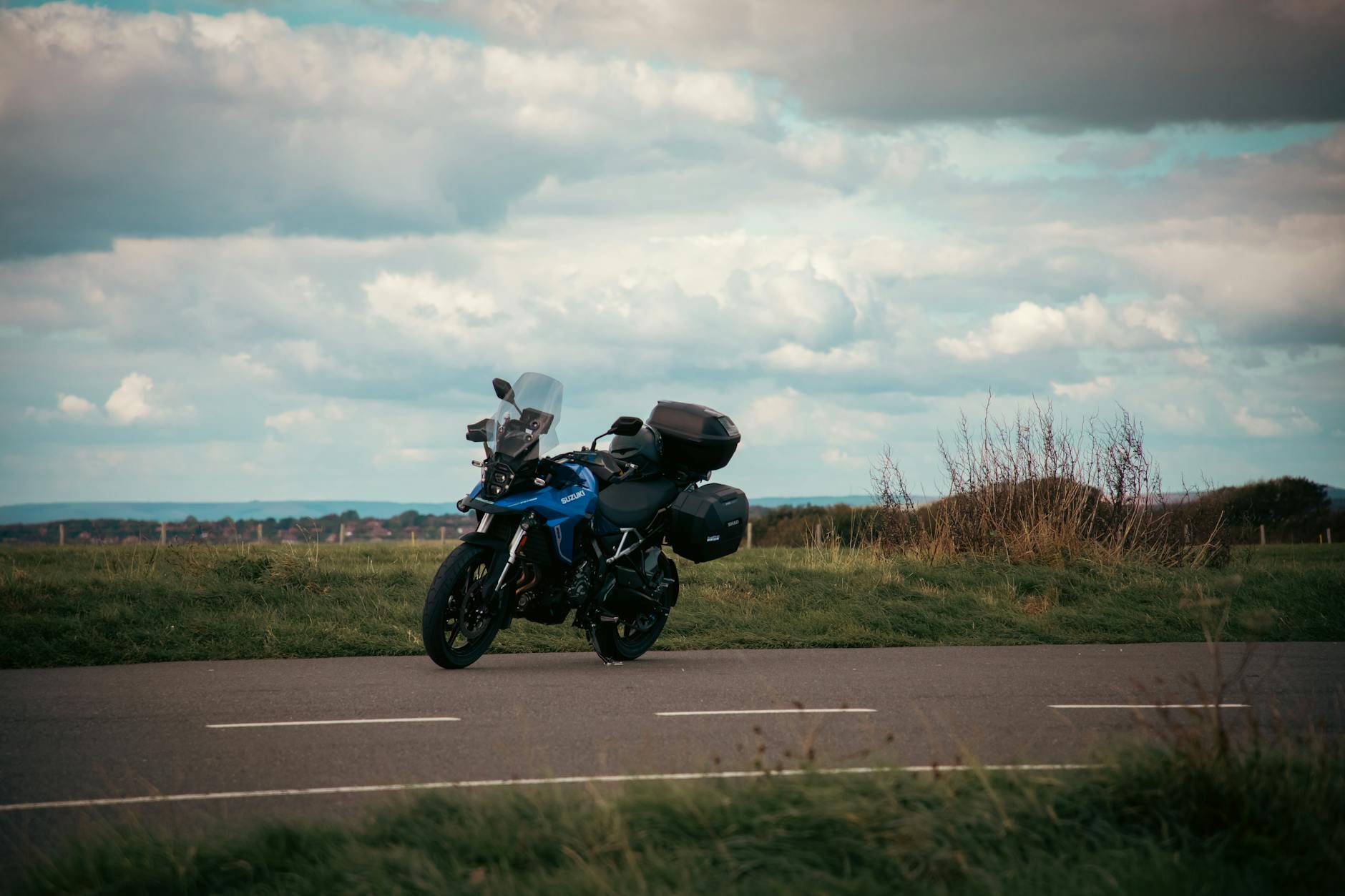
Suzuki Dl650 V-strom
Compare Kawasaki Versys 650 Side-by-Side
compare_arrowsSpecs, power, weight & buyer verdict — head-to-head with the bikes most often cross-shopped.
Kawasaki Versys 650 vs Suzuki V-strom 650
Specs · Power · Buyer verdict
Kawasaki Versys 650 vs Benelli Trk 502
Specs · Power · Buyer verdict
Kawasaki Versys 650 vs Cfmoto 650mt
Specs · Power · Buyer verdict
Kawasaki Versys 650 vs Suzuki V-strom 800
Specs · Power · Buyer verdict
Kawasaki Versys 650 vs Suzuki Dl650 V-strom
Specs · Power · Buyer verdict
More Kawasaki Versys 650 Guides
More from Kawasaki
View all Kawasaki models →Community Reviews
Discussion
Frequently Asked Questions
What are common problems with the Kawasaki Versys 650? +
Cam chain tensioner rattle on cold start: Start cold, listen for metallic rattling at idle (moderate) | Throttle body sync issues causing rough idle: Idle smoothness, hesitation between 3000-5000 RPM (minor) | Corroded or leaking fork seals: Oil streaks on fork tubes, soft front suspension (moderate)
Is the Kawasaki Versys 650 a good motorcycle? +
The sensible adventurer's choice that quietly does everything well. Rating: 7.8/10. Best for: Commuters wanting weekend touring capability too. Avoid if: You crave excitement over dependable practicality.
What is the horsepower of the Kawasaki Versys 650? +
The Kawasaki Versys 650 produces 69 hp @ 8,500 rpm, with 64 Nm @ 7,000 rpm of torque. Top speed: 195 km/h (estimated; note: manufacturer does not publish official top speed).
Is the Kawasaki Versys 650 good for beginners? +
Not really — the Kawasaki Versys 650 is better for experienced riders. Commuters wanting weekend touring capability too Avoid if: You crave excitement over dependable practicality
Is the Kawasaki Versys 650 reliable? +
Owners report 1 critical issue to watch for on the Kawasaki Versys 650, notably: Charging system failure at high mileage (Battery voltage at idle, should read 13.8-14.5V). Buy with a pre-purchase inspection.
Is the Kawasaki Versys 650 good for daily use? +
Commuters wanting weekend touring capability too Fuel: 5.2 L/100km (approx. 19.2 km/L typical real-world average).
How fast is the Kawasaki Versys 650? +
The Kawasaki Versys 650 reaches a top speed of 195 km/h (estimated; note: manufacturer does not publish official top speed), producing 69 hp at 216 kg curb weight. Real-world performance depends on rider weight, gearing, and road conditions.
What gear should I buy for a Kawasaki Versys 650? +
Motoryk has curated a Top 10 gear list specifically for the Kawasaki Versys 650, covering engine oil, tires, chain, battery, and brake pads — see motoryk.com/bikes/kawasaki/versys-650/top10. Each pick is matched to this bike's spec.