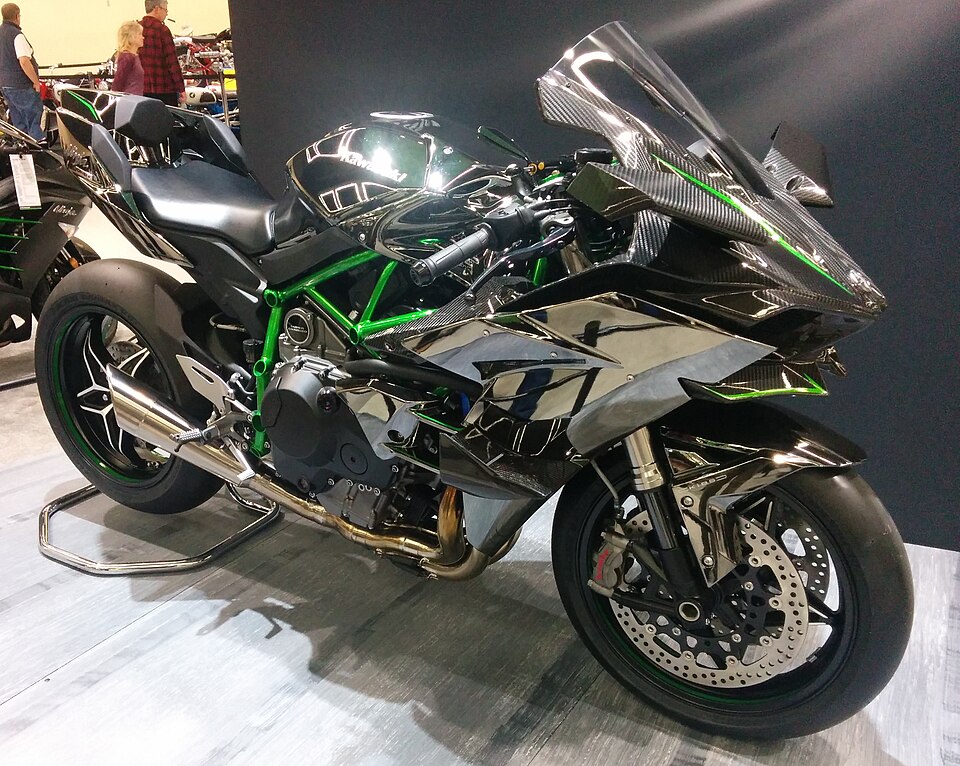
Kawasaki Ninja H2r
The Kawasaki Ninja H2r has a top speed of 400+ km/h (manufacturer-tested; electronically limited in some configurations), produces 310 hp and weighs 216 kg. Motoryk rates it 8.5/10.
La Kawasaki Ninja H2R a été présentée en 2015 en tant que moto hypercompressée réservée à la piste, développée par les divisions d'ingénierie combinées du groupe Kawasaki Heavy Industries. C'était la première fois qu'un grand constructeur produisait une moto de série suralimentée, générant des chiffres de puissance sans précédent qui redéfinissaient le plafond de performance des motos de série. La H2R reste l'une des machines les plus extrêmes jamais conçues pour une utilisation en circuit fermé, symbolisant la philosophie d'ingénierie de prestige « River Mark » de Kawasaki.
310 hp
Pouvoir
165 Nm
Torque
216 kg
Poids
400+ km/h (manufacturer-tested; electronically limited in some configurations)
Vitesse maximale
Estimated 8–12 L/100km under track conditions (no official real-world figure; track-only use)
Carburant
Caréné
Corps
🔧 Service Schedule & Parts
Affiliate · we may earn| Service item | Every | Typical cost | Parts |
|---|---|---|---|
| 🛢️ Engine oil + oil filter | 3,000 km / 2,000 mi or 6 mo | $80-150 | 🛢️ Buy → ⚙️ Buy → |
| 🌬️ Air filter | 7,500 km / 4,500 mi | — | 🌬️ Buy → |
| ⚡ Spark plugs | 15,000 km / 9,500 mi | — | ⚡ Buy → |
| 🔧 Valve clearance check | 15,000 km / 9,500 mi | $800-1500 | |
| 🔗 Chain & sprockets | 15000-25000 km (replace) | $300-600 | 🔗 Buy → |
| 🛑 Brake pads | 10000-20000 km | $60-120 | 🛑 Buy → |
| 💧 Brake fluid | 12,000 km / 7,500 mi or 2 yr | — | |
| 🧊 Coolant | 24,000 km / 15,000 mi | — | |
| 🛞 Tires | 5000-10000 km | $500-900 | 🛞 Buy → |
| 🔩 Major service | 15,000 km / 9,500 mi | $1500-3000 |
Video Review
Ce que les acheteurs doivent savoir
Supercharged Centrifugal System
The H2R uses Kawasaki's in-house developed centrifugal supercharger, producing around 310 hp — a technology unique to Kawasaki among major manufacturers. This proprietary system requires specialized service intervals that only Kawasaki dealers are fully equipped to handle.
Strong Resale Value
Due to its limited production numbers and exclusivity, the H2R holds its value exceptionally well compared to conventional sportbikes. Track-only status and collector appeal mean well-maintained examples rarely depreciate significantly.
Track-Only Legal Status
The H2R is not street-legal anywhere in the world, lacking lights, mirrors, and emissions compliance — making it purely a closed-circuit machine. Buyers should factor in the added cost of trailer transport and dedicated track fees as ongoing ownership expenses.
Générations et spécifications par année
Présentation du quatre cylindres en ligne suralimenté de 998 cm3, d'une puissance de 300 ch, d'ailettes en fibre de carbone, d'une carrosserie à finition miroir uniquement.
Cartographie d'admission et d'échappement révisée, affichage TFT mis à jour, améliorations mineures de l'ECU, puissance maintenue à 310 ch.
Évaluation d'un acheteur d'occasion
"Spectacular machine, but only for serious, wealthy track obsessives."
$35,000-$55,000 usedLet's be brutally honest — the H2R isn't a used bike, it's a liability waiting to happen in the wrong hands. This thing makes 310 horsepower supercharged and it's track-only, meaning whoever owned it before you was probably wringing its neck regularly. Inspect every inch of the trellis frame, check supercharger bearings for whine, and demand full service history. Kawasaki's build quality is genuinely exceptional here, but these machines live hard lives. The supercharger service intervals are expensive and non-negotiable. Miss them and you're rebuilding an engine that costs more than most people's cars. That said, if you're a seasoned trackday junkie who understands what you're getting into, nothing — absolutely nothing — delivers this kind of engineering spectacle. The power delivery is savage but linear, the chassis is planted in a way that defies physics, and it sounds genuinely otherworldly under load. Just budget an extra $5,000 minimum for immediate maintenance on any used example.
Top 10 Accessories
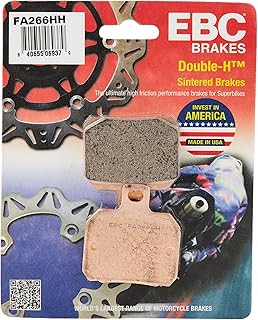
Curated picks for the Kawasaki Ninja H2r — owned, ridden, recommended.


Problèmes courants
🔥 2 CRITICALListen for whine, check service history for supercharger maintenance
Inspect coolant condition, radiator damage, head gasket leaks
Check chain slack, sprocket teeth, tire sidewall cracking
Scan for fault codes, check for aftermarket tune flashing
✅Liste de contrôle préalable à l'achat
Reliable if maintained correctly, punishing if neglected
Full Specifications
Rivals & Alternatives
Bikes that buyers cross-shop with the Kawasaki Ninja H2r
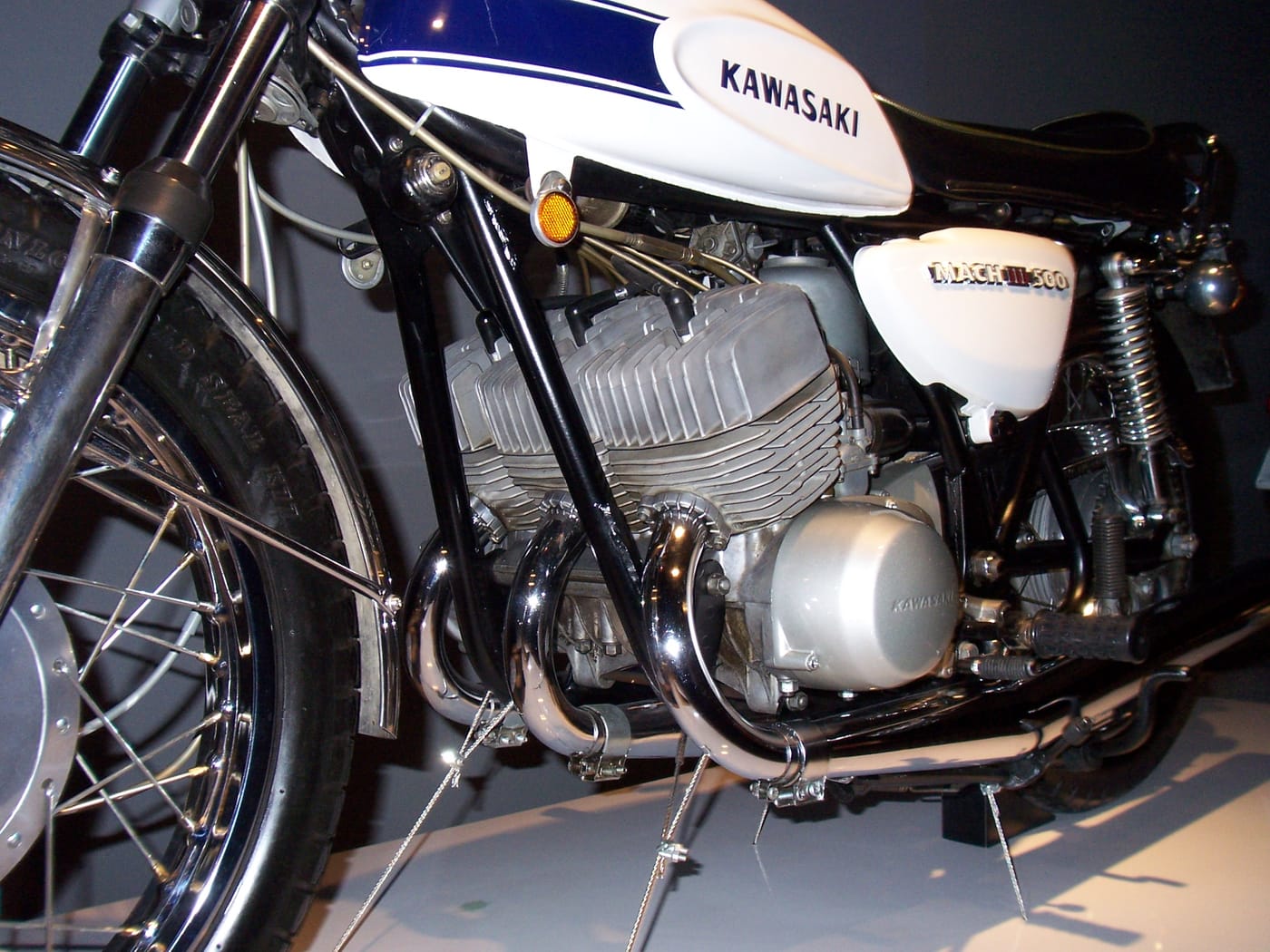
Kawasaki H2
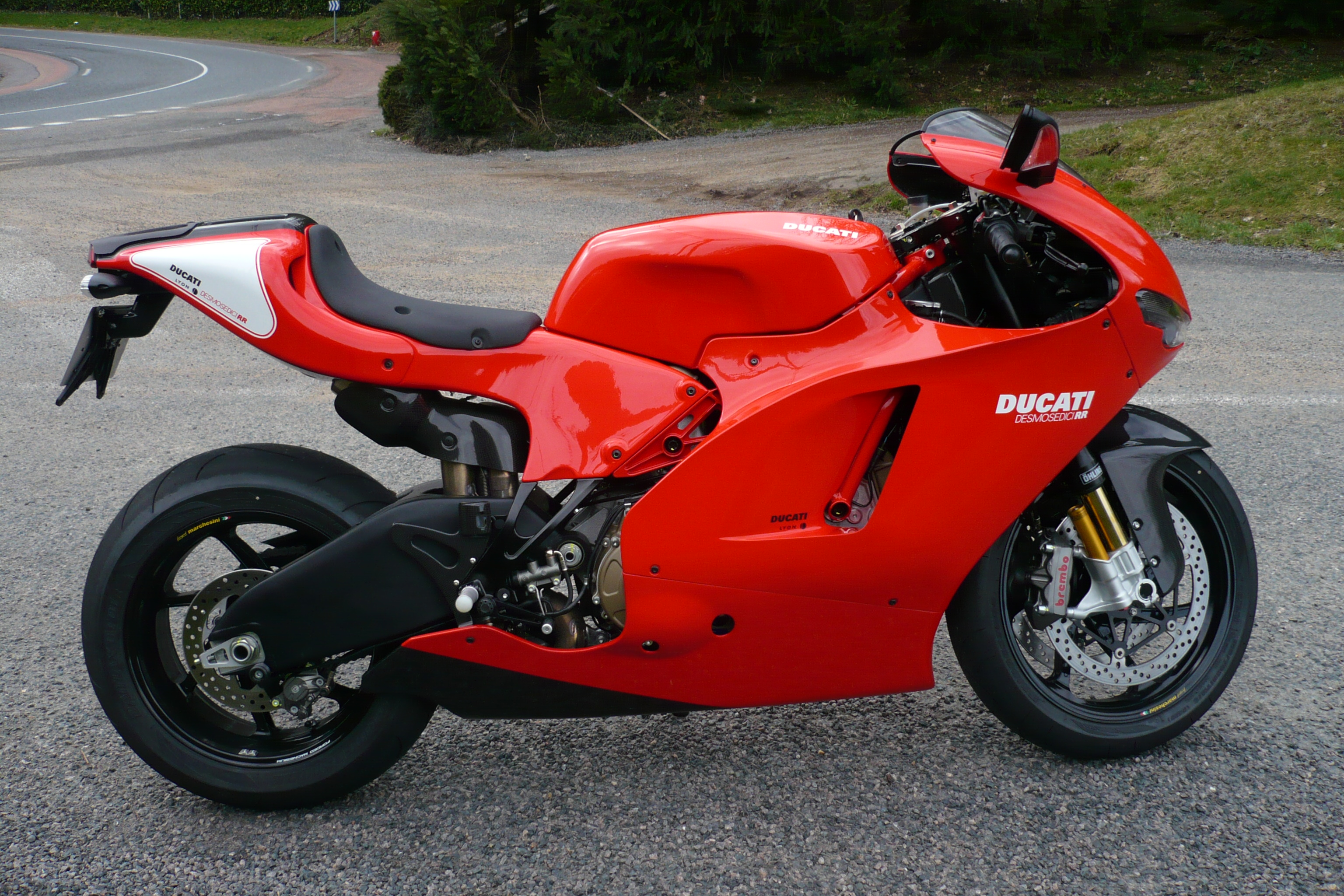
Ducati Desmosedici Rr
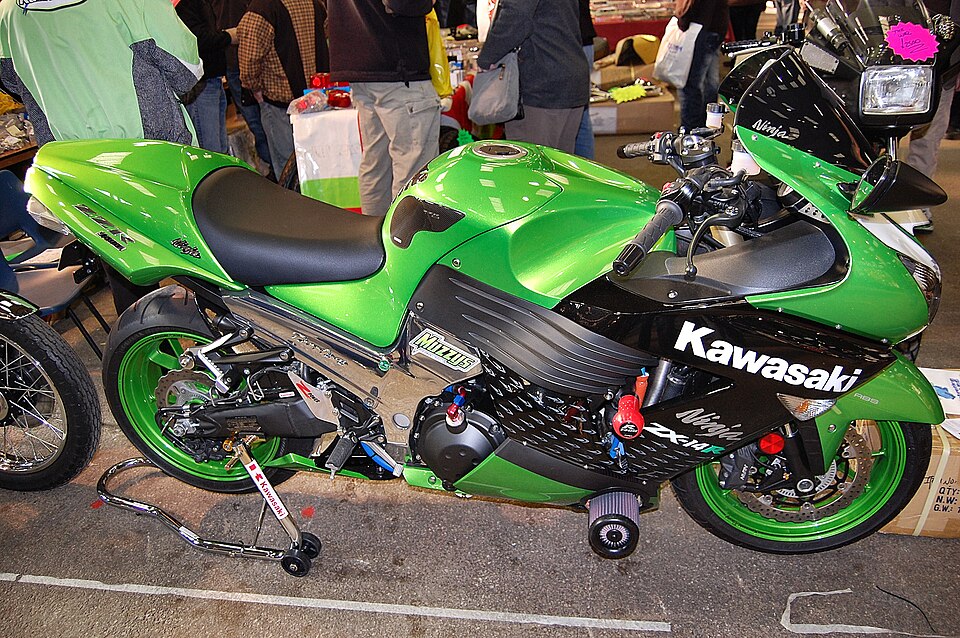
Kawasaki Zx-14r
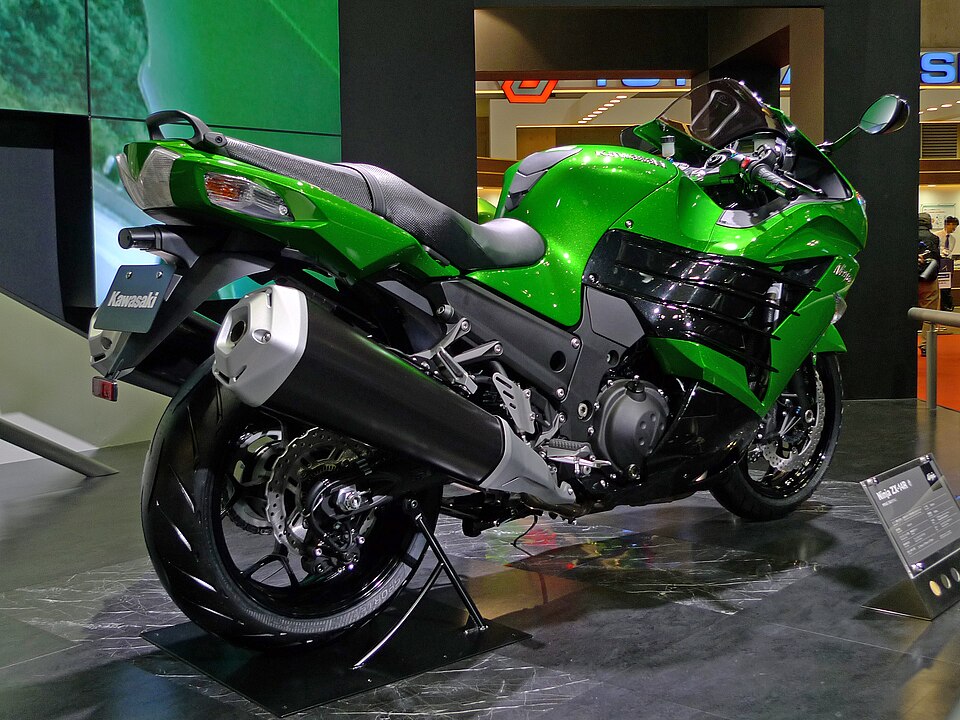
Kawasaki Ninja Zx-14r
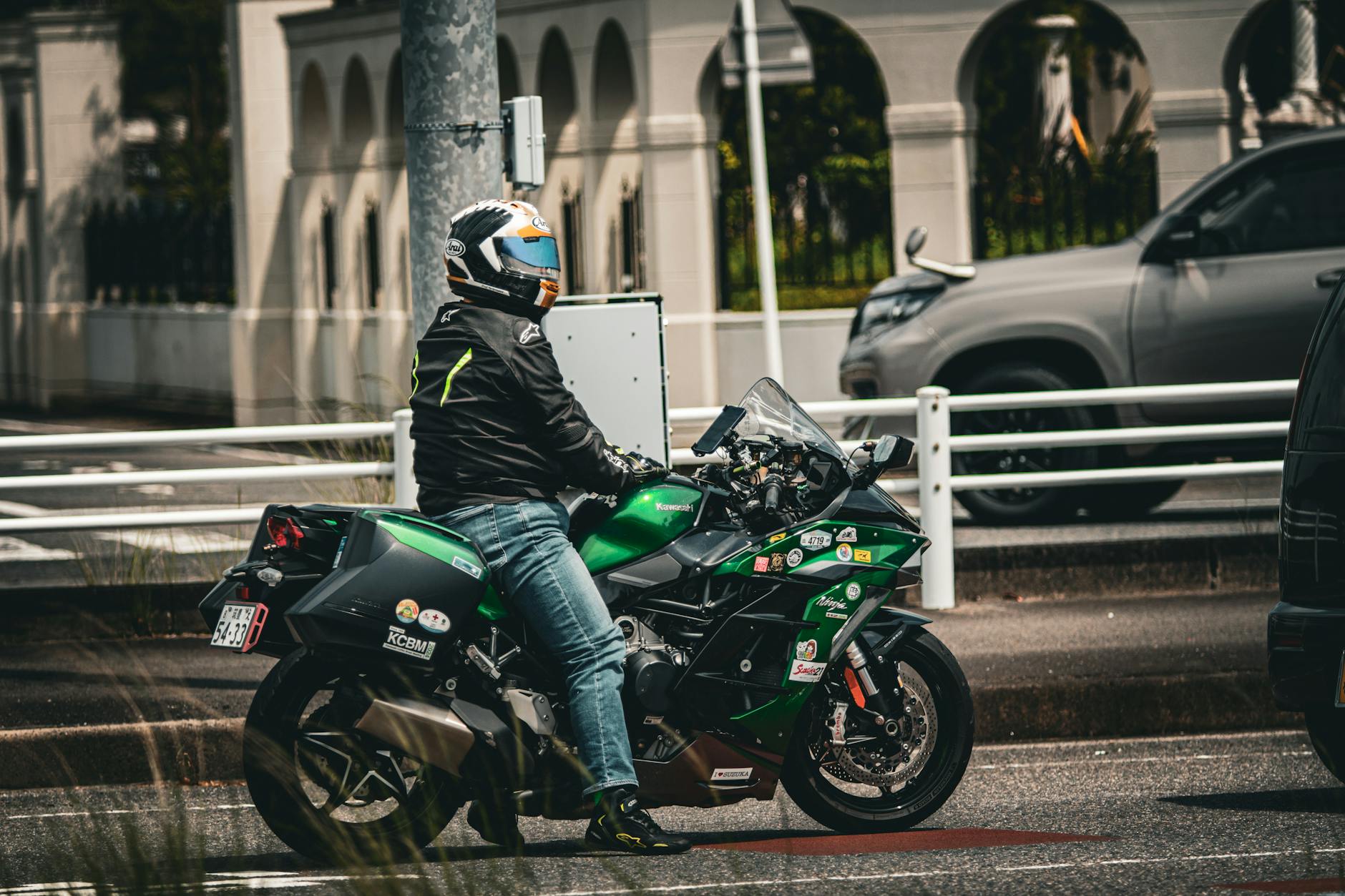
Bimota Tesi H2
Compare Kawasaki Ninja H2r Side-by-Side
compare_arrowsSpecs, power, weight & buyer verdict — head-to-head with the bikes most often cross-shopped.
Kawasaki Ninja H2r vs Kawasaki H2
Specs · Power · Buyer verdict
Kawasaki Ninja H2r vs Ducati Desmosedici Rr
Specs · Power · Buyer verdict
Kawasaki Ninja H2r vs Kawasaki Zx-14r
Specs · Power · Buyer verdict
Kawasaki Ninja H2r vs Kawasaki Ninja Zx-14r
Specs · Power · Buyer verdict
Kawasaki Ninja H2r vs Bimota Tesi H2
Specs · Power · Buyer verdict
More Kawasaki Ninja H2r Guides
More from Kawasaki
View all Kawasaki models →Community Reviews
Discussion
Kawasaki Ninja H2r Videos
Frequently Asked Questions
What are common problems with the Kawasaki Ninja H2r? +
Supercharger bearing wear from abuse/neglect: Listen for whine, check service history for supercharger maintenance (serious) | Engine overheating from track use: Inspect coolant condition, radiator damage, head gasket leaks (serious) | Tire and chain wear from high-power launches: Check chain slack, sprocket teeth, tire sidewall cracking (moderate)
Is the Kawasaki Ninja H2r a good motorcycle? +
Spectacular machine, but only for serious, wealthy track obsessives. Rating: 8.5/10. Best for: Experienced track riders with deep maintenance budgets. Avoid if: You lack track experience or financial reserves.
What is the horsepower of the Kawasaki Ninja H2r? +
The Kawasaki Ninja H2r produces 310 hp @ 14,000 rpm (with ram-air effect; 300 hp without), with 165 Nm @ 12,500 rpm of torque. Top speed: 400+ km/h (manufacturer-tested; electronically limited in some configurations).
Is the Kawasaki Ninja H2r good for beginners? +
Not really — the Kawasaki Ninja H2r is better for experienced riders (310 hp can be intimidating). Experienced track riders with deep maintenance budgets Avoid if: You lack track experience or financial reserves
Is the Kawasaki Ninja H2r reliable? +
Owners report 2 critical issues to watch for on the Kawasaki Ninja H2r, notably: Supercharger bearing wear from abuse/neglect (Listen for whine, check service history for supercharger maintenance). Buy with a pre-purchase inspection.
Is the Kawasaki Ninja H2r good for daily use? +
Experienced track riders with deep maintenance budgets Fuel: Estimated 8–12 L/100km under track conditions (no official real-world figure; track-only use).
How fast is the Kawasaki Ninja H2r? +
The Kawasaki Ninja H2r reaches a top speed of 400+ km/h (manufacturer-tested; electronically limited in some configurations), producing 310 hp at 216 kg curb weight. Real-world performance depends on rider weight, gearing, and road conditions.
What gear should I buy for a Kawasaki Ninja H2r? +
Motoryk has curated a Top 10 gear list specifically for the Kawasaki Ninja H2r, covering engine oil, tires, chain, battery, and brake pads — see motoryk.com/bikes/kawasaki/ninja-h2r/top10. Each pick is matched to this bike's spec.