Kawasaki Ninja 650r
The Kawasaki Ninja 650r has a top speed of 195 km/h (estimated; note: varies by rider and conditions), produces 67 hp and weighs 193 kg. Motoryk rates it 7.8/10.
O Kawasaki Ninja 650R (ER-6f em alguns mercados) foi lançado em 2006 como um veículo esportivo com gêmeos paralelos voltado para pilotos iniciantes e intermediários, oferecendo um pacote de peso médio acessível e capaz. Ele passou por uma reformulação significativa em 2012 com ergonomia aprimorada, estrutura de treliça e estilo refinado, seguido por outra grande atualização em 2017, introduzindo uma nova estrutura de treliça de aço, suspensão revisada e carroceria modernizada. Ele continua sendo um dos pesos médios mais vendidos em todo o mundo devido ao equilíbrio entre usabilidade diária, eficiência de combustível e fornecimento de energia acessível.
67 hp
Poder
65.7 Nm
Torque
193 kg
Peso
195 km/h (estimated; note: varies by rider and conditions)
Velocidade máxima
4.5–5.5 L/100km (typical real-world average)
Combustível
Fairado
Corpo
Video Review
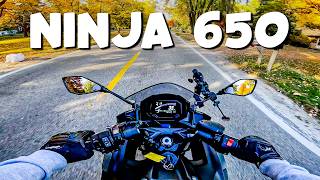
O que os compradores devem saber
Proven Reliable Engine
The parallel-twin 649cc engine is known for exceptional long-term reliability, with many owners reporting 50,000+ miles with minimal issues when properly maintained. It's one of the most trouble-free middleweight bikes on the market.
Watch for Regulator Issues
Earlier models (2006-2011) had known voltage regulator/rectifier failures that can kill the battery and strand you. Always check charging system health and look for signs of electrical overheating before buying used.
Strong Resale Value
The Ninja 650R holds its value surprisingly well due to high demand as a beginner-to-intermediate bike. A well-maintained example typically retains 60-70% of its value after three years, making it a smart buy and sell.
Gerações e especificações por ano
Plataforma original baseada em ER-6f, dupla paralela de 649 cc, estrutura em treliça de aço, garfos convencionais e introdução de carenagem completa.
"A primeira bicicleta mais inteligente que o dinheiro poderia comprar."
Eu percorri 22.000 km em um 650R 2008 e nunca me senti estúpido por possuí-lo — o que é mais do que posso dizer sobre o R6 que eu possuía antes. O gêmeo paralelo puxa com força a partir de 4.000 rpm e esse torque médio significa que você está realmente indo mais rápido no mundo real, não apenas em uma chapa dinâmica. A carenagem evita o vento da rodovia melhor do que a maioria dos 650, embora o assento traseiro seja essencialmente decorativo e a suspensão fique encharcada com duas pessoas a bordo. Minha única reclamação genuína é que a dianteira parece vaga no limite — garfos convencionais com ajuste mínimo significam que você está contornando as preferências da bicicleta, não as suas.
Prós
Contras
Carroçaria reestilizada, ergonomia revisada, instrumentação atualizada, injeção de combustível aprimorada, estrutura de treliça mantida.
Nova estrutura de treliça de aço, motor revisado de 649 cc, embreagem auxiliar e deslizante, suspensão e estilo atualizados.
Carroçaria totalmente redesenhada, nova estrutura de treliça, ajuste revisado do motor, display colorido TFT, ergonomia aprimorada.
Estilo atualizado, aerodinâmica revisada, pacote eletrônico aprimorado, iluminação LED aprimorada, pequenos refinamentos no motor.
Avaliação do comprador usado
"The smartest used middleweight buy for riders who value reliability."
$3,500-$6,500 usedThe Ninja 650R is one of those rare bikes that genuinely does everything reasonably well without excelling dramatically at anything. That's not a knock — for a used buy, it's exactly what you want. The parallel twin pulls smoothly from low revs, the ergonomics split the difference between sport and comfort, and parts are stupid cheap because Kawasaki built approximately ten million of them. A well-maintained example with 15,000 miles is genuinely no cause for alarm. What to check on used examples: inspect the fairings carefully because these attract new riders who drop them, look for bent levers and scuffed pegs. The 2009-2011 generation ran slightly hotter and had occasional fuel delivery grumbles — later bikes fixed this. Forks are decent but not great; if it's been ridden hard, budget for a fluid change minimum. Chain and sprockets get neglected constantly on these.
Top 10 Accessories
Curated picks for the Kawasaki Ninja 650r — owned, ridden, recommended.





Problemas comuns
🔥 1 CRITICALCheck battery voltage at idle, look for dim lights
Rough idle, hesitation between 3000-5000 RPM
Listen for rattling on cold startup near engine top
✅Lista de verificação de pré-compra
Very reliable, minor issues after 30k miles
Full Specifications
Rivals & Alternatives
Bikes that buyers cross-shop with the Kawasaki Ninja 650r
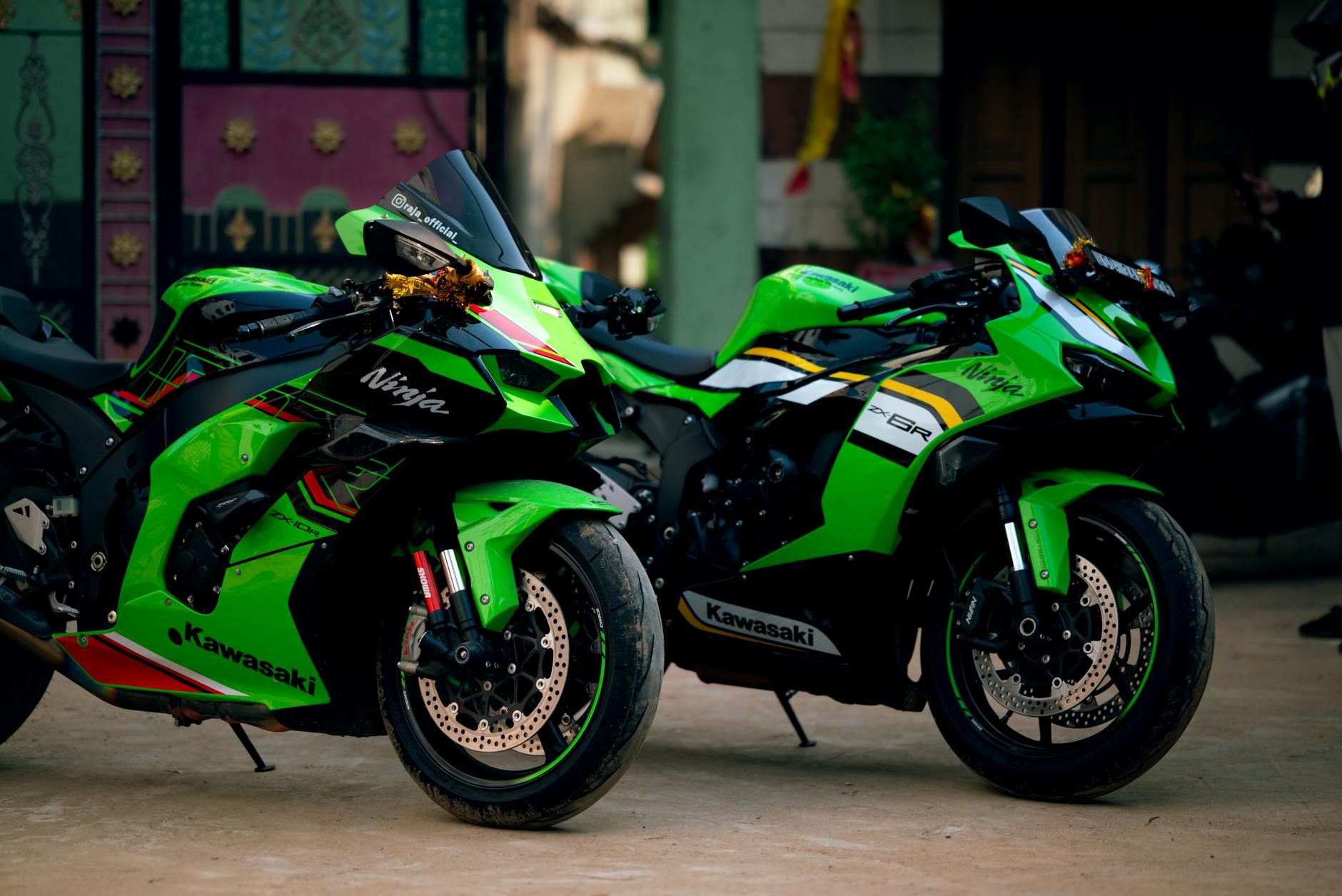
Kawasaki Ninja 650
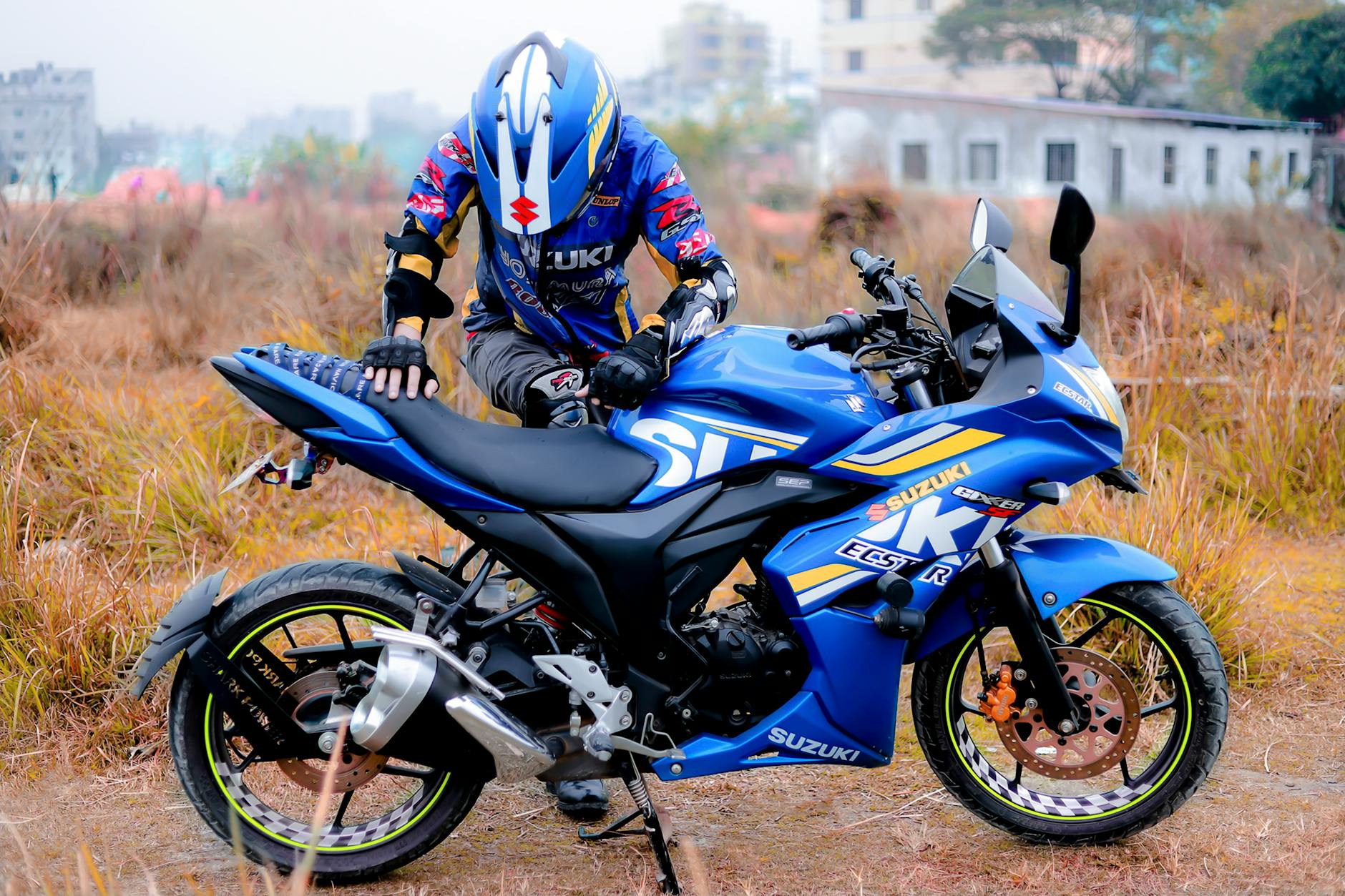
Suzuki Sv650 S
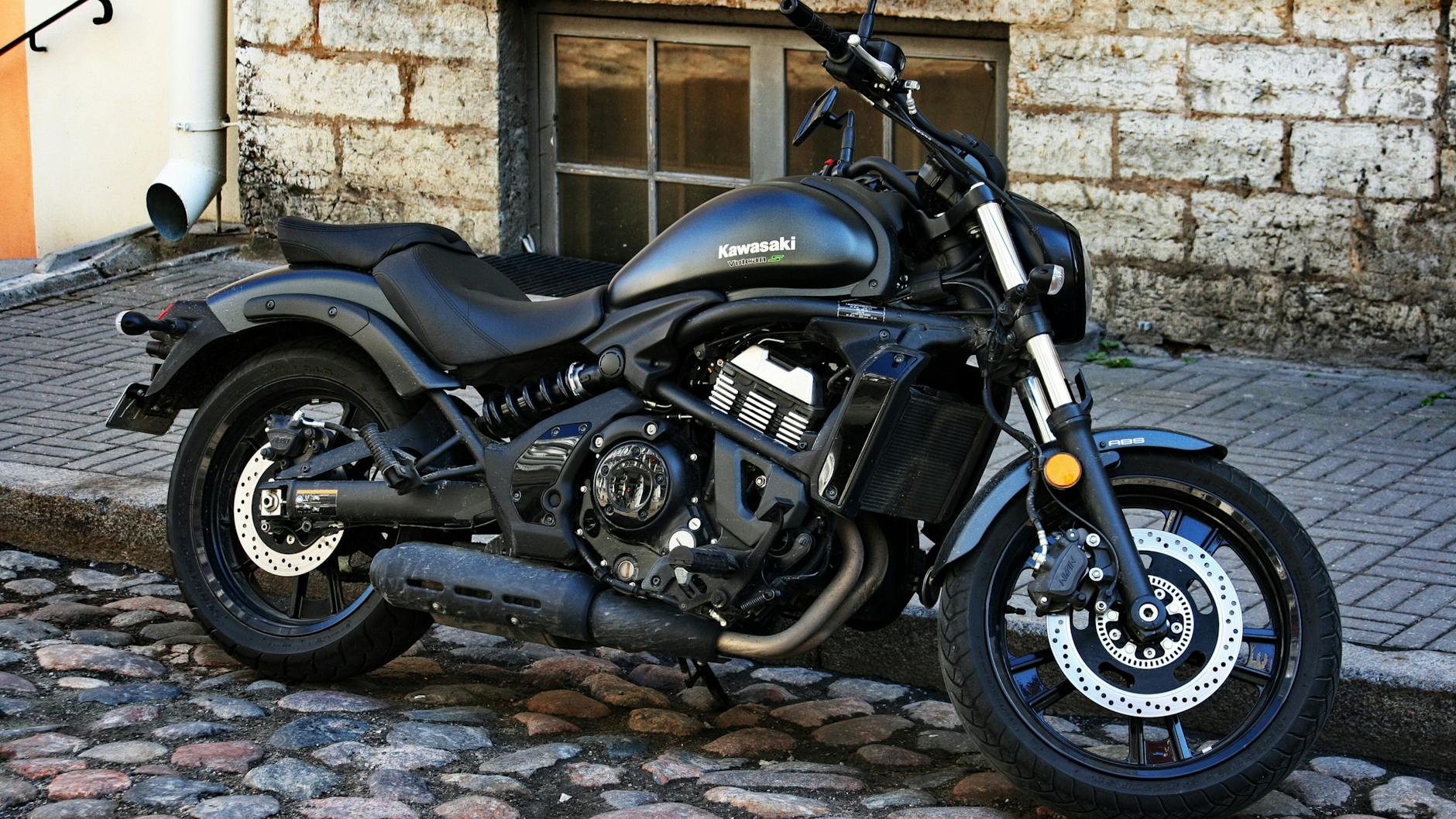
Kawasaki Er-6f
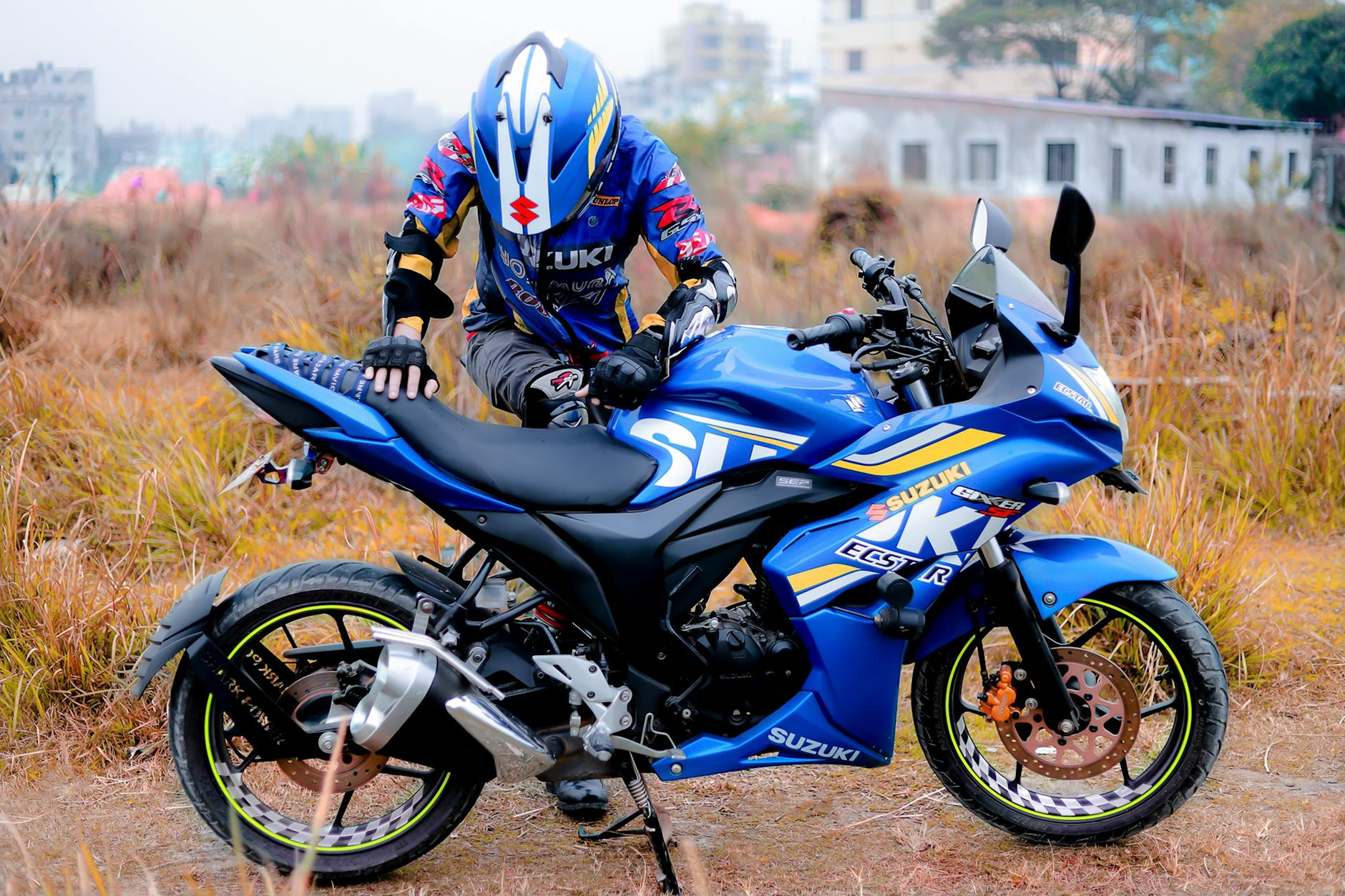
Suzuki Sv 650s
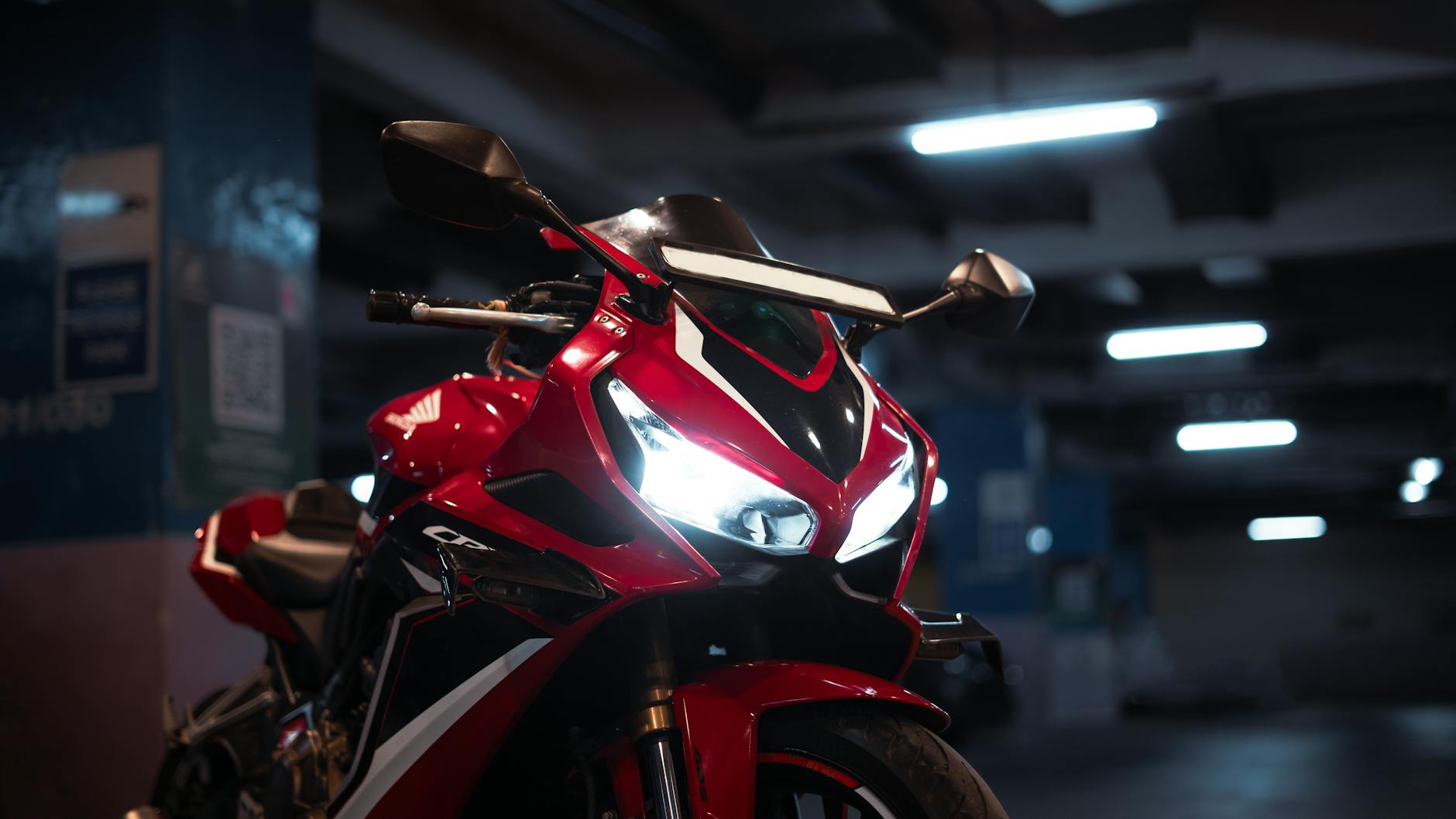
Honda Cbr650r
Compare Kawasaki Ninja 650r Side-by-Side
compare_arrowsSpecs, power, weight & buyer verdict — head-to-head with the bikes most often cross-shopped.
Kawasaki Ninja 650r vs Kawasaki Ninja 650
Specs · Power · Buyer verdict
Kawasaki Ninja 650r vs Suzuki Sv650 S
Specs · Power · Buyer verdict
Kawasaki Ninja 650r vs Kawasaki Er-6f
Specs · Power · Buyer verdict
Kawasaki Ninja 650r vs Suzuki Sv 650s
Specs · Power · Buyer verdict
Kawasaki Ninja 650r vs Honda Cbr650r
Specs · Power · Buyer verdict
More Kawasaki Ninja 650r Guides
More from Kawasaki
View all Kawasaki models →Community Reviews
Discussion
Frequently Asked Questions
What are common problems with the Kawasaki Ninja 650r? +
Stator/charging system failure: Check battery voltage at idle, look for dim lights (serious) | Throttle bodies out of sync: Rough idle, hesitation between 3000-5000 RPM (moderate) | Cam chain tensioner wear/noise: Listen for rattling on cold startup near engine top (moderate)
Is the Kawasaki Ninja 650r a good motorcycle? +
The smartest used middleweight buy for riders who value reliability. Rating: 7.8/10. Best for: New-to-intermediate riders wanting reliable daily transport. Avoid if: You crave serious performance or exciting character.
What is the horsepower of the Kawasaki Ninja 650r? +
The Kawasaki Ninja 650r produces 67 hp @ 8,000 rpm, with 65.7 Nm @ 6,500 rpm of torque. Top speed: 195 km/h (estimated; note: varies by rider and conditions).
Is the Kawasaki Ninja 650r good for beginners? +
Not really — the Kawasaki Ninja 650r is better for experienced riders (678000 hp can be intimidating). New-to-intermediate riders wanting reliable daily transport Avoid if: You crave serious performance or exciting character
Is the Kawasaki Ninja 650r reliable? +
Owners report 1 critical issue to watch for on the Kawasaki Ninja 650r, notably: Stator/charging system failure (Check battery voltage at idle, look for dim lights). Buy with a pre-purchase inspection.
Is the Kawasaki Ninja 650r good for daily use? +
New-to-intermediate riders wanting reliable daily transport Fuel: 4.5–5.5 L/100km (typical real-world average).