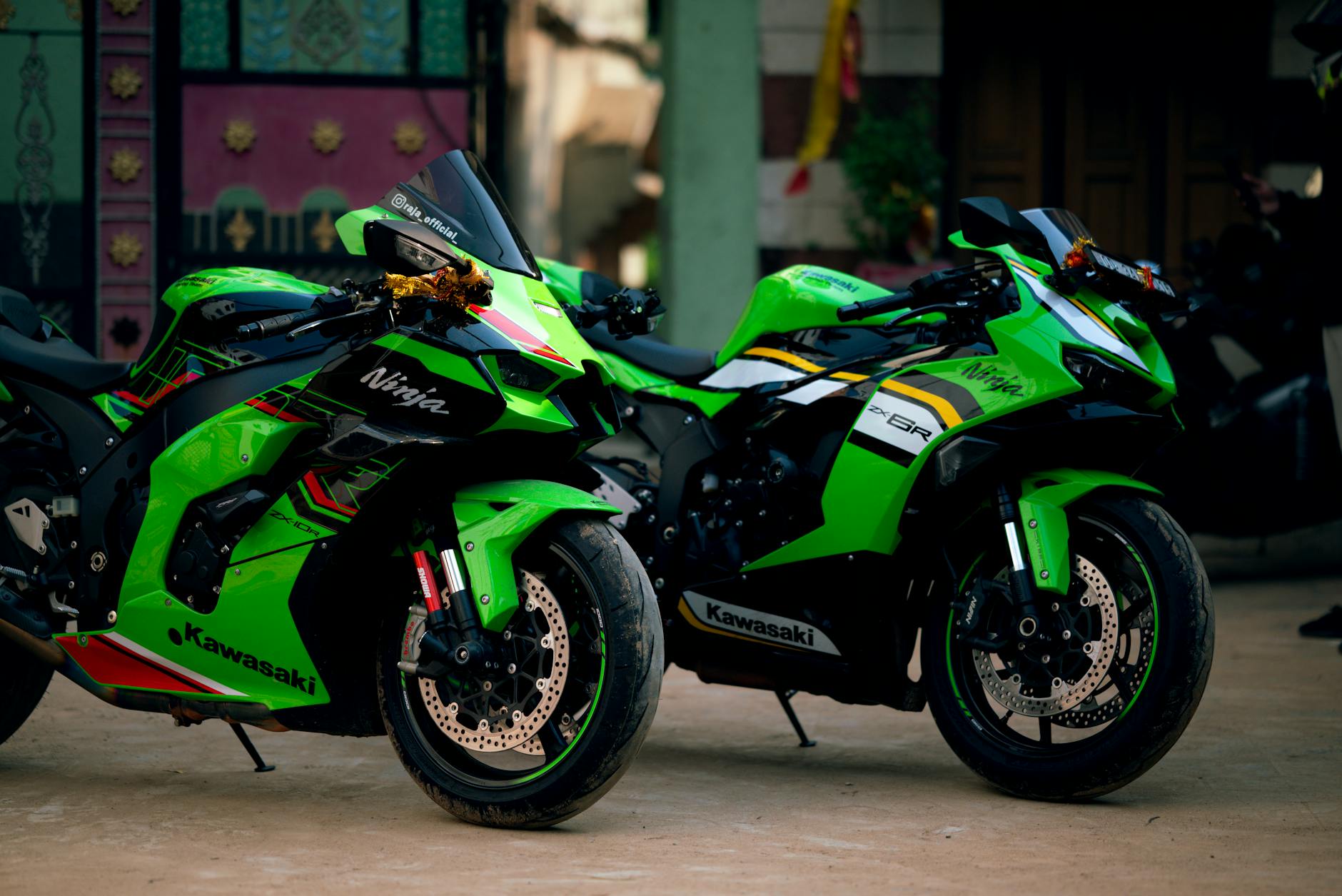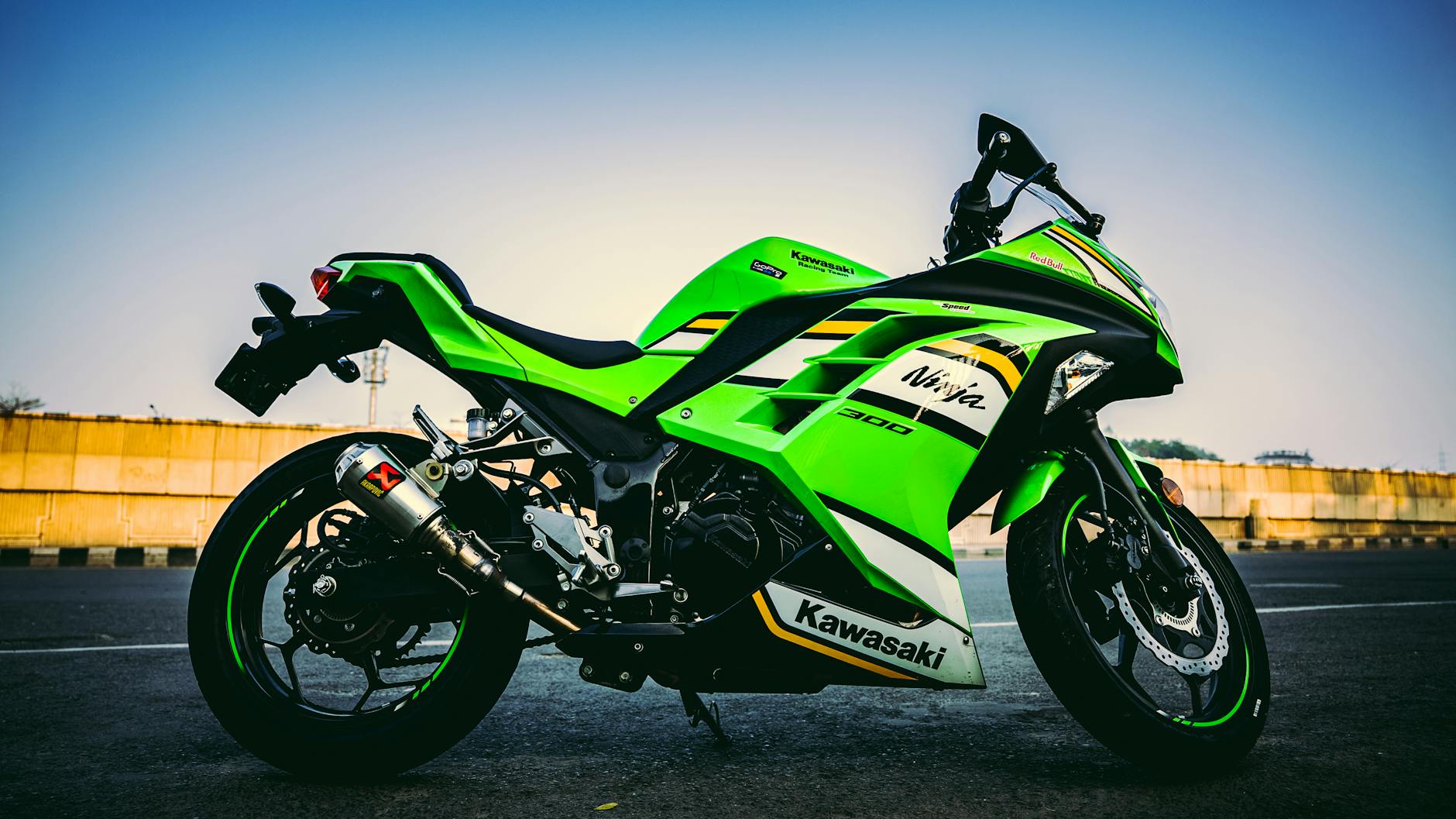
Kawasaki Ninja 650r
The Kawasaki Ninja 650r has a top speed of 195 km/h (estimated; note: varies by rider and conditions), produces 67 hp and weighs 193 kg. Motoryk rates it 7.8/10.
La Kawasaki Ninja 650R (ER-6f sur certains marchés) a été introduite en 2006 en tant que véhicule de tourisme sportif à deux cylindres parallèles destiné aux pilotes débutants et intermédiaires, proposant un ensemble de poids moyens accessible mais performant. Il a subi une refonte importante en 2012 avec une ergonomie améliorée, un cadre en treillis et un style raffiné, suivie d'une autre mise à jour majeure en 2017 introduisant un nouveau cadre en treillis en acier, une suspension révisée et une carrosserie modernisée. Il reste l'un des poids moyens les plus vendus au monde en raison de son équilibre entre facilité d'utilisation au quotidien, efficacité énergétique et alimentation abordable.
67 hp
Pouvoir
65.7 Nm
Torque
193 kg
Poids
195 km/h (estimated; note: varies by rider and conditions)
Vitesse maximale
4.5–5.5 L/100km (typical real-world average)
Carburant
Caréné
Corps
Video Review
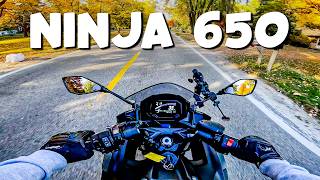
Ce que les acheteurs doivent savoir
Proven Reliable Engine
The parallel-twin 649cc engine is known for exceptional long-term reliability, with many owners reporting 50,000+ miles with minimal issues when properly maintained. It's one of the most trouble-free middleweight bikes on the market.
Watch for Regulator Issues
Earlier models (2006-2011) had known voltage regulator/rectifier failures that can kill the battery and strand you. Always check charging system health and look for signs of electrical overheating before buying used.
Strong Resale Value
The Ninja 650R holds its value surprisingly well due to high demand as a beginner-to-intermediate bike. A well-maintained example typically retains 60-70% of its value after three years, making it a smart buy and sell.
Générations et spécifications par année
Plateforme originale basée sur l'ER-6f, bicylindre parallèle de 649 cm3, cadre en treillis en acier, fourches conventionnelles, carénage complet introduit.
"Le premier gros vélo le plus intelligent que l'argent puisse acheter."
J'ai parcouru 22 000 km sur une 650R 2008 et je ne me suis jamais sentie stupide de l'avoir possédée, ce qui est plus que ce que je peux dire pour la R6 que je possédais auparavant. Le bicylindre parallèle tire fort dès 4 000 tr/min et ce couple à milieu de gamme signifie que vous allez vraiment vite dans le monde réel, et pas seulement sur une feuille de dynamomètre. Le carénage protège mieux votre poitrine du vent de l'autoroute que la plupart des 650 n'auraient pu le faire, bien que la banquette passager soit essentiellement décorative et que la suspension soit détrempée lorsque deux personnes sont à bord. Mon seul reproche, c'est que l'avant semble vague à la limite : les fourches classiques avec un réglage minimal vous permettent de vous adapter aux préférences de la moto, et non aux vôtres.
Pros
Les inconvénients
Carrosserie restylée, ergonomie révisée, instrumentation mise à jour, injection de carburant améliorée, châssis en treillis conservé.
Nouveau cadre en treillis en acier, moteur de 649 cm3 révisé, embrayage assisté et antidérapant, suspension et style actualisés.
Carrosserie entièrement redessinée, nouveau cadre en treillis, réglage moteur révisé, écran couleur TFT, ergonomie améliorée.
Style mis à jour, aérodynamisme révisé, ensemble électronique amélioré, éclairage LED amélioré, améliorations mineures du moteur.
Évaluation d'un acheteur d'occasion
"The smartest used middleweight buy for riders who value reliability."
$3,500-$6,500 usedThe Ninja 650R is one of those rare bikes that genuinely does everything reasonably well without excelling dramatically at anything. That's not a knock — for a used buy, it's exactly what you want. The parallel twin pulls smoothly from low revs, the ergonomics split the difference between sport and comfort, and parts are stupid cheap because Kawasaki built approximately ten million of them. A well-maintained example with 15,000 miles is genuinely no cause for alarm. What to check on used examples: inspect the fairings carefully because these attract new riders who drop them, look for bent levers and scuffed pegs. The 2009-2011 generation ran slightly hotter and had occasional fuel delivery grumbles — later bikes fixed this. Forks are decent but not great; if it's been ridden hard, budget for a fluid change minimum. Chain and sprockets get neglected constantly on these.
Top 10 Accessories
Curated picks for the Kawasaki Ninja 650r — owned, ridden, recommended.




Problèmes courants
🔥 1 CRITICALCheck battery voltage at idle, look for dim lights
Rough idle, hesitation between 3000-5000 RPM
Listen for rattling on cold startup near engine top
✅Liste de contrôle préalable à l'achat
Very reliable, minor issues after 30k miles
Full Specifications
Rivals & Alternatives
Bikes that buyers cross-shop with the Kawasaki Ninja 650r
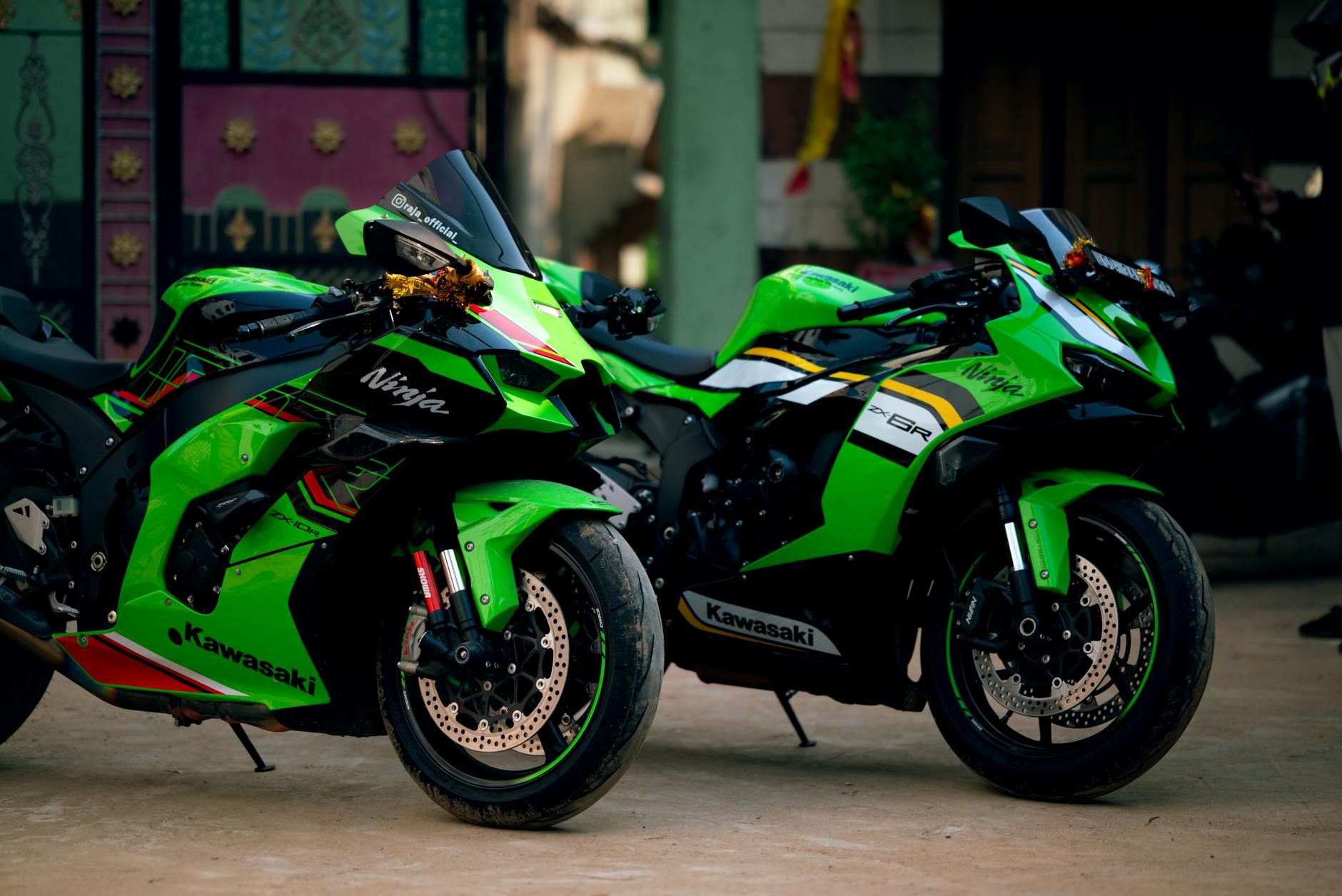
Kawasaki Ninja 650
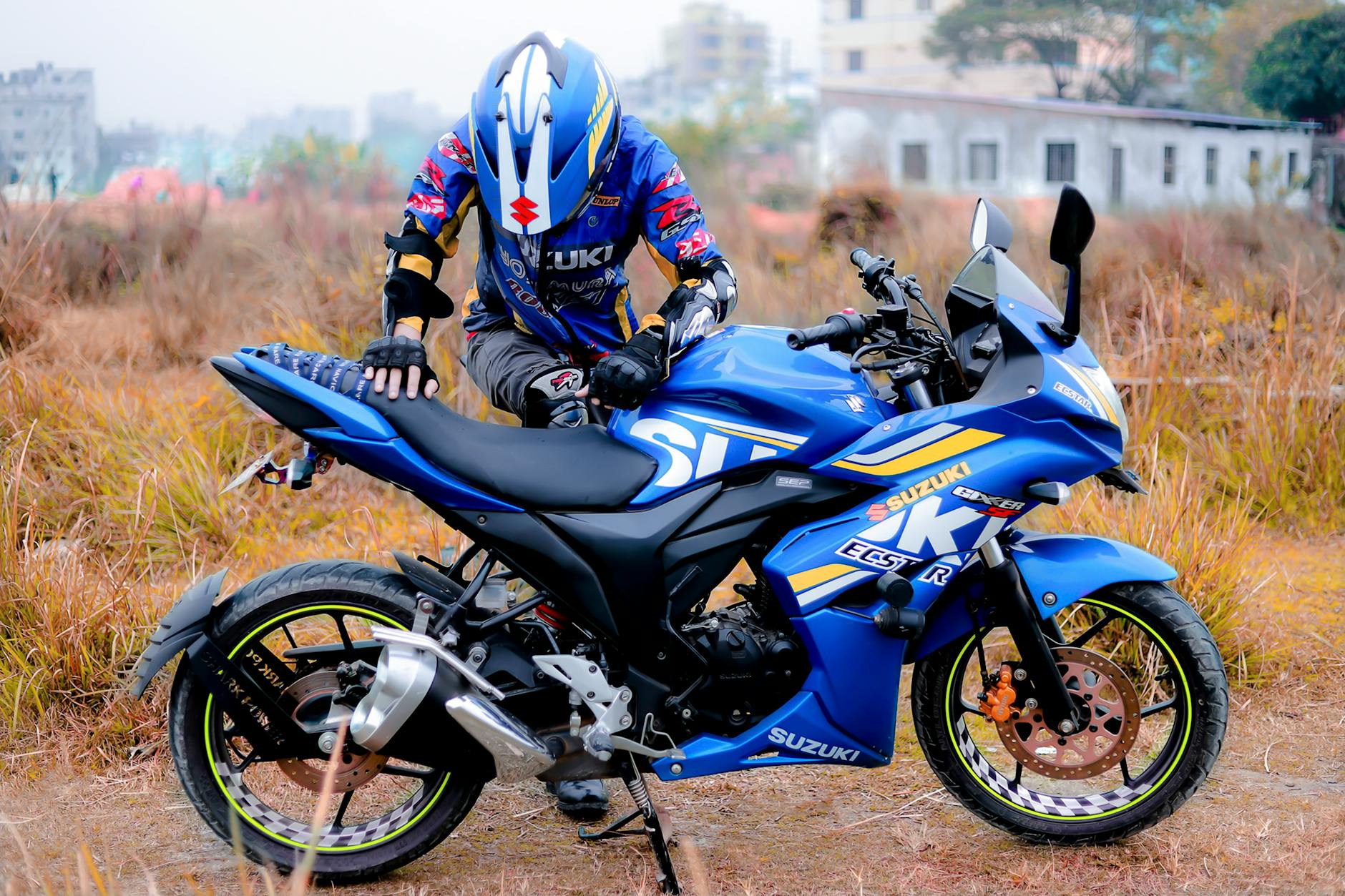
Suzuki Sv650 S
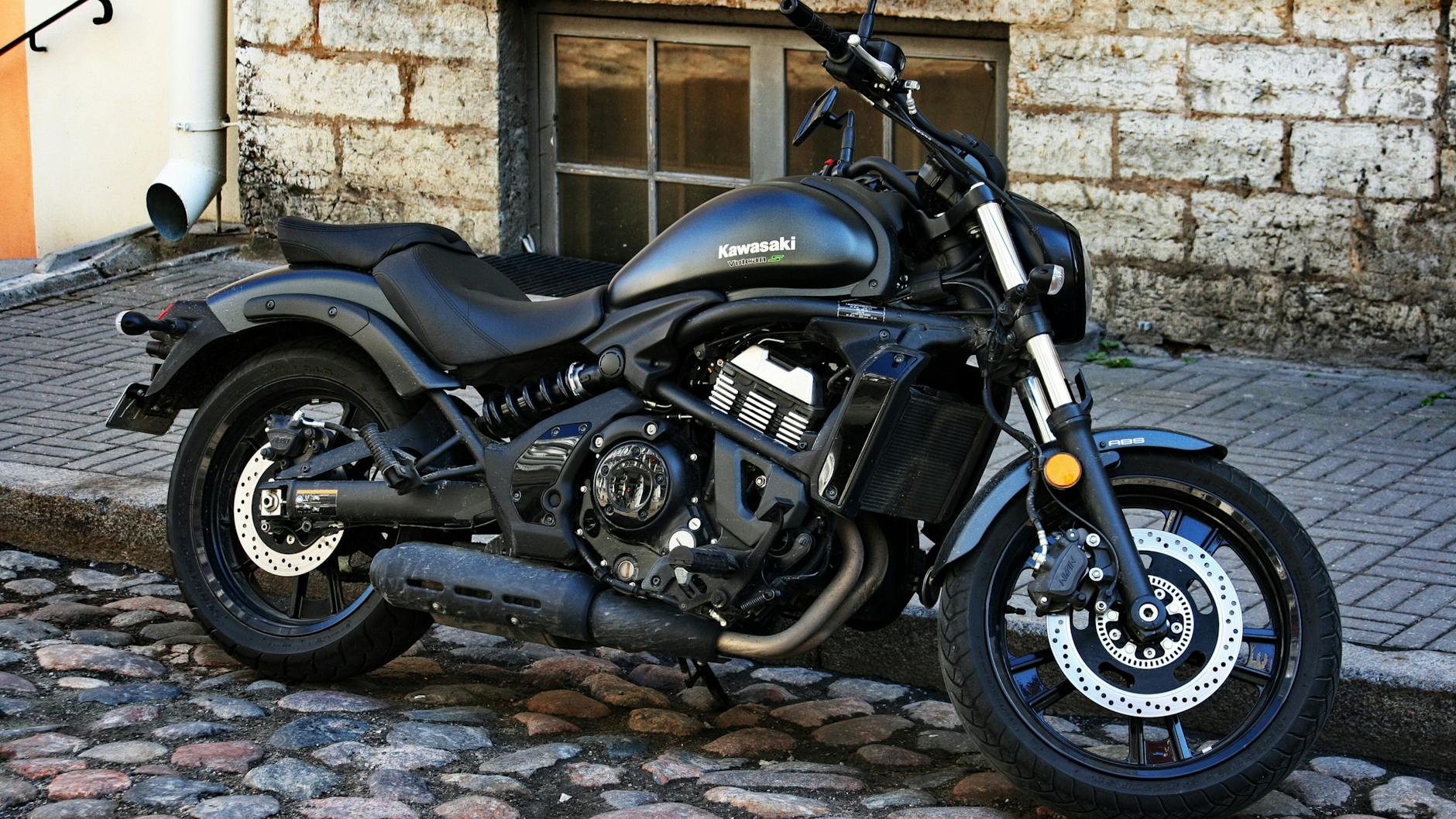
Kawasaki Er-6f
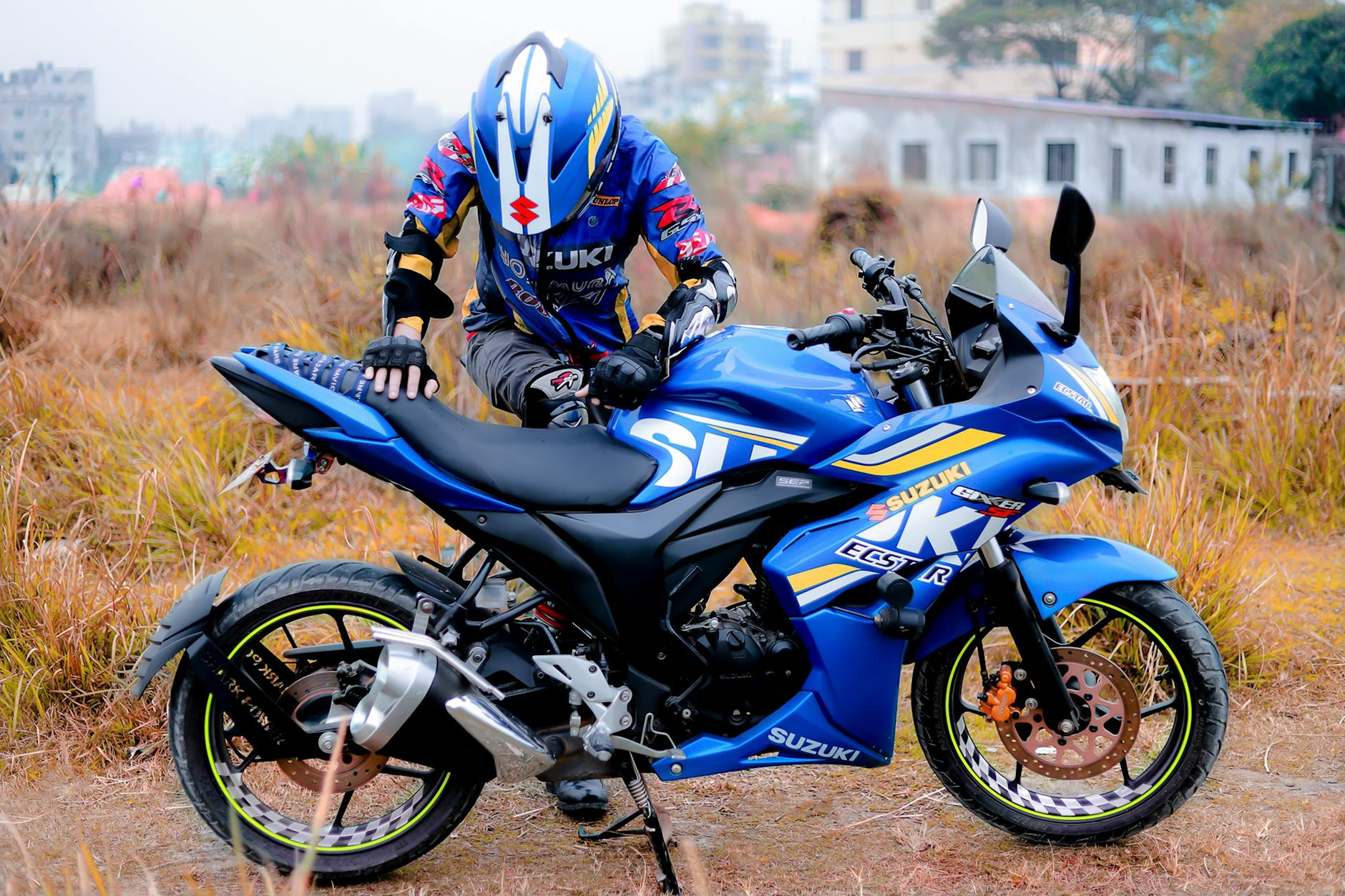
Suzuki Sv 650s
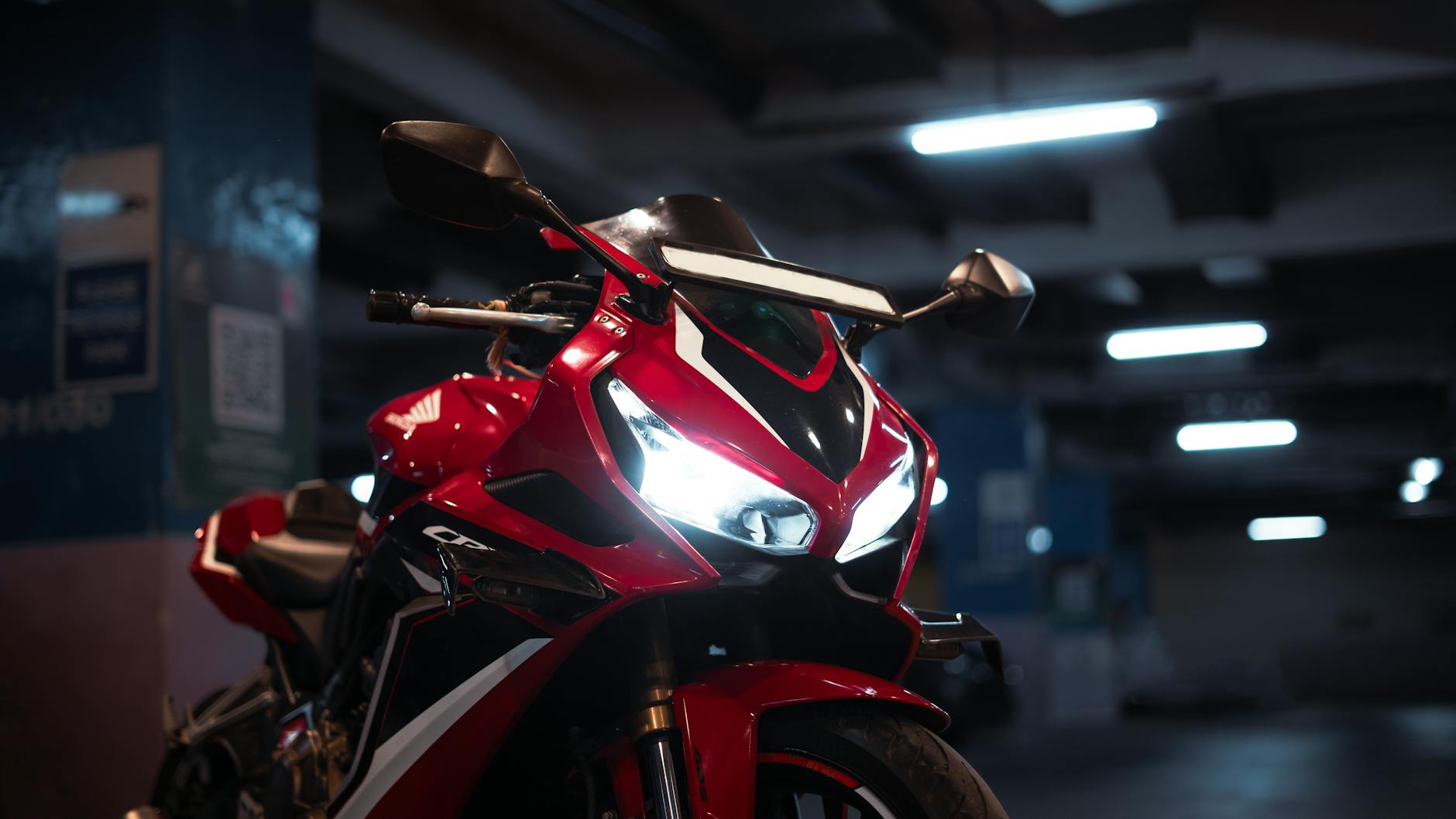
Honda Cbr650r
Compare Kawasaki Ninja 650r Side-by-Side
compare_arrowsSpecs, power, weight & buyer verdict — head-to-head with the bikes most often cross-shopped.
Kawasaki Ninja 650r vs Kawasaki Ninja 650
Specs · Power · Buyer verdict
Kawasaki Ninja 650r vs Suzuki Sv650 S
Specs · Power · Buyer verdict
Kawasaki Ninja 650r vs Kawasaki Er-6f
Specs · Power · Buyer verdict
Kawasaki Ninja 650r vs Suzuki Sv 650s
Specs · Power · Buyer verdict
Kawasaki Ninja 650r vs Honda Cbr650r
Specs · Power · Buyer verdict
More Kawasaki Ninja 650r Guides
More from Kawasaki
View all Kawasaki models →Community Reviews
Discussion
Frequently Asked Questions
What are common problems with the Kawasaki Ninja 650r? +
Stator/charging system failure: Check battery voltage at idle, look for dim lights (serious) | Throttle bodies out of sync: Rough idle, hesitation between 3000-5000 RPM (moderate) | Cam chain tensioner wear/noise: Listen for rattling on cold startup near engine top (moderate)
Is the Kawasaki Ninja 650r a good motorcycle? +
The smartest used middleweight buy for riders who value reliability. Rating: 7.8/10. Best for: New-to-intermediate riders wanting reliable daily transport. Avoid if: You crave serious performance or exciting character.
What is the horsepower of the Kawasaki Ninja 650r? +
The Kawasaki Ninja 650r produces 67 hp @ 8,000 rpm, with 65.7 Nm @ 6,500 rpm of torque. Top speed: 195 km/h (estimated; note: varies by rider and conditions).
Is the Kawasaki Ninja 650r good for beginners? +
Not really — the Kawasaki Ninja 650r is better for experienced riders (678000 hp can be intimidating). New-to-intermediate riders wanting reliable daily transport Avoid if: You crave serious performance or exciting character
Is the Kawasaki Ninja 650r reliable? +
Owners report 1 critical issue to watch for on the Kawasaki Ninja 650r, notably: Stator/charging system failure (Check battery voltage at idle, look for dim lights). Buy with a pre-purchase inspection.
Is the Kawasaki Ninja 650r good for daily use? +
New-to-intermediate riders wanting reliable daily transport Fuel: 4.5–5.5 L/100km (typical real-world average).