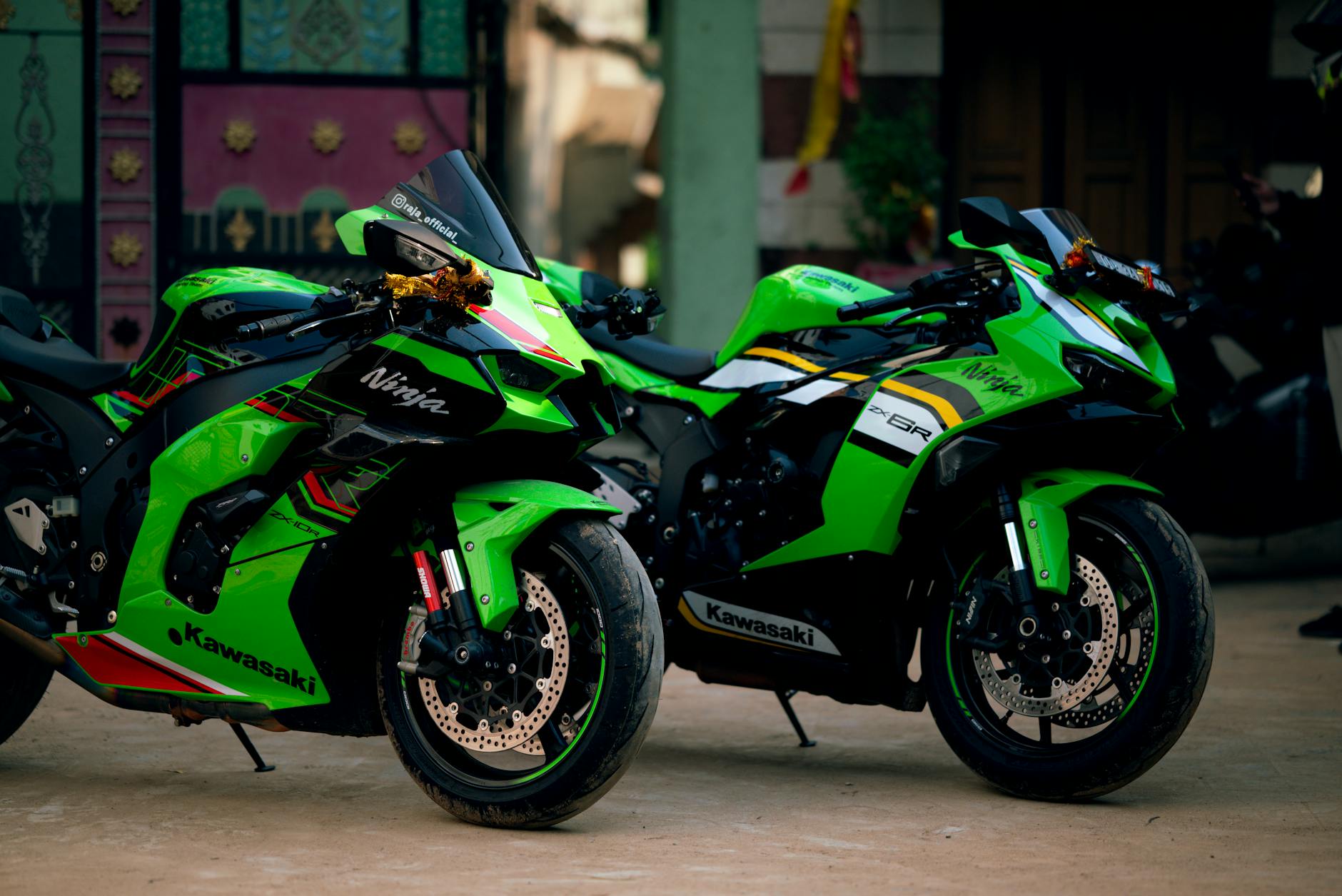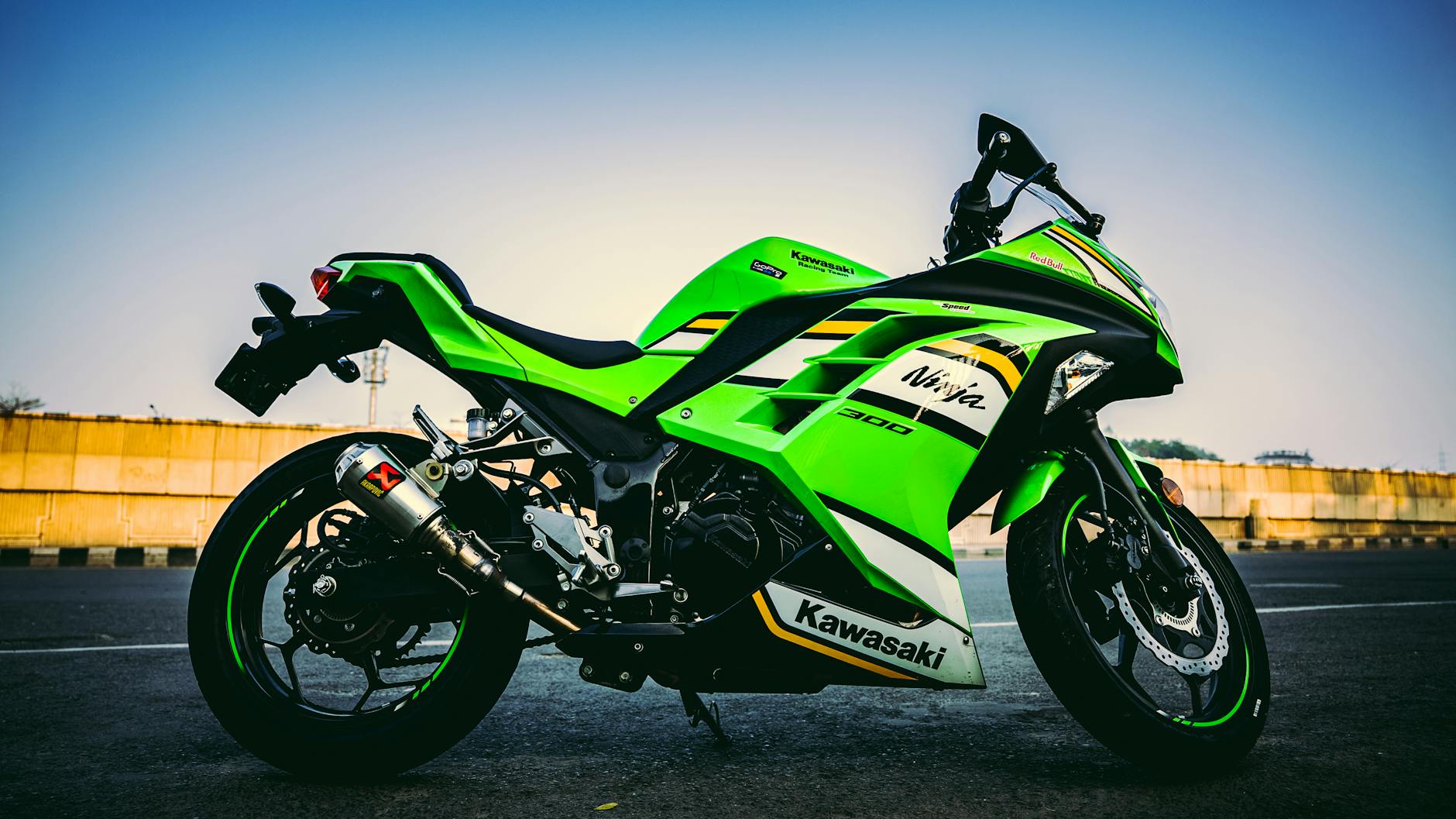
Kawasaki Ninja 650r
The Kawasaki Ninja 650r has a top speed of 195 km/h (estimated; note: varies by rider and conditions), produces 67 hp and weighs 193 kg. Motoryk rates it 7.8/10.
La Kawasaki Ninja 650R (ER-6f en algunos mercados) se presentó en 2006 como un sport-tourer con dos ruedas paralelas dirigido a pilotos principiantes e intermedios, que ofrecía un paquete de peso mediano accesible pero capaz. Se sometió a un importante rediseño en 2012, con mejoras en la ergonomía, un marco en forma de celosía y un estilo refinado, a lo que siguió otra importante actualización en 2017, en la que se introdujo un nuevo marco enrejado de acero, una suspensión revisada y una carrocería modernizada. Sigue siendo uno de los pesos medianos más vendidos en todo el mundo debido a su equilibrio entre usabilidad diaria, eficiencia de combustible y entrega de potencia accesible.
67 hp
Potencia
65.7 Nm
Torsión
193 kg
Peso
195 km/h (estimated; note: varies by rider and conditions)
Velocidad máxima
4.5–5.5 L/100km (typical real-world average)
Combustible
Carenado
Cuerpo
Video Review
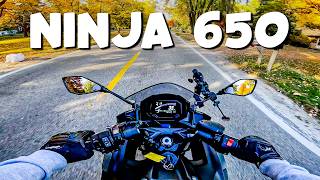
Lo que los compradores deben saber
Proven Reliable Engine
The parallel-twin 649cc engine is known for exceptional long-term reliability, with many owners reporting 50,000+ miles with minimal issues when properly maintained. It's one of the most trouble-free middleweight bikes on the market.
Watch for Regulator Issues
Earlier models (2006-2011) had known voltage regulator/rectifier failures that can kill the battery and strand you. Always check charging system health and look for signs of electrical overheating before buying used.
Strong Resale Value
The Ninja 650R holds its value surprisingly well due to high demand as a beginner-to-intermediate bike. A well-maintained example typically retains 60-70% of its value after three years, making it a smart buy and sell.
Generaciones y especificaciones por año
Plataforma original basada en el ER-6f, bimotor paralelo de 649 cc, marco enrejado de acero, horquillas convencionales, carenado completo introducido.
"La primera bicicleta grande más inteligente que el dinero puede comprar."
Realicé 22 000 km en una 650R de 2008 y ni una sola vez me hizo sentir estúpida por tenerla, que es más de lo que puedo decir del R6 que tenía antes. El motor bicilíndrico paralelo arranca con fuerza a partir de las 4.000 rpm y ese par de giro medio significa que vas a toda velocidad en el mundo real, no solo sobre una hoja de dinamómetro. El carenado mantiene el viento de la carretera alejado del pecho mejor que la mayoría de los 650, aunque el asiento trasero es básicamente decorativo y la suspensión se empapa con dos personas a bordo. Lo único que me molesta es que la parte delantera me parece imprecisa: las horquillas convencionales con un ajuste mínimo significan que tienes que trabajar en función de las preferencias de la moto, no de las tuyas propias.
Pros
Contras
Carrocería rediseñada, ergonomía revisada, instrumentación actualizada, inyección de combustible mejorada, marco enrejado mantenido.
Nuevo marco enrejado de acero, motor revisado de 649 cc, embrague de asistencia y deslizamiento, suspensión y estilo actualizados.
Carrocería completamente rediseñada, nuevo marco enrejado, puesta a punto del motor revisada, pantalla TFT a color y ergonomía mejorada.
Estilo actualizado, aerodinámica revisada, paquete electrónico mejorado, iluminación LED mejorada, pequeñas mejoras en el motor.
Reseña de un comprador usado
"The smartest used middleweight buy for riders who value reliability."
$3,500-$6,500 usedThe Ninja 650R is one of those rare bikes that genuinely does everything reasonably well without excelling dramatically at anything. That's not a knock — for a used buy, it's exactly what you want. The parallel twin pulls smoothly from low revs, the ergonomics split the difference between sport and comfort, and parts are stupid cheap because Kawasaki built approximately ten million of them. A well-maintained example with 15,000 miles is genuinely no cause for alarm. What to check on used examples: inspect the fairings carefully because these attract new riders who drop them, look for bent levers and scuffed pegs. The 2009-2011 generation ran slightly hotter and had occasional fuel delivery grumbles — later bikes fixed this. Forks are decent but not great; if it's been ridden hard, budget for a fluid change minimum. Chain and sprockets get neglected constantly on these.
Top 10 Accessories
Curated picks for the Kawasaki Ninja 650r — owned, ridden, recommended.





Problemas comunes
🔥 1 CRITICALCheck battery voltage at idle, look for dim lights
Rough idle, hesitation between 3000-5000 RPM
Listen for rattling on cold startup near engine top
✅Lista de verificación previa a la compra
Very reliable, minor issues after 30k miles
Full Specifications
Rivals & Alternatives
Bikes that buyers cross-shop with the Kawasaki Ninja 650r
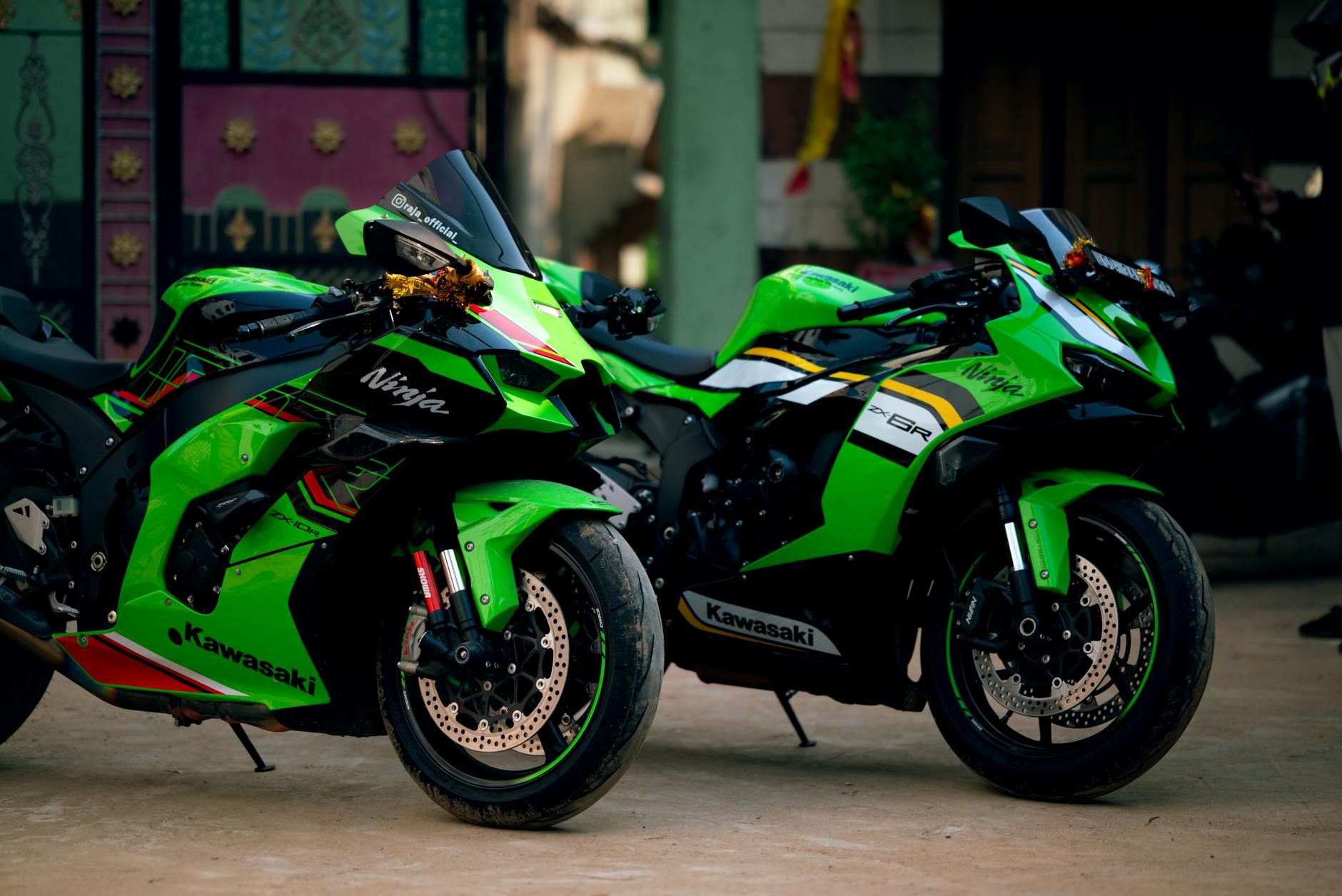
Kawasaki Ninja 650
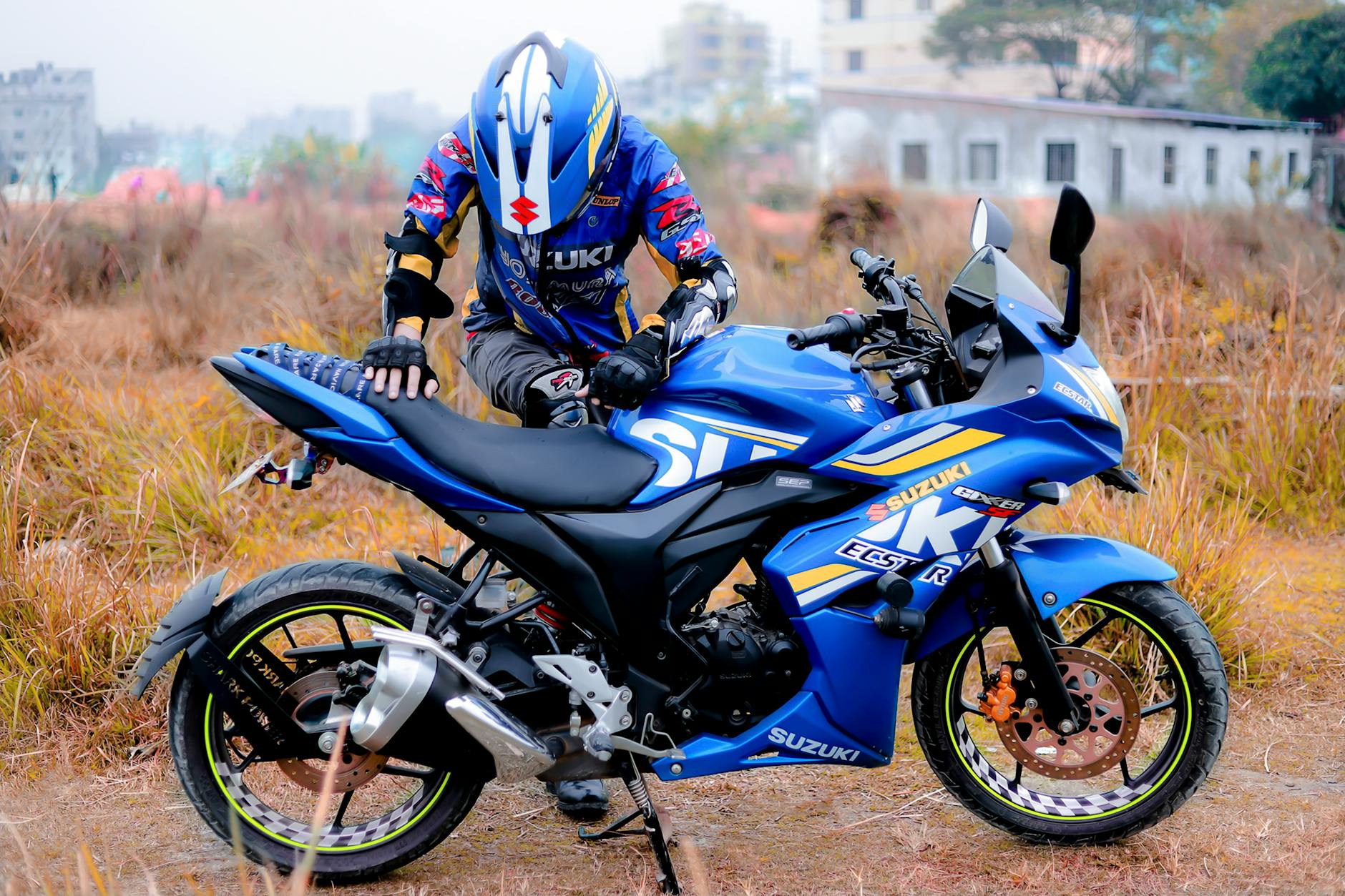
Suzuki Sv650 S
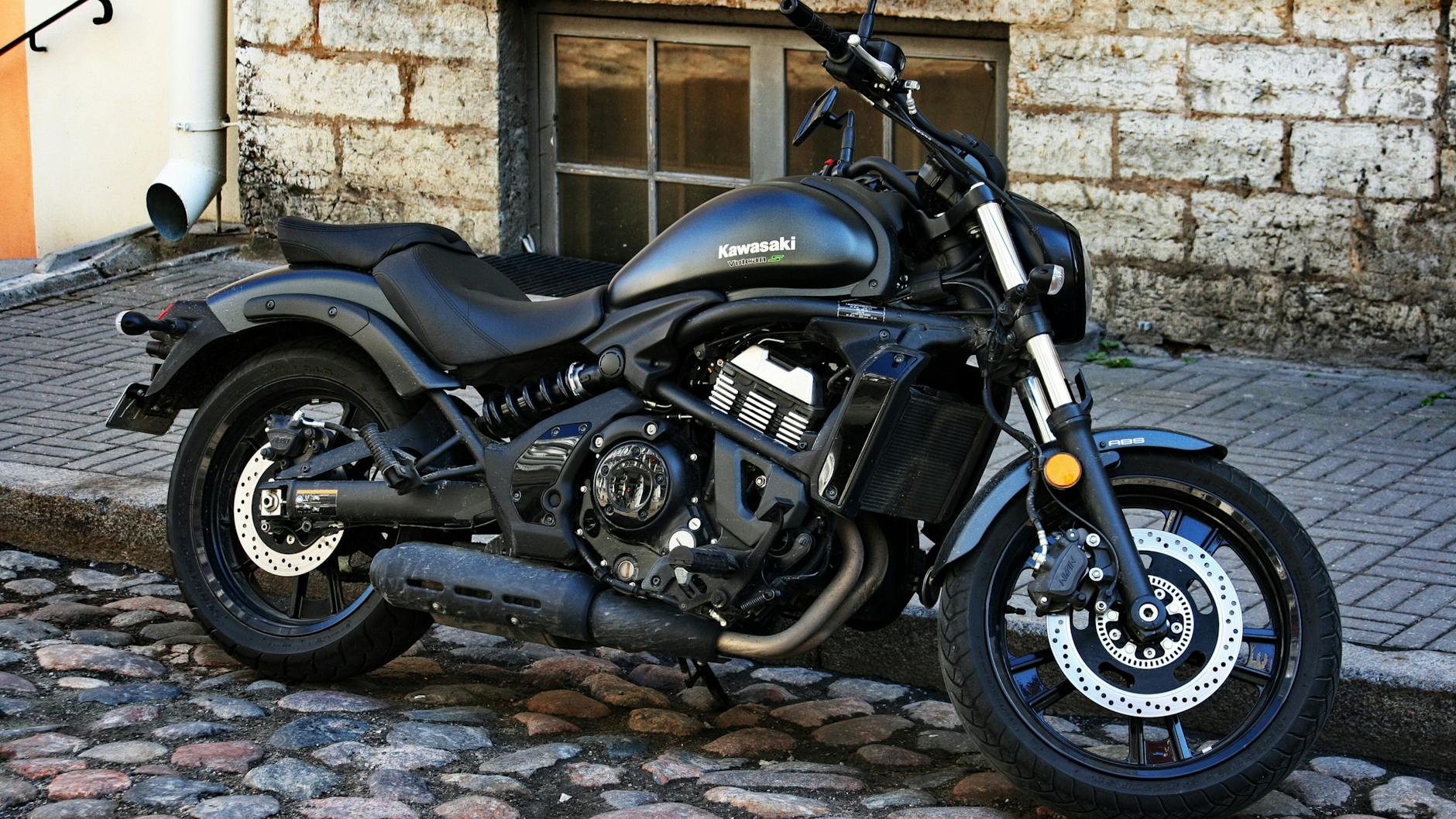
Kawasaki Er-6f
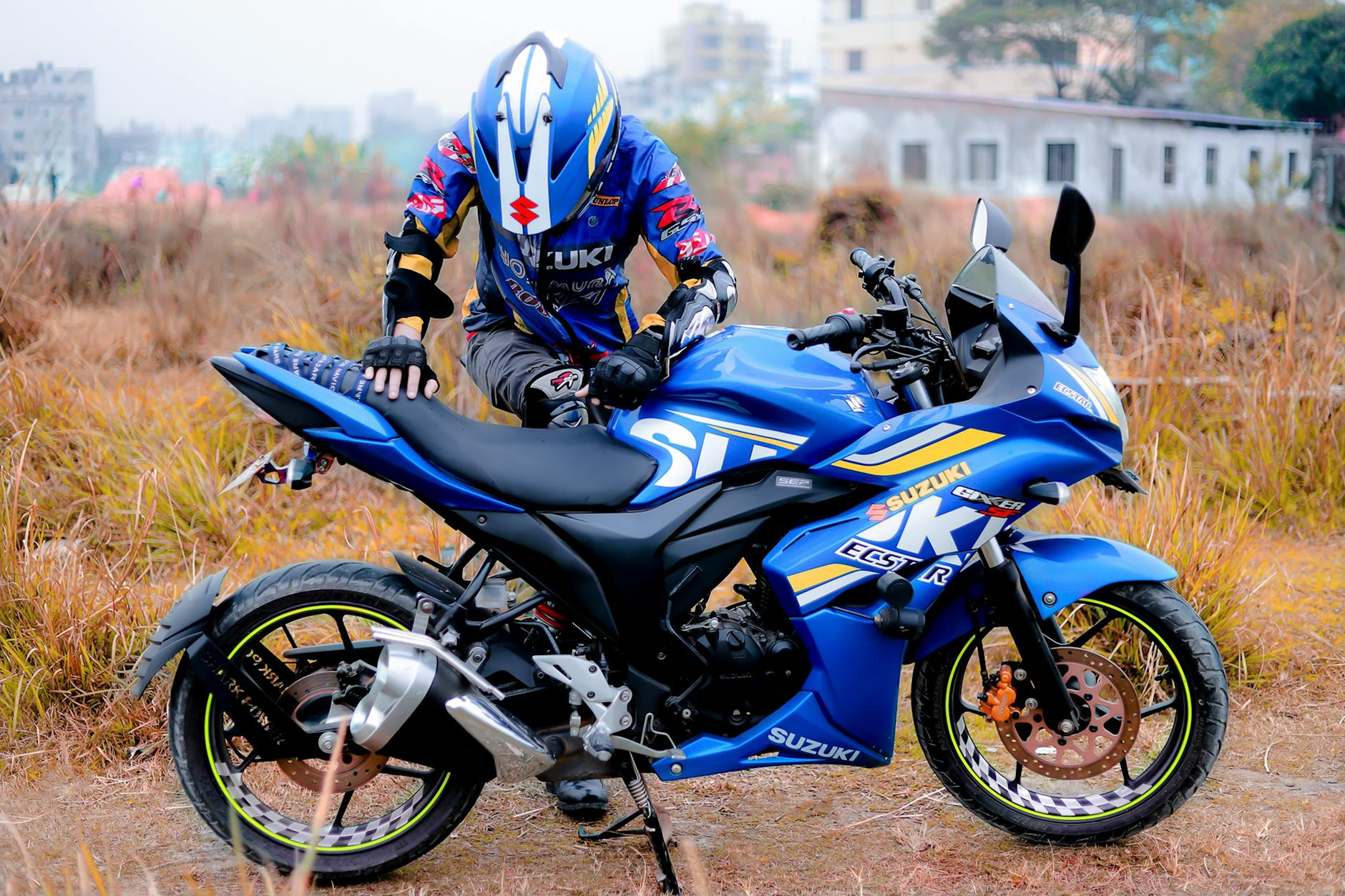
Suzuki Sv 650s
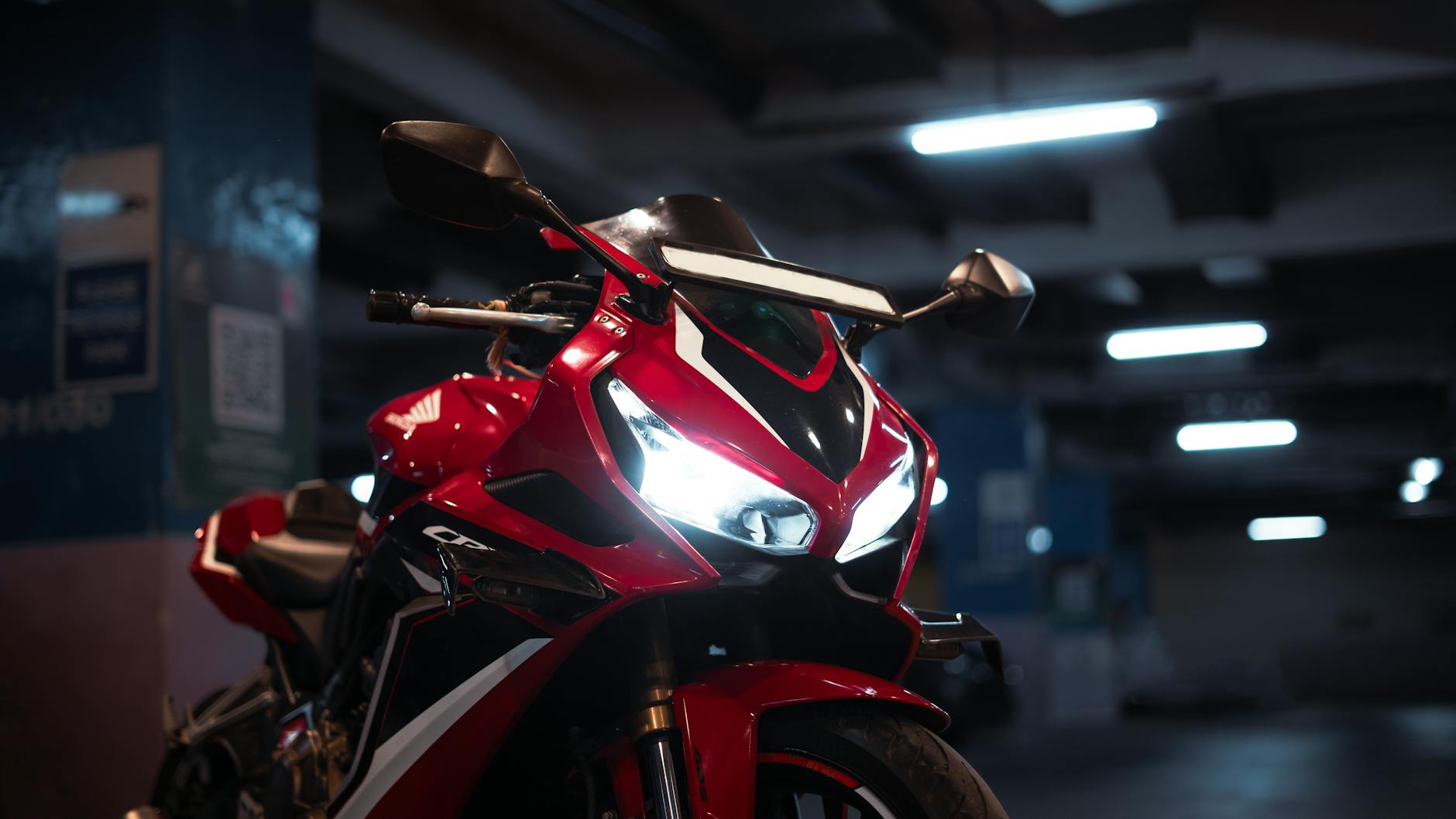
Honda Cbr650r
Compare Kawasaki Ninja 650r Side-by-Side
compare_arrowsSpecs, power, weight & buyer verdict — head-to-head with the bikes most often cross-shopped.
Kawasaki Ninja 650r vs Kawasaki Ninja 650
Specs · Power · Buyer verdict
Kawasaki Ninja 650r vs Suzuki Sv650 S
Specs · Power · Buyer verdict
Kawasaki Ninja 650r vs Kawasaki Er-6f
Specs · Power · Buyer verdict
Kawasaki Ninja 650r vs Suzuki Sv 650s
Specs · Power · Buyer verdict
Kawasaki Ninja 650r vs Honda Cbr650r
Specs · Power · Buyer verdict
More Kawasaki Ninja 650r Guides
More from Kawasaki
View all Kawasaki models →Community Reviews
Discussion
Frequently Asked Questions
What are common problems with the Kawasaki Ninja 650r? +
Stator/charging system failure: Check battery voltage at idle, look for dim lights (serious) | Throttle bodies out of sync: Rough idle, hesitation between 3000-5000 RPM (moderate) | Cam chain tensioner wear/noise: Listen for rattling on cold startup near engine top (moderate)
Is the Kawasaki Ninja 650r a good motorcycle? +
The smartest used middleweight buy for riders who value reliability. Rating: 7.8/10. Best for: New-to-intermediate riders wanting reliable daily transport. Avoid if: You crave serious performance or exciting character.
What is the horsepower of the Kawasaki Ninja 650r? +
The Kawasaki Ninja 650r produces 67 hp @ 8,000 rpm, with 65.7 Nm @ 6,500 rpm of torque. Top speed: 195 km/h (estimated; note: varies by rider and conditions).
Is the Kawasaki Ninja 650r good for beginners? +
Not really — the Kawasaki Ninja 650r is better for experienced riders (678000 hp can be intimidating). New-to-intermediate riders wanting reliable daily transport Avoid if: You crave serious performance or exciting character
Is the Kawasaki Ninja 650r reliable? +
Owners report 1 critical issue to watch for on the Kawasaki Ninja 650r, notably: Stator/charging system failure (Check battery voltage at idle, look for dim lights). Buy with a pre-purchase inspection.
Is the Kawasaki Ninja 650r good for daily use? +
New-to-intermediate riders wanting reliable daily transport Fuel: 4.5–5.5 L/100km (typical real-world average).