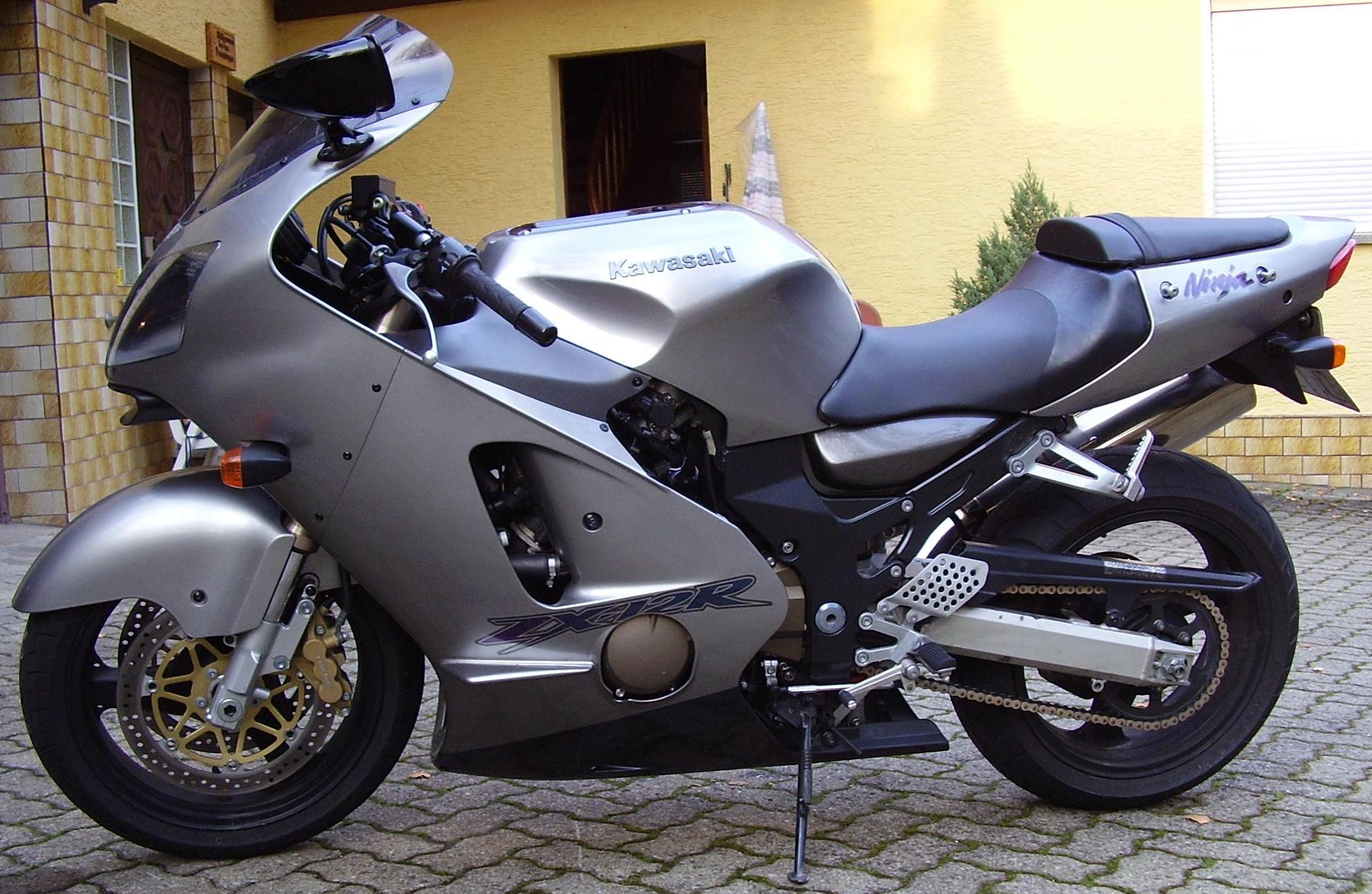
Kawasaki Ninja 300
The Kawasaki Ninja 300 has a top speed of 170 km/h, produces 39 hp and weighs 172 kg. Motoryk rates it 8/10.
La Kawasaki Ninja 300 a été introduite en 2013 en remplacement de la populaire Ninja 250R, dotée d'un plus gros moteur à deux cylindres parallèles de 296 cm3 et d'un style actualisé pour correspondre à la gamme Ninja pleine grandeur. Elle est devenue l'une des motos sportives d'entrée de gamme les plus vendues au monde, saluée pour sa puissance accessible, son efficacité énergétique et sa maniabilité adaptée aux débutants. La production a été interrompue vers 2017-2018 sur la plupart des marchés, avant d'être remplacée par la Ninja 400, qui offrait des performances nettement améliorées.
39 hp
Pouvoir
27 Nm
Torque
172 kg
Poids
170 km/h
Vitesse maximale
3.7 L/100km or approximately 27 km/L
Carburant
Caréné
Corps
🔧 Service Schedule & Parts
Affiliate · we may earn| Service item | Every | Typical cost | Parts |
|---|---|---|---|
| 🛢️ Engine oil + oil filter | 6,000 km / 3,500 mi or 12 mo | $40-80 | 🛢️ Buy → ⚙️ Buy → |
| 🌬️ Air filter | 12,000 km / 7,500 mi | — | 🌬️ Buy → |
| ⚡ Spark plugs | 12,000 km / 7,500 mi | — | ⚡ Buy → |
| 🔧 Valve clearance check | 24,000 km / 15,000 mi | $150-300 | |
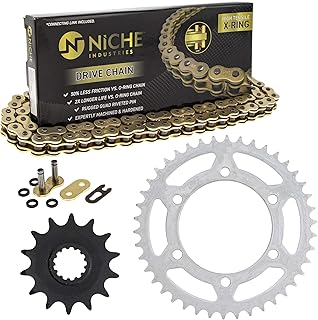
| 🔗 Chain & sprockets | 20000-30000 km (replace) | $100-200 | 🔗 Buy → |
| 🛑 Brake pads | 15000-25000 km | $30-60 | 🛑 Buy → |
| 💧 Brake fluid | 24,000 km / 15,000 mi or 2 yr | — | |
| 🧊 Coolant | 24,000 km / 15,000 mi | — | |
| 🛞 Tires | 10000-20000 km | $150-300 | 🛞 Buy → |
| 🔩 Major service | 24,000 km / 15,000 mi | $250-500 |
Video Review
Ce que les acheteurs doivent savoir
Watch the Coolant System
The Ninja 300 is prone to coolant leaks around the water pump seal, especially on higher-mileage bikes. Always inspect for pink staining near the lower engine cases before buying used.
Strong Resale Value
The Ninja 300 holds its value exceptionally well due to high demand from beginner riders and its LAMS-approved status in many regions. Expect to pay 70-80% of original retail even on a 3-year-old example.
Parallel Twin Reliability
The 296cc liquid-cooled parallel twin is widely regarded as one of the most reliable engines in the beginner bike segment, often running past 30,000 miles with basic maintenance. Regular valve clearance checks every 15,000 miles are key to longevity.
Générations et spécifications par année
Remplacement de la Ninja 250R ; bicylindre parallèle de 296 cm3, option ABS ajoutée en 2014, mises à jour mineures des couleurs chaque année.
Évaluation d'un acheteur d'occasion
"The benchmark used starter bike that actually delivers on its promise."
$3,500-$5,500 usedThe Ninja 300 is arguably the smartest used bike purchase you can make right now. Kawasaki built these things properly — parallel twin pulls cleanly from 6,000rpm upward, the chassis is genuinely sorted, and they look sharp enough that nobody's calling it a learner bike. Pick up a 2014-2017 example with sensible miles and you're getting a motorcycle that'll actually teach you something rather than just letting you get away with bad habits. That said, go in with eyes open. These bikes attract new riders, which means used examples often carry the scars — dropped at parking lots, dodgy chain adjustments, fork seals weeping from a tip-over nobody mentioned. Inspect the bar ends, frame sliders, and levers before anything else. The engine itself is practically bulletproof if it's been serviced, but the ABS models command a premium worth paying. At current used prices, nothing touches it for the money. Just budget another few hundred for fresh consumables regardless of what the seller claims.
Top 10 Accessories
Curated picks for the Kawasaki Ninja 300 — owned, ridden, recommended.




Problèmes courants
🔥 2 CRITICALCheck battery voltage at idle, should read 13.5-14.5V
Test stator AC output, inspect for melted wiring near engine
Listen for uneven idle, ask when last sync was done
Inspect fairings, frame sliders, handlebars, and fork alignment
✅Liste de contrôle préalable à l'achat
Solid beginner bike, electrical system is weak spot
Full Specifications
Rivals & Alternatives
Bikes that buyers cross-shop with the Kawasaki Ninja 300
Kawasaki Ninja 400
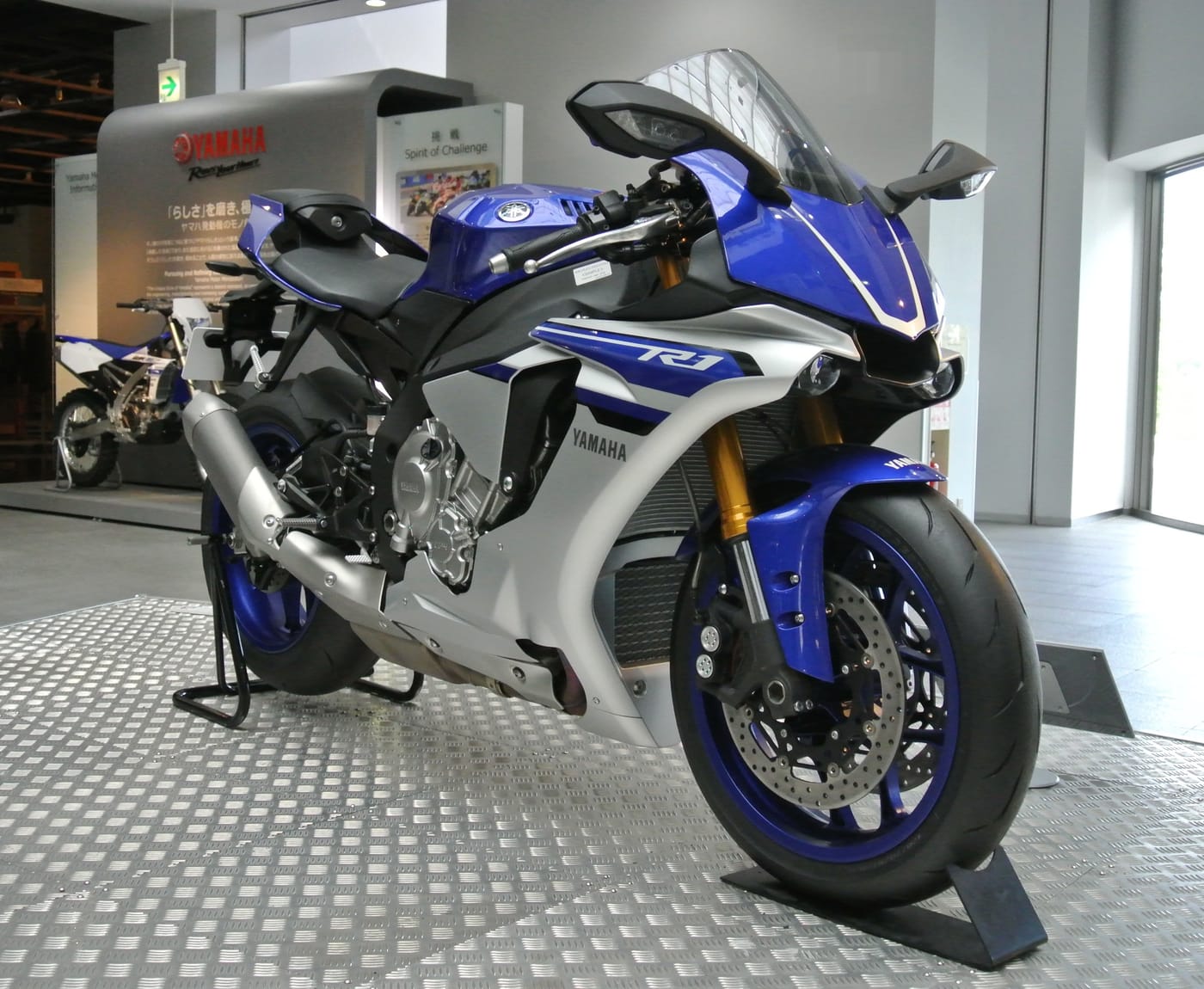
Yamaha Yzf-r3

Ktm Rc 200
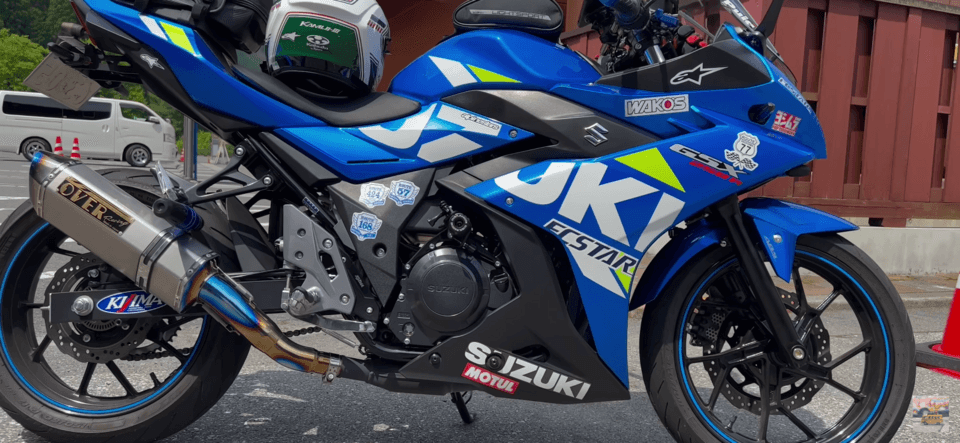
Suzuki Gsx-250r
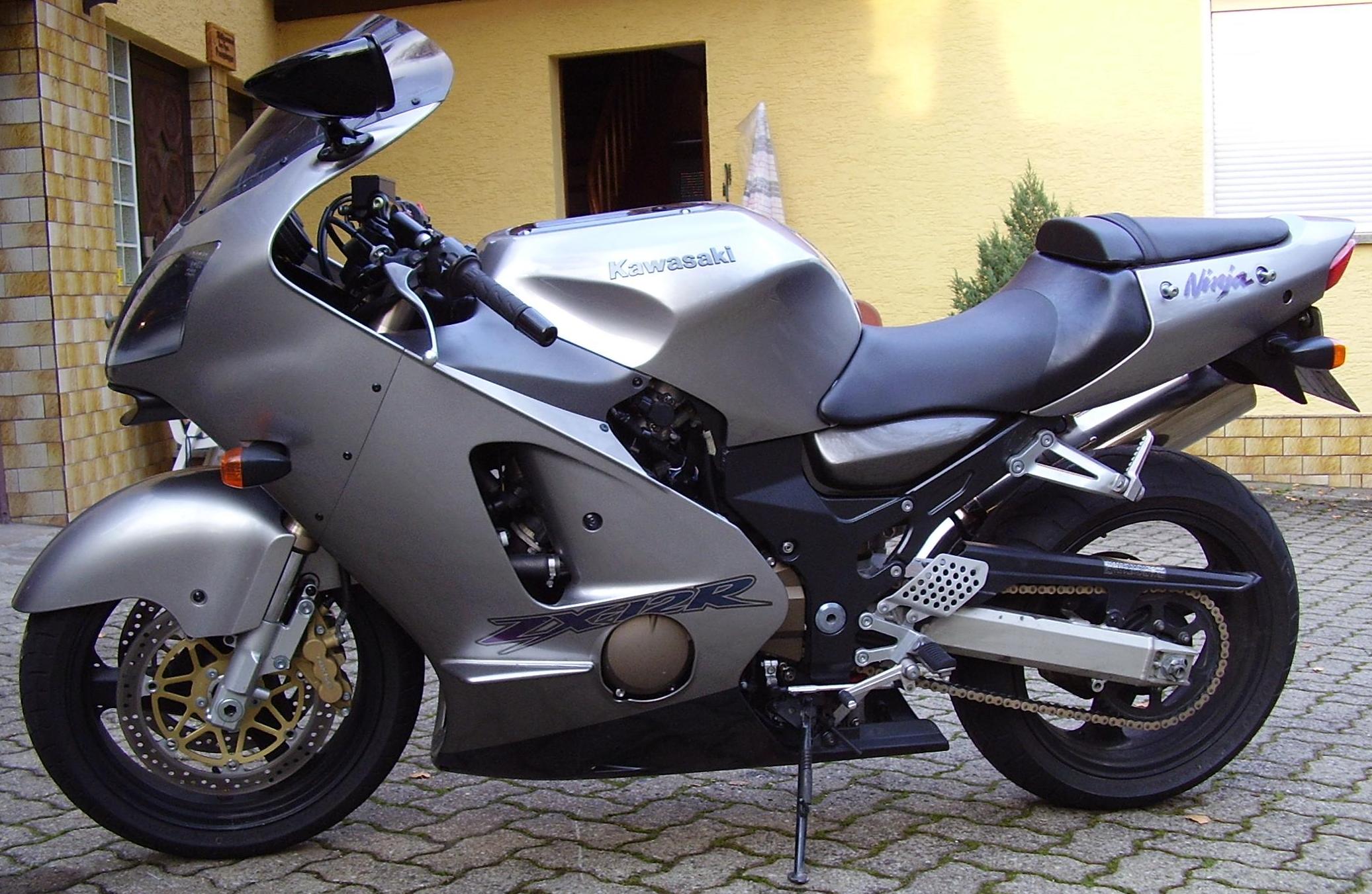
Kawasaki Ninja 250
Compare Kawasaki Ninja 300 Side-by-Side
compare_arrowsSpecs, power, weight & buyer verdict — head-to-head with the bikes most often cross-shopped.
Kawasaki Ninja 300 vs Kawasaki Ninja 400
Specs · Power · Buyer verdict
Kawasaki Ninja 300 vs Yamaha Yzf-r3
Specs · Power · Buyer verdict
Kawasaki Ninja 300 vs Ktm Rc 200
Specs · Power · Buyer verdict
Kawasaki Ninja 300 vs Suzuki Gsx-250r
Specs · Power · Buyer verdict
Kawasaki Ninja 300 vs Kawasaki Ninja 250
Specs · Power · Buyer verdict
More Kawasaki Ninja 300 Guides
More from Kawasaki
View all Kawasaki models →Community Reviews
Discussion
Frequently Asked Questions
What are common problems with the Kawasaki Ninja 300? +
Regulator/rectifier failure, kills battery and charging: Check battery voltage at idle, should read 13.5-14.5V (serious) | Stator burnout from heat and age: Test stator AC output, inspect for melted wiring near engine (serious) | Throttle body sync issues, rough idle: Listen for uneven idle, ask when last sync was done (moderate)
Is the Kawasaki Ninja 300 a good motorcycle? +
The benchmark used starter bike that actually delivers on its promise. Rating: 8.0/10. Best for: New riders wanting a proper, trustworthy first bike. Avoid if: You're already riding intermediate bikes confidently.
What is the horsepower of the Kawasaki Ninja 300? +
The Kawasaki Ninja 300 produces 39 hp @ 11,000 rpm, with 27 Nm @ 10,000 rpm of torque. Top speed: 170 km/h.
Is the Kawasaki Ninja 300 good for beginners? +
Yes — the Kawasaki Ninja 300 is a reasonable choice for new riders (39 hp is manageable), weighing 172 kg. New riders wanting a proper, trustworthy first bike
Is the Kawasaki Ninja 300 reliable? +
Owners report 2 critical issues to watch for on the Kawasaki Ninja 300, notably: Regulator/rectifier failure, kills battery and charging (Check battery voltage at idle, should read 13.5-14.5V). Buy with a pre-purchase inspection.
Is the Kawasaki Ninja 300 good for daily use? +
New riders wanting a proper, trustworthy first bike Fuel: 3.7 L/100km or approximately 27 km/L.
How fast is the Kawasaki Ninja 300? +
The Kawasaki Ninja 300 reaches a top speed of 170 km/h, producing 39 hp at 172 kg curb weight. Real-world performance depends on rider weight, gearing, and road conditions.
What gear should I buy for a Kawasaki Ninja 300? +
Motoryk has curated a Top 10 gear list specifically for the Kawasaki Ninja 300, covering engine oil, tires, chain, battery, and brake pads — see motoryk.com/bikes/kawasaki/ninja-300/top10. Each pick is matched to this bike's spec.