Kawasaki Ninja 400
The Kawasaki Ninja 400 has a top speed of 175 km/h, produces 45 hp and weighs 168 kg. Motoryk rates it 8.5/10.
The Kawasaki Ninja 400 was introduced in 2018 as a replacement for the Ninja 300, featuring a completely new parallel-twin engine and trellis frame borrowed from the larger Ninja 650. It quickly became one of the most praised beginner-to-intermediate motorcycles on the market, winning numerous awards including Cycle World's 'Best Beginner Bike' due to its surprisingly capable performance and handling. Its blend of accessible power, lightweight chassis, and premium styling made it a benchmark in the small-displacement sport bike segment.
45 hp
Power
38 Nm
Torque
168 kg
Weight
175 km/h
Top Speed
3.7 L/100km (approx. 27 km/L typical real-world average)
Fuel
Faired
Body
🔧 Service Schedule & Parts
Affiliate · we may earn| Service item | Every | Typical cost | Parts |
|---|---|---|---|
| 🛢️ Engine oil + oil filter | 6,000 km / 3,500 mi or 12 mo | $40-80 | 🛢️ Buy → ⚙️ Buy → |
| 🌬️ Air filter | 12,000 km / 7,500 mi | — | 🌬️ Buy → |
| ⚡ Spark plugs | 12,000 km / 7,500 mi | — | ⚡ Buy → |
| 🔧 Valve clearance check | 24,000 km / 15,000 mi | $150-300 | |
| 🔗 Chain & sprockets | 20000-30000 km (replace) | $150-300 | 🔗 Buy → |
| 🛑 Brake pads | 15000-25000 km | $30-60 | 🛑 Buy → |
| 💧 Brake fluid | 24,000 km / 15,000 mi or 2 yr | — | |
| 🧊 Coolant | 24,000 km / 15,000 mi | — | |
| 🛞 Tires | 10000-18000 km | $200-400 | 🛞 Buy → |
| 🔩 Major service | 24,000 km / 15,000 mi | $250-500 |
Video Review
What Buyers Should Know
Bulletproof Reliability Record
The Ninja 400's parallel-twin engine is widely praised for its durability with minimal reported mechanical failures. Regular oil changes and valve checks every 15,000 miles are essentially all the maintenance most owners ever need.
Strong Resale Value
The Ninja 400 holds its value exceptionally well, often retaining 75-85% of its value after one year due to high demand from new riders. Clean used examples regularly sell close to MSRP, making it a smart buy but a pricey used find.
Watch for Stator Issues
A known issue on some early 2018-2019 models is a failing stator, which can cause charging problems and unexpected battery drain. Always check the charging system voltage (should read ~14V at idle) before purchasing a used example.
Generations & Specs by Year
New 399cc parallel-twin replacing Ninja 300, trellis frame, assist-and-slipper clutch, aggressive Ninja H2-inspired styling.
Revised bodywork, updated TFT color display, updated suspension, refined ergonomics, improved fuel efficiency.
Used Buyer Review
"The benchmark small-displacement bike that rewards riders of all experience levels."
$4,500-$6,500 usedThe Ninja 400 is probably the most sensible used bike purchase you can make right now, and I say that having ridden everything from 125s to litrebikes. Kawasaki got the formula exactly right here — 45bhp that feels genuinely quick in the real world, a chassis that'll embarrass bigger bikes through the twisties, and build quality that holds up remarkably well used. Find one with under 10k miles and you're laughing. What surprises most riders is how long the 400 stays interesting. It's not a bike you outgrow in six months like most small-displacement machines. The parallel-twin pulls cleanly from low revs, the suspension is properly sorted from the factory, and the brakes — especially the radial front caliper — are legitimately good. Check the chain and sprockets first on any used example, because owners who thrash them often neglect basic maintenance. Used prices have stayed stubbornly high because everyone knows how good these are. Don't pay over $5,500 for anything pre-2020 regardless of how pristine it looks. Walk away from any with crash damage on the fairing — they're almost always hiding bent subframes.
Top 10 Accessories
Curated picks for the Kawasaki Ninja 400 — owned, ridden, recommended.



Common Problems
🔥 1 CRITICALBattery voltage at idle, dim lights, random stalling
Oil residue on fork tubes below seals
Rough idle, hesitation, uneven power delivery
Dragging rear brake, uneven pad wear, heat on caliper
✅Pre-Purchase Checklist
Excellent starter bike, very reliable if maintained
Full Specifications
Rivals & Alternatives
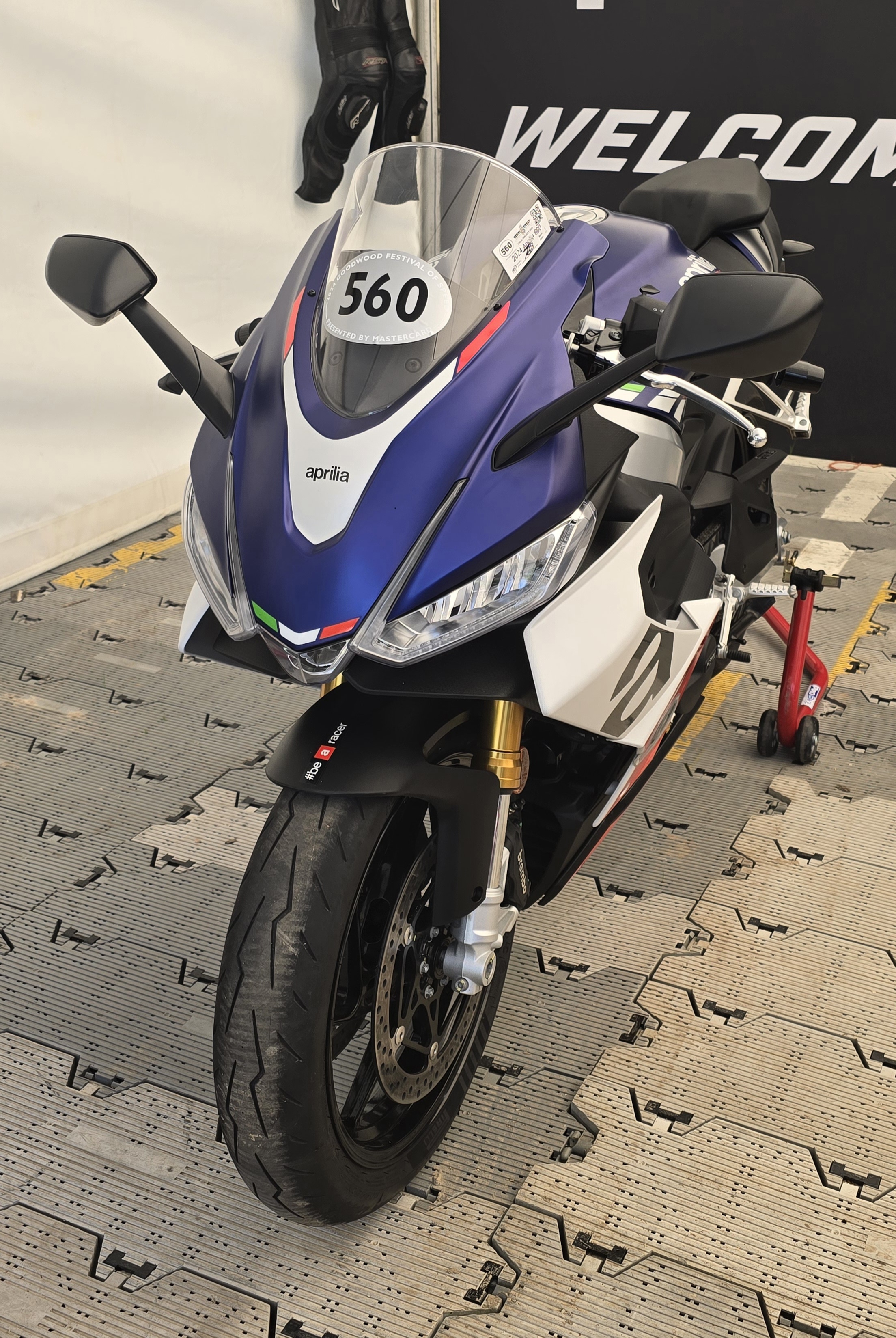
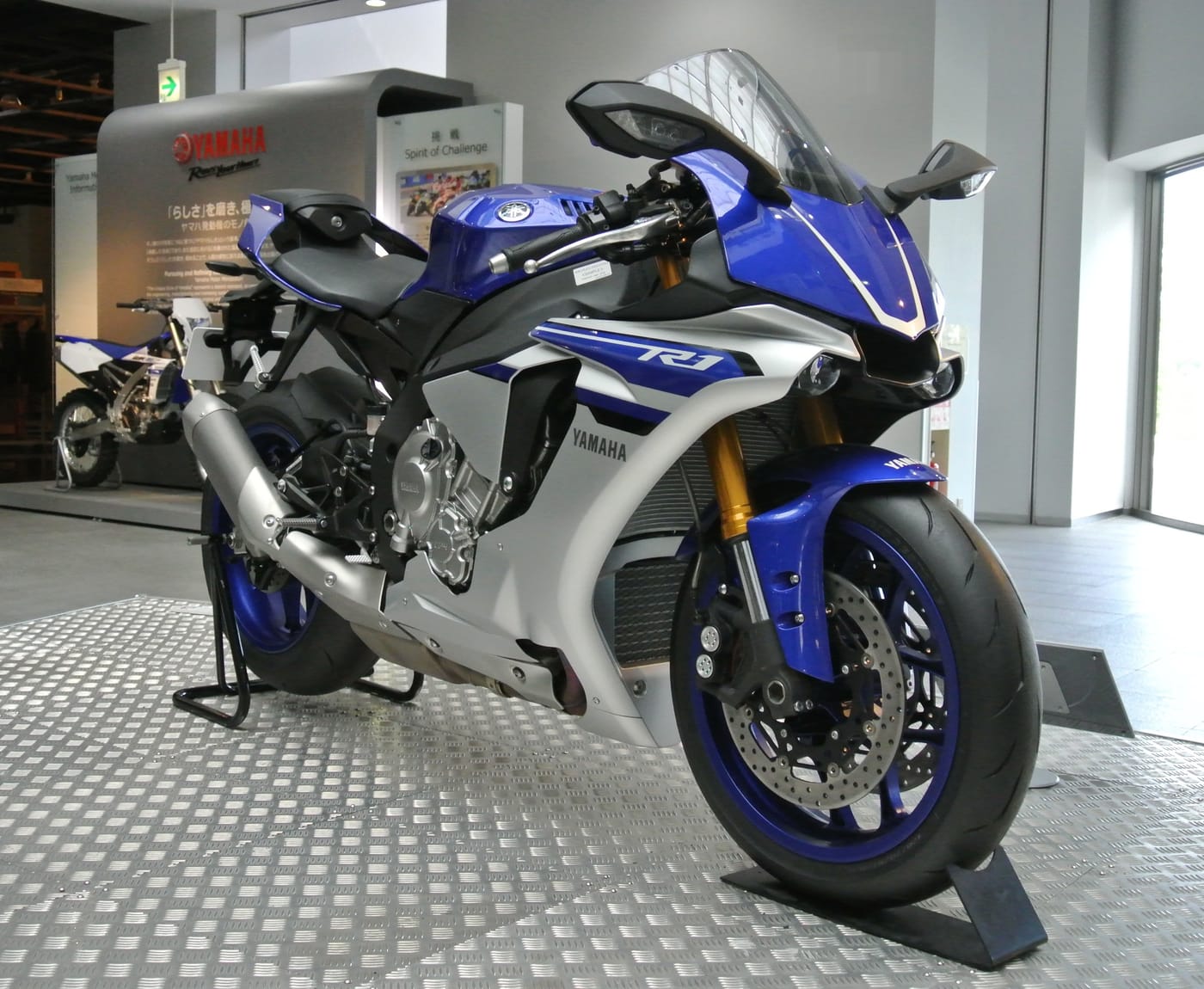
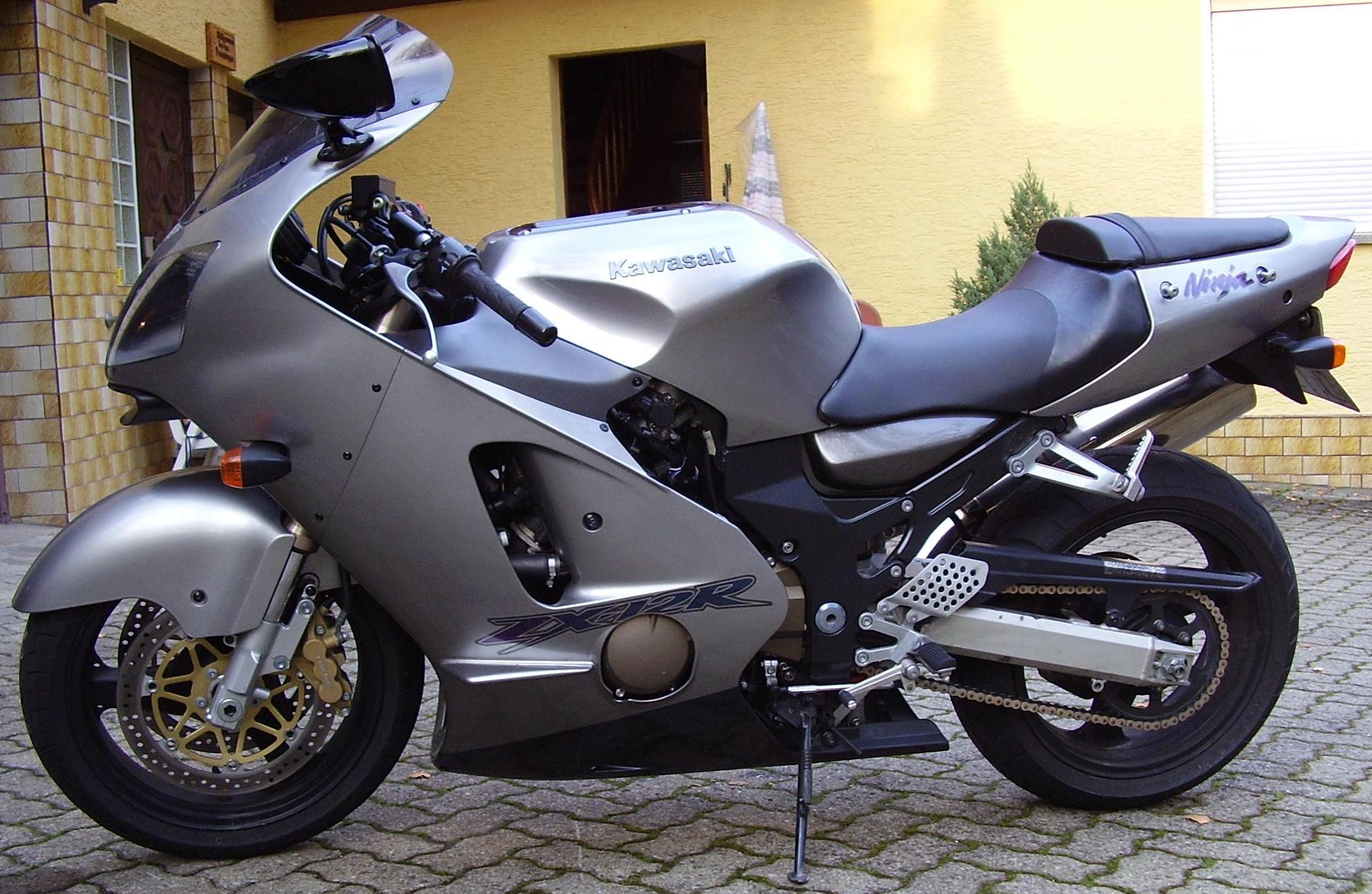
Bikes that buyers cross-shop with the Kawasaki Ninja 400
Aprilia Rs 660

Ktm Rc 390
Yamaha Yzf-r3
Kawasaki Ninja 300

Honda Cbr500r
Compare Kawasaki Ninja 400 Side-by-Side
compare_arrowsSpecs, power, weight & buyer verdict — head-to-head with the bikes most often cross-shopped.
Kawasaki Ninja 400 vs Aprilia Rs 660
Specs · Power · Buyer verdict
Kawasaki Ninja 400 vs Ktm Rc 390
Specs · Power · Buyer verdict
Kawasaki Ninja 400 vs Yamaha Yzf-r3
Specs · Power · Buyer verdict
Kawasaki Ninja 400 vs Kawasaki Ninja 300
Specs · Power · Buyer verdict
Kawasaki Ninja 400 vs Honda Cbr500r
Specs · Power · Buyer verdict
More Kawasaki Ninja 400 Guides
More from Kawasaki
View all Kawasaki models →Community Reviews
Discussion
Frequently Asked Questions
What are common problems with the Kawasaki Ninja 400? +
Stator/charging system failure: Battery voltage at idle, dim lights, random stalling (serious) | Fork seal leaks from tip-overs: Oil residue on fork tubes below seals (moderate) | Throttle body sync drift over time: Rough idle, hesitation, uneven power delivery (minor)
Is the Kawasaki Ninja 400 a good motorcycle? +
The benchmark small-displacement bike that rewards riders of all experience levels. Rating: 8.5/10. Best for: New riders wanting to avoid re-buying quickly. Avoid if: You primarily ride two-up long distances.
What is the horsepower of the Kawasaki Ninja 400? +
The Kawasaki Ninja 400 produces 45 hp @ 10,000 rpm, with 38 Nm @ 8,000 rpm of torque. Top speed: 175 km/h.
Is the Kawasaki Ninja 400 good for beginners? +
Yes — the Kawasaki Ninja 400 is a reasonable choice for new riders (45 hp is manageable), weighing 168 kg. New riders wanting to avoid re-buying quickly
Is the Kawasaki Ninja 400 reliable? +
Owners report 1 critical issue to watch for on the Kawasaki Ninja 400, notably: Stator/charging system failure (Battery voltage at idle, dim lights, random stalling). Buy with a pre-purchase inspection.
Is the Kawasaki Ninja 400 good for daily use? +
New riders wanting to avoid re-buying quickly Fuel: 3.7 L/100km (approx. 27 km/L typical real-world average).
How fast is the Kawasaki Ninja 400? +
The Kawasaki Ninja 400 reaches a top speed of 175 km/h, producing 45 hp at 168 kg curb weight. Real-world performance depends on rider weight, gearing, and road conditions.
What gear should I buy for a Kawasaki Ninja 400? +
Motoryk has curated a Top 10 gear list specifically for the Kawasaki Ninja 400, covering engine oil, tires, chain, battery, and brake pads — see motoryk.com/bikes/kawasaki/ninja-400/top10. Each pick is matched to this bike's spec.