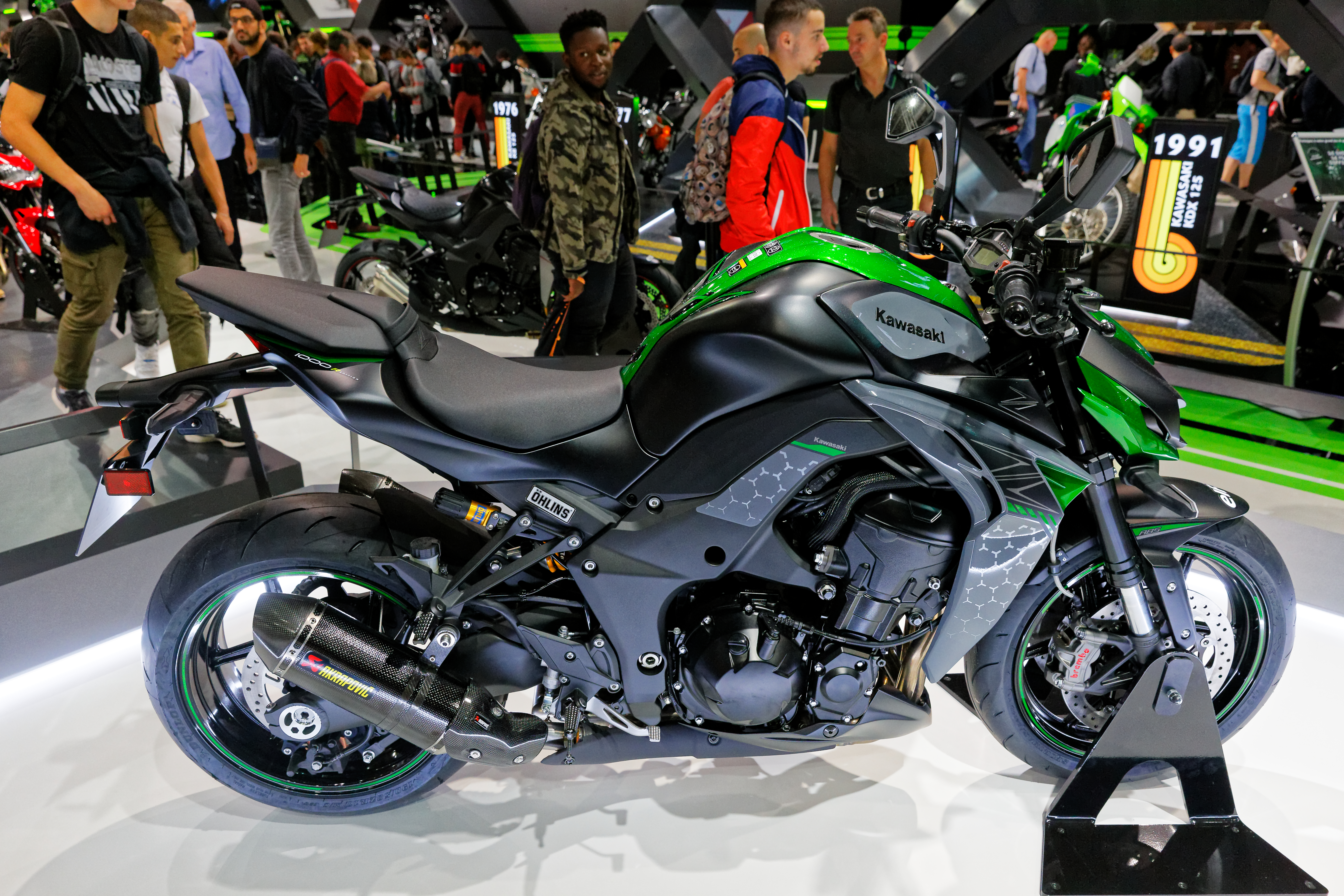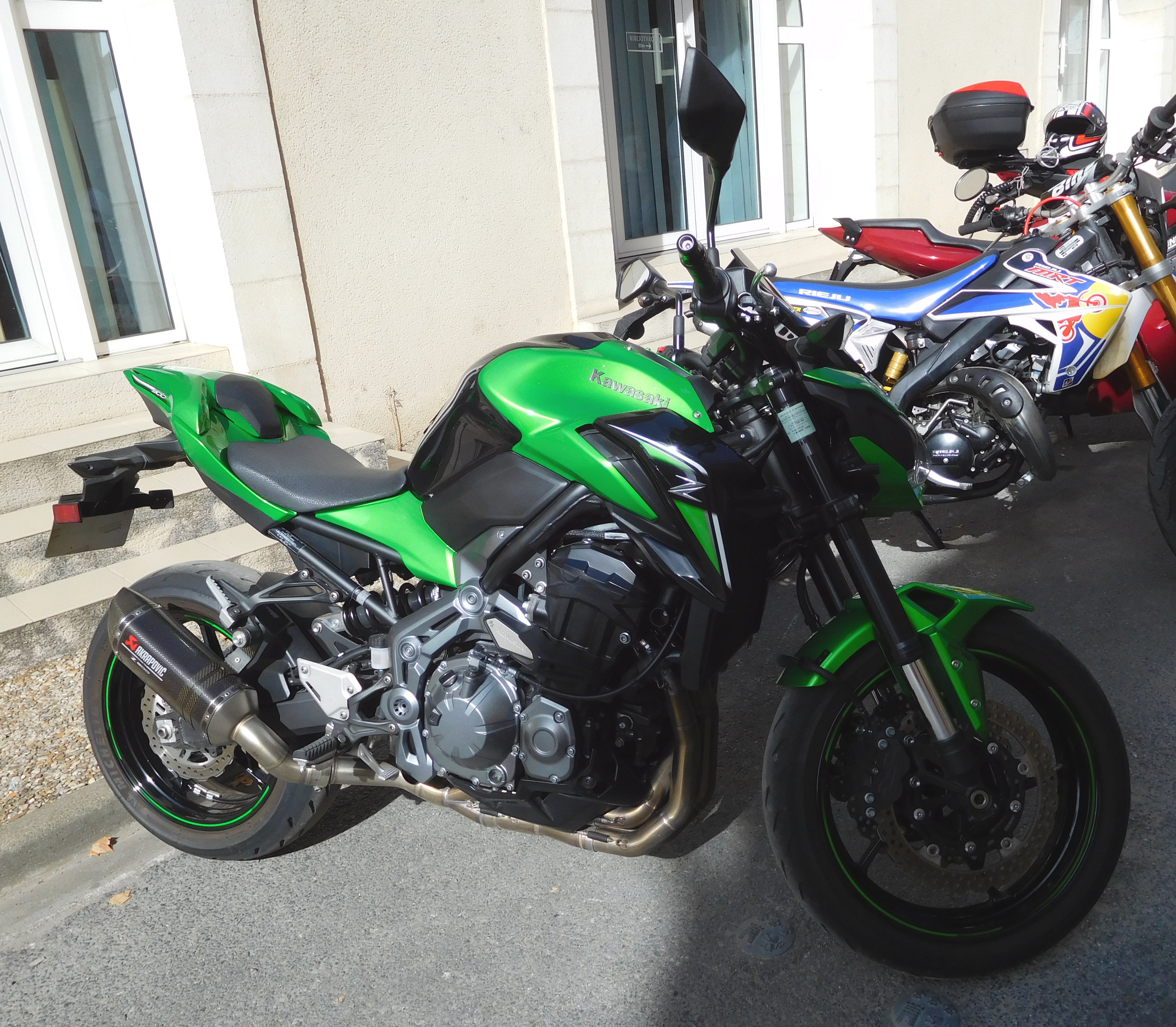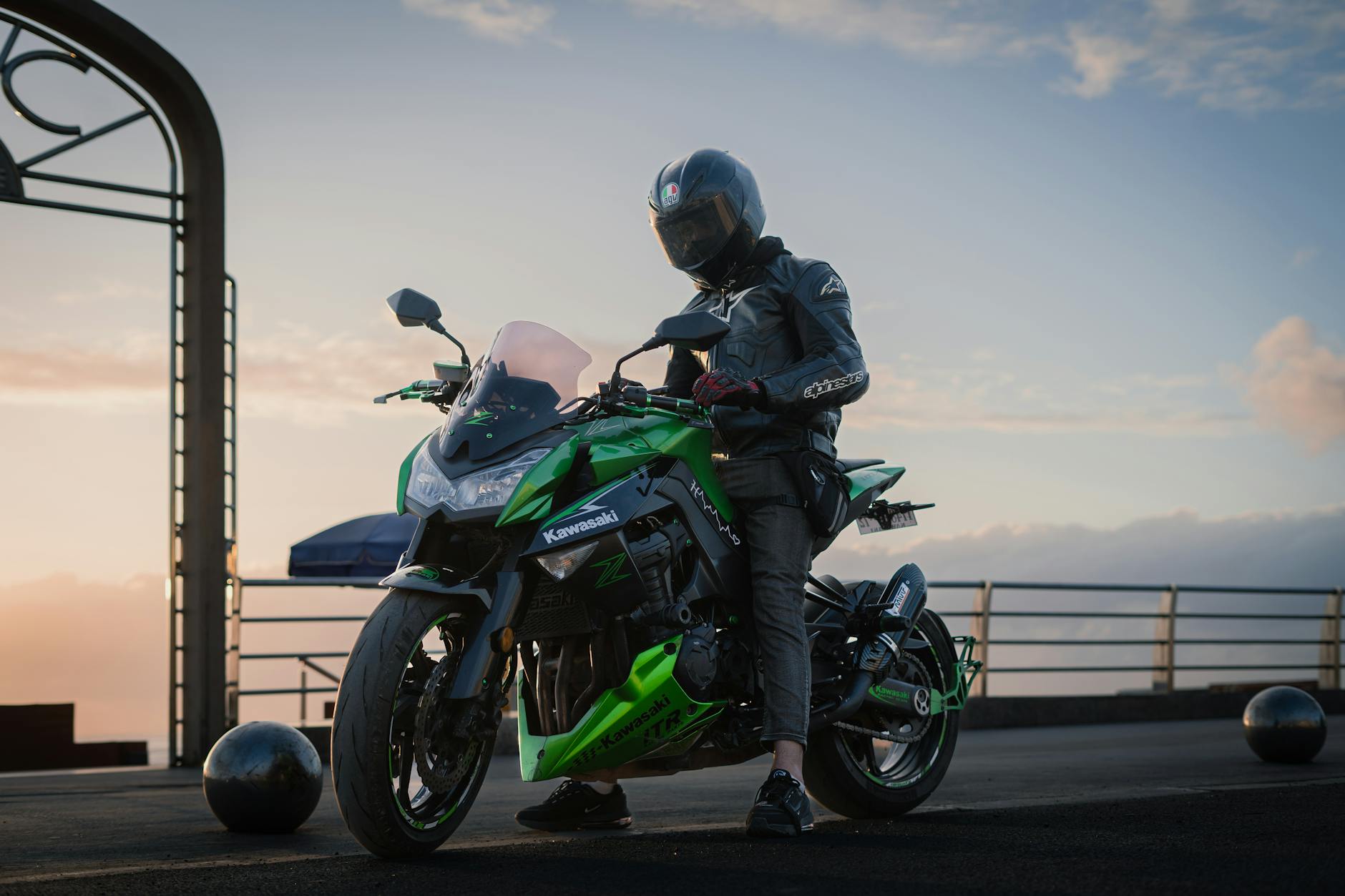
Kawasaki Er-6n
The Kawasaki Er-6n has a top speed of 185 km/h, produces 72 hp and weighs 204 kg. Motoryk rates it 7.8/10.
คาวาซากิ ER-6n ถูกนำมาเปิดตัวในปี 2006 ในฐานะสตรีทไฟท์คู่ขนานคู่แบบเปลือยและระดับกลางที่มุ่งเป้าไปที่นักขี่มือใหม่และระดับกลางได้รับการออกแบบใหม่ครั้งสำคัญในปี 2012 ด้วยการปรับปรุงสไตล์การยศาสตร์ที่ดีขึ้นและระบบกันสะเทือนที่ได้รับการปรับปรุงกลายเป็นหนึ่งในโมเดลที่ขายดีที่สุดของคาวาซากิในยุโรปก่อนที่จะได้รับความสำเร็จจาก Z650 ในปี 2017 ได้รับการยกย่องอย่างสูงในด้านการส่งพลังงานที่เข้าถึงได้ ต้นทุนการเป็นเจ้าของที่ต่ำ และความคล่องตัว
72 hp
พลังงาน
64 Nm
แรงบิด
204 kg
น้ำหนัก
185 km/h
ความเร็วสูงสุด
5.5 L/100km (approx. 18 km/L, typical real-world average)
เชื้อเพลิง
เปลือยกาย
ร่างกาย
🔧 Service Schedule & Parts
Affiliate · we may earn| Service item | Every | Typical cost | Parts |
|---|---|---|---|
| 🛢️ Engine oil + oil filter | 6,000 km / 3,500 mi or 12 mo | $40-80 | 🛢️ Buy → ⚙️ Buy → |
| 🌬️ Air filter | 12,000 km / 7,500 mi | — | 🌬️ Buy → |
| ⚡ Spark plugs | 12,000 km / 7,500 mi | — | ⚡ Buy → |
| 🔧 Valve clearance check | 24,000 km / 15,000 mi | $150-350 | |
| 🔗 Chain & sprockets | 25000-40000 km (replace) | $150-300 | 🔗 Buy → |
| 🛑 Brake pads | 15000-30000 km | $30-60 | 🛑 Buy → |
| 💧 Brake fluid | 24,000 km / 15,000 mi or 2 yr | — | |
| 🧊 Coolant | 24,000 km / 15,000 mi | — | |
| 🛞 Tires | 10000-20000 km | $200-400 | 🛞 Buy → |
| 🔩 Major service | 24,000 km / 15,000 mi | $300-600 |
Video Review

สิ่งที่ผู้ซื้อควรรู้
Watch the Cam Chain
The ER-6n's parallel-twin engine can develop cam chain tensioner rattle, especially on higher-mileage bikes. Listen for a ticking noise on cold starts — a common and relatively affordable fix if caught early.
Strong Resale Value
The ER-6n holds its value well in the used market due to high demand as a beginner-to-intermediate bike. A well-maintained example rarely sits unsold for long, making it a smart buy and sell.
Versatile 649cc Twin
The 649cc parallel-twin delivers a broad, usable power band that works equally well for city commuting and longer highway rides. It produces around 72hp with enough low-end torque to feel effortless in traffic.
รุ่นและข้อมูลจำเพาะตามปี
เครื่องยนต์ 649 ซีซี คู่ขนานเปิดตัว, โครงตาข่าย, สไตล์เปลือกที่รุนแรง เปิดตัวทั่วโลก
"จักรยานที่ทำให้คนเปลือยมิดเดิลเวทมีความเกี่ยวข้องอีกครั้ง"
ฉันขี่รถยนต์ ER-6n 2007 ด้วยเครื่องยนต์ Hornet 600 เป็นเวลาสามเดือน และผลัดคู่ของคาวาซากิได้แรงกว่าที่ตัวเลขชี้แนะนำ — แรงบิดที่ราบสูงระหว่าง 4,000 ถึง 7,500 รอบต่อนาที ทำให้เกิดการเสพติดอย่างแท้จริงในการจราจรและบนถนน Bกรอบโครงตาข่ายทำให้มันมีความสะเทือนที่ทำให้มีน้ำหนักเปียก 179 กก. และฉันไม่เคยต้องการพลังงานมากขึ้นบนถนนสาธารณะสิ่งที่ไม่มีใครบอกคุณ: เบาะนั่งแบบสต็อกกลายเป็นอุปกรณ์ทรมานหลังจากผ่านไป 90 นาที กระจกสั่นสะเทือนเองไร้ประโยชน์สูงกว่า 120 กม./ชม. และส่วนด้านหน้าสื่อสารได้มากเท่ากับเครื่องแฟกซ์ - การยึดเกาะที่ดีและรู้สึกเป็นศูนย์การเติมเชื้อเพลิงรุ่นแรกยังมีการยึดเกร็งที่คมชัดซึ่งจะดึงคุณออกไปในมุมที่ช้าจนกว่าคุณจะได้เรียนรู้การหมุนได้เร็ว
ข้อดี
ข้อเสีย
ตัวถังที่ได้รับการปรับปรุง ระบบกันสะเทือนที่ได้รับการปรับปรุง การเติมเชื้อเพลิงที่ดีขึ้น ชุดเครื่องมือใหม่ การปรับแต่งตามหลักสรีรศาสตร์เล็กน้อย
ตัวถังที่ได้รับการปรับแต่งอย่างสมบูรณ์ โครงโครงตาข่ายใหม่ การยศาสตร์ที่ได้รับการปรับปรุง ส่วนภายในเครื่องยนต์ที่ได้รับการปรับปรุงใหม่ การเบรกที่ดีขึ้น
รีวิวผู้ซื้อมือสอง
"The smartest used middleweight buy under four grand, period."
$2,500-$5,000 usedThe ER-6n is one of those bikes that just makes sense. Kawasaki's parallel twin punches hard enough to keep experienced riders entertained while remaining forgiving enough that newer riders won't get themselves killed. The 649cc motor is genuinely torquey from low revs, which makes urban riding surprisingly effortless. It's not fast by modern standards, but it feels fast enough where it counts. Used examples are everywhere, which is both good and bad. Good because prices are reasonable and parts are cheap. Bad because plenty were owned by beginners who dropped them in parking lots or thrashed them without proper servicing. Always check the frame sliders, inspect both fairings for crash damage, and look hard at the chain and sprockets — they're often neglected. Stator failures are a known weakness, so check for charging issues before handing over any money. For the money, you're getting a genuinely capable middleweight that handles tidily, stops well, and costs almost nothing to maintain. It's not exotic, but it's honest.
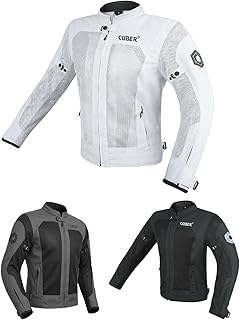
Top 10 Accessories
Curated picks for the Kawasaki Er-6n — owned, ridden, recommended.




ปัญหาทั่วไป
🔥 1 CRITICALVoltage at idle and revs, check for melted connector
Cold start noise, disappears quickly or persists
Oil residue on fork legs and front wheel
Idle quality, hunting or erratic at low RPM
✅รายการตรวจสอบก่อนการซื้อ
Solid budget naked, maintain electrics carefully
Full Specifications
Rivals & Alternatives
Bikes that buyers cross-shop with the Kawasaki Er-6n
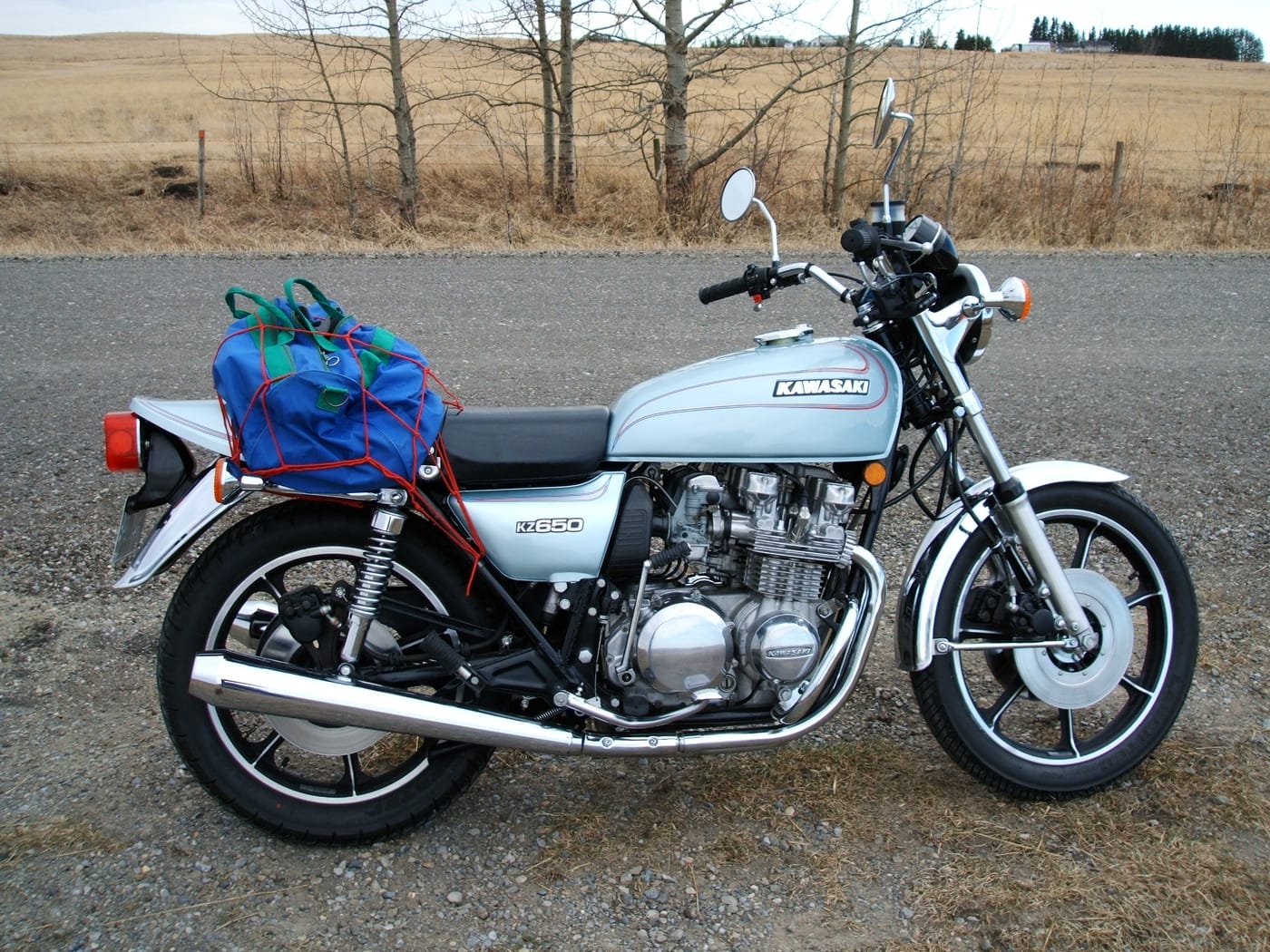
Kawasaki Z650
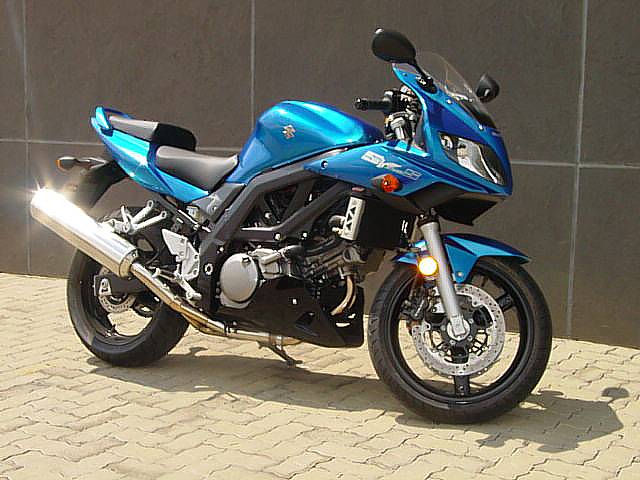
Suzuki Sv650
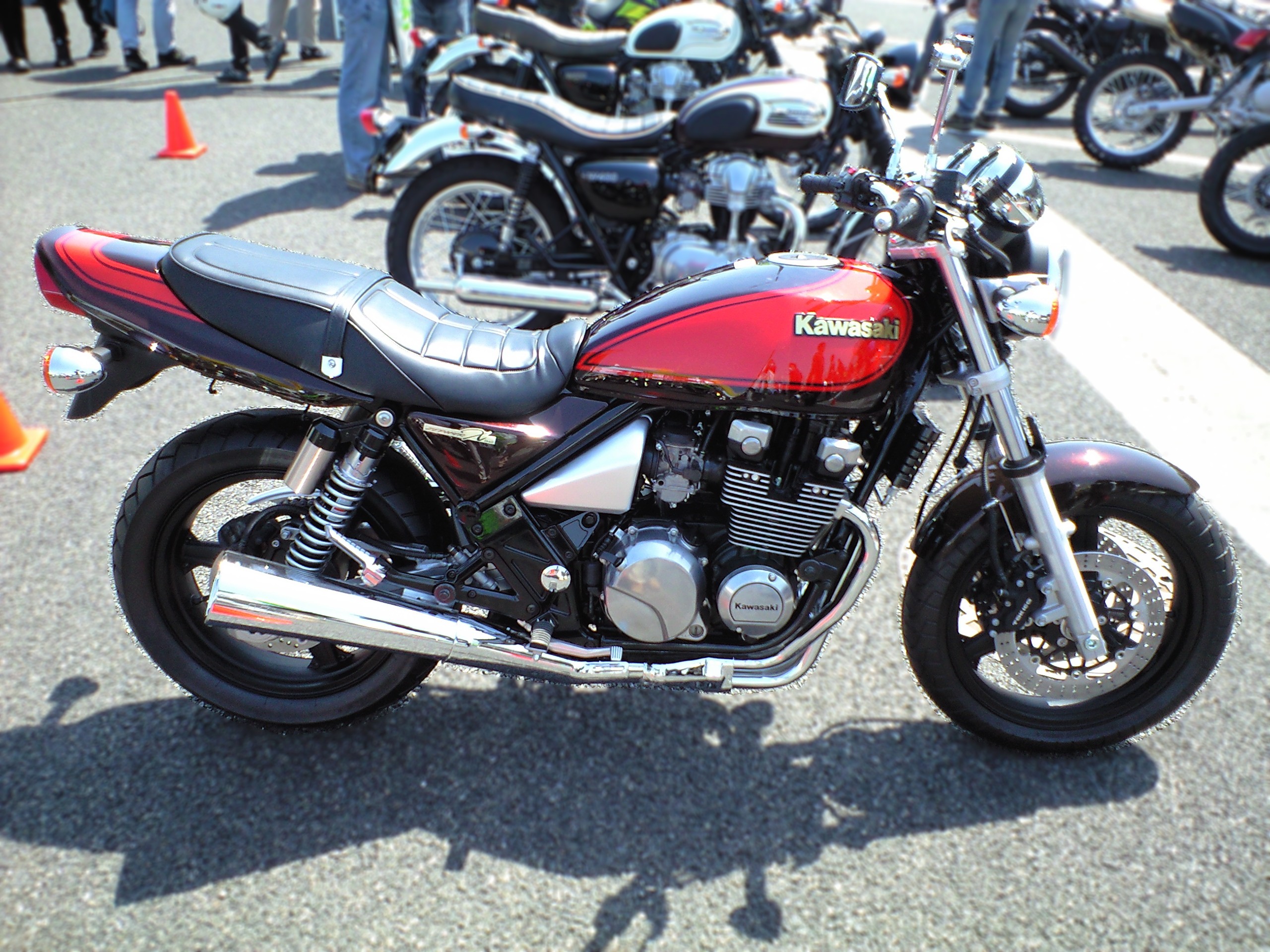
Kawasaki Z400
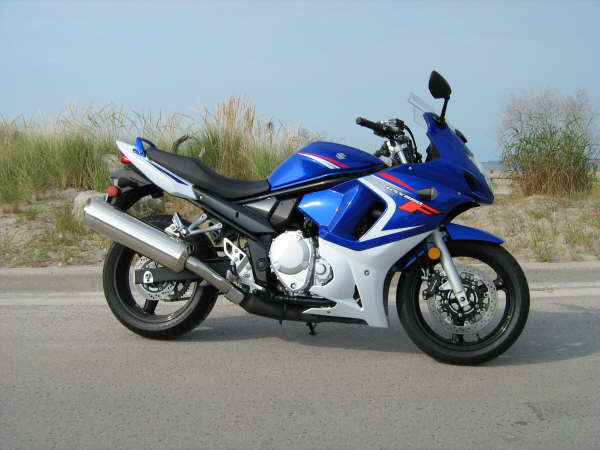
Suzuki Bandit 650
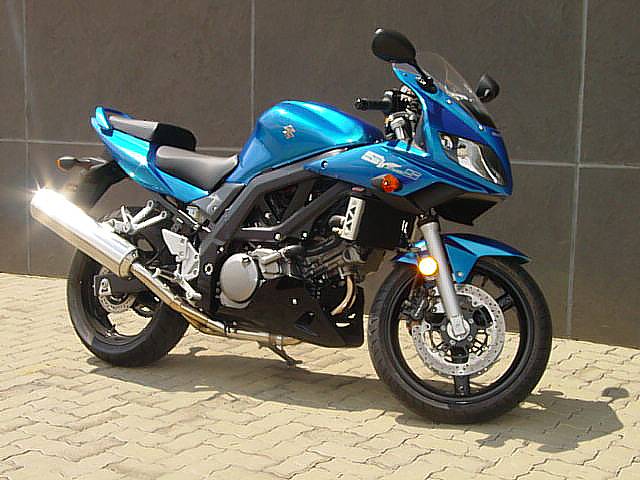
Suzuki Gladius 650
Compare Kawasaki Er-6n Side-by-Side
compare_arrowsSpecs, power, weight & buyer verdict — head-to-head with the bikes most often cross-shopped.
Kawasaki Er-6n vs Kawasaki Z650
Specs · Power · Buyer verdict
Kawasaki Er-6n vs Suzuki Sv650
Specs · Power · Buyer verdict
Kawasaki Er-6n vs Kawasaki Z400
Specs · Power · Buyer verdict
Kawasaki Er-6n vs Suzuki Bandit 650
Specs · Power · Buyer verdict
Kawasaki Er-6n vs Suzuki Gladius 650
Specs · Power · Buyer verdict
More Kawasaki Er-6n Guides
More from Kawasaki
View all Kawasaki models →Community Reviews
Discussion
Frequently Asked Questions
What are common problems with the Kawasaki Er-6n? +
Regulator/rectifier failure, kills battery: Voltage at idle and revs, check for melted connector (serious) | Cam chain tensioner rattle on startup: Cold start noise, disappears quickly or persists (moderate) | Fork seal leaks, common on higher mileage: Oil residue on fork legs and front wheel (moderate)
Is the Kawasaki Er-6n a good motorcycle? +
The smartest used middleweight buy under four grand, period. Rating: 7.8/10. Best for: Urban commuters wanting their first real motorcycle. Avoid if: You ride motorways daily or want touring comfort.
What is the horsepower of the Kawasaki Er-6n? +
The Kawasaki Er-6n produces 72 hp @ 8,500 rpm, with 64 Nm @ 7,000 rpm of torque. Top speed: 185 km/h.
Is the Kawasaki Er-6n good for beginners? +
Yes — the Kawasaki Er-6n is a reasonable choice for new riders (72 hp is manageable), weighing 204 kg. Urban commuters wanting their first real motorcycle
Is the Kawasaki Er-6n reliable? +
Owners report 1 critical issue to watch for on the Kawasaki Er-6n, notably: Regulator/rectifier failure, kills battery (Voltage at idle and revs, check for melted connector). Buy with a pre-purchase inspection.
Is the Kawasaki Er-6n good for daily use? +
Urban commuters wanting their first real motorcycle Fuel: 5.5 L/100km (approx. 18 km/L, typical real-world average).
How fast is the Kawasaki Er-6n? +
The Kawasaki Er-6n reaches a top speed of 185 km/h, producing 72 hp at 204 kg curb weight. Real-world performance depends on rider weight, gearing, and road conditions.
What gear should I buy for a Kawasaki Er-6n? +
Motoryk has curated a Top 10 gear list specifically for the Kawasaki Er-6n, covering engine oil, tires, chain, battery, and brake pads — see motoryk.com/bikes/kawasaki/er-6n/top10. Each pick is matched to this bike's spec.