Indian Chief Classic
The Indian Chief Classic has a top speed of 185 km/h, produces 73 hp and weighs 367 kg. Motoryk rates it 8.2/10.
L'Indian Chief Classic est une réinvention moderne de l'emblématique Indian Chief, initialement produit de 1922 jusqu'à la première fermeture d'Indian en 1953. Lorsque Polaris Industries a relancé la marque indienne en 2013, la Chief Classic figurait parmi les modèles de lancement, arborant les ailes plissées distinctives qui ont fait la légende de la Chief originale. Il rend hommage à l'héritage des croiseurs américains, alliant un style rétro à une ingénierie et à une fiabilité modernes.
73 hp
Pouvoir
139 Nm
Torque
367 kg
Poids
185 km/h
Vitesse maximale
6.7 L/100km (approx. 14.9 km/L)
Carburant
Nue
Corps
Video Review
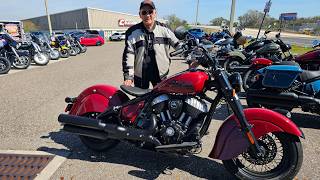
Ce que les acheteurs doivent savoir
Thunderstroke Engine Reliability
The 111ci (later 116ci) Thunderstroke V-twin is known for strong long-term reliability when properly maintained, often surpassing 100,000 miles with regular oil changes. However, early models (2014-2016) had occasional cam bearing wear issues worth inspecting.
Strong Resale Value
Indian Chief Classics hold their value exceptionally well compared to many cruiser competitors, typically retaining 70-80% of value after 3 years. Limited production numbers and brand prestige keep demand consistently high in the used market.
Watch the Fuel System
Some owners report fuel pump failures and throttle body issues, particularly on bikes that sit unused for extended periods. Always request maintenance records and verify the fuel system has been serviced when buying used.
Générations et spécifications par année
L'Indian Chief original a été introduit avec un bicylindre en V 61ci, des ailes plissées ajoutées en 1940, la production a pris fin en 1953.
"Sculpture roulante qui se déplace comme dans un rêve."
La soupape latérale de 74 pouces ne fonctionne presque pas. Ce couple à course longue vous atteint très tôt, alors que les bicylindres en V modernes dépensent des millions pour essayer de simuler. Ces garde-boue à jupes datant d'après 1940 ne sont pas seulement jolis : ils vous coupent le vent sur les longues distances, mieux que ce à quoi on pourrait s'attendre de la part d'un ingénieur des années 1940. La maniabilité est délibérée, pas lente ; la moto veut des lignes larges et nettes et vous punit dans les virages précipités avec ces 245 kilos d'élan qui vous rappellent qui est aux commandes. L'approvisionnement en pièces est un véritable passe-temps à plein temps, et tout ce qui est électrique relève essentiellement de l'art populaire. Il faut prévoir du temps et de la patience en plus de votre budget.
Pros
Les inconvénients
Bref retour de l'Inde de l'ère Gilroy, cadre moderne avec style rétro, qualité et production limitées.
"Un fantôme magnifique hanté par des péchés de résurrection cruciaux."
Le couple est réel : la traction à 2 000 tr/min donne une impression d'autorité, et ce bicylindre en V de 1 442 cm3 émet suffisamment d'énergie pour arrêter la circulation à chaque station-service. Mais vivre avec un Chief de l'ère Gilroy implique de consacrer beaucoup d'argent à des pièces qui n'existent pas, à des gremlins électriques qui apparaissent de façon saisonnière comme des parents indésirables, et à un ajustement et une finition qui donnent à une Sportster de la fin des années 1990 un aspect d'horlogerie suisse. J'ai parcouru les 6 000 miles en deux saisons et j'ai passé plus d'heures sur les forums à rechercher une solution de couverture principale fissurée que je n'en ai fait à vélo. La selle basse et les ailes en flèche sont vraiment magnifiques, mais cette moto a été mise sur le marché à la hâte par une entreprise qui a perdu de l'argent, et chaque verrou que vous serrez en dit long.
Pros
Les inconvénients
Relance appartenant à Polaris, bicylindre en V Thunder Stroke 111ci, châssis moderne avec style de garde-boue plissé classique conservé.
Évaluation d'un acheteur d'occasion
"Arguably the best American cruiser you can buy used today."
$9,000-$16,000 usedThe Chief Classic is essentially Polaris doing what Harley wished it could — building a proper retro cruiser without the badge tax. Used examples from the 2014-2022 era represent genuinely good value, and that Thunder Stroke 111 pushrod V-twin pulls hard from low revs with real character. The swept fenders and Art Deco tank badges aren't just pretty — they hold their appeal after years of ownership, which isn't something you can say about every cruiser. That said, go in with eyes open. Early models had some teething issues with the fuel system and electrical gremlins around the accessory ports. Always check the primary chain tensioner and inspect the rear cylinder cooling — these bikes run warm and shortcuts on maintenance show up fast. Insist on full service history and budget for tires, because the stock Kenda rubber is genuinely awful and needs replacing immediately. At current used prices, the Chief Classic punches well above its weight against comparable Harleys. It's heavier than it looks though — low-speed maneuvers catch new owners off guard every time.
Top 10 Accessories
Curated picks for the Indian Chief Classic — owned, ridden, recommended.




Problèmes courants
🔥 1 CRITICALLook under engine for oil pooling or wet seals
Cold start idle quality, hesitation during acceleration
Inspect belt for cracking, fraying, proper tension
Check all warning lights, test ABS activation
✅Liste de contrôle préalable à l'achat
Decent cruiser, maintain well, budget for quirks
Full Specifications
Rivals & Alternatives
Bikes that buyers cross-shop with the Indian Chief Classic
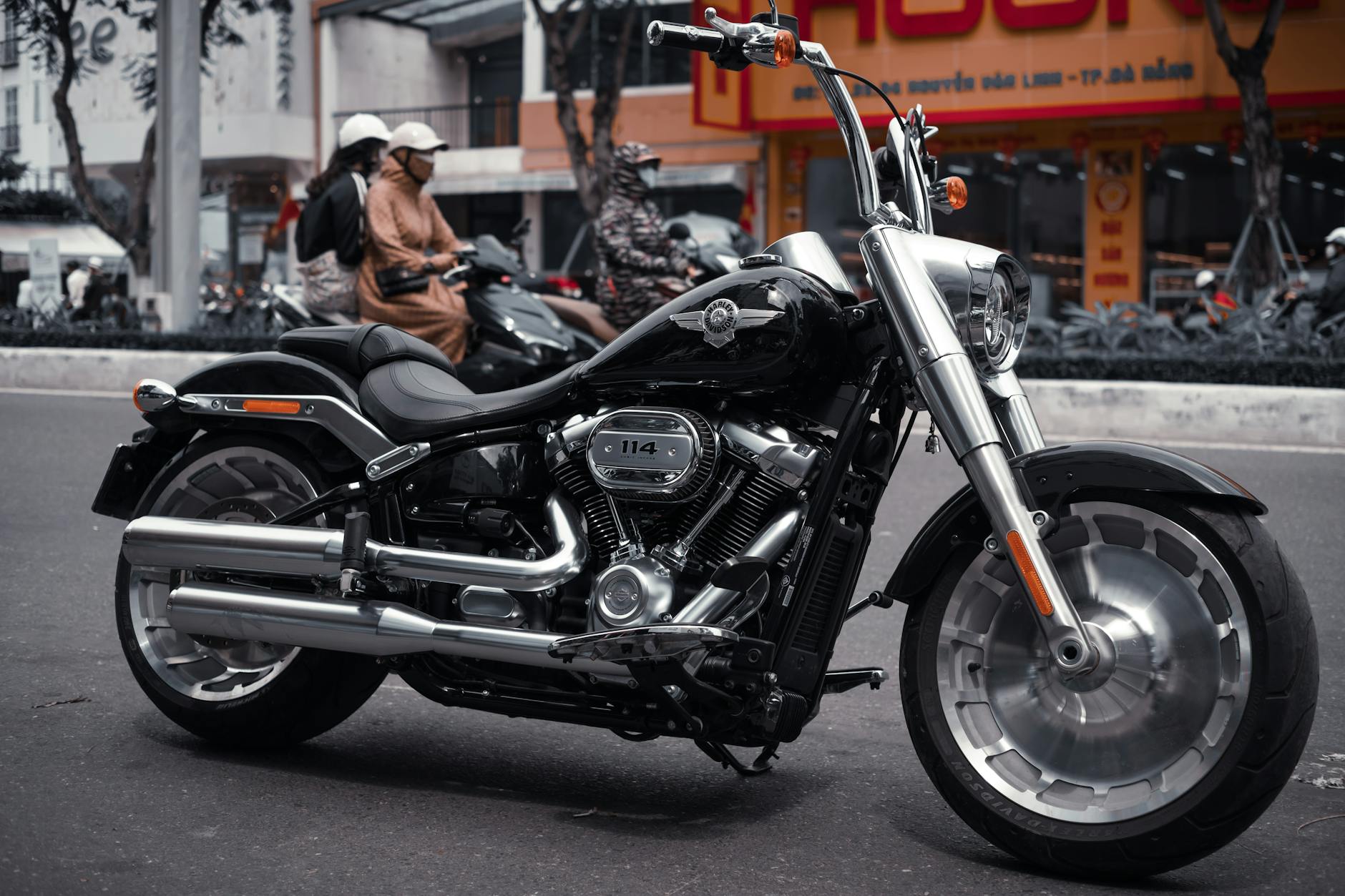
Harley-davidson Fat Boy
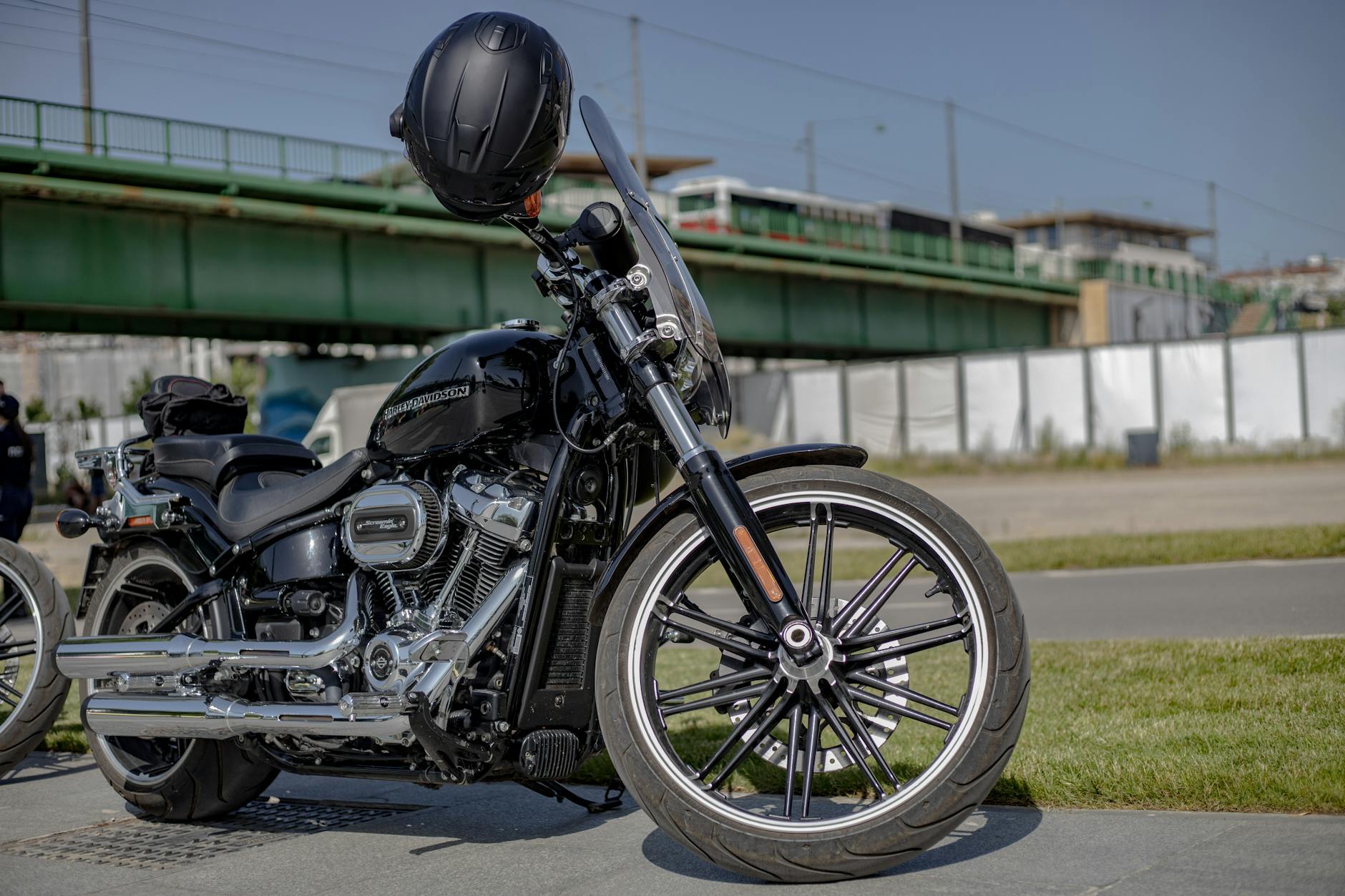
Harley-davidson Breakout
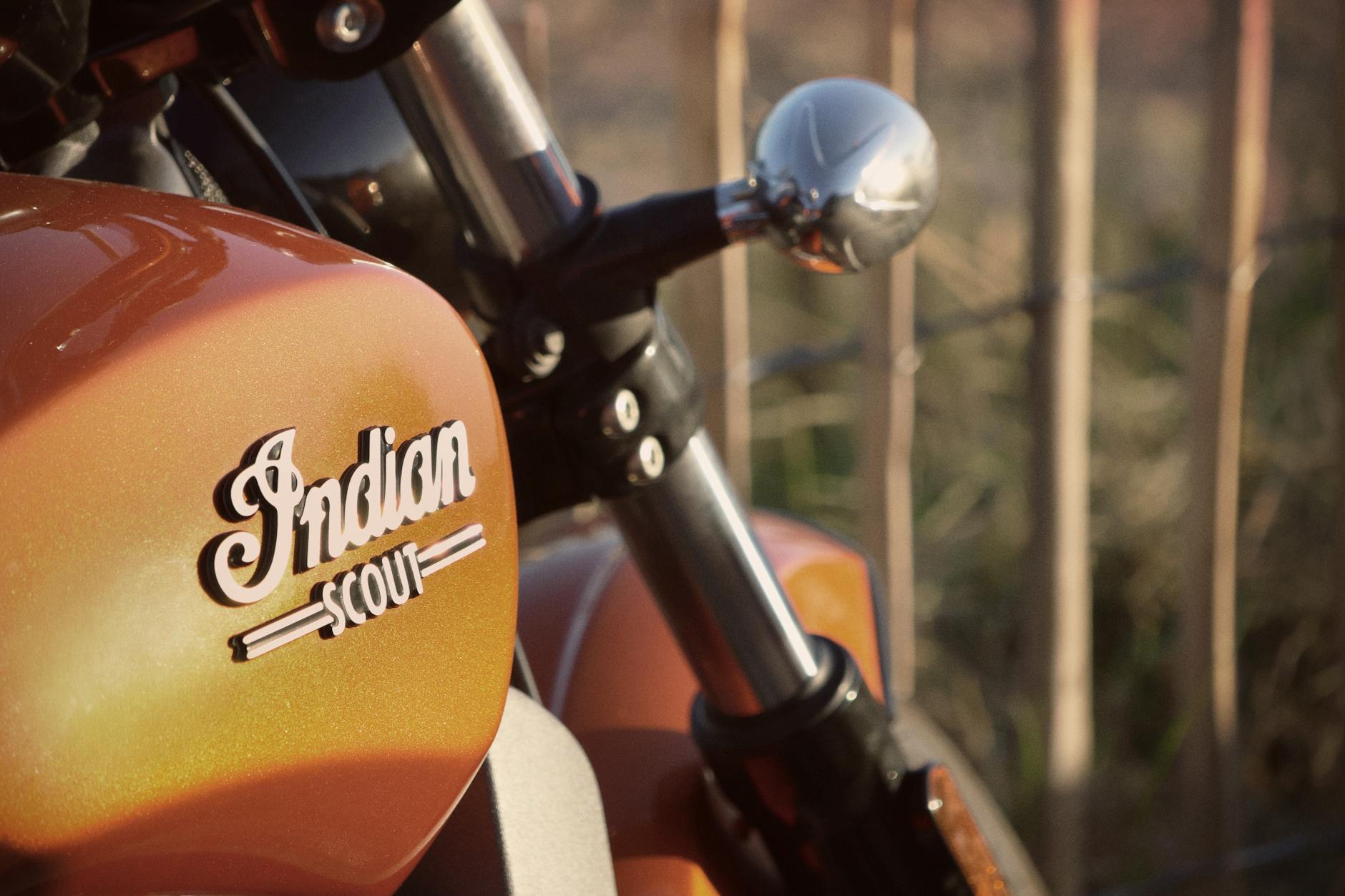
Indian Chief Dark Horse
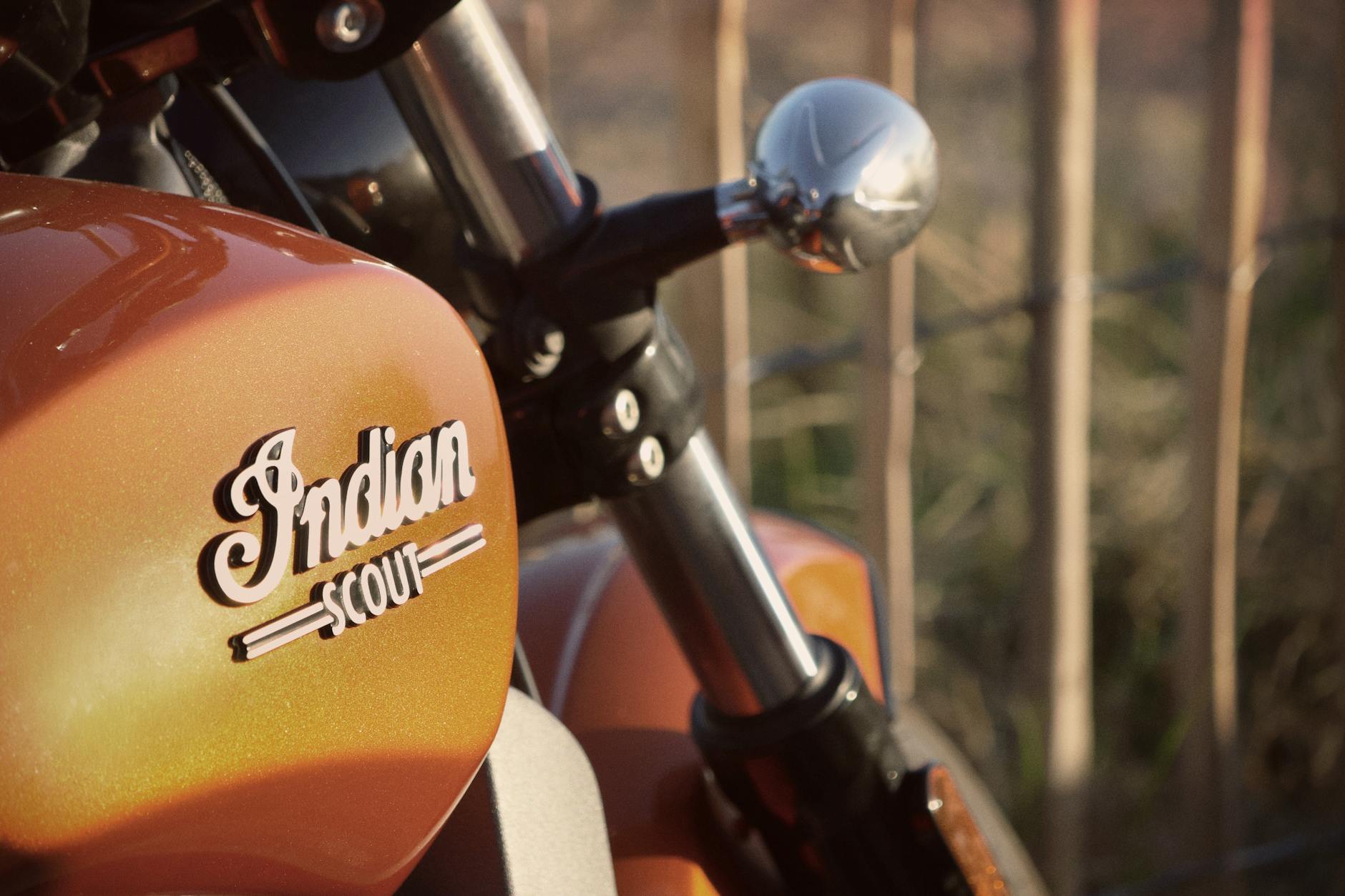
Indian Chief
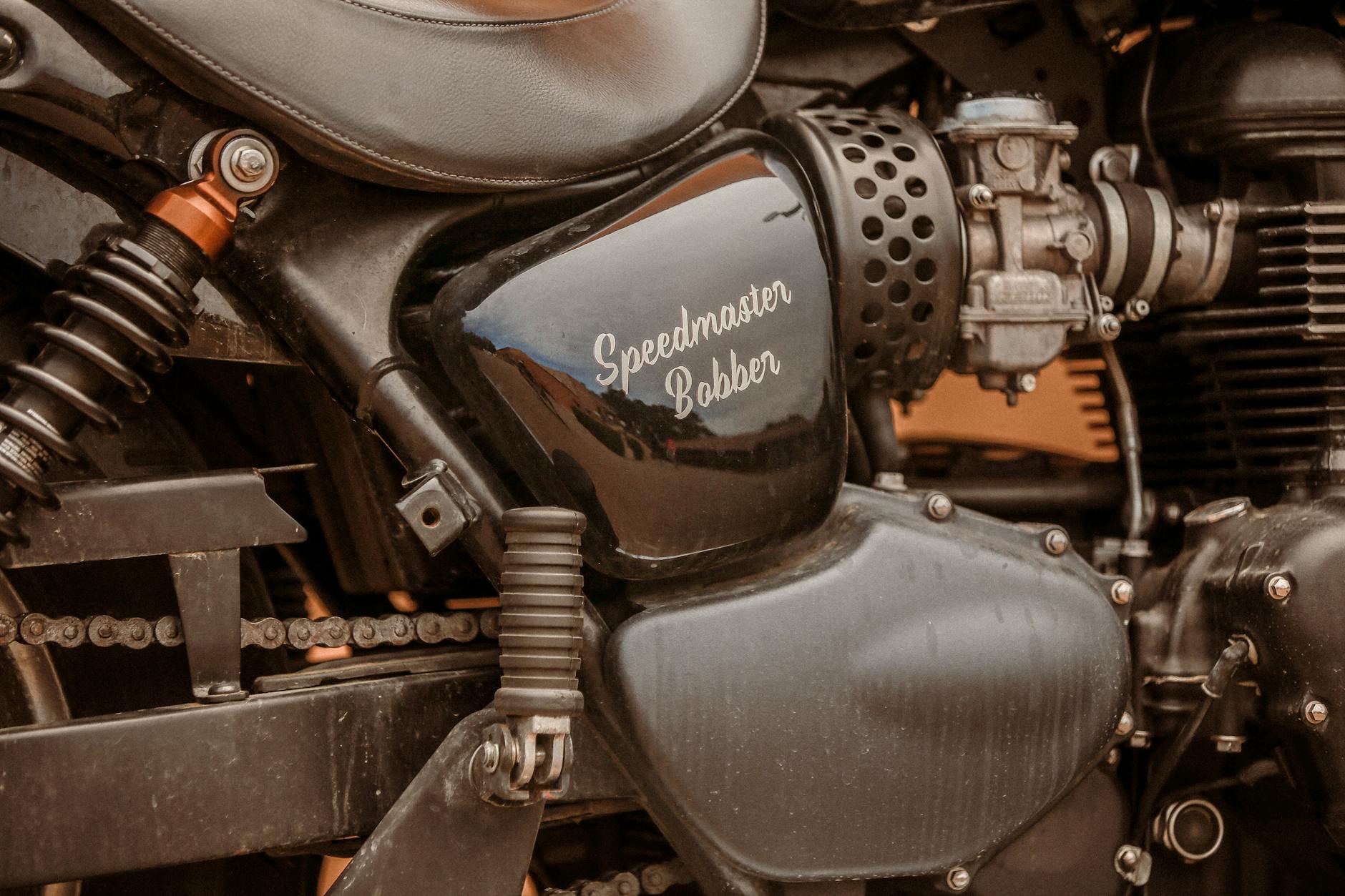
Indian Chief Bobber
Compare Indian Chief Classic Side-by-Side
compare_arrowsSpecs, power, weight & buyer verdict — head-to-head with the bikes most often cross-shopped.
Indian Chief Classic vs Harley-davidson Fat Boy
Specs · Power · Buyer verdict
Indian Chief Classic vs Harley-davidson Breakout
Specs · Power · Buyer verdict
Indian Chief Classic vs Indian Chief Dark Horse
Specs · Power · Buyer verdict
Indian Chief Classic vs Indian Chief
Specs · Power · Buyer verdict
Indian Chief Classic vs Indian Chief Bobber
Specs · Power · Buyer verdict
More Indian Chief Classic Guides
More from Indian
View all Indian models →Community Reviews
Discussion
Frequently Asked Questions
What are common problems with the Indian Chief Classic? +
Oil consumption and rear main seal leaks: Look under engine for oil pooling or wet seals (moderate) | Throttle body issues causing rough idle: Cold start idle quality, hesitation during acceleration (moderate) | Final drive belt wear and tensioner problems: Inspect belt for cracking, fraying, proper tension (serious)
Is the Indian Chief Classic a good motorcycle? +
Arguably the best American cruiser you can buy used today. Rating: 8.2/10. Best for: Experienced cruiser riders wanting premium American iron. Avoid if: New riders or those needing nimble city commuter.
What is the horsepower of the Indian Chief Classic? +
The Indian Chief Classic produces 73 hp @ 5,600 rpm, with 139 Nm @ 2,900 rpm of torque. Top speed: 185 km/h.
Is the Indian Chief Classic good for beginners? +
Yes — the Indian Chief Classic is a reasonable choice for new riders (73 hp is manageable), weighing 367 kg. Experienced cruiser riders wanting premium American iron
Is the Indian Chief Classic reliable? +
Owners report 1 critical issue to watch for on the Indian Chief Classic, notably: Final drive belt wear and tensioner problems (Inspect belt for cracking, fraying, proper tension). Buy with a pre-purchase inspection.
Is the Indian Chief Classic good for daily use? +
Experienced cruiser riders wanting premium American iron Fuel: 6.7 L/100km (approx. 14.9 km/L).
How fast is the Indian Chief Classic? +
The Indian Chief Classic reaches a top speed of 185 km/h, producing 73 hp at 367 kg curb weight. Real-world performance depends on rider weight, gearing, and road conditions.
What gear should I buy for a Indian Chief Classic? +
Motoryk has curated a Top 10 gear list specifically for the Indian Chief Classic, covering engine oil, tires, chain, battery, and brake pads — see motoryk.com/bikes/indian/chief-classic/top10. Each pick is matched to this bike's spec.