Indian Chief
The Indian Chief has a top speed of 185 km/h (note: estimated for 2014+ Thunderstroke 111 variant), produces 72 hp and weighs 356 kg. Motoryk rates it 8.5/10.
The Indian Chief was first introduced in 1922 by the Indian Motocycle Company, becoming one of the most iconic American motorcycles ever produced with its distinctive skirted fenders and large V-twin engine. After Indian's original bankruptcy in 1953, the Chief nameplate was revived in 1999 under new ownership, and again significantly reimagined in 2014 when Polaris Industries launched the modern Indian Chief Classic, Dark Horse, and Vintage variants. The Chief remains a symbol of American cruiser heritage, often considered a direct rival to Harley-Davidson and celebrated for its blend of retro styling and modern performance.
72 hp
Power
139 Nm
Torque
356 kg
Weight
185 km/h (note: estimated for 2014+ Thunderstroke 111 variant)
Top Speed
6.5 L/100km (approx. 15.4 km/L) — estimated real-world average for 2014+ models
Fuel
Naked
Body
🔧 Service Schedule & Parts
Affiliate · we may earn| Service item | Every | Typical cost | Parts |
|---|---|---|---|
| 🛢️ Engine oil + oil filter | 8,000 km / 5,000 mi or 12 mo | $60-100 | 🛢️ Buy → ⚙️ Buy → |
| 🌬️ Air filter | 16,000 km / 10,000 mi | — | 🌬️ Buy → |
| ⚡ Spark plugs | 16,000 km / 10,000 mi | — | ⚡ Buy → |
| 🔧 Valve clearance check | 32,000 km / 20,000 mi | $300-600 | |
| 🛑 Brake pads | 20000-35000 km | $40-80 | 🛑 Buy → |
| 💧 Brake fluid | 24,000 km / 15,000 mi or 2 yr | — | |
| 🧊 Coolant | 32,000 km / 20,000 mi | — | |
| 🛞 Tires | 12000-22000 km | $250-500 | 🛞 Buy → |
| 🔩 Major service | 32,000 km / 20,000 mi | $400-800 |
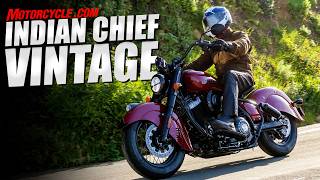
Video Review
What Buyers Should Know
Thunderstroke Engine Durability
The 116ci Thunderstroke engine is known for strong long-term reliability, but early models (2014-2016) had reported issues with cam chain tensioners and primary chain wear — always check service records on used bikes.
Strong Resale Value
Indian Chiefs hold resale value notably well compared to many cruiser competitors, often retaining 70-80% of MSRP within the first two years, especially limited or centennial editions.
Ride Command Tech Edge
Modern Chiefs feature Indian's Ride Command system with a 7-inch touchscreen, turn-by-turn navigation, and Bluetooth integration — a premium tech advantage that adds appeal and supports higher resale pricing.
Generations & Specs by Year
Introduced 61ci V-twin; grew to 74ci in 1923; skirted fenders added 1940; production ended 1953.
"America's soul on two wheels, but demanding company."
That 74-cubic-inch side-valve thumps through your boots at idle like a diesel locomotive clearing its throat, and out on open highway it pulls with a lazy, unstoppable authority that modern bikes can't replicate with all their horsepower. The post-1940 skirted fenders are genuinely beautiful — heads turn before you even blip the throttle — but they trap heat and make tire changes a miserable afternoon project. Steering is slow and deliberate, the girder front fork communicating every road scar directly into your palms, and anything over 130 km/h feels like a negotiation rather than a cruise. Keep up with the total-loss oiling, expect to wrench every few hundred miles, and this machine rewards you with a riding experience that is completely, irreplaceably its own.
Pros
Cons
Revival under Gilroy ownership; retro styling; S&S-based V-twin engine; limited production quality issues.
"Beautiful resurrection hampered by rushed, inconsistent build quality."
Sitting on that low 660mm saddle and rolling the throttle at 3,000 rpm delivers genuine chest-thumping torque — the S&S-derived 1442cc thumps with real authority and the retro fender styling turns more heads than a Harley Electra Glide ever will. But I spent more weekends tracking down oil weeps, fixing loose chrome fixtures, and chasing electrical gremlins than I did actually riding the thing, and that's a damning reality for a bike costing this much in 1999. Gilroy's team clearly had passion but not enough factory discipline — tolerances varied unit to unit, and my bike needed valve adjustments at under 4,000 miles. If you can find one that's been properly sorted by a previous owner who already paid the mechanical tuition, the riding experience is genuinely moving; if you're buying blind, budget for a rebuild.
Pros
Cons
New ownership under Stellican; improved build quality; revised chassis; brand folded again in 2008.
"Beautiful museum piece that actually runs — mostly."
Stellican deserves credit for rescuing the nameplate and tightening up the catastrophic build quality of the Gilroy era — gaps closed, paint held, chrome actually stayed on past 6 months. The 1638cc V-twin pulls hard from idle and that 122 Nm torque surge between 2,500 and 3,500 rpm is genuinely addictive on long sweeping two-lanes, and the 660mm seat height makes it accessible for shorter riders in a class that usually punishes them. But 340kg is not a polite number when you're threading through a gas station or picking it up from a slow-speed tipover, and parts sourcing was already an anxious conversation in 2006 — in 2024 it's a full-blown treasure hunt. The 2008 collapse hung over every purchase even when the bikes were new, and buying one now means accepting that you're riding a collectible with all the fragility and mythology that entails.
Pros
Cons
Polaris-owned revival; new 111ci Thunder Stroke V-twin; modern engineering with retro styling cues.
Streamlined lineup; 116ci Thunder Stroke engine standard; updated chassis, suspension, and technology features.
Used Buyer Review
"A genuinely premium cruiser that earns its price tag on used market."
$13,000-$22,000 usedThe Indian Chief is one of those bikes that actually delivers on its looks. That thunderstroke 116 is genuinely torquey from idle, and the chassis feels planted in a way that big cruisers often don't. Used examples from 2022 onwards are the sweet spot — Indian sorted most of the infotainment gremlins by then, and the ride-by-wire throttle mapping is noticeably smoother. Check the front fork seals and inspect the chrome carefully; Chiefs sit in garages looking pretty, which means deferred maintenance is common. Budget an extra few hundred for a proper service if the seller can't produce receipts. The Thunder Stroke engine is robust but doesn't love neglected oil changes. Aftermarket support is solid, previous owners often fitted exhausts or seats, which can work in your favour pricewise. It's a genuine alternative to a Road King without feeling like a consolation prize. Just know it's a hefty machine — at 800-plus pounds wet, slow-speed manoeuvring demands respect. Test that before you commit.
Variants of the Indian Chief
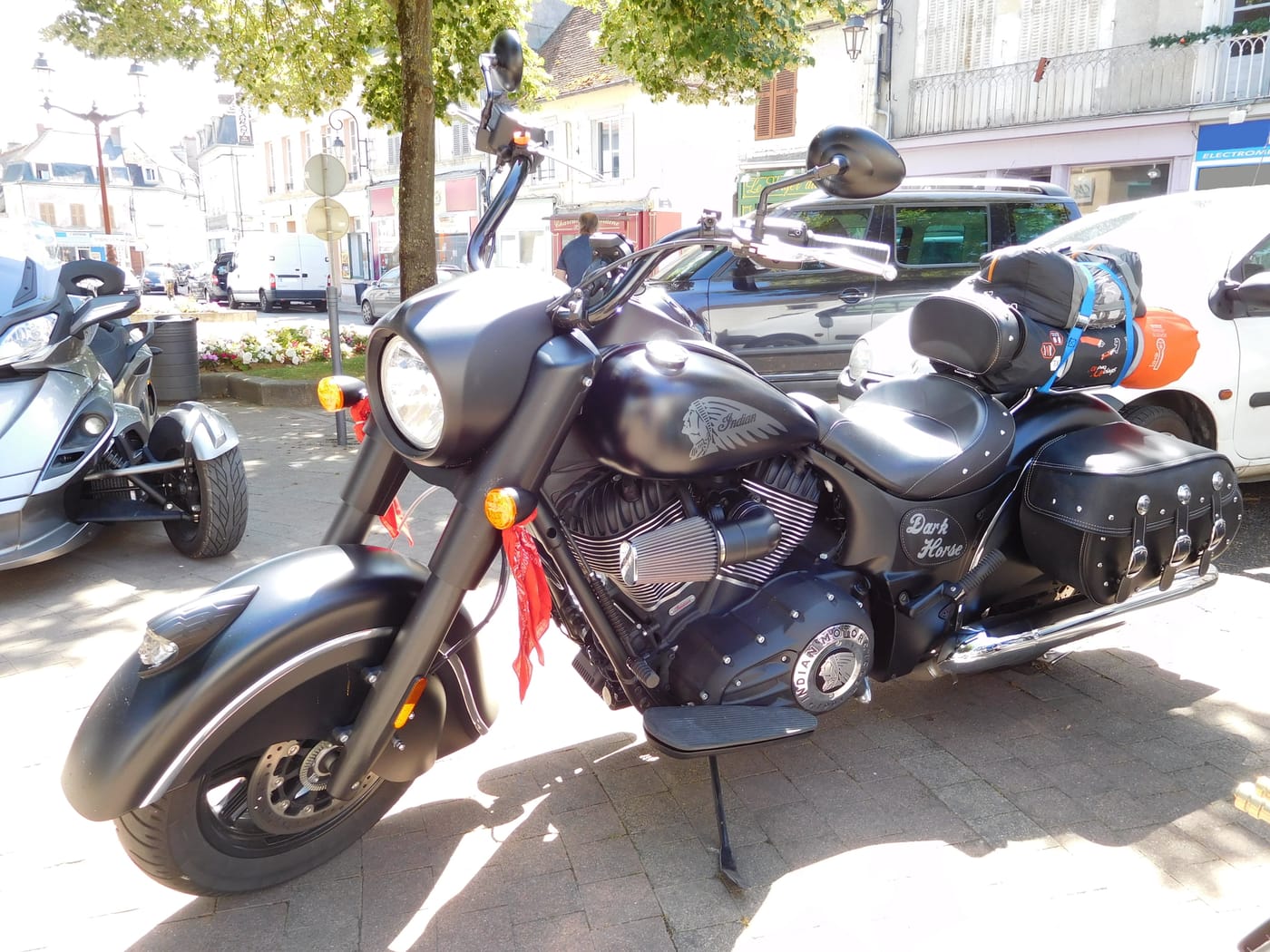
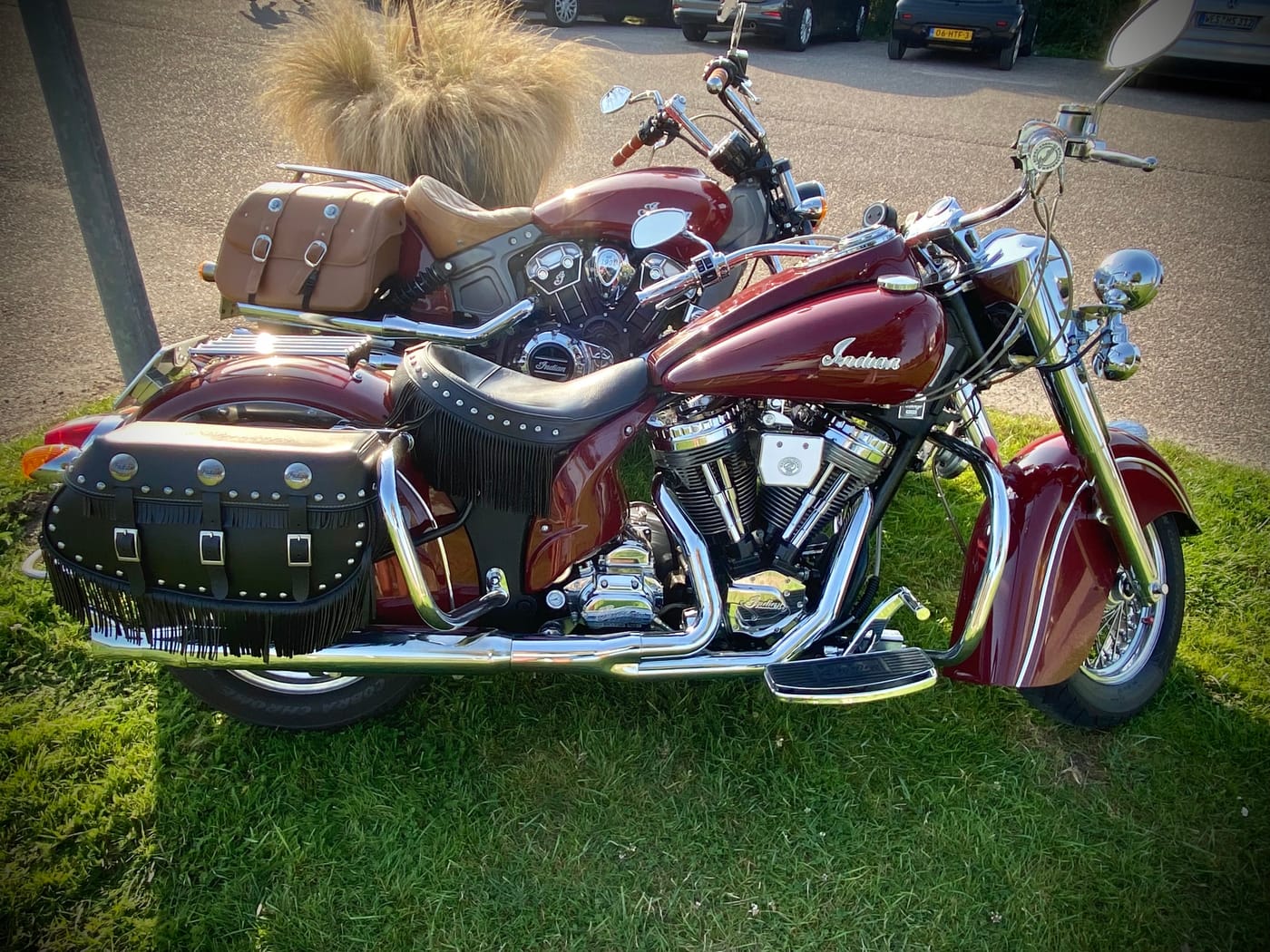
Same bike, different trim or year-range — pick the one matching the listing.
Top 10 Accessories
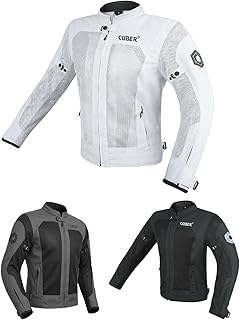
Curated picks for the Indian Chief — owned, ridden, recommended.




Common Problems
🔥 1 CRITICALInspect gaskets, rocker covers, and primary chaincase for seepage
Test battery voltage, stator output, and all connectors
Rock rear wheel, listen for clunks, inspect bearings
Check for ECU updates, test throttle response at idle
✅Pre-Purchase Checklist
Generally solid, but electrical issues demand careful inspection
Full Specifications
Rivals & Alternatives
Bikes that buyers cross-shop with the Indian Chief
Compare Indian Chief Side-by-Side
compare_arrowsSpecs, power, weight & buyer verdict — head-to-head with the bikes most often cross-shopped.
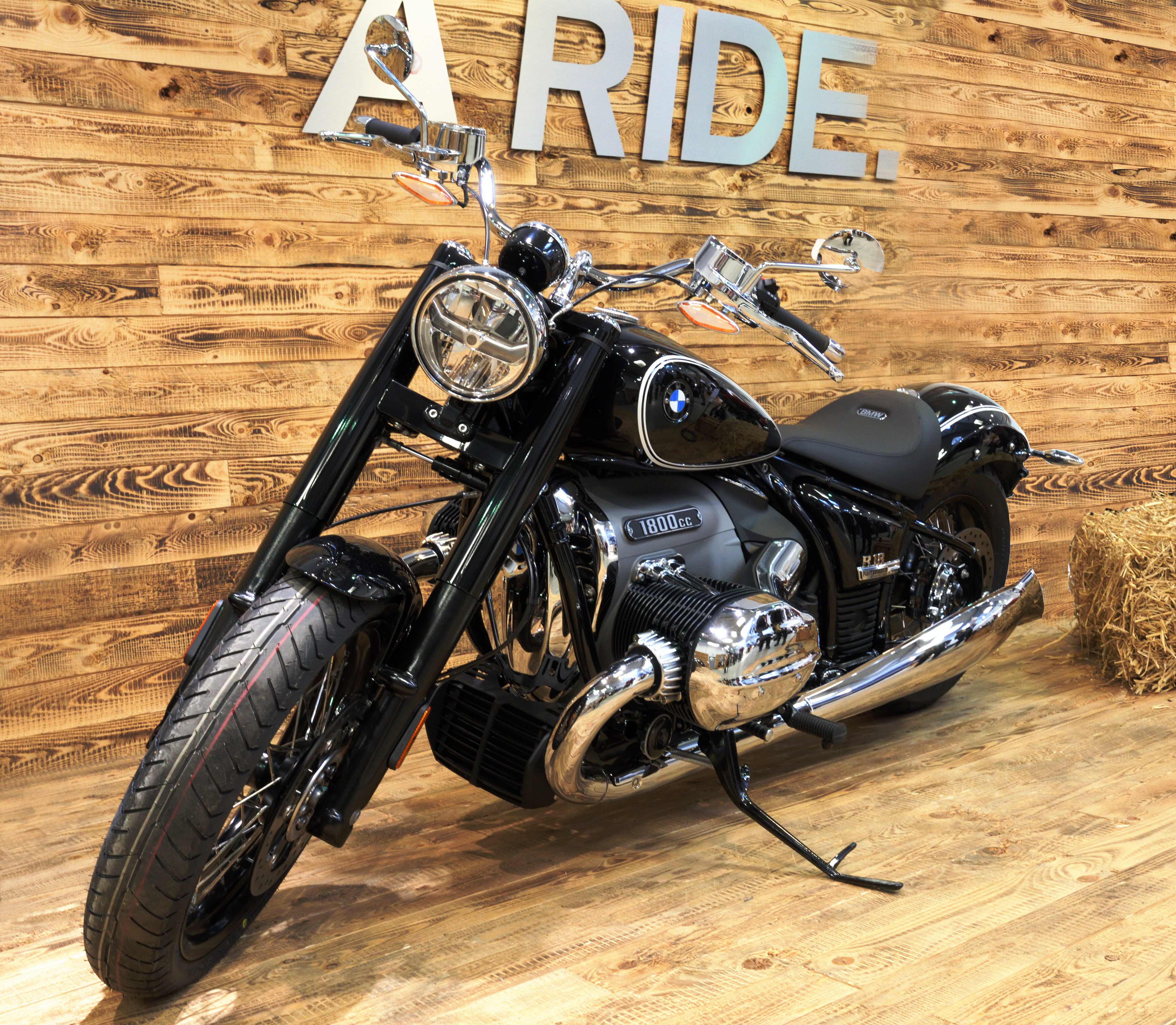
Indian Chief vs Bmw R 18
Specs · Power · Buyer verdict
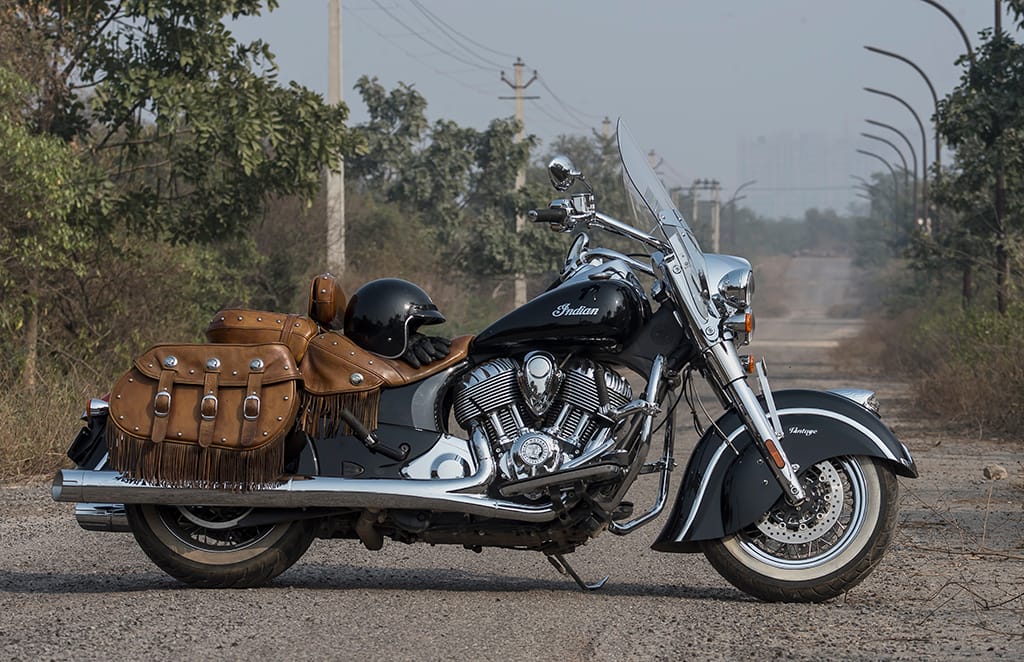
Indian Chief vs Indian Chief Classic
Specs · Power · Buyer verdict
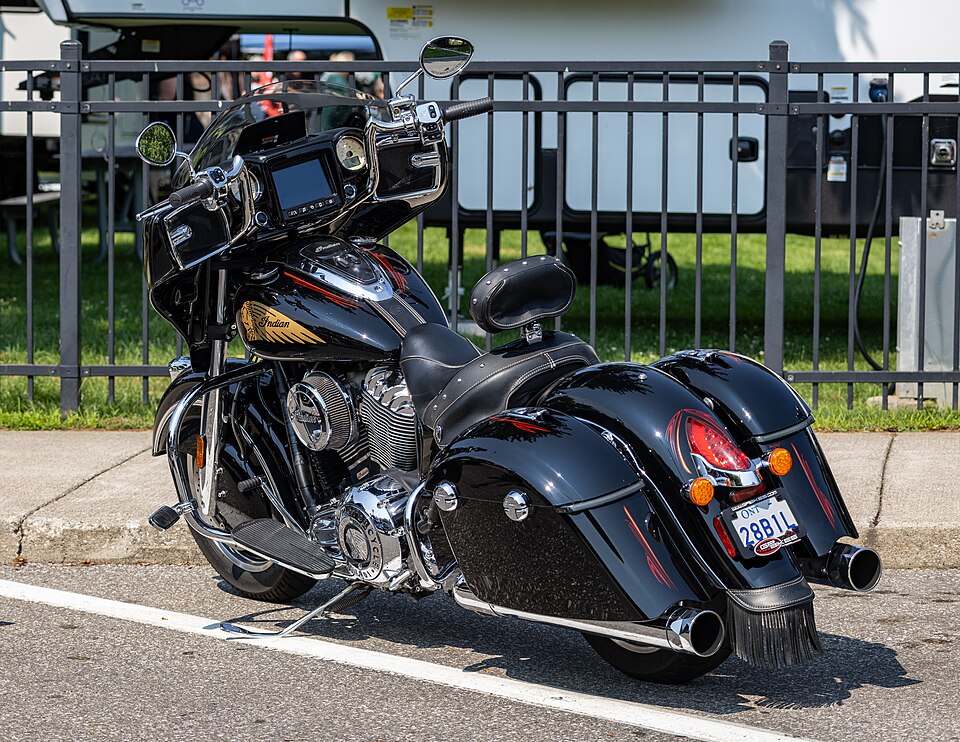
Indian Chief vs Indian Chieftain
Specs · Power · Buyer verdict
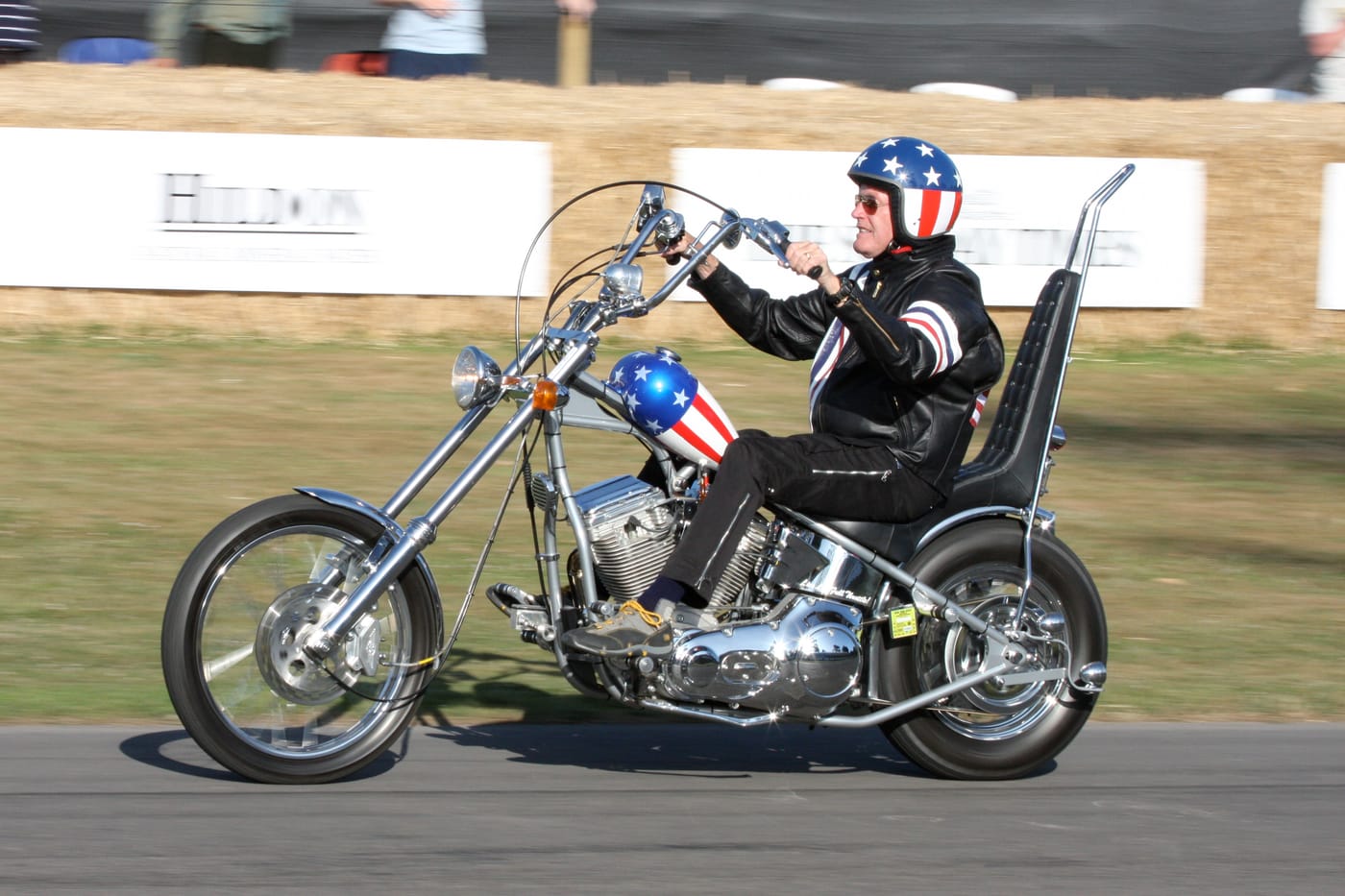
Indian Chief vs Indian Super Chief
Specs · Power · Buyer verdict
More Indian Chief Guides
More from Indian
View all Indian models →Community Reviews
Discussion
Frequently Asked Questions
What are common problems with the Indian Chief? +
Thunder Stroke engine oil leaks: Inspect gaskets, rocker covers, and primary chaincase for seepage (moderate) | Electrical gremlins and charging system failure: Test battery voltage, stator output, and all connectors (serious) | Rear suspension linkage wear and clunking: Rock rear wheel, listen for clunks, inspect bearings (moderate)
Is the Indian Chief a good motorcycle? +
A genuinely premium cruiser that earns its price tag on used market. Rating: 8.5/10. Best for: Experienced cruiser riders wanting Harley alternative prestige. Avoid if: New riders or anyone short in stature.
What is the horsepower of the Indian Chief? +
The Indian Chief produces 72 hp @ 5,500 rpm (note: 2014+ Thunderstroke 111; modern variants vary), with 139 Nm @ 3,000 rpm (2014+ Thunderstroke 111) of torque. Top speed: 185 km/h (note: estimated for 2014+ Thunderstroke 111 variant).
Is the Indian Chief good for beginners? +
Yes — the Indian Chief is a reasonable choice for new riders (72 hp is manageable), weighing 356 kg. Experienced cruiser riders wanting Harley alternative prestige
Is the Indian Chief reliable? +
Owners report 1 critical issue to watch for on the Indian Chief, notably: Electrical gremlins and charging system failure (Test battery voltage, stator output, and all connectors). Buy with a pre-purchase inspection.
Is the Indian Chief good for daily use? +
Experienced cruiser riders wanting Harley alternative prestige Fuel: 6.5 L/100km (approx. 15.4 km/L) — estimated real-world average for 2014+ models.
How fast is the Indian Chief? +
The Indian Chief reaches a top speed of 185 km/h (note: estimated for 2014+ Thunderstroke 111 variant), producing 72 hp at 356 kg curb weight. Real-world performance depends on rider weight, gearing, and road conditions.
What gear should I buy for a Indian Chief? +
Motoryk has curated a Top 10 gear list specifically for the Indian Chief, covering engine oil, tires, chain, battery, and brake pads — see motoryk.com/bikes/indian/chief/top10. Each pick is matched to this bike's spec.