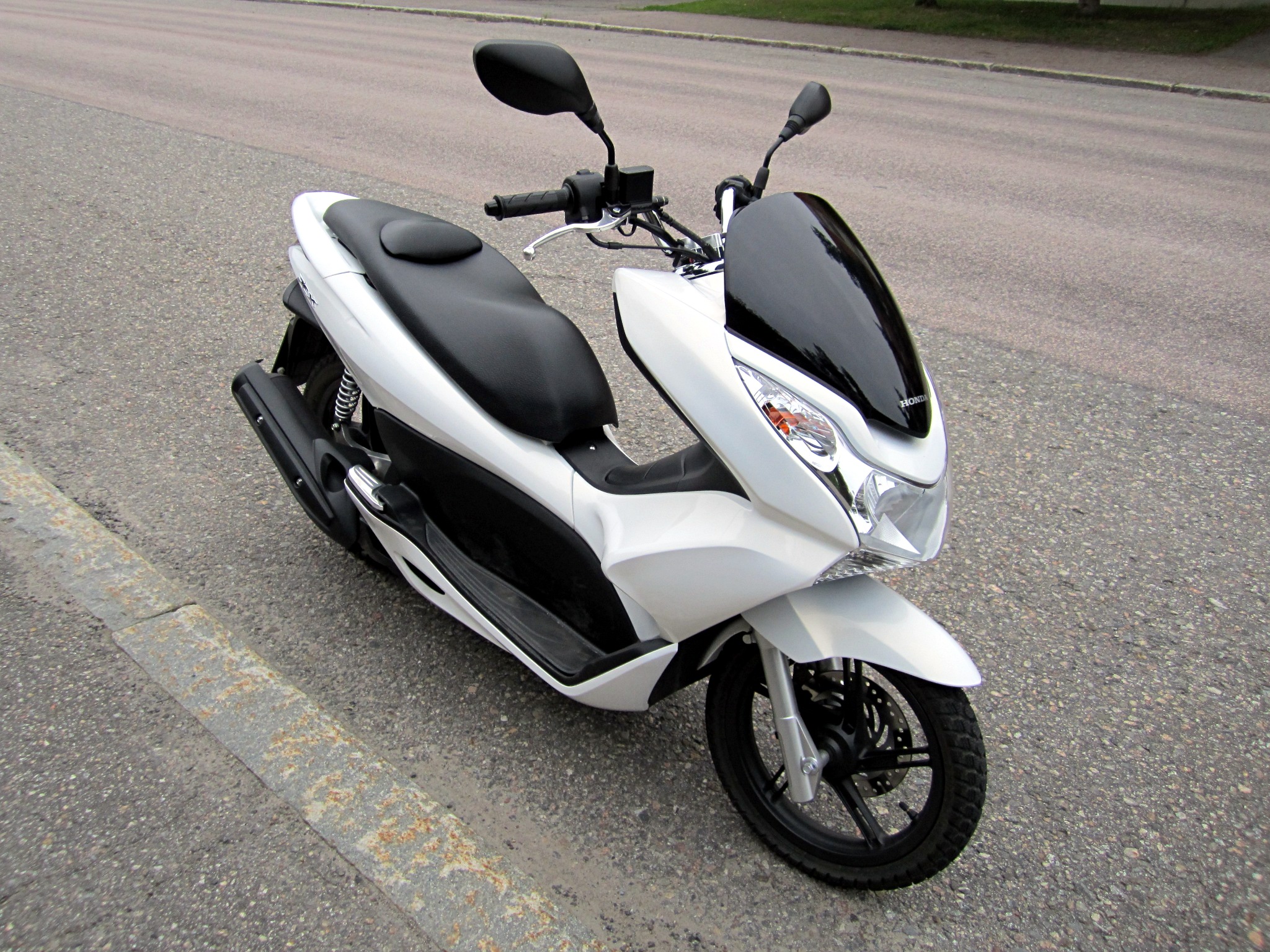
Honda Pcx 150
The Honda Pcx 150 has a top speed of 120 km/h (estimated; note: varies slightly by model year and region), produces 15 hp and weighs 130 kg. Motoryk rates it 8/10.
הונדה PCX 150 הוצגה בשנת 2010 כקטנוע נוסעים פרימיום, שהושק במקור בתאילנד והתרחב במהירות לשווקים גלובליים. הוא כלל את טכנולוגיית המנוע eSP (Enhanced Smart Power) של הונדה, המציעה יעילות דלק משופרת ופליטות מופחתות, וקיבל עדכונים גדולים בשנים 2014, 2018 ו- 2021. ה- PCX 150 הפך לאחד הקטנועים הנמכרים ביותר של הונדה ברחבי העולם בשל השילוב של פרקטיות, חסכון בדלק וסטיילינג מעודן.
15 hp
כוח
13.7 Nm
מומנט
130 kg
משקל
120 km/h (estimated; note: varies slightly by model year and region)
מהירות מרבית
2.0–2.5 L/100km (approximately 40–50 km/L real-world average)
דלק
פירד
גוף
🔧 Service Schedule & Parts
Affiliate · we may earn| Service item | Every | Typical cost | Parts |
|---|---|---|---|
| 🛢️ Engine oil + oil filter | 6,000 km / 3,500 mi or 12 mo | $40-80 | 🛢️ Buy → ⚙️ Buy → |
| 🌬️ Air filter | 12,000 km / 7,500 mi | — | 🌬️ Buy → |
| ⚡ Spark plugs | 12,000 km / 7,500 mi | — | ⚡ Buy → |
| 🔧 Valve clearance check | 24,000 km / 15,000 mi | $200-400 | |
| 🛑 Brake pads | 15000-30000 km | $30-60 | 🛑 Buy → |
| 💧 Brake fluid | 24,000 km / 15,000 mi or 2 yr | — | |
| 🧊 Coolant | 24,000 km / 15,000 mi | — | |
| 🛞 Tires | 15000-25000 km | $150-300 | 🛞 Buy → |
| 🔩 Major service | 24,000 km / 15,000 mi | $300-500 |
Video Review
מה הקונים צריכים לדעת
Exceptional Long-Term Reliability
The PCX 150 uses Honda's eSP (enhanced Smart Power) engine, known for lasting well beyond 30,000 miles with basic maintenance. Owners frequently report minimal mechanical issues over years of daily commuting use.
Watch for Battery Drain
A known issue on earlier models (2012–2018) is premature 12V battery failure, often within 2–3 years, due to the idling stop system drawing power. Always check battery health and ask for replacement history before buying used.
Strong Resale Value
The PCX 150 consistently holds 60–75% of its original value after three years, outperforming most competitors in its class. Its popularity as a commuter scooter keeps used demand high, making it a smart buy and resell.
דורות ומפרטים לפי שנה
השקה ראשונית, מנוע 150 סמ"ק, מזלגות טלסקופיים, אחסון מתחת למושב, מערכת עצירת סרק הוצגה.
סטיילינג מתוקן, הזרקת דלק משופרת, עצירת סרק משופרת, אשכול מכשירים מעודכן, מתלים מעודנים.
מסגרת חדשה, מנוע eSP עם יעילות טובה יותר, תאורת לד, אחסון גדול יותר מתחת למושב, גוף מעודכן.
גרסה היברידית נוספה, תקן מפתח חכם, מתלים מתוקנים, תצוגת LCD חדשה, מנוע eSP+ מעודכן.
סקירת קונה משומשת
"The sensible commuter that quietly outlasts everything else."
$1,800-$3,800 usedThe PCX150 is genuinely one of the smartest used buys in the scooter market right now. Honda built these things to last, and with proper maintenance records you're looking at a machine that'll shrug off 30,000 miles without complaint. The underseat storage swallows a full-face helmet, fuel economy sits comfortably around 100mpg, and the idling stop system actually works unlike similar tech on cheaper rivals. It's boring in the best possible way. That said, go in with eyes open. The 2012-2017 generation had some reported issues with the ACG starter system — ask specifically about that before handing over cash. Check for crash damage around the fairing lowers since these get dropped in parking lots constantly. Post-2018 models got proper ABS and a more refined motor, so spend the extra few hundred if budget allows. Avoid anything over 20,000 miles unless the price reflects it seriously.
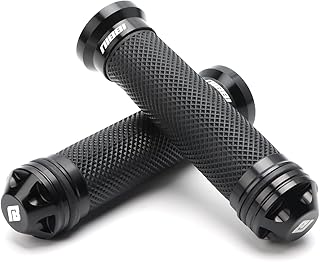
Top 10 Accessories
Curated picks for the Honda Pcx 150 — owned, ridden, recommended.


בעיות נפוצות
Sluggish acceleration or slipping feeling during test ride
Rough idle, hard starts, or poor fuel economy
Oil residue or staining on lower fork tubes
Test voltage, ask about start-stop system behavior
✅רשימת בדיקה לפני הרכישה
Very reliable, minor maintenance keeps issues minimal
Full Specifications
Rivals & Alternatives
Bikes that buyers cross-shop with the Honda Pcx 150

Yamaha Nmax 155
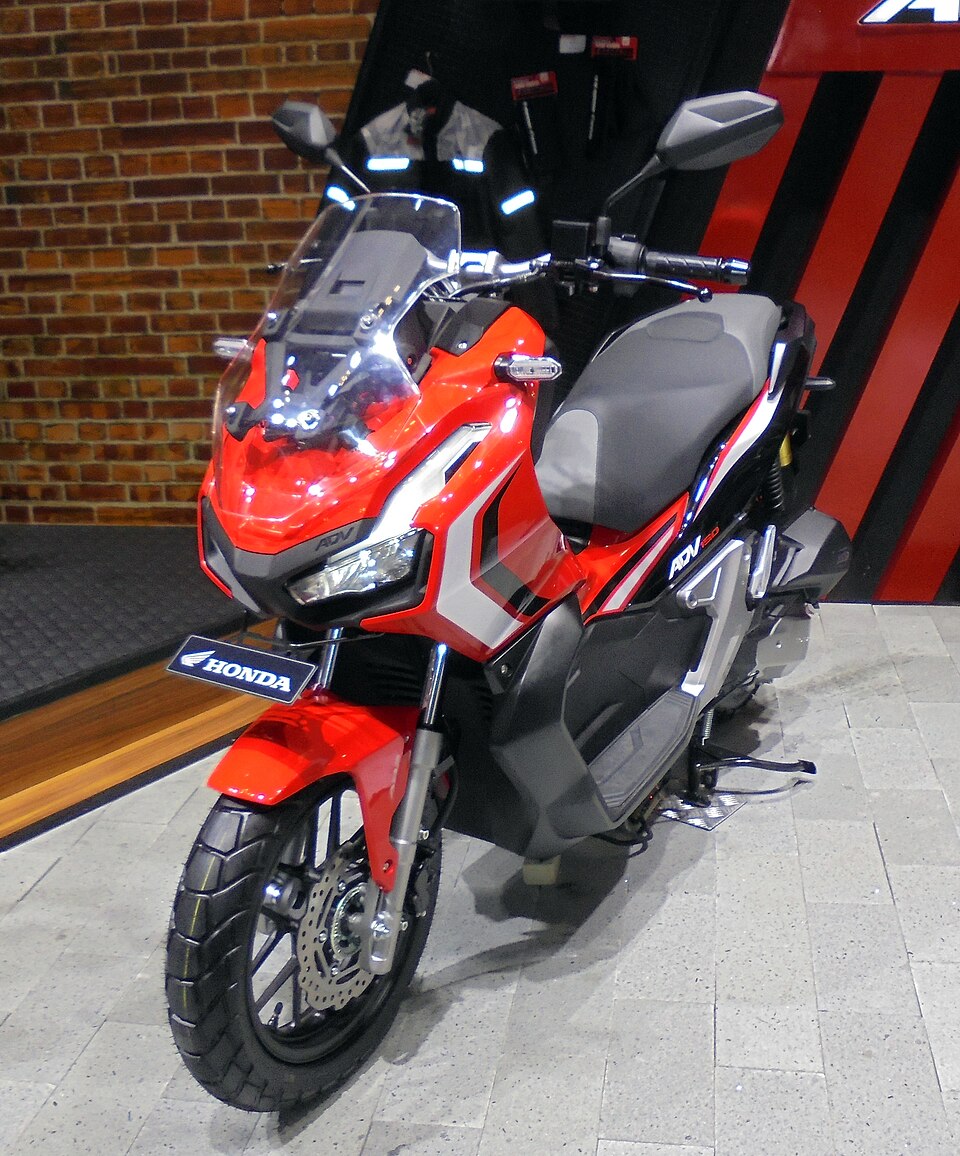
Honda Adv150
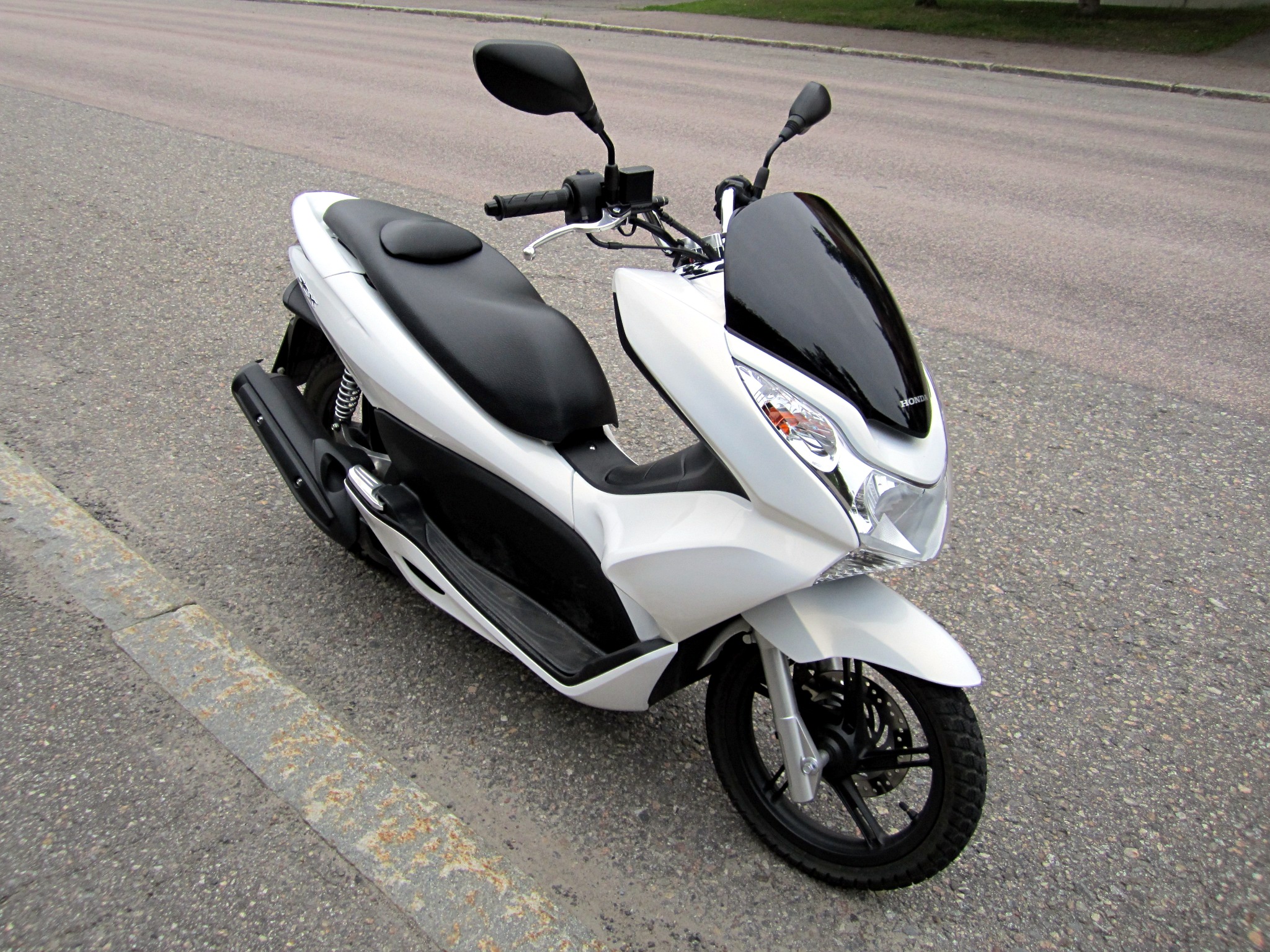
Honda Pcx 125
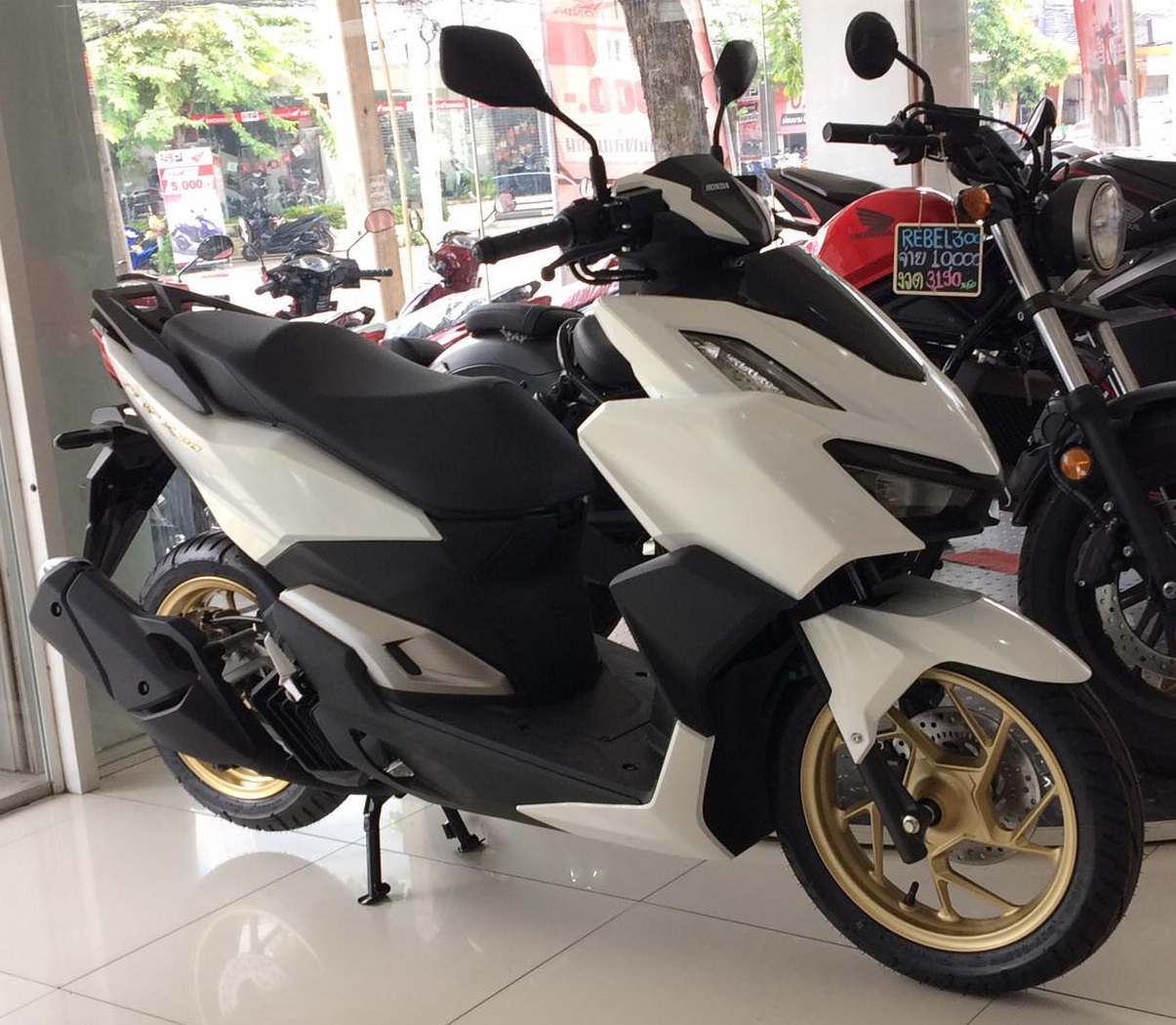
Honda Click 125i
Honda Pcx 160
Compare Honda Pcx 150 Side-by-Side
compare_arrowsSpecs, power, weight & buyer verdict — head-to-head with the bikes most often cross-shopped.
Honda Pcx 150 vs Yamaha Nmax 155
Specs · Power · Buyer verdict
Honda Pcx 150 vs Honda Adv150
Specs · Power · Buyer verdict
Honda Pcx 150 vs Honda Pcx 125
Specs · Power · Buyer verdict
Honda Pcx 150 vs Honda Click 125i
Specs · Power · Buyer verdict
Honda Pcx 150 vs Honda Pcx 160
Specs · Power · Buyer verdict
More Honda Pcx 150 Guides
More from Honda
View all Honda models →Community Reviews
Discussion
Frequently Asked Questions
What are common problems with the Honda Pcx 150? +
CVT belt and roller wear: Sluggish acceleration or slipping feeling during test ride (moderate) | Fuel injector clogging: Rough idle, hard starts, or poor fuel economy (moderate) | Front fork seal leaks: Oil residue or staining on lower fork tubes (moderate)
Is the Honda Pcx 150 a good motorcycle? +
The sensible commuter that quietly outlasts everything else. Rating: 8.0/10. Best for: Urban commuters wanting reliable, economical daily transport. Avoid if: You want spirited riding beyond city limits.
What is the horsepower of the Honda Pcx 150? +
The Honda Pcx 150 produces 15 hp @ 8,500 rpm, with 13.7 Nm @ 5,000 rpm of torque. Top speed: 120 km/h (estimated; note: varies slightly by model year and region).
Is the Honda Pcx 150 good for beginners? +
Yes — the Honda Pcx 150 is a reasonable choice for new riders (15 hp is manageable), weighing 130 kg. Urban commuters wanting reliable, economical daily transport
Is the Honda Pcx 150 reliable? +
The Honda Pcx 150 has no widely-reported critical reliability issues. 4 minor issues are documented — see the Common Problems section above.
Is the Honda Pcx 150 good for daily use? +
Urban commuters wanting reliable, economical daily transport Fuel: 2.0–2.5 L/100km (approximately 40–50 km/L real-world average).
How fast is the Honda Pcx 150? +
The Honda Pcx 150 reaches a top speed of 120 km/h (estimated; note: varies slightly by model year and region), producing 15 hp at 130 kg curb weight. Real-world performance depends on rider weight, gearing, and road conditions.
What gear should I buy for a Honda Pcx 150? +
Motoryk has curated a Top 10 gear list specifically for the Honda Pcx 150, covering engine oil, tires, chain, battery, and brake pads — see motoryk.com/bikes/honda/pcx-150/top10. Each pick is matched to this bike's spec.