Honda Hornet 750
The Honda Hornet 750 has a top speed of 210 km/h (estimated; Honda does not officially publish a top speed figure), produces 92 hp and weighs 190 kg. Motoryk rates it 8.5/10.
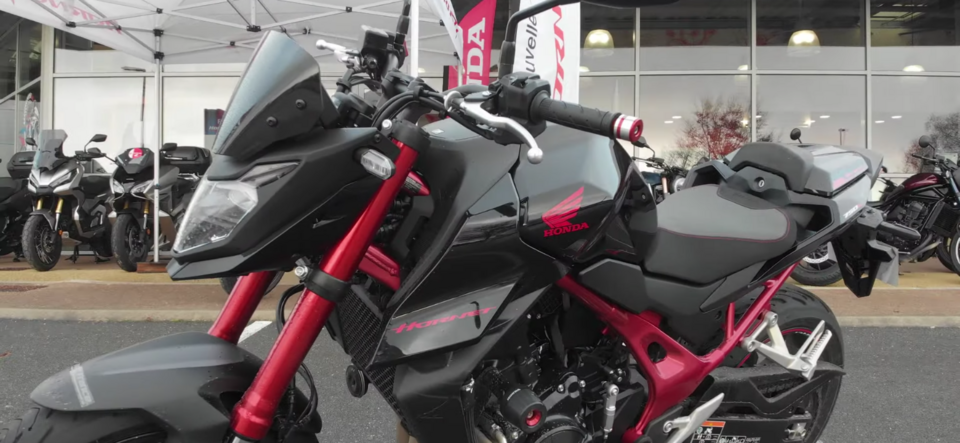
The Honda Hornet 750 (CB750 Hornet) was introduced in 2023 as a spiritual successor to the iconic CB600F Hornet, reviving the Hornet nameplate after nearly a decade of absence. It is built around a newly developed 755cc parallel-twin engine derived from the Africa Twin platform and sits in the mid-size naked roadster segment, targeting riders who want a versatile, engaging everyday motorcycle. Its launch was significant as it marked Honda's renewed commitment to the middleweight naked class in Europe and global markets.
92 hp
Power
75 Nm
Torque
190 kg
Weight
210 km/h (estimated; Honda does not officially publish a top speed figure)
Top Speed
5.5 L/100km (approximately 18 km/L, typical real-world average)
Fuel
Naked
Body
🔧 Service Schedule & Parts
Affiliate · we may earn| Service item | Every | Typical cost | Parts |
|---|---|---|---|
| 🛢️ Engine oil + oil filter | 6,000 km / 3,500 mi or 12 mo | $40-80 | 🛢️ Buy → ⚙️ Buy → |
| 🌬️ Air filter | 12,000 km / 7,500 mi | — | 🌬️ Buy → |
| ⚡ Spark plugs | 12,000 km / 7,500 mi | — | ⚡ Buy → |
| 🔧 Valve clearance check | 24,000 km / 15,000 mi | $250-450 | |
| 🔗 Chain & sprockets | 20000-35000 km (replace) | $150-300 | 🔗 Buy → |
| 🛑 Brake pads | 15000-25000 km | $30-60 | 🛑 Buy → |
| 💧 Brake fluid | 24,000 km / 15,000 mi or 2 yr | — | |
| 🧊 Coolant | 24,000 km / 15,000 mi | — | |
| 🛞 Tires | 10000-20000 km | $200-450 | 🛞 Buy → |
| 🔩 Major service | 24,000 km / 15,000 mi | $350-650 |
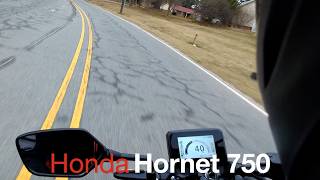
Video Review
What Buyers Should Know
Proven Parallel-Twin Engine
The 755cc parallel-twin uses Honda's well-tested Africa Twin-derived architecture, known for strong reliability and long service intervals. Regular valve checks at 16,000km are the main maintenance item to budget for.
Advanced Tech Package
The Hornet 750 ships with a 5-inch TFT display, 5 riding modes, cornering ABS, and traction control as standard — rare features at its price point. This tech-rich spec helps it hold resale value well against stripped-back rivals.
Watch the Throttle-by-Wire
Some early owners reported minor throttle hesitation issues in lower ride modes, which Honda addressed via software updates. Always confirm any used example has had the latest ECU firmware applied before buying.
Generations & Specs by Year
Original CB600F Hornet inline-four, naked streetfighter, carbureted engine, steel tubular frame introduced.
"The naked that rewrote the budget streetfighter rulebook."
Honda took the CBR600F3 engine, stripped the fairing, bolted it into a steel trellis frame, and accidentally created one of the defining naked bikes of the late 90s. That 599cc inline-four screams to 12,000 rpm with a mechanical intensity that feels almost antisocial in the best possible way — it's not fast below 7,000 rpm, but from there to the redline it pulls like it has something to prove. The carbs need balancing every 8,000 km or so if you want crisp throttle response, and the front forks are underdamped enough that spirited B-road riding will expose the limits before your nerve does. But for the money, in its era, nothing came close to this combination of engine character, light weight, and Honda reliability — mine did 45,000 km on the original clutch.
Pros
Cons
Fuel injection added, revised bodywork, updated suspension, larger 599cc engine tuning refinements.
"The naked standard that still makes sense today."
Fuel injection cleaned up the old carb stumble beautifully — cold starts are instant, throttle response below 4,000 rpm is finally civilized. Above that, the 599cc four pulls hard and honestly, hitting a wall of power around 9,000 rpm that'll have you grinning through third gear on any B-road. The suspension revision was real, not marketing: the front end gives you actual feedback now, not the vague float of the early Hornets. My gripe? That high-revving powerband means you're working the gearbox constantly in city traffic, and the seat padding turns to plywood somewhere around 90 minutes.
Pros
Cons
All-new CB750 Hornet revived nameplate, parallel-twin 755cc engine, modern electronics, trellis frame.
Used Buyer Review
"A genuinely brilliant middleweight that rewards riders who push it."
$7,500-$9,500 usedThe CB750 Hornet is Honda's genuinely exciting return to form — a parallel twin that actually wants to be ridden hard rather than just commuted on. The 755cc engine pulls cleanly from low revs but really wakes up above 6,000rpm, and that six-axis IMU keeping tabs on everything means you can push harder with genuine confidence. Used examples are still relatively fresh given the 2023 launch, so you're not buying someone else's neglected project — yet. Check the throttle-by-wire calibration on test rides because early units had occasional hesitation complaints, and inspect the front forks carefully since some owners reported minor seal weeping before the first service interval. The stock seat is genuinely uncomfortable beyond 90 minutes — budget for an aftermarket unit immediately. Chain maintenance matters more than Honda's service schedule suggests too. Overall though, this is one of the sharpest middleweights currently available used. The electronics package belongs on bikes twice the price, handling is neutral and confidence-inspiring, and running costs are reasonable. Don't overthink it.
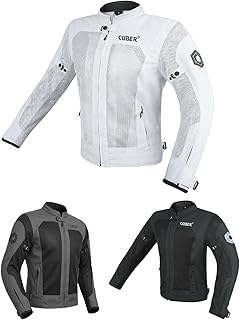
Top 10 Accessories
Curated picks for the Honda Hornet 750 — owned, ridden, recommended.




Common Problems
Test throttle response, check for ECU fault codes
Inspect tire wear pattern and remaining tread depth
Look for oil residue on fork lowers and stanchions
Inspect header welds and joints for cracks or leaks
✅Pre-Purchase Checklist
Generally solid, minor issues for a new platform
Full Specifications
Rivals & Alternatives
Bikes that buyers cross-shop with the Honda Hornet 750
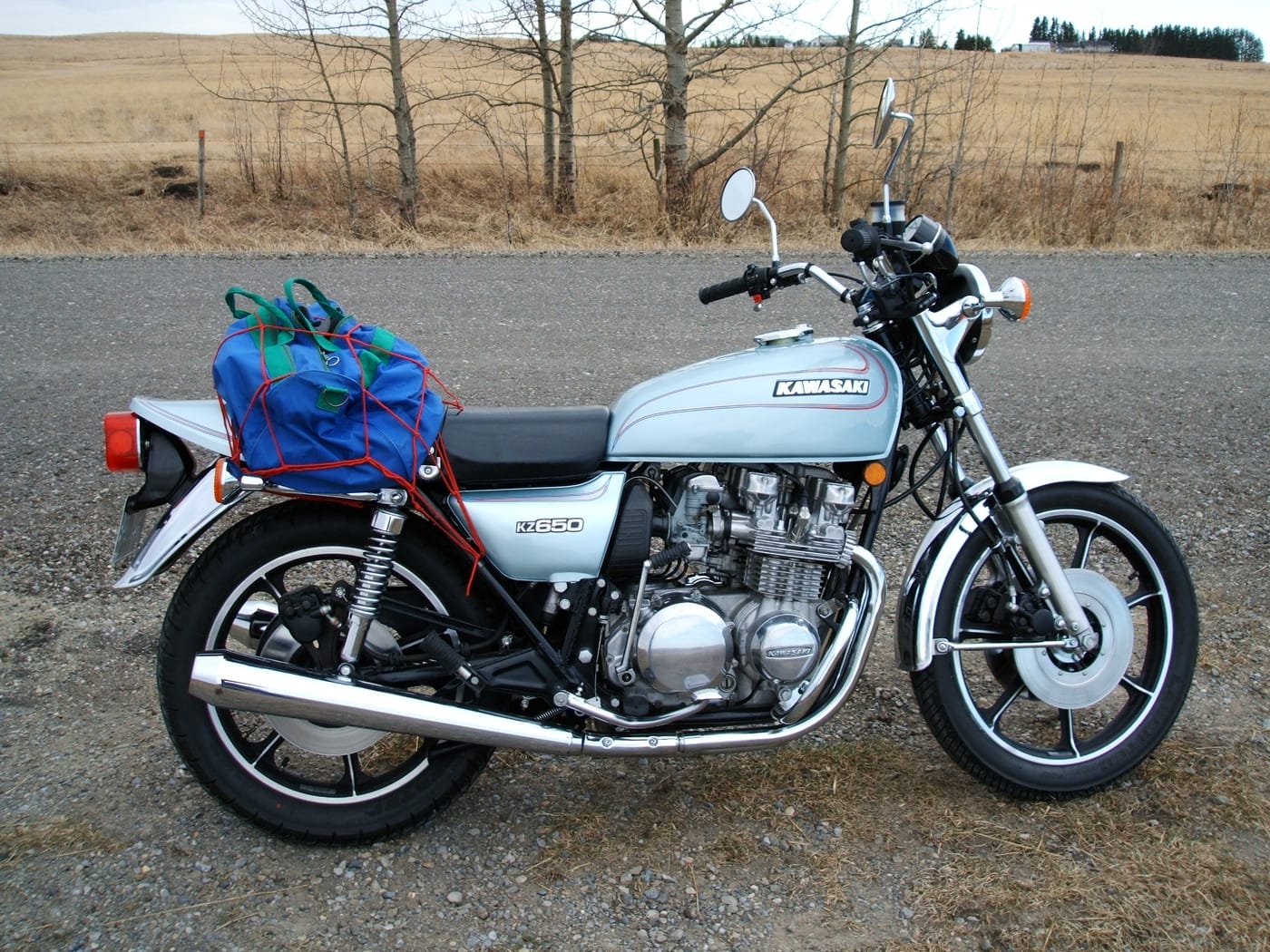
Kawasaki Z650
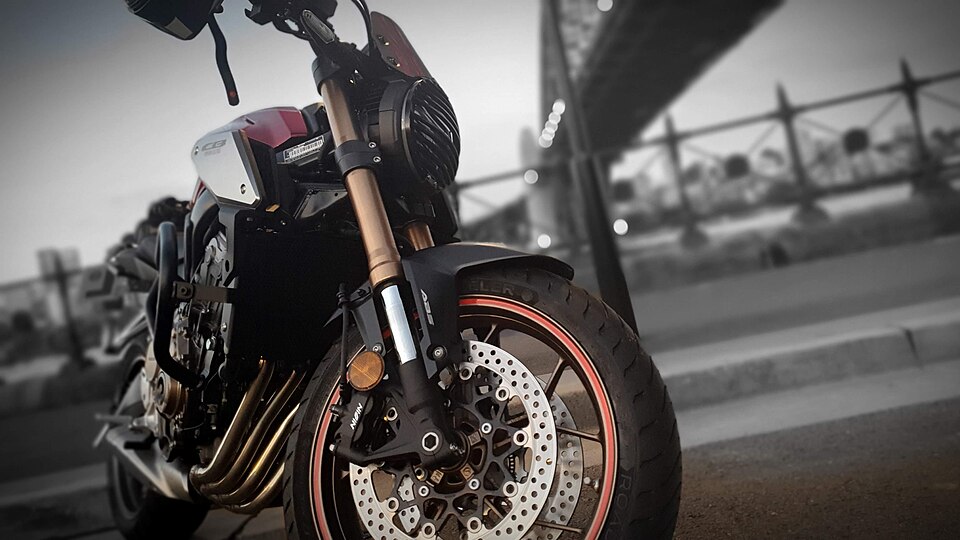
Honda Cb650r
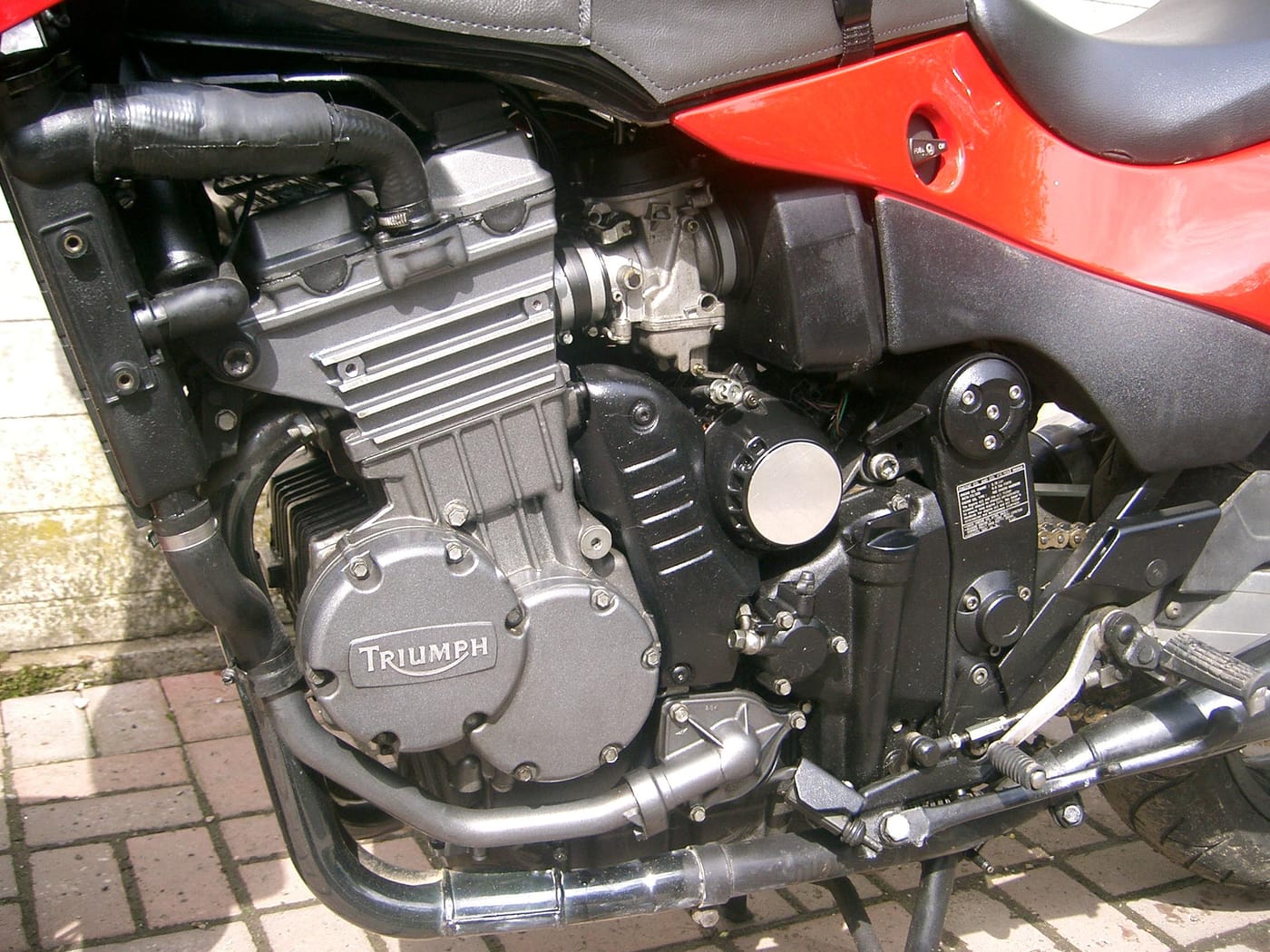
Triumph Trident 660
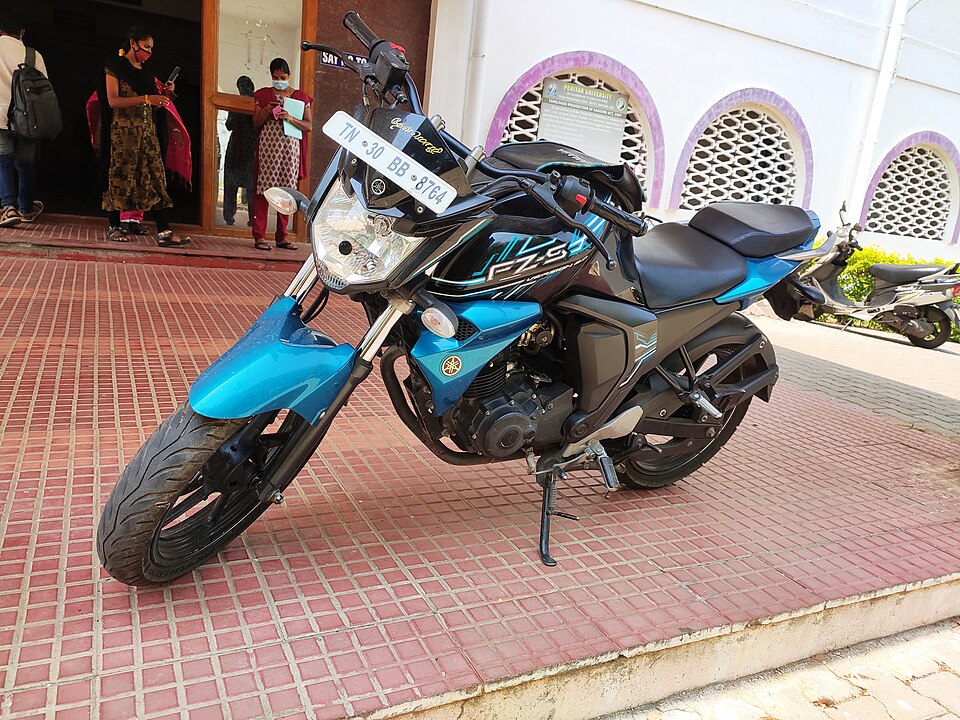
Yamaha Fz-07
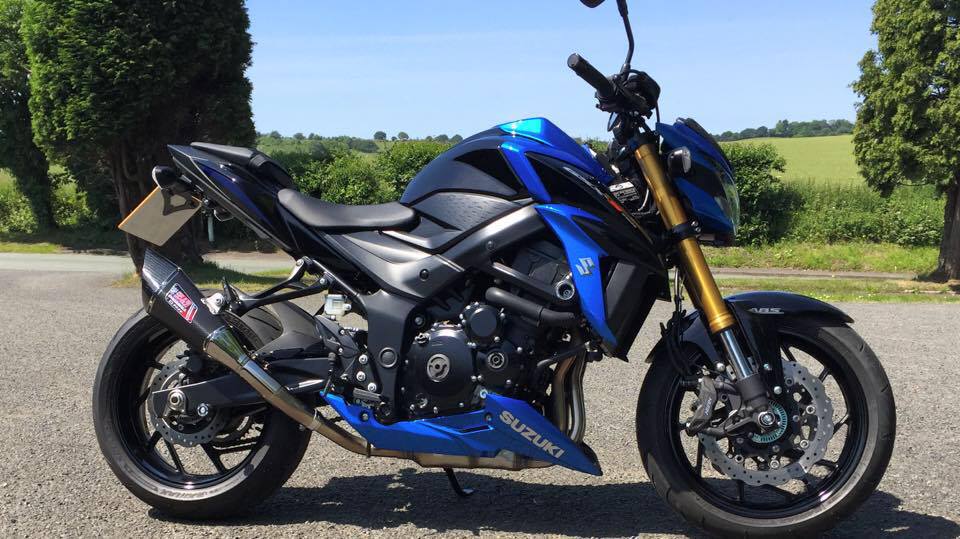
Suzuki Gsr750
Compare Honda Hornet 750 Side-by-Side
compare_arrowsSpecs, power, weight & buyer verdict — head-to-head with the bikes most often cross-shopped.
Honda Hornet 750 vs Kawasaki Z650
Specs · Power · Buyer verdict
Honda Hornet 750 vs Honda Cb650r
Specs · Power · Buyer verdict
Honda Hornet 750 vs Triumph Trident 660
Specs · Power · Buyer verdict
Honda Hornet 750 vs Yamaha Fz-07
Specs · Power · Buyer verdict
Honda Hornet 750 vs Suzuki Gsr750
Specs · Power · Buyer verdict
More Honda Hornet 750 Guides
More from Honda
View all Honda models →Community Reviews
Discussion
Frequently Asked Questions
What are common problems with the Honda Hornet 750? +
Throttle-by-wire glitches and software errors: Test throttle response, check for ECU fault codes (moderate) | Premature rear tire wear from aggressive tuning: Inspect tire wear pattern and remaining tread depth (minor) | Fork seal leaks on hard-ridden bikes: Look for oil residue on fork lowers and stanchions (moderate)
Is the Honda Hornet 750 a good motorcycle? +
A genuinely brilliant middleweight that rewards riders who push it. Rating: 8.5/10. Best for: Experienced riders wanting fun daily sports-naked. Avoid if: You need touring comfort or serious wind protection.
What is the horsepower of the Honda Hornet 750? +
The Honda Hornet 750 produces 92 hp @ 9,500 rpm, with 75 Nm @ 7,250 rpm of torque. Top speed: 210 km/h (estimated; Honda does not officially publish a top speed figure).
Is the Honda Hornet 750 good for beginners? +
Yes — the Honda Hornet 750 is a reasonable choice for new riders (92 hp is manageable), weighing 190 kg. Experienced riders wanting fun daily sports-naked
Is the Honda Hornet 750 reliable? +
The Honda Hornet 750 has no widely-reported critical reliability issues. 4 minor issues are documented — see the Common Problems section above.
Is the Honda Hornet 750 good for daily use? +
Experienced riders wanting fun daily sports-naked Fuel: 5.5 L/100km (approximately 18 km/L, typical real-world average).
How fast is the Honda Hornet 750? +
The Honda Hornet 750 reaches a top speed of 210 km/h (estimated; Honda does not officially publish a top speed figure), producing 92 hp at 190 kg curb weight. Real-world performance depends on rider weight, gearing, and road conditions.
What gear should I buy for a Honda Hornet 750? +
Motoryk has curated a Top 10 gear list specifically for the Honda Hornet 750, covering engine oil, tires, chain, battery, and brake pads — see motoryk.com/bikes/honda/hornet-750/top10. Each pick is matched to this bike's spec.