Honda Giorno 50
The Honda Giorno 50 has a top speed of ~60 km/h, produces ~3.3 hp and weighs ~79 kg. Motoryk rates it 7.5/10.
A Honda Giorno foi introduzida no Japão em 1992 como uma scooter de 50 cc de estilo retrô, projetada para atrair passageiros urbanos e ciclistas preocupados com a moda, inspirando-se na estética clássica das scooters italianas. Ele se tornou popular por sua aparência vintage distinta combinada com a engenharia confiável da Honda e passou por várias atualizações geracionais ao longo das décadas, com um modelo moderno de quarta geração (AF70) lançado por volta de 2015 com injeção de combustível e maior eficiência. Continua sendo um produto básico do mercado doméstico japonês, notável por combinar estilo nostálgico com praticidade moderna no segmento de scooters da classe kei.
~3.3 hp
Poder
~3.8 Nm
Torque
~79 kg
Peso
~60 km/h
Velocidade máxima
~1.3 L/100km or ~77 km/L (typical real-world average)
Combustível
Fairado
Corpo
🔧 Service Schedule & Parts
Affiliate · we may earn| Service item | Every | Typical cost | Parts |
|---|---|---|---|
| 🛢️ Engine oil + oil filter | 3,000 km / 2,000 mi or 6 mo | $20-40 | 🛢️ Buy → ⚙️ Buy → |
| 🌬️ Air filter | 6,000 km / 3,500 mi | — | 🌬️ Buy → |
| ⚡ Spark plugs | 6,000 km / 3,500 mi | — | ⚡ Buy → |
| 🛑 Brake pads | 10000-20000 km | $20-40 | 🛑 Buy → |
| 💧 Brake fluid | 24,000 km / 15,000 mi or 2 yr | — | |
| 🛞 Tires | 10000-15000 km | $80-150 | 🛞 Buy → |
| 🔩 Major service | 12,000 km / 7,500 mi | $150-300 |
Video Review
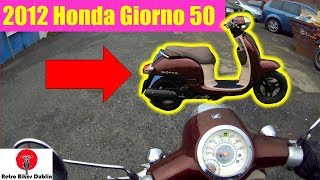
O que os compradores devem saber
Honda's Reliable Engine
The Giorno 50 uses Honda's proven 49cc 4-stroke engine, known for exceptional longevity with minimal maintenance. Many units easily surpass 20,000 km when properly serviced.
Watch the Variator
The CVT variator and drive belt are the most common wear items — inspect them carefully on used models, especially if the scooter hesitates or jerks during acceleration. Replacement is affordable but easy to overlook.
Strong Resale Value
The Giorno holds its value better than most 50cc scooters due to its retro styling and Honda badge, which remains highly desirable in urban markets. Limited availability in some regions further boosts used prices.
Gerações e especificações por ano
Design original de scooter retrô com motor de dois tempos de 49 cc, estilo clássico inspirado nas scooters italianas.
"Pequeno e charmoso fugitivo que ganha seu sustento diariamente."
Pedalei um Giorno de 95 como viajante urbano por dois anos e a coisa realmente me fez sorrir todas as manhãs: a Honda acertou em cheio as proporções e os detalhes cromados envelhecem lindamente. O motor de dois tempos sai da linha com nitidez por 50 cc, e atravessar o tráfego ao estilo de Tóquio a 45 km/h parece completamente natural em seu chassi estreito e vertical. Dito isso, a velocidade máxima declarada de 60 km/h é otimista em tudo menos em estradas planas com vento de cauda — o cruzeiro no mundo real fica em torno de 50-52 km/h, e colinas íngremes expõem os limites do motor de forma embaraçosamente rápida. A manutenção do óleo a dois tempos é um verdadeiro incômodo se você está acostumado com um motor de quatro tempos, e as partidas a frio no inverno exigem paciência, o motor nem sempre recompensa.
Prós
Contras
Atualizado com motor de 49 cc a quatro tempos com emissões mais rigorosas, o estilo refinado manteve a estética retrô.
"O viajante mais fofo que mal consegue suar a camisa."
A troca de quatro tempos da primeira geração foi a escolha certa: ela funciona de forma mais suave, não cheira a pré-mistura e, na verdade, começa a esfriar sem drama. Percorrer a cidade a 40 km/h é genuinamente encantador: o piso largo, a suspensão macia, a carroçaria retrô em forma de ovo que ainda chama a atenção vinte anos depois. Mas empurre-o para qualquer lugar perto da velocidade máxima de 60 km/h e você estará apertando as barras enquanto o motor grita como uma máquina de costura no liquidificador — não há mais nada reservado. O estrangulamento automático é exigente no inverno, o tambor traseiro exige um compromisso real de morder e esquecer as colinas com um passageiro; isso o envergonhará na frente do trânsito.
Prós
Contras
Foi introduzido um sistema revisado de injeção de combustível, painéis atualizados da estrutura e da carroceria, maior economia de combustível e conformidade com as emissões.
Motor eSP moderno de quatro tempos, motor de arranque ACG para ignição silenciosa, iluminação LED atualizada e sistema de parada em marcha lenta.
Avaliação do comprador usado
"Charming, reliable urban scooter that rewards patient, low-speed commuters."
$1,800-$3,500 usedThe Giorno 50 is Honda's style exercise dressed up as practical transport, and honestly it delivers on both counts better than you'd expect. That retro-rounded bodywork turns heads at coffee shops, but underneath sits Honda's bulletproof 49cc four-stroke single — these things genuinely last forever if the previous owner wasn't an idiot about oil changes. Buy one with receipts or walk away. Used examples cluster around the 2019-2023 era imports, mostly grey-market units from Japan or newer domestic models. Check the variator rollers and belt — they wear predictably around 8,000km and previous owners rarely bother. CVT shudder on takeoff is your warning sign. The underseat storage is genuinely useful, the ride quality is plush for a 10-inch wheel scooter, and fuel consumption borders on embarrassing in the best way possible. Reality check though: 50cc in modern traffic requires confidence and lane positioning skills. This isn't a highway machine, it's a neighbourhood-to-station commuter. Buy it for what it is and you'll love it.
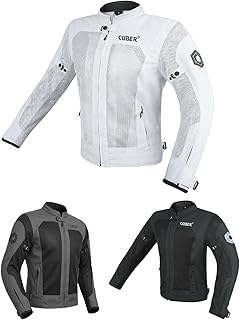
Top 10 Accessories
Curated picks for the Honda Giorno 50 — owned, ridden, recommended.




Problemas comuns
Rough idle, hesitation, hard starting on test ride
Sluggish acceleration, slipping, or jerky power delivery
Slow crank, dim lights, or no electric start
Inspect welds and flanges for cracks or discoloration
✅Lista de verificação de pré-compra
Very reliable if maintained, fragile when neglected
Full Specifications
Rivals & Alternatives
Bikes that buyers cross-shop with the Honda Giorno 50
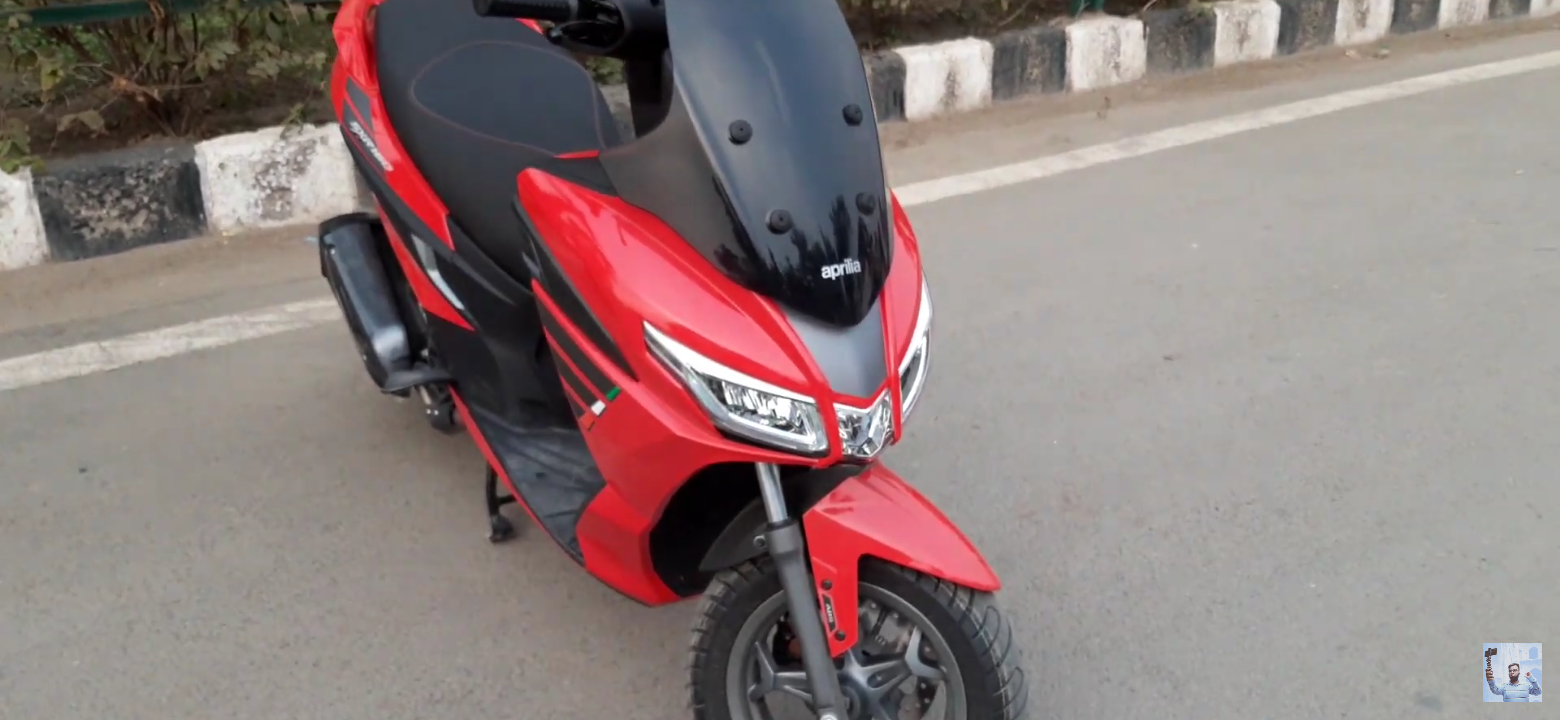
Aprilia Sr 50
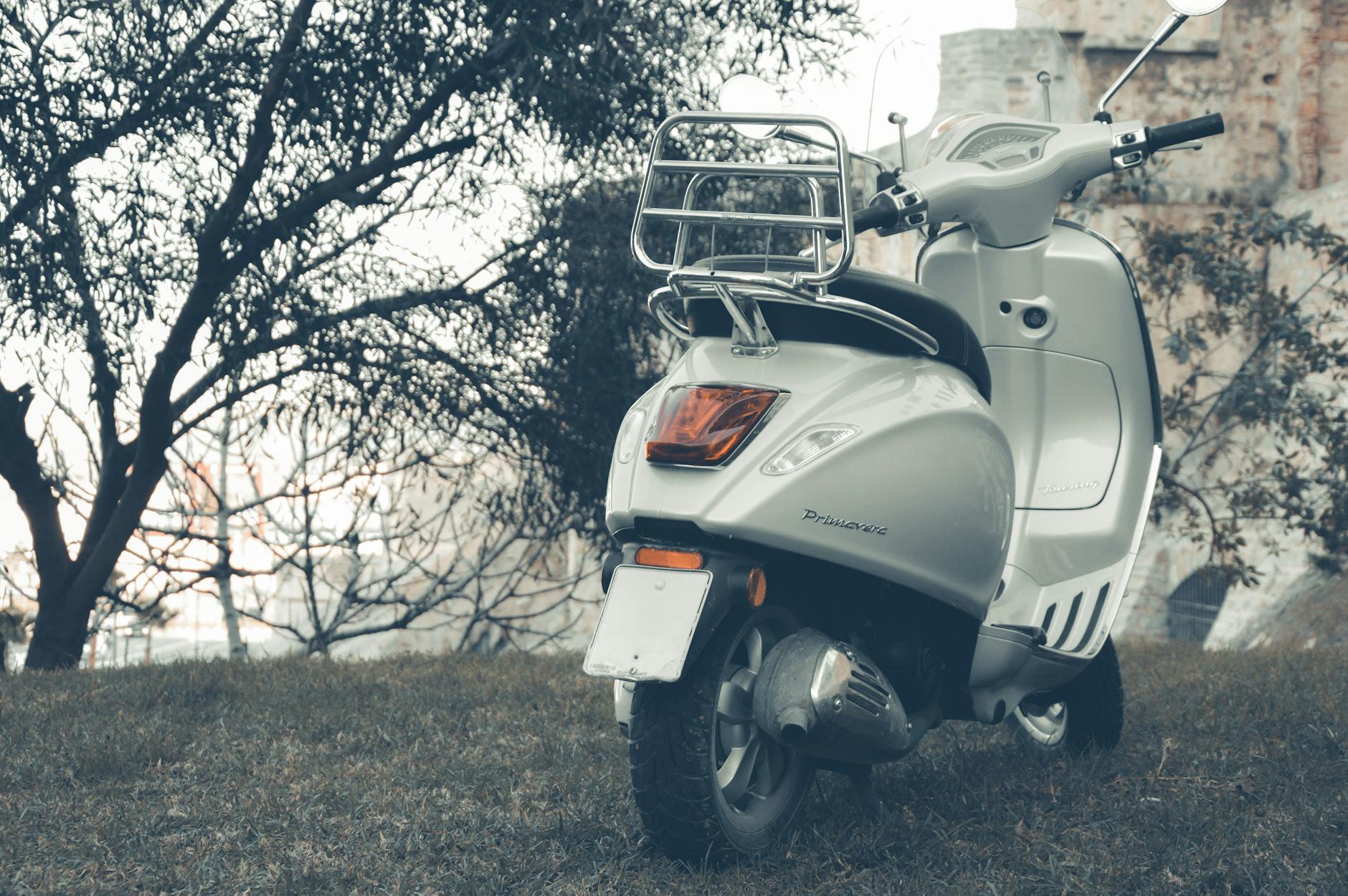
Piaggio Vespa Primavera 50
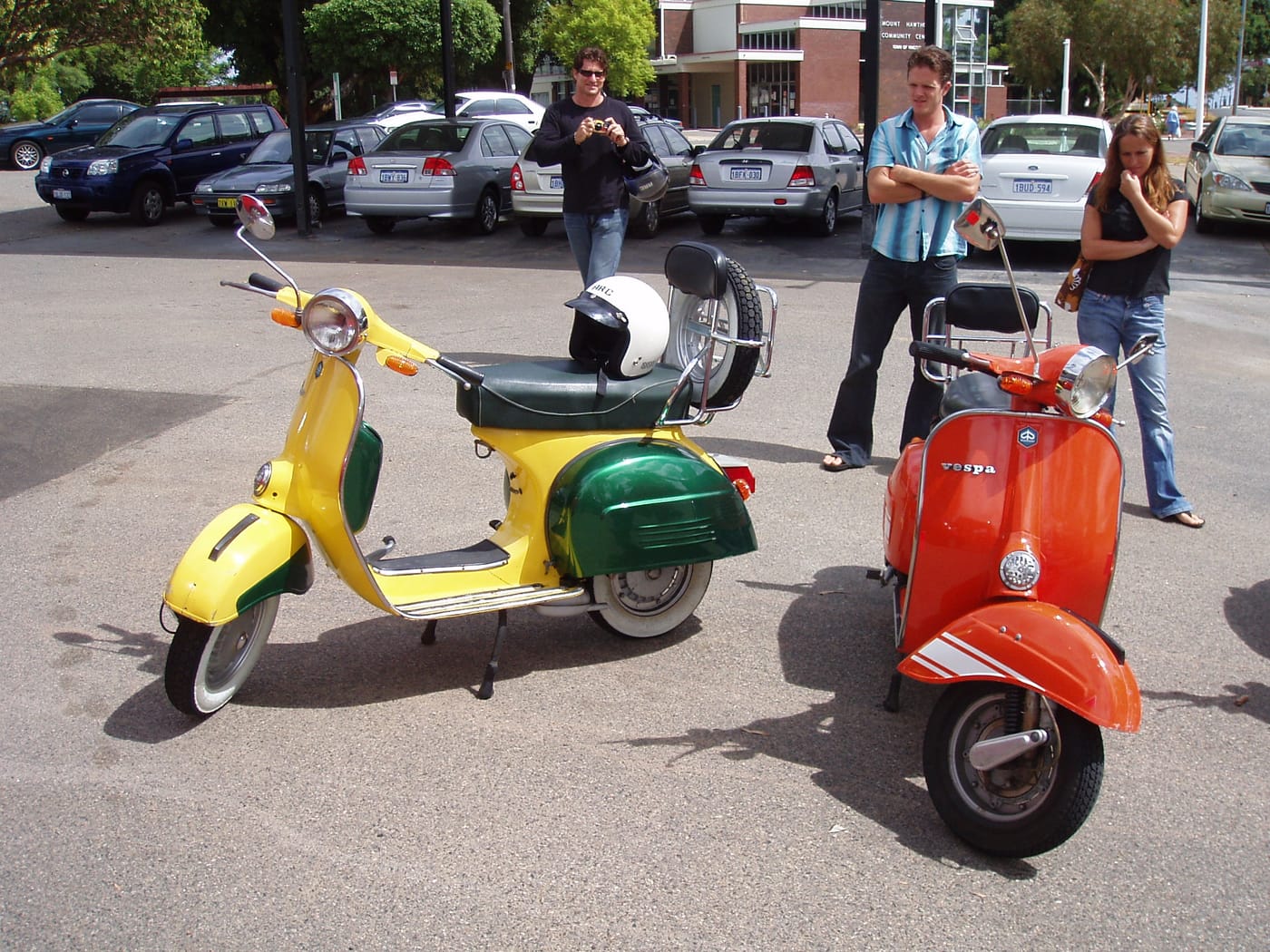
Piaggio Vespa Sprint 50
Piaggio Zip 50
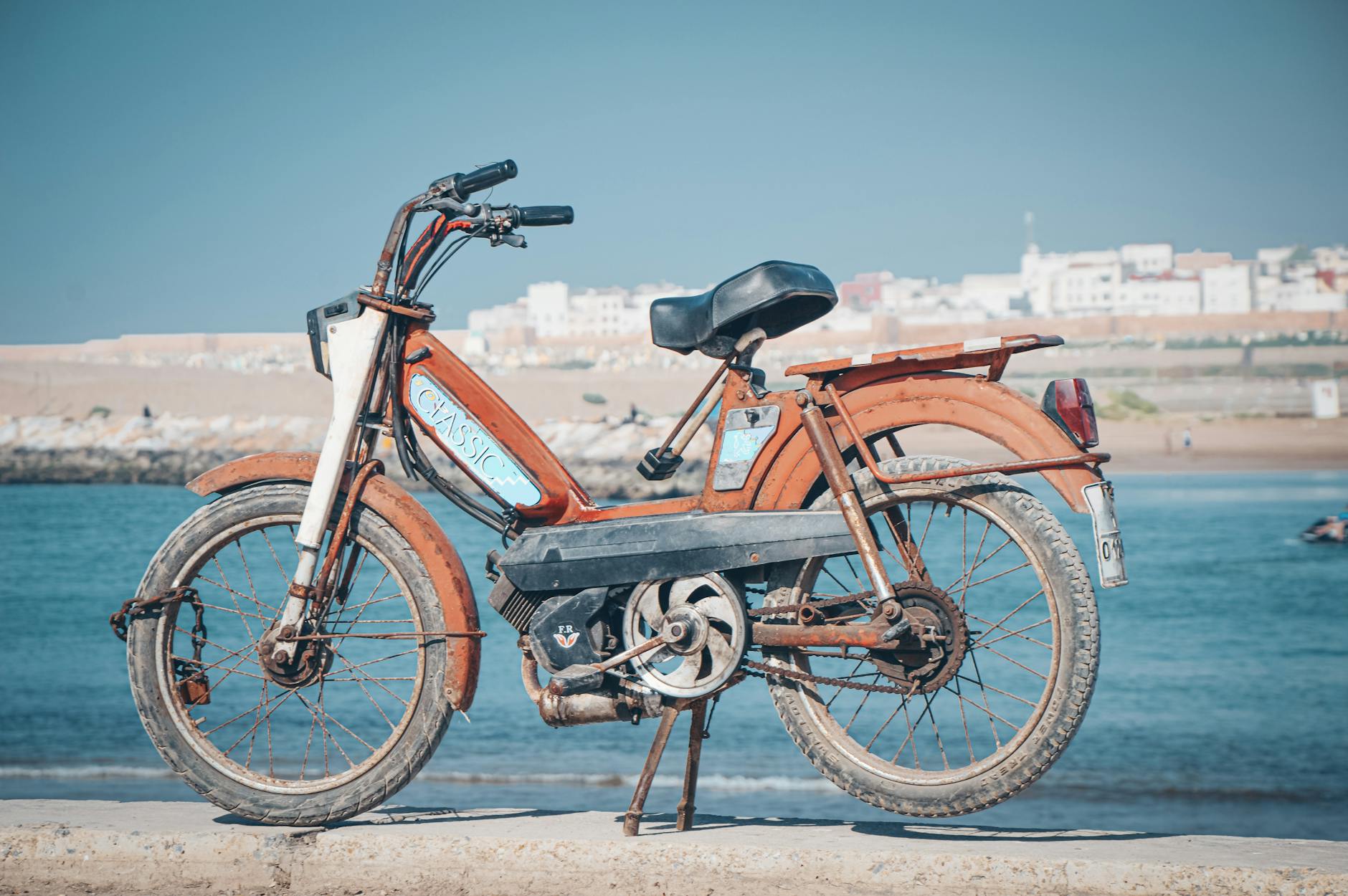
Peugeot Kisbee 50
Compare Honda Giorno 50 Side-by-Side
compare_arrowsSpecs, power, weight & buyer verdict — head-to-head with the bikes most often cross-shopped.
Honda Giorno 50 vs Aprilia Sr 50
Specs · Power · Buyer verdict
Honda Giorno 50 vs Piaggio Vespa Primavera 50
Specs · Power · Buyer verdict
Honda Giorno 50 vs Piaggio Vespa Sprint 50
Specs · Power · Buyer verdict
Honda Giorno 50 vs Piaggio Zip 50
Specs · Power · Buyer verdict
Honda Giorno 50 vs Peugeot Kisbee 50
Specs · Power · Buyer verdict
More Honda Giorno 50 Guides
More from Honda
View all Honda models →Community Reviews
Discussion
Honda Giorno 50 Videos
Frequently Asked Questions
What are common problems with the Honda Giorno 50? +
Carburetor clogging from old fuel: Rough idle, hesitation, hard starting on test ride (moderate) | Variator and drive belt wear: Sluggish acceleration, slipping, or jerky power delivery (moderate) | Corroded or weak battery: Slow crank, dim lights, or no electric start (minor)
Is the Honda Giorno 50 a good motorcycle? +
Charming, reliable urban scooter that rewards patient, low-speed commuters. Rating: 7.5/10. Best for: Urban commuters wanting stylish, fuss-free daily transport. Avoid if: You need arterial roads or highway capability.
What is the horsepower of the Honda Giorno 50? +
The Honda Giorno 50 produces ~3.3 hp @ 7,500 rpm (estimated; 2.4 kW rated output per Japanese domestic regulations), with ~3.8 Nm @ 6,000 rpm (estimated) of torque. Top speed: ~60 km/h.
Is the Honda Giorno 50 good for beginners? +
Yes — the Honda Giorno 50 is a reasonable choice for new riders (3.3 hp is manageable), weighing 79 kg. Urban commuters wanting stylish, fuss-free daily transport
Is the Honda Giorno 50 reliable? +
The Honda Giorno 50 has no widely-reported critical reliability issues. 4 minor issues are documented — see the Common Problems section above.
Is the Honda Giorno 50 good for daily use? +
Urban commuters wanting stylish, fuss-free daily transport Fuel: ~1.3 L/100km or ~77 km/L (typical real-world average).
How fast is the Honda Giorno 50? +
The Honda Giorno 50 reaches a top speed of ~60 km/h, producing 3.3 hp at 79 kg curb weight. Real-world performance depends on rider weight, gearing, and road conditions.
What gear should I buy for a Honda Giorno 50? +
Motoryk has curated a Top 10 gear list specifically for the Honda Giorno 50, covering engine oil, tires, chain, battery, and brake pads — see motoryk.com/bikes/honda/giorno-50/top10. Each pick is matched to this bike's spec.