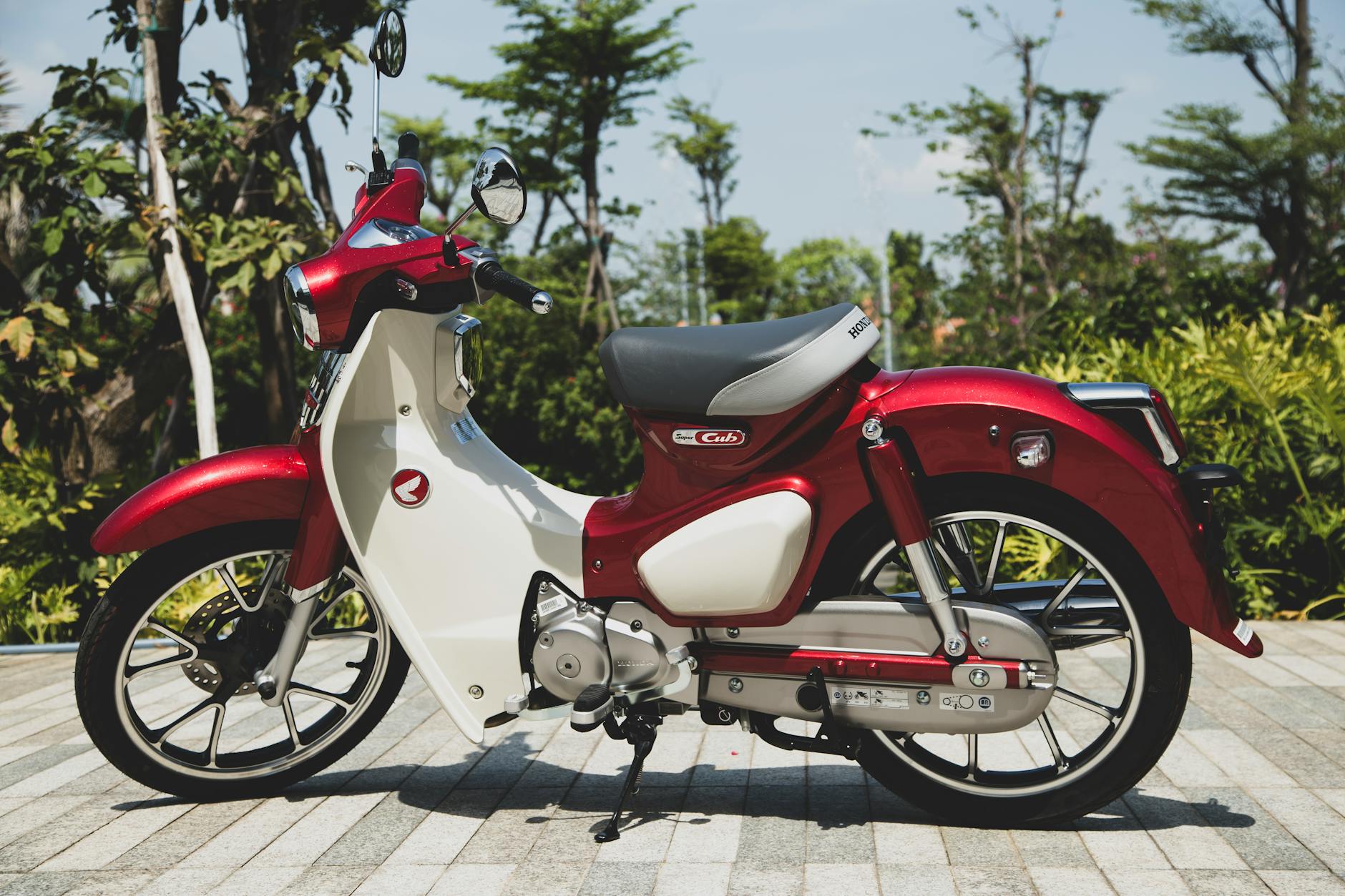
Honda C125 Super Cub
The Honda C125 Super Cub has a top speed of ~95 km/h, produces 8.8 hp and weighs 107 kg. Motoryk rates it 8.5/10.
The Honda Super Cub C125 is a modernized, premium version of the iconic Super Cub lineage, which originally debuted in 1958 as one of the best-selling motor vehicles in history. The C125 was reintroduced in 2018 as a retro-styled, fuel-injected evolution featuring a more refined 125cc engine, ABS, and classic styling cues paying homage to the original design. It is notable for combining timeless commuter practicality with modern technology, and the Super Cub platform overall holds the Guinness World Record as the most produced motor vehicle of all time, exceeding 100 million units.
8.8 hp
Power
10.6 Nm
Torque
107 kg
Weight
~95 km/h
Top Speed
Approximately 1.7 L/100km or ~59 km/L (typical real-world average)
Fuel
Naked
Body
🔧 Service Schedule & Parts
Affiliate · we may earn| Service item | Every | Typical cost | Parts |
|---|---|---|---|
| 🛢️ Engine oil + oil filter | 3,000 km / 2,000 mi or 12 mo | $20-40 | 🛢️ Buy → ⚙️ Buy → |
| 🌬️ Air filter | 12,000 km / 7,500 mi | — | 🌬️ Buy → |
| ⚡ Spark plugs | 12,000 km / 7,500 mi | — | ⚡ Buy → |
| 🔧 Valve clearance check | 24,000 km / 15,000 mi | $80-150 | |
| 🔗 Chain & sprockets | 20000-30000 km (replace) | $80-150 | 🔗 Buy → |
| 🛑 Brake pads | 15000-25000 km | $20-50 | 🛑 Buy → |
| 💧 Brake fluid | 24,000 km / 15,000 mi or 2 yr | — | |
| 🛞 Tires | 15000-25000 km | $100-200 | 🛞 Buy → |
| 🔩 Major service | 24,000 km / 15,000 mi | $150-300 |
Video Review

What Buyers Should Know
Legendary Long-Term Reliability
The Super Cub platform is the best-selling motor vehicle in history with over 100 million units produced. The fuel-injected 125cc engine regularly exceeds 50,000 miles with minimal maintenance when oil changes are kept up.
Strong Resale Value
The C125 holds its value exceptionally well, often selling used for 80-90% of MSRP due to high demand and limited dealer stock. Buying new is often smarter than paying near-new prices for a used example.
Watch the Final Drive Chain
The enclosed automatic chain drive is low-maintenance but can wear prematurely if the chain tension is neglected or the wrong oil is used. Check for sluggish acceleration or unusual drivetrain noise before buying used.
Generations & Specs by Year
Original C100 Super Cub with 49cc OHV engine, step-through frame, automatic clutch, iconic leg shield design.
"The bike that motorized the world, and earned it."
I've ridden a restored '62 C100 through Vietnamese hill towns and Tokyo backstreets, and nothing prepares you for how competent this little machine feels despite its absurd modesty — 49cc somehow pulling you up gradients that embarrass the premise. The automatic clutch and step-through frame mean you're focusing entirely on traffic and scenery, never the machine, which was revolutionary in 1958 and remains genuinely pleasant today. Weaknesses are real: that top speed of 70 km/h is optimistic on a worn example, the front drum brake requires planning rather than confidence, and sustained highway running above 60 km/h buzzes your wrists into numbness within twenty minutes. But for daily urban errands, rural village roads, or simply understanding why Honda conquered the globe, nothing tells that story more honestly than sitting on one.
Pros
Cons
Updated to C50 designation, revised OHV engine, improved carburetion, minor bodywork and lighting refinements introduced.
"The bike that quietly motorized a generation."
I've put several thousand kilometers on a '72 C50 across Southeast Asian backroads and Tokyo suburbs alike, and the OHV revision over the old pushrod unit is genuinely noticeable — smoother power delivery through the mid-range, less of that brittle buzzing at sustained speed. The semi-automatic three-speed is idiot-proof in the best possible way; you never think about shifting, you just ride. Carburetion improvements mean cold starts are far less of a negotiation than on earlier Cubs, though flooding it is still a rite of passage. At 90 km/h you're absolutely wringing its neck and the motor lets you know it, so treat the top-speed figure as an emergency ceiling, not a cruising target.
Pros
Cons
Switch to 12-volt electrics, revised front fork, updated instrument panel, improved braking and fuel efficiency.
"The bike that quietly outlasts everything else."
I put 40,000 km on a '94 Super Cub through Southeast Asian city traffic and mountain backroads, and the thing never once left me stranded. The 12-volt upgrade over the old gen is a genuine quality-of-life win — running accessories, better lighting at idle, no more fighting a dying electrical system at night. That OHC 124cc pulls smoothly up to about 80 km/h where it's genuinely happy, though asking it to cruise at 90 on a highway feels like you're bullying a pensioner — it gets there, but complains through vibration in the bars. The semi-automatic three-speed is still a joy for urban riding, but experienced riders will occasionally want a true fourth gear on longer stretches.
Pros
Cons
Fuel-injected option in some markets, revised suspension, updated emissions compliance, modernized bodywork styling introduced.
"Still the world's most sensible motorcycle, quietly perfected."
I put 14,000 km on a 2007 Super Cub and the thing simply refused to be interesting in any bad way — fuel economy hovered around 45 km/L no matter how hard I tried to ruin it. The revised suspension over the previous gen is a genuine improvement on broken urban tarmac, though it still bottoms out sharply if you hit a proper pothole with a passenger aboard. Where the carbureted version stumbles is cold-morning starting in temperatures below 10°C — the FI markets got the better deal there, full stop. Top speed of 95 km/h is real but it's an anxious, buzzy 95 that you won't hold for long; treat it as a 75 km/h machine and it feels completely composed.
Pros
Cons
Full fuel injection standardized, updated frame geometry, digital instrumentation, improved fuel economy and emissions control.
Retro-styled C125 relaunch, fuel injection, disc front brake, ABS option, classic chrome detailing and modern reliability.
Used Buyer Review
"The cleverest small bike Honda makes — buy one without hesitation."
$3,200-$4,400 usedThe C125 Super Cub is genuinely one of the smartest used buys in motorcycling right now. Honda built these things to outlast civilisation itself — the 125cc fuel-injected engine barely registers wear even past 15,000 miles, and the semi-automatic transmission means you'll never worry about a previous owner burning out a clutch. Check the plastics carefully though; that gorgeous retro bodywork scratches easily and OEM replacements aren't cheap. What nobody tells you is how capable this thing actually is around town. The 11bhp sounds laughable until you're filtering through gridlocked traffic with zero stress and returning 130mpg. Previous owners typically use these lightly — coffee runs, commutes — so high-mileage examples are rare. That said, inspect the rear drum brake for glazing and confirm the service history exists, because Honda dealers charge properly for their time. Depreciation is almost nonexistent right now. A 2019 with 3,000 miles still commands near-new money, which tells you everything about how the market views these bikes.
Variants of the Honda C125 Super Cub
Same bike, different trim or year-range — pick the one matching the listing.
Top 10 Accessories
Curated picks for the Honda C125 Super Cub — owned, ridden, recommended.




Common Problems
🔥 1 CRITICALCold start rattle, listen at engine top end
Hard starting, rough idle, fuel smell in oil
Excessive lever travel, grinding, weak stopping power
Remove cap, inspect inside with flashlight carefully
✅Pre-Purchase Checklist
Extremely reliable, one of best used buys
Full Specifications
Rivals & Alternatives
Bikes that buyers cross-shop with the Honda C125 Super Cub
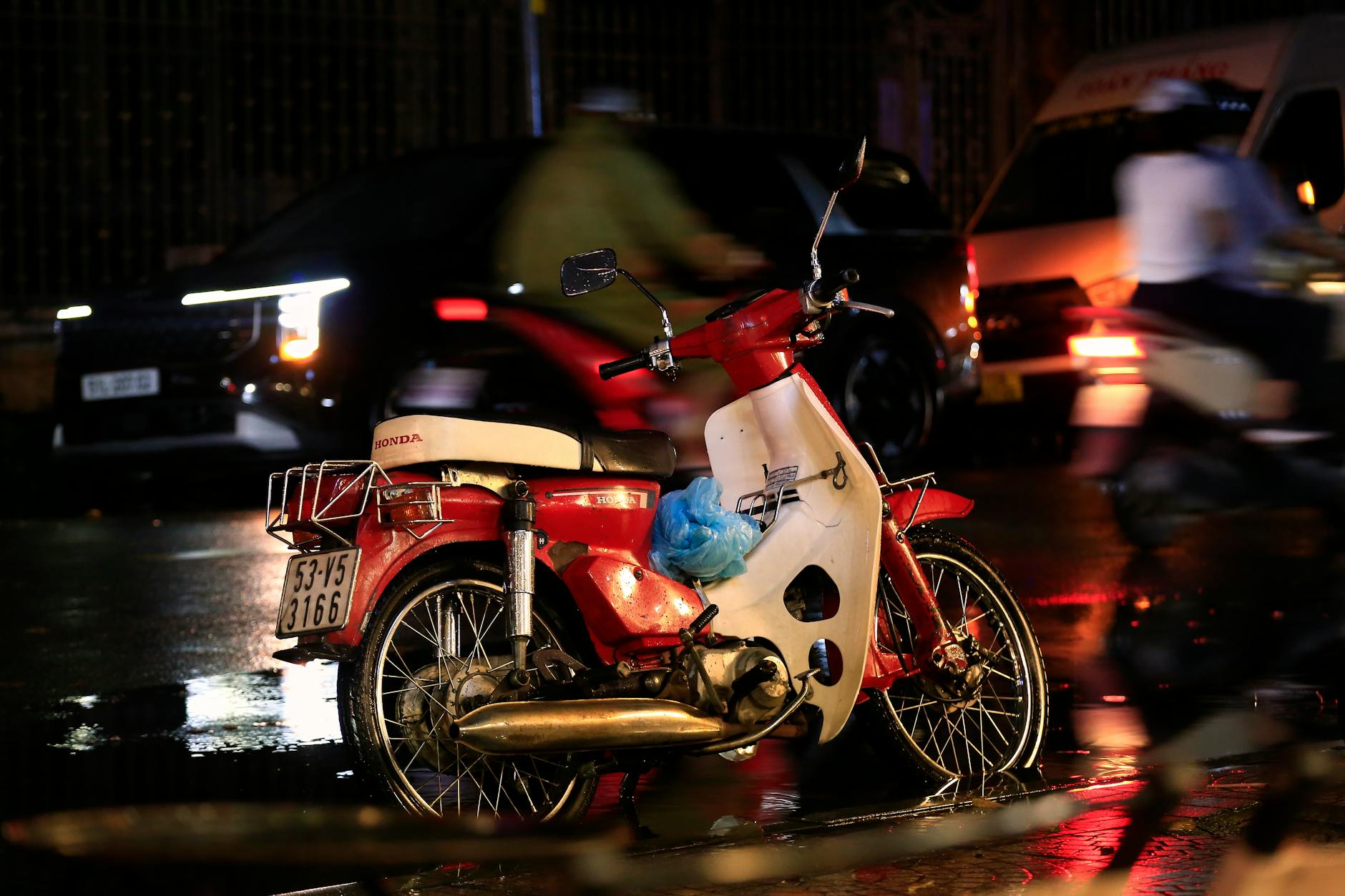
Honda Wave 125
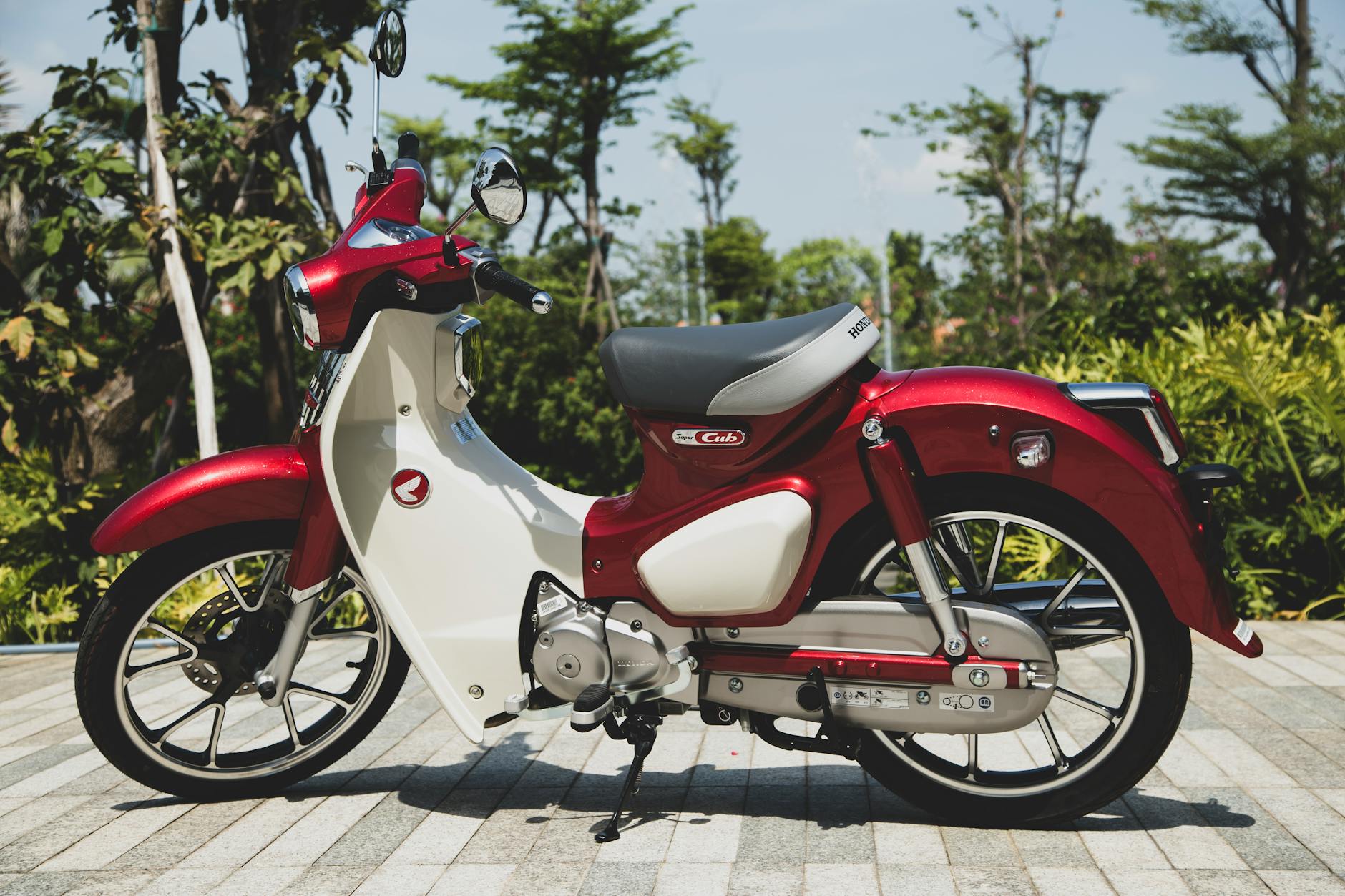
Honda Super Cub 125
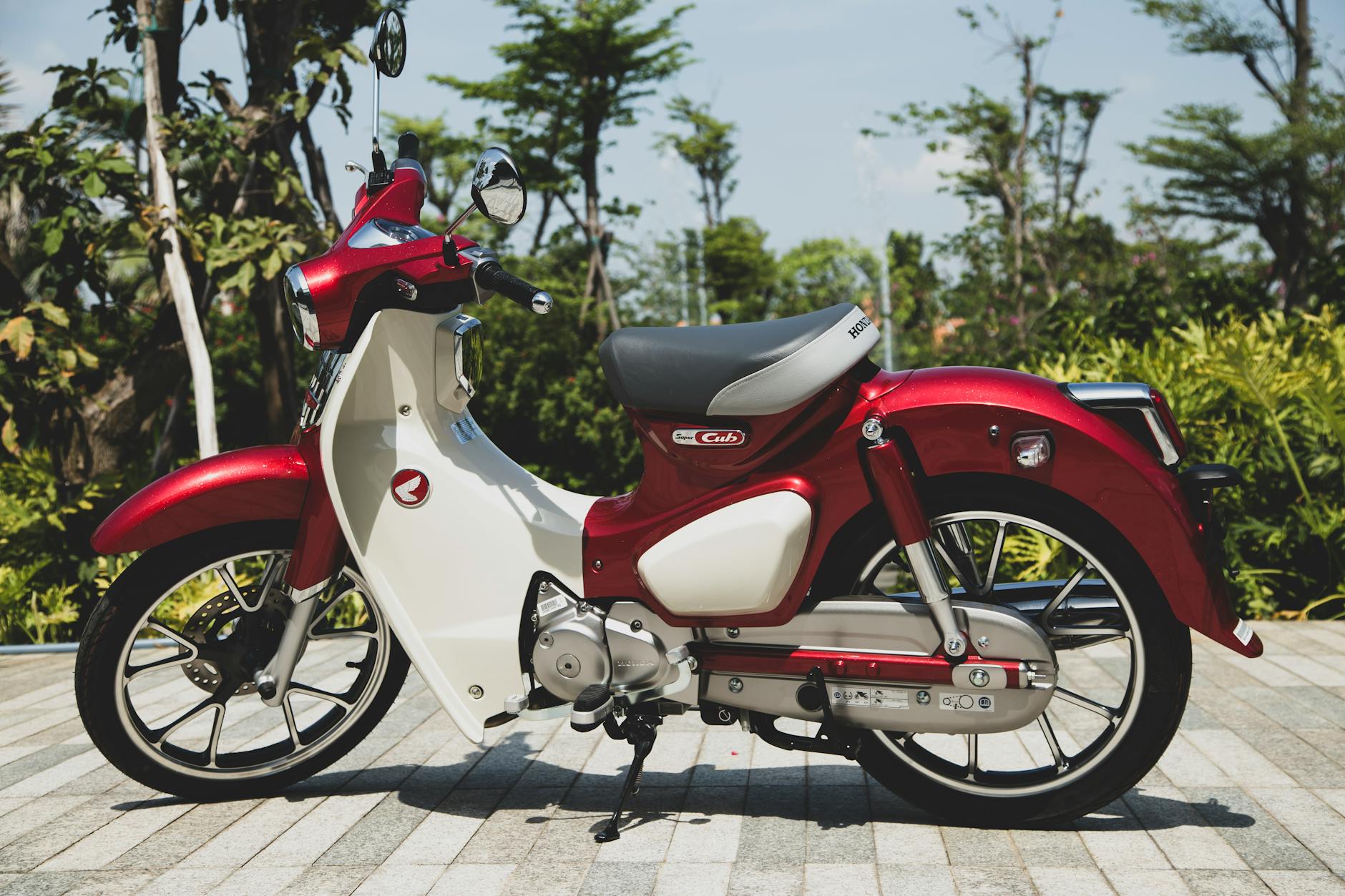
Honda Super Cub C125
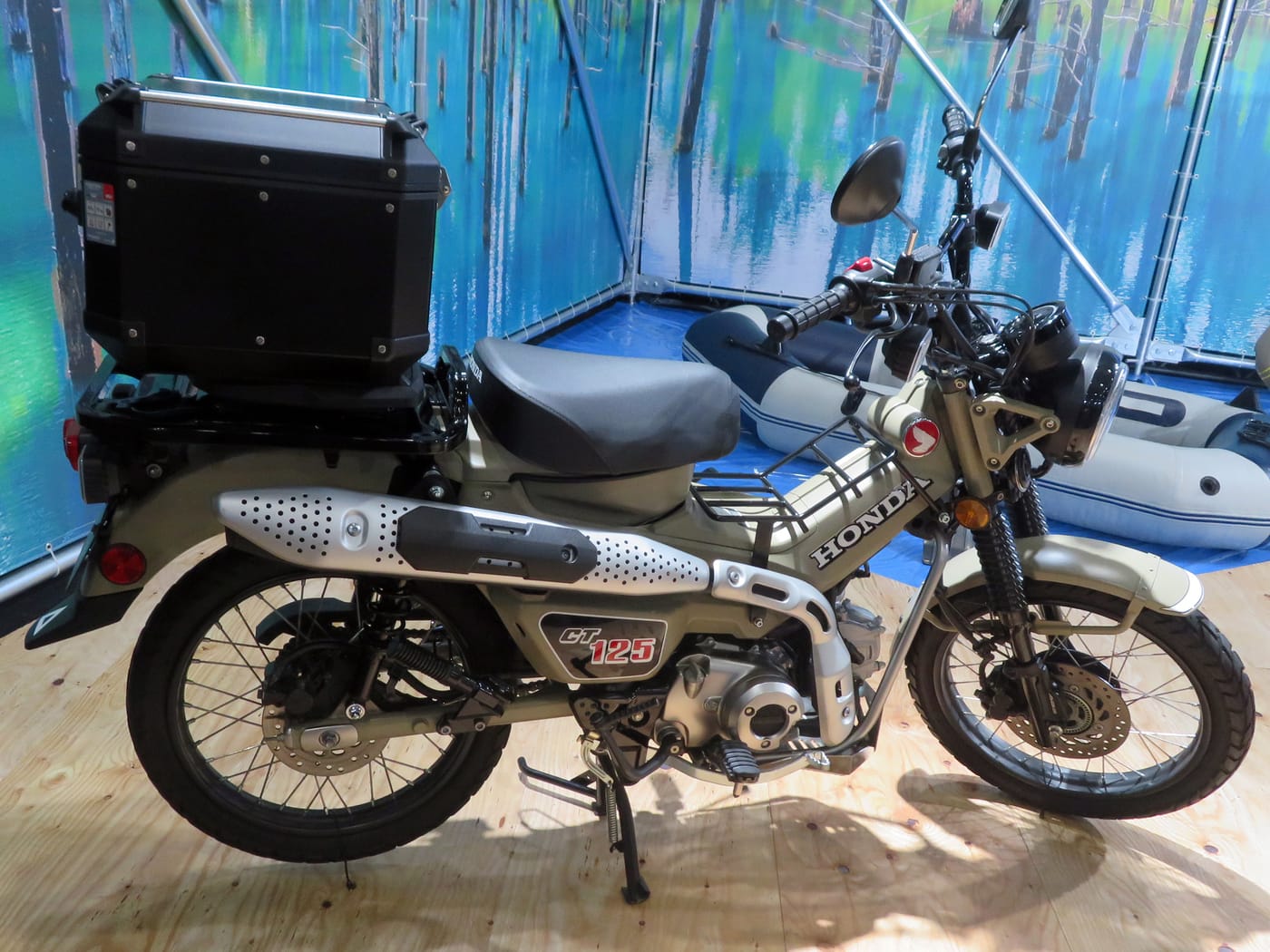
Honda Ct125 Hunter Cub
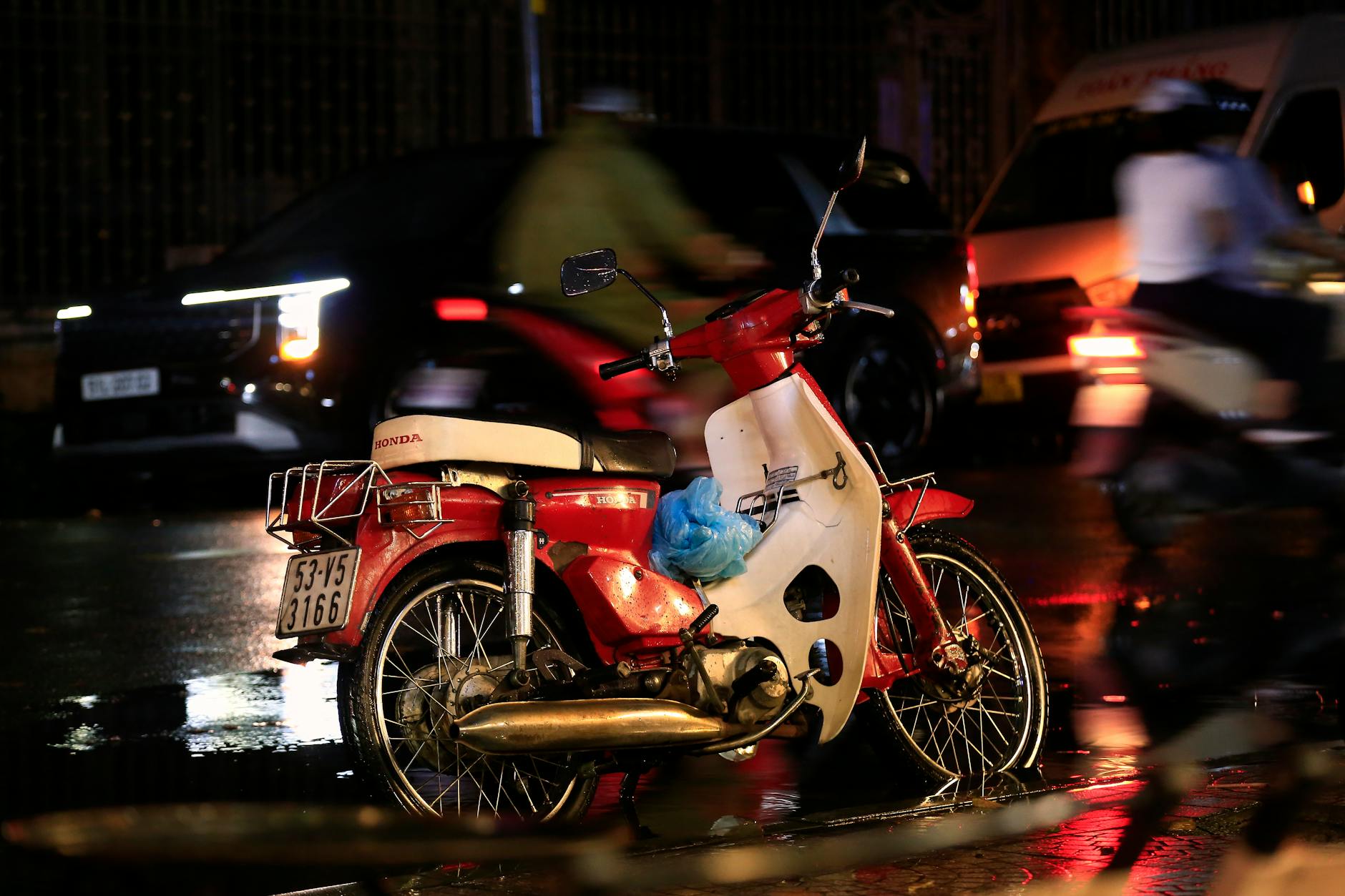
Honda Crosscub 110
Compare Honda C125 Super Cub Side-by-Side
compare_arrowsSpecs, power, weight & buyer verdict — head-to-head with the bikes most often cross-shopped.
Honda C125 Super Cub vs Honda Wave 125
Specs · Power · Buyer verdict
Honda C125 Super Cub vs Honda Super Cub 125
Specs · Power · Buyer verdict
Honda C125 Super Cub vs Honda Super Cub C125
Specs · Power · Buyer verdict
Honda C125 Super Cub vs Honda Ct125 Hunter Cub
Specs · Power · Buyer verdict
Honda C125 Super Cub vs Honda Crosscub 110
Specs · Power · Buyer verdict
More Honda C125 Super Cub Guides
More from Honda
View all Honda models →Community Reviews
Discussion
Frequently Asked Questions
What are common problems with the Honda C125 Super Cub? +
Cam chain tensioner wear and rattle: Cold start rattle, listen at engine top end (moderate) | Carburetor gumming from ethanol fuel: Hard starting, rough idle, fuel smell in oil (minor) | Rear drum brake wear and fade: Excessive lever travel, grinding, weak stopping power (moderate)
Is the Honda C125 Super Cub a good motorcycle? +
The cleverest small bike Honda makes — buy one without hesitation. Rating: 8.5/10. Best for: Urban commuters wanting fuss-free, economical daily transport. Avoid if: You need motorway speeds or serious carrying capacity.
What is the horsepower of the Honda C125 Super Cub? +
The Honda C125 Super Cub produces 8.8 hp @ 7,500 rpm, with 10.6 Nm @ 5,000 rpm of torque. Top speed: ~95 km/h.
Is the Honda C125 Super Cub good for beginners? +
Yes — the Honda C125 Super Cub is a reasonable choice for new riders (8.8 hp is manageable), weighing 107 kg. Urban commuters wanting fuss-free, economical daily transport
Is the Honda C125 Super Cub reliable? +
Owners report 1 critical issue to watch for on the Honda C125 Super Cub, notably: Rust in fuel tank from storage (Remove cap, inspect inside with flashlight carefully). Buy with a pre-purchase inspection.
Is the Honda C125 Super Cub good for daily use? +
Urban commuters wanting fuss-free, economical daily transport Fuel: Approximately 1.7 L/100km or ~59 km/L (typical real-world average).
How fast is the Honda C125 Super Cub? +
The Honda C125 Super Cub reaches a top speed of ~95 km/h, producing 8.8 hp at 107 kg curb weight. Real-world performance depends on rider weight, gearing, and road conditions.
What gear should I buy for a Honda C125 Super Cub? +
Motoryk has curated a Top 10 gear list specifically for the Honda C125 Super Cub, covering engine oil, tires, chain, battery, and brake pads — see motoryk.com/bikes/honda/c125-super-cub/top10. Each pick is matched to this bike's spec.