Harley-davidson Electra Glide Standard
The Harley-davidson Electra Glide Standard has a top speed of 175 km/h, produces 67 hp and weighs 371 kg. Motoryk rates it 7.5/10.
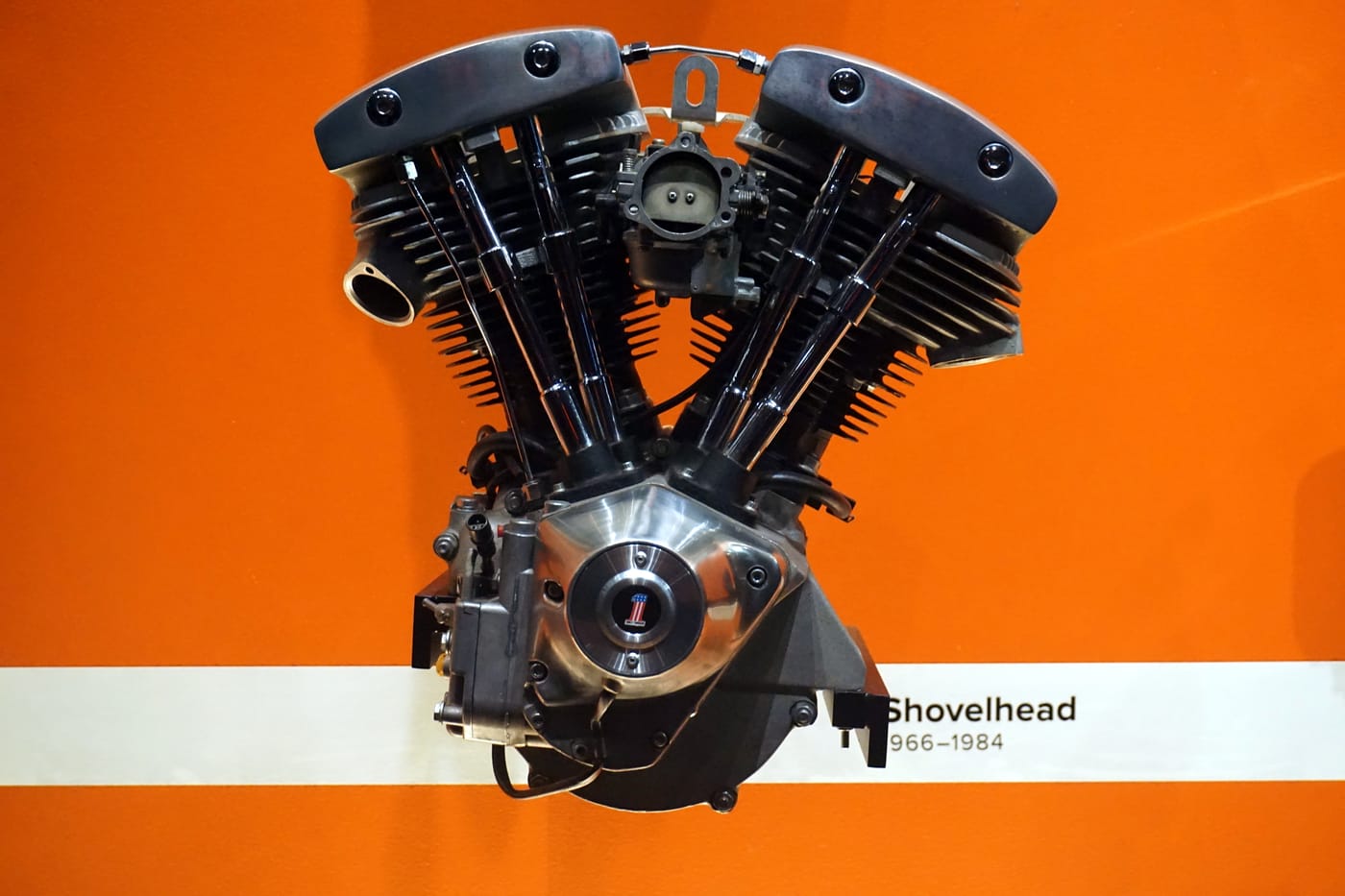
The Harley-Davidson Electra Glide was introduced in 1965, marking a milestone as the first Harley to feature an electric starter, revolutionizing the touring segment. It evolved through multiple engine generations including the Shovelhead, Evolution, and Twin Cam powerplants, establishing itself as the quintessential American touring motorcycle. The Electra Glide Standard became an icon of long-distance cruising and is closely associated with American highway culture, famously used by law enforcement agencies across the United States.
67 hp
Power
113 Nm
Torque
371 kg
Weight
175 km/h
Top Speed
5.5 L/100km (approximately 18 km/L, based on Twin Cam 88 era real-world average)
Fuel
Faired
Body
🔧 Service Schedule & Parts
Affiliate · we may earn| Service item | Every | Typical cost | Parts |
|---|---|---|---|
| 🛢️ Engine oil + oil filter | 8,000 km / 5,000 mi or 12 mo | $80-150 | 🛢️ Buy → ⚙️ Buy → |
| 🌬️ Air filter | 16,000 km / 10,000 mi | — | 🌬️ Buy → |
| ⚡ Spark plugs | 16,000 km / 10,000 mi | — | ⚡ Buy → |
| 🔧 Valve clearance check | 16,000 km / 10,000 mi | $300-600 | |
| 🛑 Brake pads | 20000-35000 km | $60-120 | 🛑 Buy → |
| 💧 Brake fluid | 24,000 km / 15,000 mi or 2 yr | — | |
| 🛞 Tires | 15000-25000 km | $300-500 | 🛞 Buy → |
| 🔩 Major service | 16,000 km / 10,000 mi | $400-800 |
Video Review
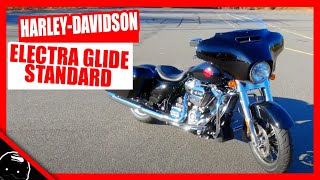
What Buyers Should Know
Twin-Cam Engine Watch
Earlier Twin-Cam 88/96 models (1999–2016) are known for cam chain tensioner wear, which can become costly if ignored. Budget for an inspection or upgrade when buying used.
Strong Resale Value
Electra Glide models consistently hold 60–70% of their value after three years, outperforming most touring competitors. Harley's loyal brand following keeps demand steady in the used market.
Batwing Fairing Advantage
The iconic batwing fairing provides exceptional wind and weather protection for long-distance touring, reducing rider fatigue significantly. It also houses a robust infotainment system on newer models.
Generations & Specs by Year
Introduced as first electric-start FL, Panhead engine, replaced hand-shift kickstart predecessors.
"The electric leg that changed American touring forever."
That Shovelhead thumps through your boots and into your spine in a way no modern engine bothers to anymore — it's agricultural, loud, and completely honest about what it is. The electric starter feels almost miraculous if you've ever kicked a hot Panhead into submission on a July afternoon, and that alone made this bike revolutionary for working riders doing real miles. At 318 kg you feel every pound in slow parking-lot maneuvers, and the drum brakes require planning well ahead — this thing does not stop like anything built after 1990. Oil leaks are a given, not a possibility, so park on gravel and keep a rag tucked under the seat.
Pros
Cons
Shovelhead engine adopted, improved alternator charging system, retained fiberglass fairing and saddlebags.
"Thunderous American iron, but bring your wrenches."
The Shovelhead swap over the Panhead made a genuine difference you feel in the seat — torque hits harder off idle, and that 1207cc lump pulls highway grades without the old engine's breathless complaints. I logged close to 8,000 miles on a '71 across two summers, and the alternator upgrade actually kept the battery alive, which sounds like a low bar until you remember what came before. That said, 318 kilos is not a small number when you're muscle-walking this thing out of a gas station at a bad angle, and oil consumption was a weekly conversation rather than an annual one. The fiberglass fairing genuinely earned its keep on long interstate slogs, cutting wind fatigue better than anything else in its class at the time, but vibration above 110 km/h turns your hands into a numb mess inside an hour.
Pros
Cons
Longer front forks, disc front brake introduced 1973, boat-tail rear styling briefly adopted then revised.
"A magnificent bruiser that demands respect and patience."
Spent two summers putting serious miles on a '76 Electra Glide and came away with grease under my nails and genuine affection for the thing. The Shovelhead pulls hard from 2,500 rpm with a chest-thumping authority that modern touring bikes still can't quite replicate emotionally, but it also runs hot enough between your legs in July traffic to feel like a punishment. That longer front fork geometry genuinely steadied the highway cruise compared to the earlier Panhead Glides — at 110 km/h it tracks like a freight train on familiar pavement, though any mid-corner surprise becomes a negotiation rather than a correction. The '73 disc brake was progress on paper, but early examples were grabby and wooden in the wet, and the boat-tail styling Harley briefly bolted on was so universally despised that owners were stripping it off in dealership parking lots before they got home.
Pros
Cons
First year of AMF-era end, Shovelhead continued, improved frame rigidity, new owner Harley independence.
"Freedom from AMF, but Shovelhead gremlins remained."
Riding the '82 Electra Glide out of the dealership felt like buying into a promise — Harley's independence from AMF genuinely meant something to the faithful, and you could sense renewed pride in the fit and finish over earlier examples. The Shovelhead's 1340cc pulled with real authority from 2,500 rpm, that torque surge at highway speeds making the 318 kilos feel almost manageable on long interstate slabs. But let's be honest: the primary chain needed adjustment every 3,000 miles, the top-end oiled my right boot reliably by lunch, and that 'improved frame rigidity' was a relative term — high-speed sweepers still demanded respect and both hands. It's a highway cruiser that rewards patient owners who know their way around a wrench, not weekend warriors expecting Japanese reliability.
Pros
Cons
Evolution V2 engine debuted 1984, vastly improved reliability, oil leaks reduced, modern electrical system.
"The Evo finally made Harley's promise real."
After years of babysitting Shovelheads with oil rags and optimism, the Evolution engine felt like a genuine revelation — I put 40,000 miles on my '87 Standard without a single major mechanical failure, which would have been unthinkable a decade earlier. The torque curve is fat and lazy in the best possible way; you lug it through city traffic at 1,800 rpm and it just pulls, no drama, no complaint. That 330 kg wet weight is honest and you feel every pound at parking-lot speeds, but once you're rolling, the bike settles into a planted, unhurried confidence that genuinely eats interstate miles. The fairing and hard bags aren't pretty in a modern sense, but they work — wind protection is real, and I've ridden this thing through Wyoming in October without freezing.
Pros
Cons
Twin Cam 88 engine introduced, fuel injection available, improved chassis and suspension componentry.
"The Twin Cam finally gave this barge a soul."
The Twin Cam 88 transformed what was becoming a dinosaur — low-end grunt arrives early and stays honest, pulling 330 kilograms of touring iron with genuine authority through mountain sweepers where the older Evo would've felt strained. Fuel injection, when you spec it, eliminates the cold-start fumbling rituals I'd come to dread on winter mornings in Montana; carbureted models still need patience below 40°F. Handling is better than the weight suggests but don't fool yourself — this isn't a canyon carver, it's a continent-eater, and at sustained interstate speeds the fairing tucks you in like a leather armchair. The early Twin Cams do run hot and the primary chain tensioner issue is real; budget for that fix before 40,000 miles or you'll be learning about it roadside.
Pros
Cons
Twin Cam 96 engine, new six-speed Cruise Drive transmission, revised frame and suspension geometry.
"The Twin Cam 96 finally made the Electra Glide honest."
After 40,000 miles on a 2009 Standard, I can tell you the Twin Cam 96 is the engine this bike always deserved — that 130 Nm hits low and stays strong through highway pulls without the labored breathing of the old 88. The six-speed Cruise Drive gearbox transformed two-up interstate runs; sixth gear drops revs noticeably and fuel consumption actually becomes tolerable for a 363 kg machine. That weight, though, is not a number you abstract away — parking lot maneuvers and any off-camber stop will test your resolve and your left knee, full stop. The suspension geometry revisions helped highway stability, but the stock shocks still go vague after 500 miles of loaded touring and need replacing before you trust the bike in fast sweepers.
Pros
Cons
Twin Cam 103 engine standard, Project Rushmore updates, improved infotainment, fairing aerodynamics revised.
Milwaukee-Eight 107 engine, single counterbalancer, improved thermal management, refined ride comfort significantly.
Used Buyer Review
"Reliable American iron that earns its keep on long hauls."
$8,000-$18,000 usedThe Electra Glide Standard is essentially a stripped-down touring rig, and that's exactly where its charm lies. You get the twin-cam or Milwaukee-Eight grunt depending on year, a proper windscreen, and hard bags without paying for the Premium's bells and whistles. Pre-owned examples are everywhere, which is both a blessing and a warning — inspect the front forks for leaks, check the primary chain tensioner on older twin-cams, and look hard at whether the previous owner dropped it in a parking lot. They all get dropped eventually. Riding one feels like commanding a leather sofa that somehow does 90mph comfortably. Highway miles disappear effortlessly, the torque is real and usable, and parts availability is genuinely excellent. Budget roughly $300-500 annually for consumables and you'll be fine. Just don't expect canyon carving — this thing wants straight roads, good coffee, and zero schedule.
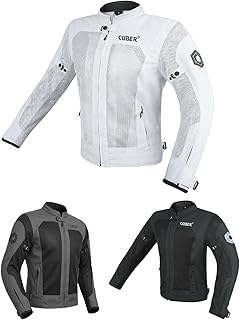
Top 10 Accessories
Curated picks for the Harley-davidson Electra Glide Standard — owned, ridden, recommended.




Common Problems
🔥 1 CRITICALListen for chain slap, inspect primary cover for oil seepage
Ticking noise at startup, ask for service history on tensioners
Check battery voltage, inspect connector blocks under fairing
Oil residue on fork tubes, soft or spongy brake feel
✅Pre-Purchase Checklist
Solid tourer; maintain religiously, avoid neglected examples
Full Specifications
Rivals & Alternatives
Bikes that buyers cross-shop with the Harley-davidson Electra Glide Standard
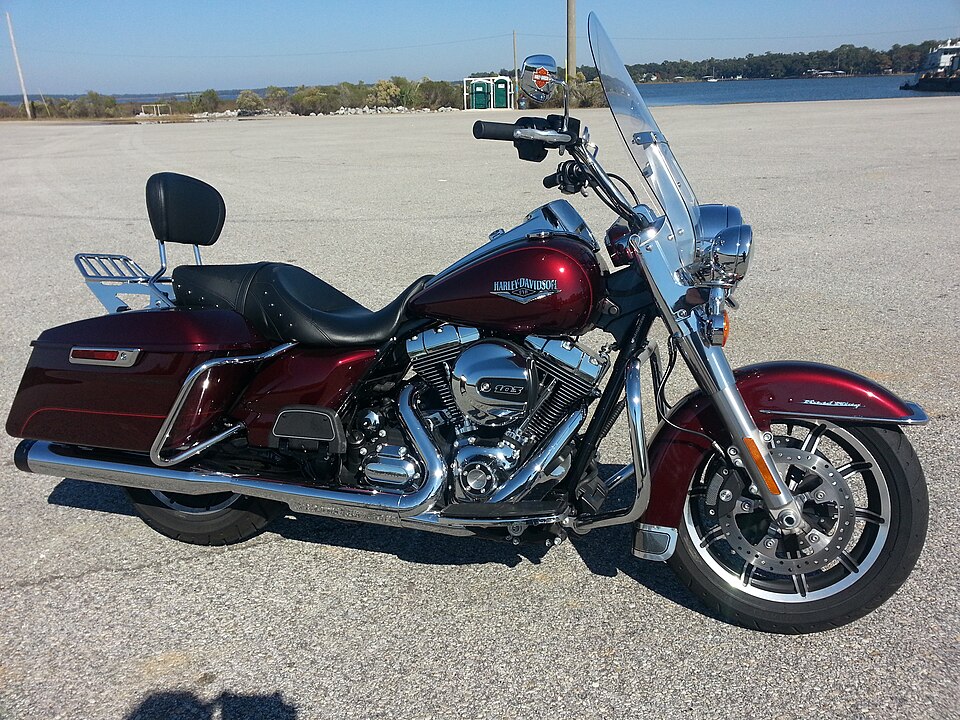
Harley-davidson Road King
Harley-davidson Electra Glide Ultra
Harley-davidson Ultra Limited
Harley-davidson Electra Glide Classic
Harley-davidson Ultra Classic Electra Glide
Compare Harley-davidson Electra Glide Standard Side-by-Side
compare_arrowsSpecs, power, weight & buyer verdict — head-to-head with the bikes most often cross-shopped.
Harley-davidson Electra Glide Standard vs Harley-davidson Road King
Specs · Power · Buyer verdict
Harley-davidson Electra Glide Standard vs Harley-davidson Electra Glide Ultra
Specs · Power · Buyer verdict
Harley-davidson Electra Glide Standard vs Harley-davidson Ultra Limited
Specs · Power · Buyer verdict
Harley-davidson Electra Glide Standard vs Harley-davidson Electra Glide Classic
Specs · Power · Buyer verdict
Harley-davidson Electra Glide Standard vs Harley-davidson Ultra Classic Electra Glide
Specs · Power · Buyer verdict
More Harley-davidson Electra Glide Standard Guides
More from Harley-davidson
View all Harley-davidson models →Community Reviews
Discussion
Frequently Asked Questions
What are common problems with the Harley-davidson Electra Glide Standard? +
Primary chain tensioner wear and oil leaks: Listen for chain slap, inspect primary cover for oil seepage (moderate) | Cam chain tensioner failure on Twin Cam models: Ticking noise at startup, ask for service history on tensioners (serious) | Electrical connector corrosion and charging issues: Check battery voltage, inspect connector blocks under fairing (moderate)
Is the Harley-davidson Electra Glide Standard a good motorcycle? +
Reliable American iron that earns its keep on long hauls. Rating: 7.5/10. Best for: Long-distance riders wanting fuss-free touring comfort. Avoid if: You prioritize handling agility over straight-line comfort.
What is the horsepower of the Harley-davidson Electra Glide Standard? +
The Harley-davidson Electra Glide Standard produces 67 hp @ 5,200 rpm, with 113 Nm @ 3,500 rpm of torque. Top speed: 175 km/h.
Is the Harley-davidson Electra Glide Standard good for beginners? +
Not really — the Harley-davidson Electra Glide Standard is better for experienced riders. Long-distance riders wanting fuss-free touring comfort Avoid if: You prioritize handling agility over straight-line comfort
Is the Harley-davidson Electra Glide Standard reliable? +
Owners report 1 critical issue to watch for on the Harley-davidson Electra Glide Standard, notably: Cam chain tensioner failure on Twin Cam models (Ticking noise at startup, ask for service history on tensioners). Buy with a pre-purchase inspection.
Is the Harley-davidson Electra Glide Standard good for daily use? +
Long-distance riders wanting fuss-free touring comfort Fuel: 5.5 L/100km (approximately 18 km/L, based on Twin Cam 88 era real-world average).
How fast is the Harley-davidson Electra Glide Standard? +
The Harley-davidson Electra Glide Standard reaches a top speed of 175 km/h, producing 67 hp at 371 kg curb weight. Real-world performance depends on rider weight, gearing, and road conditions.
What gear should I buy for a Harley-davidson Electra Glide Standard? +
Motoryk has curated a Top 10 gear list specifically for the Harley-davidson Electra Glide Standard, covering engine oil, tires, chain, battery, and brake pads — see motoryk.com/bikes/harley-davidson/electra-glide-standard/top10. Each pick is matched to this bike's spec.