Harley-davidson Electra Glide Ultra
The Harley-davidson Electra Glide Ultra has a top speed of 177 km/h (estimated; electronically limited on some variants), produces 90 hp and weighs 417 kg. Motoryk rates it 7.8/10.
The Harley-Davidson Electra Glide Ultra Classic was introduced in 1989 as a top-tier touring motorcycle, building on the original Electra Glide lineage that dates back to 1965. It distinguished itself with full fairing, a large front fairing with an inner fairing, CB radio, cruise control, and a rear passenger intercom system, setting the benchmark for long-distance touring comfort. Over the decades it evolved through multiple engine generations — from the Evolution (Evo) V-twin to the Twin Cam 88/103 and eventually the Milwaukee-Eight 107/114 — cementing its status as one of the most iconic and feature-rich touring motorcycles in the world.
90 hp
Power
142 Nm
Torque
417 kg
Weight
177 km/h (estimated; electronically limited on some variants)
Top Speed
6.5 L/100km (approx. 15.4 km/L) — estimated real-world average; note: varies by engine generation and riding conditions
Fuel
Faired
Body
🔧 Service Schedule & Parts
Affiliate · we may earn| Service item | Every | Typical cost | Parts |
|---|---|---|---|
| 🛢️ Engine oil + oil filter | 8,000 km / 5,000 mi or 12 mo | $60-120 | 🛢️ Buy → ⚙️ Buy → |
| 🌬️ Air filter | 16,000 km / 10,000 mi | — | 🌬️ Buy → |
| ⚡ Spark plugs | 16,000 km / 10,000 mi | — | ⚡ Buy → |
| 🔧 Valve clearance check | 24,000 km / 15,000 mi | $300-600 | |
| 🛑 Brake pads | 20000-35000 km | $80-150 | 🛑 Buy → |
| 💧 Brake fluid | 16,000 km / 10,000 mi or 2 yr | — | |
| 🧊 Coolant | 40,000 km / 25,000 mi | — | |
| 🛞 Tires | 15000-25000 km | $300-500 | 🛞 Buy → |
| 🔩 Major service | 24,000 km / 15,000 mi | $400-900 |
Video Review
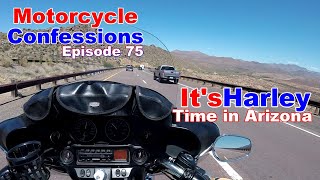
What Buyers Should Know
Strong Resale Value
Electra Glide Ultra models consistently retain 60-70% of their value after 5 years, outperforming most touring competitors. Limited production years and brand loyalty keep demand high in the used market.
Watch the Cam Chain
Twin Cam 88/96 engines (1999–2016) are known for cam chain tensioner wear, which can lead to costly engine damage if ignored. Always request service records confirming this was addressed or upgraded.
Full Touring Tech Package
The Ultra comes factory-equipped with a fairing-mounted infotainment system, CB radio, intercom, and heated grips — features rivals often charge extra for. This makes it one of the most road-ready touring bikes out of the box.
Generations & Specs by Year
Original Electra Glide name introduced; 74ci Panhead replaced mid-1965 by Shovelhead engine.
"A landmark bruiser that demands patience and respect."
The name 'Electra Glide' landed in 1965 with all the subtlety of a freight train — electric start was genuinely revolutionary for a big V-twin at the time, and after years of kick-starting a 74-inch Panhead until your leg gave out, that button felt like witchcraft. The Shovelhead that replaced the Pan mid-'65 breathed better and pulled harder up top, but it also introduced a whole new vocabulary of oil leaks and heat management headaches; summer riding in traffic means scorched right calf and a bike that drinks oil like it's billing by the mile. At highway speeds the thing is remarkably planted and the fairing actually works, carving out a bubble of calm that lets you think — but ask it to hustle through a corner and 363 kilos of American iron reminds you exactly who's in charge. This is a machine you negotiate with, not command.
Pros
Cons
Cone Shovelhead engine; front disc brake added 1972; AMF ownership era styling and updates.
"Big, slow, leaky — but genuinely unforgettable American iron."
I put 4,000 miles on a '74 Ultra and came away with grease on my jeans and a complicated kind of respect for it. The Shovelhead's torque pulls hard below 3,500 rpm and the bike just lopes down the interstate with a rhythm no modern motor replicates, but past 140 km/h the vibration turns your hands numb and the whole fairing starts a sympathetic shimmy that makes you back off. AMF-era build quality is the elephant in the room — I lost an oil line fitting in Nebraska, the primary chain needed adjustment every 500 miles, and the electrics are a Jackson Pollock of questionable splices. That said, the seat is genuinely comfortable for an eight-hour day, the fairing actually works, and when everything holds together it feels like piloting a slow, magnificent barge across the American continent.
Pros
Cons
Shovelhead continued post-AMF; revised frame geometry; improved reliability under new Harley ownership.
"Flawed American icon finally finding its feet."
I put about 18,000 miles on an '82 Ultra over three years, and the difference from the AMF-era bikes is real but not miraculous — the new ownership tightened tolerances and the thing actually held oil where it was supposed to, which felt like a revolution at the time. That Shovelhead still runs rough below 2,500 rpm and vibrates your fillings loose on the highway, but somewhere around 60 mph it finds a rhythm and you stop noticing the shake. Hauling two-up with a loaded Tour-Pak across the Ozarks, this bike is genuinely in its element — the fairing kills wind blast and the torque pulls hills without drama. Just budget for a full service every 5,000 miles and carry a basic tool kit, because the Shovelhead is not a machine that rewards neglect.
Pros
Cons
Evolution engine introduced 1984; major reliability improvement; FLHTC Ultra trim package added 1989.
"Evo engine saved Harley's soul — finally."
The Evolution motor changed everything — I put 40,000 miles on a '86 Ultra and it never left me stranded the way my old Shovelhead did, not once. Torque arrives low and stays there, and that 97 Nm pulls the whole 363-kilogram slab out of corners with surprising dignity. The fairing and lowers genuinely earn their keep on an all-day interstate grind, keeping wind blast and rain off your chest in a way nothing else in 1986 could match at this price. That said, 363 wet kilos is an honest conversation with gravity every time you nudge it off the sidestand on a crowned road shoulder, and the four-speed gearbox feels agricultural next to contemporary Japanese tourers.
Pros
Cons
Ultra Classic trim formalized; fairing-mounted CB radio, intercom, cassette stereo standard.
"The definitive American long-hauler, warts and all."
I put 22,000 miles on an '93 Ultra Classic over three years, and the Evo motor's torque between 2,500 and 4,000 rpm is genuinely addictive — crack the throttle on a two-lane highway and it just pulls, no drama, no revving. The fairing cuts wind so effectively that 10-hour days feel survivable, and the CB radio plus intercom made two-up touring with my wife actually pleasant rather than a pantomime of shouted nonsense. That said, 362 kg is not an abstraction — I dropped it twice in parking lots, once onto a fellow rider's Honda, and moving it at low speed demands full attention and a firm grip on dignity. Oil consumption, primary chain adjustment every few thousand miles, and the fact that 48 horsepower simply runs out of enthusiasm above 140 km/h kept this firmly in the 'comfortable cruiser' box rather than anything resembling a sportbike.
Pros
Cons
Twin Cam 88 engine introduced 1999; fuel injection optional then standard; frame and chassis refinements.
"The gold standard of long-haul American touring, warts included."
The Twin Cam 88B was a genuine turning point — smoother than the old Evo, with those balance shafts actually taming the vibration enough to keep your hands from going numb on a 600-mile day. That 113 Nm torque hit low and hard, so you're rolling through mountain sweepers on throttle alone, barely touching the gearbox. But 371 kg is not a number, it's a commitment — drop it in a gas station at 2 mph and you'll need a friend and a bruised ego to get it back up. Early carbureted models could stumble in cold weather until the carb warmed through; the fuel-injected versions from 2001 onward sorted that, and honestly if you're buying one now, hold out for FI.
Pros
Cons
Project Rushmore precursor updates; Twin Cam 96 engine; six-speed Cruise Drive transmission introduced.
"The last old-school Glide before comfort became science."
The Twin Cam 96 pulled hard enough that I stopped caring about the horsepower number — 128 Nm at 3,000 rpm means you're rolling on throttle before most bikes even wake up. Six-speed Cruise Drive transformed highway stints; sixth gear drops revs noticeably and the difference on a 500-mile day is real, not marketing. That said, 380 kg is honest weight you feel in parking lots and slow U-turns, and the stock seat starts lying to you around hour four. Wind protection from the fairing is genuinely excellent, but heat soak from the air-cooled 96 in traffic is something you negotiate with, especially in summer jeans.
Pros
Cons
Project Rushmore redesign; improved fairing, Boom! Box infotainment, reflex linked brakes, Twin Cam 103.
Milwaukee-Eight 107/114 engine; new frame; improved ride, thermal management, and handling dynamics.
Fully redesigned; new aluminum frame; Milwaukee-Eight 117 standard; updated infotainment and electronics.
Used Buyer Review
"The definitive used touring bargain if you verify service history first."
$9,000-$18,000 usedThe Ultra is the undisputed king of two-wheeled long-haul comfort, and buying used makes serious sense here. These bikes depreciate hard off the lot, so a well-maintained 2014-2018 example represents genuinely decent value. The 103ci Twin Cam or later Milwaukee-Eight both deliver that satisfying torque surge from idle, and the fairing genuinely kills highway wind blast better than almost anything else out there. Heated grips, comfortable seats, solid infotainment — it's proper touring kit. That said, go in with eyes open. Pre-2017 models run hot enough to blister your right leg in traffic — it's a real issue, not forum drama. Check the primary chain tensioner religiously on Twin Cam engines, and inspect the inner fairing electronics for water intrusion. These things attract owners who love chrome and add-ons but skip oil changes. Service history isn't optional — it's non-negotiable. Budget an extra $1,500 for consumables regardless how good it looks.
Top 10 Accessories
Curated picks for the Harley-davidson Electra Glide Ultra — owned, ridden, recommended.




Common Problems
🔥 1 CRITICALListen for ticking at startup, ask service history
Feel for vibration, clunking at low RPM
Test all audio and touchscreen functions before buying
Check for sagging rear, test air valve manually
✅Pre-Purchase Checklist
Solid tourer, maintain well and avoid early cams
Full Specifications
Rivals & Alternatives
Bikes that buyers cross-shop with the Harley-davidson Electra Glide Ultra
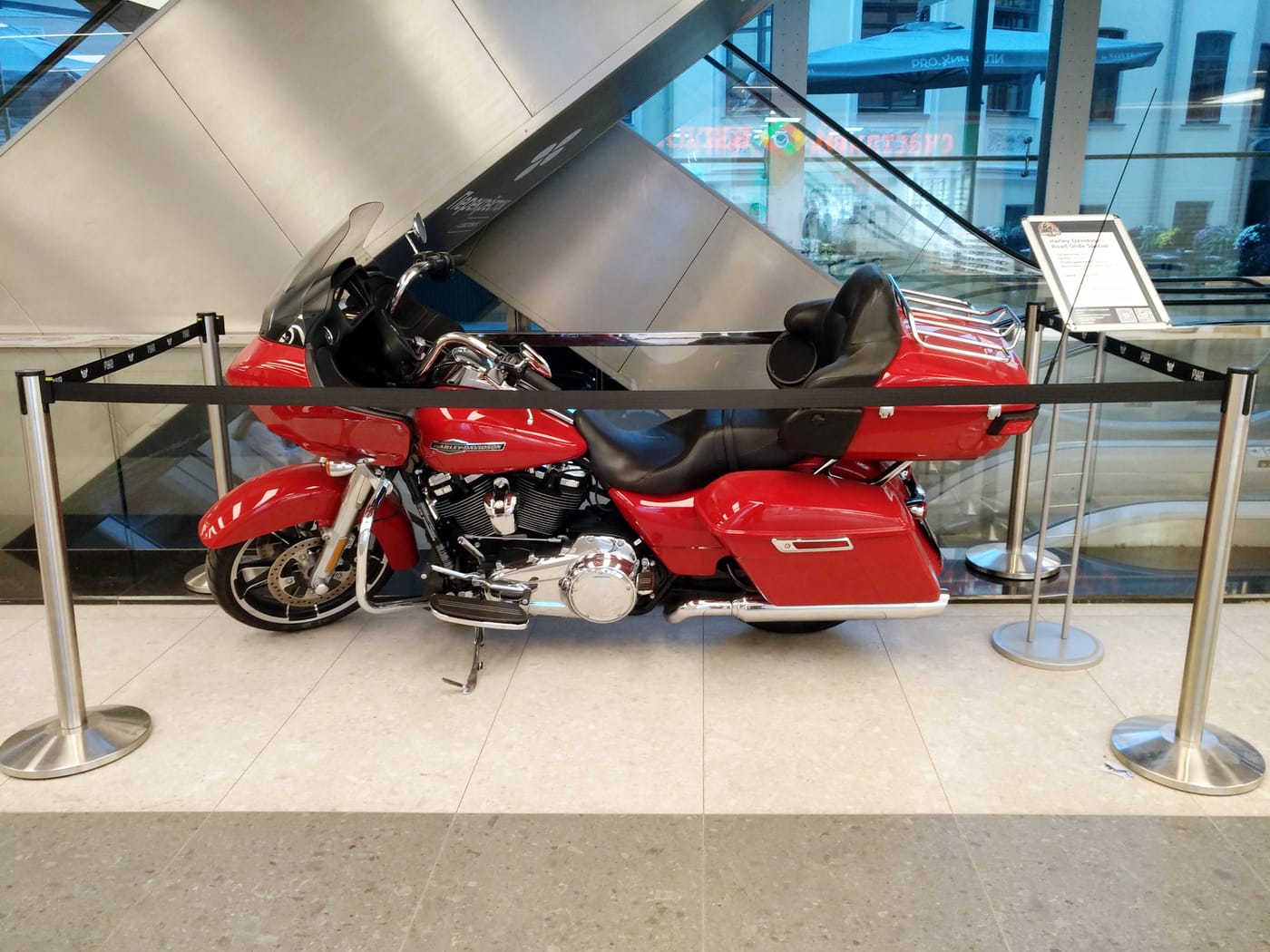
Harley-davidson Road Glide Special
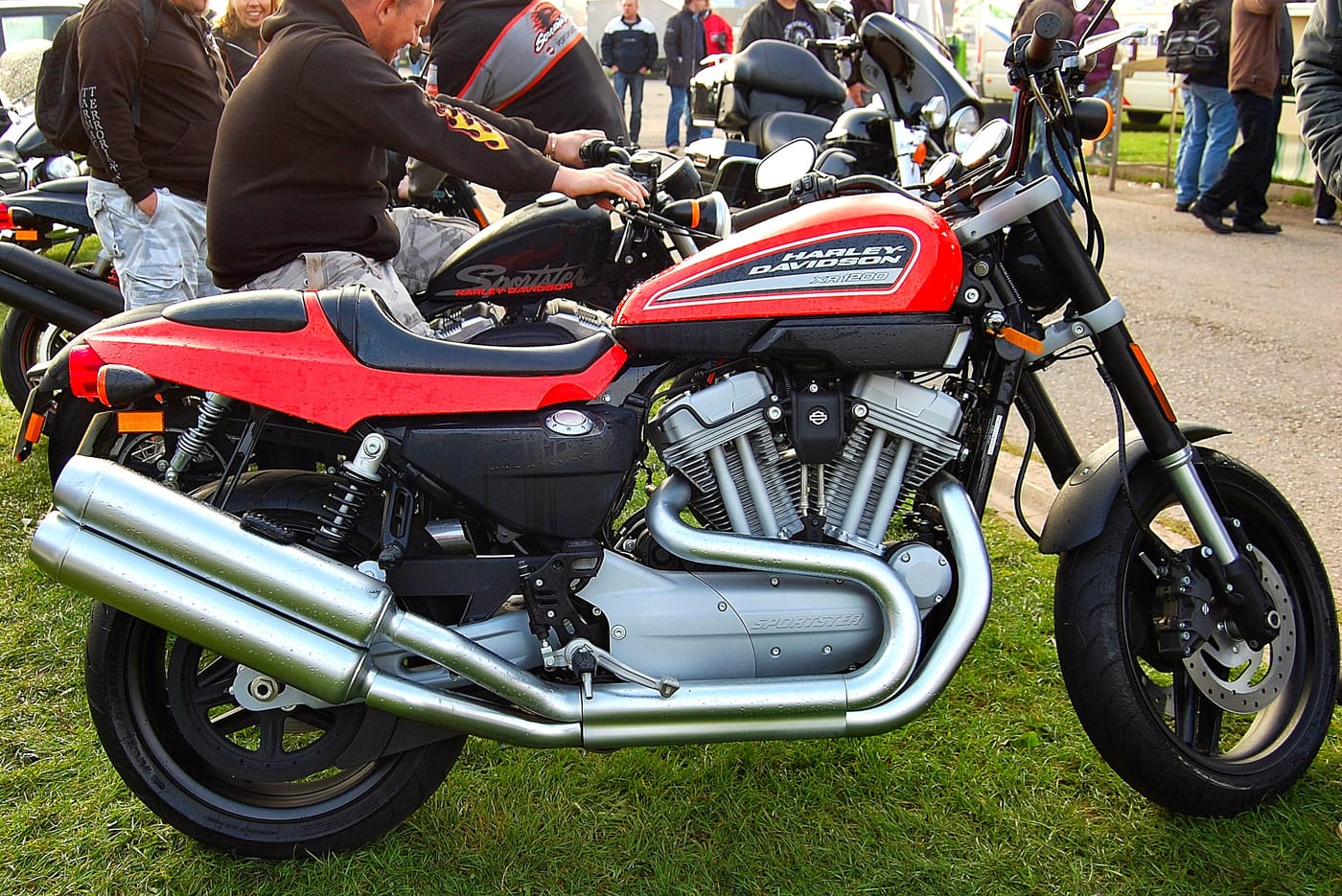
Harley-davidson Ultra Limited
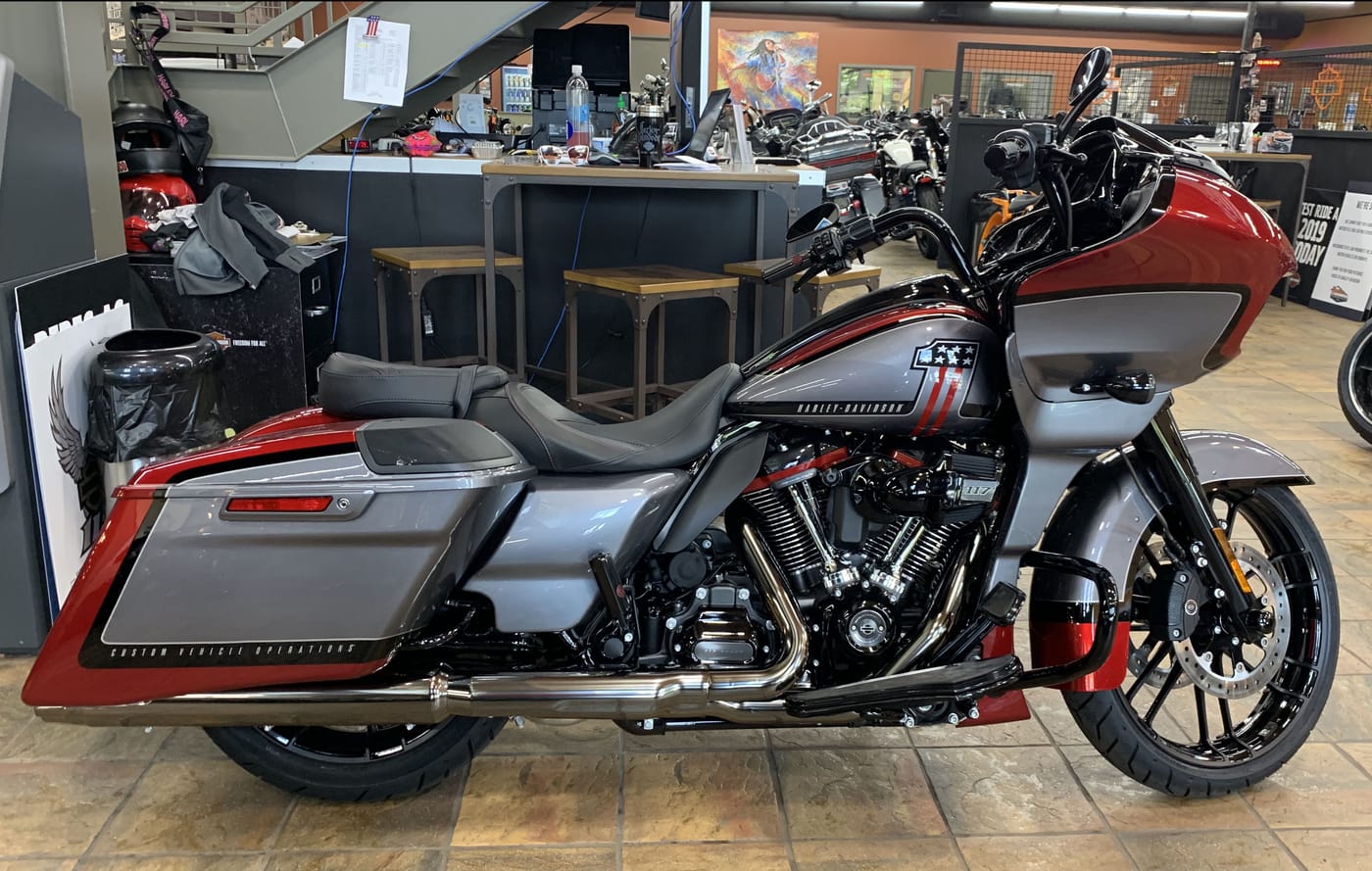
Harley-davidson Road Glide Ultra
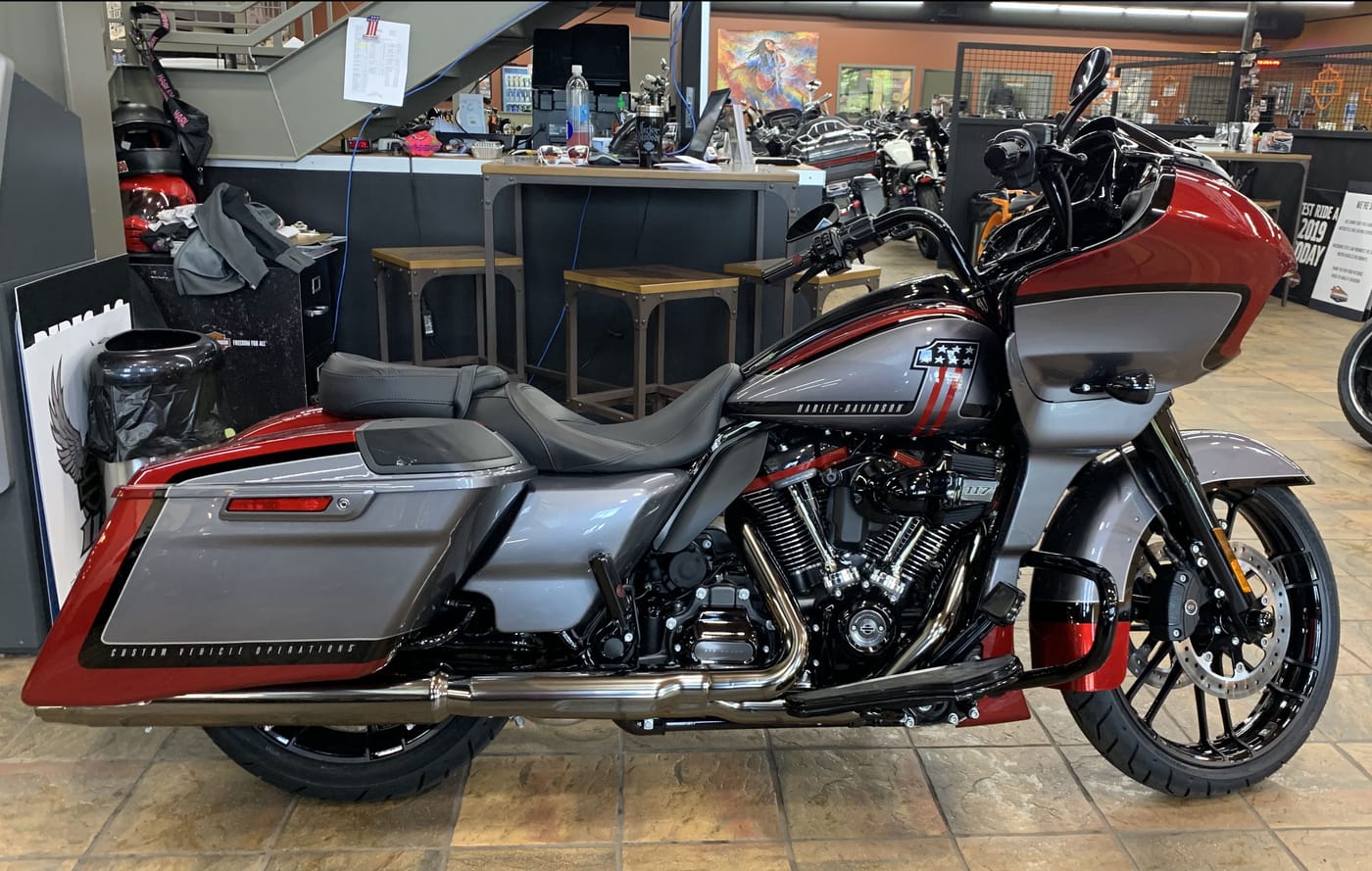
Harley-davidson Road Glide Limited
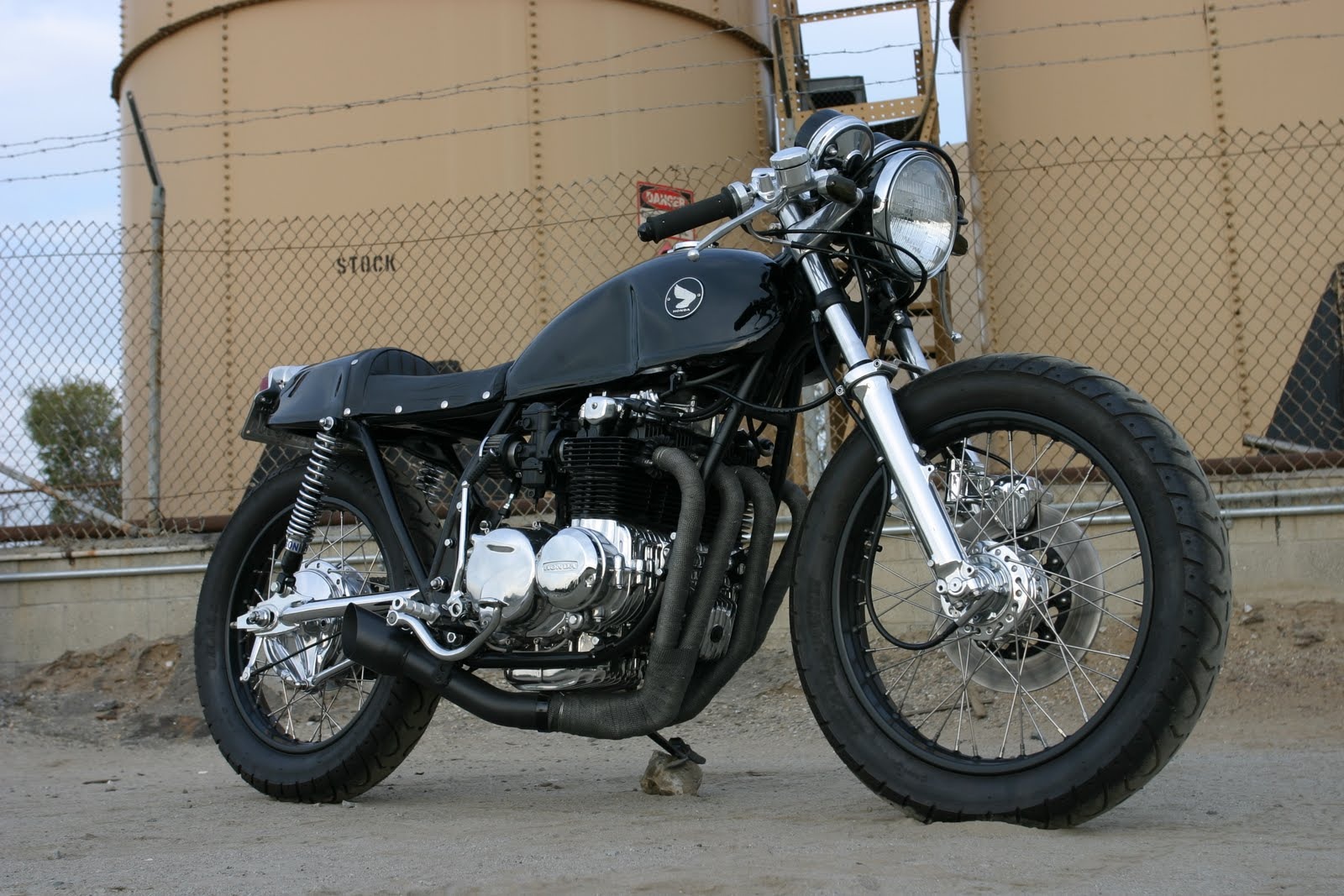
Harley-davidson Ultra Classic Electra Glide
Compare Harley-davidson Electra Glide Ultra Side-by-Side
compare_arrowsSpecs, power, weight & buyer verdict — head-to-head with the bikes most often cross-shopped.
Harley-davidson Electra Glide Ultra vs Harley-davidson Road Glide Special
Specs · Power · Buyer verdict
Harley-davidson Electra Glide Ultra vs Harley-davidson Ultra Limited
Specs · Power · Buyer verdict
Harley-davidson Electra Glide Ultra vs Harley-davidson Road Glide Ultra
Specs · Power · Buyer verdict
Harley-davidson Electra Glide Ultra vs Harley-davidson Road Glide Limited
Specs · Power · Buyer verdict
Harley-davidson Electra Glide Ultra vs Harley-davidson Ultra Classic Electra Glide
Specs · Power · Buyer verdict
More Harley-davidson Electra Glide Ultra Guides
More from Harley-davidson
View all Harley-davidson models →Community Reviews
Discussion
Frequently Asked Questions
What are common problems with the Harley-davidson Electra Glide Ultra? +
Cam chain tensioner failure (pre-2017): Listen for ticking at startup, ask service history (serious) | Inner primary bearing wear: Feel for vibration, clunking at low RPM (moderate) | Fairing speaker and infotainment issues: Test all audio and touchscreen functions before buying (minor)
Is the Harley-davidson Electra Glide Ultra a good motorcycle? +
The definitive used touring bargain if you verify service history first. Rating: 7.8/10. Best for: Long-haul tourers wanting proven, comfortable American iron. Avoid if: You want sporty handling or tight urban commuting.
What is the horsepower of the Harley-davidson Electra Glide Ultra? +
The Harley-davidson Electra Glide Ultra produces 90 hp @ 5,020 rpm (Milwaukee-Eight 107; note: earlier Twin Cam 96 produced ~68 hp), with 142 Nm @ 3,250 rpm (Milwaukee-Eight 107) of torque. Top speed: 177 km/h (estimated; electronically limited on some variants).
Is the Harley-davidson Electra Glide Ultra good for beginners? +
Not really — the Harley-davidson Electra Glide Ultra is better for experienced riders. Long-haul tourers wanting proven, comfortable American iron Avoid if: You want sporty handling or tight urban commuting
Is the Harley-davidson Electra Glide Ultra reliable? +
Owners report 1 critical issue to watch for on the Harley-davidson Electra Glide Ultra, notably: Cam chain tensioner failure (pre-2017) (Listen for ticking at startup, ask service history). Buy with a pre-purchase inspection.
Is the Harley-davidson Electra Glide Ultra good for daily use? +
Long-haul tourers wanting proven, comfortable American iron Fuel: 6.5 L/100km (approx. 15.4 km/L) — estimated real-world average; note: varies by engine generation and riding conditions.
How fast is the Harley-davidson Electra Glide Ultra? +
The Harley-davidson Electra Glide Ultra reaches a top speed of 177 km/h (estimated; electronically limited on some variants), producing 90 hp at 417 kg curb weight. Real-world performance depends on rider weight, gearing, and road conditions.
What gear should I buy for a Harley-davidson Electra Glide Ultra? +
Motoryk has curated a Top 10 gear list specifically for the Harley-davidson Electra Glide Ultra, covering engine oil, tires, chain, battery, and brake pads — see motoryk.com/bikes/harley-davidson/electra-glide-ultra/top10. Each pick is matched to this bike's spec.