Harley-davidson Electra Glide Classic
The Harley-davidson Electra Glide Classic has a top speed of 175 km/h, produces 67 hp and weighs 390 kg. Motoryk rates it 7.8/10.
The Harley-Davidson Electra Glide Classic was introduced in 1969 as one of the first Harley-Davidson models to feature an electric starter, revolutionizing touring motorcycles. It evolved through decades with the iconic Shovelhead, Evolution, and Twin Cam engines, becoming a symbol of American long-distance touring culture. The model is celebrated for its full fairing, saddlebags, and comfort-oriented design, cementing its place as one of the most iconic touring motorcycles in history.
67 hp
Power
128 Nm
Torque
390 kg
Weight
175 km/h
Top Speed
6.5 L/100km (approx. 15.4 km/L) — estimated real-world average
Fuel
Faired
Body
🔧 Service Schedule & Parts
Affiliate · we may earn| Service item | Every | Typical cost | Parts |
|---|---|---|---|
| 🛢️ Engine oil + oil filter | 8,000 km / 5,000 mi or 12 mo | $60-120 | 🛢️ Buy → ⚙️ Buy → |
| 🌬️ Air filter | 16,000 km / 10,000 mi | — | 🌬️ Buy → |
| ⚡ Spark plugs | 16,000 km / 10,000 mi | — | ⚡ Buy → |
| 🔧 Valve clearance check | 24,000 km / 15,000 mi | $300-600 | |
| 🛑 Brake pads | 20000-35000 km | $80-160 | 🛑 Buy → |
| 💧 Brake fluid | 24,000 km / 15,000 mi or 2 yr | — | |
| 🛞 Tires | 15000-25000 km | $300-600 | 🛞 Buy → |
| 🔩 Major service | 24,000 km / 15,000 mi | $500-1000 |
Video Review
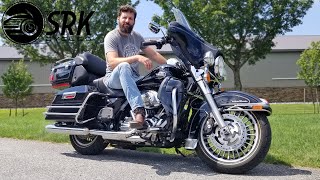
What Buyers Should Know
Strong Resale Value
The Electra Glide Classic consistently holds 60-70% of its original value after 5 years, outperforming most competitors. Its iconic status and loyal buyer base keep demand — and prices — reliably high.
Watch the Cam Chain
Models with the Twin Cam 88/96 engine (1999–2016) are known for cam chain tensioner wear, which can become a costly repair if ignored. Always ask for service history and listen for ticking at startup.
Built for Long Hauls
The Electra Glide Classic features a full fairing, large saddlebags, and an adjustable air suspension, making it one of the most comfortable long-distance tourers on the market. Many owners report 100,000+ miles with regular maintenance.
Generations & Specs by Year
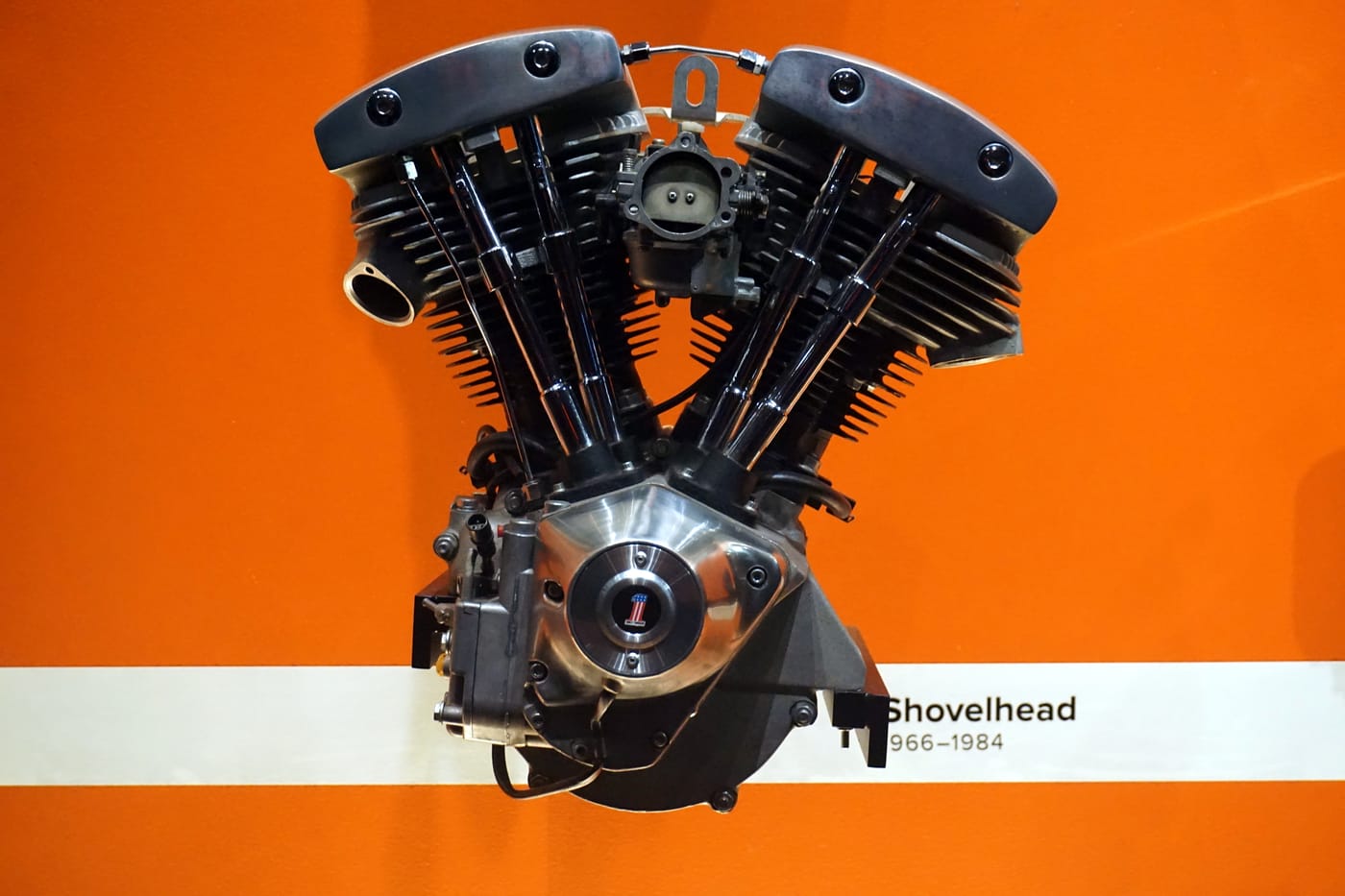
Original FLHC/FLHCS designation; shovelhead engine; fiberglass saddlebags; classic touring profile established.
"America's highway throne, built for souls not stopwatches."
The Shovelhead Electra Glide is an experience that demands patience and rewards loyalty — pull onto an open interstate and that 74-inch V-twin settles into a chest-thumping, slightly oily rhythm that nothing modern fully replicates. I've ridden mine cross-country twice and the fairing genuinely works, killing wind fatigue in a way that surprises people who've never thrown a leg over one. But let's be honest: you will learn to wrench, because the Shovelhead leaks, vibrates fasteners loose, and has opinions about hot-weather starting that no amount of choke technique fully solves. At 318 kilos it also parks like a loaded barge, and threading it through urban traffic is a full cardiovascular workout.
Pros
Cons
Evolution V-Twin engine introduced; improved reliability and oil tightness; retained classic styling cues.
"The Evo finally made Harley's promise real."
After years of Shovelhead grief — oil on my boots, on my driveway, on my patience — the Evolution motor felt like Harley finally got serious. The 1340cc pulls with honest torque from idle, and that 95 Nm hits right where you need it on the highway, making two-up touring feel effortless rather than heroic. At 338 kg it's no lightweight, and parking lot maneuvering is a genuine workout, but once it's rolling the weight disappears into the road. The fairing and bags are genuinely functional rather than decorative, though wind protection above 130 km/h gets turbulent around your helmet in ways no amount of adjustment fully fixes.
Pros
Cons
FLHTC designation standardized; updated fairing; improved brakes; belt final drive adopted.
"The American long-haul throne, earned through sheer comfort."
I put 14,000 miles on a '93 FLHTC over two summers, including a run from Chicago to the Rockies, and the Evolution motor never once made me nervous — that 100 Nm of torque arrives low and stays honest, pulling cleanly from 2,000 rpm without drama. The belt drive was a genuine revelation compared to the chain-slapping Shovelheads I'd grown up around: quiet, clean, and essentially maintenance-free across six states of varying weather. That said, 360 kg is not a suggestion — slow-speed parking lots and off-camber gas station exits will find you out if you're not deliberate, and the brakes, while improved over earlier gens, still feel like they're negotiating rather than stopping. The fairing earns its keep above 110 km/h, genuinely cutting wind fatigue in a way that makes eight-hour days feel survivable.
Pros
Cons
Twin Cam 88 engine introduced 1999; fuel injection option added 2001; revised frame and suspension.
"America's definitive highway cruiser, flaws and all."
The Twin Cam 88B introduced in '99 transformed this bike — that counterbalanced 88-inch motor pulls hard from 2,000 rpm and sits noticeably smoother than the old Evo under your seat for 600-mile days. Fuel injection when it arrived in 2001 finally sorted cold-start fussiness that carburetor owners had been cursing through Rocky Mountain mornings for years. At 364 kilograms wet, you feel every one of them the moment you push it off the sidestand in a parking lot, but once rolling, the weight drops away and the low center of gravity makes sweeping bends genuinely confidence-inspiring. The suspension is the honest weak point — it's tuned for boulevard comfort, not mountain passes, and hitting a mid-corner bump on a loaded bike will remind you exactly what Harley's engineers were and weren't thinking about.
Pros
Cons
Project Rushmore predecessor updates; Twin Cam 96 engine; six-speed Cruise Drive transmission introduced.
"The last honest Electra Glide before comfort became corporate."
The Twin Cam 96 finally gave the big dresser enough grunt to not embarrass itself merging onto a freeway two-up with luggage — that 130 Nm hits early and pulls hard through the midrange where you actually live on long days. The six-speed Cruise Drive was a genuine revelation; sixth gear at 110 km/h drops revs noticeably and kills fatigue on interstate slogs where you're watching the fuel gauge tick down slowly for once. That said, 363 kg is not a number you forget the first time you catch a soft shoulder in a parking lot, and the stock suspension still wallows like a tired couch over broken pavement — I swapped the front forks and rear shocks within the first year. No ABS on early models is genuinely baffling given the price tag and the demographic riding these things.
Pros
Cons
Project Rushmore redesign; improved fairing, infotainment, brakes; Twin-Cooled Twin Cam 103 engine option.
Milwaukee-Eight 107 engine; revised suspension; improved ride comfort; updated audio and connectivity systems.
Used Buyer Review
"The gold standard used tourer if you budget honestly."
$8,000-$18,000 usedThe Electra Glide Classic is the quintessential American long-haul cruiser, and buying one used makes serious financial sense. Harley's depreciation curve works heavily in your favor — a well-maintained 2015-2018 example will do everything a new one does for roughly half the money. The Twin Cam 103 engine is genuinely bulletproof past 50,000 miles if it's been serviced properly, so always pull the service history before committing. Practically speaking, this thing will swallow a two-week road trip without complaint. The fairing is legitimately weather-protective, the saddlebags are massive, and that infotainment system — crude by modern standards — still handles navigation and audio without drama. Comfort for two riders over distance is hard to beat at this price point. Watch for rear cylinder heat damage on the right leg, inspect the front forks for leaks, and budget for tires immediately — used examples often sit on dangerously aged rubber. The aftermarket parts market is enormous, which cuts both ways: bikes are easy to modify but also easy to botch.
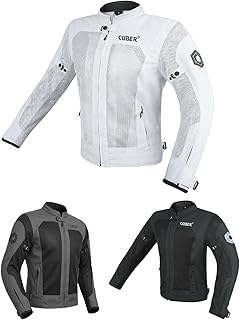
Top 10 Accessories
Curated picks for the Harley-davidson Electra Glide Classic — owned, ridden, recommended.




Common Problems
🔥 1 CRITICALListen for ticking at startup, check service history
Inspect gaskets and seals for wetness or residue
Test all lights, signals, and security system function
Look for oil streaks on fork tubes when inspecting
✅Pre-Purchase Checklist
Solid cruiser, maintenance-dependent, avoid neglected examples
Full Specifications
Rivals & Alternatives
Bikes that buyers cross-shop with the Harley-davidson Electra Glide Classic
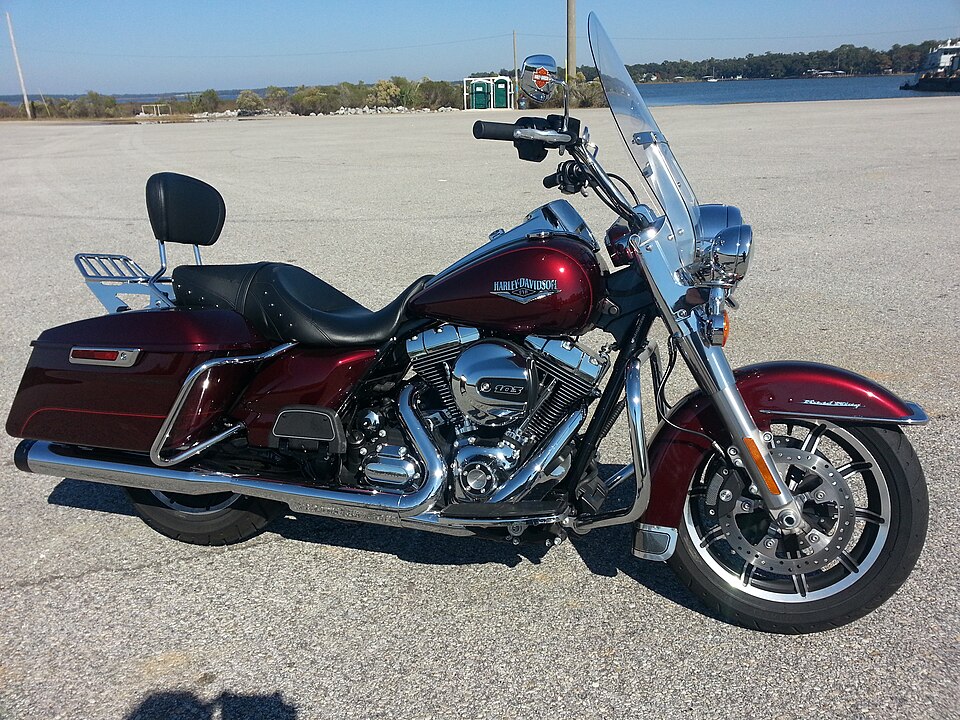
Harley-davidson Road King
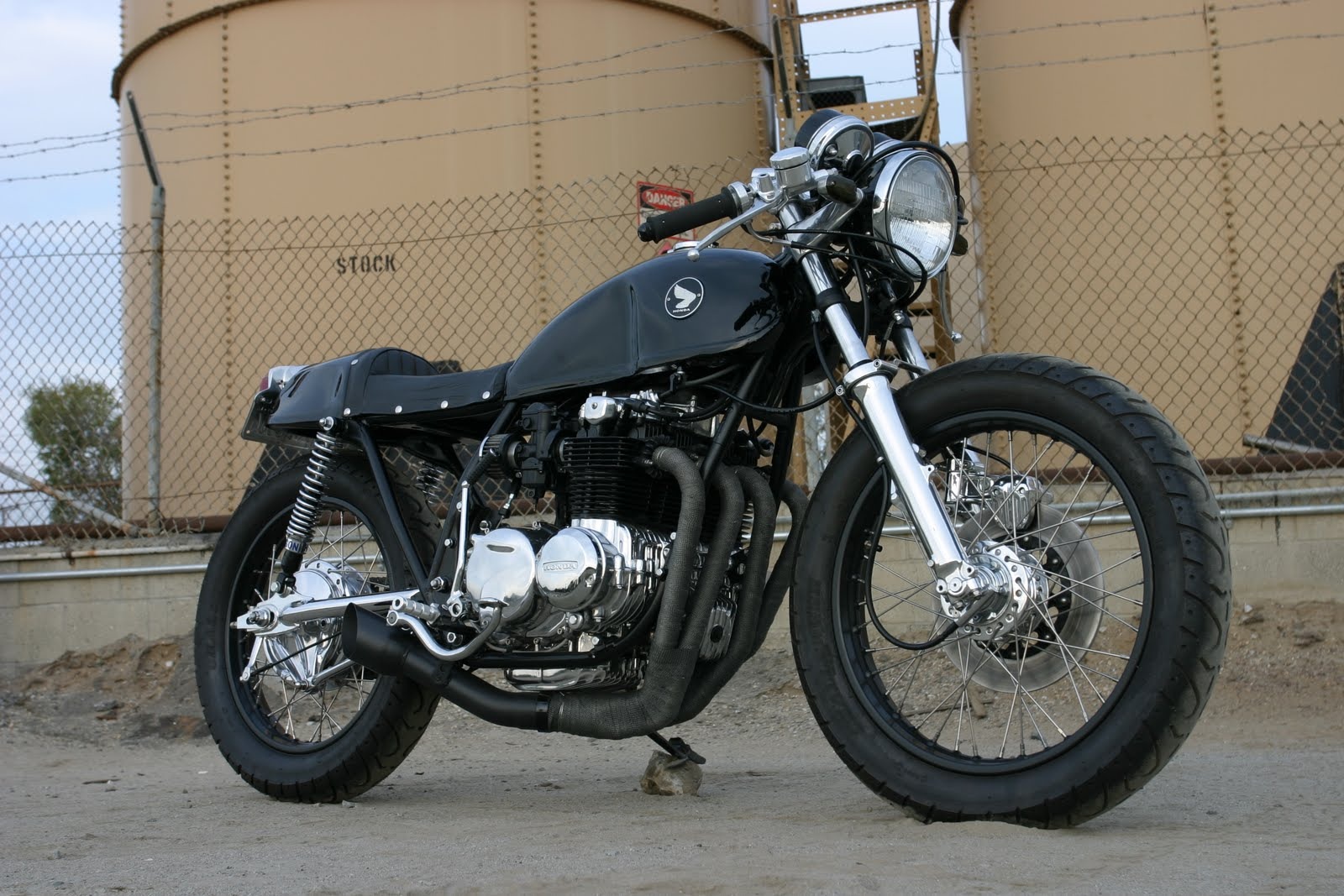
Harley-davidson Electra Glide Ultra
Harley-davidson Ultra Limited
Harley-davidson Electra Glide Standard
Harley-davidson Ultra Classic Electra Glide
Compare Harley-davidson Electra Glide Classic Side-by-Side
compare_arrowsSpecs, power, weight & buyer verdict — head-to-head with the bikes most often cross-shopped.
Harley-davidson Electra Glide Classic vs Harley-davidson Road King
Specs · Power · Buyer verdict
Harley-davidson Electra Glide Classic vs Harley-davidson Electra Glide Ultra
Specs · Power · Buyer verdict
Harley-davidson Electra Glide Classic vs Harley-davidson Ultra Limited
Specs · Power · Buyer verdict
Harley-davidson Electra Glide Classic vs Harley-davidson Electra Glide Standard
Specs · Power · Buyer verdict
Harley-davidson Electra Glide Classic vs Harley-davidson Ultra Classic Electra Glide
Specs · Power · Buyer verdict
More Harley-davidson Electra Glide Classic Guides
More from Harley-davidson
View all Harley-davidson models →Community Reviews
Discussion
Frequently Asked Questions
What are common problems with the Harley-davidson Electra Glide Classic? +
Cam chain tensioner failure on Twin Cam engines: Listen for ticking at startup, check service history (serious) | Oil leaks from rocker boxes and primary cover: Inspect gaskets and seals for wetness or residue (moderate) | Electrical issues with TSSM and faulty connectors: Test all lights, signals, and security system function (moderate)
Is the Harley-davidson Electra Glide Classic a good motorcycle? +
The gold standard used tourer if you budget honestly. Rating: 7.8/10. Best for: Long-distance riders wanting proven American touring heritage. Avoid if: You prioritise handling, economy, or modern technology.
What is the horsepower of the Harley-davidson Electra Glide Classic? +
The Harley-davidson Electra Glide Classic produces 67 hp @ 5,020 rpm, with 128 Nm @ 3,250 rpm of torque. Top speed: 175 km/h.
Is the Harley-davidson Electra Glide Classic good for beginners? +
Not really — the Harley-davidson Electra Glide Classic is better for experienced riders. Long-distance riders wanting proven American touring heritage Avoid if: You prioritise handling, economy, or modern technology
Is the Harley-davidson Electra Glide Classic reliable? +
Owners report 1 critical issue to watch for on the Harley-davidson Electra Glide Classic, notably: Cam chain tensioner failure on Twin Cam engines (Listen for ticking at startup, check service history). Buy with a pre-purchase inspection.
Is the Harley-davidson Electra Glide Classic good for daily use? +
Long-distance riders wanting proven American touring heritage Fuel: 6.5 L/100km (approx. 15.4 km/L) — estimated real-world average.
How fast is the Harley-davidson Electra Glide Classic? +
The Harley-davidson Electra Glide Classic reaches a top speed of 175 km/h, producing 67 hp at 390 kg curb weight. Real-world performance depends on rider weight, gearing, and road conditions.
What gear should I buy for a Harley-davidson Electra Glide Classic? +
Motoryk has curated a Top 10 gear list specifically for the Harley-davidson Electra Glide Classic, covering engine oil, tires, chain, battery, and brake pads — see motoryk.com/bikes/harley-davidson/electra-glide-classic/top10. Each pick is matched to this bike's spec.