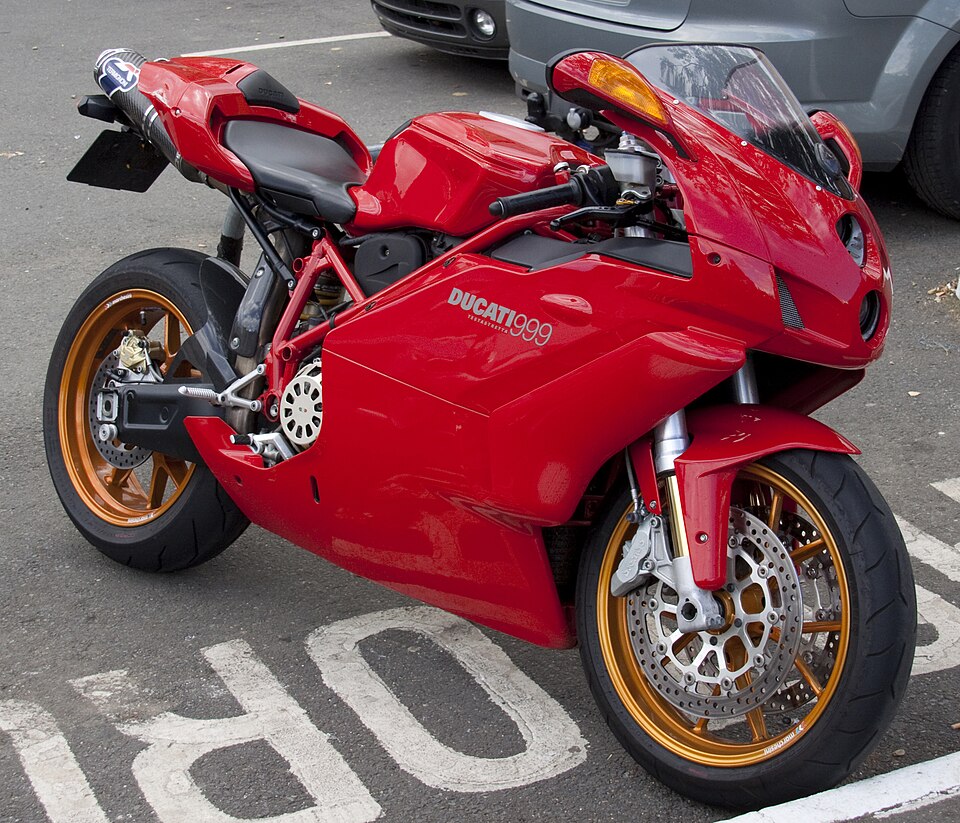
Ducati 999
The Ducati 999 has a top speed of 270 km/h, produces 124 hp and weighs 198 kg. Motoryk rates it 8/10.
La Ducati 999 se presentó en 2003 como sucesora de la icónica serie 916/996/998, diseñada por Terblanche con un estilo angular más funcional pero controvertido. Compitió en el Campeonato Mundial de Superbikes y ganó el título con Troy Bayliss en 2006. La producción finalizó en 2006, cuando fue sustituida por la Ducati 1098 y, a pesar de que su aspecto inicial tuvo una acogida desigual, ahora es respetada como una máquina de alto rendimiento.
124 hp
Potencia
99 Nm
Torsión
198 kg
Peso
270 km/h
Velocidad máxima
7.5 L/100km (approx 13.3 km/L)
Combustible
Carenado
Cuerpo
🔧 Service Schedule & Parts
Affiliate · we may earn| Service item | Every | Typical cost | Parts |
|---|---|---|---|
| 🛢️ Engine oil + oil filter | 10,000 km / 6,000 mi or 12 mo | $60-100 | 🛢️ Buy → ⚙️ Buy → |
| 🌬️ Air filter | 15,000 km / 9,500 mi | — | 🌬️ Buy → |
| ⚡ Spark plugs | 15,000 km / 9,500 mi | — | ⚡ Buy → |
| 🔧 Valve clearance check | 15,000 km / 9,500 mi | $400-800 | |
| 🔗 Chain & sprockets | 20000-30000 km (replace) | $150-300 | 🔗 Buy → |
| 🛑 Brake pads | 10000-20000 km | $40-80 | 🛑 Buy → |
| 💧 Brake fluid | 24,000 km / 15,000 mi or 2 yr | — | |
| 🧊 Coolant | 24,000 km / 15,000 mi | — | |
| 🛞 Tires | 8000-15000 km | $250-450 | 🛞 Buy → |
| 🔩 Major service | 15,000 km / 9,500 mi | $500-1200 |
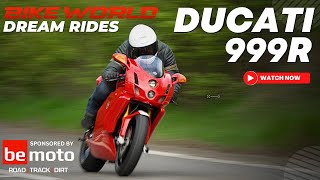
Video Review
Lo que los compradores deben saber
Desmo Service Costs
The 999 requires Desmodromic valve service every 7,500–12,000 miles, which can cost $600–$1,500 at a dealership. Always verify service history before buying — skipped intervals can cause serious engine damage.
Depreciation Sweet Spot
The 999 was overshadowed by the more popular 916/996/998 series, keeping used prices relatively low at $5,000–$9,000 for well-maintained examples. This makes it an accessible entry into Ducati superbike ownership.
Watch the Electrical System
Known weak points include the voltage regulator/rectifier and stator, which can fail and leave you stranded. Inspect for signs of overcharging or a weak battery, and budget for a potential electrical refresh.
Generaciones y especificaciones por año
Versión inicial con motor Testastretta, basculante asimétrico de doble cara y carrocería diseñada por Terblanche que sustituyó al 998.
"Las miradas divisorias esconden un motor genuinamente brillante."
El motor Testastretta es toda la historia: tira con fuerza a partir de las 5.500 rpm y supera con creces las 8.000, con una intensidad mecánica que hace que los cuatros japoneses parezcan estériles en comparación. Corrí con el mío dos días en pista y 6.000 millas por carretera, y esa bicilíndrica en L nunca me pareció otra cosa que no fuera la carrera principal. La carrocería sigue siendo un punto delicado; Terblanche sustituyó una de las motocicletas más bonitas de la historia por una que parece inacabada desde el ángulo equivocado, y el basculante asimétrico es un tema de conversación que nadie ha pedido. La sensación de calor en las paradas es agotadora, los intervalos de servicio son caros y la posición de conducción supone que tienes el torso de un gimnasta de competición, pero cuando atraviesas un cañón y el motor suena, nada de eso parece un factor decisivo.
Pros
Contras
Carrocería revisada, inyección de combustible actualizada, ergonomía mejorada y geometría del chasis refinada para un mejor manejo.
"Arte italiano salvaje que exige un compromiso total."
La Gen 2 corrige suficientes asperezas del 999 original como para que dejes de luchar contra él y empieces a confiar en él: el mapeo de inyección revisado elimina ese famoso tropiezo de media distancia y los cambios en la geometría del chasis hacen que la parte delantera finalmente se comunique en lugar de adivinar. A 9.500 rpm, el Testastretta es genuinamente violento de la mejor manera posible, un sonido y una sensación que hacen que los cuatro cilindros modernos parezcan clínicos y sin alma. La conducción diaria sigue siendo una negociación: la ergonomía es mejor sobre el papel, pero 790 mm significa que los ciclistas de entrepierna corta siguen yendo de puntillas ante los semáforos, la absorción de calor en el tráfico es implacable y el intervalo de servicio desmo que llega cada 15 000 km te costará entre 800 y 1200 dólares, te guste o no. Cómprala sabiendo exactamente qué es: un arma de atletismo que lleva una carrocería que sigue dividiendo opiniones una década después.
Pros
Contras
Reseña de un comprador usado
"Buy it right and the 999 rewards like almost nothing else."
$4,500-$9,000 usedThe 999 is Ducati's most misunderstood sportbike — unfairly overshadowed by the 916's legacy and the 1098's arrival, which means you can now pick one up for stupid money. The Testastretta L-twin is an absolute gem when properly maintained, delivering 124 horses with a character that no Japanese inline-four can replicate. That dry clutch chatter at traffic lights? That's not a problem, that's the soundtrack you're paying for. But go in with eyes open. These bikes punish neglect brutally. Budget immediately for fresh belts if you can't verify history — Ducati's desmodromic valve service runs $600-1,200 and is non-negotiable every 15,000 miles. Check the slipper clutch operation, inspect the trellis frame for corrosion around weld points, and verify the rear shock hasn't gone completely soft. Ergonomics are aggressively committed — this isn't a 30-minute commuter, it's a canyon weapon that demands your full attention. Buy one with documented service history from a Ducati specialist, not someone's garage project, and you'll own one of the most viscerally rewarding bikes of the 2000s.
Top 10 Accessories
Curated picks for the Ducati 999 — owned, ridden, recommended.




Problemas comunes
🔥 2 CRITICALAsk for service history, every 7500-15000 miles required
Check charging voltage, look for melted connector signs
Listen for rough idle, hesitation at low throttle
Inspect clutch plates, listen for rattling at idle
✅Lista de verificación previa a la compra
Expensive upkeep, rewarding if well-maintained
Full Specifications
Rivals & Alternatives
Bikes that buyers cross-shop with the Ducati 999
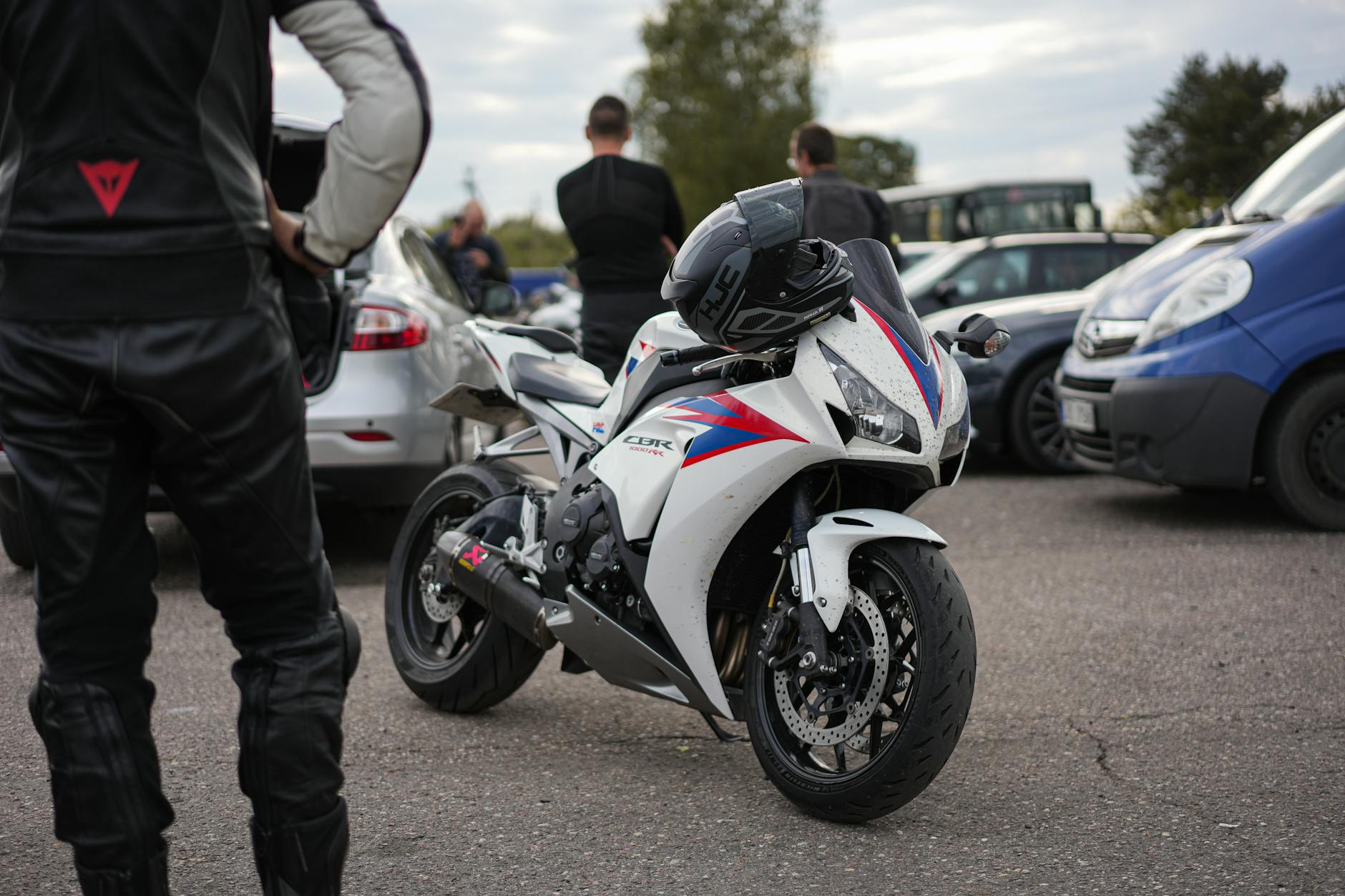
Honda Cbr1000rr Fireblade
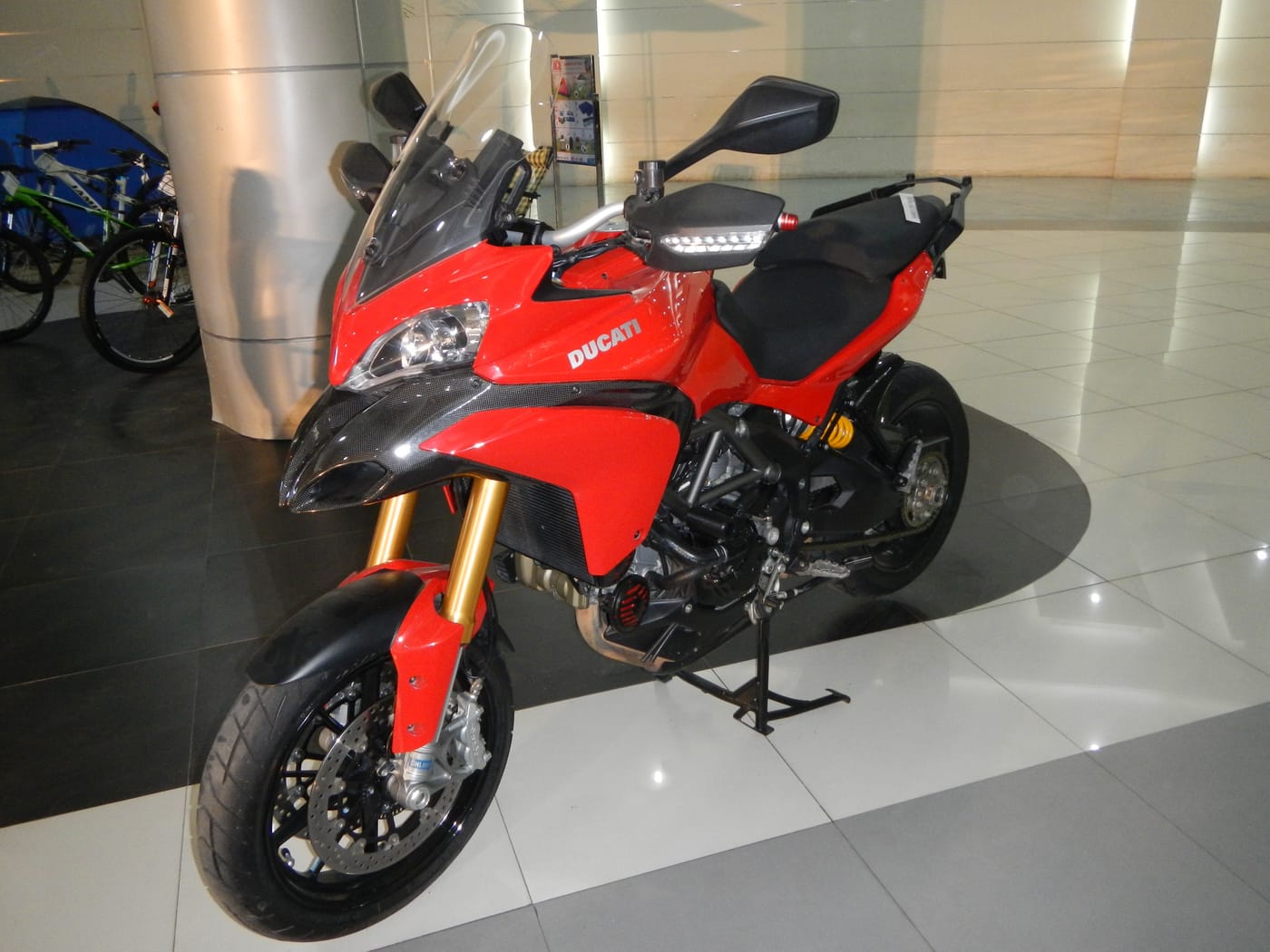
Ducati Panigale V2
Ducati Panigale 1299
Ducati Panigale 1199
Ktm Rc8
Compare Ducati 999 Side-by-Side
compare_arrowsSpecs, power, weight & buyer verdict — head-to-head with the bikes most often cross-shopped.
Ducati 999 vs Honda Cbr1000rr Fireblade
Specs · Power · Buyer verdict
Ducati 999 vs Ducati Panigale V2
Specs · Power · Buyer verdict
Ducati 999 vs Ducati Panigale 1299
Specs · Power · Buyer verdict
Ducati 999 vs Ducati Panigale 1199
Specs · Power · Buyer verdict
Ducati 999 vs Ktm Rc8
Specs · Power · Buyer verdict
More Ducati 999 Guides
More from Ducati
View all Ducati models →Community Reviews
Discussion
Frequently Asked Questions
What are common problems with the Ducati 999? +
Desmodromic valve service overdue: Ask for service history, every 7500-15000 miles required (serious) | Stator and regulator/rectifier failure: Check charging voltage, look for melted connector signs (serious) | Fuel pump and injector issues: Listen for rough idle, hesitation at low throttle (moderate)
Is the Ducati 999 a good motorcycle? +
Buy it right and the 999 rewards like almost nothing else. Rating: 8.0/10. Best for: Experienced riders who prioritise engagement over convenience. Avoid if: You want low-maintenance weekend transport.
What is the horsepower of the Ducati 999? +
The Ducati 999 produces 124 hp @ 9,750 rpm, with 99 Nm @ 8,000 rpm of torque. Top speed: 270 km/h.
Is the Ducati 999 good for beginners? +
Not really — the Ducati 999 is better for experienced riders (124 hp can be intimidating). Experienced riders who prioritise engagement over convenience Avoid if: You want low-maintenance weekend transport
Is the Ducati 999 reliable? +
Owners report 2 critical issues to watch for on the Ducati 999, notably: Desmodromic valve service overdue (Ask for service history, every 7500-15000 miles required). Buy with a pre-purchase inspection.
Is the Ducati 999 good for daily use? +
Experienced riders who prioritise engagement over convenience Fuel: 7.5 L/100km (approx 13.3 km/L).
How fast is the Ducati 999? +
The Ducati 999 reaches a top speed of 270 km/h, producing 124 hp at 198 kg curb weight. Real-world performance depends on rider weight, gearing, and road conditions.
What gear should I buy for a Ducati 999? +
Motoryk has curated a Top 10 gear list specifically for the Ducati 999, covering engine oil, tires, chain, battery, and brake pads — see motoryk.com/bikes/ducati/999/top10. Each pick is matched to this bike's spec.