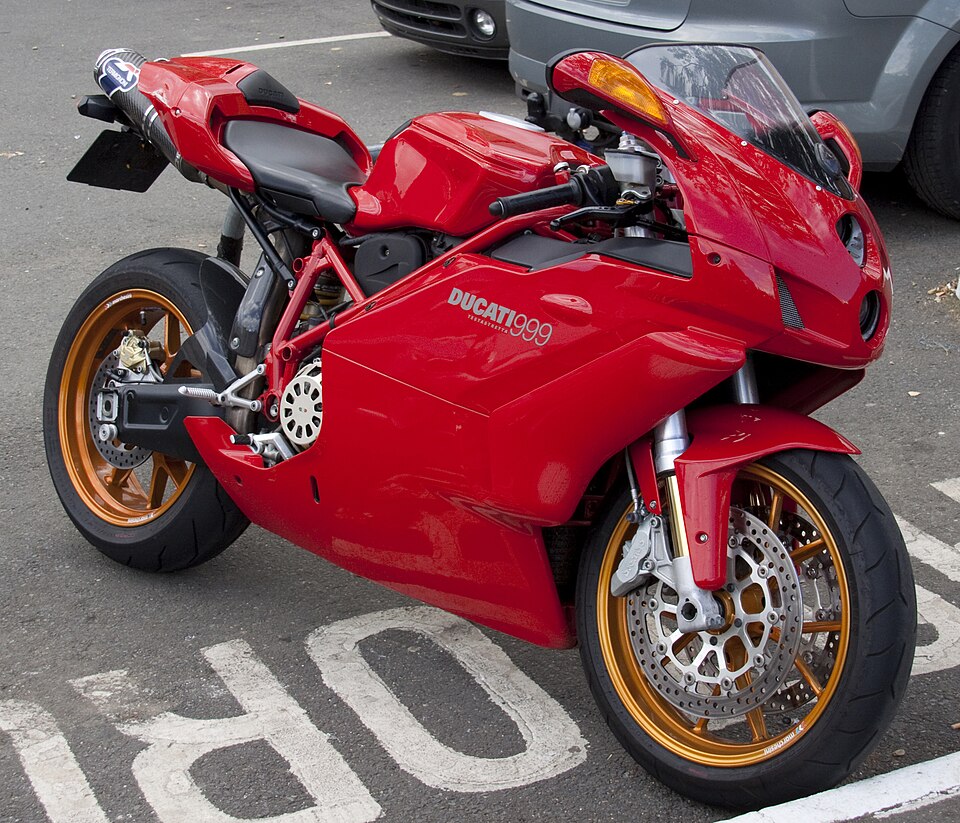
Ducati 999
The Ducati 999 has a top speed of 270 km/h, produces 124 hp and weighs 198 kg. Motoryk rates it 8/10.
Die Ducati 999 wurde 2003 als Nachfolger der ikonischen 916/996/998-Serie vorgestellt, die von Terblanche mit einem funktionaleren, aber umstritteneren eckigen Design entworfen wurde. Sie nahm an der Superbike-Weltmeisterschaft teil und gewann 2006 zusammen mit Troy Bayliss den Titel. Die Produktion endete 2006, als sie durch die Ducati 1098 ersetzt wurde. Obwohl ihr Aussehen anfangs gemischt aufgenommen wurde, gilt sie heute als seriöse Hochleistungsmaschine.
124 hp
Leistung
99 Nm
Drehmoment
198 kg
Gewicht
270 km/h
Höchstgeschwindigkeit
7.5 L/100km (approx 13.3 km/L)
Treibstoff
Ausgeleitet
Körper
🔧 Service Schedule & Parts
Affiliate · we may earn| Service item | Every | Typical cost | Parts |
|---|---|---|---|
| 🛢️ Engine oil + oil filter | 10,000 km / 6,000 mi or 12 mo | $60-100 | 🛢️ Buy → ⚙️ Buy → |
| 🌬️ Air filter | 15,000 km / 9,500 mi | — | 🌬️ Buy → |
| ⚡ Spark plugs | 15,000 km / 9,500 mi | — | ⚡ Buy → |
| 🔧 Valve clearance check | 15,000 km / 9,500 mi | $400-800 | |
| 🔗 Chain & sprockets | 20000-30000 km (replace) | $150-300 | 🔗 Buy → |
| 🛑 Brake pads | 10000-20000 km | $40-80 | 🛑 Buy → |
| 💧 Brake fluid | 24,000 km / 15,000 mi or 2 yr | — | |
| 🧊 Coolant | 24,000 km / 15,000 mi | — | |
| 🛞 Tires | 8000-15000 km | $250-450 | 🛞 Buy → |
| 🔩 Major service | 15,000 km / 9,500 mi | $500-1200 |
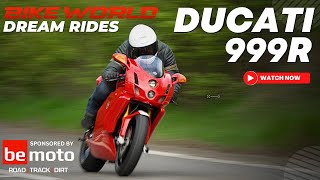
Video Review
Was Käufer wissen sollten
Desmo Service Costs
The 999 requires Desmodromic valve service every 7,500–12,000 miles, which can cost $600–$1,500 at a dealership. Always verify service history before buying — skipped intervals can cause serious engine damage.
Depreciation Sweet Spot
The 999 was overshadowed by the more popular 916/996/998 series, keeping used prices relatively low at $5,000–$9,000 for well-maintained examples. This makes it an accessible entry into Ducati superbike ownership.
Watch the Electrical System
Known weak points include the voltage regulator/rectifier and stator, which can fail and leave you stranded. Inspect for signs of overcharging or a weak battery, and budget for a potential electrical refresh.
Generationen und Spezifikationen nach Jahr
Erste Version mit Testastretta-Motor, asymmetrischer doppelseitiger Schwinge und von Terblanche entworfener Karosserie, die den 998 ersetzte.
"Hinter spalterischen Blicken verbirgt sich ein wirklich brillanter Motor."
Der Testastretta-Motor ist hier die ganze Geschichte — er zieht hart ab 5.500 U/min und heult absolut über 8.000, mit einer mechanischen Intensität, bei der sich japanische Viere im Vergleich dazu steril anfühlen. Ich fuhr meinen durch zwei Streckentage und 6.000 Straßenmeilen, und dieser L-Twin fühlte sich nie wie etwas anderes an als das Hauptereignis. Die Karosserie ist immer noch ein wunder Punkt; Terblanche ersetzte eines der schönsten Motorräder, die je gebaut wurden, durch etwas, das aus dem falschen Blickwinkel unfertig aussieht, und die asymmetrische Schwinge ist ein Gesprächsstoff, nach dem niemand gefragt hat. Ein Hitzebad im Stillstand ist anstrengend, die Wartungsintervalle sind teuer und die Sitzposition geht davon aus, dass Sie den Rumpf eines Wettkampfturners haben — aber wenn Sie durch eine Schlucht rollen und der Motor singt, fühlt sich das alles nicht wie ein Deal-Breaker an.
Profis
Nachteile
Überarbeitete Karosserie, aktualisierte Kraftstoffeinspritzung, verbesserte Ergonomie und verfeinerte Fahrwerksgeometrie für besseres Handling.
"Wilde italienische Kunst, die vollen Einsatz erfordert."
Die Generation 2 behebt genug der Ecken und Kanten des originalen 999, sodass man aufhört, dagegen anzukämpfen und ihm zu vertrauen beginnt — das überarbeitete Injection-Mapping macht das berüchtigte Stolpern im mittleren Bereich zunichte, und die Änderungen an der Fahrwerksgeometrie bedeuten, dass das Frontend endlich kommuniziert, anstatt zu raten. Bei 9.500 Umdrehungen pro Minute ist der Testastretta auf die bestmögliche Art wirklich heftig, ein Klang und ein Gefühl, das moderne Vierzylinder klinisch und seelenlos anfühlen lässt. Das tägliche Fahren ist immer noch Verhandlungssache: Die Ergonomie ist auf dem Papier besser, aber 790 mm bedeuten, dass Fahrer mit kurzer Innennaht an Ampeln immer noch auf Zehenspitzen laufen, die Hitze im Verkehr unerbittlich ist, und das Desmo-Serviceintervall, das alle 15.000 km eintrifft, kostet Sie 800 bis 1.200$, ob Sie es wollen oder nicht. Aber wenn man genau weiß, was es ist — eine zielgerichtete Rennstreckenwaffe mit einer Karosserie, über die auch ein Jahrzehnt später noch Uneinigkeit herrscht.
Profis
Nachteile
Bewertung von gebrauchten Käufern
"Buy it right and the 999 rewards like almost nothing else."
$4,500-$9,000 usedThe 999 is Ducati's most misunderstood sportbike — unfairly overshadowed by the 916's legacy and the 1098's arrival, which means you can now pick one up for stupid money. The Testastretta L-twin is an absolute gem when properly maintained, delivering 124 horses with a character that no Japanese inline-four can replicate. That dry clutch chatter at traffic lights? That's not a problem, that's the soundtrack you're paying for. But go in with eyes open. These bikes punish neglect brutally. Budget immediately for fresh belts if you can't verify history — Ducati's desmodromic valve service runs $600-1,200 and is non-negotiable every 15,000 miles. Check the slipper clutch operation, inspect the trellis frame for corrosion around weld points, and verify the rear shock hasn't gone completely soft. Ergonomics are aggressively committed — this isn't a 30-minute commuter, it's a canyon weapon that demands your full attention. Buy one with documented service history from a Ducati specialist, not someone's garage project, and you'll own one of the most viscerally rewarding bikes of the 2000s.
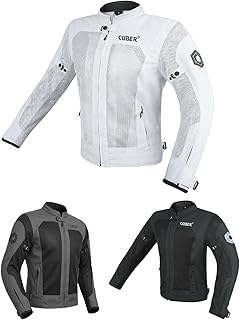
Top 10 Accessories
Curated picks for the Ducati 999 — owned, ridden, recommended.




Häufig auftretende Probleme
🔥 2 CRITICALAsk for service history, every 7500-15000 miles required
Check charging voltage, look for melted connector signs
Listen for rough idle, hesitation at low throttle
Inspect clutch plates, listen for rattling at idle
✅Checkliste vor dem Kauf
Expensive upkeep, rewarding if well-maintained
Full Specifications
Rivals & Alternatives
Bikes that buyers cross-shop with the Ducati 999
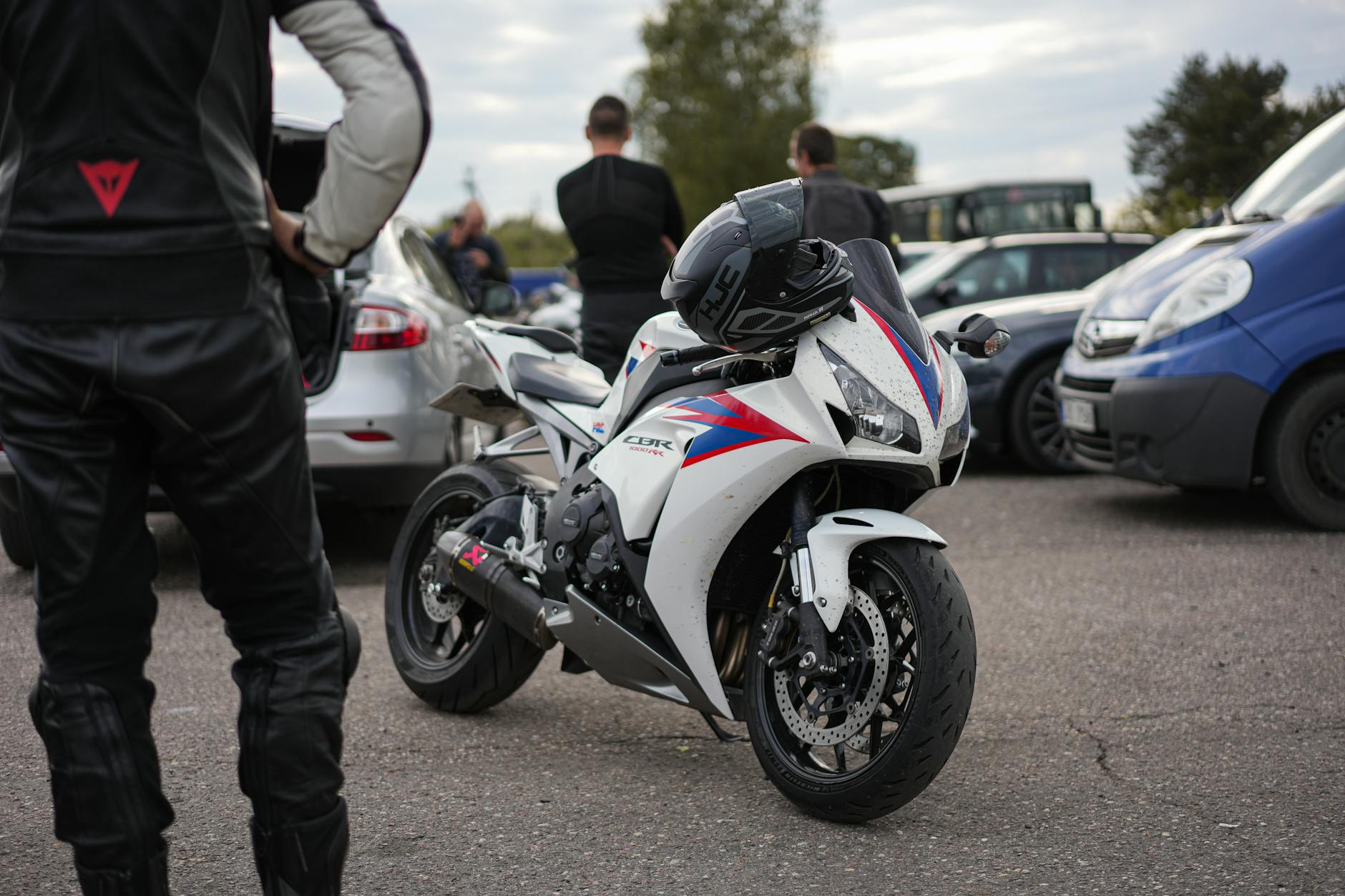
Honda Cbr1000rr Fireblade
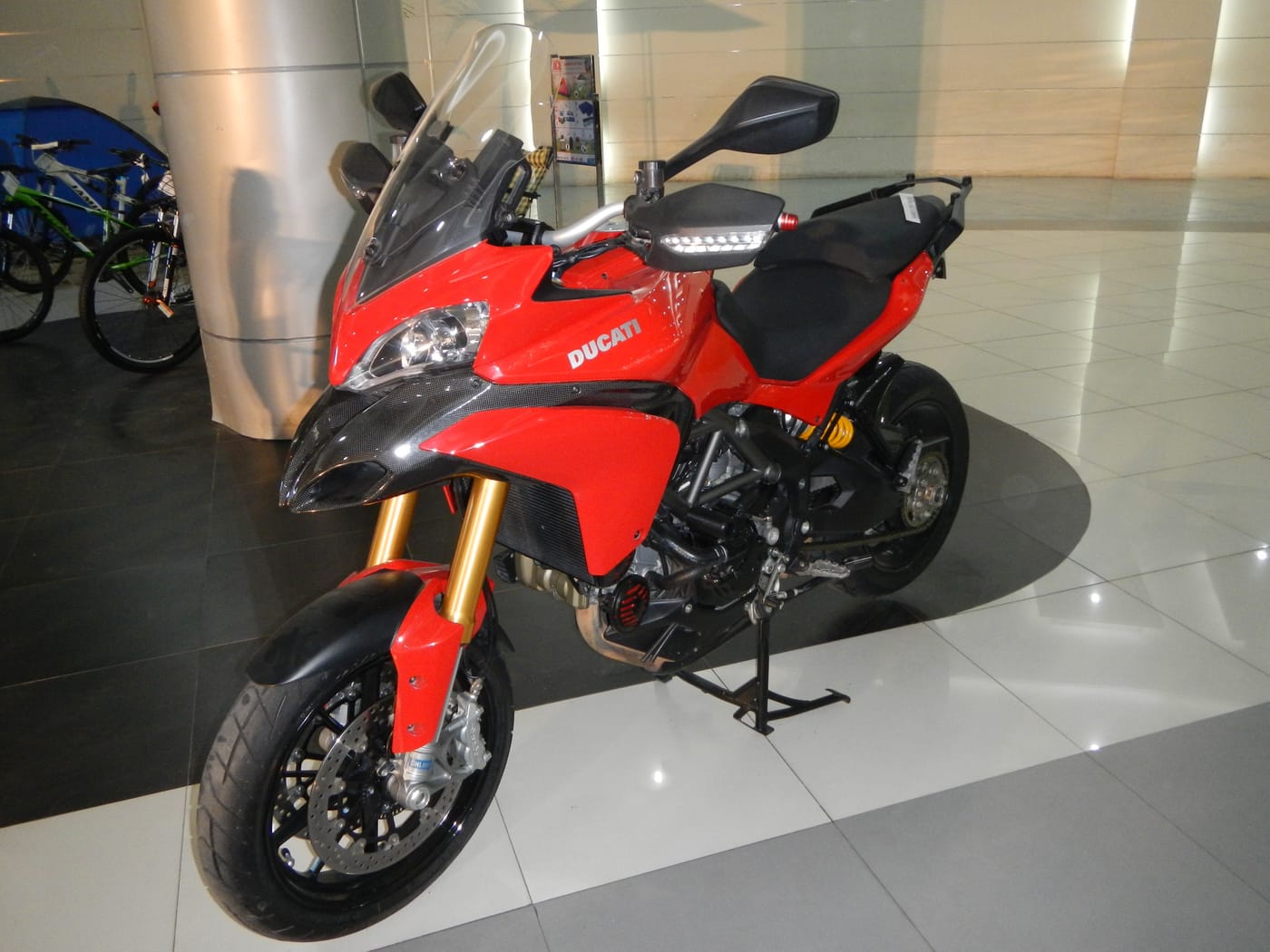
Ducati Panigale V2
Ducati Panigale 1299
Ducati Panigale 1199
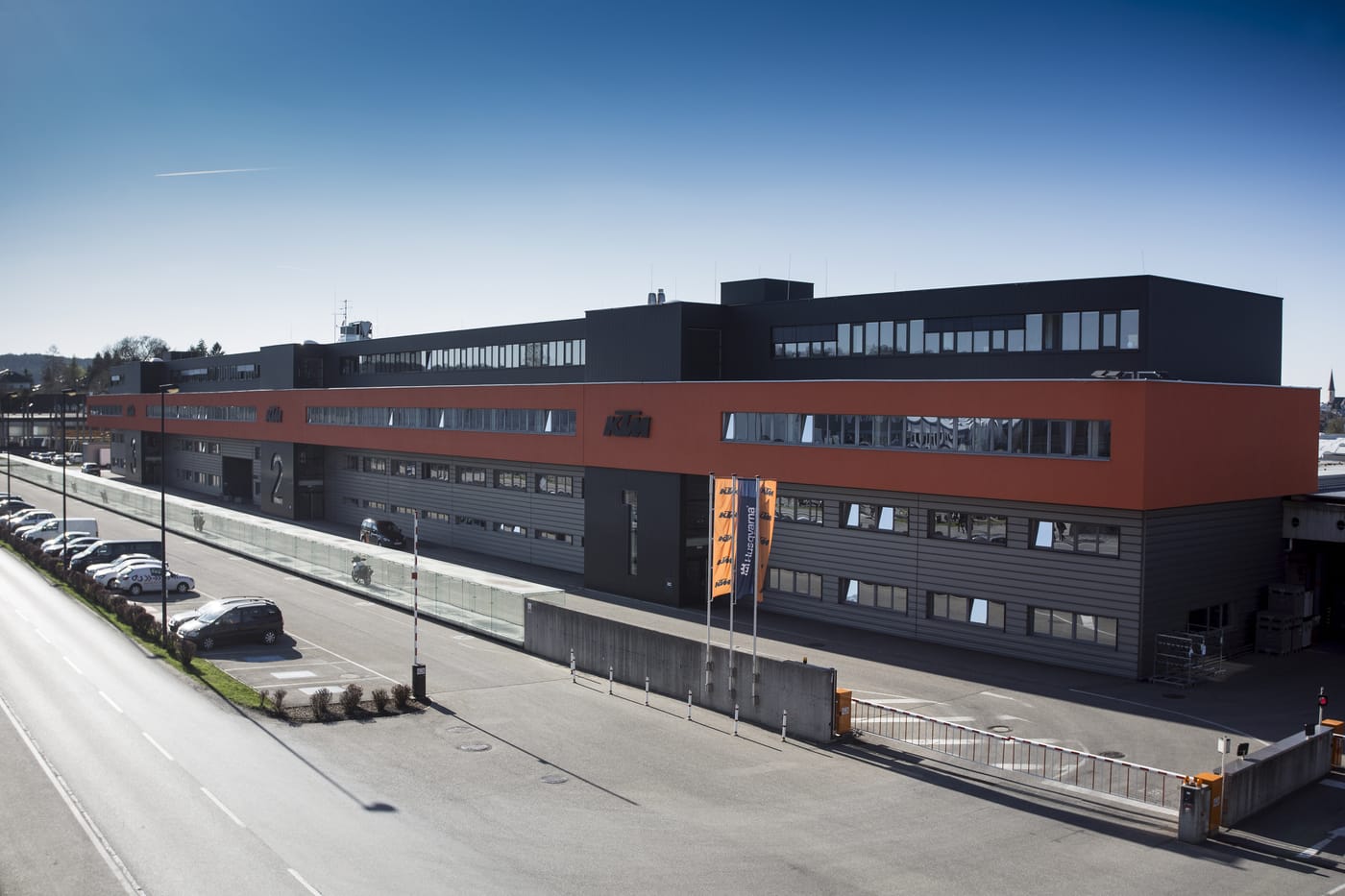
Ktm Rc8
Compare Ducati 999 Side-by-Side
compare_arrowsSpecs, power, weight & buyer verdict — head-to-head with the bikes most often cross-shopped.
Ducati 999 vs Honda Cbr1000rr Fireblade
Specs · Power · Buyer verdict
Ducati 999 vs Ducati Panigale V2
Specs · Power · Buyer verdict
Ducati 999 vs Ducati Panigale 1299
Specs · Power · Buyer verdict
Ducati 999 vs Ducati Panigale 1199
Specs · Power · Buyer verdict
Ducati 999 vs Ktm Rc8
Specs · Power · Buyer verdict
More Ducati 999 Guides
More from Ducati
View all Ducati models →Community Reviews
Discussion
Frequently Asked Questions
What are common problems with the Ducati 999? +
Desmodromic valve service overdue: Ask for service history, every 7500-15000 miles required (serious) | Stator and regulator/rectifier failure: Check charging voltage, look for melted connector signs (serious) | Fuel pump and injector issues: Listen for rough idle, hesitation at low throttle (moderate)
Is the Ducati 999 a good motorcycle? +
Buy it right and the 999 rewards like almost nothing else. Rating: 8.0/10. Best for: Experienced riders who prioritise engagement over convenience. Avoid if: You want low-maintenance weekend transport.
What is the horsepower of the Ducati 999? +
The Ducati 999 produces 124 hp @ 9,750 rpm, with 99 Nm @ 8,000 rpm of torque. Top speed: 270 km/h.
Is the Ducati 999 good for beginners? +
Not really — the Ducati 999 is better for experienced riders (124 hp can be intimidating). Experienced riders who prioritise engagement over convenience Avoid if: You want low-maintenance weekend transport
Is the Ducati 999 reliable? +
Owners report 2 critical issues to watch for on the Ducati 999, notably: Desmodromic valve service overdue (Ask for service history, every 7500-15000 miles required). Buy with a pre-purchase inspection.
Is the Ducati 999 good for daily use? +
Experienced riders who prioritise engagement over convenience Fuel: 7.5 L/100km (approx 13.3 km/L).
How fast is the Ducati 999? +
The Ducati 999 reaches a top speed of 270 km/h, producing 124 hp at 198 kg curb weight. Real-world performance depends on rider weight, gearing, and road conditions.
What gear should I buy for a Ducati 999? +
Motoryk has curated a Top 10 gear list specifically for the Ducati 999, covering engine oil, tires, chain, battery, and brake pads — see motoryk.com/bikes/ducati/999/top10. Each pick is matched to this bike's spec.