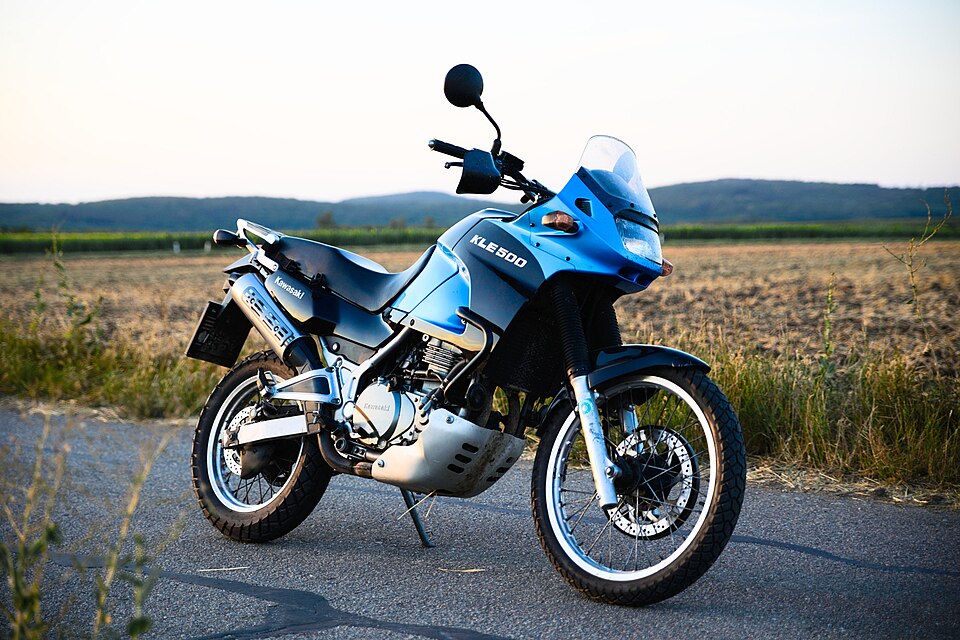
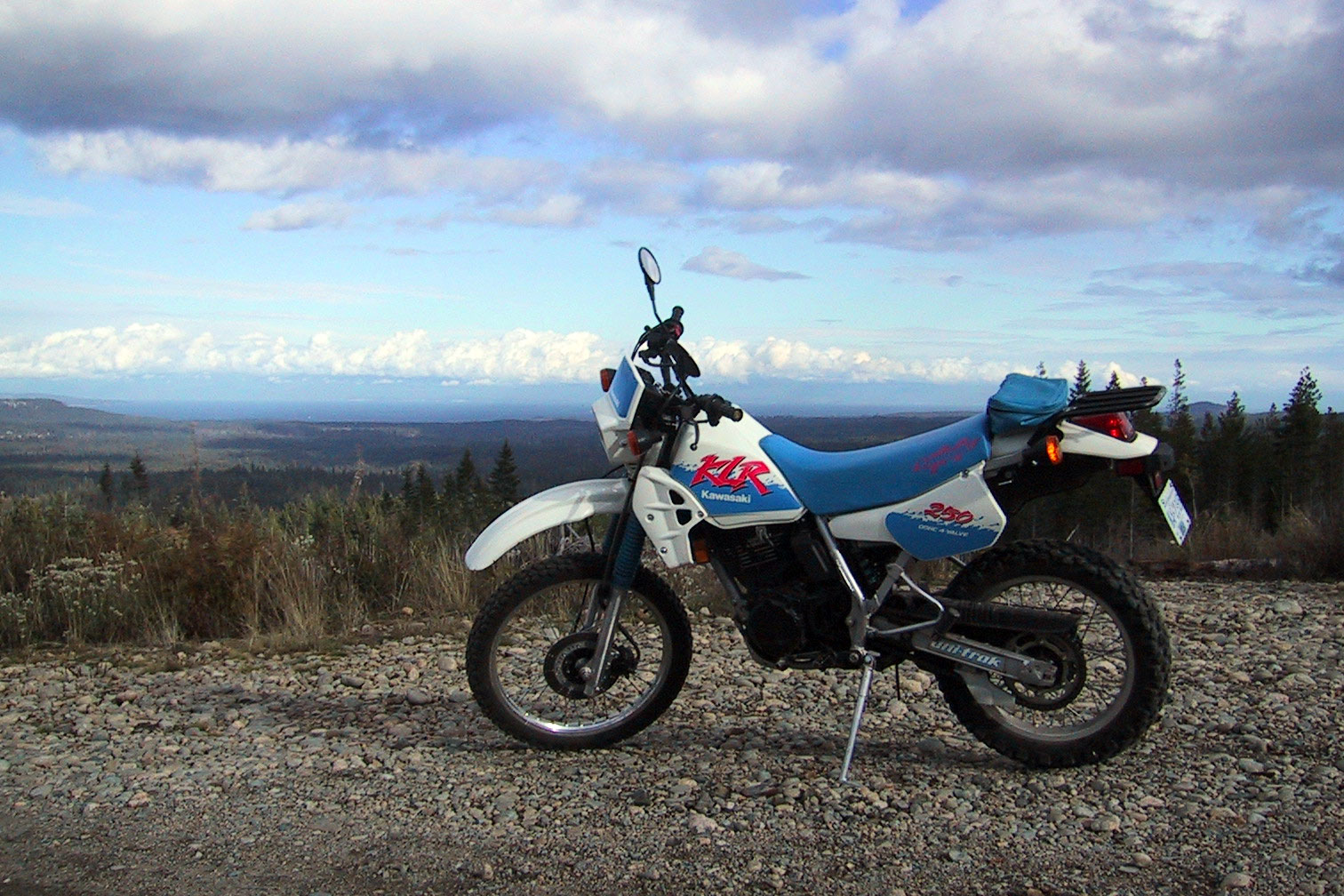
Kawasaki Kle500 vs Kawasaki Klr 650
Side-by-side comparison for used motorcycle buyers
Kawasaki Kle500 vs Kawasaki Klr 650. Kawasaki Kle500: 50 hp @ 8,500 rpm hp, 198 kg (wet/curb weight) weight, top speed 175 km/h (estimated; note: varies by year and conditions), Motoryk rating 7.5/10. Kawasaki Klr 650: 40 hp @ 6,000 rpm (2022+ fuel-injected model; carbureted models ~35 hp) hp, 202 kg (wet/curb weight — 2022+ model; earlier carbureted models approx. 193–198 kg) weight, top speed 175 km/h (estimated; note: real-world comfortable cruising is closer to 130–145 km/h), Motoryk rating 7.5/10.
Performance at a Glance
Green = winner per metric · Bars are relative to the higher value
Kawasaki Kle500
Kawasaki Klr 650
Weight (kg) — lower is better
Type
Dual-sport
Dual-sport
Horsepower
50 hp @ 8,500 rpm
40 hp @ 6,000 rpm (2022+ fuel-injected model; carbureted models ~35 hp)
Torque
44 Nm @ 7,000 rpm
55 Nm @ 4,500 rpm
Top Speed
175 km/h (estimated; note: varies by year and conditions)
175 km/h (estimated; note: real-world comfortable cruising is closer to 130–145 km/h)
Weight
198 kg (wet/curb weight)
202 kg (wet/curb weight — 2022+ model; earlier carbureted models approx. 193–198 kg)
Fuel
4.5–5.5 L/100km (approx 18–22 km/L typical real-world average)
4.5–5.5 L/100km (approx. 18–22 km/L typical real-world average)
Individual Reviews
"Underrated, reliable dual-sport tourer offering serious value for sensible money."
Pros
+Genuinely indestructible engine
+Comfortable upright ergonomics
+Strong used parts availability
Cons
−Carbs gum up quickly
−Suspension soft when loaded
−No fuel injection option
"The world's most capable mediocre motorcycle — buy it used without hesitation."
Pros
+Nearly indestructible engine
+Parts and community support everywhere
+Handles dirt roads competently
Cons
−Doohickey failure kills engines
−Brutal highway vibration
−Suspension embarrassingly basic
Top 10 Accessories
Picks that work on either bike.
Affiliate · we may earn