Kawasaki Klr 650
The Kawasaki Klr 650 has a top speed of 175 km/h (estimated; note: real-world comfortable cruising is closer to 130–145 km/h), produces 40 hp and weighs 202 kg. Motoryk rates it 7.5/10.
The Kawasaki KLR650 was introduced in 1987 as a single-cylinder dual-sport adventure motorcycle, becoming one of the most popular and long-lived adventure bikes ever produced. It received a significant redesign in 2008 with updated suspension, bodywork, and fuel tank capacity, and was briefly discontinued in 2018 before being revived in 2022 with modern updates including fuel injection and ABS. Its reputation for rugged reliability, affordability, and ease of repair has made it a favorite for long-distance adventure touring and overlanding worldwide.
40 hp
Power
55 Nm
Torque
202 kg
Weight
175 km/h (estimated; note: real-world comfortable cruising is closer to 130–145 km/h)
Top Speed
4.5–5.5 L/100km (approx. 18–22 km/L typical real-world average)
Fuel
Naked
Body
🔧 Service Schedule & Parts
Affiliate · we may earn| Service item | Every | Typical cost | Parts |
|---|---|---|---|
| 🛢️ Engine oil + oil filter | 6,000 km / 3,500 mi or 12 mo | $40-80 | 🛢️ Buy → ⚙️ Buy → |
| 🌬️ Air filter | 12,000 km / 7,500 mi | — | 🌬️ Buy → |
| ⚡ Spark plugs | 12,000 km / 7,500 mi | — | ⚡ Buy → |
| 🔧 Valve clearance check | 24,000 km / 15,000 mi | $150-300 | |
| 🔗 Chain & sprockets | 20000-35000 km (replace) | $150-300 | 🔗 Buy → |
| 🛑 Brake pads | 15000-25000 km | $30-60 | 🛑 Buy → |
| 💧 Brake fluid | 24,000 km / 15,000 mi or 2 yr | — | |
| 🧊 Coolant | 24,000 km / 15,000 mi | — | |
| 🛞 Tires | 15000-25000 km | $200-400 | 🛞 Buy → |
| 🔩 Major service | 24,000 km / 15,000 mi | $250-500 |
Video Review
What Buyers Should Know
Watch the Doohickey
The KLR 650's most notorious issue is a small balancer chain tensioner called the 'doohickey' that can fail and cause serious engine damage. Most experienced owners replace it immediately — aftermarket upgrades cost under $50 and are a must-do preventive fix.
Strong Resale Value
The KLR 650 holds its value exceptionally well due to its cult following and reputation as an indestructible adventure bike. A well-maintained used KLR often sells for 70–80% of its original price, making it a smart long-term investment.
Massive Fuel Range
With a 6.1-gallon tank and fuel economy averaging 45–55 mpg, the KLR 650 can achieve a range of over 250 miles per tank. This makes it a top choice for remote adventure touring where gas stations are far apart.
Generations & Specs by Year
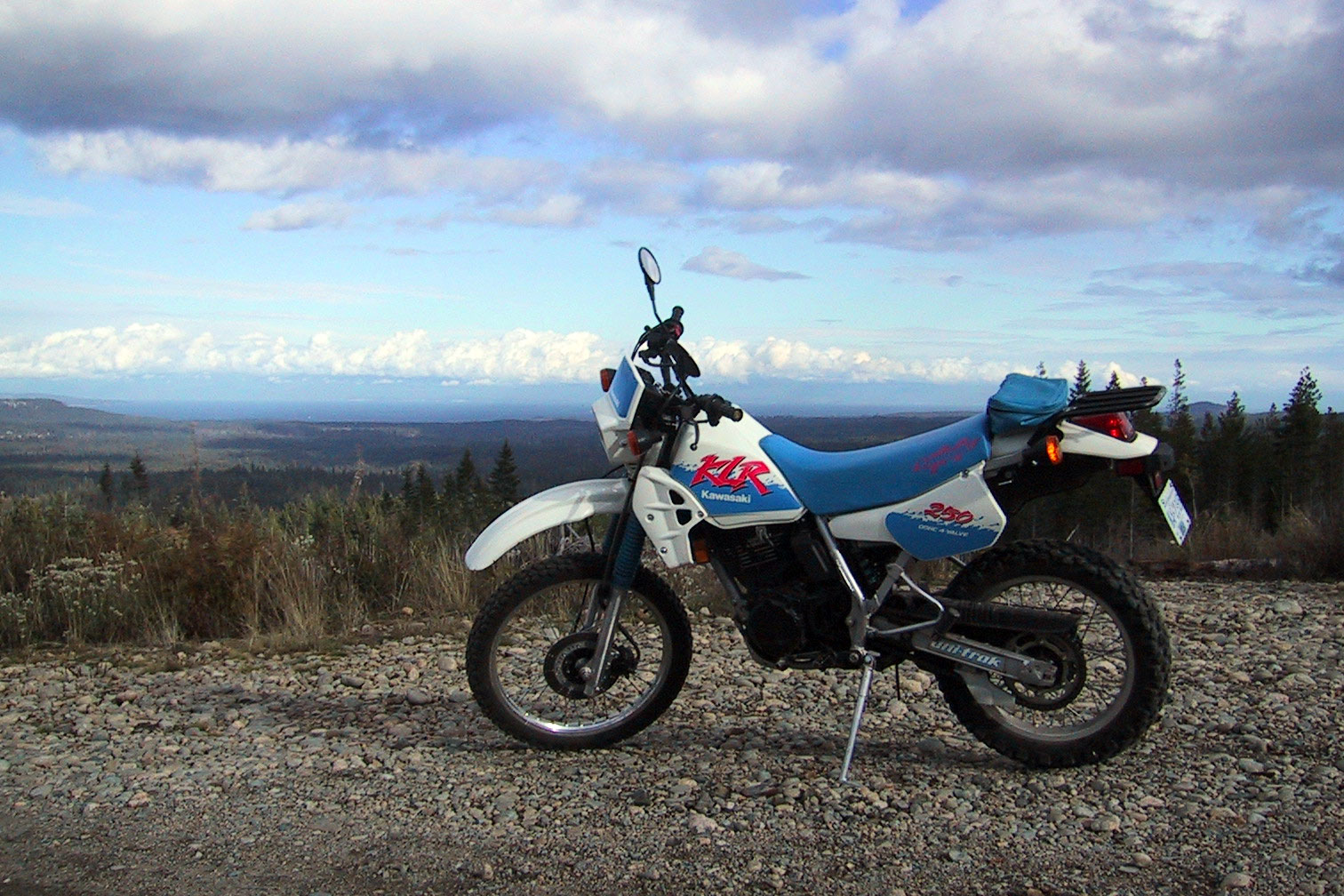
Original KLR650 introduced; 651cc single-cylinder, classic dual-sport design, minimal changes over two decades.
"The unkillable mule that actually goes everywhere."
I've put 40,000 km on a '99 KLR and the thing simply refuses to die — it crossed three countries on dirt tracks, loaded to 280 kg with gear, and never once left me stranded. The thumper vibrates your fillings loose above 120 km/h and the stock seat turns into a medieval torture device after hour two, but you forgive everything because parts cost nothing and any village mechanic with a wrench can fix it. That doohickey tensioner issue is real — replace it proactively and stop worrying, it's a $30 fix people have turned into mythology. Nothing about this bike is exciting or fast, but nothing about it is fragile either, and that's the entire point.
Pros
Cons
Restyled bodywork, improved suspension, larger fuel tank, updated brakes, revised frame, doohickey fix incorporated.
"The cockroach of adventure bikes — unglamorous, indestructible, everywhere."
I've put 28,000 km on a 2012 KLR and the thing simply refuses to die, which is either its greatest feature or a comment on how low the bar is. The 651cc thumper pulls hard enough between 3,500 and 5,500 rpm to feel genuinely useful on highway on-ramps, but above 130 km/h it's vibrating your fillings loose and running out of breath simultaneously. Kawasaki's Gen 2 updates were real improvements — the suspension actually handles gravel washboard without feeling like a shopping cart, and that 22-liter tank means 400 km between stops in the real world. The doohickey fix was overdue and appreciated, but you're still carrying a toolkit because something plastic will crack, a bolt will back out, or the charging system will quietly decide it's done.
Pros
Cons
Reintroduced after hiatus; fuel injection, ABS brakes, updated chassis, modern electronics, revised ergonomics.
Used Buyer Review
"The world's most capable mediocre motorcycle — buy it used without hesitation."
$3,500-$5,500 usedThe KLR 650 is one of those bikes that refuses to die, and that's genuinely its greatest selling point. Kawasaki barely changed the thing between 1987 and 2022, which means parts are everywhere, mechanics know them cold, and the community knowledge base is enormous. Buy one with 40,000 miles and don't lose sleep over it — these engines just keep going if the previous owner wasn't a complete idiot about oil changes. That said, go in with realistic expectations. The doohickey — a balancer chain tensioner — is a known failure point on pre-2008 models and can grenade your engine if ignored. Check service records, or budget $200-300 to have it replaced immediately. The suspension is agricultural, the vibration above 70mph will numb your hands on long days, and it'll never win a drag race against anything. But for overlanding, commuting, or general beating around on imperfect roads? It's almost perfectly suited. Used prices have climbed absurdly post-COVID. Don't overpay. Walk away from anything priced above $5,500 unless it's been heavily upgraded.
Variants of the Kawasaki Klr 650
Same bike, different trim or year-range — pick the one matching the listing.
Top 10 Accessories
Curated picks for the Kawasaki Klr 650 — owned, ridden, recommended.


Common Problems
🔥 1 CRITICALAsk if upgraded, rattling on cold start
Inspect for coolant stains around radiator fins
Rough idle, hesitation, check for rejet history
Inspect rear subframe welds for cracks visually
✅Pre-Purchase Checklist
Bulletproof if doohickey upgraded, cheap maintenance
Full Specifications
Rivals & Alternatives
Bikes that buyers cross-shop with the Kawasaki Klr 650
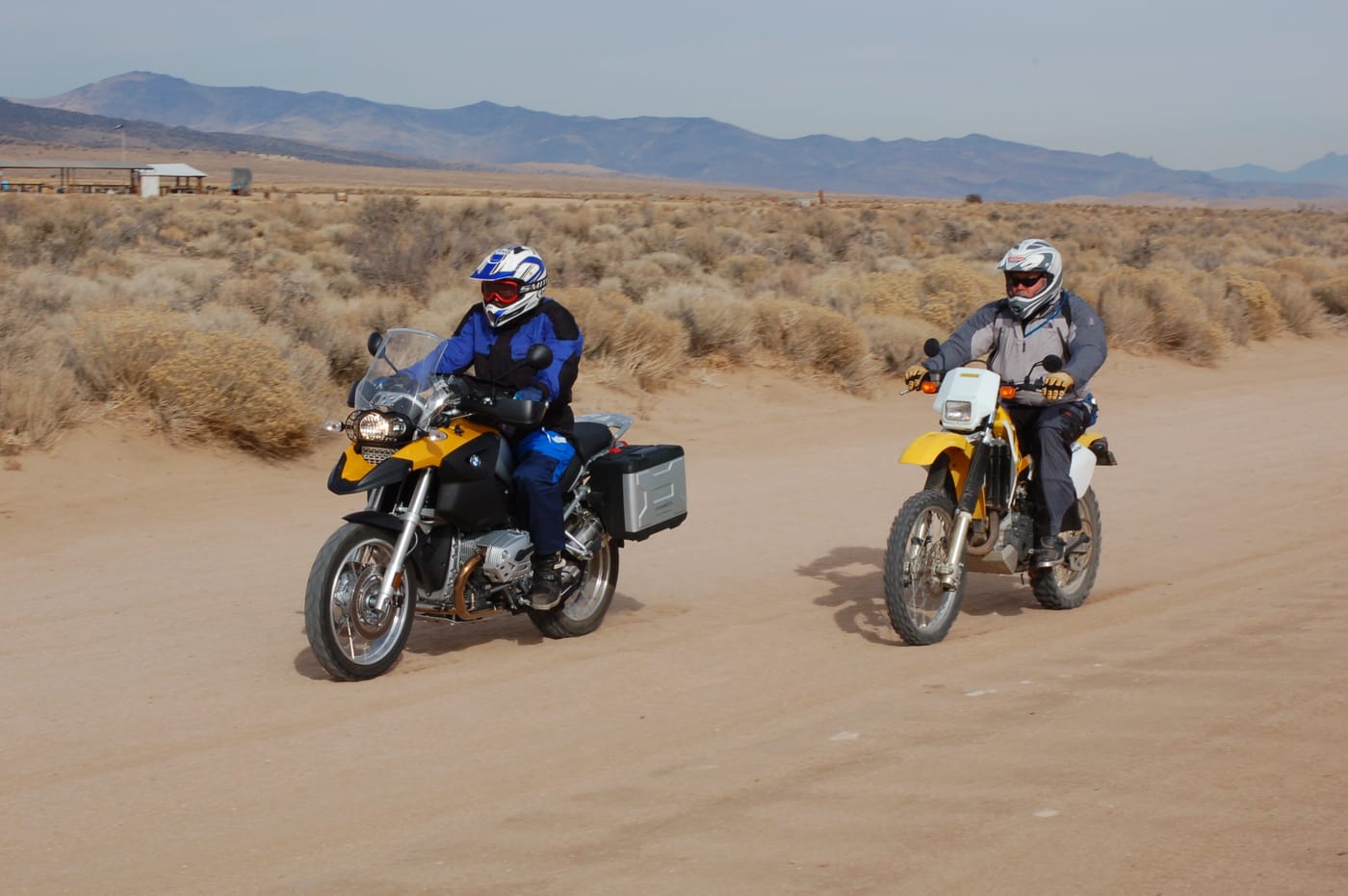
Suzuki Dr650
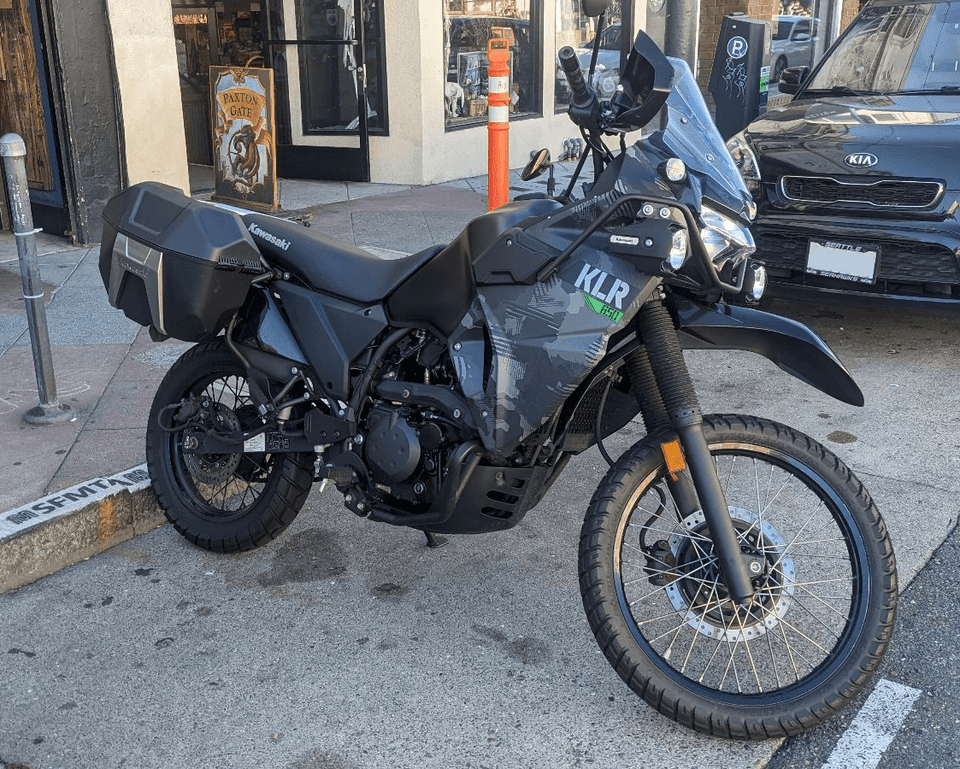
Kawasaki Klr 650 Adventure
Honda Xr650l
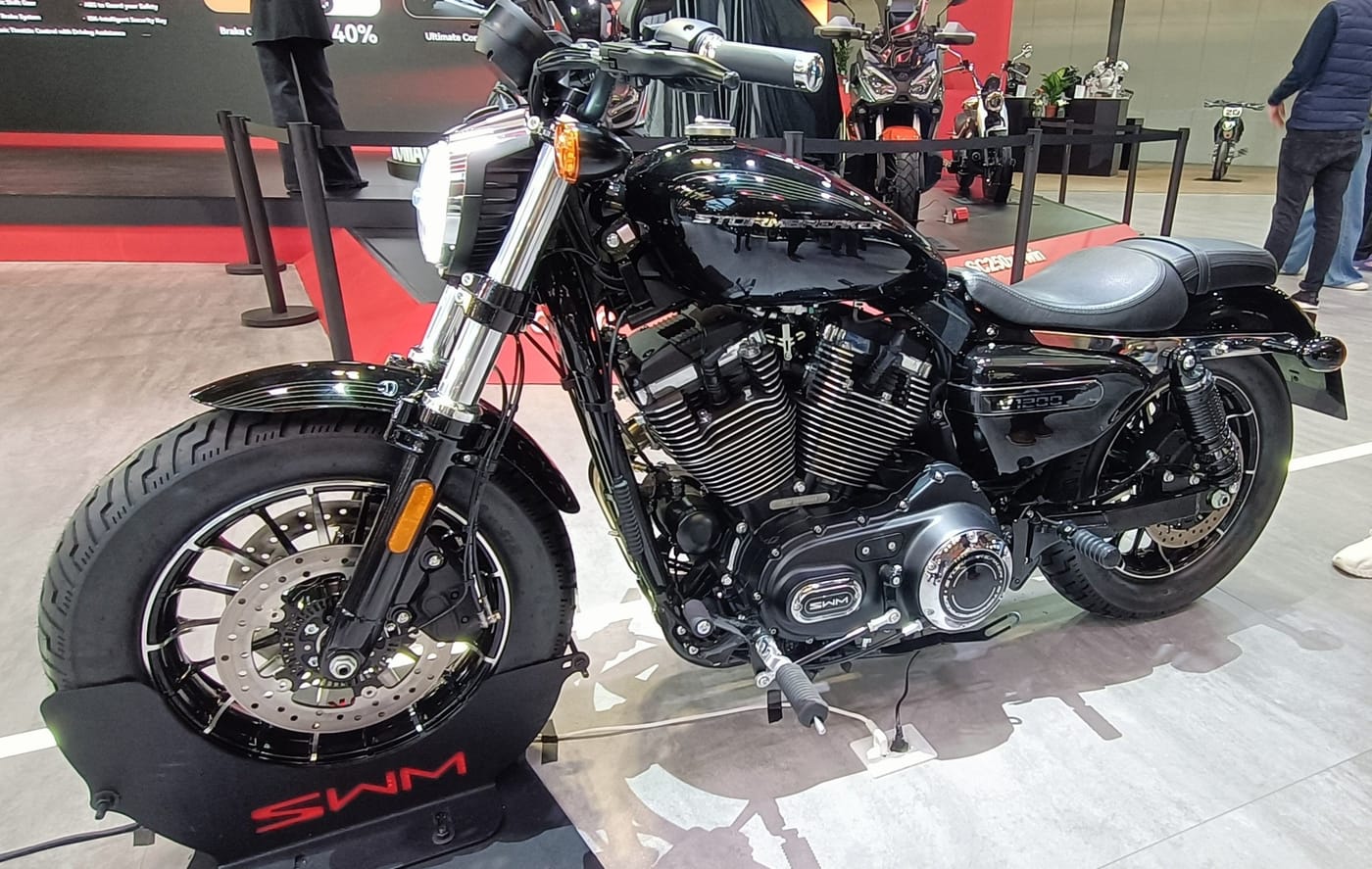
Swm Superdual 650
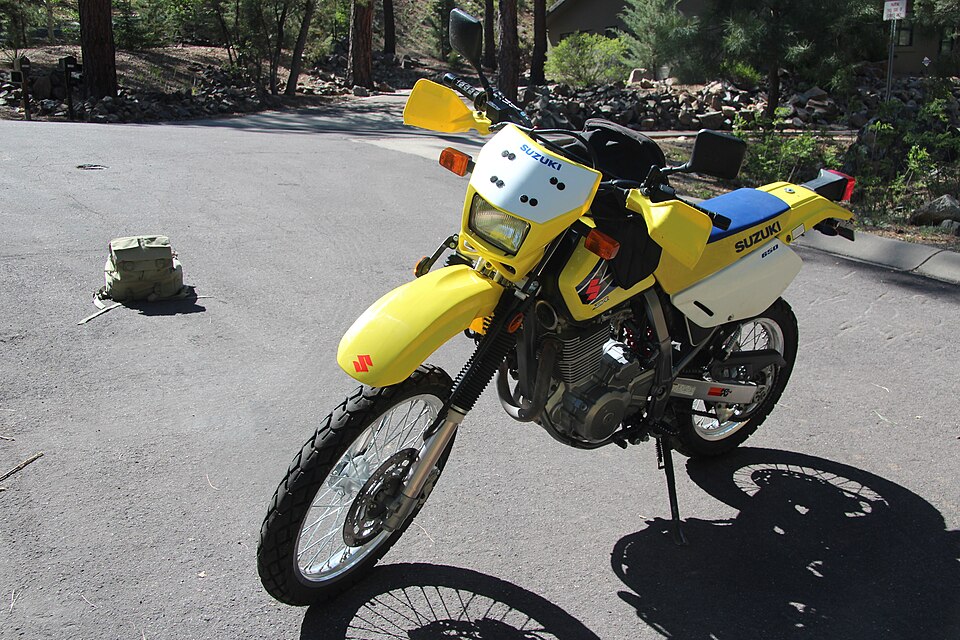
Suzuki Dr650se
Compare Kawasaki Klr 650 Side-by-Side
compare_arrowsSpecs, power, weight & buyer verdict — head-to-head with the bikes most often cross-shopped.
Kawasaki Klr 650 vs Suzuki Dr650
Specs · Power · Buyer verdict
Kawasaki Klr 650 vs Kawasaki Klr 650 Adventure
Specs · Power · Buyer verdict
Kawasaki Klr 650 vs Honda Xr650l
Specs · Power · Buyer verdict
Kawasaki Klr 650 vs Swm Superdual 650
Specs · Power · Buyer verdict
Kawasaki Klr 650 vs Suzuki Dr650se
Specs · Power · Buyer verdict
More Kawasaki Klr 650 Guides
More from Kawasaki
View all Kawasaki models →Community Reviews
Discussion
Frequently Asked Questions
What are common problems with the Kawasaki Klr 650? +
Doohickey failure (balancer chain tensioner): Ask if upgraded, rattling on cold start (serious) | Cracked or leaking radiator: Inspect for coolant stains around radiator fins (moderate) | Carburetor jetting issues pre-2008: Rough idle, hesitation, check for rejet history (minor)
Is the Kawasaki Klr 650 a good motorcycle? +
The world's most capable mediocre motorcycle — buy it used without hesitation. Rating: 7.5/10. Best for: Adventure tourers wanting bulletproof, fixable anywhere reliability. Avoid if: You prioritize performance, comfort, or highway speed.
What is the horsepower of the Kawasaki Klr 650? +
The Kawasaki Klr 650 produces 40 hp @ 6,000 rpm (2022+ fuel-injected model; carbureted models ~35 hp), with 55 Nm @ 4,500 rpm of torque. Top speed: 175 km/h (estimated; note: real-world comfortable cruising is closer to 130–145 km/h).
Is the Kawasaki Klr 650 good for beginners? +
Yes — the Kawasaki Klr 650 is a reasonable choice for new riders (40 hp is manageable), weighing 202 kg. Adventure tourers wanting bulletproof, fixable anywhere reliability
Is the Kawasaki Klr 650 reliable? +
Owners report 1 critical issue to watch for on the Kawasaki Klr 650, notably: Doohickey failure (balancer chain tensioner) (Ask if upgraded, rattling on cold start). Buy with a pre-purchase inspection.
Is the Kawasaki Klr 650 good for daily use? +
Adventure tourers wanting bulletproof, fixable anywhere reliability Fuel: 4.5–5.5 L/100km (approx. 18–22 km/L typical real-world average).
How fast is the Kawasaki Klr 650? +
The Kawasaki Klr 650 reaches a top speed of 175 km/h (estimated; note: real-world comfortable cruising is closer to 130–145 km/h), producing 40 hp at 202 kg curb weight. Real-world performance depends on rider weight, gearing, and road conditions.
What gear should I buy for a Kawasaki Klr 650? +
Motoryk has curated a Top 10 gear list specifically for the Kawasaki Klr 650, covering engine oil, tires, chain, battery, and brake pads — see motoryk.com/bikes/kawasaki/klr-650/top10. Each pick is matched to this bike's spec.