Honda Vfr750 vs Honda Vfr800
Side-by-side comparison for used motorcycle buyers
Honda Vfr750 vs Honda Vfr800. Honda Vfr750: 100 hp @ 10,500 rpm (RC36, 1990–1997 model; earlier RC24 produced ~105 hp) hp, 228 kg (wet/curb weight, RC36 generation) weight, top speed 240 km/h (estimate; varies slightly by year and market), Motoryk rating 8.5/10. Honda Vfr800: 107 hp @ 10,250 rpm hp, 235 kg (wet/curb weight) weight, top speed 240 km/h (estimated; manufacturer limited), Motoryk rating 8.5/10.
Performance at a Glance
Green = winner per metric · Bars are relative to the higher value
Honda Vfr750
Honda Vfr800
Horsepower (hp)
100 hp
107 hp
Torque (Nm)
74 Nm
88 Nm
Top Speed (km/h)
240 km/h
240 km/h
Weight (kg) — lower is better
228 kg
235 kg
Type
Sport
Sport
Horsepower
100 hp @ 10,500 rpm (RC36, 1990–1997 model; earlier RC24 produced ~105 hp)
107 hp @ 10,250 rpm
Torque
74 Nm @ 8,500 rpm
88 Nm @ 8,500 rpm
Top Speed
240 km/h (estimate; varies slightly by year and market)
240 km/h (estimated; manufacturer limited)
Weight
228 kg (wet/curb weight, RC36 generation)
235 kg (wet/curb weight)
Fuel
5.5–6.5 L/100km (approx. 15–18 km/L typical real-world average)
6.0–7.5 L/100km (typical real-world average)
Fairing
Yes
Yes
Individual Reviews
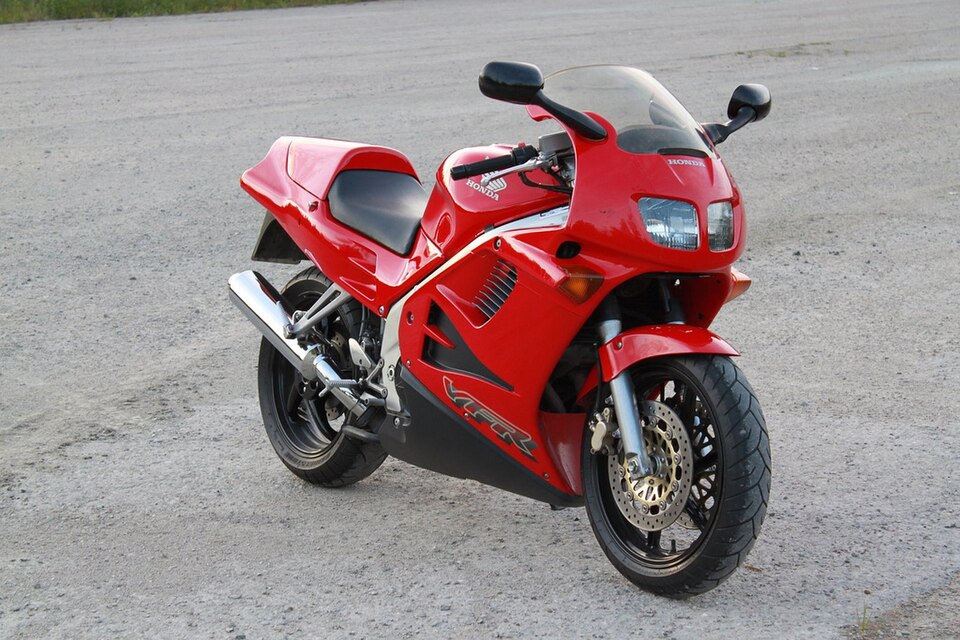
Honda Vfr750
8.5/10
"Buy the best example you can afford — compromises cost more later."
Pros
+Glorious gear-driven cam note
+Exceptionally balanced chassis
+Bulletproof V4 engine internals
Cons
−Cam service is expensive
−Regulator-rectifier failures common
−Fairing panels unobtainium now

Honda Vfr800
8.5/10
"The ultimate all-rounder — if you buy a properly maintained example."
Pros
+Legendary V4 engine character
+Outstanding long-distance capability
+Exceptional chassis balance
Cons
−VTEC issues if neglected
−Rectifier-regulator reliability concerns
−Heavy for its displacement
Top 10 Accessories
Picks that work on either bike.

