Honda Beat Street 110 vs Suzuki Address 110
Side-by-side comparison for used motorcycle buyers
Honda Beat Street 110 vs Suzuki Address 110. Honda Beat Street 110: ~9 hp @ 8,000 rpm (estimated) hp, ~93 kg (curb weight) weight, top speed ~110 km/h (estimated), Motoryk rating 6.5/10. Suzuki Address 110: ~6.4 hp @ 7,000 rpm (note: approximate, varies slightly by market year) hp, ~89 kg (curb weight) weight, top speed ~95 km/h (estimated, note: real-world top speed may vary by market variant), Motoryk rating 7.5/10.
Performance at a Glance
Green = winner per metric · Bars are relative to the higher value
Honda Beat Street 110
Suzuki Address 110
Horsepower (hp)
9 hp
6.4 hp
Torque (Nm)
9.3 Nm
8 Nm
Top Speed (km/h)
110 km/h
95 km/h
Weight (kg) — lower is better
93 kg
89 kg
Type
Scooter
Scooter
Horsepower
~9 hp @ 8,000 rpm (estimated)
~6.4 hp @ 7,000 rpm (note: approximate, varies slightly by market year)
Torque
~9.3 Nm @ 6,500 rpm (estimated)
~8.0 Nm @ 5,500 rpm (note: approximate estimate)
Top Speed
~110 km/h (estimated)
~95 km/h (estimated, note: real-world top speed may vary by market variant)
Weight
~93 kg (curb weight)
~89 kg (curb weight)
Fuel
~1.8 L/100km or ~55 km/L (estimated real-world average)
~2.0 L/100km or ~50 km/L (typical real-world average)
Fairing
Yes
Yes
Individual Reviews
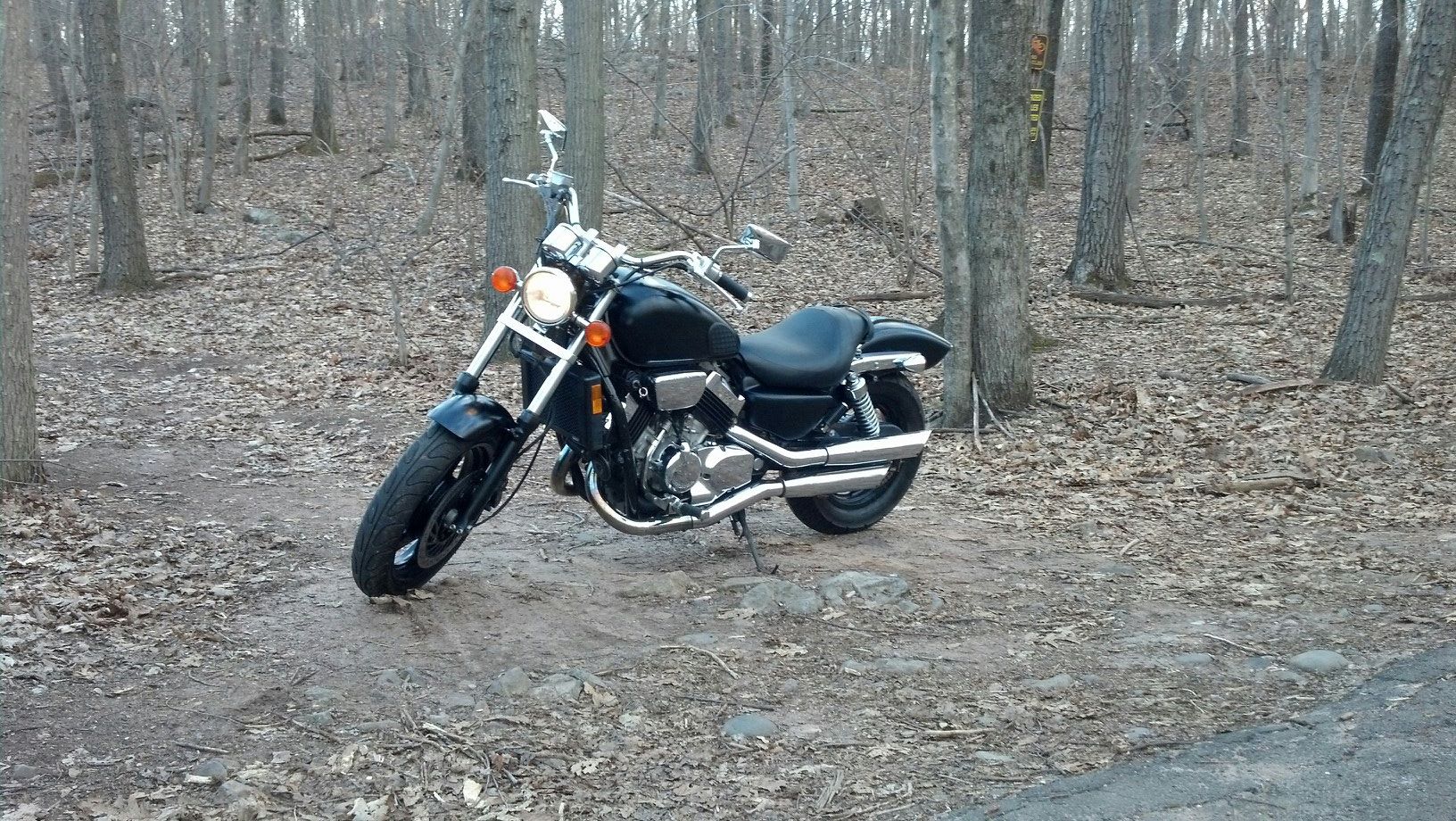
Honda Beat Street 110
6.5/10
"Honest urban runabout that rewards careful buying and modest expectations."
Pros
+Honda reliability, bulletproof engine
+Fuel injection starts perfectly
+Retro styling ages gracefully
Cons
−Underseat storage almost useless
−Soft suspension wallows badly
−Highway speeds feel sketchy
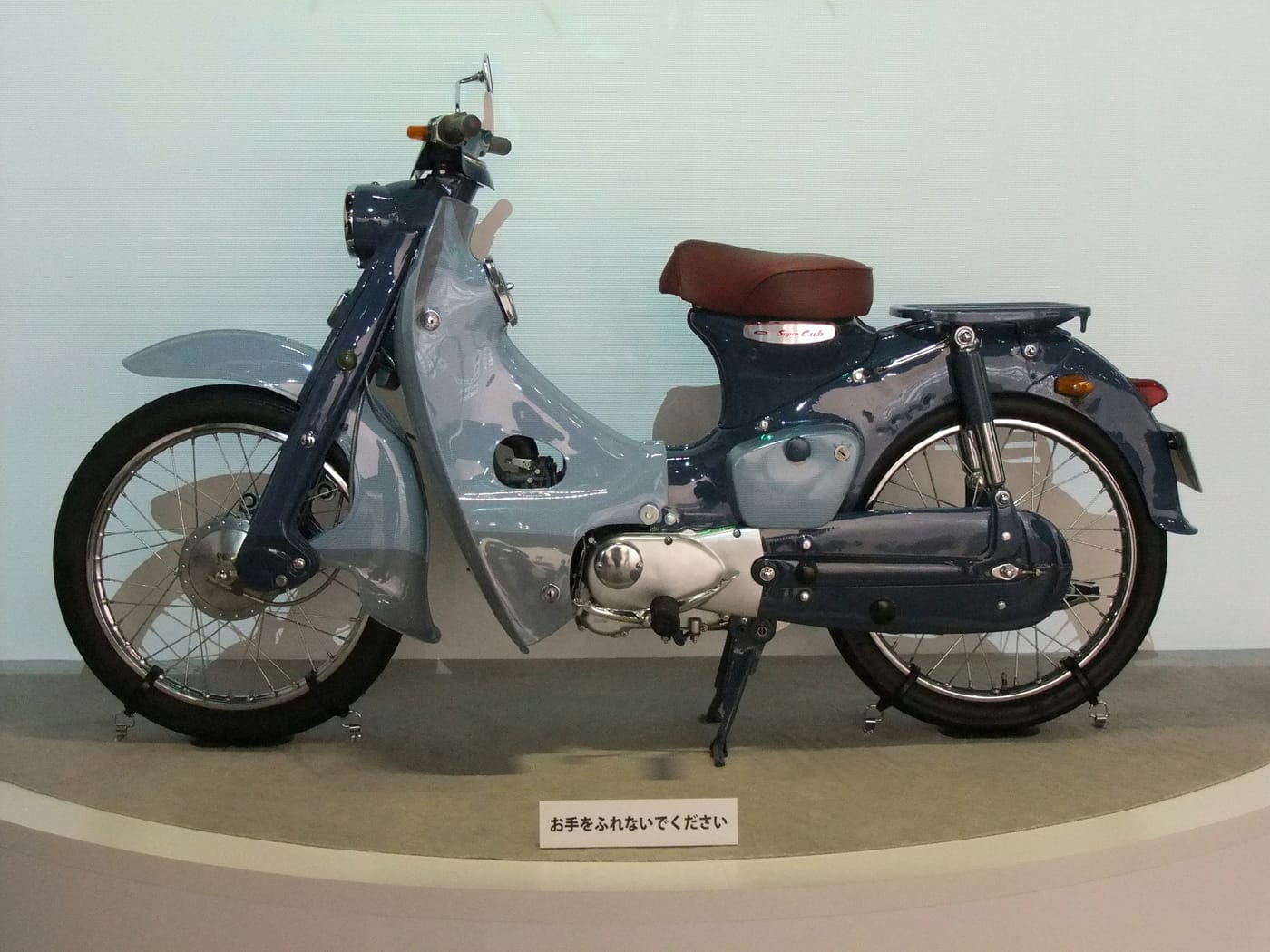
Suzuki Address 110
7.5/10
"The most sensible urban scooter money can buy used."
Pros
+Bulletproof fuel-injected reliability
+Enormous underseat storage
+Exceptional fuel economy
Cons
−CVT belt needs monitoring
−Uninspiring above 55mph
−Budget suspension on rough roads
Top 10 Accessories
Picks that work on either bike.