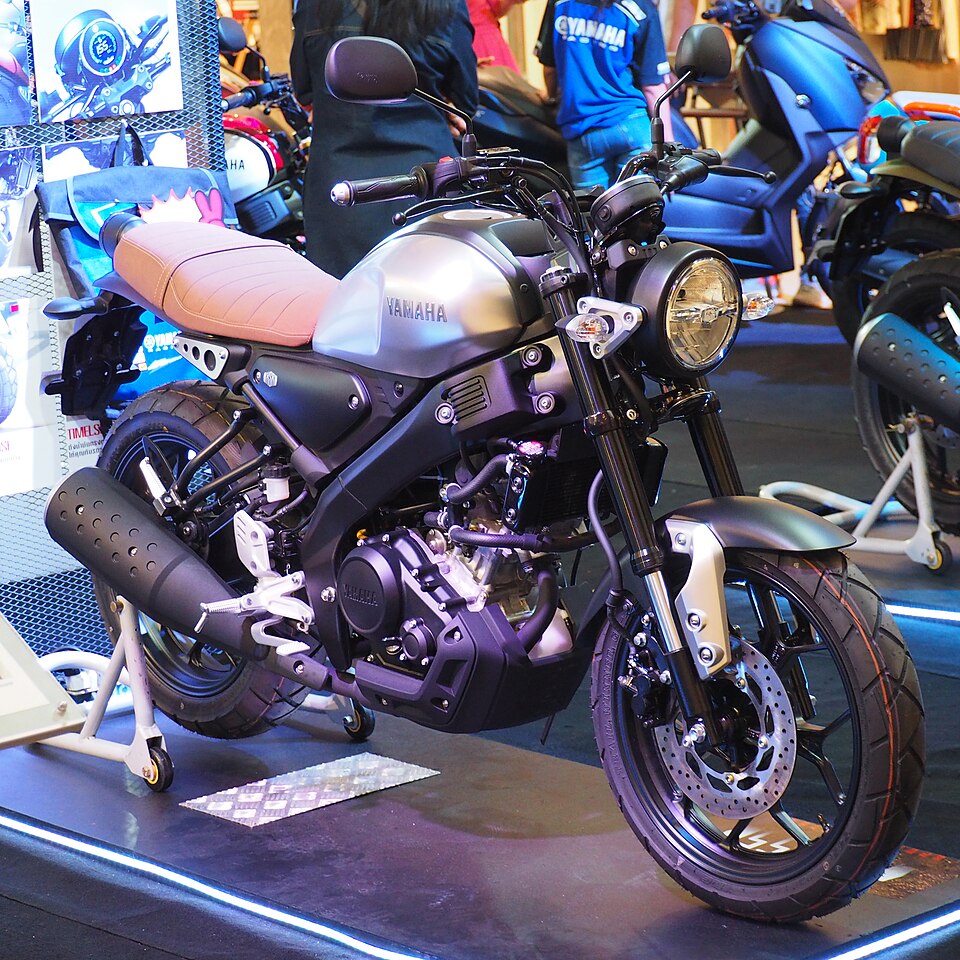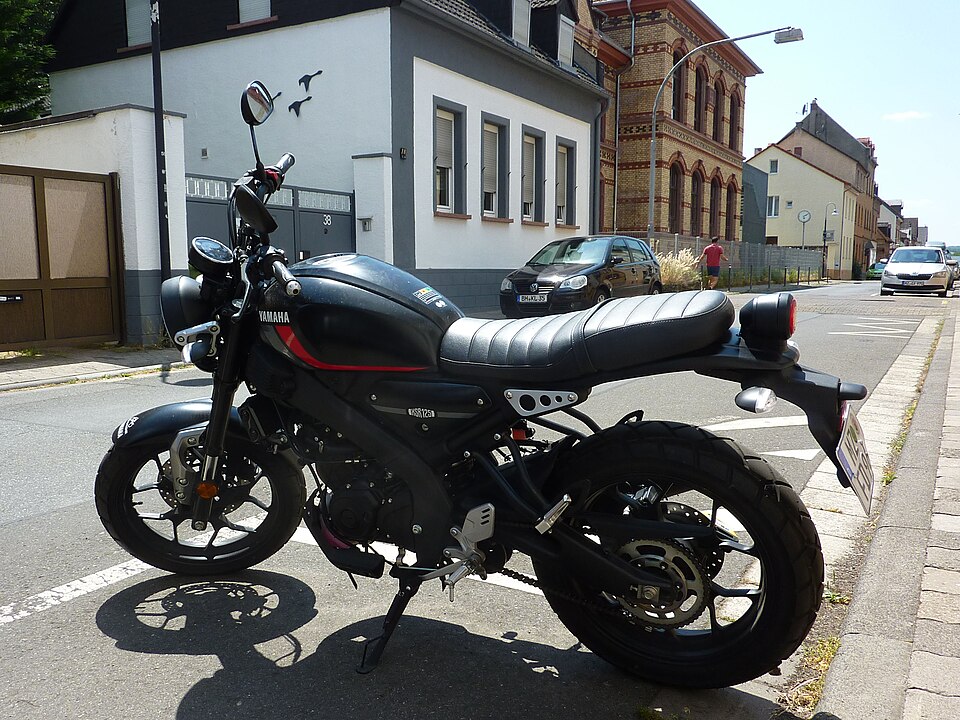
Yamaha Xsr700
The Yamaha Xsr700 has a top speed of 180 km/h (est.), produces 73 hp and weighs 186 kg. Motoryk rates it 8.5/10.
La Yamaha XSR700 a été introduite en 2016 dans le cadre de la gamme Sport Heritage de Yamaha, alliant l'esthétique rétro d'un café-racer à une technologie de performance moderne. Il est construit autour du moteur bicylindre parallèle éprouvé de la MT-07, partageant son cadre Deltabox et ses composants de châssis tout en offrant un look plus classique inspiré du Scrambler. La XSR700 a été bien accueillie dans le monde entier pour sa puissance accessible, sa maniabilité légère et son style intemporel qui séduisent à la fois les pilotes débutants et expérimentés.
73 hp
Pouvoir
68 Nm
Torque
186 kg
Poids
180 km/h (est.)
Vitesse maximale
4.5–5.5 L/100km (approx. 18–22 km/L typical real-world average)
Carburant
Nue
Corps
🔧 Service Schedule & Parts
Affiliate · we may earn| Service item | Every | Typical cost | Parts |
|---|---|---|---|
| 🛢️ Engine oil + oil filter | 6,000 km / 3,500 mi or 12 mo | $40-80 | 🛢️ Buy → ⚙️ Buy → |
| 🌬️ Air filter | 12,000 km / 7,500 mi | — | 🌬️ Buy → |
| ⚡ Spark plugs | 12,000 km / 7,500 mi | — | ⚡ Buy → |
| 🔧 Valve clearance check | 24,000 km / 15,000 mi | $150-300 | |
| 🔗 Chain & sprockets | 20000-35000 km (replace) | $150-300 | 🔗 Buy → |
| 🛑 Brake pads | 15000-25000 km | $30-60 | 🛑 Buy → |
| 💧 Brake fluid | 24,000 km / 15,000 mi or 2 yr | — | |
| 🧊 Coolant | 24,000 km / 15,000 mi | — | |
| 🛞 Tires | 10000-20000 km | $200-400 | 🛞 Buy → |
| 🔩 Major service | 24,000 km / 15,000 mi | $300-500 |
Video Review
Ce que les acheteurs doivent savoir
Rock-Solid MT-07 Engine
The XSR700 shares its 689cc parallel-twin engine with the proven MT-07, a motor renowned for exceptional reliability with minimal reported mechanical failures. Routine maintenance is straightforward and affordable, making ownership costs very manageable.
Watch the Throttle Bodies
Some owners report throttle body synchronization issues causing rough idling or uneven power delivery, particularly on higher-mileage bikes. A simple throttle body sync during a service visit typically resolves this completely.
Strong Resale Value
The XSR700 holds its value unusually well compared to competitors, thanks to its retro styling appeal and Yamaha's strong brand reputation. Used examples often sell for close to original asking price, especially in clean condition.
Générations et spécifications par année
Lancé en tant que nu de style rétro basé sur la plate-forme MT-07, bicylindre parallèle de 689 cm3, phare rond, style classique.
Évaluation d'un acheteur d'occasion
"One of the smartest used buys in the middleweight naked class."
$5,500-$8,500 usedThe XSR700 is essentially an MT-07 wearing a café racer costume, and that's not a criticism — it's exactly why you should consider one. The CP2 parallel-twin is genuinely brilliant: punchy from 4,000rpm, smooth enough for commuting, mental enough above 8,000rpm to keep you grinning. Yamaha built something honest here. No gimmicks, no rider modes, just a well-sorted chassis that communicates clearly and forgives mistakes without feeling dull. Used examples stack up well. The engine is famously bulletproof if serviced correctly — check the service history religiously and listen for any top-end rattles on cold start. Rear shock is the weak link on older bikes; budget £200-300 for an aftermarket unit if it hasn't been replaced. Ergonomics suit medium-height riders perfectly but taller guys will want bar risers eventually. Avoid anything that's been dropped hard — check the subframe carefully around the pillion pegs.
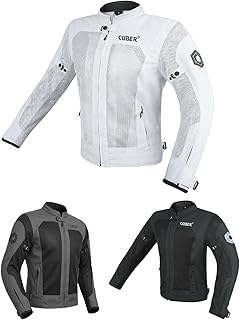
Top 10 Accessories
Curated picks for the Yamaha Xsr700 — owned, ridden, recommended.




Problèmes courants
🔥 1 CRITICALBattery voltage at idle, flickering lights, dead battery
Uneven idle, hesitation, surging at low RPM
Rust, pitting, or blue streaks on headers
Oil residue on fork legs near seals
✅Liste de contrôle préalable à l'achat
Generally reliable, stator issue is main concern
Full Specifications
Rivals & Alternatives
Bikes that buyers cross-shop with the Yamaha Xsr700
Yamaha Xsr900
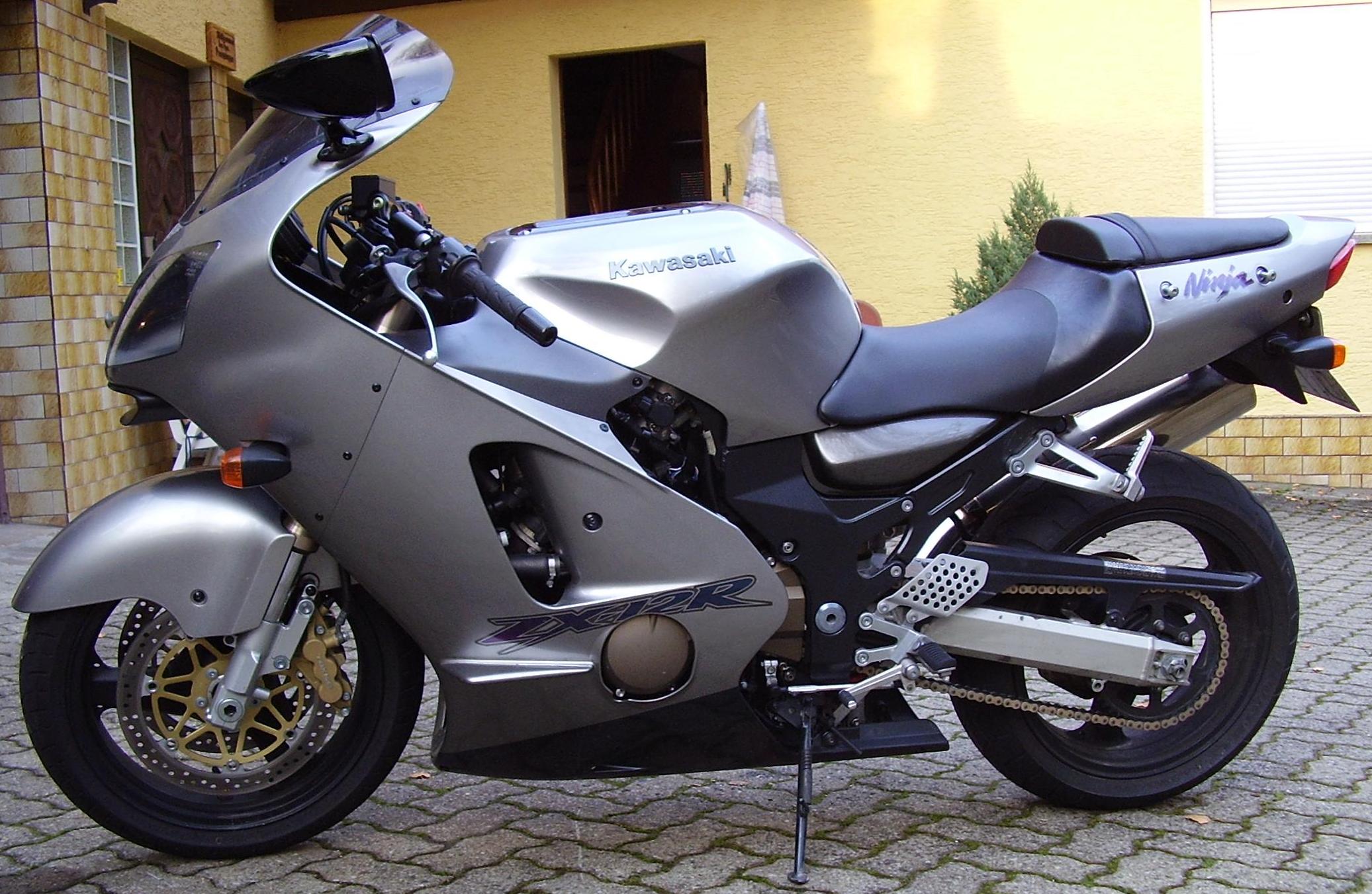
Kawasaki Z900rs
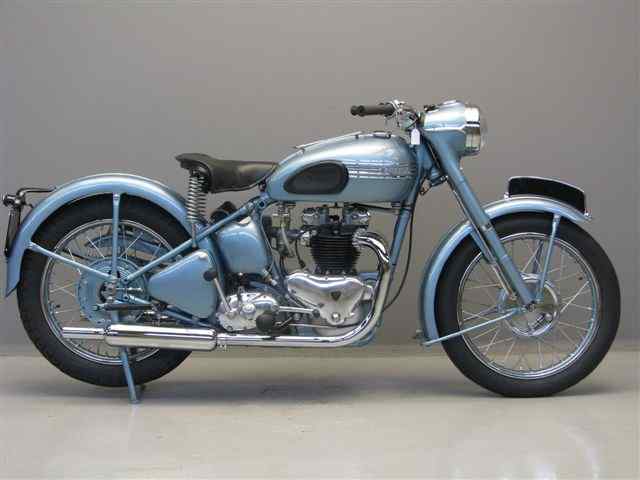
Triumph Speed Twin 900
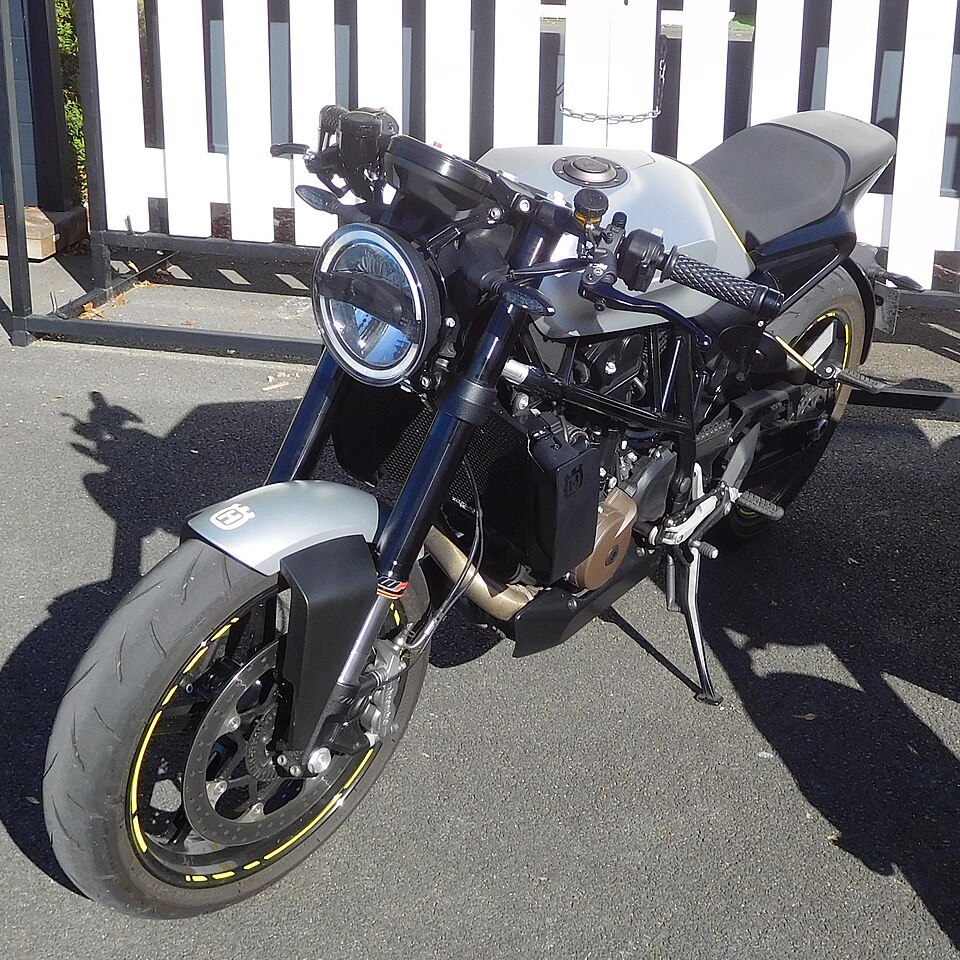
Husqvarna Vitpilen 701
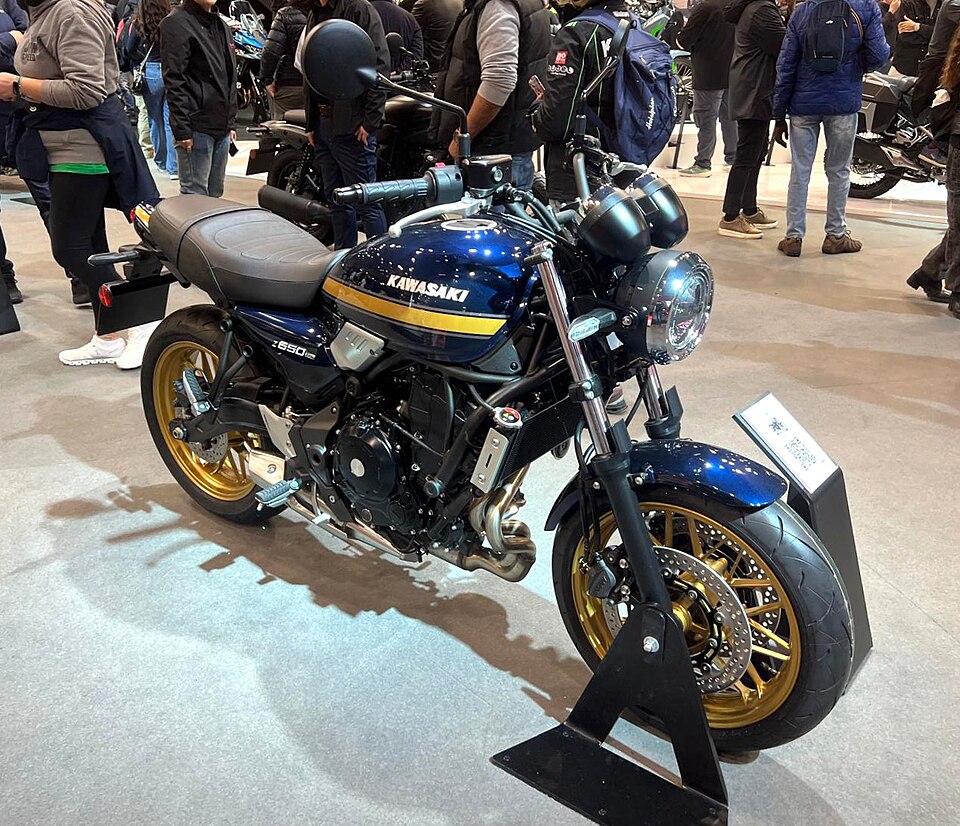
Kawasaki Z650rs
Compare Yamaha Xsr700 Side-by-Side
compare_arrowsSpecs, power, weight & buyer verdict — head-to-head with the bikes most often cross-shopped.
Yamaha Xsr700 vs Yamaha Xsr900
Specs · Power · Buyer verdict
Yamaha Xsr700 vs Kawasaki Z900rs
Specs · Power · Buyer verdict
Yamaha Xsr700 vs Triumph Speed Twin 900
Specs · Power · Buyer verdict
Yamaha Xsr700 vs Husqvarna Vitpilen 701
Specs · Power · Buyer verdict
Yamaha Xsr700 vs Kawasaki Z650rs
Specs · Power · Buyer verdict
More Yamaha Xsr700 Guides
More from Yamaha
View all Yamaha models →Community Reviews
Discussion
Frequently Asked Questions
What are common problems with the Yamaha Xsr700? +
Stator failure causing charging system issues: Battery voltage at idle, flickering lights, dead battery (serious) | Throttle body sync causes rough idle: Uneven idle, hesitation, surging at low RPM (moderate) | Exhaust header rust and discoloration: Rust, pitting, or blue streaks on headers (minor)
Is the Yamaha Xsr700 a good motorcycle? +
One of the smartest used buys in the middleweight naked class. Rating: 8.5/10. Best for: Experienced riders wanting engaging, no-nonsense naked fun. Avoid if: You need touring comfort or electronic rider aids.
What is the horsepower of the Yamaha Xsr700? +
The Yamaha Xsr700 produces 73 hp @ 9,000 rpm, with 68 Nm @ 6,500 rpm of torque. Top speed: 180 km/h (est.).
Is the Yamaha Xsr700 good for beginners? +
Not really — the Yamaha Xsr700 is better for experienced riders. Experienced riders wanting engaging, no-nonsense naked fun Avoid if: You need touring comfort or electronic rider aids
Is the Yamaha Xsr700 reliable? +
Owners report 1 critical issue to watch for on the Yamaha Xsr700, notably: Stator failure causing charging system issues (Battery voltage at idle, flickering lights, dead battery). Buy with a pre-purchase inspection.
Is the Yamaha Xsr700 good for daily use? +
Experienced riders wanting engaging, no-nonsense naked fun Fuel: 4.5–5.5 L/100km (approx. 18–22 km/L typical real-world average).
How fast is the Yamaha Xsr700? +
The Yamaha Xsr700 reaches a top speed of 180 km/h (est.), producing 73 hp at 186 kg curb weight. Real-world performance depends on rider weight, gearing, and road conditions.
What gear should I buy for a Yamaha Xsr700? +
Motoryk has curated a Top 10 gear list specifically for the Yamaha Xsr700, covering engine oil, tires, chain, battery, and brake pads — see motoryk.com/bikes/yamaha/xsr700/top10. Each pick is matched to this bike's spec.