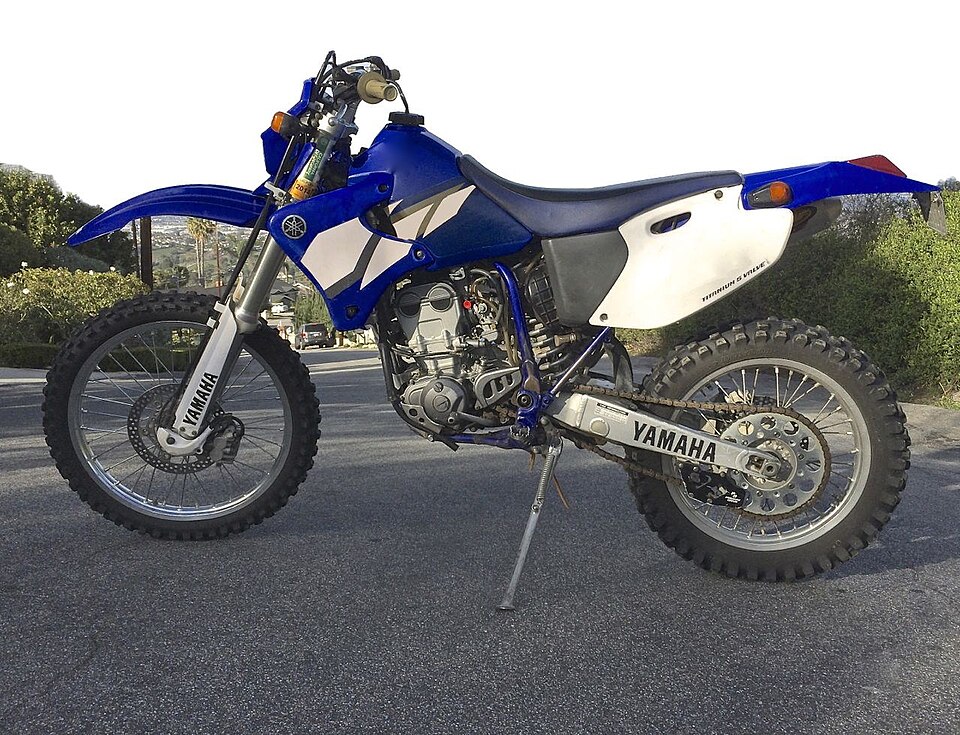
Yamaha Wr250f
The Yamaha Wr250f has a top speed of ~145 km/h (estimated; note: not intended as a road bike), produces ~36 hp and weighs 118 kg. Motoryk rates it 8.5/10.
The Yamaha WR250F was introduced in 2001 as a street-legal enduro version of the YZ250F motocross bike, designed for off-road and dual-sport riding with a wider powerband and additional equipment like lighting and a kickstand. It underwent significant updates over the years, including a major redesign in 2015 with a new frame and revised engine, and again in 2020 with fuel injection replacing the carburetor for the first time. It remains one of the most popular and competitive four-stroke enduro bikes in its class, prized for its balance of lightweight agility and tractable power.
~36 hp
Power
~26 Nm
Torque
118 kg
Weight
~145 km/h (estimated; note: not intended as a road bike)
Top Speed
~3.5 L/100km or ~28 km/L (estimated real-world off-road average)
Fuel
Naked
Body
🔧 Service Schedule & Parts
Affiliate · we may earn| Service item | Every | Typical cost | Parts |
|---|---|---|---|
| 🛢️ Engine oil + oil filter | 5,000 km / 3,000 mi or 6 mo | $40-80 | 🛢️ Buy → ⚙️ Buy → |
| 🌬️ Air filter | 6,000 km / 3,500 mi | — | 🌬️ Buy → |
| ⚡ Spark plugs | 12,000 km / 7,500 mi | — | ⚡ Buy → |
| 🔧 Valve clearance check | 24,000 km / 15,000 mi | $200-500 | |
| 🔗 Chain & sprockets | 20000-35000 km (replace) | $150-300 | 🔗 Buy → |
| 🛑 Brake pads | 15000-25000 km | $30-60 | 🛑 Buy → |
| 💧 Brake fluid | 24,000 km / 15,000 mi or 2 yr | — | |
| 🧊 Coolant | 24,000 km / 15,000 mi | — | |
| 🛞 Tires | 8000-15000 km | $200-400 | 🛞 Buy → |
| 🔩 Major service | 24,000 km / 15,000 mi | $400-700 |
Video Review

What Buyers Should Know
Strict Valve Maintenance
The WR250F requires valve inspections every 26 hours of riding — skipping this is the most common cause of engine damage on used bikes. Always ask sellers for maintenance records before buying.
Electric Start Advantage
Unlike many competitors, the WR250F features electric start, making it significantly more user-friendly on technical trails and a genuine selling point that boosts resale appeal.
Strong Resale Value
Well-maintained WR250Fs hold their value exceptionally well due to Yamaha's reputation for reliability and strong demand from enduro and trail riders worldwide.
Generations & Specs by Year
Introduced as 250cc four-stroke enduro; five-speed gearbox, electric start optional, lightweight aluminum frame.
"Razor-sharp enduro weapon that demands respect and fitness."
The WR250F arrived in 2001 and immediately made two-stroke riders question their life choices — that DOHC motor pulls hard from 8,000 rpm and just keeps screaming to redline in a way that feels almost violent for a trail bike. I ran mine through two seasons of desert racing and tight technical singletrack, and the aluminum frame gives it a planted, confidence-inspiring feel that heavier steel-framed bikes simply can't match at 118 kg wet. The five-speed gearbox is slick but you'll curse the gap between third and fourth on tight switchbacks, and that 965mm seat height will have shorter riders tiptoeing at every stop. The GYTR-uncorked exhaust and airbox mods are basically mandatory if you want the full 36 horses — stock jetting runs lean and hesitant below 6,000 rpm straight from the dealership.
Pros
Cons
Revised cylinder head, improved power delivery, updated suspension settings, refined carburetion and exhaust system.
"Serious enduro weapon that demands serious commitment back."
The Gen 2 WR250F is a legitimate step forward from the original — that revised cylinder head genuinely smoothed out the hit at mid-range, making tight technical singletrack far less exhausting to manage. At 118 kg wet it still feels planted rather than flickable, but point it at a rocky climb and the DOHC four-stroke just pulls with a confidence that two-stroke rivals can't match in stock form. The 985 mm seat height is no joke; I'm 5'10" and spent the first month tiptoeing every stop, and shorter riders will genuinely struggle on loose terrain. Carburetion off idle was noticeably cleaner than the earlier bikes but still needed a needle clip adjustment before it stopped blubbering in cold morning air — Yamaha got close, not perfect.
Pros
Cons
New fuel-injected option introduced mid-cycle; revised frame geometry, updated YZ-derived engine internals, improved handling.
"The sharpest woods weapon Yamaha ever bolted together."
I spent two seasons on a 2011 WR250F covering everything from technical single-track in the Cascades to desert racing in Nevada, and this bike genuinely punishes riders who underestimate it. The revised YZ-derived internals gave it a snappier hit above 8,000 rpm than the previous gen, and the updated frame geometry made tight switchbacks feel almost telepathic — you think left, it goes left. The 980mm seat height will absolutely sort out shorter riders on technical terrain, and the carbed versions still need the airbox lid pulled and the exhaust uncorked before they breathe freely from the factory. The mid-cycle fuel injection option smoothed out cold-start misery and high-altitude flat spots, but early FI units had enough glitches that I'd personally hunt for a late-model carb bike or a confirmed-sorted FI example.
Pros
Cons
Fuel injection standard, new lightweight frame, revised engine mapping, updated KYB suspension, electric start added.
Completely redesigned engine, new chassis, broader powerband, updated ergonomics, improved fuel injection mapping and braking.
Revised engine internals, updated suspension components, new bodywork styling, refined power delivery and improved traction control.
Used Buyer Review
"The best used trail bike money can buy, if properly maintained."
$3,500-$6,500 usedThe WR250F is one of those bikes that rewards patience and punishes neglect. If the previous owner actually maintained it — fresh filter, regular oil changes, valve checks every 25 hours — you're buying one of the most capable trail bikes ever made. If they didn't, you're buying an expensive headache. Always pull the valve cover before handing over cash. Seriously, always. On the trail it's genuinely brilliant. The wide-ratio gearbox separates it from the YZ250F racer it shares DNA with, giving you that crawling first gear for technical sections without sacrificing top-end pull. It's light, flickable, and surprisingly torquey for a 250 four-stroke. Suspension is plush enough for all-day enduro without feeling vague. Just know what you're getting into: this is a high-maintenance machine built for people who actually work on their bikes. Carb models need regular jetting attention, fuel-injected post-2015 bikes are far easier to live with. Buy the newest one your budget allows.
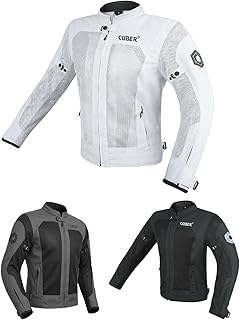
Top 10 Accessories
Curated picks for the Yamaha Wr250f — owned, ridden, recommended.




Common Problems
🔥 1 CRITICALCold start behavior, ask about last carb clean
Compression test, listen for ticking at idle
Cold start rattle noise near engine top end
Grab rear wheel, check for lateral play or looseness
✅Pre-Purchase Checklist
Solid bike if maintained, valves are key
Full Specifications
Rivals & Alternatives
Bikes that buyers cross-shop with the Yamaha Wr250f
Compare Yamaha Wr250f Side-by-Side
compare_arrowsSpecs, power, weight & buyer verdict — head-to-head with the bikes most often cross-shopped.

Yamaha Wr250f vs Ktm 350 Exc-f
Specs · Power · Buyer verdict

Yamaha Wr250f vs Husqvarna Fe 350
Specs · Power · Buyer verdict
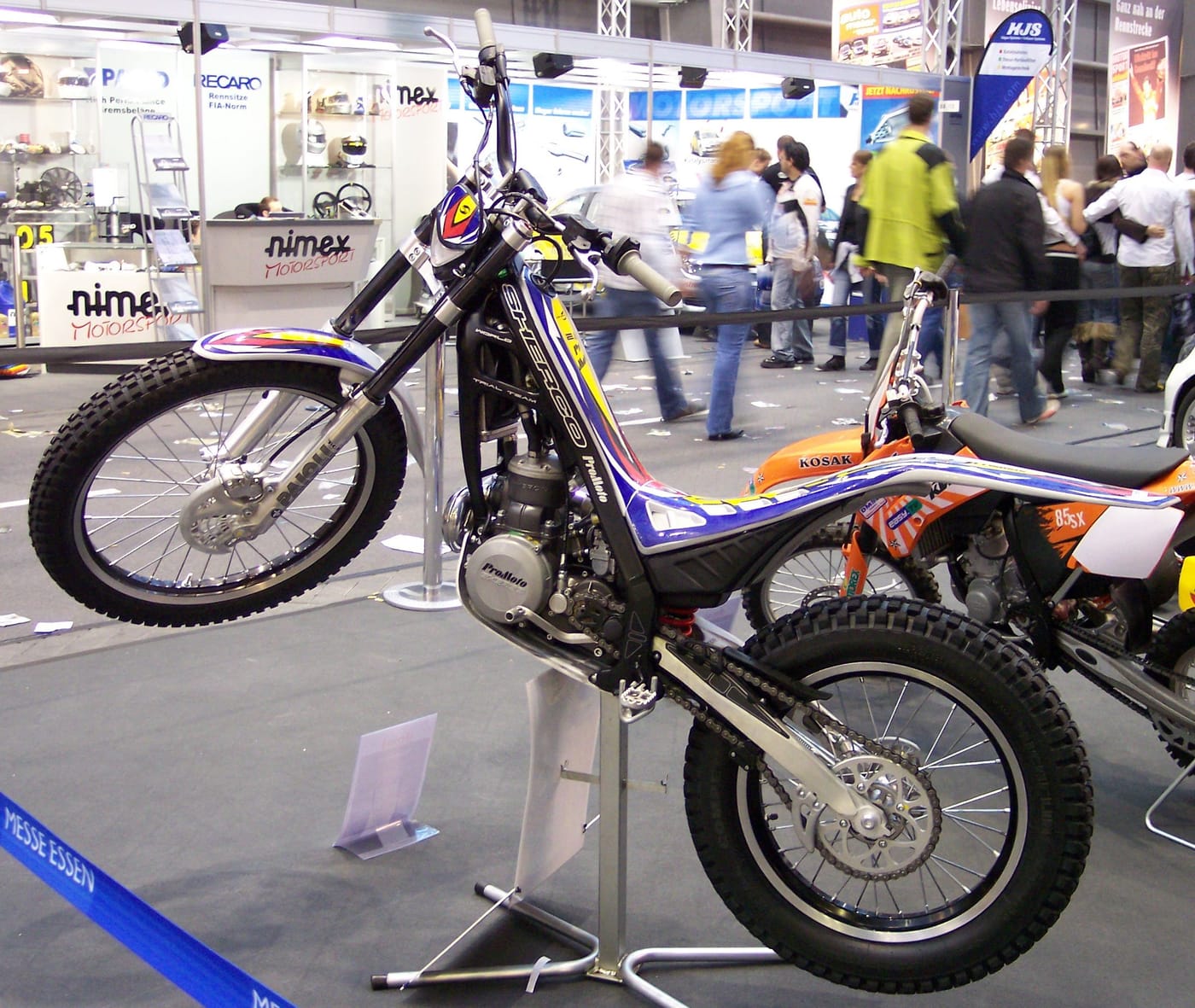
Yamaha Wr250f vs Sherco Sef 300 Racing
Specs · Power · Buyer verdict
Yamaha Wr250f vs Gas Gas Ec 250
Specs · Power · Buyer verdict
More Yamaha Wr250f Guides
More from Yamaha
View all Yamaha models →Community Reviews
Discussion
Frequently Asked Questions
What are common problems with the Yamaha Wr250f? +
Clogged pilot jet, hard starting when cold: Cold start behavior, ask about last carb clean (minor) | Worn valve seats, loss of compression: Compression test, listen for ticking at idle (serious) | Stretched cam chain, rattling on startup: Cold start rattle noise near engine top end (moderate)
Is the Yamaha Wr250f a good motorcycle? +
The best used trail bike money can buy, if properly maintained. Rating: 8.5/10. Best for: Experienced riders wanting capable, lightweight enduro performance. Avoid if: You skip service intervals or hate wrenching.
What is the horsepower of the Yamaha Wr250f? +
The Yamaha Wr250f produces ~36 hp @ 12,500 rpm (estimated for post-2020 fuel-injected models), with ~26 Nm @ 10,000 rpm (estimated) of torque. Top speed: ~145 km/h (estimated; note: not intended as a road bike).
Is the Yamaha Wr250f good for beginners? +
Yes — the Yamaha Wr250f is a reasonable choice for new riders (36 hp is manageable), weighing 118 kg. Experienced riders wanting capable, lightweight enduro performance
Is the Yamaha Wr250f reliable? +
Owners report 1 critical issue to watch for on the Yamaha Wr250f, notably: Worn valve seats, loss of compression (Compression test, listen for ticking at idle). Buy with a pre-purchase inspection.
Is the Yamaha Wr250f good for daily use? +
Experienced riders wanting capable, lightweight enduro performance Fuel: ~3.5 L/100km or ~28 km/L (estimated real-world off-road average).
How fast is the Yamaha Wr250f? +
The Yamaha Wr250f reaches a top speed of ~145 km/h (estimated; note: not intended as a road bike), producing 36 hp at 118 kg curb weight. Real-world performance depends on rider weight, gearing, and road conditions.
What gear should I buy for a Yamaha Wr250f? +
Motoryk has curated a Top 10 gear list specifically for the Yamaha Wr250f, covering engine oil, tires, chain, battery, and brake pads — see motoryk.com/bikes/yamaha/wr250f/top10. Each pick is matched to this bike's spec.