Gas Gas Ec 250
The Gas Gas Ec 250 has a top speed of Estimated 120–130 km/h (note: varies by gearing and terrain; not optimized for top speed), produces Approximately 45 hp and weighs Approximately 100 kg. Motoryk rates it 8/10.
The Gas Gas EC 250 is a two-stroke enduro motorcycle that has been a staple of the Spanish manufacturer's lineup since the early 1990s, when Gas Gas established itself as a serious competitor in off-road racing. The EC (Enduro Competition) series gained a strong following in European enduro championships and cross-country racing throughout the 2000s. After Gas Gas was acquired by Pierer Mobility Group (KTM's parent company) in 2019, the EC 250 was updated with modern KTM-influenced components, significantly improving reliability and performance while retaining its competitive off-road character.
Approximately 45 hp
Power
Approximately 40 Nm
Torque
Approximately 100 kg
Weight
Estimated 120–130 km/h (note: varies by gearing and terrain; not optimized for top speed)
Top Speed
Estimated 4–6 L/100km (note: highly dependent on riding conditions; off-road two-strokes vary widely)
Fuel
Naked
Body
🔧 Service Schedule & Parts
Affiliate · we may earn| Service item | Every | Typical cost | Parts |
|---|---|---|---|
| 🛢️ Engine oil + oil filter | 3,000 km / 2,000 mi or 6 mo | $40-80 | 🛢️ Buy → ⚙️ Buy → |
| 🌬️ Air filter | 3,000 km / 2,000 mi | — | 🌬️ Buy → |
| ⚡ Spark plugs | 6,000 km / 3,500 mi | — | ⚡ Buy → |
| 🔧 Valve clearance check | 15,000 km / 9,500 mi | $150-350 | |
| 🔗 Chain & sprockets | 15000-25000 km (replace) | $150-300 | 🔗 Buy → |
| 🛑 Brake pads | 10000-20000 km | $30-60 | 🛑 Buy → |
| 💧 Brake fluid | 12,000 km / 7,500 mi or 2 yr | — | |
| 🧊 Coolant | 12,000 km / 7,500 mi | — | |
| 🛞 Tires | 8000-15000 km | $150-350 | 🛞 Buy → |
| 🔩 Major service | 15,000 km / 9,500 mi | $250-500 |
Video Review
What Buyers Should Know
KTM-Shared Platform
The GAS GAS EC 250 shares its engine and frame platform with the KTM EXC 250, meaning parts are widely available and mechanics are already familiar with the hardware. This significantly lowers long-term ownership and repair costs.
Watch the Coolant System
A common issue to inspect is the radiator and coolant hoses, as aggressive off-road use can lead to minor leaks or overheating if maintenance is neglected. Always verify the cooling system is intact before purchasing used.
Strong Resale Value
Due to its KTM mechanical DNA and the growing popularity of the GAS GAS brand, the EC 250 holds its resale value well compared to lesser-known competitors. A well-maintained example typically sells quickly in the used market.
Generations & Specs by Year
Original two-stroke enduro model, Paioli forks, Hossack-style front end on early units, Sachs shock.
"Raw Catalan fire that rewards brave, patient riders."
I put about 60 hours on a '96 EC 250 across rocky Pyrenean enduro tracks and the thing felt alive in a way Japanese bikes simply didn't — that 249cc motor pulls with genuine savagery from mid-range upward, and at 98 kg wet it flicks through tight woodland sections like it wants to be there. The early Hossack-style front end is genuinely strange to learn; it steers with a precision that initially feels alien but eventually makes sense on loose, chunky terrain where traditional forks would deflect. That said, the Paioli forks on the later units were a step backward in rebuild friendliness — they leech oil seals faster than you'd expect and parts weren't always sitting on a shelf somewhere convenient. Gas Gas in this era was a small, passionate company, and you feel both halves of that sentence every time you ride it: inspired engineering choices sitting next to fitment quirks and Spanish-market parts sourcing that could test your patience mid-season.
Pros
Cons
Revised frame geometry, updated Marzocchi forks, improved Sachs rear shock, refined powervalve system.
"Spanish fire-breather that rewards commitment and punishes laziness."
The Gen 2 EC 250 finally felt like Gas Gas had sorted their homework — the revised Marzocchi forks tracked roots and rocks with genuine confidence, and the refined powervalve made that midrange hit more progressive without neutering the top-end scream. I ran mine through two enduro seasons in the Pyrenean foothills, and it was genuinely fast in the tight stuff; 98 kg feels lighter than the spec sheet suggests once you're moving. Honest weaknesses: the Sachs shock improved on the previous generation but still needed a respring for anything over 80 kg, and the Spanish electrics had a persistent habit of introducing mystery gremlins around the 60-hour mark. Jetting was also fussy about altitude changes in a way my KTM never was, but when it was right, this thing absolutely flew.
Pros
Cons
New aluminum frame, updated cylinder and porting, KYB suspension, revised ergonomics and bodywork.
"Spain's sharpest two-stroke finally grew up properly."
The new alloy frame transformed this bike from a promising but fleeting handful into something you could actually commit to through a full enduro section — it steers with real intent without that nervous, darty quality the old steel chassis had on off-camber hardpack. The updated porting gives the 250 a broader spread of usable power than I expected; it still hits hard in the mid-range but doesn't punish you for being a gear high the way earlier GasGas two-strokes could. KYB suspension front and rear was a genuine leap — I ran full-day enduros back-to-back without chasing settings obsessively, which was not something I'd have said about the previous generation. The one thing that'll test your patience is the Keihin carb jetting sensitivity to altitude and temperature — bring a jet kit and expect to use it.
Pros
Cons
Refined aluminum frame, updated Kayaba forks and shock, new bodywork, improved engine mapping.
"Sharp, flickable enduro weapon that demands mechanical sympathy."
The Gen 4 EC250 finally felt like Gas Gas had sorted the frame flex issues that plagued earlier bikes — the revised aluminum chassis is noticeably more confidence-inspiring through tight, rooty singletrack, and the updated Kayaba forks track rough ground with real composure. That 249cc two-stroke hits hard in the mid-range, maybe too hard on loose terrain where the sudden power surge will wash out the front if you're not paying attention, but dial in your throttle hand and it's genuinely rewarding. I put about 80 hours on mine over two seasons of club enduro and one nagging truth emerged: this bike wants you to rebuild the top end every 40 hours or it starts leaving you stranded at the worst moments, and the Spanish electrics — specifically the ignition connector — corroded and caused a no-start twice in wet conditions. Get past the maintenance schedule and the niggling electrical gremlins, though, and the EC250 is one of the most natural-feeling enduro bikes of its era.
Pros
Cons
New chassis design, updated two-stroke engine, revised suspension settings, modern bodywork styling.
Torrot/KTM era transition, updated frame and linkage, revised Kayaba suspension, new bodywork.
KTM-derived platform, new Xact frame, WP XACT suspension, updated engine with revised powervalve.
Used Buyer Review
"Brilliant used buy if history checks out — buyer beware otherwise."
$5,500-$8,500 usedThe GasGas EC 250 is essentially a KTM 250 EXC in red clothing, which is either reassuring or disappointing depending on your perspective. Same frame, same engine internals, same suspension componentry — just badged differently and typically priced a few hundred cheaper used. That's actually a solid selling point. Parts are interchangeable with KTM and Husqvarna equivalents, so sourcing replacements is never a headache. Buy a well-serviced example and you've got one of the best trail bikes money can buy. The 250 two-stroke hits hard in the midrange, the PDS rear suspension eats technical terrain, and the weight is genuinely impressive at around 103kg wet. Problem is, these attract riders who thrash them hard, so inspect the top end religiously — worn reed valves and tired piston rings are common on neglected bikes. Check the fork seals, coolant hose condition, and ask for service history. A bike with questionable history isn't a bargain at any price.
Top 10 Accessories
Curated picks for the Gas Gas Ec 250 — owned, ridden, recommended.




Common Problems
🔥 2 CRITICALInspect fins, hoses, and overflow bottle for cracks
Remove and inspect valve moves freely without resistance
Look for oil residue on fork tubes below seals
Do compression test, inspect for excessive smoke
✅Pre-Purchase Checklist
Solid bike if maintained, neglect kills it fast
Full Specifications
Rivals & Alternatives
Bikes that buyers cross-shop with the Gas Gas Ec 250
Compare Gas Gas Ec 250 Side-by-Side
compare_arrowsSpecs, power, weight & buyer verdict — head-to-head with the bikes most often cross-shopped.
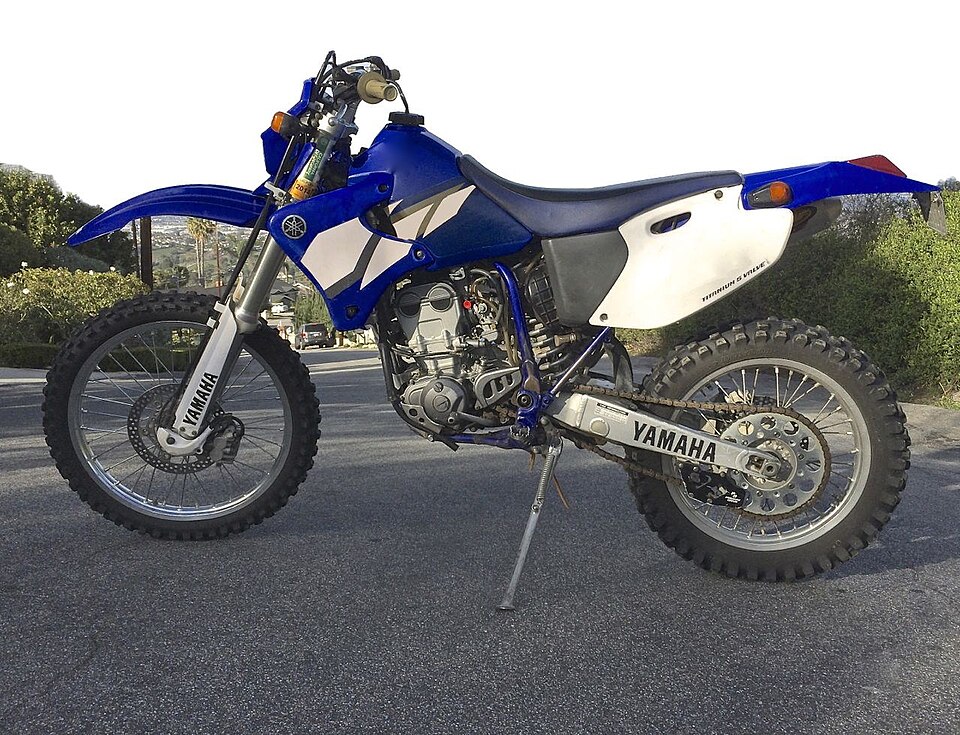
Gas Gas Ec 250 vs Yamaha Wr250f
Specs · Power · Buyer verdict

Gas Gas Ec 250 vs Ktm 300 Exc Tpi
Specs · Power · Buyer verdict

Gas Gas Ec 250 vs Husqvarna Te 300
Specs · Power · Buyer verdict
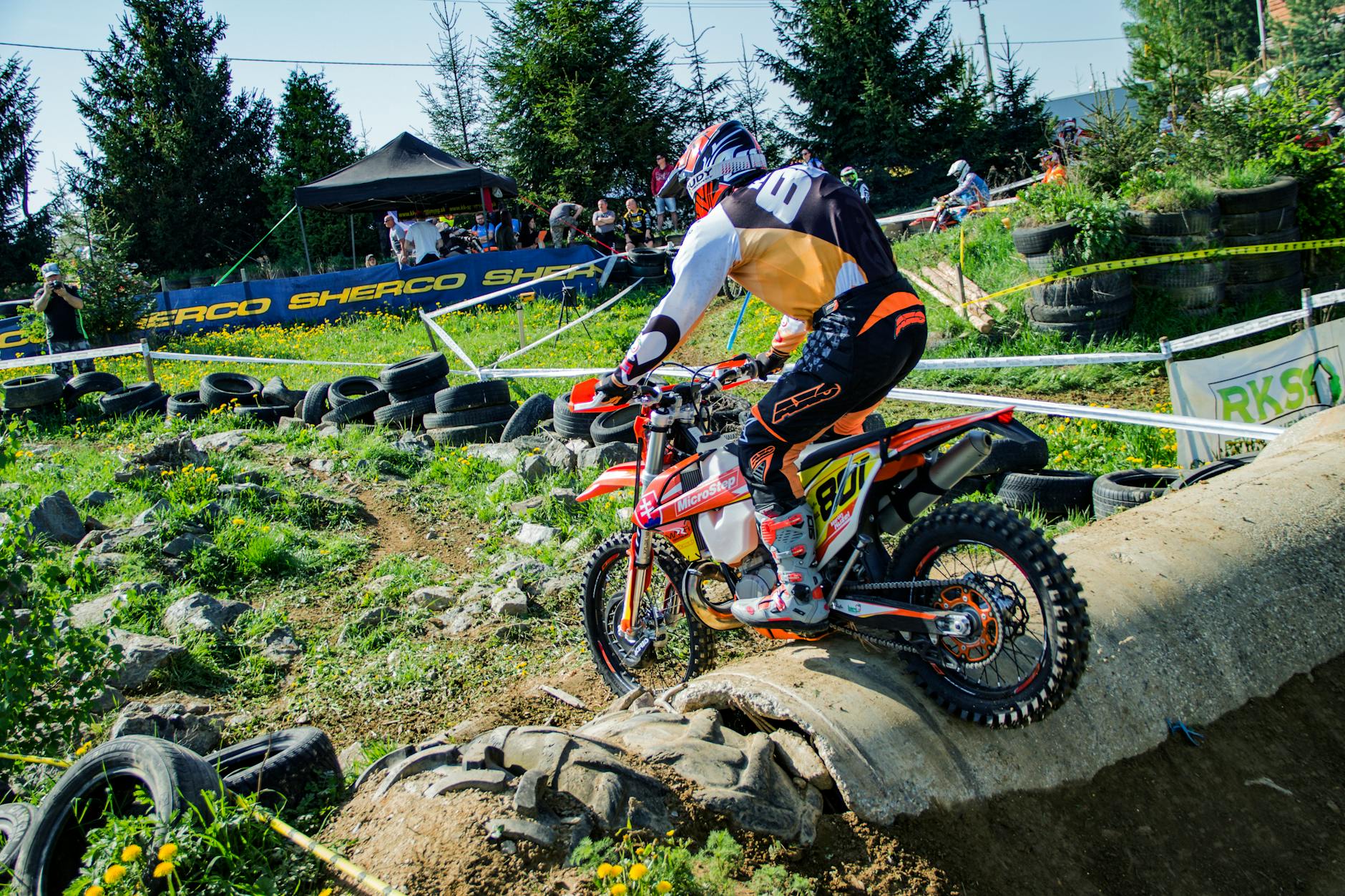
Gas Gas Ec 250 vs Sherco Se 300i
Specs · Power · Buyer verdict
More Gas Gas Ec 250 Guides
More from Gas Gas
View all Gas Gas models →Community Reviews
Discussion
Gas Gas Ec 250 Videos
Frequently Asked Questions
What are common problems with the Gas Gas Ec 250? +
Radiator leaks and coolant loss: Inspect fins, hoses, and overflow bottle for cracks (moderate) | Power valve seizure or carbon buildup: Remove and inspect valve moves freely without resistance (serious) | Worn or leaking fork seals: Look for oil residue on fork tubes below seals (moderate)
Is the Gas Gas Ec 250 a good motorcycle? +
Brilliant used buy if history checks out — buyer beware otherwise. Rating: 8.0/10. Best for: Experienced trail riders wanting lightweight technical capability. Avoid if: Beginners or riders skipping regular maintenance schedules.
What is the horsepower of the Gas Gas Ec 250? +
The Gas Gas Ec 250 produces Approximately 45 hp @ 8,000 rpm (note: estimate; official figures not always published for off-road models), with Approximately 40 Nm @ 6,500 rpm (note: estimate for two-stroke power delivery) of torque. Top speed: Estimated 120–130 km/h (note: varies by gearing and terrain; not optimized for top speed).
Is the Gas Gas Ec 250 good for beginners? +
Yes — the Gas Gas Ec 250 is a reasonable choice for new riders (45 hp is manageable), weighing 100 kg. Experienced trail riders wanting lightweight technical capability
Is the Gas Gas Ec 250 reliable? +
Owners report 2 critical issues to watch for on the Gas Gas Ec 250, notably: Power valve seizure or carbon buildup (Remove and inspect valve moves freely without resistance). Buy with a pre-purchase inspection.
Is the Gas Gas Ec 250 good for daily use? +
Experienced trail riders wanting lightweight technical capability Fuel: Estimated 4–6 L/100km (note: highly dependent on riding conditions; off-road two-strokes vary widely).
How fast is the Gas Gas Ec 250? +
The Gas Gas Ec 250 reaches a top speed of Estimated 120–130 km/h (note: varies by gearing and terrain; not optimized for top speed), producing 45 hp at 100 kg curb weight. Real-world performance depends on rider weight, gearing, and road conditions.
What is the seat height of the Gas Gas Ec 250? +
The Gas Gas Ec 250 has a seat height of ~970 mm (38.2 in) — tall. Riders under 175 cm / 5'9" may want a lowering link or different bike.
What gear should I buy for a Gas Gas Ec 250? +
Motoryk has curated a Top 10 gear list specifically for the Gas Gas Ec 250, covering engine oil, tires, chain, battery, and brake pads — see motoryk.com/bikes/gas-gas/ec-250/top10. Each pick is matched to this bike's spec.