Yamaha N-max 125
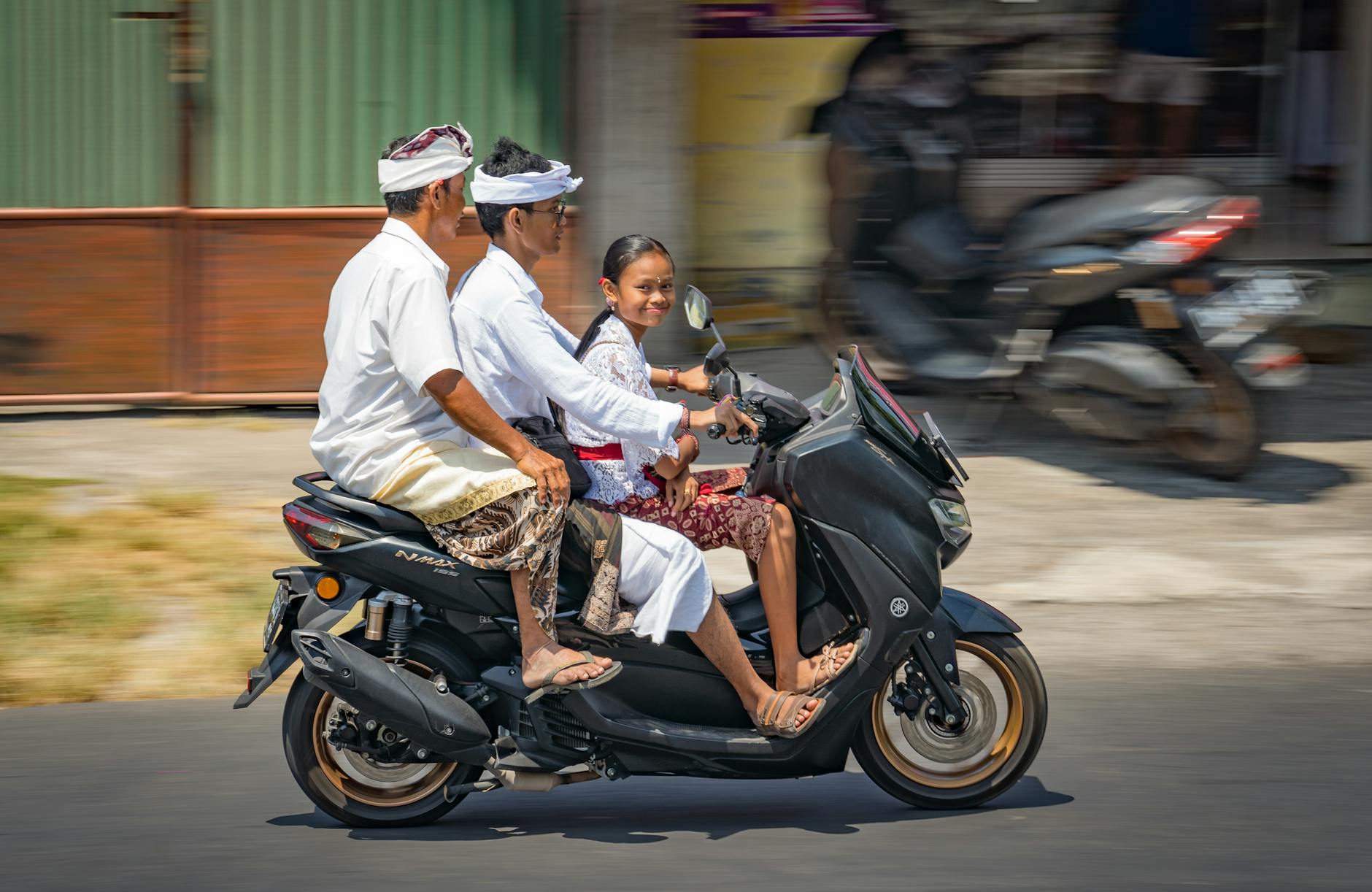
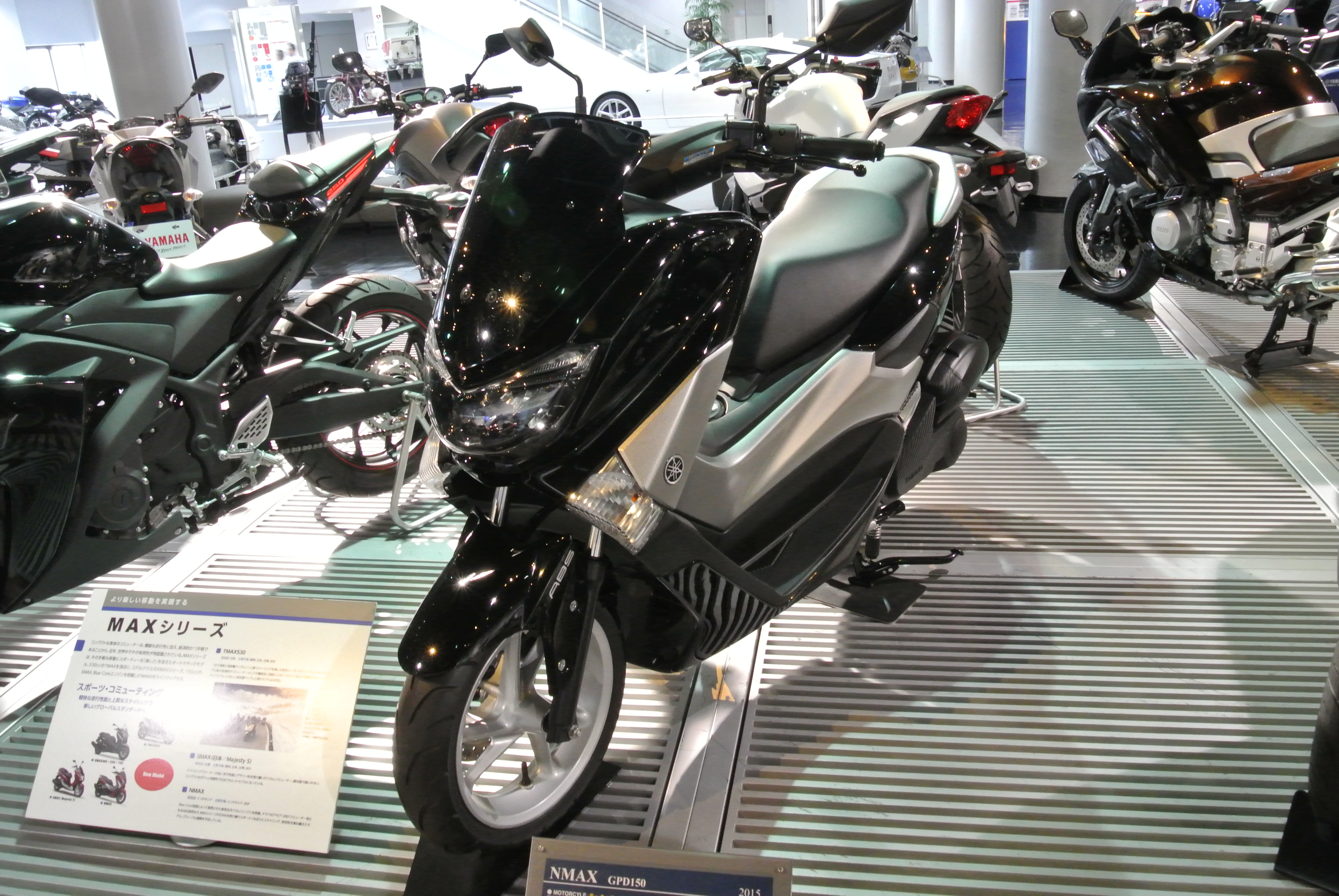
The Yamaha N-max 125 has a top speed of 95–100 km/h, produces 11.0 hp and weighs 131 kg. Motoryk rates it 8/10.
The Yamaha NMAX 125 was introduced in 2015 as a premium urban maxi-scooter, designed to compete in the growing commuter scooter segment across Southeast Asia and Europe. A major second-generation update arrived in 2020, bringing a new chassis, revised styling, traction control, and smart key system. It is notable for its blend of practical commuter features, connected technology, and the Blue Core engine technology that prioritizes fuel efficiency without sacrificing performance.
11.0 hp
Power
11.7 Nm
Torque
131 kg
Weight
95–100 km/h
Top Speed
2.0–2.5 L/100km (40–50 km/L typical real-world average)
Fuel
Faired
Body
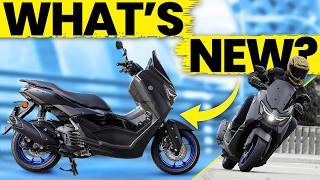
Video Review
What Buyers Should Know
Blue Core Engine Efficiency
The NMAX 125 uses Yamaha's Blue Core technology, delivering around 130 mpg fuel economy while keeping the engine cool and reliable over high mileage. This makes running costs exceptionally low compared to rivals.
Watch the CVT Belt
The CVT drive belt is a known wear item and should be inspected every 8,000–10,000 miles, as neglected belts can snap and leave you stranded. Always check service history for belt replacements when buying used.
Strong Resale Value
The NMAX 125 holds its value exceptionally well due to strong demand and Yamaha's reputation for reliability, often retaining 70–80% of its value after two years. Low-mileage examples sell quickly on the used market.
Generations & Specs by Year
Introduced 125cc Blue Core engine, telescopic front forks, ABS option, underseat storage, connected design.
Redesigned bodywork, new TFT display, revised Blue Core engine, improved suspension, smartphone connectivity via Y-Connect app.
Used Buyer Review
"The most sorted 125 scooter you can buy used today."
$2,500-$4,200 usedThe N-Max 125 is one of the smarter used buys in the small scooter market right now. Yamaha built this thing properly — the Blue Core engine is genuinely efficient without feeling asthmatic, the underseat storage actually fits a full-face helmet, and the ride quality embarrasses most of its competition. It feels planted in a way the PCX never quite managed at this size. Used prices are reasonable because there are plenty of them around, so don't let anyone talk you into overpaying. That said, go in with eyes open. Check the front forks carefully — urban abuse takes a toll and seals aren't cheap to replace. The ABS variants are worth hunting down specifically; pre-2018 non-ABS examples are a false economy. Service history matters here because the CVT belt needs replacing around 12,000 miles and owners frequently ignore it. Cosmetic plastics scratch easily and OEM replacements are pricey, so factor in any bodywork damage in your negotiation.
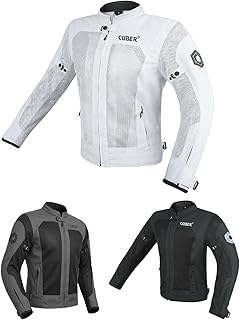
Top 10 Accessories
Curated picks for the Yamaha N-max 125 — owned, ridden, recommended.




Common Problems
Jerky acceleration, slipping, or rattling from CVT cover
Oil stains on fork legs, soft or bouncy front suspension
Slow cranking, warning lights, or frequent jump starts needed
Rough idle, hesitation on throttle, poor fuel economy
✅Pre-Purchase Checklist
Generally reliable, maintain CVT and fuel system regularly
Full Specifications
Rivals & Alternatives
Bikes that buyers cross-shop with the Yamaha N-max 125
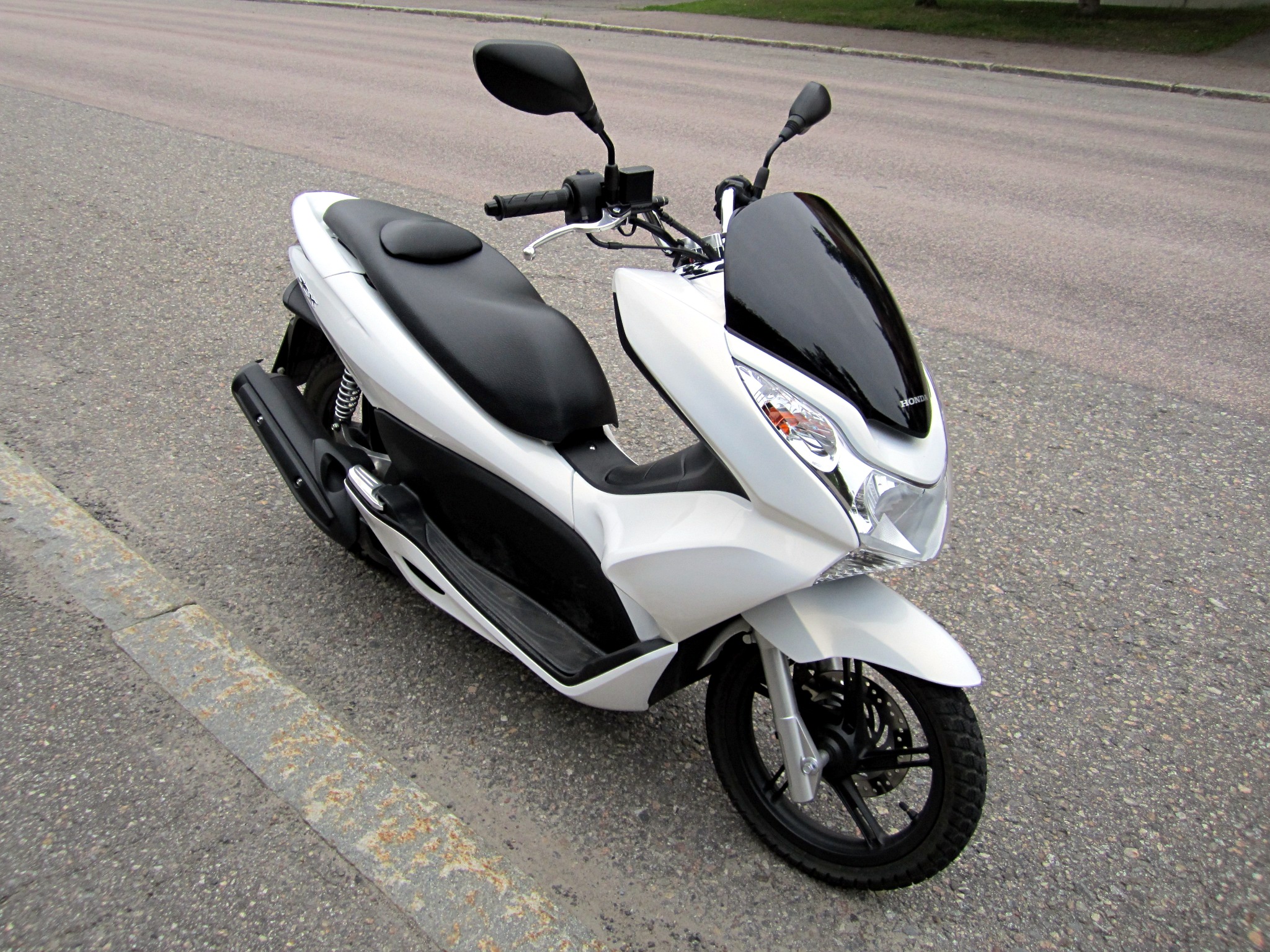
Honda Pcx 125
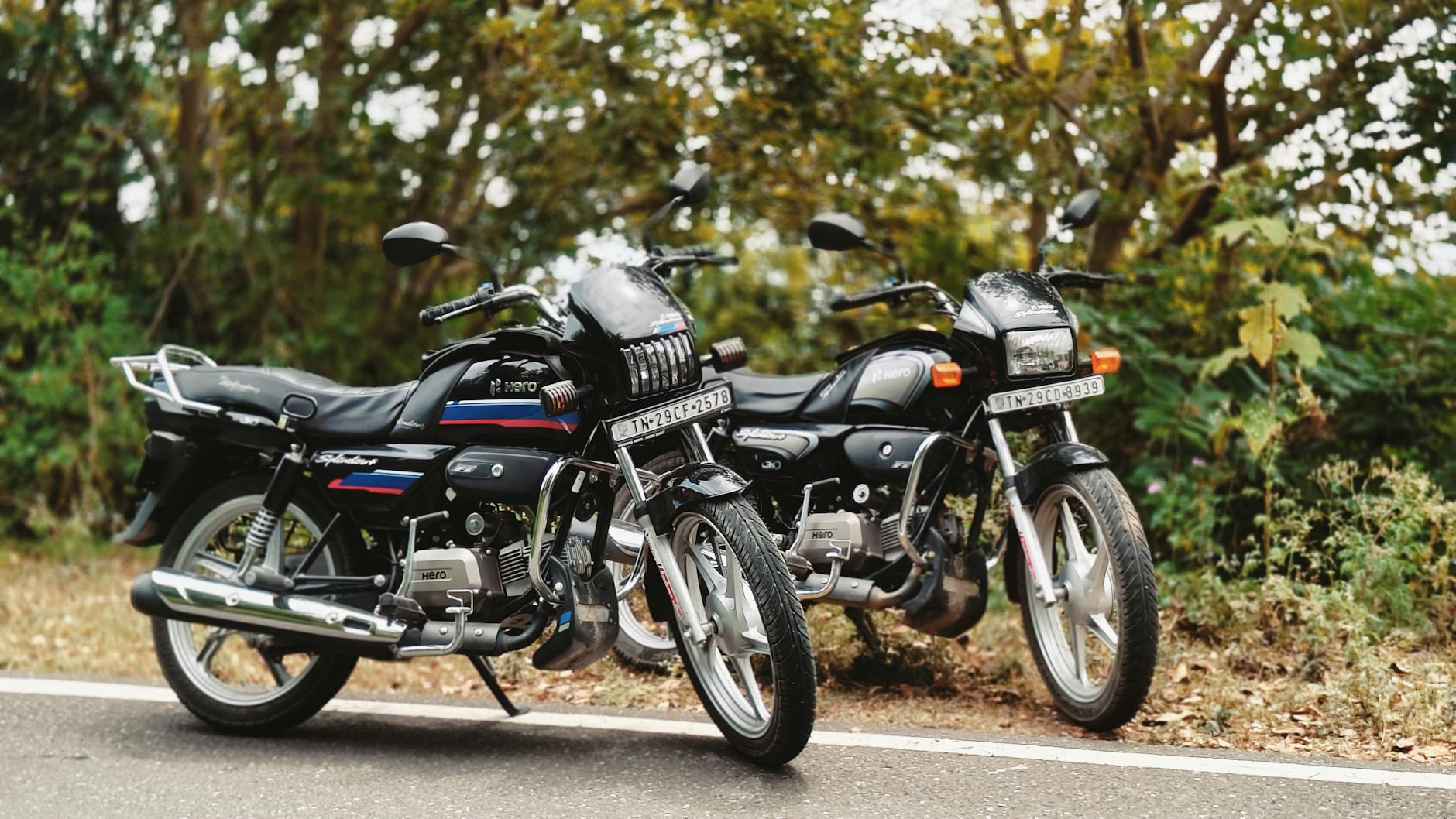
Hero Maestro Edge 125

Kymco People S 125
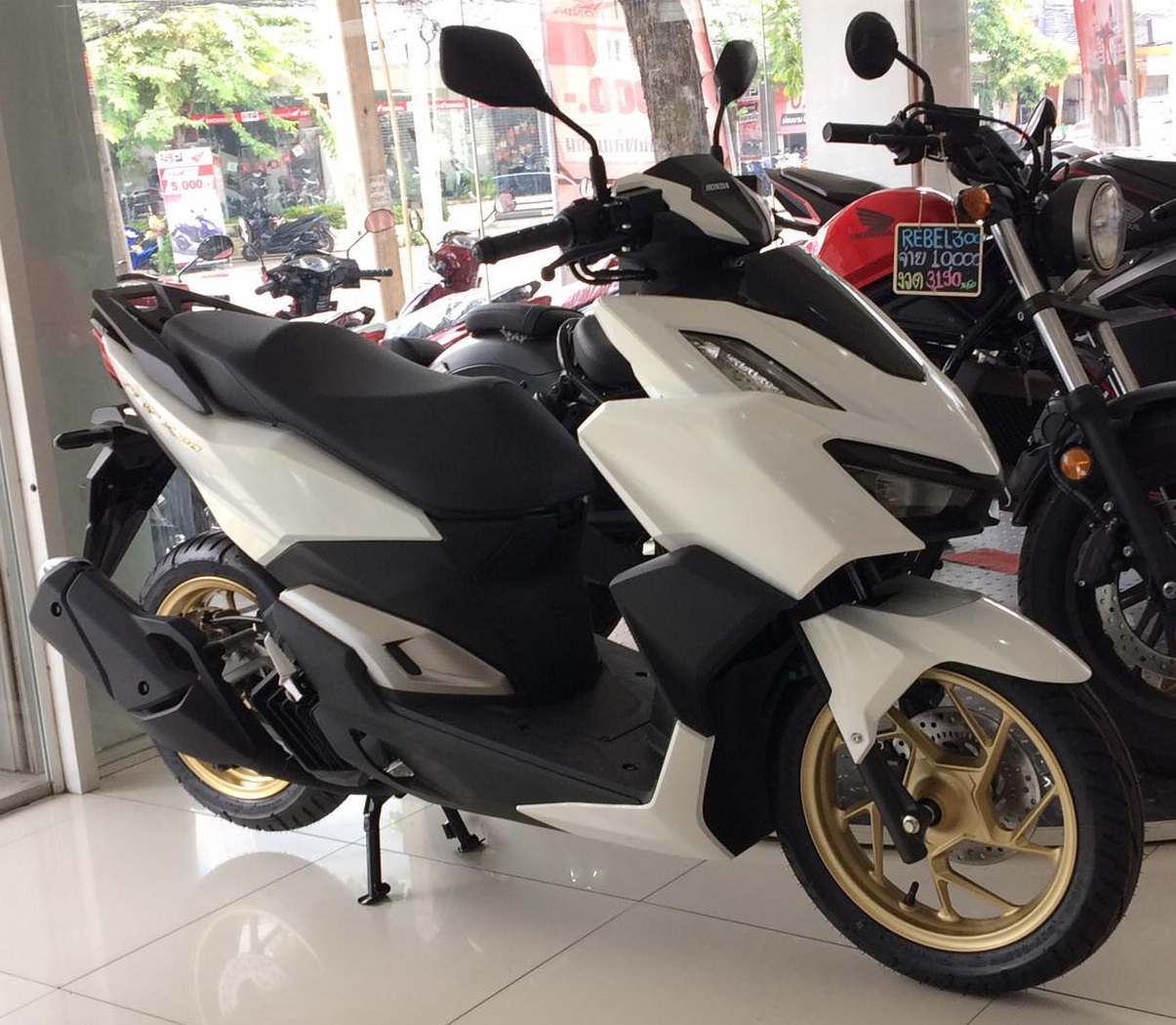
Honda Click 125i
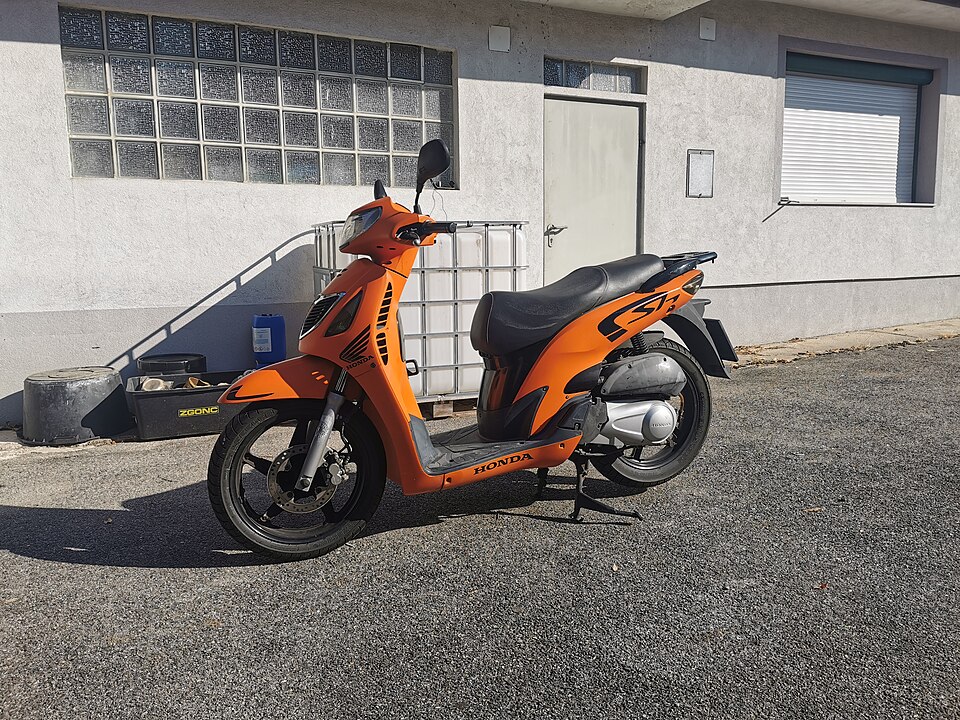
Honda Sh 125
Compare Yamaha N-max 125 Side-by-Side
compare_arrowsSpecs, power, weight & buyer verdict — head-to-head with the bikes most often cross-shopped.
Yamaha N-max 125 vs Honda Pcx 125
Specs · Power · Buyer verdict
Yamaha N-max 125 vs Hero Maestro Edge 125
Specs · Power · Buyer verdict
Yamaha N-max 125 vs Kymco People S 125
Specs · Power · Buyer verdict
Yamaha N-max 125 vs Honda Click 125i
Specs · Power · Buyer verdict
Yamaha N-max 125 vs Honda Sh 125
Specs · Power · Buyer verdict
More Yamaha N-max 125 Guides
More from Yamaha
View all Yamaha models →Community Reviews
Discussion
Frequently Asked Questions
What are common problems with the Yamaha N-max 125? +
CVT belt and roller wear: Jerky acceleration, slipping, or rattling from CVT cover (moderate) | Front fork oil leak or seal failure: Oil stains on fork legs, soft or bouncy front suspension (moderate) | Battery drain from idle smart system: Slow cranking, warning lights, or frequent jump starts needed (minor)
Is the Yamaha N-max 125 a good motorcycle? +
The most sorted 125 scooter you can buy used today. Rating: 8.0/10. Best for: Urban commuters wanting reliability over cheap thrills. Avoid if: You need regular dual-carriageway or motorway riding.
What is the horsepower of the Yamaha N-max 125? +
The Yamaha N-max 125 produces 11.0 hp @ 8,000 rpm, with 11.7 Nm @ 6,000 rpm of torque. Top speed: 95–100 km/h.
Is the Yamaha N-max 125 good for beginners? +
Yes — the Yamaha N-max 125 is a reasonable choice for new riders (11 hp is manageable), weighing 131 kg. Urban commuters wanting reliability over cheap thrills
Is the Yamaha N-max 125 reliable? +
The Yamaha N-max 125 has no widely-reported critical reliability issues. 4 minor issues are documented — see the Common Problems section above.
Is the Yamaha N-max 125 good for daily use? +
Urban commuters wanting reliability over cheap thrills Fuel: 2.0–2.5 L/100km (40–50 km/L typical real-world average).
How fast is the Yamaha N-max 125? +
The Yamaha N-max 125 reaches a top speed of 95–100 km/h, producing 11 hp at 131 kg curb weight. Real-world performance depends on rider weight, gearing, and road conditions.
What gear should I buy for a Yamaha N-max 125? +
Motoryk has curated a Top 10 gear list specifically for the Yamaha N-max 125, covering engine oil, tires, chain, battery, and brake pads — see motoryk.com/bikes/yamaha/n-max-125/top10. Each pick is matched to this bike's spec.