Yamaha Mio 125
The Yamaha Mio 125 has a top speed of ~95 km/h (estimated; may vary by variant and market), produces ~9.0 hp and weighs ~93-96 kg. Motoryk rates it 7/10.
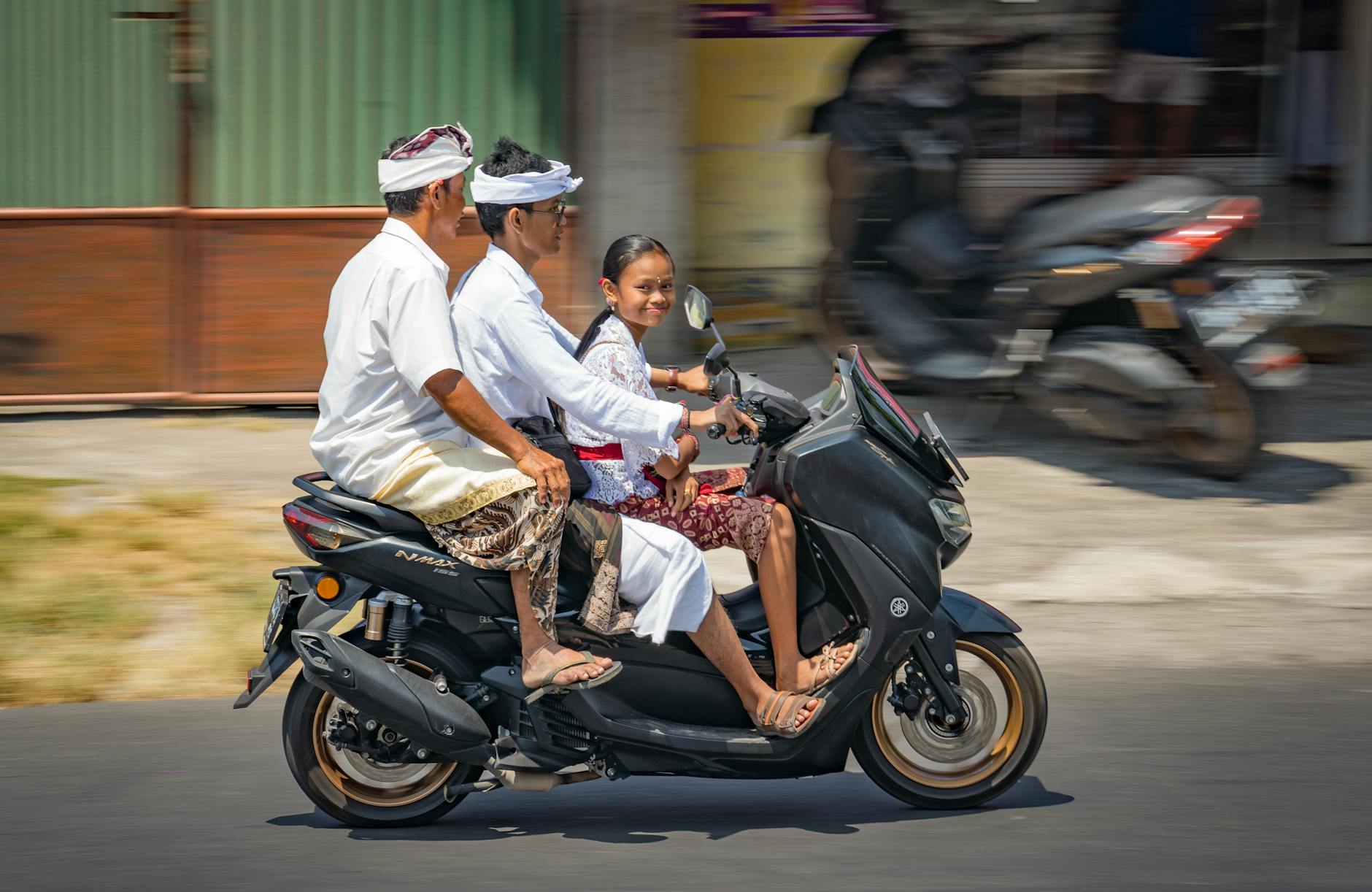
De Yamaha Mio werd in 2003 in Indonesië en Thailand geïntroduceerd als een van Yamaha's eerste automatische scooters die zich op de Zuidoost-Aziatische markten richtte en daarmee een pioniersrol speelde in het CVT-scootersegment in de regio. De 125cc-versie werd enorm populair in ASEAN-landen, waaronder Thailand, Indonesië en de Filippijnen, en heeft in de loop der jaren talloze varianten voortgebracht, zoals de Mio Soul, Mio GT en Mio M3. Het blijft een van Yamaha's best verkochte modellen in Zuidoost-Azië, bekend om zijn lichtgewicht ontwerp, brandstofefficiëntie en vrouwvriendelijke ergonomie.
~9.0 hp
Kracht
~9.6 Nm
Koppel
~93-96 kg
Gewicht
~95 km/h (estimated; may vary by variant and market)
Topsnelheid
~45-55 km/L (approximately 1.8-2.2 L/100km, real-world average)
Brandstof
Beeldig
Lichaam
🔧 Service Schedule & Parts
Affiliate · we may earn| Service item | Every | Typical cost | Parts |
|---|---|---|---|
| 🛢️ Engine oil + oil filter | 3,000 km / 2,000 mi or 6 mo | $30-60 | 🛢️ Buy → ⚙️ Buy → |
| 🌬️ Air filter | 6,000 km / 3,500 mi | — | 🌬️ Buy → |
| ⚡ Spark plugs | 12,000 km / 7,500 mi | — | ⚡ Buy → |
| 🔧 Valve clearance check | 24,000 km / 15,000 mi | $150-300 | |
| 🔗 Chain & sprockets | 20000-30000 km (replace) | $100-200 | 🔗 Buy → |
| 🛑 Brake pads | 15000-25000 km | $20-50 | 🛑 Buy → |
| 💧 Brake fluid | 24,000 km / 15,000 mi or 2 yr | — | |
| 🧊 Coolant | 24,000 km / 15,000 mi | — | |
| 🛞 Tires | 15000-25000 km | $150-300 | 🛞 Buy → |
| 🔩 Major service | 24,000 km / 15,000 mi | $200-500 |
Video Review
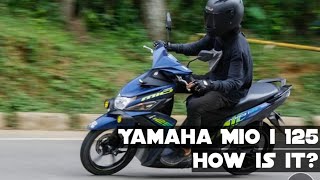
Wat kopers moeten weten
Proven Engine Reliability
The Mio 125's Blue Core engine is known for exceptional longevity, often surpassing 50,000 km with minimal issues when given regular oil changes every 2,000-3,000 km.
Watch the CVT Belt
The CVT (Continuously Variable Transmission) belt and rollers are a common wear item — inspect them around 20,000 km to avoid sudden belt snapping and costly roadside breakdowns.
Strong Resale Value
The Yamaha Mio 125 holds its value well in Southeast Asian markets due to high demand and brand trust, typically retaining 60–70% of its value after 3 years of normal use.
Generaties en specificaties per jaar
Originele Mio 125 gelanceerd in Indonesië; luchtgekoelde 113cc-motor, automatische CVT-transmissie, lichtgewicht scooterplatform.
"De scooterrevolutie in Zuidoost-Azië begon hier."
De originele Mio heeft de manier waarop mensen in Indonesië reden echt veranderd: met 93 kg voelde hij bijna onmogelijk licht van de lijn, en die CVT reed netjes vanuit stationair toerental zonder de angst voor het wegglijden van de koppeling van handgeschakelde fietsen in stop-and-go-verkeer. De 113 cc-motor deed nooit alsof hij sportief was; snelwegsnelheden boven 80 km/u werden bruisend en zenuwachtig, en het inhalen van vrachtwagens vereiste een serieuze planning. Maar in de stad was dit ding chirurgisch: smal genoeg om het verkeer in te rijgen, laag genoeg voor kleinere ruiters plantten beide voeten plat, en zuinig genoeg om brandstofcijfers terug te geven die pendelaars deden huilen van vreugde. Vroege carb-modellen moesten elke 5.000 km worden schoongemaakt, anders werd het stationair toerental ruw, en de trommelrem aan de voorkant was echt middelmatig in natte omstandigheden, maar niets aan de problemen van deze motor was verrassend of catastrofaal.
Pluspunten
Nadelen
Herziene carrosseriestyling, bijgewerkte grafische en kleuropties, kleine verfijningen van de carburateur en het brandstofsysteem geïntroduceerd.
"Eerlijk stadswerkpaard dat zelden verrast, nooit teleurstelt."
Ik heb ongeveer 14.000 km gereden op een miljoen kilometer door Jakarta en af en toe een stuk snelweg, en dat ding weigerde me gewoon drama te bezorgen — wat zowel zijn grootste kracht als zijn stille frustratie is. De herziene carb-mapping ten opzichte van de eerste generatie maakte dat vervelende struikelblok halverwege het gaspedaal dat ik bij eerdere eenheden had gevoeld, gladgestreken, en koude starts werden zelfs op vochtige ochtenden echt betrouwbaar. De topsnelheid is in reële omstandigheden een eerlijke 88-90 km/u, niet de geclaimde 95, dus ben niet van plan om gelijke tred te houden met grotere automaten op de tolweg. In de opbergruimte onder de stoel zit een halfgelaatshelm, maar je probeert een volledig gezicht te passen, en na 18 maanden begon het draaipunt van de middenstandaard slecht te kraken — kleine dingen, maar het telt op.
Pluspunten
Nadelen
Nieuwe Mio J-variant; lichter frame, brandstofinjectie geïntroduceerd op geselecteerde markten, bijgewerkte 113cc-motorafstelling.
Blue Core-technologie geïntroduceerd; verbeterde brandstofefficiëntie, gesmede zuiger, DiaSil-cilinder, standaard brandstofinjectie in alle series.
Vernieuwde carrosserie, vernieuwde LED-verlichting, slim sleutelloos systeem op premiumvarianten, verbeteringen in de emissienormen.
Verdere emissieverbeteringen voor Euro 5-conformiteit, opnieuw ontworpen voorpaneel, verbeterde connectiviteitsfuncties op bepaalde varianten.
Beoordeling van gebruikte kopers
"The sensible urban runabout that rarely disappoints if bought carefully."
$800-$1,800 usedThe Mio 125 is about as bulletproof as small automatics get, and used examples are everywhere — which is both a blessing and a curse. The CVT belt and rollers are the first things to check; owners who never serviced them will hand you a bike that slips or surges under load. Pull the seat and look for DIY wiring bodges around the ignition area, a favourite trick of theft-attempted bikes. Air filter condition tells you everything about how the previous owner treated it. Riding it honestly? It's competent, not exciting. The 125cc single pulls smoothly through town and the underseat storage swallows a full-face helmet without drama. But highway stints above 90kph get tiresome fast, and the suspension is tuned for lighter Southeast Asian riders — larger riders will bottom it out on poor roads. Brakes are adequate at urban speeds, nothing more. For commuting duties under 40km daily, a well-maintained Mio 125 at the right price is genuinely hard to argue against. Just don't let enthusiasm override a proper inspection.
Top 10 Accessories
Curated picks for the Yamaha Mio 125 — owned, ridden, recommended.





Veel voorkomende problemen
🔥 1 CRITICALJerky acceleration, belt slipping, unusual rattling noise
Hard cold starts, rough idle, poor fuel economy
Slow crank, dim lights, frequent jump starts needed
Oil stains on fork legs, soft bouncy handling
✅Checklist vóór aankoop
Reliable commuter, maintain CVT and fuel system
Full Specifications
Rivals & Alternatives
Bikes that buyers cross-shop with the Yamaha Mio 125
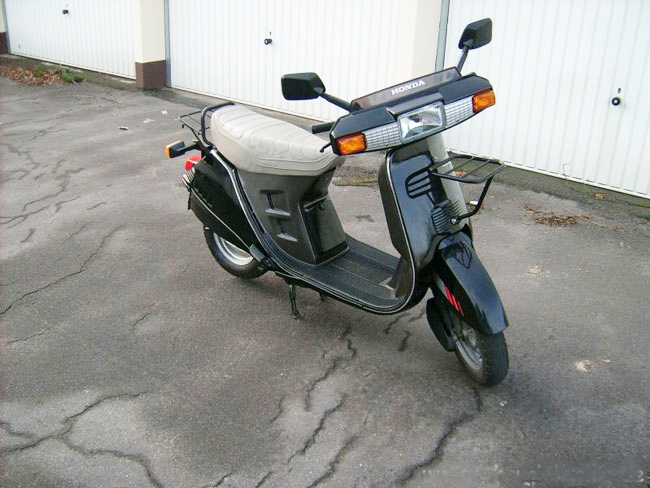
Tvs Jupiter 125
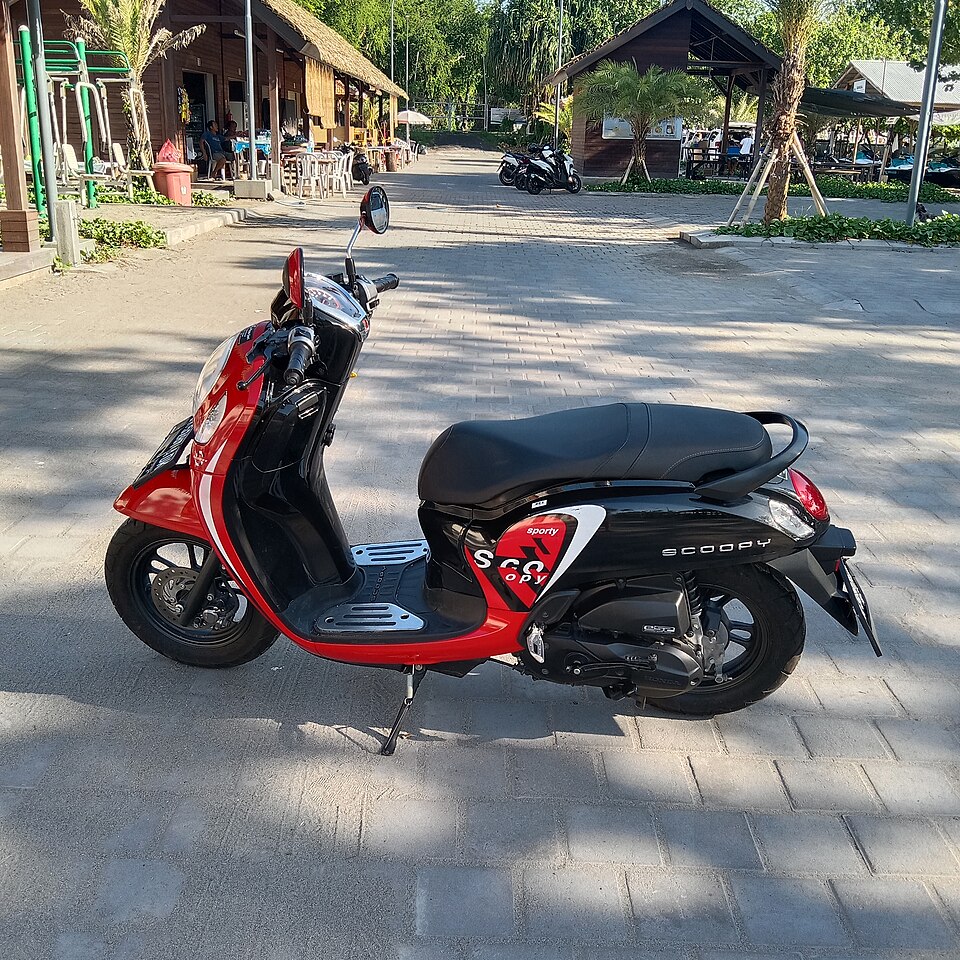
Honda Scoopy 125

Hero Maestro Edge 125
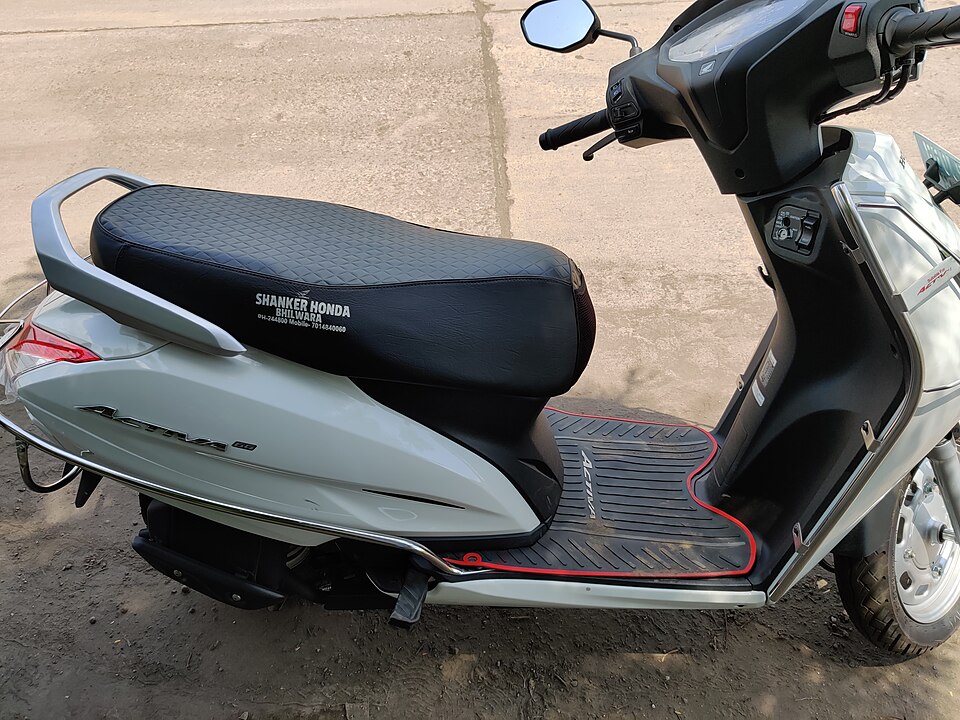
Honda Activa 6g
Honda Activa 125
Compare Yamaha Mio 125 Side-by-Side
compare_arrowsSpecs, power, weight & buyer verdict — head-to-head with the bikes most often cross-shopped.
Yamaha Mio 125 vs Tvs Jupiter 125
Specs · Power · Buyer verdict
Yamaha Mio 125 vs Honda Scoopy 125
Specs · Power · Buyer verdict
Yamaha Mio 125 vs Hero Maestro Edge 125
Specs · Power · Buyer verdict
Yamaha Mio 125 vs Honda Activa 6g
Specs · Power · Buyer verdict
Yamaha Mio 125 vs Honda Activa 125
Specs · Power · Buyer verdict
More Yamaha Mio 125 Guides
More from Yamaha
View all Yamaha models →Community Reviews
Discussion
Frequently Asked Questions
What are common problems with the Yamaha Mio 125? +
CVT belt and roller wear: Jerky acceleration, belt slipping, unusual rattling noise (moderate) | Fuel injector clogging: Hard cold starts, rough idle, poor fuel economy (moderate) | Battery drain and weak charging: Slow crank, dim lights, frequent jump starts needed (minor)
Is the Yamaha Mio 125 a good motorcycle? +
The sensible urban runabout that rarely disappoints if bought carefully. Rating: 7.0/10. Best for: Urban commuters wanting cheap, reliable daily transport. Avoid if: You ride highways or carry heavy passenger loads.
What is the horsepower of the Yamaha Mio 125? +
The Yamaha Mio 125 produces ~9.0 hp @ 8,000 rpm (note: varies slightly by market variant and year), with ~9.6 Nm @ 5,500 rpm (note: varies slightly by market variant and year) of torque. Top speed: ~95 km/h (estimated; may vary by variant and market).
Is the Yamaha Mio 125 good for beginners? +
Yes — the Yamaha Mio 125 is a reasonable choice for new riders (9 hp is manageable), weighing 93 kg. Urban commuters wanting cheap, reliable daily transport
Is the Yamaha Mio 125 reliable? +
Owners report 1 critical issue to watch for on the Yamaha Mio 125, notably: Front fork oil leak (Oil stains on fork legs, soft bouncy handling). Buy with a pre-purchase inspection.
Is the Yamaha Mio 125 good for daily use? +
Urban commuters wanting cheap, reliable daily transport Fuel: ~45-55 km/L (approximately 1.8-2.2 L/100km, real-world average).
How fast is the Yamaha Mio 125? +
The Yamaha Mio 125 reaches a top speed of ~95 km/h (estimated; may vary by variant and market), producing 9 hp at 93 kg curb weight. Real-world performance depends on rider weight, gearing, and road conditions.
What gear should I buy for a Yamaha Mio 125? +
Motoryk has curated a Top 10 gear list specifically for the Yamaha Mio 125, covering engine oil, tires, chain, battery, and brake pads — see motoryk.com/bikes/yamaha/mio-125/top10. Each pick is matched to this bike's spec.