Yamaha Mio 125
The Yamaha Mio 125 has a top speed of ~95 km/h (estimated; may vary by variant and market), produces ~9.0 hp and weighs ~93-96 kg. Motoryk rates it 7/10.
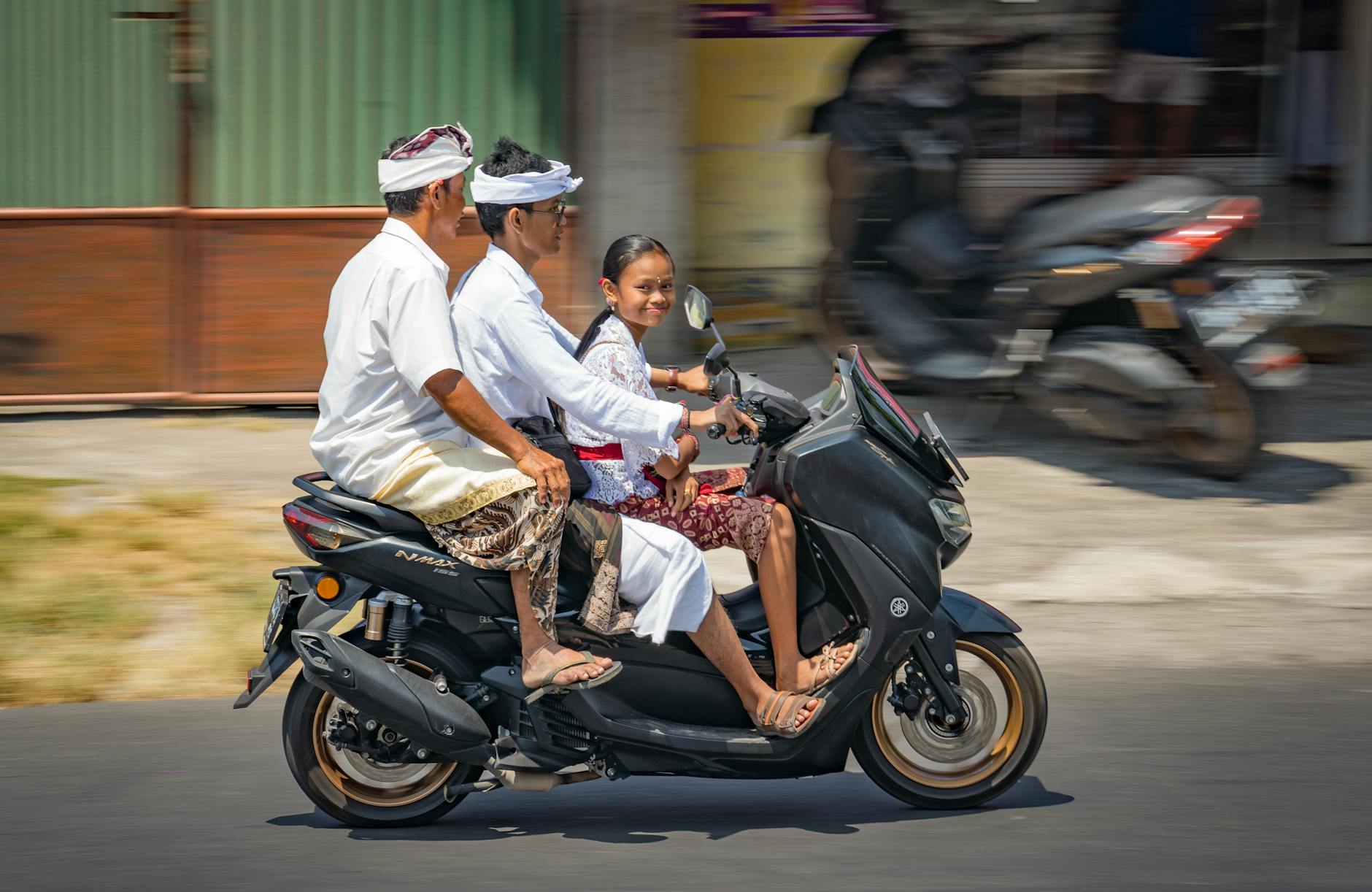
The Yamaha Mio was introduced in 2003 in Indonesia and Thailand as one of Yamaha's first automatic scooters targeting Southeast Asian markets, helping pioneer the CVT scooter segment in the region. The 125cc version became widely popular across ASEAN countries including Thailand, Indonesia, and the Philippines, spawning numerous variants such as the Mio Soul, Mio GT, and Mio M3 over the years. It remains one of Yamaha's best-selling models in Southeast Asia, known for its lightweight design, fuel efficiency, and female-friendly ergonomics.
~9.0 hp
Power
~9.6 Nm
Torque
~93-96 kg
Weight
~95 km/h (estimated; may vary by variant and market)
Top Speed
~45-55 km/L (approximately 1.8-2.2 L/100km, real-world average)
Fuel
Faired
Body
🔧 Service Schedule & Parts
Affiliate · we may earn| Service item | Every | Typical cost | Parts |
|---|---|---|---|
| 🛢️ Engine oil + oil filter | 3,000 km / 2,000 mi or 6 mo | $30-60 | 🛢️ Buy → ⚙️ Buy → |
| 🌬️ Air filter | 6,000 km / 3,500 mi | — | 🌬️ Buy → |
| ⚡ Spark plugs | 12,000 km / 7,500 mi | — | ⚡ Buy → |
| 🔧 Valve clearance check | 24,000 km / 15,000 mi | $150-300 | |
| 🔗 Chain & sprockets | 20000-30000 km (replace) | $100-200 | 🔗 Buy → |
| 🛑 Brake pads | 15000-25000 km | $20-50 | 🛑 Buy → |
| 💧 Brake fluid | 24,000 km / 15,000 mi or 2 yr | — | |
| 🧊 Coolant | 24,000 km / 15,000 mi | — | |
| 🛞 Tires | 15000-25000 km | $150-300 | 🛞 Buy → |
| 🔩 Major service | 24,000 km / 15,000 mi | $200-500 |
Video Review
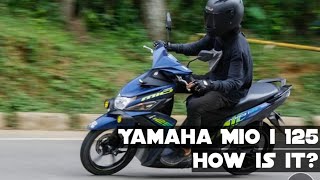
What Buyers Should Know
Proven Engine Reliability
The Mio 125's Blue Core engine is known for exceptional longevity, often surpassing 50,000 km with minimal issues when given regular oil changes every 2,000-3,000 km.
Watch the CVT Belt
The CVT (Continuously Variable Transmission) belt and rollers are a common wear item — inspect them around 20,000 km to avoid sudden belt snapping and costly roadside breakdowns.
Strong Resale Value
The Yamaha Mio 125 holds its value well in Southeast Asian markets due to high demand and brand trust, typically retaining 60–70% of its value after 3 years of normal use.
Generations & Specs by Year
Original Mio 125 launched in Indonesia; air-cooled 113cc engine, automatic CVT transmission, lightweight scooter platform.
"Southeast Asia's scooter revolution started right here."
The original Mio genuinely changed how people rode in Indonesia — at 93 kg it felt almost impossibly light off the line, and that CVT pulled cleanly from idle without the clutch-slipping anxiety of manual bikes in stop-and-go traffic. The 113cc motor never pretended to be sporty; highway speeds above 80 km/h got buzzy and nervous, and overtaking trucks required serious planning. But in the city, this thing was surgical — narrow enough to thread traffic, low enough that shorter riders planted both feet flat, and economical enough to return fuel figures that made commuters weep with joy. Early carb models needed a clean-up every 5,000 km or idle got rough, and the front drum brake was genuinely mediocre in wet conditions, but nothing about this bike's problems was surprising or catastrophic.
Pros
Cons
Revised bodywork styling, updated graphics and color options, minor carburetor and fuel system refinements introduced.
"Honest city workhorse that rarely surprises, never disappoints."
I put about 14,000 km on a 2009 Mio across Jakarta traffic and occasional highway stretches, and the thing simply refused to give me drama — which is both its greatest strength and its quiet frustration. The revised carb mapping over the first gen smoothed out that annoying mid-throttle stumble I'd felt on earlier units, and cold starts became genuinely reliable even on humid mornings. Top speed is an honest 88–90 km/h in real conditions, not the claimed 95, so don't plan on keeping up with bigger automatics on the toll road. The underseat storage swallows a half-face helmet but fight you trying to fit a full-face, and after 18 months the center stand pivot started creaking badly — small stuff, but it adds up.
Pros
Cons
New Mio J variant; lighter frame, fuel injection introduced on select markets, updated 113cc engine tune.
Blue Core technology introduced; improved fuel efficiency, forged piston, DiASil cylinder, fuel injection standard across lineup.
Refreshed bodywork, updated LED lighting, smart keyless system on premium variants, emission compliance improvements.
Further emission upgrades for Euro 5 compliance, redesigned front fascia, enhanced connectivity features on select variants.
Used Buyer Review
"The sensible urban runabout that rarely disappoints if bought carefully."
$800-$1,800 usedThe Mio 125 is about as bulletproof as small automatics get, and used examples are everywhere — which is both a blessing and a curse. The CVT belt and rollers are the first things to check; owners who never serviced them will hand you a bike that slips or surges under load. Pull the seat and look for DIY wiring bodges around the ignition area, a favourite trick of theft-attempted bikes. Air filter condition tells you everything about how the previous owner treated it. Riding it honestly? It's competent, not exciting. The 125cc single pulls smoothly through town and the underseat storage swallows a full-face helmet without drama. But highway stints above 90kph get tiresome fast, and the suspension is tuned for lighter Southeast Asian riders — larger riders will bottom it out on poor roads. Brakes are adequate at urban speeds, nothing more. For commuting duties under 40km daily, a well-maintained Mio 125 at the right price is genuinely hard to argue against. Just don't let enthusiasm override a proper inspection.
Top 10 Accessories
Curated picks for the Yamaha Mio 125 — owned, ridden, recommended.





Common Problems
🔥 1 CRITICALJerky acceleration, belt slipping, unusual rattling noise
Hard cold starts, rough idle, poor fuel economy
Slow crank, dim lights, frequent jump starts needed
Oil stains on fork legs, soft bouncy handling
✅Pre-Purchase Checklist
Reliable commuter, maintain CVT and fuel system
Full Specifications
Rivals & Alternatives
Bikes that buyers cross-shop with the Yamaha Mio 125
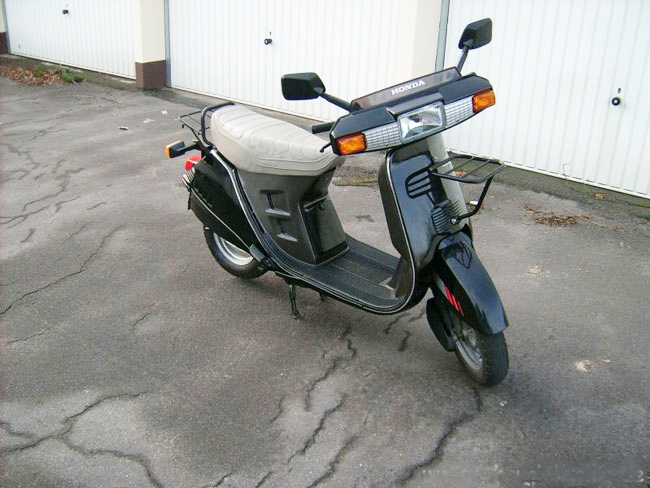
Tvs Jupiter 125
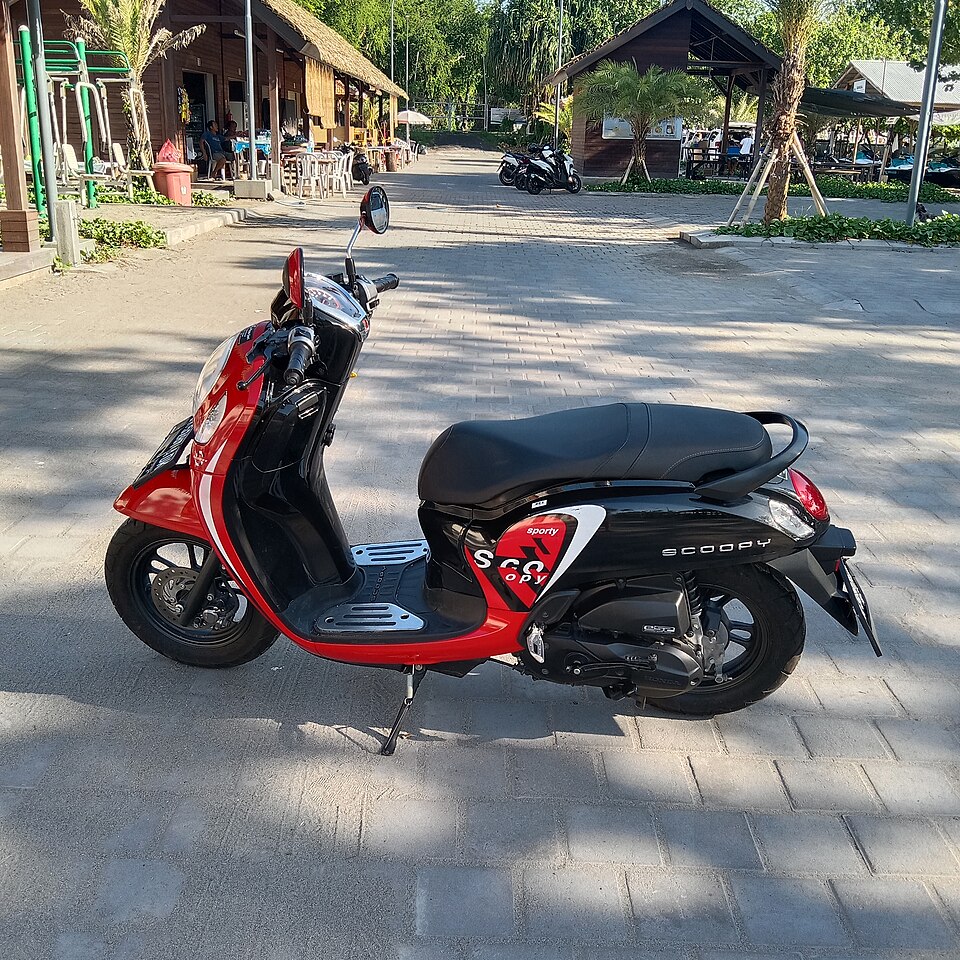
Honda Scoopy 125

Hero Maestro Edge 125
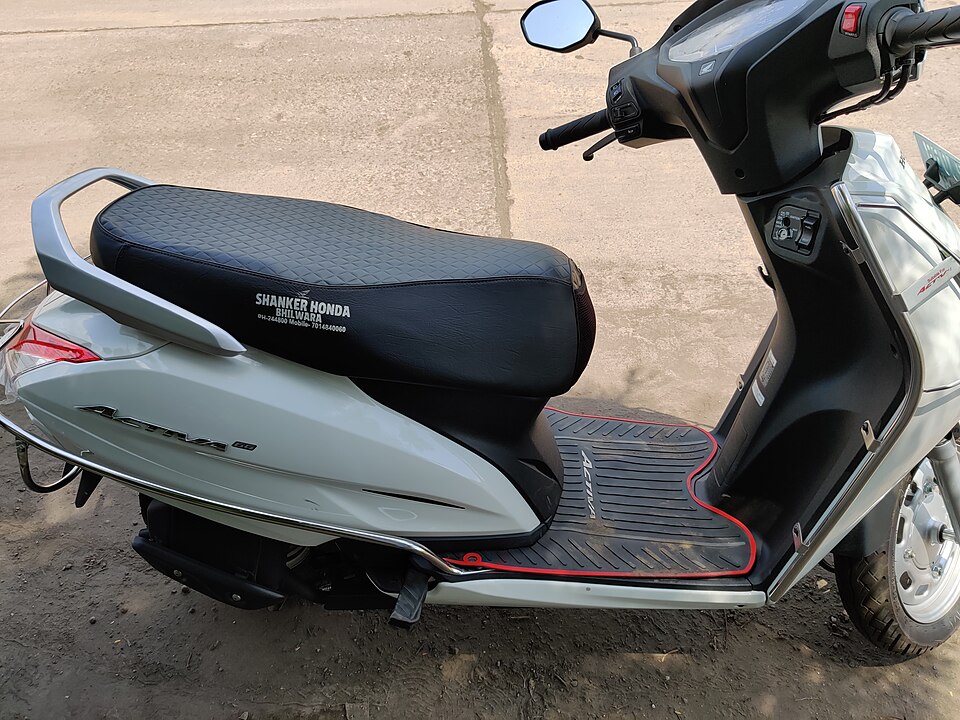
Honda Activa 6g
Honda Activa 125
Compare Yamaha Mio 125 Side-by-Side
compare_arrowsSpecs, power, weight & buyer verdict — head-to-head with the bikes most often cross-shopped.
Yamaha Mio 125 vs Tvs Jupiter 125
Specs · Power · Buyer verdict
Yamaha Mio 125 vs Honda Scoopy 125
Specs · Power · Buyer verdict
Yamaha Mio 125 vs Hero Maestro Edge 125
Specs · Power · Buyer verdict
Yamaha Mio 125 vs Honda Activa 6g
Specs · Power · Buyer verdict
Yamaha Mio 125 vs Honda Activa 125
Specs · Power · Buyer verdict
More Yamaha Mio 125 Guides
More from Yamaha
View all Yamaha models →Community Reviews
Discussion
Frequently Asked Questions
What are common problems with the Yamaha Mio 125? +
CVT belt and roller wear: Jerky acceleration, belt slipping, unusual rattling noise (moderate) | Fuel injector clogging: Hard cold starts, rough idle, poor fuel economy (moderate) | Battery drain and weak charging: Slow crank, dim lights, frequent jump starts needed (minor)
Is the Yamaha Mio 125 a good motorcycle? +
The sensible urban runabout that rarely disappoints if bought carefully. Rating: 7.0/10. Best for: Urban commuters wanting cheap, reliable daily transport. Avoid if: You ride highways or carry heavy passenger loads.
What is the horsepower of the Yamaha Mio 125? +
The Yamaha Mio 125 produces ~9.0 hp @ 8,000 rpm (note: varies slightly by market variant and year), with ~9.6 Nm @ 5,500 rpm (note: varies slightly by market variant and year) of torque. Top speed: ~95 km/h (estimated; may vary by variant and market).
Is the Yamaha Mio 125 good for beginners? +
Yes — the Yamaha Mio 125 is a reasonable choice for new riders (9 hp is manageable), weighing 93 kg. Urban commuters wanting cheap, reliable daily transport
Is the Yamaha Mio 125 reliable? +
Owners report 1 critical issue to watch for on the Yamaha Mio 125, notably: Front fork oil leak (Oil stains on fork legs, soft bouncy handling). Buy with a pre-purchase inspection.
Is the Yamaha Mio 125 good for daily use? +
Urban commuters wanting cheap, reliable daily transport Fuel: ~45-55 km/L (approximately 1.8-2.2 L/100km, real-world average).
How fast is the Yamaha Mio 125? +
The Yamaha Mio 125 reaches a top speed of ~95 km/h (estimated; may vary by variant and market), producing 9 hp at 93 kg curb weight. Real-world performance depends on rider weight, gearing, and road conditions.
What gear should I buy for a Yamaha Mio 125? +
Motoryk has curated a Top 10 gear list specifically for the Yamaha Mio 125, covering engine oil, tires, chain, battery, and brake pads — see motoryk.com/bikes/yamaha/mio-125/top10. Each pick is matched to this bike's spec.