Yamaha Fz6
The Yamaha Fz6 has a top speed of 210 km/h, produces 98 hp and weighs 189 kg. Motoryk rates it 7.5/10.
A Yamaha FZ6 foi introduzida em 2004 como uma motocicleta nua/esportiva de gama média, substituindo a antiga Yamaha Fazer. Ele usava uma versão desajustada do motor R6 de 600 cc em linha de quatro cilindros, tornando-o mais acessível para pilotos intermediários e, ao mesmo tempo, oferecendo desempenho esportivo. A FZ6 era conhecida por sua versatilidade como moto esportiva de viagem e de fim de semana, e foi produzida até 2010, quando foi sucedida pela Yamaha FZ6R.
98 hp
Poder
66 Nm
Torque
189 kg
Peso
210 km/h
Velocidade máxima
5.5–6.5 L/100km (approximately 15–18 km/L, typical real-world average)
Combustível
Nua
Corpo
🔧 Service Schedule & Parts
Affiliate · we may earn| Service item | Every | Typical cost | Parts |
|---|---|---|---|
| 🛢️ Engine oil + oil filter | 6,000 km / 3,500 mi or 12 mo | $40-80 | 🛢️ Buy → ⚙️ Buy → |
| 🌬️ Air filter | 12,000 km / 7,500 mi | — | 🌬️ Buy → |
| ⚡ Spark plugs | 12,000 km / 7,500 mi | — | ⚡ Buy → |
| 🔧 Valve clearance check | 24,000 km / 15,000 mi | $200-400 | |
| 🔗 Chain & sprockets | 25000-40000 km (replace) | $150-300 | 🔗 Buy → |
| 🛑 Brake pads | 15000-25000 km | $30-60 | 🛑 Buy → |
| 💧 Brake fluid | 24,000 km / 15,000 mi or 2 yr | — | |
| 🧊 Coolant | 24,000 km / 15,000 mi | — | |
| 🛞 Tires | 10000-20000 km | $200-400 | 🛞 Buy → |
| 🔩 Major service | 24,000 km / 15,000 mi | $300-600 |
Video Review
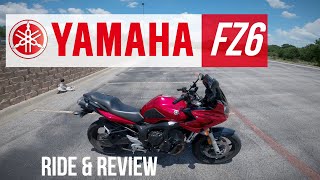
O que os compradores devem saber
Watch the Throttle Bodies
The FZ6 is known for occasional throttle body synchronization issues, causing rough idle or stumbling at low RPMs. Regular sync maintenance every 15,000–20,000 miles keeps this problem in check.
Strong Resale Value
The FZ6 holds its value well in the used market due to its versatile sport-naked appeal and loyal following. A well-maintained example typically retains 60–70% of its value after 5 years.
Proven, Durable Engine
The 600cc inline-four derived from the R6 superbike is extremely reliable and routinely reaches 50,000+ miles with proper oil changes. It's considered one of the more bulletproof middleweight engines on the market.
Gerações e especificações por ano
O FZ6 original foi lançado com motor de quatro cilindros em linha de 600 cc, carroceria semi-furada e estrutura de aço.
"Quase ótimo, impedido por um tropeço de carboidratos."
A FZ6 Gen 1 é uma bicicleta que realmente me surpreendeu quando a coloquei acima de 8.000 rpm — a quatro em linha puxa com força e soa selvagem até a linha vermelha de 12.500 rpm, e essa meia carenagem realmente faz o suficiente em velocidades de rodovia para impedir que seu peito desmorone. Mas conviver com esses carburadores nas frias manhãs britânicas era um ritual: engasgar, esperar, cuidar deles por cinco minutos ou a coisa fica presa e cuspida se você apertar o acelerador muito cedo. A estrutura de aço fornece feedback honesto e comunicativo nas curvas — não é uma moto esportiva, mas mantém sua linha de forma previsível e aumenta a confiança rapidamente — mas o vale de torque médio entre 4.000 e 7.000 rpm significa que a filtragem urbana e o tráfego lento parecem mais agrícolas do que uma 600 deveria. É uma bicicleta que premia os ciclistas dispostos a trabalhar nela, não uma que faz o trabalho para você.
Prós
Contras
Introdução à injeção de combustível, carroceria revisada, chassi atualizado, suspensão aprimorada e ergonomia refinada por toda parte.
"A moto esportiva do dia a dia que realmente faz sentido."
A injeção de combustível corrigiu o problema de partida a frio da Geração 1 quase da noite para o dia, e a resposta do acelerador abaixo de 6.000 rpm agora é suave o suficiente para que você pare de temer o trânsito da cidade. Passe de 8.000 e o quatro em linha grita corretamente, embora essa parte da banda de potência ainda viva frustrantemente alta para pilotar no mundo real. A suspensão é genuinamente melhor do que a geração anterior — os garfos não mergulham na frenagem brusca como costumavam fazer, e a ergonomia revisada divide razoavelmente bem a diferença entre agachamento de motocicletas esportivas e fadiga vertical em trechos de uma hora. A verdadeira fraqueza é a faixa média: desça para o terceiro lugar em uma zona de 60 km/h e há uma resposta encharcada, quase apologética, até que as rotações aumentem, o que envelhece rapidamente em estradas B sinuosas, onde você quer trocar de marcha curta.
Prós
Contras
Avaliação do comprador usado
"A sensible, durable all-rounder that rewards patient, improving riders."
$3,500-$5,500 usedThe FZ6 is one of those bikes that gets everything about 80% right, which sounds like a backhanded compliment but actually makes it brilliant used metal. The 600cc inline-four pulls cleanly from low revs — unusual for a screamer — and the half-faired ergonomics split the difference between sporty and comfortable better than most bikes at this price point. Previous owners typically thrash these or commute them to death, so check the chain, sprockets, and fork seals before handing over cash. The engine is genuinely tough. I've seen FZ6s crack 60,000 miles on the original internals with basic maintenance. What rots is the cosmetics — side fairings crack, and the switchgear gets flaky. Budget another $200-300 post-purchase for consumables regardless. The suspension is soft for spirited riding but easily upgraded. It's not the most exciting bike in the class, but that mild temperament is exactly why intermediate riders build real skills on these without getting punished.
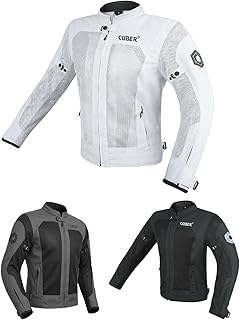
Top 10 Accessories
Curated picks for the Yamaha Fz6 — owned, ridden, recommended.




Problemas comuns
🔥 2 CRITICALBattery voltage at idle, look for dimming lights
Idle quality, hesitation between 3000-5000 RPM
Oil residue on lower fork tubes, soft front end
Coolant color, hose condition, radiator fins for damage
✅Lista de verificação de pré-compra
Solid engine, electrical gremlins are main concern
Full Specifications
Rivals & Alternatives
Bikes that buyers cross-shop with the Yamaha Fz6
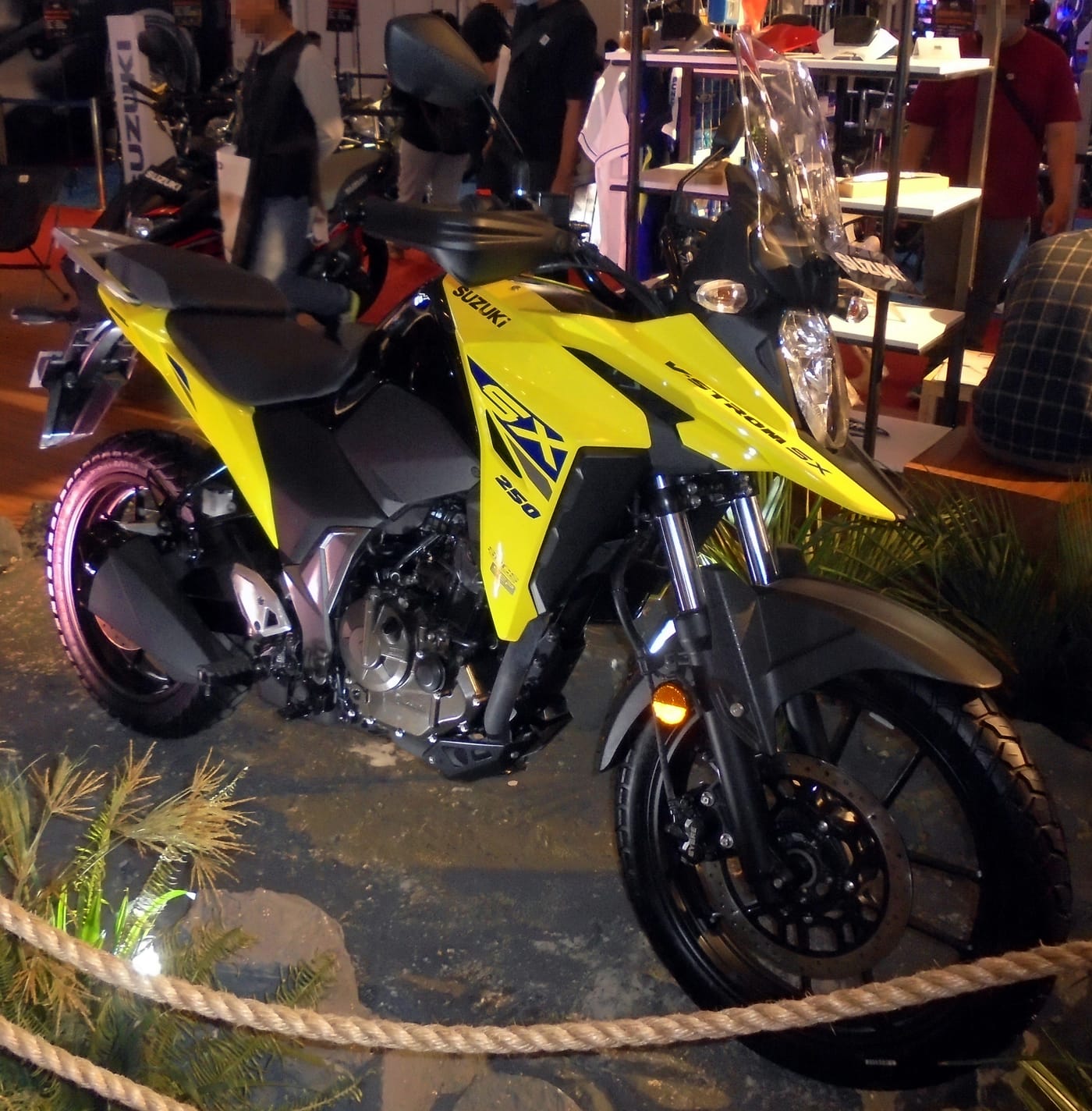
Suzuki Gsr600
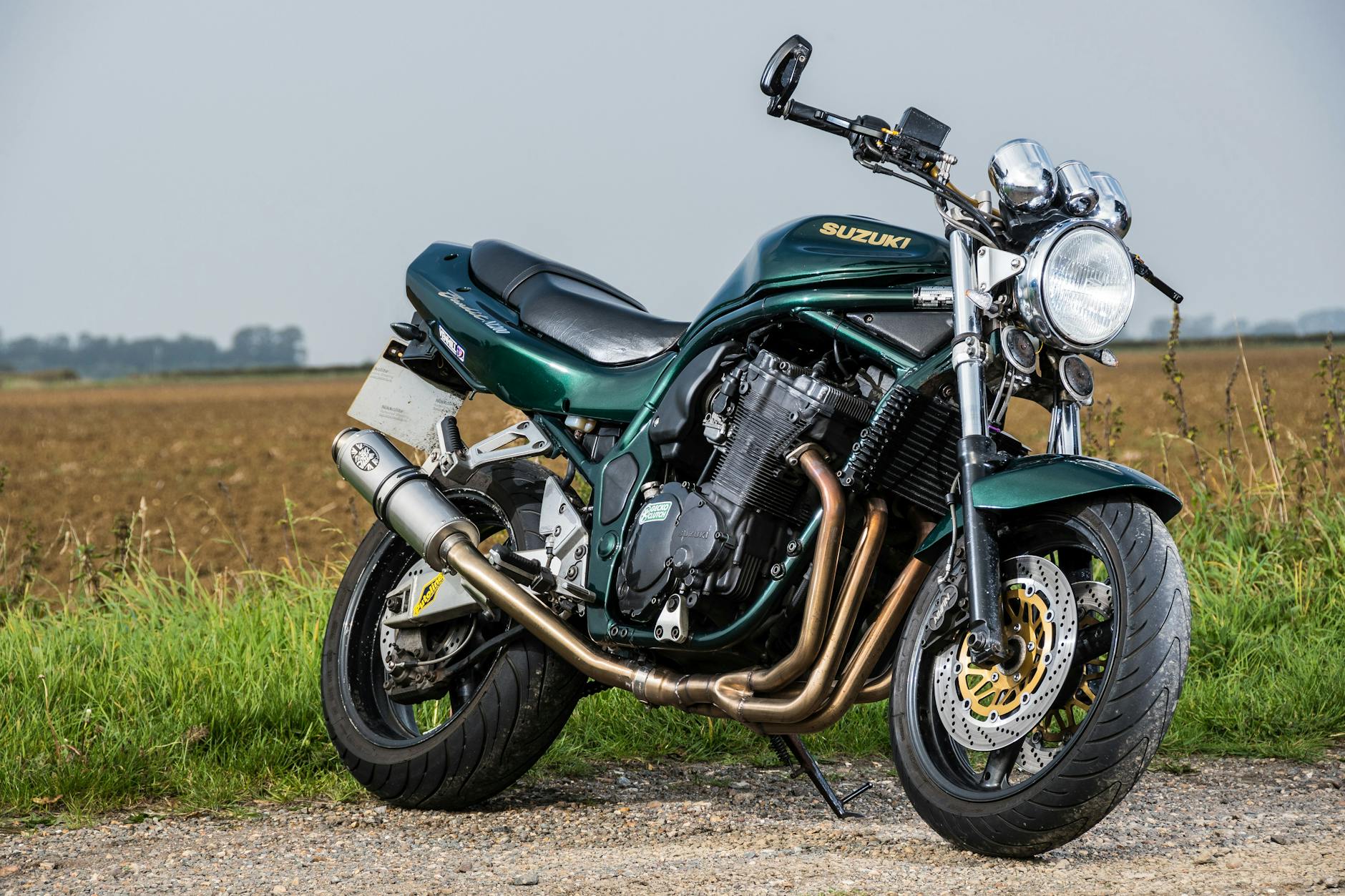
Suzuki Bandit 600
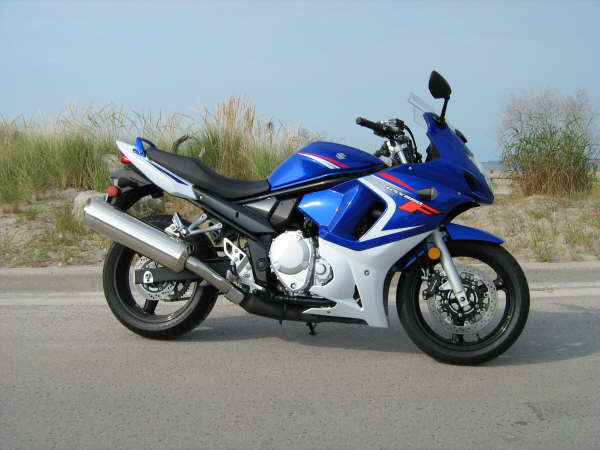
Suzuki Bandit 650
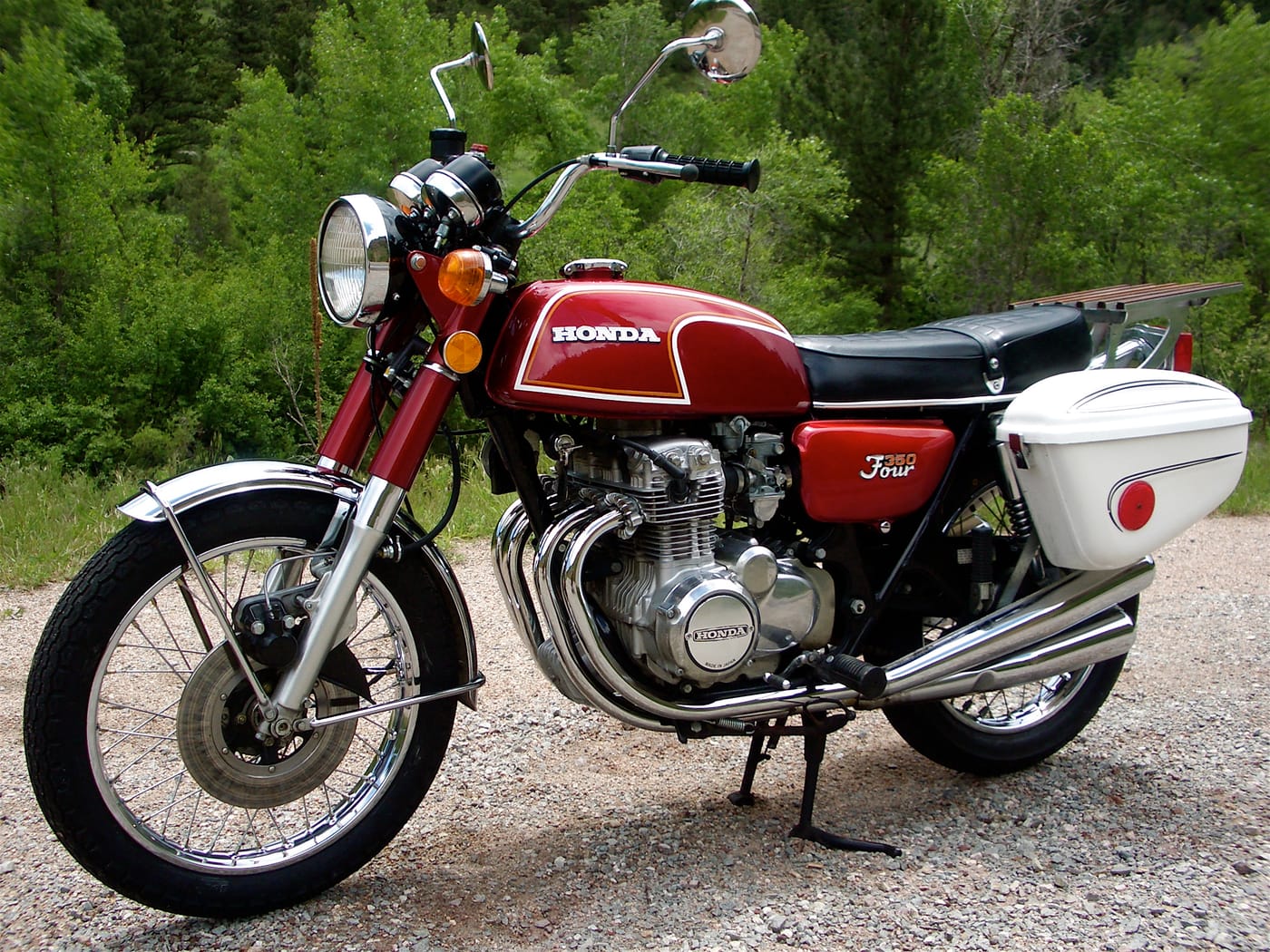
Honda Cb600f Hornet
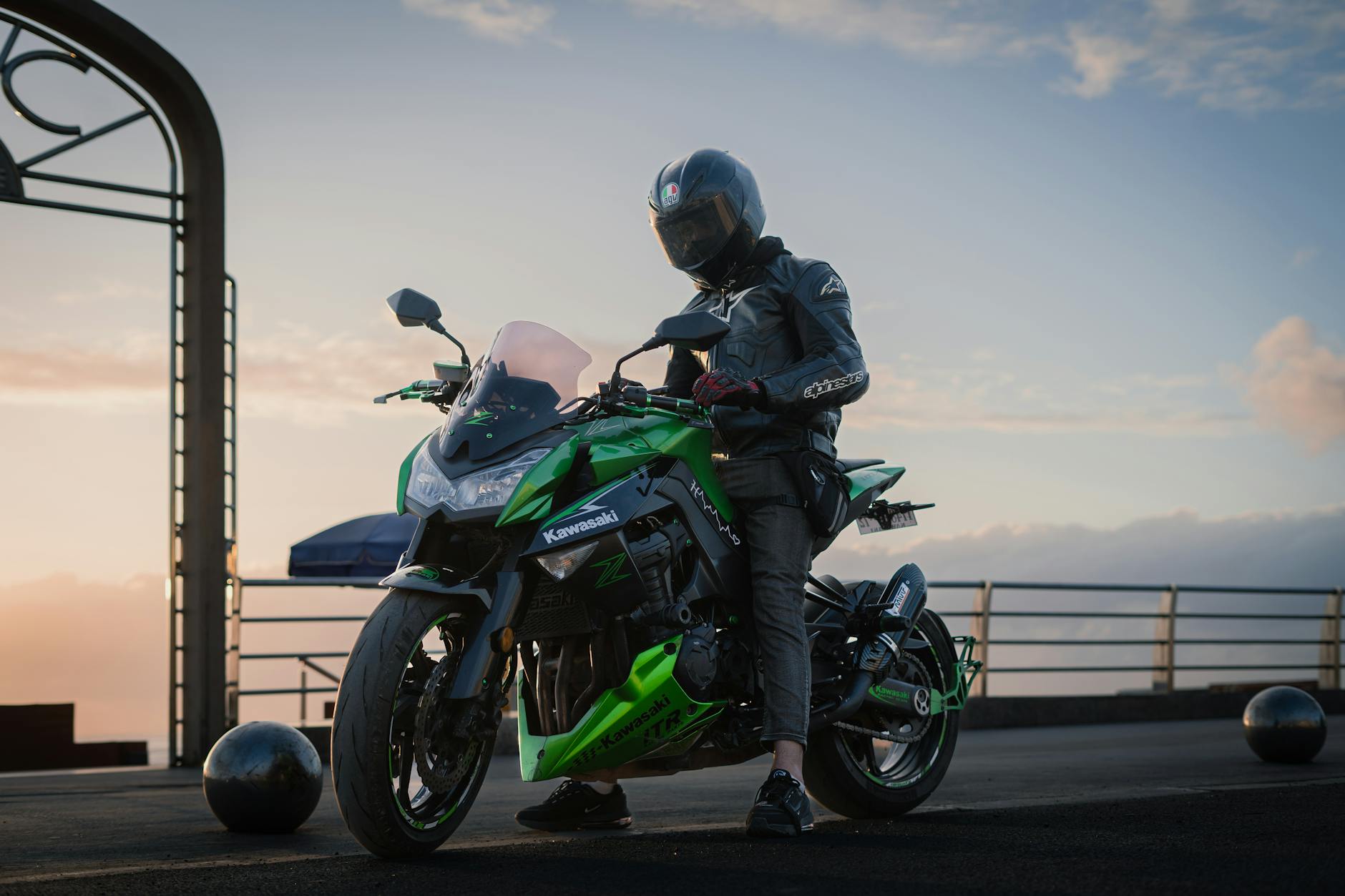
Kawasaki Er-6n
Compare Yamaha Fz6 Side-by-Side
compare_arrowsSpecs, power, weight & buyer verdict — head-to-head with the bikes most often cross-shopped.
Yamaha Fz6 vs Suzuki Gsr600
Specs · Power · Buyer verdict
Yamaha Fz6 vs Suzuki Bandit 600
Specs · Power · Buyer verdict
Yamaha Fz6 vs Suzuki Bandit 650
Specs · Power · Buyer verdict
Yamaha Fz6 vs Honda Cb600f Hornet
Specs · Power · Buyer verdict
Yamaha Fz6 vs Kawasaki Er-6n
Specs · Power · Buyer verdict
More Yamaha Fz6 Guides
More from Yamaha
View all Yamaha models →Community Reviews
Discussion
Frequently Asked Questions
What are common problems with the Yamaha Fz6? +
Stator/charging system failure: Battery voltage at idle, look for dimming lights (serious) | Throttle body sync needed, rough idle: Idle quality, hesitation between 3000-5000 RPM (moderate) | Fork seal leaks on higher mileage bikes: Oil residue on lower fork tubes, soft front end (moderate)
Is the Yamaha Fz6 a good motorcycle? +
A sensible, durable all-rounder that rewards patient, improving riders. Rating: 7.5/10. Best for: Intermediate riders wanting reliable daily sport touring. Avoid if: You need weekend track-day adrenaline fixes.
What is the horsepower of the Yamaha Fz6? +
The Yamaha Fz6 produces 98 hp @ 12,000 rpm, with 66 Nm @ 10,000 rpm of torque. Top speed: 210 km/h.
Is the Yamaha Fz6 good for beginners? +
Yes — the Yamaha Fz6 is a reasonable choice for new riders (98 hp is manageable), weighing 189 kg. Intermediate riders wanting reliable daily sport touring
Is the Yamaha Fz6 reliable? +
Owners report 2 critical issues to watch for on the Yamaha Fz6, notably: Stator/charging system failure (Battery voltage at idle, look for dimming lights). Buy with a pre-purchase inspection.
Is the Yamaha Fz6 good for daily use? +
Intermediate riders wanting reliable daily sport touring Fuel: 5.5–6.5 L/100km (approximately 15–18 km/L, typical real-world average).
How fast is the Yamaha Fz6? +
The Yamaha Fz6 reaches a top speed of 210 km/h, producing 98 hp at 189 kg curb weight. Real-world performance depends on rider weight, gearing, and road conditions.
What gear should I buy for a Yamaha Fz6? +
Motoryk has curated a Top 10 gear list specifically for the Yamaha Fz6, covering engine oil, tires, chain, battery, and brake pads — see motoryk.com/bikes/yamaha/fz6/top10. Each pick is matched to this bike's spec.