Yamaha Fz6
The Yamaha Fz6 has a top speed of 210 km/h, produces 98 hp and weighs 189 kg. Motoryk rates it 7.5/10.
La Yamaha FZ6 se presentó en 2004 como una motocicleta nake/deportiva de gama media, en sustitución de la antigua Yamaha Fazer. Utilizaba una versión mejorada del motor R6 de cuatro cilindros en línea de 600 cc, lo que la hacía más accesible para los pilotos de nivel intermedio y, al mismo tiempo, ofrecía un rendimiento deportivo. La FZ6 era muy apreciada por su versatilidad como moto deportiva tanto para viajes diarios como para fines de semana, y se fabricó hasta 2010, cuando fue reemplazada por la Yamaha FZ6R.
98 hp
Potencia
66 Nm
Torsión
189 kg
Peso
210 km/h
Velocidad máxima
5.5–6.5 L/100km (approximately 15–18 km/L, typical real-world average)
Combustible
Desnudo
Cuerpo
🔧 Service Schedule & Parts
Affiliate · we may earn| Service item | Every | Typical cost | Parts |
|---|---|---|---|
| 🛢️ Engine oil + oil filter | 6,000 km / 3,500 mi or 12 mo | $40-80 | 🛢️ Buy → ⚙️ Buy → |
| 🌬️ Air filter | 12,000 km / 7,500 mi | — | 🌬️ Buy → |
| ⚡ Spark plugs | 12,000 km / 7,500 mi | — | ⚡ Buy → |
| 🔧 Valve clearance check | 24,000 km / 15,000 mi | $200-400 | |
| 🔗 Chain & sprockets | 25000-40000 km (replace) | $150-300 | 🔗 Buy → |
| 🛑 Brake pads | 15000-25000 km | $30-60 | 🛑 Buy → |
| 💧 Brake fluid | 24,000 km / 15,000 mi or 2 yr | — | |
| 🧊 Coolant | 24,000 km / 15,000 mi | — | |
| 🛞 Tires | 10000-20000 km | $200-400 | 🛞 Buy → |
| 🔩 Major service | 24,000 km / 15,000 mi | $300-600 |
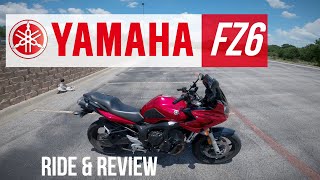
Video Review
Lo que los compradores deben saber
Watch the Throttle Bodies
The FZ6 is known for occasional throttle body synchronization issues, causing rough idle or stumbling at low RPMs. Regular sync maintenance every 15,000–20,000 miles keeps this problem in check.
Strong Resale Value
The FZ6 holds its value well in the used market due to its versatile sport-naked appeal and loyal following. A well-maintained example typically retains 60–70% of its value after 5 years.
Proven, Durable Engine
The 600cc inline-four derived from the R6 superbike is extremely reliable and routinely reaches 50,000+ miles with proper oil changes. It's considered one of the more bulletproof middleweight engines on the market.
Generaciones y especificaciones por año
El FZ6 original se lanzó con cuatro cilindros en línea de 600 cc, motor carburado, carrocería semicarenada y marco de acero.
"Casi genial, frenado por un tropiezo de carbohidratos."
La FZ6 Gen 1 es una moto que me sorprendió de verdad cuando superé las 8.000 rpm: la cuatro cilindros en línea tira con fuerza y suena salvaje hasta la línea roja de 12.500 rpm, y ese medio carenado es suficiente a velocidades de autopista como para evitar que el pecho se derrumbe. Pero vivir con esos carburadores en las frías mañanas británicas era un ritual: atragantarse, esperar, amamantarlo durante cinco minutos o la cosa se empantana y escupe si se aprieta el acelerador demasiado pronto. La estructura de acero proporciona una respuesta honesta y comunicativa en las curvas (no es una moto deportiva, pero mantiene su línea de forma predecible y genera confianza rápidamente), pero el valle de par de torsión en la gama media, entre 4.000 y 7.000 rpm, hace que el filtrado urbano y el tráfico lento parezcan más agrícolas de lo que debería ser una 600. Es una bicicleta que recompensa a los ciclistas dispuestos a trabajar en ella, no una bicicleta que hace el trabajo por ti.
Pros
Contras
Se introdujo la inyección de combustible, se revisó la carrocería, se actualizó el chasis, se mejoró la suspensión y se refinó la ergonomía en todas partes.
"La moto deportiva de uso diario que realmente tiene sentido."
La inyección de combustible solucionó el problema del arranque en frío de la Gen 1 casi de la noche a la mañana, y la respuesta del acelerador por debajo de las 6.000 rpm ahora es lo suficientemente suave como para dejar de temer el tráfico urbano. Supera las 8.000 y el motor de cuatro cilindros en línea grita con fuerza, aunque esa parte de la banda de potencia sigue siendo frustrantemente alta para conducir en condiciones reales. La suspensión es realmente mejor que la de la generación anterior: las horquillas ya no frenan bruscamente como antes, y la ergonomía revisada reduce razonablemente la diferencia entre la fatiga en posición vertical y la posición agachada en una moto deportiva durante tramos de una hora. La verdadera debilidad es la gama media: si se cae a la tercera posición en una zona de 60 km/h, hay una respuesta empapada, casi apologética, hasta que aumentan las revoluciones, lo que pasa rápidamente de moda en carreteras B con curvas en las que quieres hacer cambios cortos.
Pros
Contras
Reseña de un comprador usado
"A sensible, durable all-rounder that rewards patient, improving riders."
$3,500-$5,500 usedThe FZ6 is one of those bikes that gets everything about 80% right, which sounds like a backhanded compliment but actually makes it brilliant used metal. The 600cc inline-four pulls cleanly from low revs — unusual for a screamer — and the half-faired ergonomics split the difference between sporty and comfortable better than most bikes at this price point. Previous owners typically thrash these or commute them to death, so check the chain, sprockets, and fork seals before handing over cash. The engine is genuinely tough. I've seen FZ6s crack 60,000 miles on the original internals with basic maintenance. What rots is the cosmetics — side fairings crack, and the switchgear gets flaky. Budget another $200-300 post-purchase for consumables regardless. The suspension is soft for spirited riding but easily upgraded. It's not the most exciting bike in the class, but that mild temperament is exactly why intermediate riders build real skills on these without getting punished.
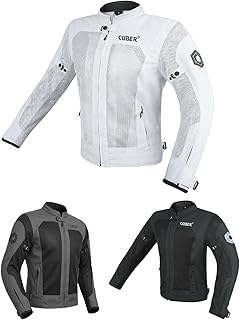
Top 10 Accessories
Curated picks for the Yamaha Fz6 — owned, ridden, recommended.




Problemas comunes
🔥 2 CRITICALBattery voltage at idle, look for dimming lights
Idle quality, hesitation between 3000-5000 RPM
Oil residue on lower fork tubes, soft front end
Coolant color, hose condition, radiator fins for damage
✅Lista de verificación previa a la compra
Solid engine, electrical gremlins are main concern
Full Specifications
Rivals & Alternatives
Bikes that buyers cross-shop with the Yamaha Fz6
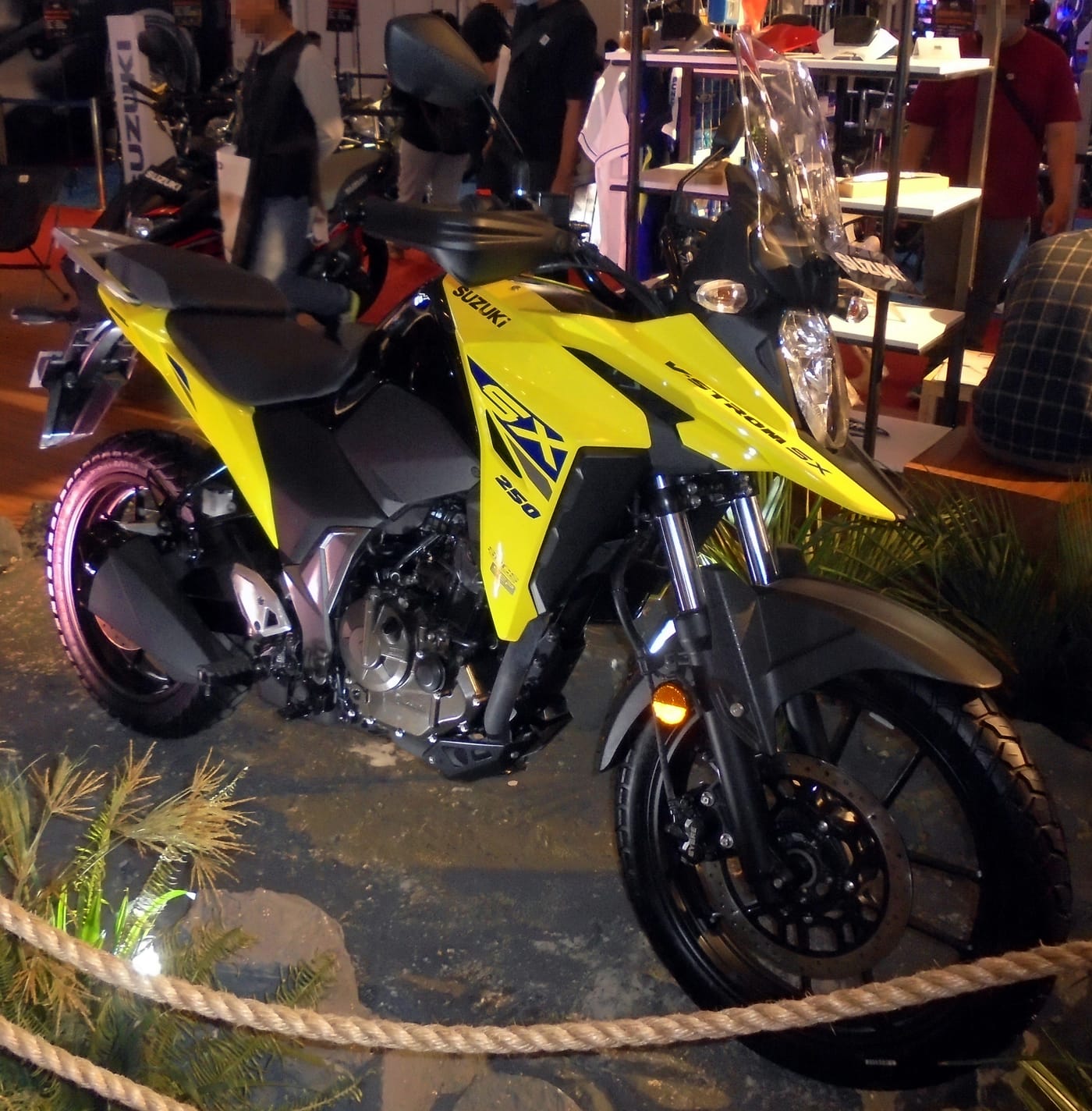
Suzuki Gsr600
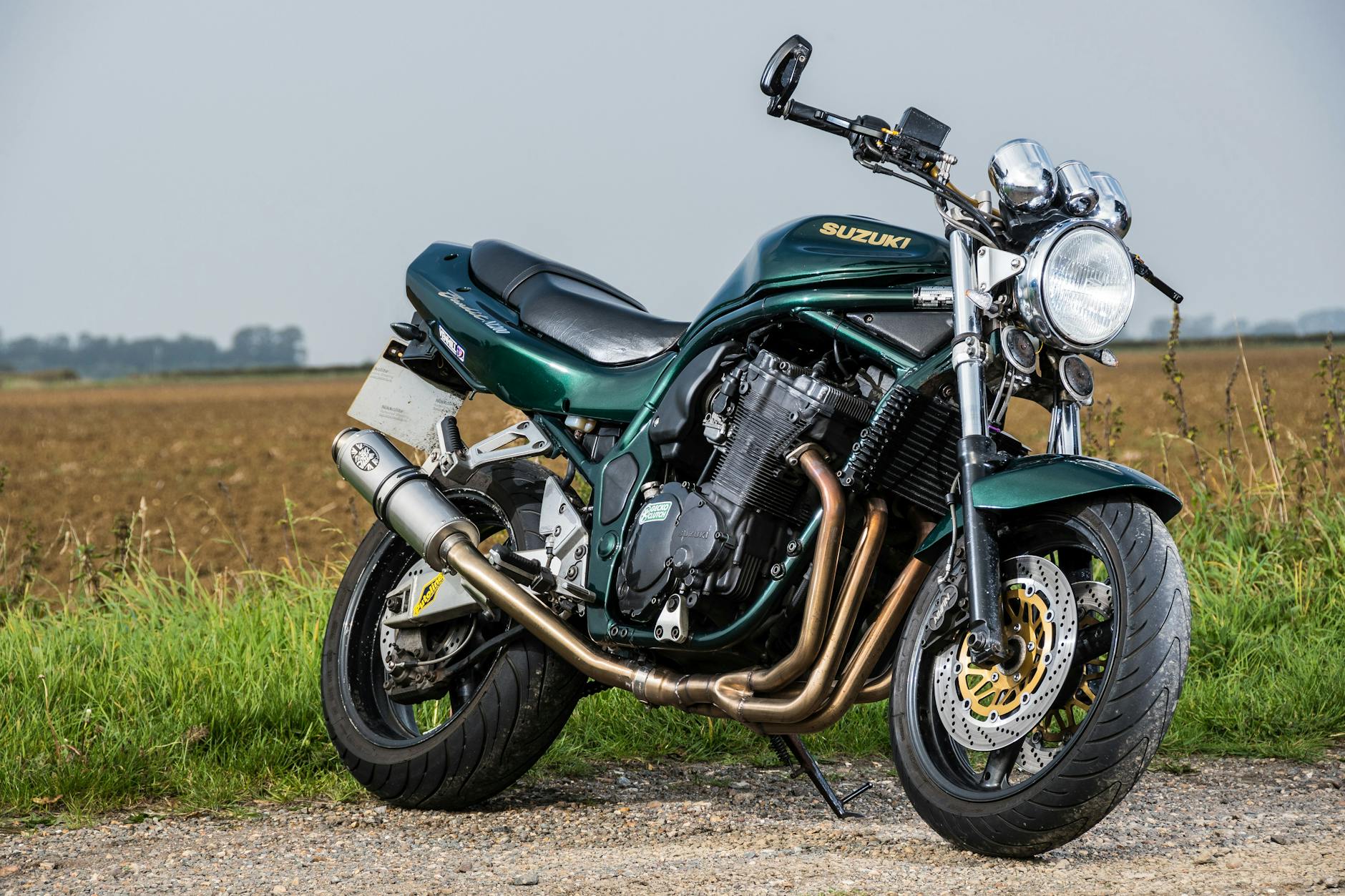
Suzuki Bandit 600
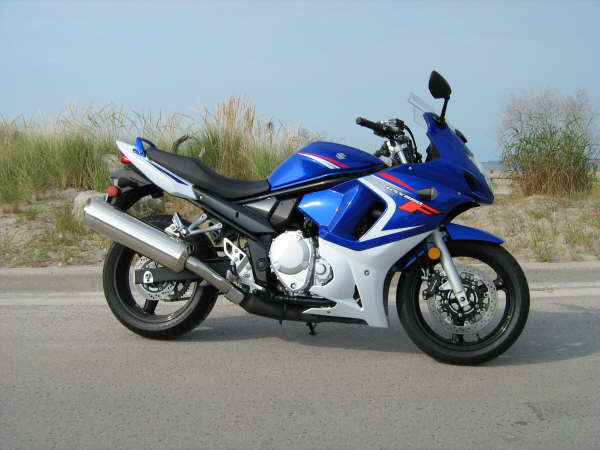
Suzuki Bandit 650
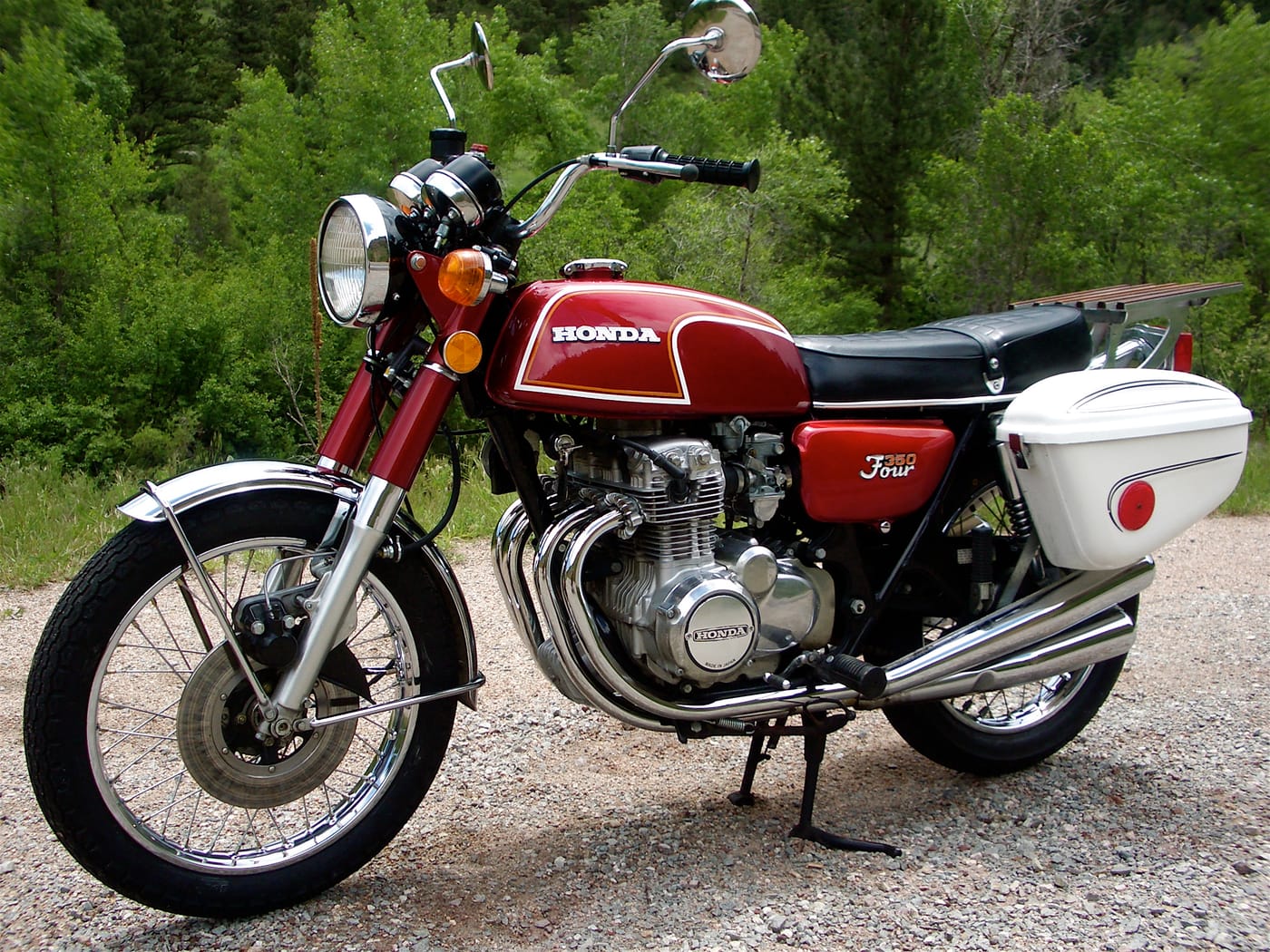
Honda Cb600f Hornet
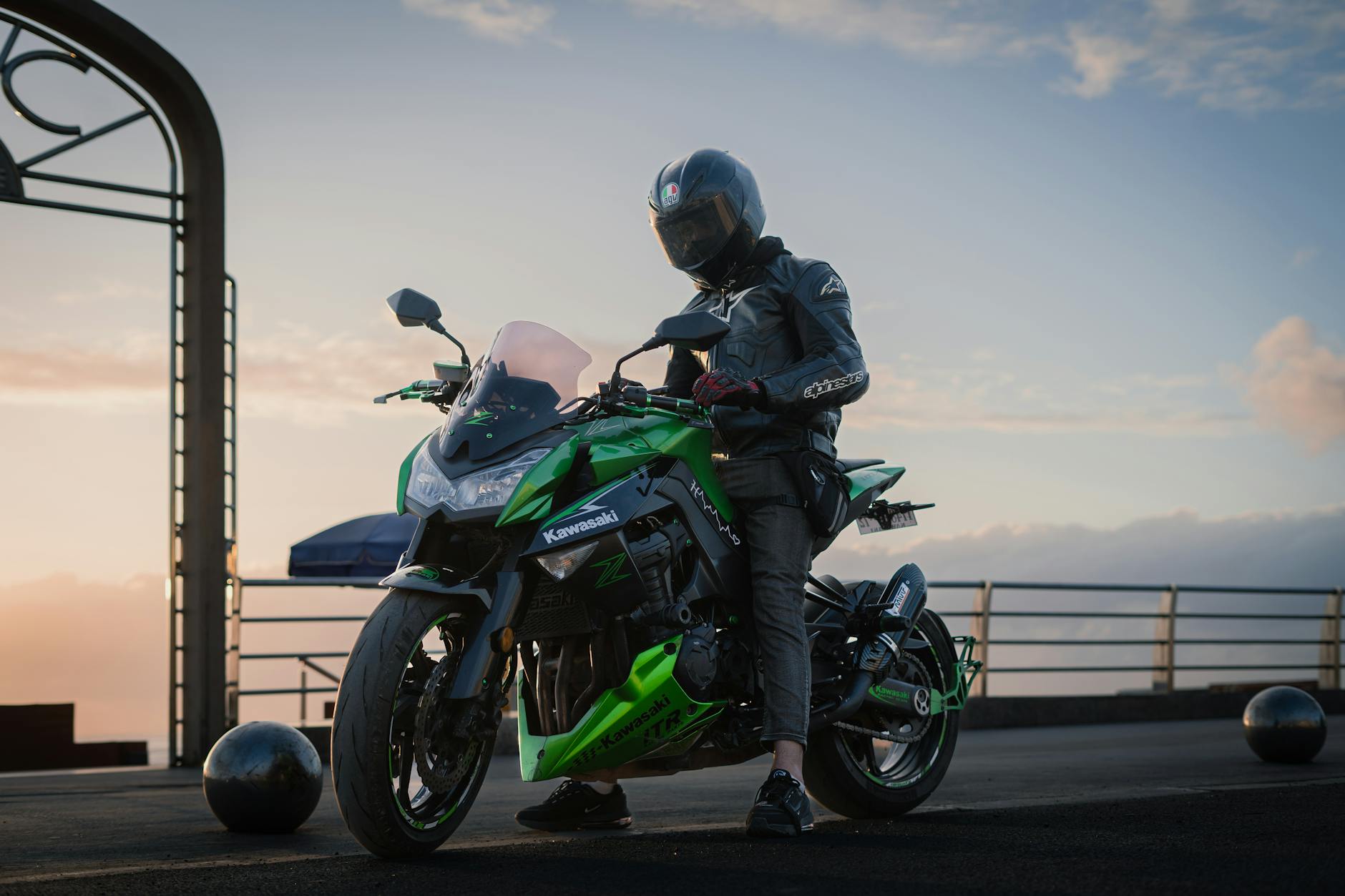
Kawasaki Er-6n
Compare Yamaha Fz6 Side-by-Side
compare_arrowsSpecs, power, weight & buyer verdict — head-to-head with the bikes most often cross-shopped.
Yamaha Fz6 vs Suzuki Gsr600
Specs · Power · Buyer verdict
Yamaha Fz6 vs Suzuki Bandit 600
Specs · Power · Buyer verdict
Yamaha Fz6 vs Suzuki Bandit 650
Specs · Power · Buyer verdict
Yamaha Fz6 vs Honda Cb600f Hornet
Specs · Power · Buyer verdict
Yamaha Fz6 vs Kawasaki Er-6n
Specs · Power · Buyer verdict
More Yamaha Fz6 Guides
More from Yamaha
View all Yamaha models →Community Reviews
Discussion
Frequently Asked Questions
What are common problems with the Yamaha Fz6? +
Stator/charging system failure: Battery voltage at idle, look for dimming lights (serious) | Throttle body sync needed, rough idle: Idle quality, hesitation between 3000-5000 RPM (moderate) | Fork seal leaks on higher mileage bikes: Oil residue on lower fork tubes, soft front end (moderate)
Is the Yamaha Fz6 a good motorcycle? +
A sensible, durable all-rounder that rewards patient, improving riders. Rating: 7.5/10. Best for: Intermediate riders wanting reliable daily sport touring. Avoid if: You need weekend track-day adrenaline fixes.
What is the horsepower of the Yamaha Fz6? +
The Yamaha Fz6 produces 98 hp @ 12,000 rpm, with 66 Nm @ 10,000 rpm of torque. Top speed: 210 km/h.
Is the Yamaha Fz6 good for beginners? +
Yes — the Yamaha Fz6 is a reasonable choice for new riders (98 hp is manageable), weighing 189 kg. Intermediate riders wanting reliable daily sport touring
Is the Yamaha Fz6 reliable? +
Owners report 2 critical issues to watch for on the Yamaha Fz6, notably: Stator/charging system failure (Battery voltage at idle, look for dimming lights). Buy with a pre-purchase inspection.
Is the Yamaha Fz6 good for daily use? +
Intermediate riders wanting reliable daily sport touring Fuel: 5.5–6.5 L/100km (approximately 15–18 km/L, typical real-world average).
How fast is the Yamaha Fz6? +
The Yamaha Fz6 reaches a top speed of 210 km/h, producing 98 hp at 189 kg curb weight. Real-world performance depends on rider weight, gearing, and road conditions.
What gear should I buy for a Yamaha Fz6? +
Motoryk has curated a Top 10 gear list specifically for the Yamaha Fz6, covering engine oil, tires, chain, battery, and brake pads — see motoryk.com/bikes/yamaha/fz6/top10. Each pick is matched to this bike's spec.