Yamaha Fz6
The Yamaha Fz6 has a top speed of 210 km/h, produces 98 hp and weighs 189 kg. Motoryk rates it 7.5/10.
Die Yamaha FZ6 wurde 2004 als Nackt-/Sportmotorrad der Mittelklasse eingeführt und ersetzte die ältere Yamaha Fazer. Sie verwendete eine verstimmte Version des R6-Reihenviermotors mit 600 cm³, wodurch sie für fortgeschrittene Fahrer leichter zugänglich war und dennoch sportliche Leistung bot. Die FZ6 war wegen ihrer Vielseitigkeit sowohl als Pendler- als auch als Wochenend-Sportbike bekannt und wurde bis 2010 produziert, als sie von der Yamaha FZ6R abgelöst wurde.
98 hp
Leistung
66 Nm
Drehmoment
189 kg
Gewicht
210 km/h
Höchstgeschwindigkeit
5.5–6.5 L/100km (approximately 15–18 km/L, typical real-world average)
Treibstoff
Nackt
Körper
🔧 Service Schedule & Parts
Affiliate · we may earn| Service item | Every | Typical cost | Parts |
|---|---|---|---|
| 🛢️ Engine oil + oil filter | 6,000 km / 3,500 mi or 12 mo | $40-80 | 🛢️ Buy → ⚙️ Buy → |
| 🌬️ Air filter | 12,000 km / 7,500 mi | — | 🌬️ Buy → |
| ⚡ Spark plugs | 12,000 km / 7,500 mi | — | ⚡ Buy → |
| 🔧 Valve clearance check | 24,000 km / 15,000 mi | $200-400 | |
| 🔗 Chain & sprockets | 25000-40000 km (replace) | $150-300 | 🔗 Buy → |
| 🛑 Brake pads | 15000-25000 km | $30-60 | 🛑 Buy → |
| 💧 Brake fluid | 24,000 km / 15,000 mi or 2 yr | — | |
| 🧊 Coolant | 24,000 km / 15,000 mi | — | |
| 🛞 Tires | 10000-20000 km | $200-400 | 🛞 Buy → |
| 🔩 Major service | 24,000 km / 15,000 mi | $300-600 |
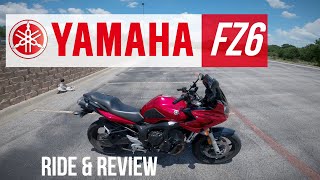
Video Review
Was Käufer wissen sollten
Watch the Throttle Bodies
The FZ6 is known for occasional throttle body synchronization issues, causing rough idle or stumbling at low RPMs. Regular sync maintenance every 15,000–20,000 miles keeps this problem in check.
Strong Resale Value
The FZ6 holds its value well in the used market due to its versatile sport-naked appeal and loyal following. A well-maintained example typically retains 60–70% of its value after 5 years.
Proven, Durable Engine
The 600cc inline-four derived from the R6 superbike is extremely reliable and routinely reaches 50,000+ miles with proper oil changes. It's considered one of the more bulletproof middleweight engines on the market.
Generationen und Spezifikationen nach Jahr
Der ursprüngliche FZ6 wurde mit 600-cm3-Vierzylinder-Vergasermotor, halbverkleideter Karosserie und Stahlrahmen auf den Markt gebracht.
"Fast großartig, gebremst von einem Kohlenhydratstolpern."
Das FZ6 Gen 1 ist ein Motorrad, das mich wirklich überrascht hat, als ich es über 8.000 U/min gefahren habe — das Inline-Four zieht hart und klingt bis zur roten Linie von 12.500 U/min wild, und diese Halbverkleidung reicht bei Autobahngeschwindigkeiten tatsächlich aus, um zu verhindern, dass einem die Brust nachgibt. Aber das Leben mit diesen Vergasern an kalten britischen Morgen war ein Ritual: Ersticken, warten, fünf Minuten lang warten oder das Ding summt und spuckt, wenn man zu früh Gas gibt. Der Stahlrahmen gibt ein ehrliches, kommunikatives Feedback in Kurven — es ist kein Sportbike, aber es hält seine Linie vorhersehbar und sorgt schnell für Selbstvertrauen — doch der mittlere Drehmomentbereich zwischen 4.000 und 7.000 U/min sorgt dafür, dass sich Stadtfilterung und langsamer Verkehr landwirtschaftlicher anfühlen, als es ein 600er sollte. Es ist ein Bike, das Fahrer belohnt, die bereit sind, daran zu arbeiten, und nicht eines, das einem die Arbeit abnimmt.
Profis
Nachteile
Einführung der Kraftstoffeinspritzung, überarbeitete Karosserie, aktualisiertes Fahrwerk, verbesserte Federung und durchgehend verfeinerte Ergonomie.
"Das alltägliche Sportbike, das tatsächlich Sinn macht."
Die Kraftstoffeinspritzung hat das Kaltstartstolpern der Generation 1 fast über Nacht behoben, und die Gasannahme unter 6.000 U/min ist jetzt so glatt, dass Sie keine Angst mehr vor dem Stadtverkehr haben. Schieben Sie den Motor auf über 8.000 und der Reihenvierer schreit ordentlich, obwohl die Leistung des Leistungsbandes für das Fahren in der realen Welt immer noch frustrierend hoch ist. Die Federung ist wirklich besser als bei der Vorgängergeneration — die Gabeln stürzen nicht mehr wie früher, wenn sie hart gebremst werden, und die überarbeitete Ergonomie verteilt den Unterschied zwischen sportlichem Hocken und Ermüdung in aufrechter Position recht gut auf stundenlange Strecken. Die eigentliche Schwäche ist der Mitteltöner: Wenn Sie in einer 60-km/h-Zone auf den dritten Platz fallen, erfolgt eine matschige, fast entschuldigende Reaktion, bis die Drehzahl steigt, was auf kurvigen B-Straßen, auf denen Sie kurzschalten möchten, schnell alt wird.
Profis
Nachteile
Bewertung von gebrauchten Käufern
"A sensible, durable all-rounder that rewards patient, improving riders."
$3,500-$5,500 usedThe FZ6 is one of those bikes that gets everything about 80% right, which sounds like a backhanded compliment but actually makes it brilliant used metal. The 600cc inline-four pulls cleanly from low revs — unusual for a screamer — and the half-faired ergonomics split the difference between sporty and comfortable better than most bikes at this price point. Previous owners typically thrash these or commute them to death, so check the chain, sprockets, and fork seals before handing over cash. The engine is genuinely tough. I've seen FZ6s crack 60,000 miles on the original internals with basic maintenance. What rots is the cosmetics — side fairings crack, and the switchgear gets flaky. Budget another $200-300 post-purchase for consumables regardless. The suspension is soft for spirited riding but easily upgraded. It's not the most exciting bike in the class, but that mild temperament is exactly why intermediate riders build real skills on these without getting punished.
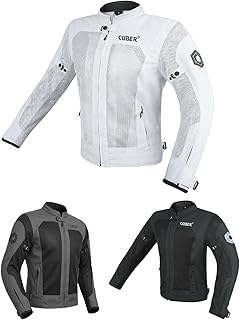
Top 10 Accessories
Curated picks for the Yamaha Fz6 — owned, ridden, recommended.




Häufig auftretende Probleme
🔥 2 CRITICALBattery voltage at idle, look for dimming lights
Idle quality, hesitation between 3000-5000 RPM
Oil residue on lower fork tubes, soft front end
Coolant color, hose condition, radiator fins for damage
✅Checkliste vor dem Kauf
Solid engine, electrical gremlins are main concern
Full Specifications
Rivals & Alternatives
Bikes that buyers cross-shop with the Yamaha Fz6
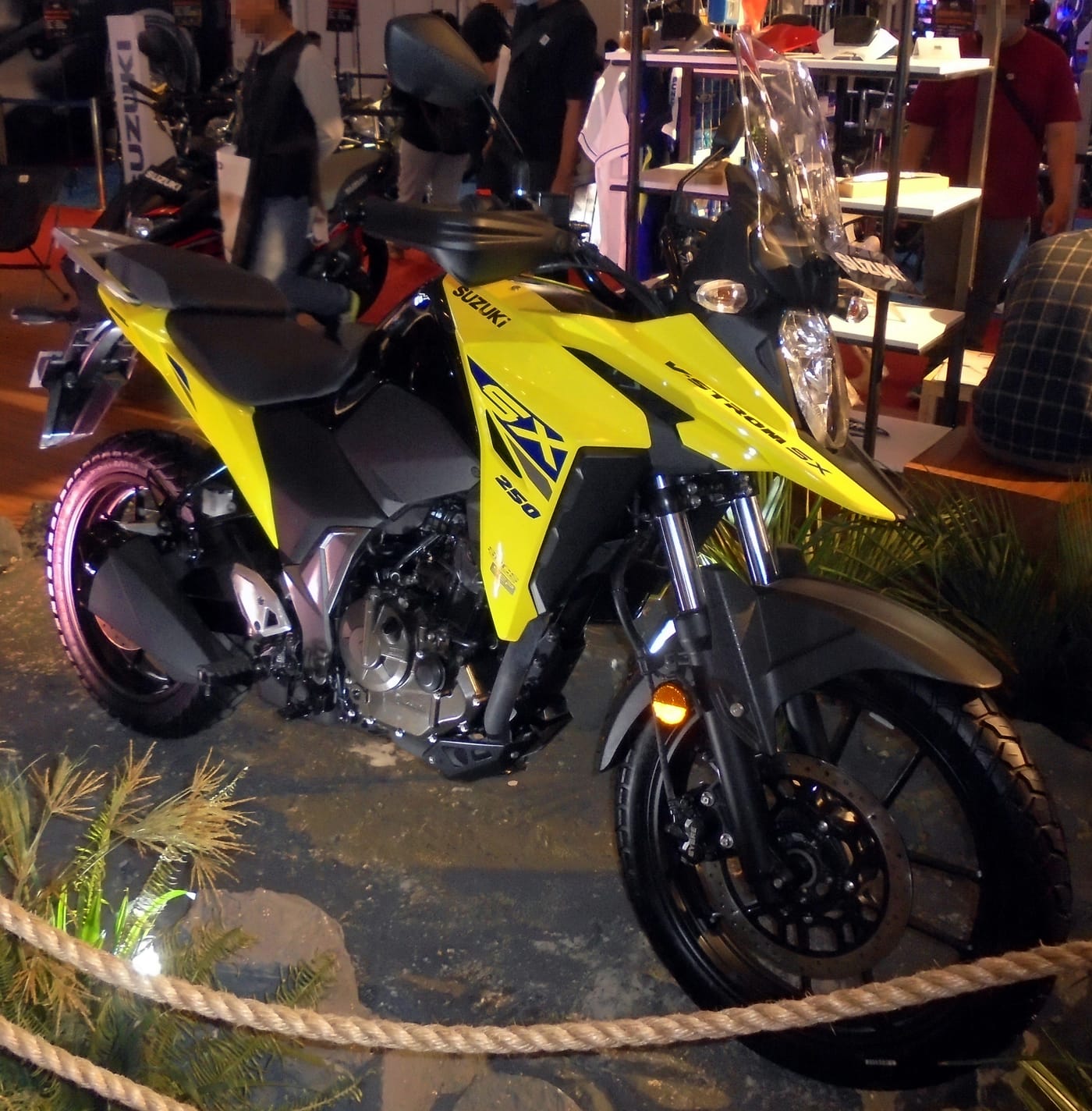
Suzuki Gsr600
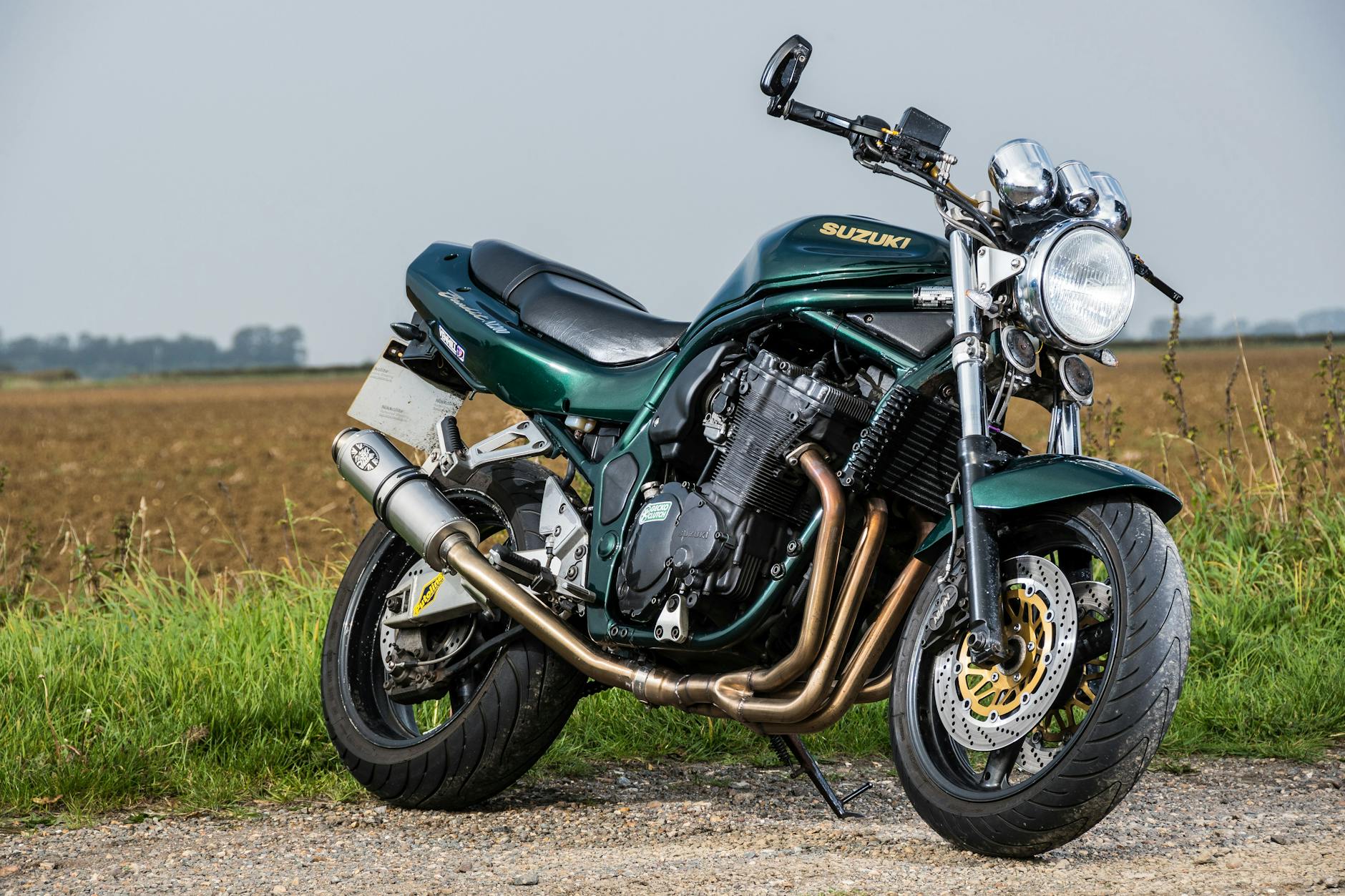
Suzuki Bandit 600
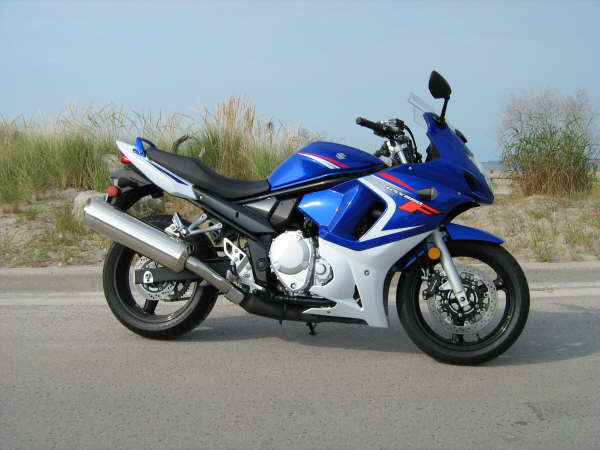
Suzuki Bandit 650
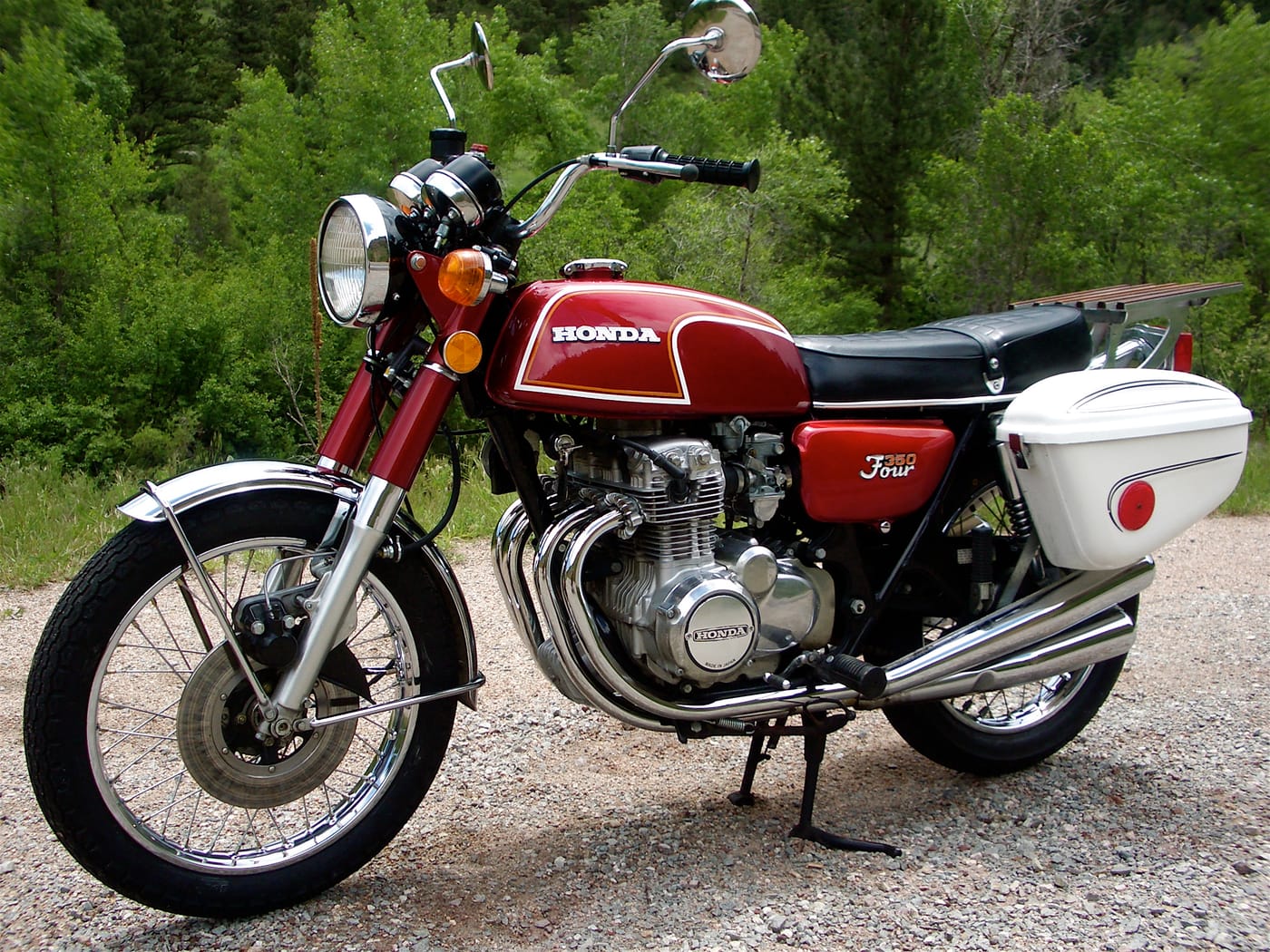
Honda Cb600f Hornet
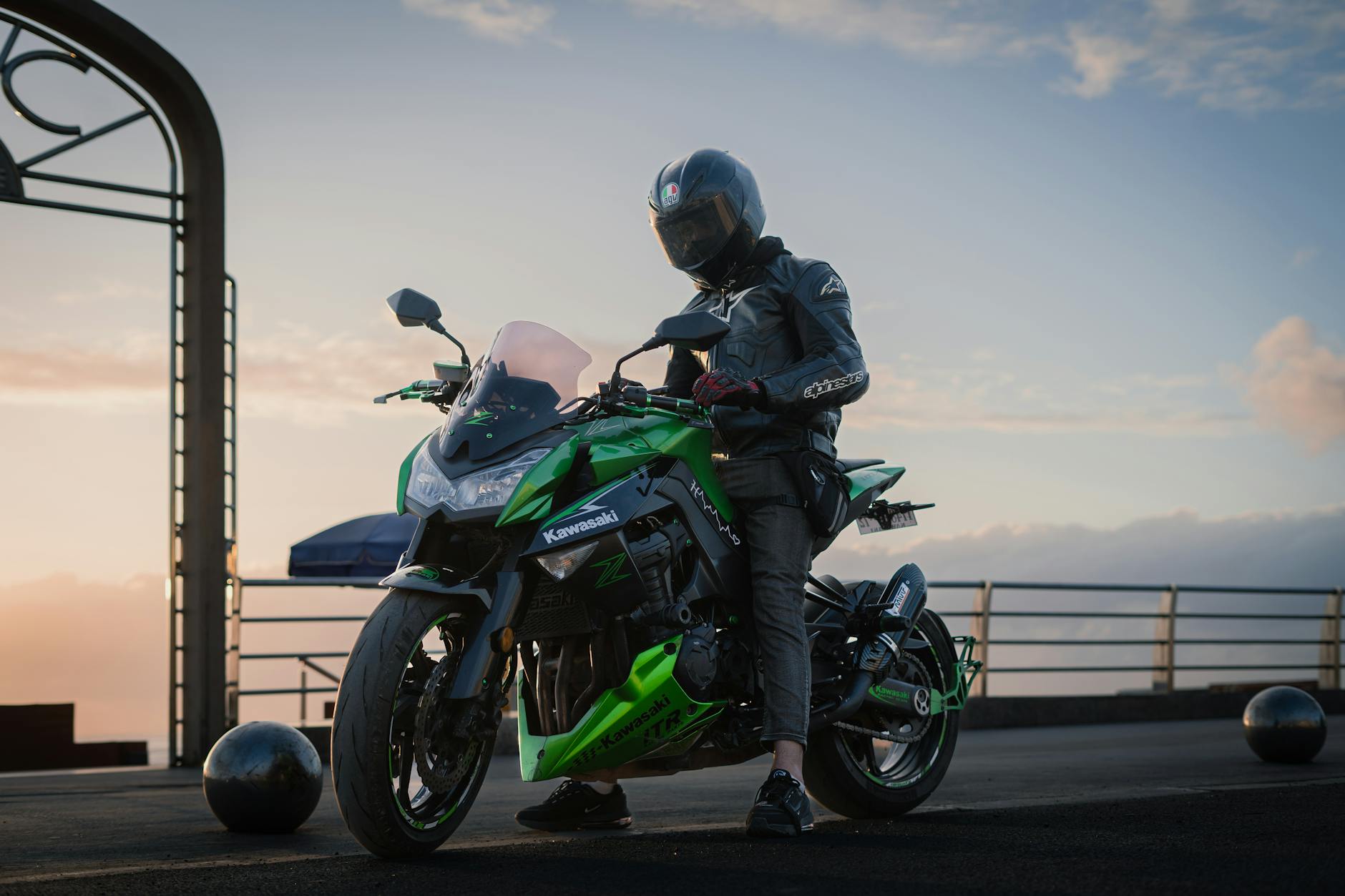
Kawasaki Er-6n
Compare Yamaha Fz6 Side-by-Side
compare_arrowsSpecs, power, weight & buyer verdict — head-to-head with the bikes most often cross-shopped.
Yamaha Fz6 vs Suzuki Gsr600
Specs · Power · Buyer verdict
Yamaha Fz6 vs Suzuki Bandit 600
Specs · Power · Buyer verdict
Yamaha Fz6 vs Suzuki Bandit 650
Specs · Power · Buyer verdict
Yamaha Fz6 vs Honda Cb600f Hornet
Specs · Power · Buyer verdict
Yamaha Fz6 vs Kawasaki Er-6n
Specs · Power · Buyer verdict
More Yamaha Fz6 Guides
More from Yamaha
View all Yamaha models →Community Reviews
Discussion
Frequently Asked Questions
What are common problems with the Yamaha Fz6? +
Stator/charging system failure: Battery voltage at idle, look for dimming lights (serious) | Throttle body sync needed, rough idle: Idle quality, hesitation between 3000-5000 RPM (moderate) | Fork seal leaks on higher mileage bikes: Oil residue on lower fork tubes, soft front end (moderate)
Is the Yamaha Fz6 a good motorcycle? +
A sensible, durable all-rounder that rewards patient, improving riders. Rating: 7.5/10. Best for: Intermediate riders wanting reliable daily sport touring. Avoid if: You need weekend track-day adrenaline fixes.
What is the horsepower of the Yamaha Fz6? +
The Yamaha Fz6 produces 98 hp @ 12,000 rpm, with 66 Nm @ 10,000 rpm of torque. Top speed: 210 km/h.
Is the Yamaha Fz6 good for beginners? +
Yes — the Yamaha Fz6 is a reasonable choice for new riders (98 hp is manageable), weighing 189 kg. Intermediate riders wanting reliable daily sport touring
Is the Yamaha Fz6 reliable? +
Owners report 2 critical issues to watch for on the Yamaha Fz6, notably: Stator/charging system failure (Battery voltage at idle, look for dimming lights). Buy with a pre-purchase inspection.
Is the Yamaha Fz6 good for daily use? +
Intermediate riders wanting reliable daily sport touring Fuel: 5.5–6.5 L/100km (approximately 15–18 km/L, typical real-world average).
How fast is the Yamaha Fz6? +
The Yamaha Fz6 reaches a top speed of 210 km/h, producing 98 hp at 189 kg curb weight. Real-world performance depends on rider weight, gearing, and road conditions.
What gear should I buy for a Yamaha Fz6? +
Motoryk has curated a Top 10 gear list specifically for the Yamaha Fz6, covering engine oil, tires, chain, battery, and brake pads — see motoryk.com/bikes/yamaha/fz6/top10. Each pick is matched to this bike's spec.