Yamaha Fz6
The Yamaha Fz6 has a top speed of 210 km/h, produces 98 hp and weighs 189 kg. Motoryk rates it 7.5/10.
The Yamaha FZ6 was introduced in 2004 as a mid-range naked/sport motorcycle, replacing the older Yamaha Fazer. It used a detuned version of the R6 600cc inline-four engine, making it more accessible for intermediate riders while still offering sporty performance. The FZ6 was well-regarded for its versatility as both a commuter and weekend sport bike, and was produced until 2010 when it was succeeded by the Yamaha FZ6R.
98 hp
Power
66 Nm
Torque
189 kg
Weight
210 km/h
Top Speed
5.5–6.5 L/100km (approximately 15–18 km/L, typical real-world average)
Fuel
Naked
Body
🔧 Service Schedule & Parts
Affiliate · we may earn| Service item | Every | Typical cost | Parts |
|---|---|---|---|
| 🛢️ Engine oil + oil filter | 6,000 km / 3,500 mi or 12 mo | $40-80 | 🛢️ Buy → ⚙️ Buy → |
| 🌬️ Air filter | 12,000 km / 7,500 mi | — | 🌬️ Buy → |
| ⚡ Spark plugs | 12,000 km / 7,500 mi | — | ⚡ Buy → |
| 🔧 Valve clearance check | 24,000 km / 15,000 mi | $200-400 | |
| 🔗 Chain & sprockets | 25000-40000 km (replace) | $150-300 | 🔗 Buy → |
| 🛑 Brake pads | 15000-25000 km | $30-60 | 🛑 Buy → |
| 💧 Brake fluid | 24,000 km / 15,000 mi or 2 yr | — | |
| 🧊 Coolant | 24,000 km / 15,000 mi | — | |
| 🛞 Tires | 10000-20000 km | $200-400 | 🛞 Buy → |
| 🔩 Major service | 24,000 km / 15,000 mi | $300-600 |
Video Review
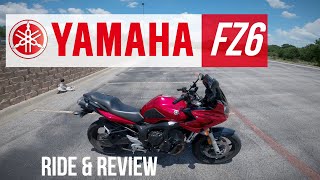
What Buyers Should Know
Watch the Throttle Bodies
The FZ6 is known for occasional throttle body synchronization issues, causing rough idle or stumbling at low RPMs. Regular sync maintenance every 15,000–20,000 miles keeps this problem in check.
Strong Resale Value
The FZ6 holds its value well in the used market due to its versatile sport-naked appeal and loyal following. A well-maintained example typically retains 60–70% of its value after 5 years.
Proven, Durable Engine
The 600cc inline-four derived from the R6 superbike is extremely reliable and routinely reaches 50,000+ miles with proper oil changes. It's considered one of the more bulletproof middleweight engines on the market.
Generations & Specs by Year
Original FZ6 launched with 600cc inline-four, carbureted engine, half-faired bodywork, steel frame.
"Almost great, held back by a carb stumble."
The FZ6 Gen 1 is a bike that genuinely surprised me once I got it above 8,000 rpm — the inline-four pulls hard and sounds savage right up to the 12,500 rpm redline, and that half-fairing actually does enough at motorway speeds to stop your chest caving in. But living with those carburetors in cold British mornings was a ritual: choke on, wait, nurse it for five minutes or the thing bogs and spits if you crack the throttle too early. The steel frame gives honest, communicative feedback through corners — it's no sportsbike but it holds its line predictably and builds confidence fast — yet the mid-range torque valley between 4,000 and 7,000 rpm means urban filtering and slow traffic feel more agricultural than a 600 should. It's a bike that rewards riders willing to work it, not one that does the work for you.
Pros
Cons
Fuel injection introduced, revised bodywork, updated chassis, improved suspension, and refined ergonomics throughout.
"The everyday sportbike that actually makes sense."
The fuel injection fixed the Gen 1's cold-start stumble almost overnight, and throttle response below 6,000 rpm is now smooth enough that you stop dreading city traffic. Push it past 8,000 and the inline-four screams properly, though that meat of the powerband still lives frustratingly high for real-world riding. Suspension is genuinely better than the previous generation — the forks don't dive under hard braking like they used to, and the revised ergonomics split the difference between sportbike crouch and upright fatigue reasonably well for hour-long stretches. The real weakness is the midrange: drop to third in a 60 km/h zone and there's a soggy, almost apologetic response until the revs build, which gets old fast on twisty B-roads where you want to short-shift.
Pros
Cons
Used Buyer Review
"A sensible, durable all-rounder that rewards patient, improving riders."
$3,500-$5,500 usedThe FZ6 is one of those bikes that gets everything about 80% right, which sounds like a backhanded compliment but actually makes it brilliant used metal. The 600cc inline-four pulls cleanly from low revs — unusual for a screamer — and the half-faired ergonomics split the difference between sporty and comfortable better than most bikes at this price point. Previous owners typically thrash these or commute them to death, so check the chain, sprockets, and fork seals before handing over cash. The engine is genuinely tough. I've seen FZ6s crack 60,000 miles on the original internals with basic maintenance. What rots is the cosmetics — side fairings crack, and the switchgear gets flaky. Budget another $200-300 post-purchase for consumables regardless. The suspension is soft for spirited riding but easily upgraded. It's not the most exciting bike in the class, but that mild temperament is exactly why intermediate riders build real skills on these without getting punished.
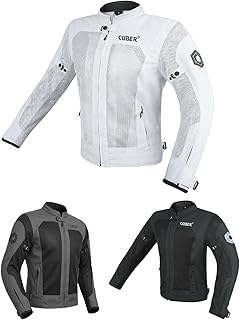
Top 10 Accessories
Curated picks for the Yamaha Fz6 — owned, ridden, recommended.




Common Problems
🔥 2 CRITICALBattery voltage at idle, look for dimming lights
Idle quality, hesitation between 3000-5000 RPM
Oil residue on lower fork tubes, soft front end
Coolant color, hose condition, radiator fins for damage
✅Pre-Purchase Checklist
Solid engine, electrical gremlins are main concern
Full Specifications
Rivals & Alternatives
Bikes that buyers cross-shop with the Yamaha Fz6
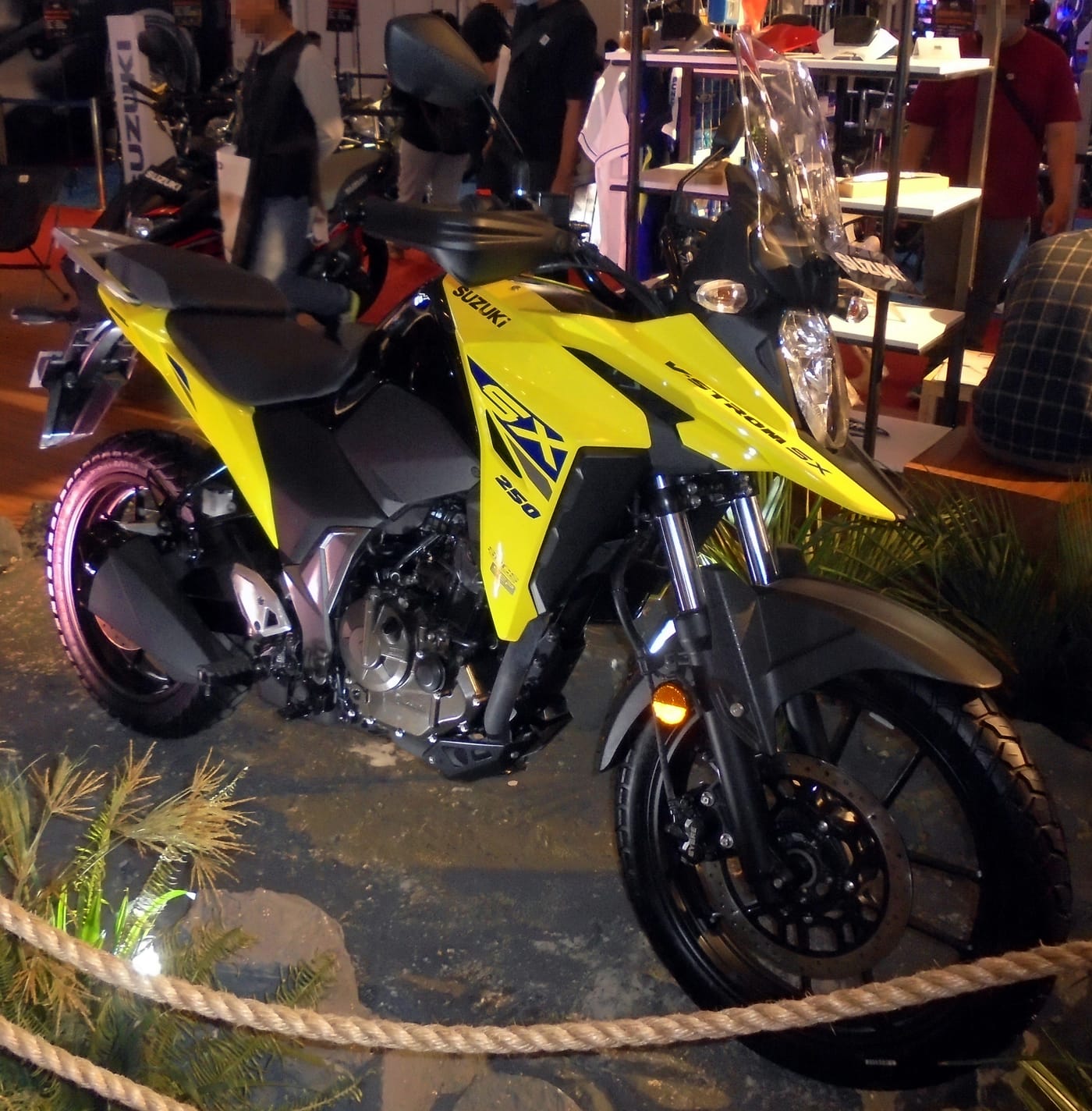
Suzuki Gsr600
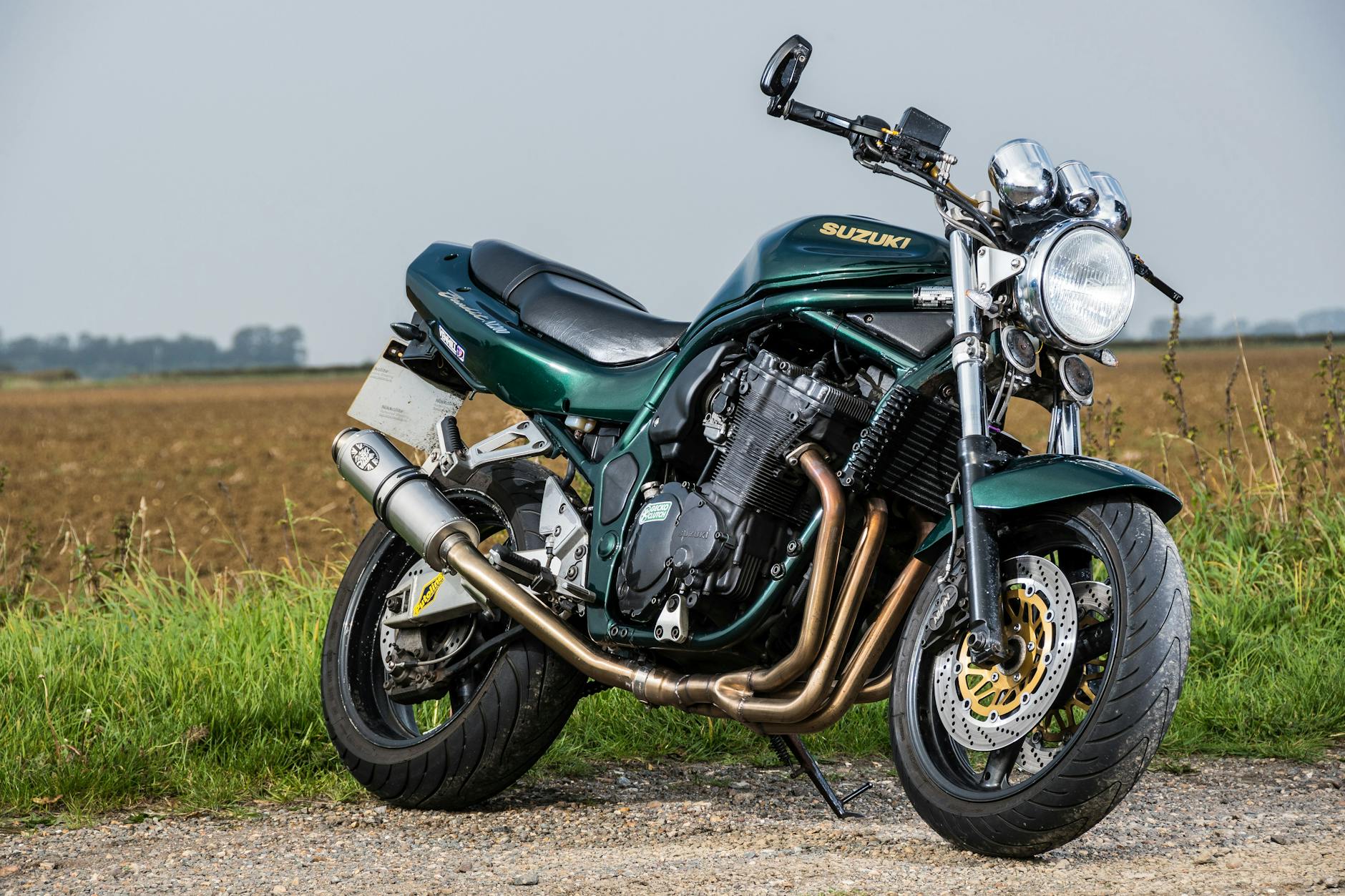
Suzuki Bandit 600
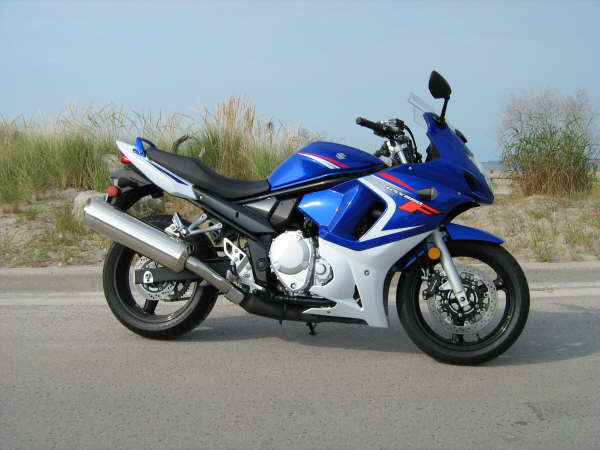
Suzuki Bandit 650
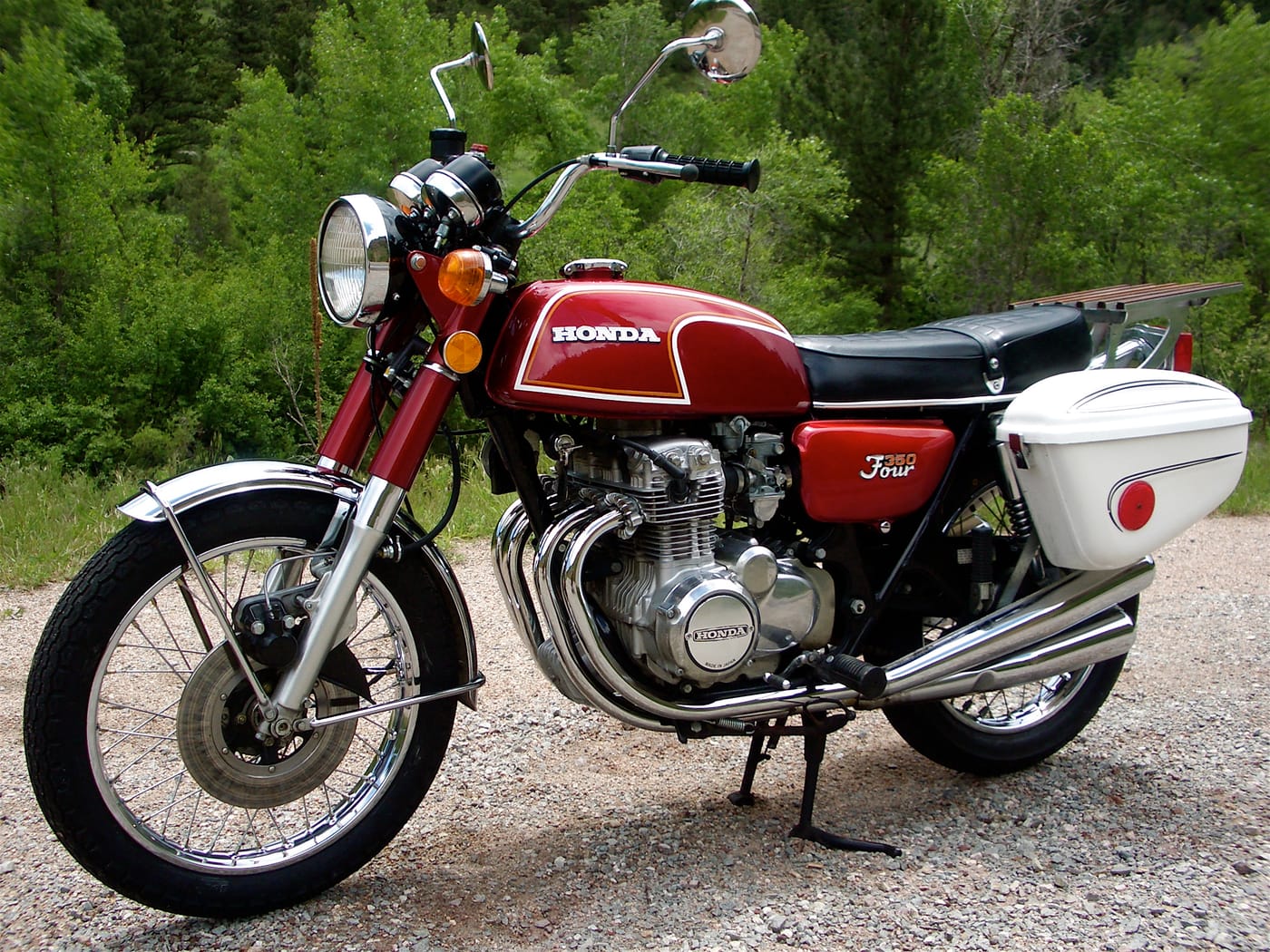
Honda Cb600f Hornet
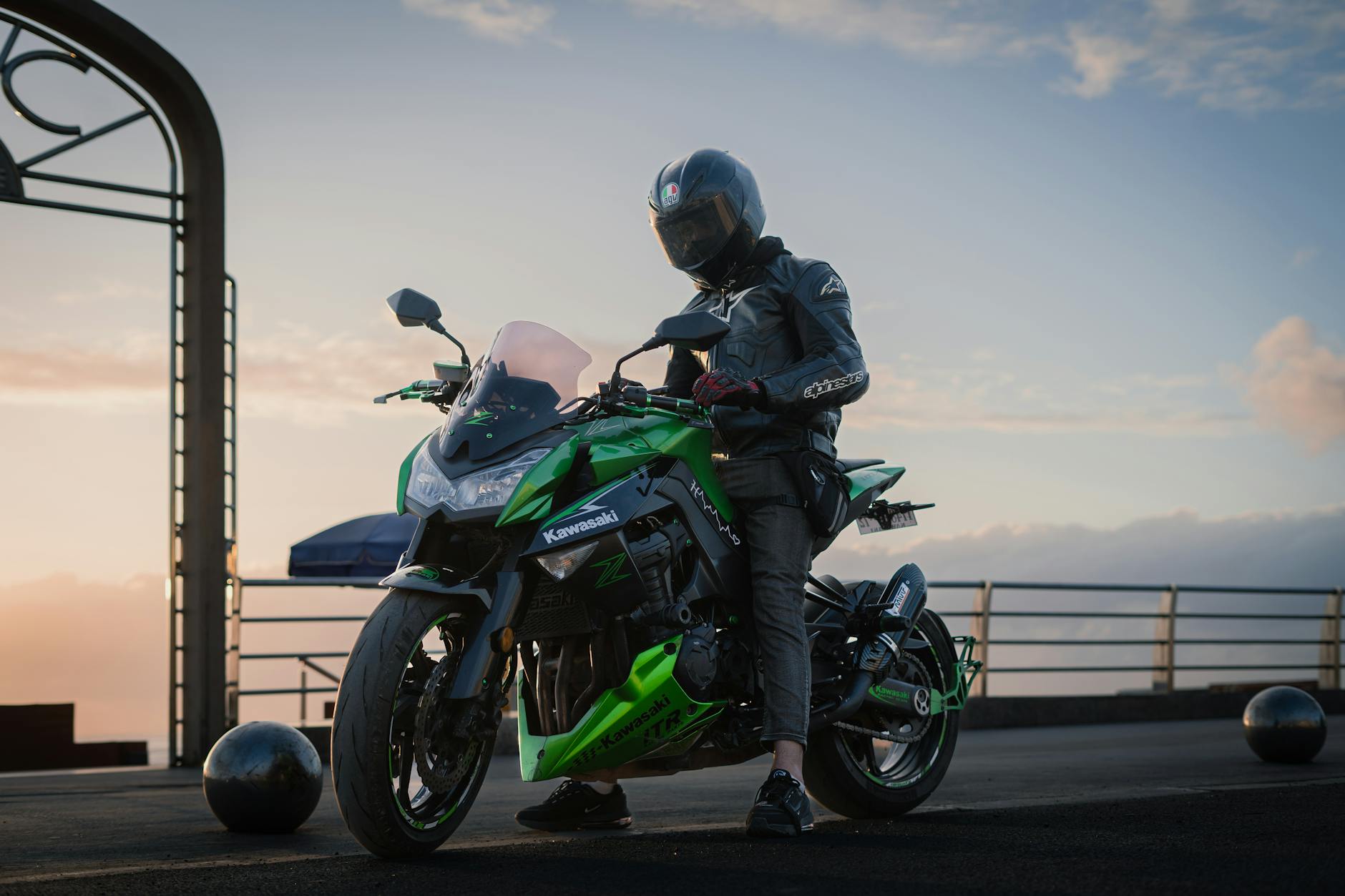
Kawasaki Er-6n
Compare Yamaha Fz6 Side-by-Side
compare_arrowsSpecs, power, weight & buyer verdict — head-to-head with the bikes most often cross-shopped.
Yamaha Fz6 vs Suzuki Gsr600
Specs · Power · Buyer verdict
Yamaha Fz6 vs Suzuki Bandit 600
Specs · Power · Buyer verdict
Yamaha Fz6 vs Suzuki Bandit 650
Specs · Power · Buyer verdict
Yamaha Fz6 vs Honda Cb600f Hornet
Specs · Power · Buyer verdict
Yamaha Fz6 vs Kawasaki Er-6n
Specs · Power · Buyer verdict
More Yamaha Fz6 Guides
More from Yamaha
View all Yamaha models →Community Reviews
Discussion
Frequently Asked Questions
What are common problems with the Yamaha Fz6? +
Stator/charging system failure: Battery voltage at idle, look for dimming lights (serious) | Throttle body sync needed, rough idle: Idle quality, hesitation between 3000-5000 RPM (moderate) | Fork seal leaks on higher mileage bikes: Oil residue on lower fork tubes, soft front end (moderate)
Is the Yamaha Fz6 a good motorcycle? +
A sensible, durable all-rounder that rewards patient, improving riders. Rating: 7.5/10. Best for: Intermediate riders wanting reliable daily sport touring. Avoid if: You need weekend track-day adrenaline fixes.
What is the horsepower of the Yamaha Fz6? +
The Yamaha Fz6 produces 98 hp @ 12,000 rpm, with 66 Nm @ 10,000 rpm of torque. Top speed: 210 km/h.
Is the Yamaha Fz6 good for beginners? +
Yes — the Yamaha Fz6 is a reasonable choice for new riders (98 hp is manageable), weighing 189 kg. Intermediate riders wanting reliable daily sport touring
Is the Yamaha Fz6 reliable? +
Owners report 2 critical issues to watch for on the Yamaha Fz6, notably: Stator/charging system failure (Battery voltage at idle, look for dimming lights). Buy with a pre-purchase inspection.
Is the Yamaha Fz6 good for daily use? +
Intermediate riders wanting reliable daily sport touring Fuel: 5.5–6.5 L/100km (approximately 15–18 km/L, typical real-world average).
How fast is the Yamaha Fz6? +
The Yamaha Fz6 reaches a top speed of 210 km/h, producing 98 hp at 189 kg curb weight. Real-world performance depends on rider weight, gearing, and road conditions.
What gear should I buy for a Yamaha Fz6? +
Motoryk has curated a Top 10 gear list specifically for the Yamaha Fz6, covering engine oil, tires, chain, battery, and brake pads — see motoryk.com/bikes/yamaha/fz6/top10. Each pick is matched to this bike's spec.