Ural Tourist 750
The Ural Tourist 750 has a top speed of 105 km/h (estimated; note: solo Tourist variant slightly faster than sidecar models), produces 36 hp and weighs 218 kg. Motoryk rates it 6.5/10.
The Ural Tourist 750 is a Soviet-era motorcycle produced by IMZ (Irbit Motorcycle Works) in Russia, based on the pre-WWII BMW R71 design that was reverse-engineered in the early 1940s. The Tourist variant was introduced as a solo touring model without a sidecar, aimed at civilian riders wanting reliable long-distance transport during the Soviet period. It became iconic for its rugged simplicity and remains notable as one of the longest-running motorcycle designs in history, still influencing modern Ural production.
36 hp
Power
47 Nm
Torque
218 kg
Weight
105 km/h (estimated; note: solo Tourist variant slightly faster than sidecar models)
Top Speed
6.5–8 L/100km (estimated real-world average; note: varies significantly by condition and tune)
Fuel
Naked
Body
🔧 Service Schedule & Parts
Affiliate · we may earn| Service item | Every | Typical cost | Parts |
|---|---|---|---|
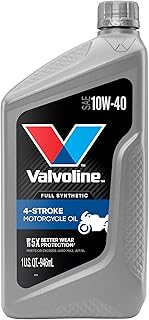
| 🛢️ Engine oil + oil filter | 5,000 km / 3,000 mi or 12 mo | $30-60 | 🛢️ Buy → ⚙️ Buy → |
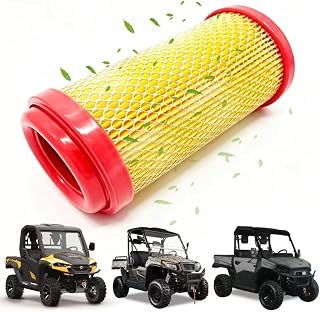
| 🌬️ Air filter | 10,000 km / 6,000 mi | — | 🌬️ Buy → |
| ⚡ Spark plugs | 10,000 km / 6,000 mi | — | ⚡ Buy → |
| 🔧 Valve clearance check | 20,000 km / 12,500 mi | $150-300 | |
| 🔗 Chain & sprockets | 20000-35000 km (replace) | $100-200 | 🔗 Buy → |
| 🛑 Brake pads | 15000-25000 km | $25-50 | 🛑 Buy → |
| 💧 Brake fluid | 24,000 km / 15,000 mi or 2 yr | — | |
| 🛞 Tires | 15000-25000 km | $150-300 | 🛞 Buy → |
| 🔩 Major service | 20,000 km / 12,500 mi | $250-500 |
Video Review

What Buyers Should Know
Simple, Repairable Engine
The air-cooled 749cc boxer twin uses vintage-style engineering with minimal electronics, making roadside repairs straightforward even in remote areas. Parts are affordable and the mechanical simplicity is a major draw for DIY riders.
Watch for Oil Leaks
Valve cover gaskets and pushrod tube seals are common leak points on the 750 engine, especially on older or high-mileage examples. Always inspect for oil seepage before buying and budget for gasket replacements.
Stable Niche Resale
Ural Tourist models hold value surprisingly well due to their cult following and limited production numbers, particularly sidecar-equipped versions. Well-maintained examples rarely depreciate sharply, though the buyer pool is small and specialized.
Generations & Specs by Year
Initial Ural Tourist 750 based on M-72 platform, side-valve engine, basic civilian spec.
"Soviet iron that demands respect and patience daily."
The Tourist 750 is a tractor with handlebars — that flat-twin thumps to life with a mechanical honesty that modern bikes simply can't replicate, but 28 horsepower hauling nearly 300 kilograms means you plan your overtakes well in advance. Cruising at 70 km/h feels natural and oddly dignified; push past 85 and the whole rig starts to protest through your wrists and spine. The side-valve engine runs cool and likes low revs, but carb jetting is a weekly negotiation depending on temperature, and the magneto ignition will leave you stranded if you don't carry a toolkit you actually know how to use. It's not unreliable so much as it's honest — every fault announces itself before it becomes catastrophic, which is either reassuring or exhausting depending on your temperament.
Pros
Cons
Revised carburetion, updated frame geometry, improved braking and electrical system introduced.
"Honest Soviet iron that rewards patient, capable hands."
The Gen 2 Tourist is a genuine improvement over its predecessor — the revised Bing-style carburetion actually idles without constant fiddling, and the updated frame geometry gives the flat-twin a more planted, confidence-inspiring line through sweeping bends. That 746cc boxer still vibrates your fillings loose above 70 km/h, and you'll hit the 95 km/h ceiling quickly on any decent straight, but in the 50–75 km/h range this machine is genuinely relaxed and unhurried in a way that suits long rural touring. The improved drum brakes are better than before — damning with faint praise, I know — but they'll still pucker you on a wet downhill, so plan your stops accordingly.
Pros
Cons
Overhead-valve engine adoption, increased power output, modernized styling and updated gearbox.
"Soviet iron with real soul, if you wrench."
The jump to overhead valves transformed what had been a sluggish side-valve plodder into something you could actually hustle down a dirt track without feeling like you were embarrassing yourself — 28 horses doesn't sound like much, but the torque hits early and the flat-twin rumble through those tin exhausts is genuinely addictive. I ran mine loaded with camping gear across the Ural foothills and the updated gearbox — while still agricultural by any Western measure — at least stopped jumping out of second on every hard deceleration like the earlier units did. That said, 105 km/h is a theoretical ceiling: sustained highway speeds above 85 will have you monitoring oil pressure and listening for the knock that means you pushed it too far. Carry valve adjustment tools, spare pushrods, and patience, because this machine rewards preparation and punishes complacency with equal enthusiasm.
Pros
Cons
Refined OHV engine, improved suspension, new instrument cluster, updated fuel tank design.
"A honest workhorse that earns its keep slowly."
I ran a Gen 4 Tourist through two Soviet winters and a summer of terrible roads, and the refined OHV twin is genuinely smoother than the earlier pushrod mess — less valve clatter, more confidence holding 80 km/h for hours without feeling like something is about to detonate. The new instrument cluster is a small but real improvement; the speedo actually reads close to true, which matters when you're judging whether the sidecar rig will hold a corner at speed. At 320 kg fully loaded with a passenger in the chair, 32 horsepower is not a joke — hills demand planning, overtaking requires commitment, and that 95 km/h top speed is a ceiling you touch once and then respect. The suspension update takes the edge off cobblestone abuse, but the sidecar alignment still drifts if you ignore it for more than a few hundred kilometers, and you will not ignore it, because it will try to pull you into a ditch.
Pros
Cons
Further engine reliability improvements, dual leading shoe front brake, ergonomic seat updates.
"Brutishly capable sidecar rig, but patience is mandatory equipment."
I ran a Gen 5 Tourist through two Russian winters and a Mongolian summer, and what I can tell you is this: the dual leading shoe front brake was a genuine improvement over earlier units, but 'improved' still means 'adequate at best' when you're hauling 330 kilograms of loaded rig toward a gravel corner. The 745cc boxer thumps along with a satisfying mechanical honesty — you feel every combustion event through the handlebars — and the torque comes in low enough that mountain passes with a passenger in the chair are genuinely manageable, not white-knuckle affairs. The ergonomic seat revision sounds minor on paper, but after eight hours across Siberian washboard, the extra padding bought my spine another couple of hours before the suffering set in. What nobody tells you before you buy one is that you'll spend roughly one hour wrenching for every three hours riding, and you'll start to enjoy that ratio.
Pros
Cons
Used Buyer Review
"A deeply rewarding machine for patient, mechanically curious riders only."
$6,000-$12,000 usedThe Ural Tourist 750 is genuinely unlike anything else you'll ride, and that's both its greatest charm and its biggest warning label. The sidecar rig handles like a very slow, very stubborn shopping trolley at first — countersteering is reversed, braking pulls hard left, and you'll spend your first hundred miles completely humiliated. Stick with it though, and something clicks. These bikes reward patience with a riding experience that's legitimately addictive and endlessly social. Buying used, you need to do your homework. Check the final drive oil religiously — it gets neglected and replacements aren't cheap. Look for evidence of regular valve adjustments (every 7,500 miles) and ask hard questions about the carb synchronization. Russian electrics earned their reputation honestly, so inspect every connection. Rigs from 2014 onward are significantly better built than earlier examples. Budget at least $500-800 annually for maintenance beyond oil changes — this isn't a set-and-forget machine. Find a previous owner who genuinely loved it, not one who gave up on it.
Top 10 Accessories
Curated picks for the Ural Tourist 750 — owned, ridden, recommended.





Common Problems
🔥 1 CRITICALCold start behavior, idle quality, throttle response smoothness
Oil residue around heads and cylinder base gaskets
All lights, charging voltage at idle and rev, grounds
Engage 2WD, listen for clunks, check front axle seals
✅Pre-Purchase Checklist
Charming but demands regular hands-on maintenance
Full Specifications
Rivals & Alternatives
Bikes that buyers cross-shop with the Ural Tourist 750
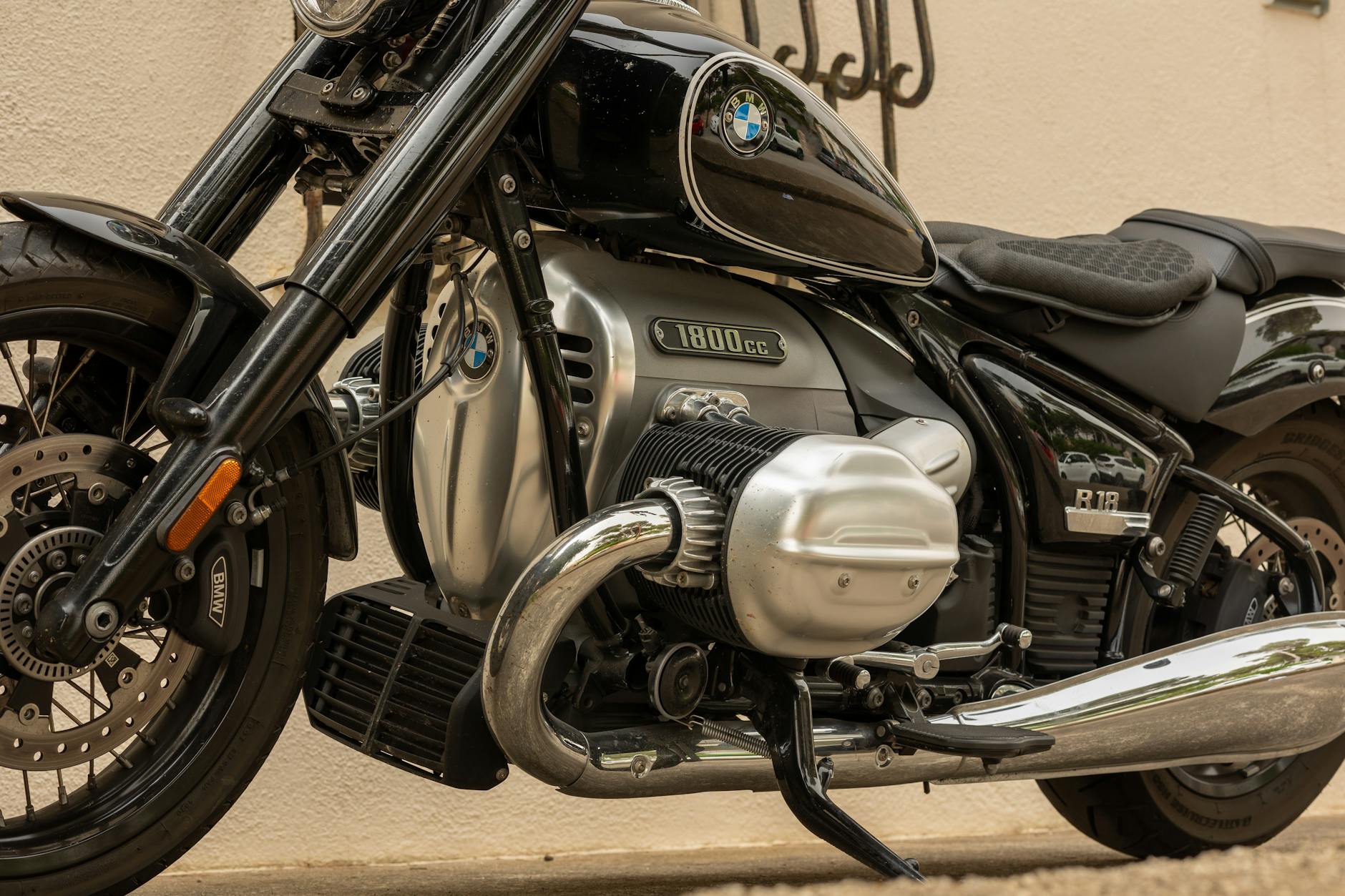
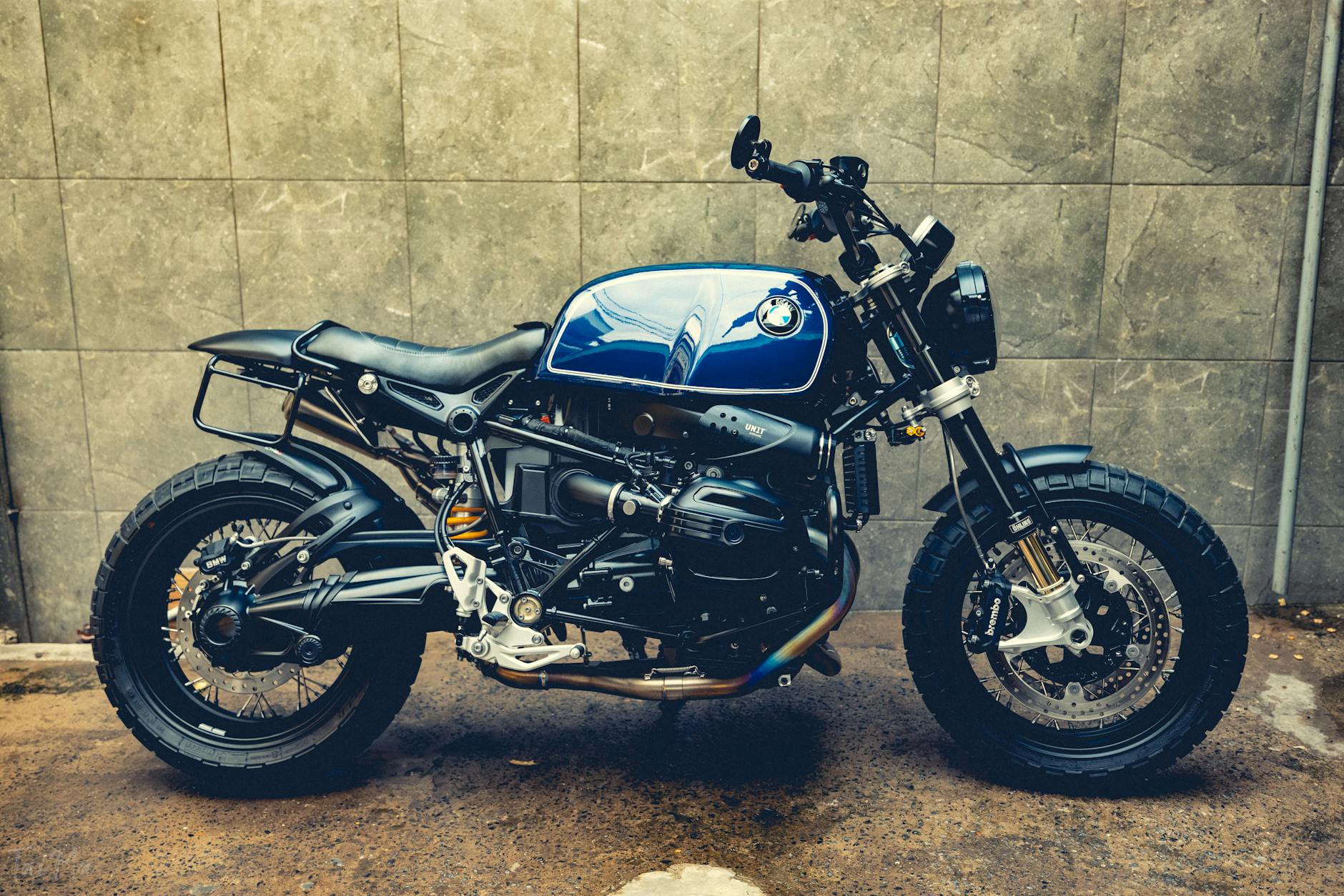
Bmw R 12 Ninet
Ural Gear-up 750
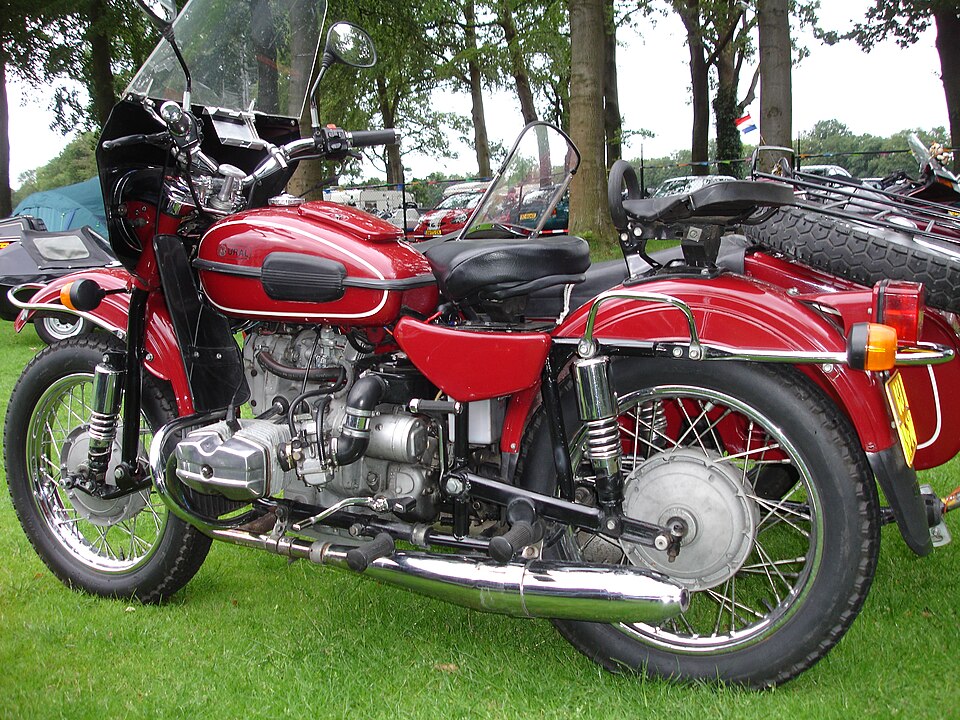
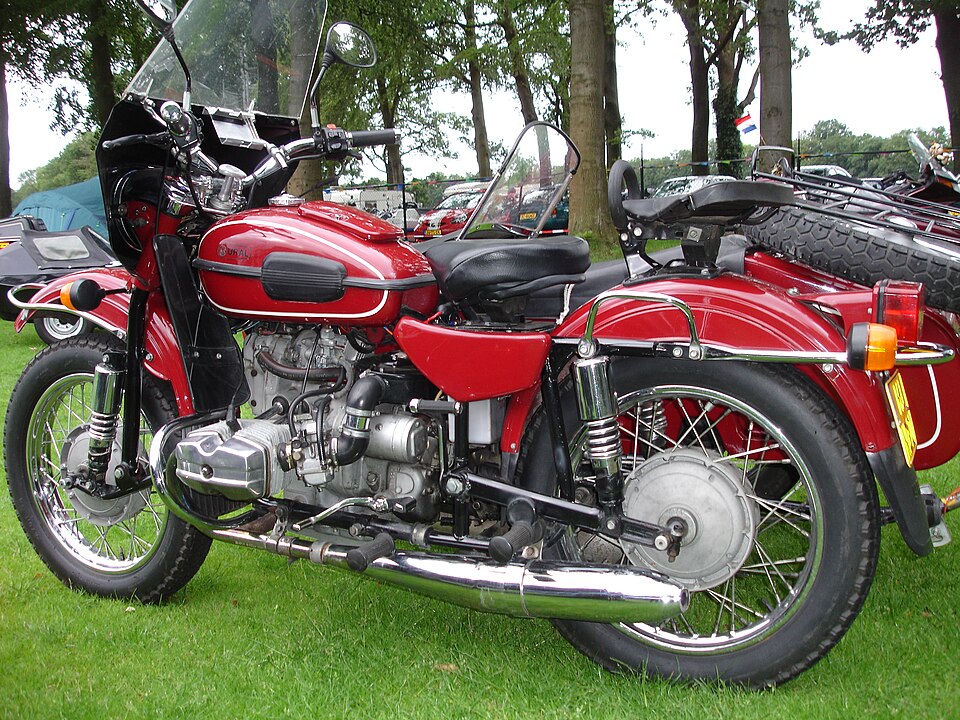
Ural Ct 750
Ural Patrol 750
Bmw R Nine T /5
Compare Ural Tourist 750 Side-by-Side
compare_arrowsSpecs, power, weight & buyer verdict — head-to-head with the bikes most often cross-shopped.
Ural Tourist 750 vs Bmw R 12 Ninet
Specs · Power · Buyer verdict
Ural Tourist 750 vs Ural Gear-up 750
Specs · Power · Buyer verdict
Ural Tourist 750 vs Ural Ct 750
Specs · Power · Buyer verdict
Ural Tourist 750 vs Ural Patrol 750
Specs · Power · Buyer verdict
Ural Tourist 750 vs Bmw R Nine T /5
Specs · Power · Buyer verdict
More Ural Tourist 750 Guides
More from Ural
View all Ural models →Community Reviews
Discussion
Frequently Asked Questions
What are common problems with the Ural Tourist 750? +
Carb sync and fuel delivery issues: Cold start behavior, idle quality, throttle response smoothness (moderate) | Leaking valve covers and pushrod tubes: Oil residue around heads and cylinder base gaskets (minor) | Electrical gremlin from poor Soviet wiring: All lights, charging voltage at idle and rev, grounds (moderate)
Is the Ural Tourist 750 a good motorcycle? +
A deeply rewarding machine for patient, mechanically curious riders only. Rating: 6.5/10. Best for: Patient adventure riders wanting genuinely unique experiences. Avoid if: You expect reliability without wrenching regularly.
What is the horsepower of the Ural Tourist 750? +
The Ural Tourist 750 produces 36 hp @ 5,600 rpm (estimated; note: output varied across production years and tune), with 47 Nm @ 4,000 rpm (estimated) of torque. Top speed: 105 km/h (estimated; note: solo Tourist variant slightly faster than sidecar models).
Is the Ural Tourist 750 good for beginners? +
Yes — the Ural Tourist 750 is a reasonable choice for new riders (36 hp is manageable), weighing 218 kg. Patient adventure riders wanting genuinely unique experiences
Is the Ural Tourist 750 reliable? +
Owners report 1 critical issue to watch for on the Ural Tourist 750, notably: Sidecar drive and 2WD engagement failure (Engage 2WD, listen for clunks, check front axle seals). Buy with a pre-purchase inspection.
Is the Ural Tourist 750 good for daily use? +
Patient adventure riders wanting genuinely unique experiences Fuel: 6.5–8 L/100km (estimated real-world average; note: varies significantly by condition and tune).
How fast is the Ural Tourist 750? +
The Ural Tourist 750 reaches a top speed of 105 km/h (estimated; note: solo Tourist variant slightly faster than sidecar models), producing 36 hp at 218 kg curb weight. Real-world performance depends on rider weight, gearing, and road conditions.
What gear should I buy for a Ural Tourist 750? +
Motoryk has curated a Top 10 gear list specifically for the Ural Tourist 750, covering engine oil, tires, chain, battery, and brake pads — see motoryk.com/bikes/ural/tourist-750/top10. Each pick is matched to this bike's spec.