Ural Gear-up 750
The Ural Gear-up 750 has a top speed of ~105 km/h, produces 41 hp and weighs 335 kg. Motoryk rates it 6.5/10.
The Ural Gear-Up is a modern evolution of the classic Soviet-era sidecar motorcycle, tracing its roots to the IMZ-Ural which was based on a reverse-engineered 1938 BMW R71 and produced from 1941 onward to support the Red Army. The Gear-Up model is distinguished by its 2-wheel-drive capability (engaging the sidecar wheel), making it uniquely capable off-road among production sidecar rigs. It remains manufactured in Irbit, Russia, and has found a niche following worldwide as a retro-adventure and lifestyle motorcycle.
41 hp
Power
57 Nm
Torque
335 kg
Weight
~105 km/h
Top Speed
~7.5 L/100km (estimate based on typical real-world reports; official figures vary)
Fuel
Naked
Body
🔧 Service Schedule & Parts
Affiliate · we may earn| Service item | Every | Typical cost | Parts |
|---|---|---|---|
| 🛢️ Engine oil + oil filter | 5,000 km / 3,000 mi or 12 mo | $30-60 | 🛢️ Buy → ⚙️ Buy → |
| 🌬️ Air filter | 10,000 km / 6,000 mi | — | 🌬️ Buy → |
| ⚡ Spark plugs | 10,000 km / 6,000 mi | — | ⚡ Buy → |
| 🔧 Valve clearance check | 10,000 km / 6,000 mi | $150-300 | |
| 🔗 Chain & sprockets | 20000-35000 km (replace) | $80-150 | 🔗 Buy → |
| 🛑 Brake pads | 15000-25000 km | $25-50 | 🛑 Buy → |
| 💧 Brake fluid | 24,000 km / 15,000 mi or 2 yr | — | |
| 🛞 Tires | 15000-25000 km | $150-300 | 🛞 Buy → |
| 🔩 Major service | 20,000 km / 12,500 mi | $250-500 |
Video Review
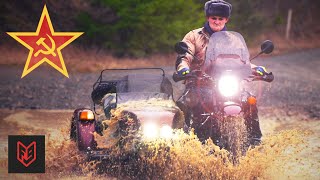
What Buyers Should Know
2WD Sidecar Drive
The Gear-Up uniquely features selectable 2-wheel drive, engaging both the rear wheel and sidecar wheel for off-road traction — a rare capability found on almost no other production sidecar rig.
Watch Valve Clearances
The air-cooled 750cc boxer twin requires frequent valve adjustments every 5,000–7,500 miles; neglecting this is the most common cause of premature engine wear reported by owners.
Strong Resale Value
Well-maintained Gear-Up models hold their value unusually well due to a passionate niche community and limited production numbers, making them easier to resell than most adventure or utility bikes.
Generations & Specs by Year
Original Soviet-built sidecar outfit, pushrod OHV flat-twin, drum brakes, fixed drive sidecar wheel.
"Soviet stubbornness bottled in steel and grease."
Living with the IMZ-8.103 means accepting that every ride is a negotiation — the sidecar-engaged wheel scrubs badly in tight turns, the drum brakes require planning stops like a freight train, and that 32 horses are working hard just to hit 90 km/h on a grade. But there's something genuinely addictive about the flat-twin's potato-potato idle and the way the whole rig feels like it was engineered to survive a Siberian winter with hand tools. I've rebuilt the carbs twice in a season and the points ignition punishes inattention, but parts are cheap and the mechanicals are honest — nothing hides from you. Take it anywhere faster than 85 km/h sustained and the vibration reminds you this machine was designed for collective farm roads, not autobahns.
Pros
Cons
Improved carburetors, partial Western components introduced, reliability upgrades for export markets.
"Soviet charm meets frustrating reality, slowly getting its act together."
I ran a '99 Gear-Up for two summers and the improved Bing-style carbs genuinely made a difference — cold starts went from a ritual to merely an inconvenience, and the flat-twin finally pulled cleanly past 3,500 rpm without that signature stumble the older units were cursed with. The sidecar-engaged 2WD is still the party trick that justifies the whole absurd package: pull that lever on a muddy forest track and the rig goes places that embarrass proper dual-sports. But 335 kilos doesn't lie — low-speed maneuvering in a petrol station forecourt will humiliate you in front of strangers, and the drum brakes require the kind of forward planning usually reserved for oil tankers. The Western components were a mixed blessing too; some felt genuinely better, others were obvious cost-cut compromises bolted onto Soviet-era geometry, and electrical gremlins remained a stubborn inheritance that no carburetor upgrade could fix.
Pros
Cons
Electronic fuel injection adopted, disc brakes added, improved fit and finish for Western consumers.
"Genuinely improved, still gloriously, stubbornly Soviet at heart."
The EFI made a real difference — cold starts in a Montana January went from a 20-minute choke ritual to a two-kick affair, and the flat-twin pulls more consistently through the mid-range without the old carb stumble around 3,500 rpm. Disc brakes front and rear finally gave me actual stopping confidence when hauling a loaded sidecar down a switchback, though the rear disc on early units corroded aggressively if you left it standing wet for a week. Fit and finish is noticeably tighter than the Soviet-era bikes I rode in the '90s, but 'improved' is relative — expect loose fasteners every 500 miles and a gearbox that still demands deliberate, unhurried shifts or it'll crunch into second like you insulted its mother. At 335 kg the thing goes where it wants to go on loose gravel, not where you point it, and 40 hp moving that mass means highway merging is a religious experience, not a mechanical one.
Pros
Cons
ABS brakes, fuel injection refined, reverse gear standard, updated suspension and modern accessories.
Used Buyer Review
"Buy it with patience, a toolkit, and zero speed ambitions."
$7,000-$12,000 usedLet's be honest — you're not buying a Ural because it's fast, reliable, or practical in any conventional sense. You're buying it because nothing else on the road looks or feels like it. The Gear-Up's 2WD sidecar system is genuinely clever engineering, and pulling it through loose gravel or snow with both wheels biting is legitimately addictive. The boxer twin has a satisfying mechanical thump, and strangers will stop you everywhere you go. That said, go in with eyes wide open. These bikes demand attention. Budget for a proper pre-purchase inspection by someone who actually knows Urals — ideally a dealer or dedicated owner club member. Post-2014 bikes are meaningfully better than earlier examples, so stick to those. Check the sidecar mounting points for cracks, verify the differential engagement works cleanly, and confirm the carbs have been properly jetted. Parts availability has improved but still requires patience. Spend $500 getting a used one properly sorted and you'll have something genuinely special. Ignore the maintenance and it becomes an expensive conversation piece.
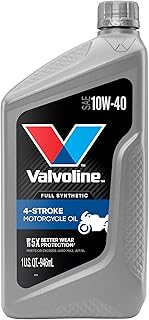
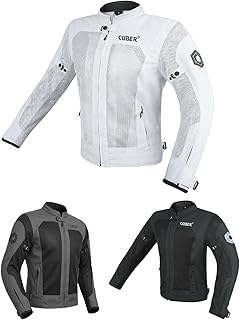
Top 10 Accessories
Curated picks for the Ural Gear-up 750 — owned, ridden, recommended.




Common Problems
🔥 1 CRITICALRev throttle, listen for uneven cylinder firing at idle
Check final drive for play, inspect for oil seepage
Inspect tire wear pattern, check toe and lean settings
Ask for service records, listen for valve ticking at idle
✅Pre-Purchase Checklist
Capable but needs diligent scheduled maintenance
Full Specifications
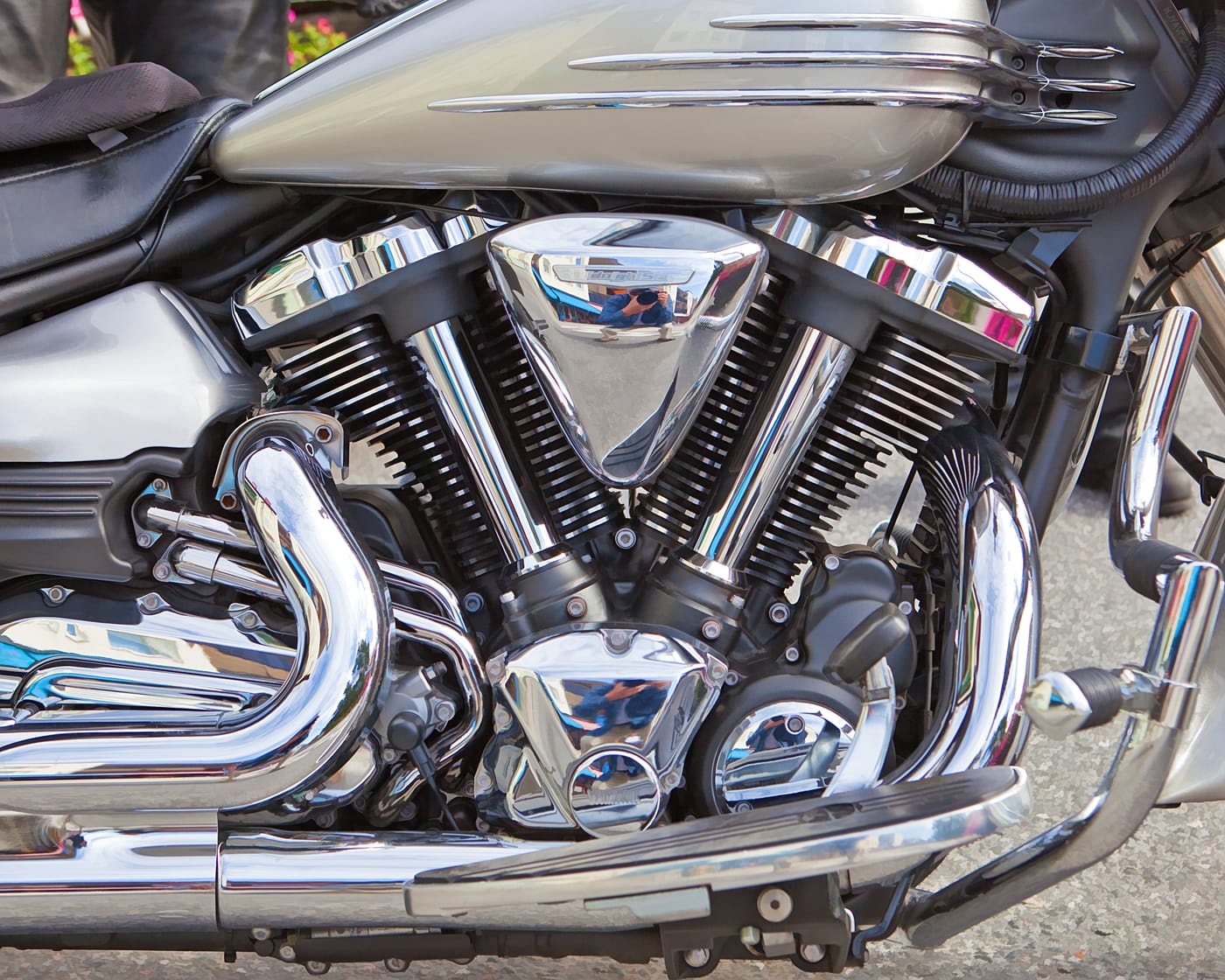
Rivals & Alternatives
Bikes that buyers cross-shop with the Ural Gear-up 750
Moto Guzzi V7 Classic
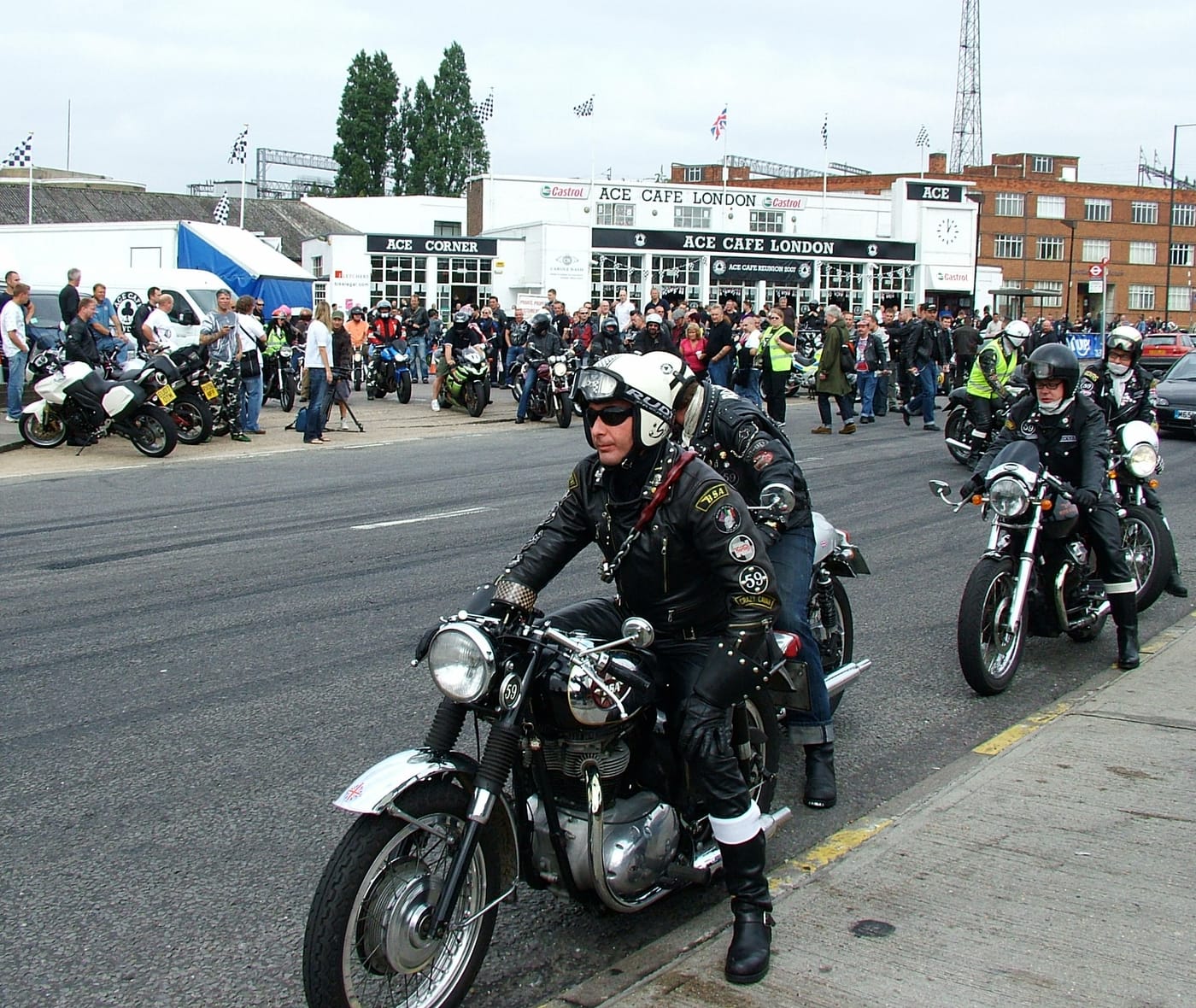
Moto Guzzi V7 Special
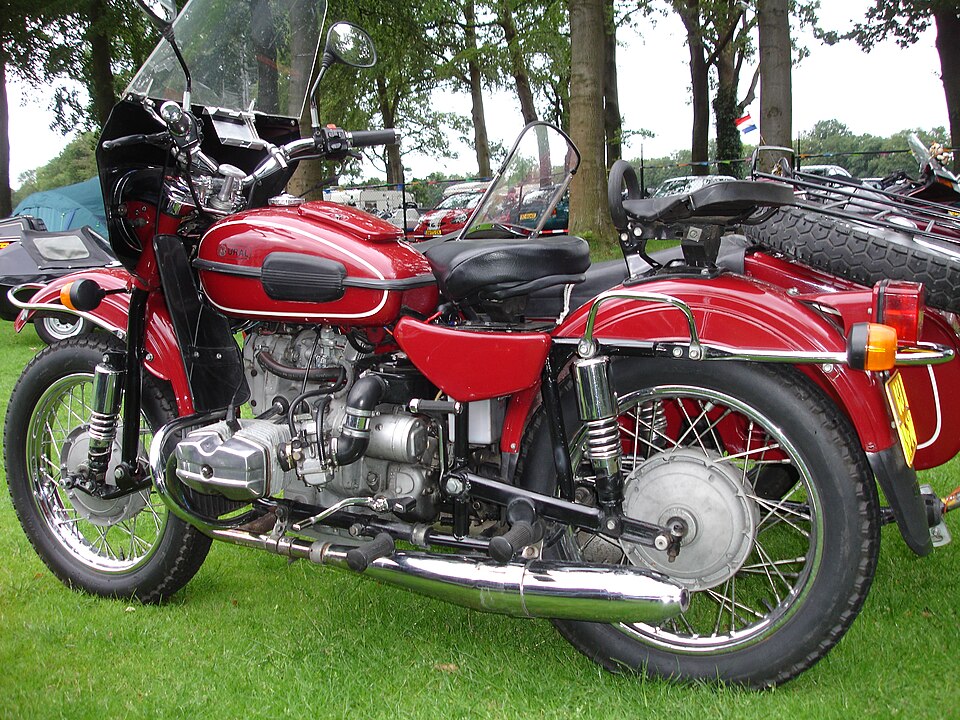
Ural Ct 750
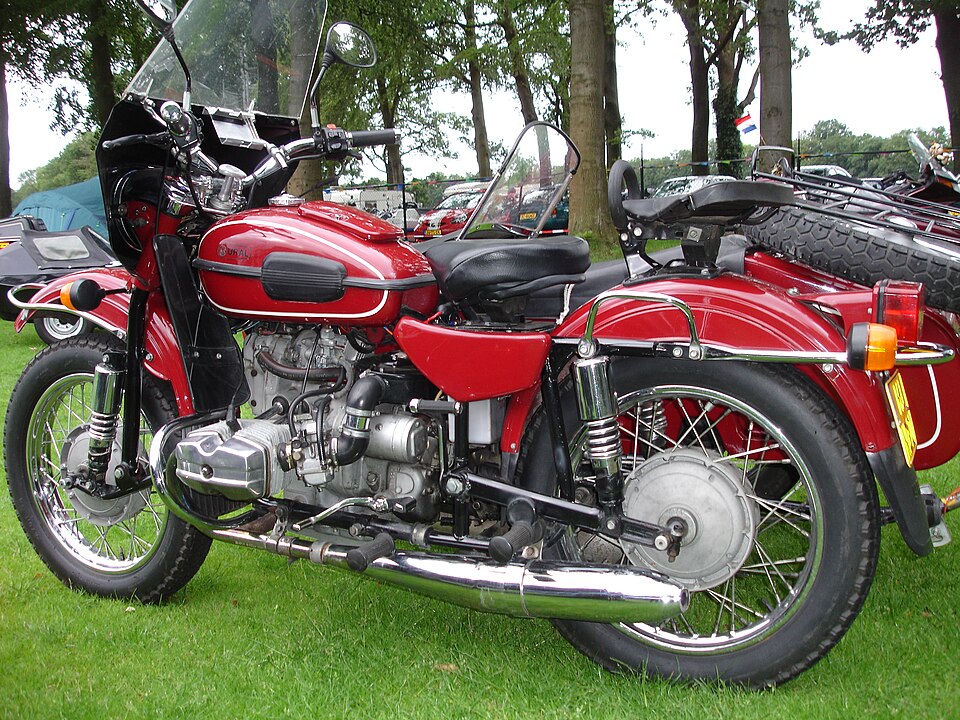
Ural Patrol 750
Ural Tourist 750
Compare Ural Gear-up 750 Side-by-Side
compare_arrowsSpecs, power, weight & buyer verdict — head-to-head with the bikes most often cross-shopped.
Ural Gear-up 750 vs Moto Guzzi V7 Classic
Specs · Power · Buyer verdict
Ural Gear-up 750 vs Moto Guzzi V7 Special
Specs · Power · Buyer verdict
Ural Gear-up 750 vs Ural Ct 750
Specs · Power · Buyer verdict
Ural Gear-up 750 vs Ural Patrol 750
Specs · Power · Buyer verdict
Ural Gear-up 750 vs Ural Tourist 750
Specs · Power · Buyer verdict
More Ural Gear-up 750 Guides
More from Ural
View all Ural models →Community Reviews
Discussion
Frequently Asked Questions
What are common problems with the Ural Gear-up 750? +
Carb sync drift causes rough idle/surging: Rev throttle, listen for uneven cylinder firing at idle (minor) | Final drive bevel gear wear or oil leaks: Check final drive for play, inspect for oil seepage (serious) | Sidecar rig alignment causes premature tire wear: Inspect tire wear pattern, check toe and lean settings (moderate)
Is the Ural Gear-up 750 a good motorcycle? +
Buy it with patience, a toolkit, and zero speed ambitions. Rating: 6.5/10. Best for: Adventure-minded riders who prioritize experience over efficiency. Avoid if: You expect Japanese motorcycle reliability standards.
What is the horsepower of the Ural Gear-up 750? +
The Ural Gear-up 750 produces 41 hp @ 5,500 rpm, with 57 Nm @ 4,300 rpm of torque. Top speed: ~105 km/h.
Is the Ural Gear-up 750 good for beginners? +
Yes — the Ural Gear-up 750 is a reasonable choice for new riders (41 hp is manageable), weighing 335 kg. Adventure-minded riders who prioritize experience over efficiency
Is the Ural Gear-up 750 reliable? +
Owners report 1 critical issue to watch for on the Ural Gear-up 750, notably: Final drive bevel gear wear or oil leaks (Check final drive for play, inspect for oil seepage). Buy with a pre-purchase inspection.
Is the Ural Gear-up 750 good for daily use? +
Adventure-minded riders who prioritize experience over efficiency Fuel: ~7.5 L/100km (estimate based on typical real-world reports; official figures vary).
How fast is the Ural Gear-up 750? +
The Ural Gear-up 750 reaches a top speed of ~105 km/h, producing 41 hp at 335 kg curb weight. Real-world performance depends on rider weight, gearing, and road conditions.
What gear should I buy for a Ural Gear-up 750? +
Motoryk has curated a Top 10 gear list specifically for the Ural Gear-up 750, covering engine oil, tires, chain, battery, and brake pads — see motoryk.com/bikes/ural/gear-up-750/top10. Each pick is matched to this bike's spec.