Royal Enfield Re 650 Twins
The Royal Enfield Re 650 Twins has a top speed of ~177 km/h (110 mph, estimated; note: real-world results vary slightly by variant and rider), produces 47 hp and weighs 202 kg. Motoryk rates it 8/10.
As Royal Enfield 650 Twins — incluindo a Interceptor 650 e a Continental GT 650 — foram lançadas em 2018 como as primeiras motocicletas modernas com gêmeos paralelos da marca, marcando um marco significativo no renascimento da Royal Enfield como empresa global. Desenvolvidos com a contribuição da Harris Performance (Reino Unido), eles estrearam com grande aclamação da crítica, com o Interceptor 650 ganhando vários prêmios de “Motocicleta do Ano” em 2019 por seu valor, caráter e acessibilidade. Os 650 Twins são notáveis por trazer um gêmeo genuíno de estilo clássico e de cilindrada média ao mercado a um preço excepcionalmente competitivo, atraente para pilotos novos e experientes em todo o mundo.
47 hp
Poder
52 Nm
Torque
202 kg
Peso
~177 km/h (110 mph, estimated; note: real-world results vary slightly by variant and rider)
Velocidade máxima
3.5–4.0 L/100km (approximately 25–28 km/L typical real-world average)
Combustível
Nua
Corpo
🔧 Service Schedule & Parts
Affiliate · we may earn| Service item | Every | Typical cost | Parts |
|---|---|---|---|
| 🛢️ Engine oil + oil filter | 5,000 km / 3,000 mi or 6 mo | $40-80 | 🛢️ Buy → ⚙️ Buy → |
| 🌬️ Air filter | 10,000 km / 6,000 mi | — | 🌬️ Buy → |
| ⚡ Spark plugs | 10,000 km / 6,000 mi | — | ⚡ Buy → |
| 🔧 Valve clearance check | 20,000 km / 12,500 mi | $150-300 | |
| 🔗 Chain & sprockets | 20000-30000 km (replace) | $100-200 | 🔗 Buy → |
| 🛑 Brake pads | 15000-25000 km | $40-80 | 🛑 Buy → |
| 💧 Brake fluid | 20,000 km / 12,500 mi or 2 yr | — | |
| 🧊 Coolant | 20,000 km / 12,500 mi | — | |
| 🛞 Tires | 15000-25000 km | $250-450 | 🛞 Buy → |
| 🔩 Major service | 20,000 km / 12,500 mi | $250-500 |
Video Review
O que os compradores devem saber
Harris Frame Advantage
The 650 Twins use a chassis co-developed with Harris Performance, a renowned British racing frame builder. This gives the bike surprisingly composed handling that punches well above its budget price point.
Watch the Electrics
Early models (2019-2021) had reported issues with loose wiring connections and occasional electrical gremlins. Inspect the harness carefully on used bikes and verify the dealer has applied any available service bulletins.
Strong Resale Value
The 650 Twins hold their value exceptionally well for budget motorcycles, often retaining 70-80% of purchase price after two years. High demand and low competition in the retro-twin segment keeps used prices healthy.
Gerações e especificações por ano
Lançamento inicial com escapamento duplo e duplo de 648 cc, estilo clássico e sistema de injeção de combustível carburado.
Avaliação do comprador usado
"The best used motorcycle under five grand, full stop."
$3,500-$5,500 usedThe 650 twins — whether you're looking at the Interceptor or Continental GT — are genuinely brilliant used buys right now. The 648cc parallel twin is properly characterful, pulls cleanly from low revs, and sounds better than anything at this price point should. Build quality took a serious step up from older Enfields, but you'll still want to check for electrical gremlins, particularly around the instrument cluster and switchgear on early 2019-2020 examples. Inspect the exhaust headers for rust and make sure the previous owner wasn't hammering it two-up constantly — the suspension is the weakest link stock. Realistically, budget another £300-400 for better rubber (the stock Ceat tyres are average), upgraded suspension if you're above 85kg, and possibly a rear brake pad refresh. These bikes attract new riders who sometimes thrash them before understanding them, so service history matters more than mileage here. A well-maintained example with 8,000-15,000 miles is a sweetheart deal that'll embarrass bikes costing twice as much on a Sunday morning B-road.
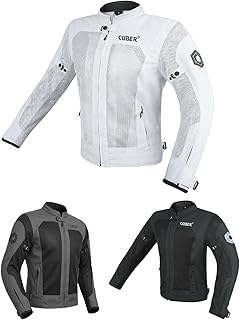
Top 10 Accessories
Curated picks for the Royal Enfield Re 650 Twins — owned, ridden, recommended.




Problemas comuns
🔥 1 CRITICALLook for oil residue around top of engine
Listen for ticking, check bolt tightness when cold
Test battery voltage at idle, check electrical behavior
Feel for rear brake dragging during test ride
✅Lista de verificação de pré-compra
Decent if maintained, weak electrical is main concern
Full Specifications
Rivals & Alternatives
Bikes that buyers cross-shop with the Royal Enfield Re 650 Twins
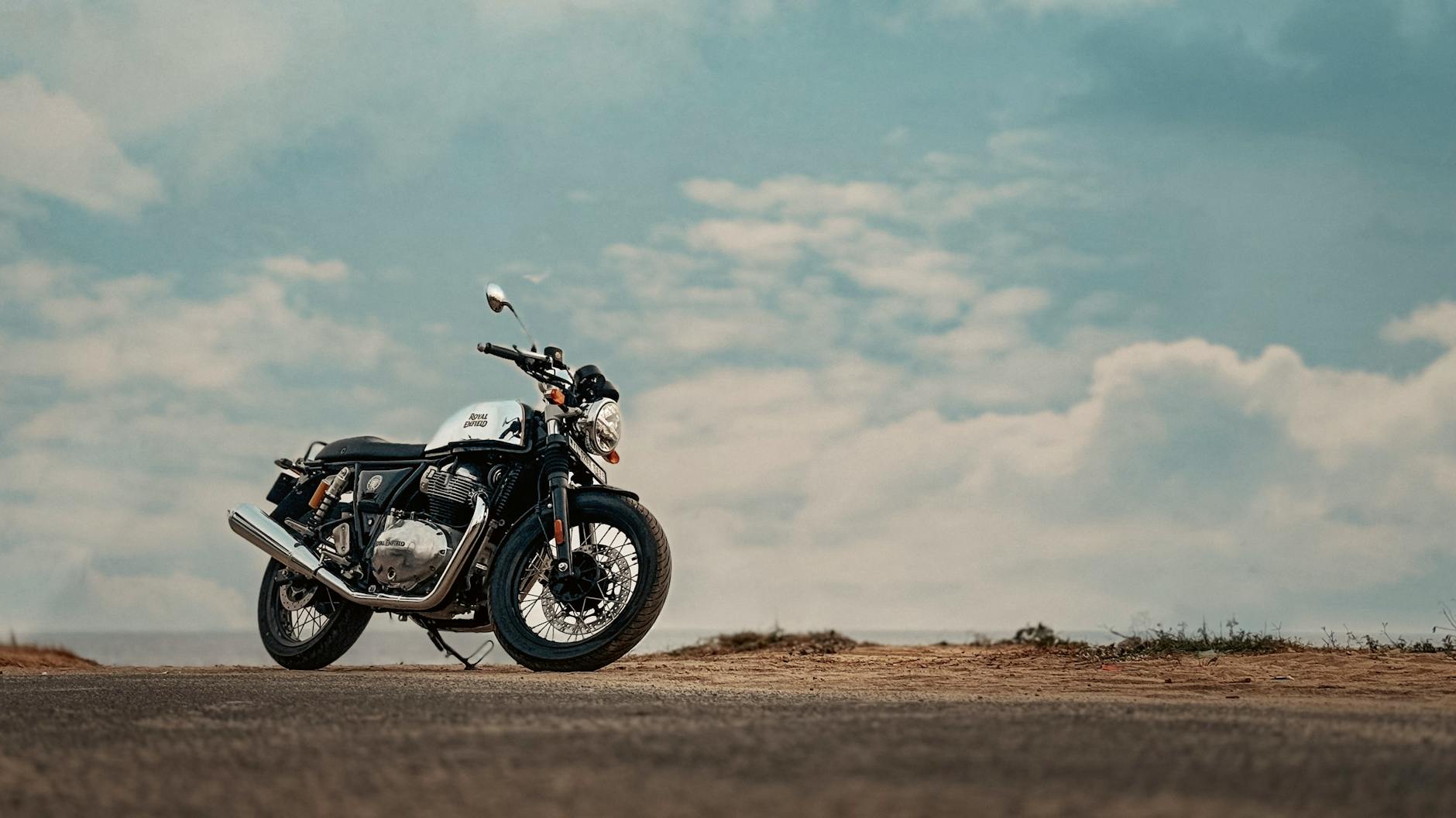
Royal Enfield Interceptor 650
Royal Enfield Continental Gt 650
Royal Enfield Gunner 650
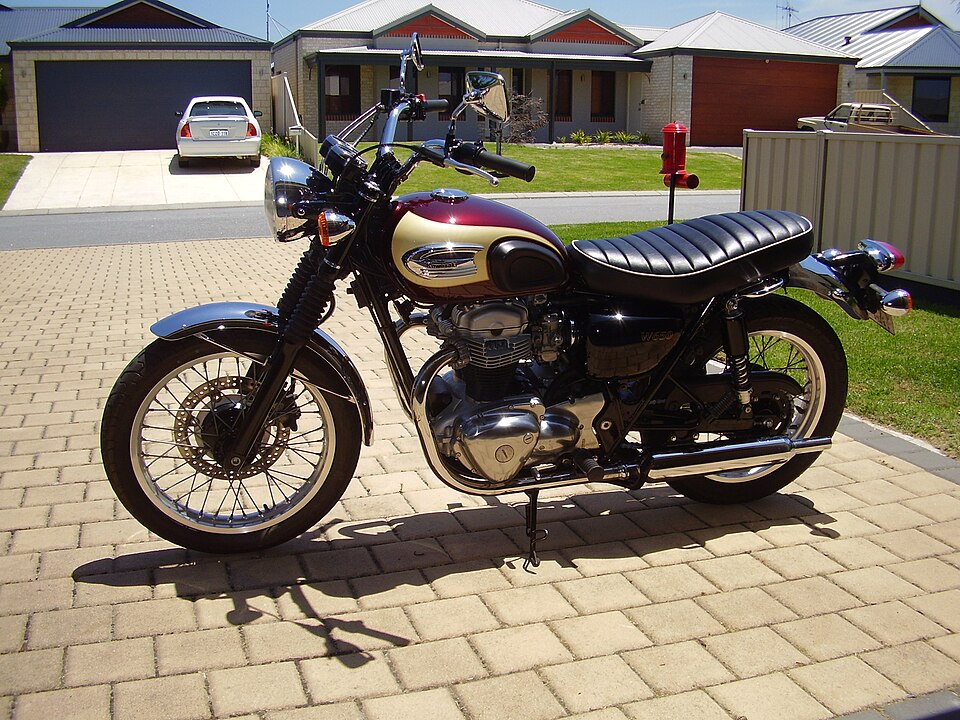
Kawasaki W650
Bsa Gold Star 650
Compare Royal Enfield Re 650 Twins Side-by-Side
compare_arrowsSpecs, power, weight & buyer verdict — head-to-head with the bikes most often cross-shopped.
Royal Enfield Re 650 Twins vs Royal Enfield Interceptor 650
Specs · Power · Buyer verdict
Royal Enfield Re 650 Twins vs Royal Enfield Continental Gt 650
Specs · Power · Buyer verdict
Royal Enfield Re 650 Twins vs Royal Enfield Gunner 650
Specs · Power · Buyer verdict
Royal Enfield Re 650 Twins vs Kawasaki W650
Specs · Power · Buyer verdict
Royal Enfield Re 650 Twins vs Bsa Gold Star 650
Specs · Power · Buyer verdict
More Royal Enfield Re 650 Twins Guides
More from Royal Enfield
View all Royal Enfield models →Community Reviews
Discussion
Frequently Asked Questions
What are common problems with the Royal Enfield Re 650 Twins? +
Engine oil leaks from rocker box gaskets: Look for oil residue around top of engine (moderate) | Loose or rattling exhaust header bolts: Listen for ticking, check bolt tightness when cold (minor) | Charging system failure, weak stator output: Test battery voltage at idle, check electrical behavior (serious)
Is the Royal Enfield Re 650 Twins a good motorcycle? +
The best used motorcycle under five grand, full stop. Rating: 8.0/10. Best for: New riders and retro fans wanting real character. Avoid if: You need motorway miles daily above 80mph.
What is the horsepower of the Royal Enfield Re 650 Twins? +
The Royal Enfield Re 650 Twins produces 47 hp @ 7,250 rpm, with 52 Nm @ 5,250 rpm of torque. Top speed: ~177 km/h (110 mph, estimated; note: real-world results vary slightly by variant and rider).
Is the Royal Enfield Re 650 Twins good for beginners? +
Yes — the Royal Enfield Re 650 Twins is a reasonable choice for new riders (47 hp is manageable), weighing 202 kg. New riders and retro fans wanting real character
Is the Royal Enfield Re 650 Twins reliable? +
Owners report 1 critical issue to watch for on the Royal Enfield Re 650 Twins, notably: Charging system failure, weak stator output (Test battery voltage at idle, check electrical behavior). Buy with a pre-purchase inspection.
Is the Royal Enfield Re 650 Twins good for daily use? +
New riders and retro fans wanting real character Fuel: 3.5–4.0 L/100km (approximately 25–28 km/L typical real-world average).
How fast is the Royal Enfield Re 650 Twins? +
The Royal Enfield Re 650 Twins reaches a top speed of ~177 km/h (110 mph, estimated; note: real-world results vary slightly by variant and rider), producing 47 hp at 202 kg curb weight. Real-world performance depends on rider weight, gearing, and road conditions.
What gear should I buy for a Royal Enfield Re 650 Twins? +
Motoryk has curated a Top 10 gear list specifically for the Royal Enfield Re 650 Twins, covering engine oil, tires, chain, battery, and brake pads — see motoryk.com/bikes/royal-enfield/re-650-twins/top10. Each pick is matched to this bike's spec.