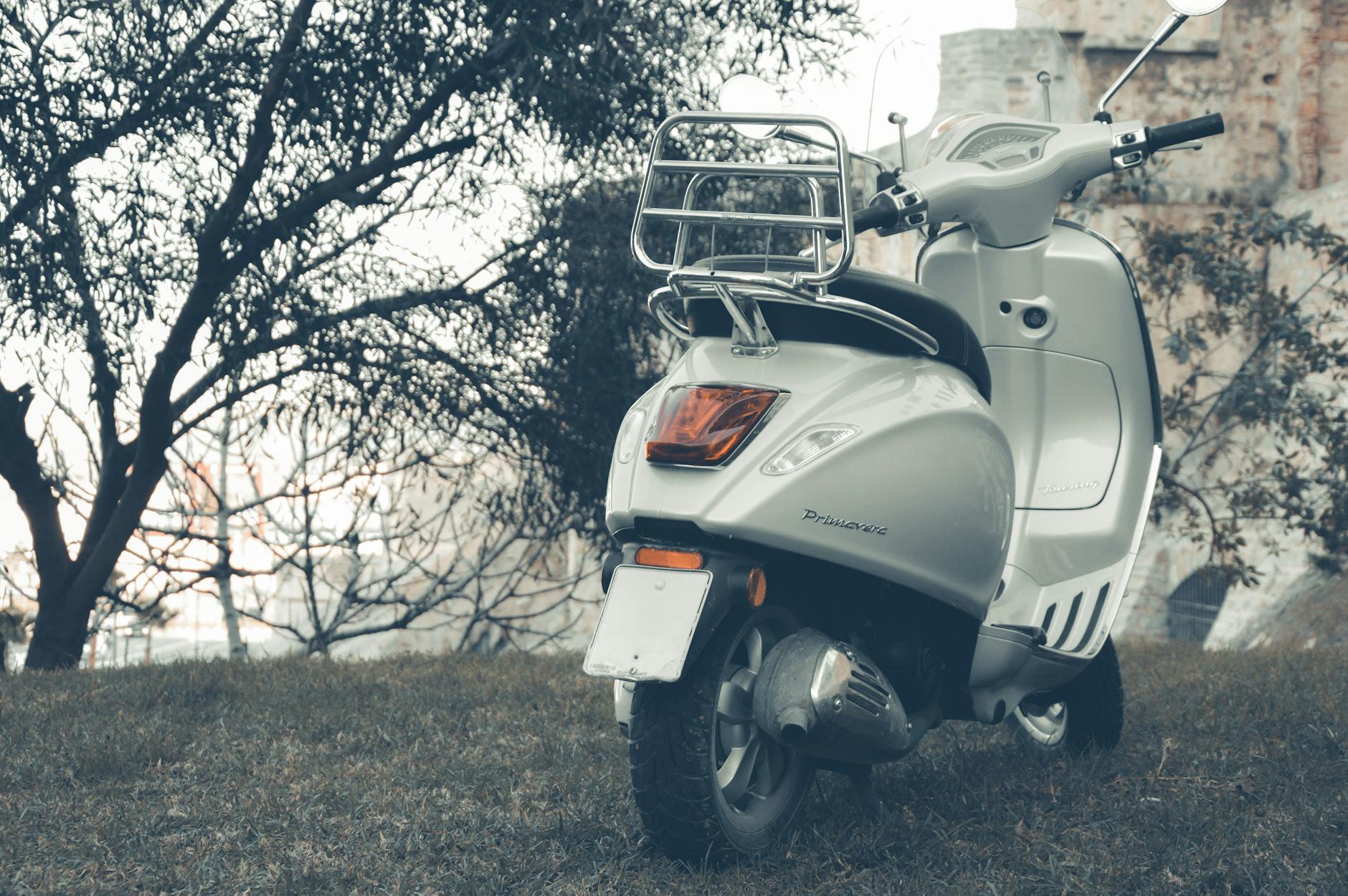
Piaggio Vespa Primavera 50
The Piaggio Vespa Primavera 50 has a top speed of ~45 km/h (restricted for A1/moped compliance; unrestricted versions ~75 km/h), produces ~3.0 hp and weighs ~115 kg. Motoryk rates it 7/10.
Nazwa Vespa Primavera została pierwotnie wprowadzona w 1967 roku jako lekki skuter o pojemności 50 cm3 skierowany do młodszych jeźdźców, stając się kultem europejskiej mobilności miejskiej. Nowoczesna Primavera została ponownie wprowadzona na rynek przez Piaggio w 2013 roku jako następca serii ET w stylu retro, łącząc klasyczne wskazówki projektowe Vespa z nowoczesną inżynierią. Stał się jednym z najlepiej sprzedających się modeli Vespa na całym świecie, chwalonym za ponadczasową estetykę, praktyczność i dostępną zgodność z licencją A1.
~3.0 hp
Moc
~4.0 Nm
Moment obrotowy
~115 kg
Waga
~45 km/h (restricted for A1/moped compliance; unrestricted versions ~75 km/h)
Prędkość maksymalna
~2.0 L/100km or ~50 km/L (typical real-world average)
Paliwo
Fair
Ciało
🔧 Service Schedule & Parts
Affiliate · we may earn| Service item | Every | Typical cost | Parts |
|---|---|---|---|
| 🛢️ Engine oil + oil filter | 3,000 km / 2,000 mi or 12 mo | $30-60 | 🛢️ Buy → ⚙️ Buy → |
| 🌬️ Air filter | 6,000 km / 3,500 mi | — | 🌬️ Buy → |
| ⚡ Spark plugs | 6,000 km / 3,500 mi | — | ⚡ Buy → |
| 🛑 Brake pads | 10000-20000 km | $30-60 | 🛑 Buy → |
| 💧 Brake fluid | 24,000 km / 15,000 mi or 2 yr | — | |
| 🛞 Tires | 10000-15000 km | $150-250 | 🛞 Buy → |
| 🔩 Major service | 12,000 km / 7,500 mi | $150-300 |
Video Review
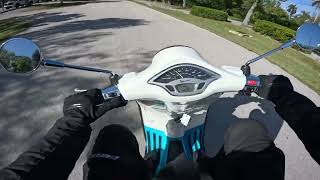
Co kupujący powinni wiedzieć
Watch the Variator Belt
The CVT drive belt and variator rollers are wear items that need inspection every 6,000–8,000 km. Neglected belts can snap and leave you stranded, so always check service history before buying.
Strong Resale Value
The Vespa Primavera 50 holds its value exceptionally well compared to rival 50cc scooters, thanks to the iconic Vespa brand appeal and all-metal body construction. A well-kept example can retain 60–70% of its value after three years.
Modern 4-Stroke Engine
The Primavera 50 uses a fuel-injected 50cc 4-stroke single-cylinder engine, making it cleaner, more fuel-efficient, and lower maintenance than older 2-stroke Vespas. However, the fuel injector and throttle body should be cleaned periodically to avoid rough idling.
Pokolenia i specyfikacje według roku
Oryginalny dwusuwowy silnik o pojemności 49 cm3, klasyczny stalowy korpus, ręczne smarowanie mieszane, hamulce bębnowe z przodu iz tyłu.
"Urocza miejska relikwia, która nagradza cierpliwość zamiast szybkości."
Spędziłem lato na gwintowaniu tej małej Primavera przez florencki ruch, a doświadczenie jest naprawdę uzależniające - stalowa karoseria ma solidność, której nowoczesne plastikowe skutery nie mogą sfałszować, a zamontowana na kierownicy zmiana biegów staje się drugą naturą w ciągu popołudnia. To 1,5 koni mechanicznych nie jest ironią; to po prostu prawda, a każde wzgórze bardziej strome niż rzymski krawężnik sprawi, że zrzucisz bieg i z wdziękiem zaakceptujesz swój los. Ręczne mieszanie oleju to prawdziwy test własności — bądź leniwy ze współczynnikiem premiksu, a dowiesz się dokładnie, jak brzmi zatrzymany dwusuwowy. Ale kiedy jest odpowiednio dostrojony, a silnik osiada w tej szumującej, dwusuwowej piosence około 4000 obr./min, nie ma nic podobnego do jazdy w mieście poniżej 30 km/h.
Plusy
Wady
Zaktualizowano dwusuwowy 49 cm3, wprowadzony wtrysk oleju autolube, drobne zmiany stylizacji, ulepszona gaźnik.
"Urocze narzędzie miasta, ale cierpliwość jest obowiązkowa."
Wtrysk autolube był prawdziwym ulepszeniem jakości życia - bez wstępnego mieszania, żadnych zanieczyszczonych zatyczek ze wskaźników okularów na parkingu stacji benzynowej. W mieście z prędkością 30—35 km/h doskonale czuje się jak w domu, małe koła zaskakująco pewne na gładkim asfalcie, a niskie siedzenie dobrze pasuje do krótszych jeźdźców. Ale to 1,5 KM nie jest błędem: każde nachylenie bardziej strome niż łagodne nachylenie sprawia, że instynktownie pochylasz się do przodu, jakby masa ciała pomogła, a łączenie się z czymkolwiek szybszym niż pas rowerowy wymaga nerwów. Poprawa gaźnika w porównaniu z Gen 1 jest prawdziwa - zimne rozruchy są bardziej wybaczające - ale dwusuwowy nadal potrzebuje dobrych pięciu minut rozgrzania, zanim przestanie polować na biegu jałowym.
Plusy
Wady
Nowoczesne ożywienie na nowej platformie, czterosuwowy silnik 49 cm3, wtrysk paliwa, opcja ABS, zaktualizowana rama.
Zgodność z normą Euro 4, udoskonalone mapowanie wtrysku paliwa, zaktualizowane oświetlenie LED, dodane funkcje łączności.
Zgodność z normą Euro 5, zaktualizowany czterosuwowy silnik o pojemności 49 cm3, poprawiony zestaw wskaźników, ulepszona kontrola emisji spalin.
Recenzja używanego kupującego
"A charming urban toy that demands realistic expectations before buying."
$1,500-$3,500 usedLet's be honest — the Primavera 50 isn't a motorcycle, it's a lifestyle accessory that happens to move. And there's nothing wrong with that if you go in with eyes open. The build quality is genuinely impressive for a small scooter; the pressed steel bodywork feels substantial, the chrome details hold up well, and Piaggio's fit and finish embarrasses most competitors at this price point. Used examples from 2014 onwards are generally solid if they've been treated decently. The 50cc four-stroke engine is your main concern here. They're reliable if serviced, but previous owners often neglect the variator, drive belt, and rollers — budget $200-300 for that immediately on any used purchase. Check for crash damage around the legshield and side panels because bodywork is expensive. Also verify the 30mph restricted top speed is acceptable for your commute — this thing will frustrate you on anything beyond quiet urban streets. For city coffee runs and short urban hops, it's genuinely delightful. Just don't kid yourself into thinking it's more than that.
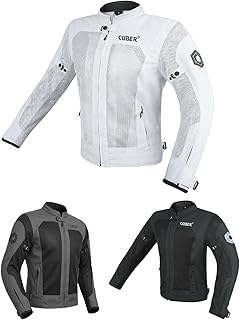
Top 10 Accessories
Curated picks for the Piaggio Vespa Primavera 50 — owned, ridden, recommended.




Typowe problemy
Rough idle, hard starting, hesitation during acceleration
Sluggish takeoff, slipping, unusual CVT noise
Check under footboard and rear frame welds closely
Intermittent no-start, flickering lights, dead dash
✅Lista kontrolna przed zakupem
Decent if maintained, neglect causes costly repairs
Full Specifications
Rivals & Alternatives
Bikes that buyers cross-shop with the Piaggio Vespa Primavera 50
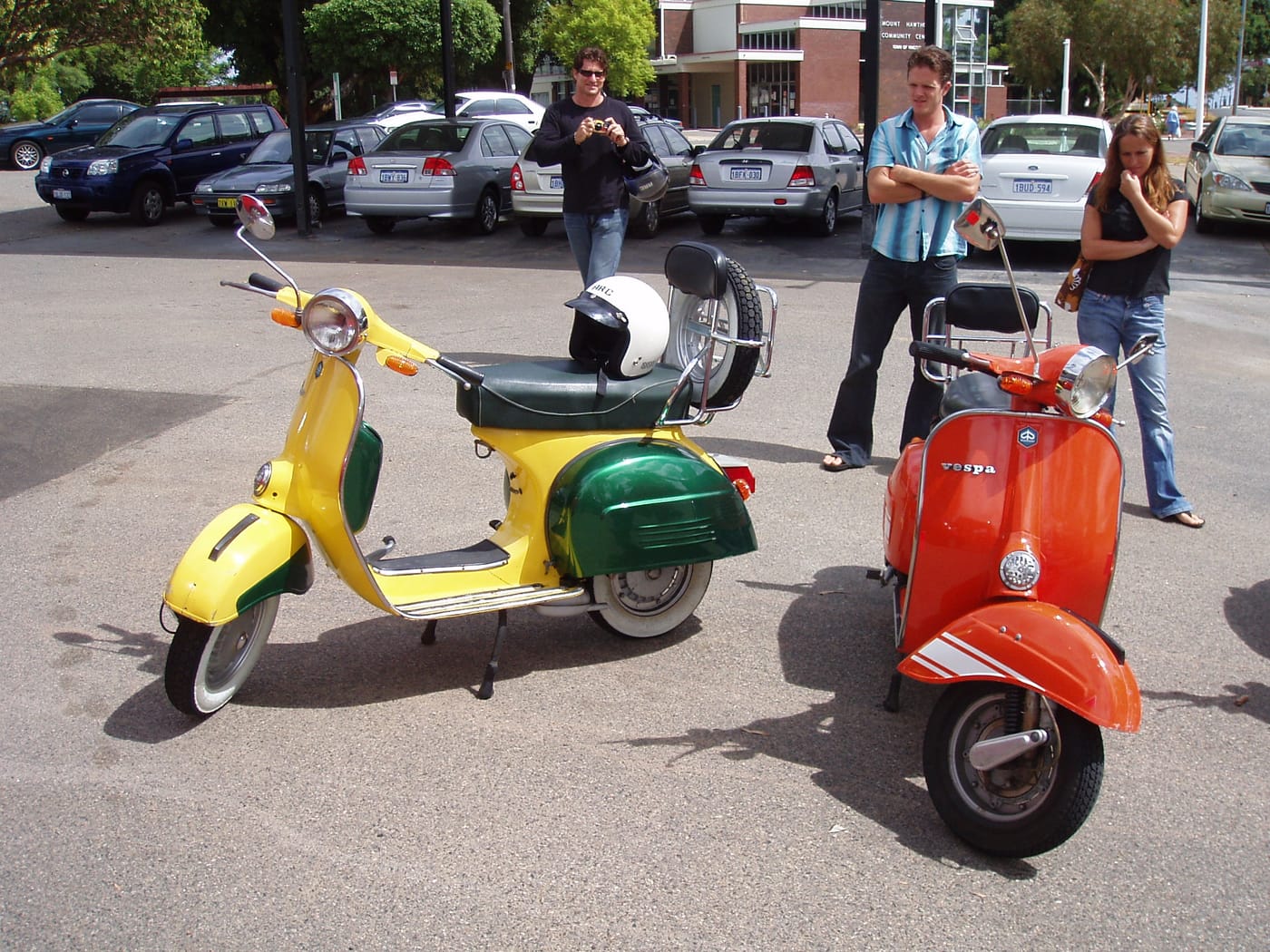
Piaggio Vespa Sprint 50
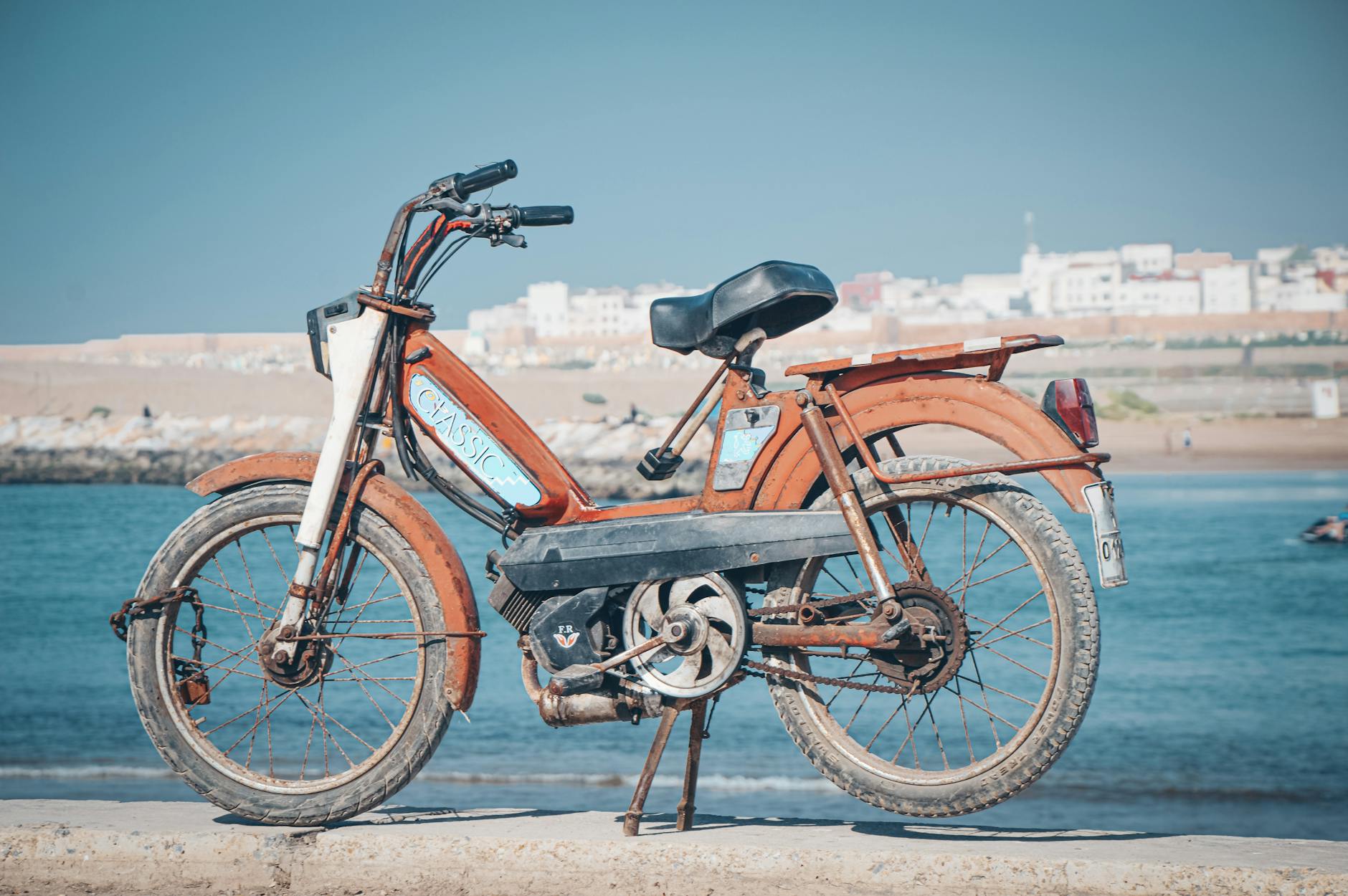
Peugeot Kisbee 50
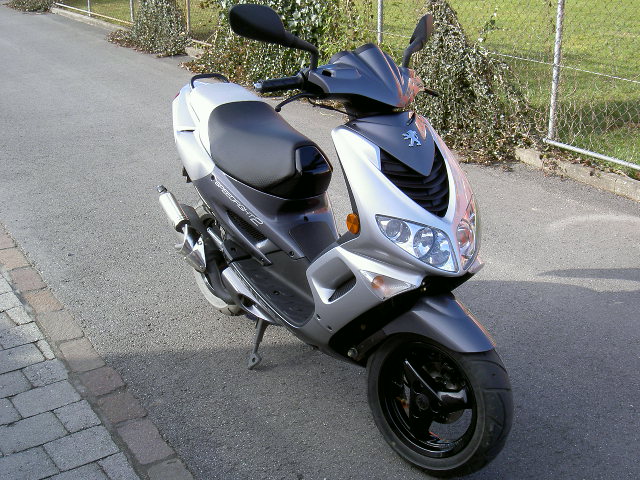
Peugeot Speedfight 4 50
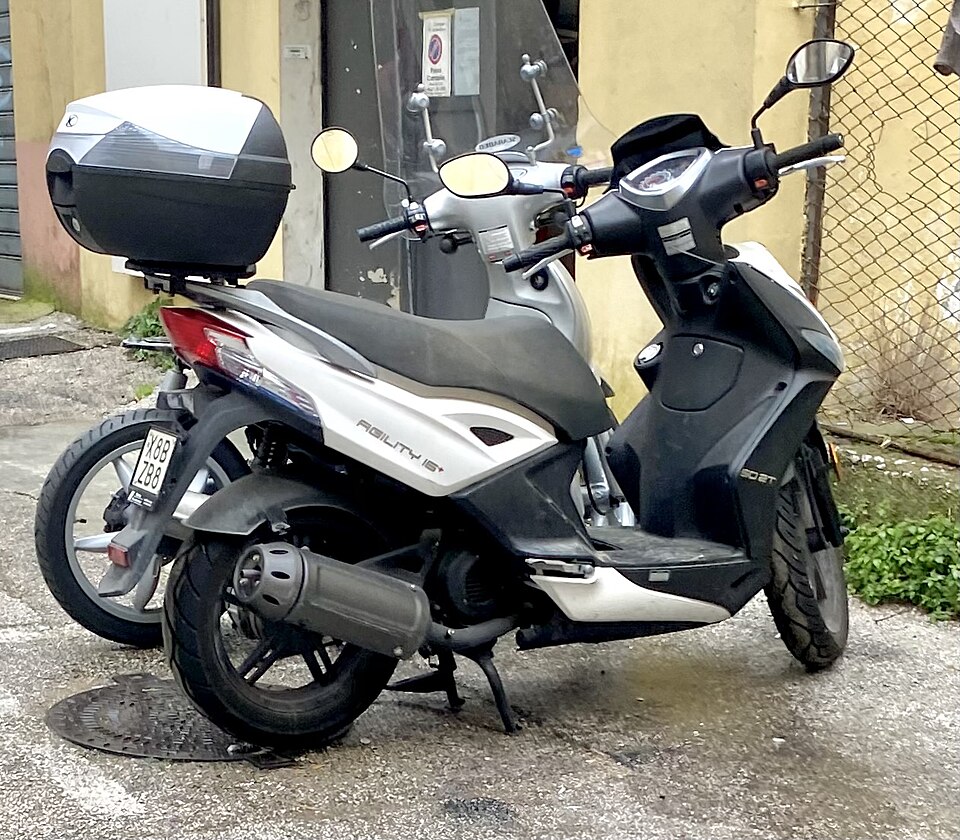
Kymco Agility 50
Kymco Super 8 50
Compare Piaggio Vespa Primavera 50 Side-by-Side
compare_arrowsSpecs, power, weight & buyer verdict — head-to-head with the bikes most often cross-shopped.
Piaggio Vespa Primavera 50 vs Piaggio Vespa Sprint 50
Specs · Power · Buyer verdict
Piaggio Vespa Primavera 50 vs Peugeot Kisbee 50
Specs · Power · Buyer verdict
Piaggio Vespa Primavera 50 vs Peugeot Speedfight 4 50
Specs · Power · Buyer verdict
Piaggio Vespa Primavera 50 vs Kymco Agility 50
Specs · Power · Buyer verdict
Piaggio Vespa Primavera 50 vs Kymco Super 8 50
Specs · Power · Buyer verdict
More Piaggio Vespa Primavera 50 Guides
More from Piaggio
View all Piaggio models →Community Reviews
Discussion
Frequently Asked Questions
What are common problems with the Piaggio Vespa Primavera 50? +
Carburetor clogging from ethanol fuel: Rough idle, hard starting, hesitation during acceleration (moderate) | Variator and belt wear: Sluggish takeoff, slipping, unusual CVT noise (moderate) | Rust on frame and underbody panels: Check under footboard and rear frame welds closely (minor)
Is the Piaggio Vespa Primavera 50 a good motorcycle? +
A charming urban toy that demands realistic expectations before buying. Rating: 7.0/10. Best for: Urban commuters wanting stylish, fuss-free city transport. Avoid if: You need speeds exceeding 30mph regularly.
What is the horsepower of the Piaggio Vespa Primavera 50? +
The Piaggio Vespa Primavera 50 produces ~3.0 hp @ 7,500 rpm (restricted moped version; note: unrestricted 50cc variant produces ~3.4 hp), with ~4.0 Nm @ 6,000 rpm of torque. Top speed: ~45 km/h (restricted for A1/moped compliance; unrestricted versions ~75 km/h).
Is the Piaggio Vespa Primavera 50 good for beginners? +
Yes — the Piaggio Vespa Primavera 50 is a reasonable choice for new riders (3 hp is manageable), weighing 115 kg. Urban commuters wanting stylish, fuss-free city transport
Is the Piaggio Vespa Primavera 50 reliable? +
The Piaggio Vespa Primavera 50 has no widely-reported critical reliability issues. 4 minor issues are documented — see the Common Problems section above.
Is the Piaggio Vespa Primavera 50 good for daily use? +
Urban commuters wanting stylish, fuss-free city transport Fuel: ~2.0 L/100km or ~50 km/L (typical real-world average).
How fast is the Piaggio Vespa Primavera 50? +
The Piaggio Vespa Primavera 50 reaches a top speed of ~45 km/h (restricted for A1/moped compliance; unrestricted versions ~75 km/h), producing 3 hp at 115 kg curb weight. Real-world performance depends on rider weight, gearing, and road conditions.
What gear should I buy for a Piaggio Vespa Primavera 50? +
Motoryk has curated a Top 10 gear list specifically for the Piaggio Vespa Primavera 50, covering engine oil, tires, chain, battery, and brake pads — see motoryk.com/bikes/piaggio/vespa-primavera-50/top10. Each pick is matched to this bike's spec.