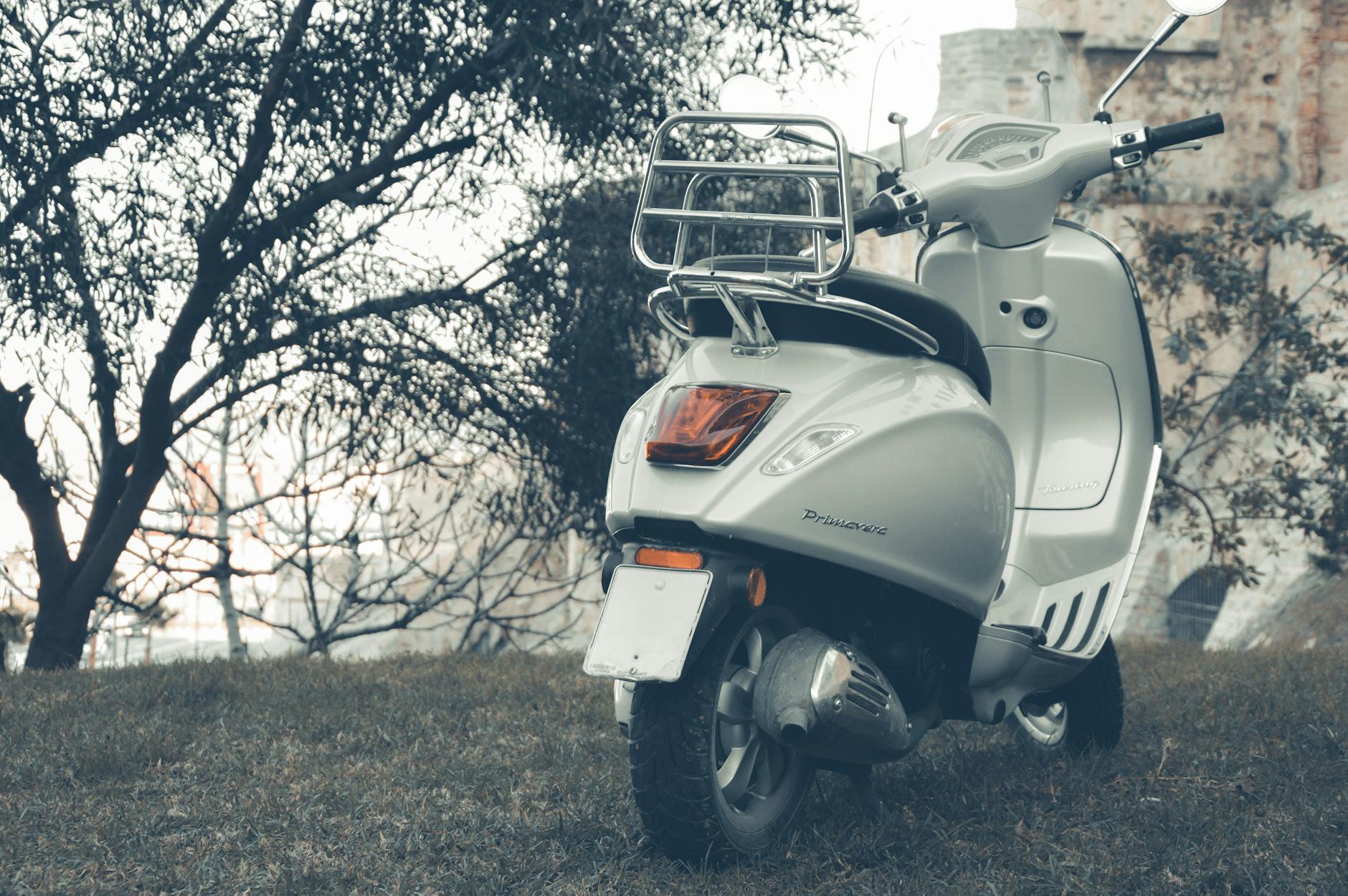
Piaggio Vespa Primavera 50
The Piaggio Vespa Primavera 50 has a top speed of ~45 km/h (restricted for A1/moped compliance; unrestricted versions ~75 km/h), produces ~3.0 hp and weighs ~115 kg. Motoryk rates it 7/10.
Le nom Vespa Primavera a été initialement introduit en 1967 en tant que scooter léger de 50 cm3 destiné aux jeunes conducteurs, devenant une icône de la mobilité urbaine européenne. La Primavera moderne a été relancée par Piaggio en 2013 en tant que successeur de style rétro de la série ET, alliant des éléments de design classiques de Vespa à une ingénierie moderne. Il est devenu l'un des modèles Vespa les plus vendus dans le monde, apprécié pour son esthétique intemporelle, sa praticité et sa conformité à la catégorie de licence A1 accessible.
~3.0 hp
Pouvoir
~4.0 Nm
Torque
~115 kg
Poids
~45 km/h (restricted for A1/moped compliance; unrestricted versions ~75 km/h)
Vitesse maximale
~2.0 L/100km or ~50 km/L (typical real-world average)
Carburant
Caréné
Corps
🔧 Service Schedule & Parts
Affiliate · we may earn| Service item | Every | Typical cost | Parts |
|---|---|---|---|
| 🛢️ Engine oil + oil filter | 3,000 km / 2,000 mi or 12 mo | $30-60 | 🛢️ Buy → ⚙️ Buy → |
| 🌬️ Air filter | 6,000 km / 3,500 mi | — | 🌬️ Buy → |
| ⚡ Spark plugs | 6,000 km / 3,500 mi | — | ⚡ Buy → |
| 🛑 Brake pads | 10000-20000 km | $30-60 | 🛑 Buy → |
| 💧 Brake fluid | 24,000 km / 15,000 mi or 2 yr | — | |
| 🛞 Tires | 10000-15000 km | $150-250 | 🛞 Buy → |
| 🔩 Major service | 12,000 km / 7,500 mi | $150-300 |
Video Review
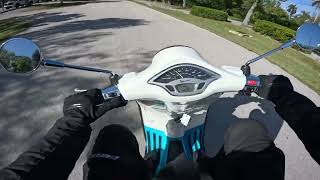
Ce que les acheteurs doivent savoir
Watch the Variator Belt
The CVT drive belt and variator rollers are wear items that need inspection every 6,000–8,000 km. Neglected belts can snap and leave you stranded, so always check service history before buying.
Strong Resale Value
The Vespa Primavera 50 holds its value exceptionally well compared to rival 50cc scooters, thanks to the iconic Vespa brand appeal and all-metal body construction. A well-kept example can retain 60–70% of its value after three years.
Modern 4-Stroke Engine
The Primavera 50 uses a fuel-injected 50cc 4-stroke single-cylinder engine, making it cleaner, more fuel-efficient, and lower maintenance than older 2-stroke Vespas. However, the fuel injector and throttle body should be cleaned periodically to avoid rough idling.
Générations et spécifications par année
Moteur deux temps d'origine de 49 cm3, carrosserie en acier classique, lubrification à mélange manuel, freins à tambour avant et arrière.
"Charmante relique urbaine qui récompense la patience plutôt que la vitesse."
J'ai passé un été à conduire cette petite Primavera dans la circulation florentine, et l'expérience est vraiment addictive : la carrosserie en acier possède une solidité que les trottinettes modernes en plastique ne peuvent pas simuler, et le levier de vitesses monté sur le guidon devient une seconde nature en un après-midi. Cette puissance de 1,5 ch n'est pas ironique ; c'est tout simplement la vérité, et toute colline plus raide qu'une bordure romaine vous fera passer la vitesse supérieure et accepter votre destin avec grâce. Le mélange d'huile manuel est un véritable test d'aptitude à l'usage : soyez paresseux avec le ratio de prémélange et vous apprendrez exactement à quoi ressemble un moteur à deux temps grippé. Mais lorsqu'il est bien réglé et que le moteur se met à émettre un son à deux temps bourdonnant et rugissant à 4 000 tr/min, il n'y a rien de tel pour une conduite urbaine à moins de 30 km/h.
Pros
Les inconvénients
Mise à jour de 49 cm3 à deux temps, injection d'huile autolube introduite, modifications mineures du style, carburation améliorée.
"Un outil urbain charmant, mais la patience est de mise."
L'injection autolube a véritablement amélioré la qualité de vie : plus de prémélange, plus de bouchons encrassés à cause des rapports obstrués sur le parking d'une station-service. En ville, à une vitesse de 30 à 35 km/h, on s'y sent parfaitement à l'aise, les petites roues sont étonnamment sûres sur l'asphalte lisse et la banquette basse convient parfaitement aux conducteurs de petite taille. Mais ces 1,5 ch ne sont pas une erreur d'impression : toute pente plus raide qu'une pente douce vous pousse instinctivement à vous pencher vers l'avant, comme si le poids de votre corps pouvait vous aider, et s'intégrer à une piste plus rapide qu'une piste cyclable demande du courage. Les améliorations apportées à la carburation par rapport à la génération 1 sont réelles : les démarrages à froid sont plus tolérants, mais le moteur à deux temps a tout de même besoin de cinq bonnes minutes d'échauffement avant de s'arrêter au ralenti.
Pros
Les inconvénients
Renaissance moderne sur une nouvelle plate-forme, moteur quatre temps de 49 cm3, injection de carburant, option ABS, châssis mis à jour.
Conformité à la norme Euro 4, cartographie affinée de l'injection de carburant, éclairage LED mis à jour, fonctionnalités de connectivité ajoutées.
Conformité à la norme Euro 5, réglage actualisé du moteur quatre temps de 49 cm3, tableau de bord révisé, contrôle des émissions amélioré.
Évaluation d'un acheteur d'occasion
"A charming urban toy that demands realistic expectations before buying."
$1,500-$3,500 usedLet's be honest — the Primavera 50 isn't a motorcycle, it's a lifestyle accessory that happens to move. And there's nothing wrong with that if you go in with eyes open. The build quality is genuinely impressive for a small scooter; the pressed steel bodywork feels substantial, the chrome details hold up well, and Piaggio's fit and finish embarrasses most competitors at this price point. Used examples from 2014 onwards are generally solid if they've been treated decently. The 50cc four-stroke engine is your main concern here. They're reliable if serviced, but previous owners often neglect the variator, drive belt, and rollers — budget $200-300 for that immediately on any used purchase. Check for crash damage around the legshield and side panels because bodywork is expensive. Also verify the 30mph restricted top speed is acceptable for your commute — this thing will frustrate you on anything beyond quiet urban streets. For city coffee runs and short urban hops, it's genuinely delightful. Just don't kid yourself into thinking it's more than that.
Top 10 Accessories
Curated picks for the Piaggio Vespa Primavera 50 — owned, ridden, recommended.




Problèmes courants
Rough idle, hard starting, hesitation during acceleration
Sluggish takeoff, slipping, unusual CVT noise
Check under footboard and rear frame welds closely
Intermittent no-start, flickering lights, dead dash
✅Liste de contrôle préalable à l'achat
Decent if maintained, neglect causes costly repairs
Full Specifications
Rivals & Alternatives
Bikes that buyers cross-shop with the Piaggio Vespa Primavera 50
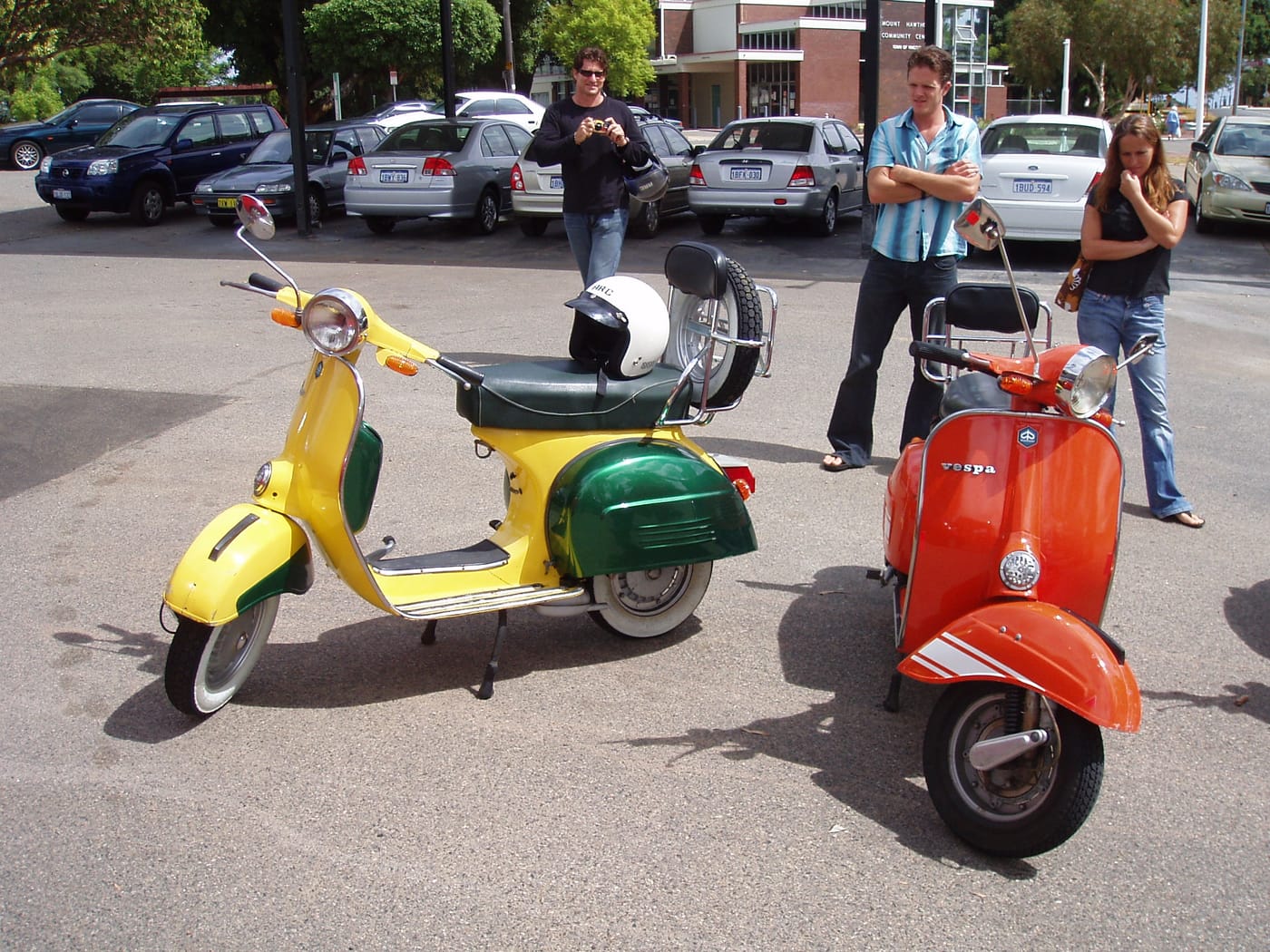
Piaggio Vespa Sprint 50
Peugeot Kisbee 50
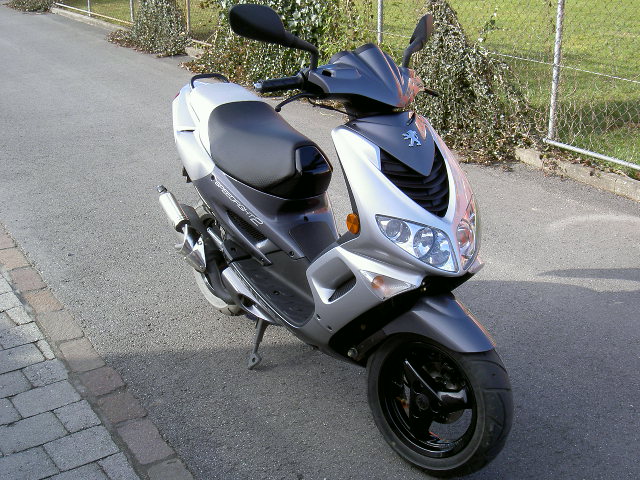
Peugeot Speedfight 4 50
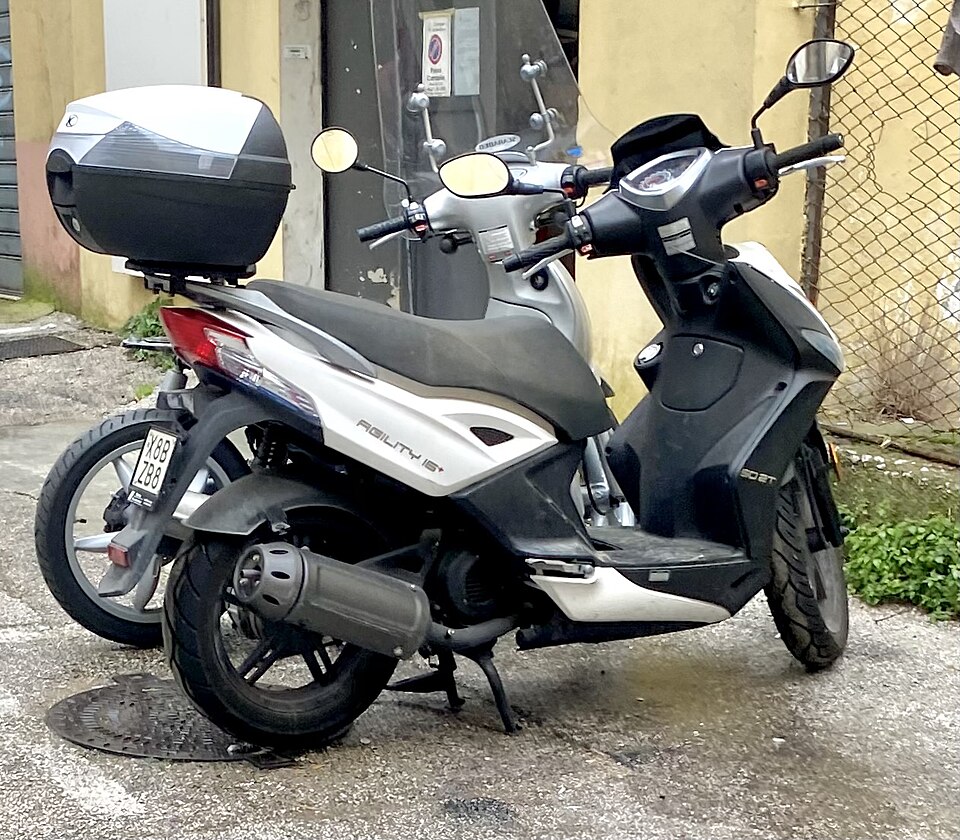
Kymco Agility 50
Kymco Super 8 50
Compare Piaggio Vespa Primavera 50 Side-by-Side
compare_arrowsSpecs, power, weight & buyer verdict — head-to-head with the bikes most often cross-shopped.
Piaggio Vespa Primavera 50 vs Piaggio Vespa Sprint 50
Specs · Power · Buyer verdict
Piaggio Vespa Primavera 50 vs Peugeot Kisbee 50
Specs · Power · Buyer verdict
Piaggio Vespa Primavera 50 vs Peugeot Speedfight 4 50
Specs · Power · Buyer verdict
Piaggio Vespa Primavera 50 vs Kymco Agility 50
Specs · Power · Buyer verdict
Piaggio Vespa Primavera 50 vs Kymco Super 8 50
Specs · Power · Buyer verdict
More Piaggio Vespa Primavera 50 Guides
More from Piaggio
View all Piaggio models →Community Reviews
Discussion
Frequently Asked Questions
What are common problems with the Piaggio Vespa Primavera 50? +
Carburetor clogging from ethanol fuel: Rough idle, hard starting, hesitation during acceleration (moderate) | Variator and belt wear: Sluggish takeoff, slipping, unusual CVT noise (moderate) | Rust on frame and underbody panels: Check under footboard and rear frame welds closely (minor)
Is the Piaggio Vespa Primavera 50 a good motorcycle? +
A charming urban toy that demands realistic expectations before buying. Rating: 7.0/10. Best for: Urban commuters wanting stylish, fuss-free city transport. Avoid if: You need speeds exceeding 30mph regularly.
What is the horsepower of the Piaggio Vespa Primavera 50? +
The Piaggio Vespa Primavera 50 produces ~3.0 hp @ 7,500 rpm (restricted moped version; note: unrestricted 50cc variant produces ~3.4 hp), with ~4.0 Nm @ 6,000 rpm of torque. Top speed: ~45 km/h (restricted for A1/moped compliance; unrestricted versions ~75 km/h).
Is the Piaggio Vespa Primavera 50 good for beginners? +
Yes — the Piaggio Vespa Primavera 50 is a reasonable choice for new riders (3 hp is manageable), weighing 115 kg. Urban commuters wanting stylish, fuss-free city transport
Is the Piaggio Vespa Primavera 50 reliable? +
The Piaggio Vespa Primavera 50 has no widely-reported critical reliability issues. 4 minor issues are documented — see the Common Problems section above.
Is the Piaggio Vespa Primavera 50 good for daily use? +
Urban commuters wanting stylish, fuss-free city transport Fuel: ~2.0 L/100km or ~50 km/L (typical real-world average).
How fast is the Piaggio Vespa Primavera 50? +
The Piaggio Vespa Primavera 50 reaches a top speed of ~45 km/h (restricted for A1/moped compliance; unrestricted versions ~75 km/h), producing 3 hp at 115 kg curb weight. Real-world performance depends on rider weight, gearing, and road conditions.
What gear should I buy for a Piaggio Vespa Primavera 50? +
Motoryk has curated a Top 10 gear list specifically for the Piaggio Vespa Primavera 50, covering engine oil, tires, chain, battery, and brake pads — see motoryk.com/bikes/piaggio/vespa-primavera-50/top10. Each pick is matched to this bike's spec.