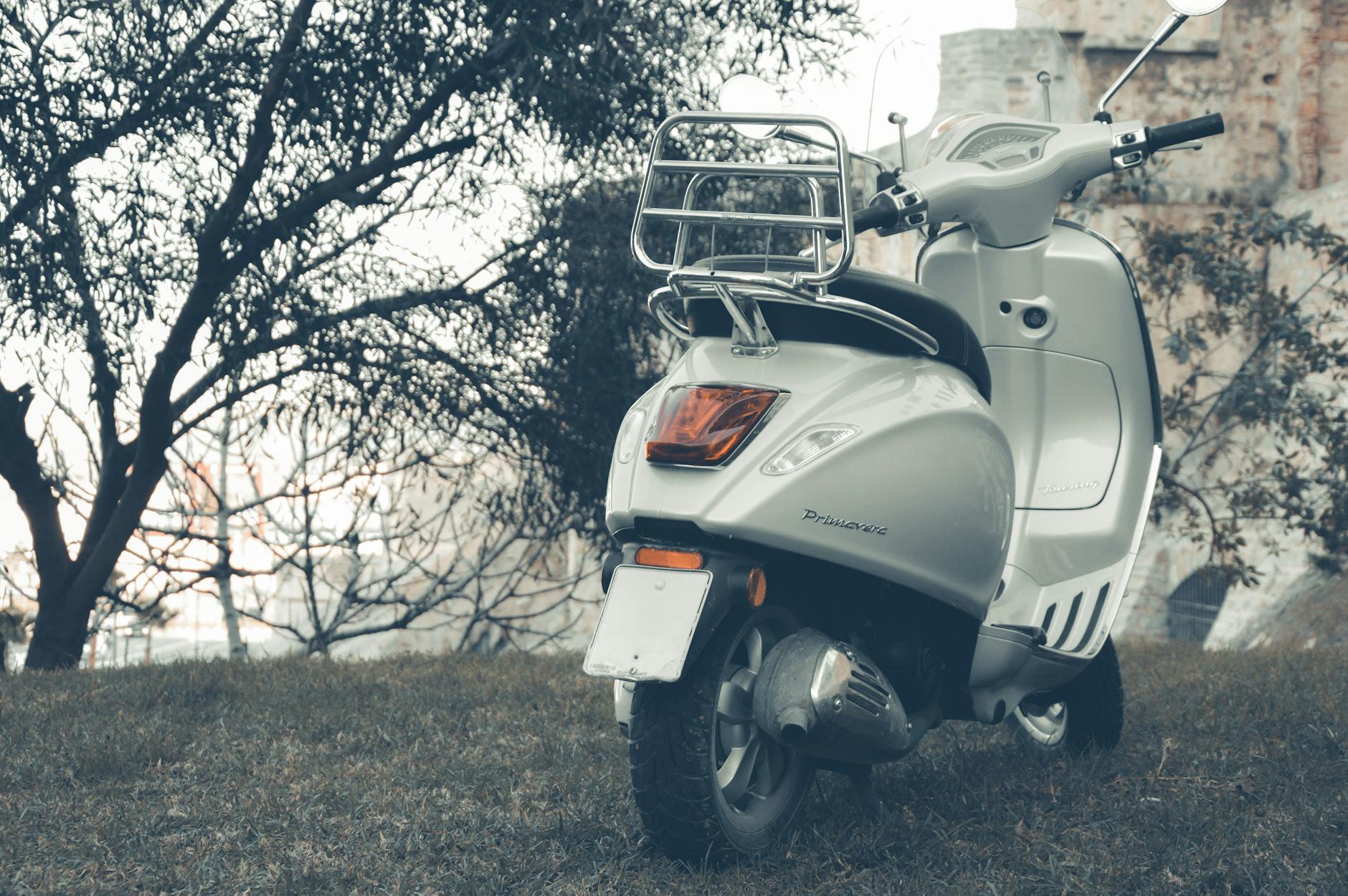
Piaggio Vespa Primavera 50
The Piaggio Vespa Primavera 50 has a top speed of ~45 km/h (restricted for A1/moped compliance; unrestricted versions ~75 km/h), produces ~3.0 hp and weighs ~115 kg. Motoryk rates it 7/10.
El nombre Vespa Primavera se introdujo originalmente en 1967 como un scooter ligero de 50 cc dirigido a los ciclistas más jóvenes, convirtiéndose en un icono de la movilidad urbana europea. El moderno Primavera fue relanzado por Piaggio en 2013 como un sucesor de estilo retro de la serie ET, que combinaba los detalles del diseño clásico de la Vespa con la ingeniería moderna. Se ha convertido en uno de los modelos de Vespa más vendidos en todo el mundo y ha sido elogiado por su estética atemporal, su practicidad y su accesibilidad al cumplir con la categoría de licencia A1.
~3.0 hp
Potencia
~4.0 Nm
Torsión
~115 kg
Peso
~45 km/h (restricted for A1/moped compliance; unrestricted versions ~75 km/h)
Velocidad máxima
~2.0 L/100km or ~50 km/L (typical real-world average)
Combustible
Carenado
Cuerpo
🔧 Service Schedule & Parts
Affiliate · we may earn| Service item | Every | Typical cost | Parts |
|---|---|---|---|
| 🛢️ Engine oil + oil filter | 3,000 km / 2,000 mi or 12 mo | $30-60 | 🛢️ Buy → ⚙️ Buy → |
| 🌬️ Air filter | 6,000 km / 3,500 mi | — | 🌬️ Buy → |
| ⚡ Spark plugs | 6,000 km / 3,500 mi | — | ⚡ Buy → |
| 🛑 Brake pads | 10000-20000 km | $30-60 | 🛑 Buy → |
| 💧 Brake fluid | 24,000 km / 15,000 mi or 2 yr | — | |
| 🛞 Tires | 10000-15000 km | $150-250 | 🛞 Buy → |
| 🔩 Major service | 12,000 km / 7,500 mi | $150-300 |
Video Review
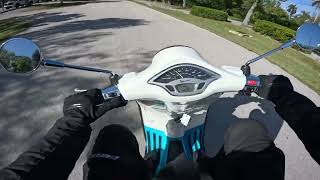
Lo que los compradores deben saber
Watch the Variator Belt
The CVT drive belt and variator rollers are wear items that need inspection every 6,000–8,000 km. Neglected belts can snap and leave you stranded, so always check service history before buying.
Strong Resale Value
The Vespa Primavera 50 holds its value exceptionally well compared to rival 50cc scooters, thanks to the iconic Vespa brand appeal and all-metal body construction. A well-kept example can retain 60–70% of its value after three years.
Modern 4-Stroke Engine
The Primavera 50 uses a fuel-injected 50cc 4-stroke single-cylinder engine, making it cleaner, more fuel-efficient, and lower maintenance than older 2-stroke Vespas. However, the fuel injector and throttle body should be cleaned periodically to avoid rough idling.
Generaciones y especificaciones por año
Motor original de dos tiempos de 49 cc, carrocería clásica de acero, lubricación por mezcla manual, frenos de tambor delanteros y traseros.
"Encantadora reliquia urbana que premia la paciencia por encima de la velocidad."
He pasado un verano recorriendo este pequeño Primavera entre el tráfico florentino, y la experiencia es realmente adictiva: la carrocería de acero tiene una solidez que los modernos patinetes de plástico no pueden fingir, y la palanca de cambios montada en el manillar se convierte en algo natural en una tarde. Lo de 1,5 caballos de fuerza no es irónico; es simplemente la verdad, y cualquier colina más empinada que una acera romana hará que dejes caer una marcha y aceptes tu destino con elegancia. La mezcla manual de aceite es la verdadera prueba de dominio: si te das cuenta de la relación de premezcla, aprenderás exactamente cómo suena una operación de dos tiempos apretada. Pero cuando está bien afinado y el motor pone en marcha ese zumbido y frenético sonido de dos tiempos a unas 4.000 rpm, no hay nada mejor para conducir en ciudad a menos de 30 km/h.
Pros
Contras
Dos tiempos actualizados de 49 cc, inyección de aceite autolubricante introducida, pequeñas revisiones de estilo y carburación mejorada.
"Encantadora herramienta urbana, pero la paciencia es obligatoria."
La inyección automática supuso una auténtica mejora de la calidad de vida: no más premezclas ni tapones sucios por la relación visual en el aparcamiento de una gasolinera. En la ciudad, a una velocidad de entre 30 y 35 km/h, se siente como en casa, las ruedas pequeñas son sorprendentemente seguras sobre un asfalto liso y el asiento bajo es ideal para los ciclistas más bajos. Pero esos 1,5 CV no son un error de imprenta: cualquier pendiente más pronunciada que una pendiente suave hace que te inclines instintivamente hacia adelante, como si el peso corporal fuera a ayudarte, y entrar en algo más rápido que un carril bici requiere coraje. Las mejoras en la carburación con respecto a la Gen 1 son reales (los arranques en frío son más tolerantes), pero el motor de dos tiempos aún necesita unos cinco minutos de calentamiento antes de dejar de funcionar al ralentí.
Pros
Contras
Renacimiento moderno sobre una nueva plataforma, motor de cuatro tiempos de 49 cc, inyección de combustible, opción ABS, cuadro actualizado.
Cumple con la norma Euro 4, mapeo refinado de inyección de combustible, iluminación LED actualizada y funciones de conectividad agregadas.
Cumple con la norma Euro 5, ajuste actualizado del motor de cuatro tiempos y 49 cc, grupo de instrumentos revisado y control de emisiones mejorado.
Reseña de un comprador usado
"A charming urban toy that demands realistic expectations before buying."
$1,500-$3,500 usedLet's be honest — the Primavera 50 isn't a motorcycle, it's a lifestyle accessory that happens to move. And there's nothing wrong with that if you go in with eyes open. The build quality is genuinely impressive for a small scooter; the pressed steel bodywork feels substantial, the chrome details hold up well, and Piaggio's fit and finish embarrasses most competitors at this price point. Used examples from 2014 onwards are generally solid if they've been treated decently. The 50cc four-stroke engine is your main concern here. They're reliable if serviced, but previous owners often neglect the variator, drive belt, and rollers — budget $200-300 for that immediately on any used purchase. Check for crash damage around the legshield and side panels because bodywork is expensive. Also verify the 30mph restricted top speed is acceptable for your commute — this thing will frustrate you on anything beyond quiet urban streets. For city coffee runs and short urban hops, it's genuinely delightful. Just don't kid yourself into thinking it's more than that.
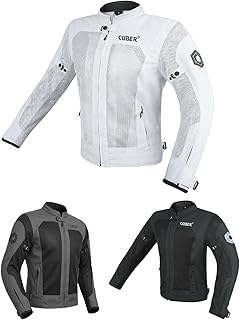
Top 10 Accessories
Curated picks for the Piaggio Vespa Primavera 50 — owned, ridden, recommended.




Problemas comunes
Rough idle, hard starting, hesitation during acceleration
Sluggish takeoff, slipping, unusual CVT noise
Check under footboard and rear frame welds closely
Intermittent no-start, flickering lights, dead dash
✅Lista de verificación previa a la compra
Decent if maintained, neglect causes costly repairs
Full Specifications
Rivals & Alternatives
Bikes that buyers cross-shop with the Piaggio Vespa Primavera 50
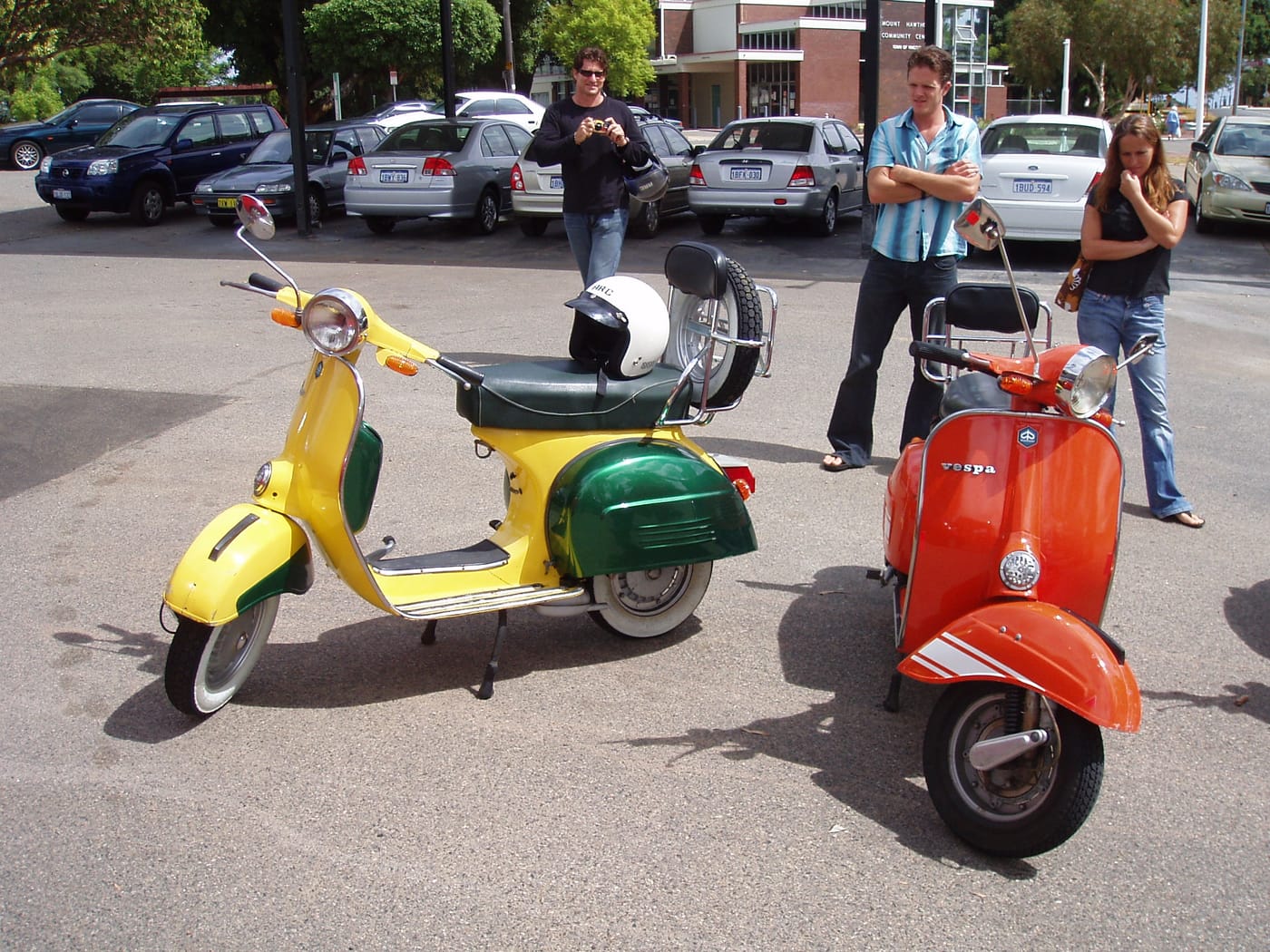
Piaggio Vespa Sprint 50
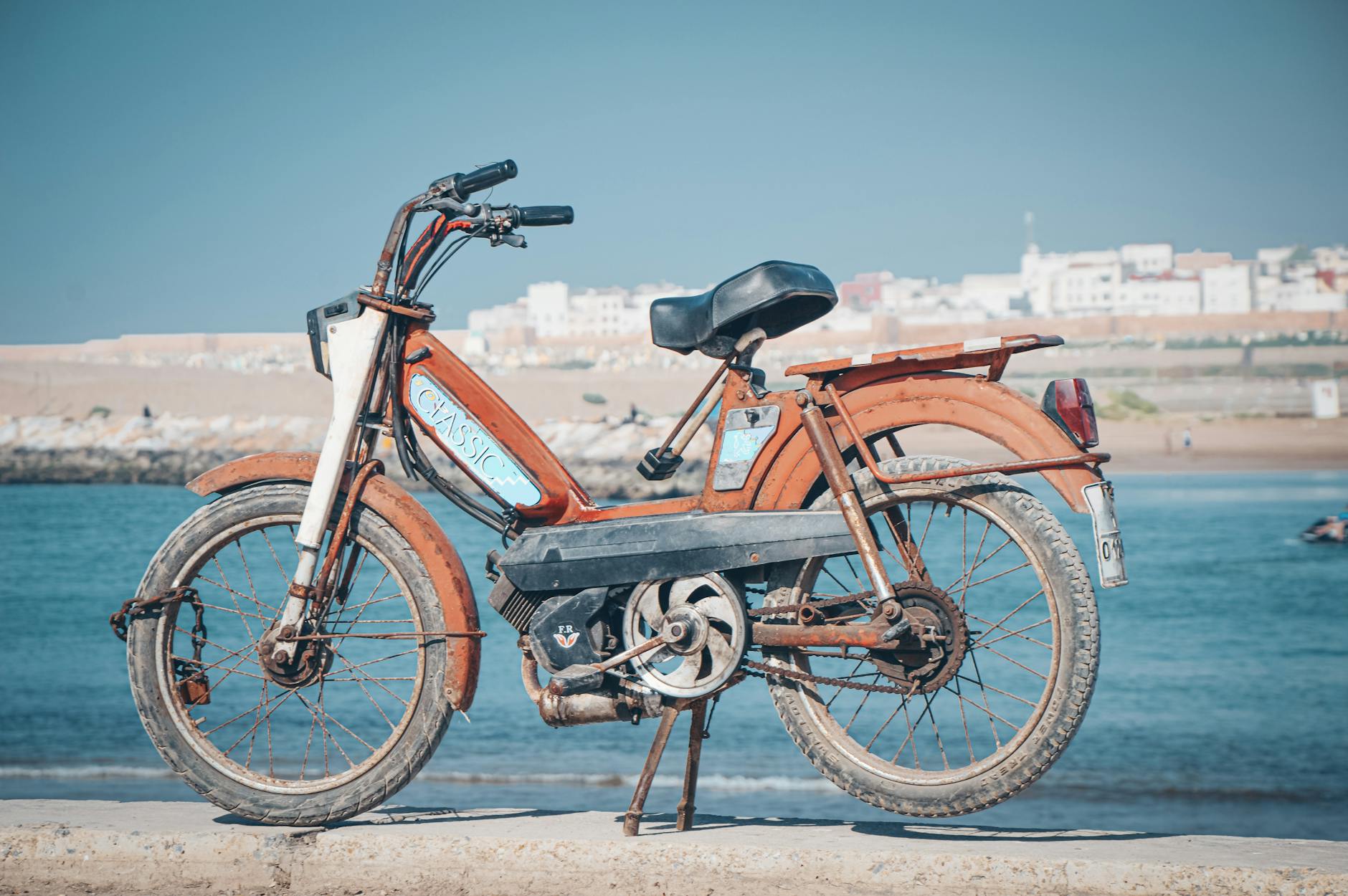
Peugeot Kisbee 50
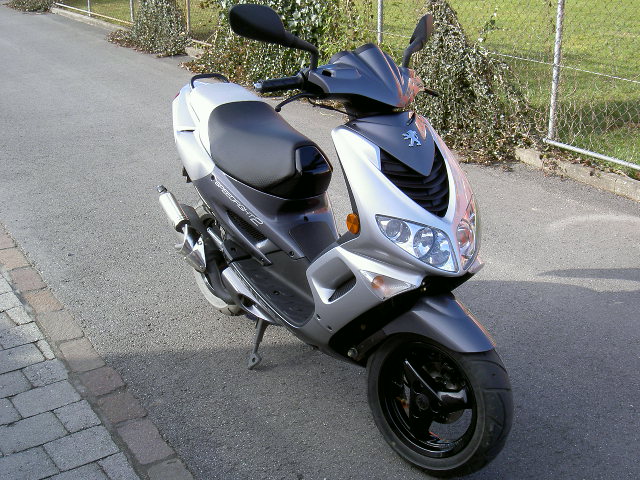
Peugeot Speedfight 4 50
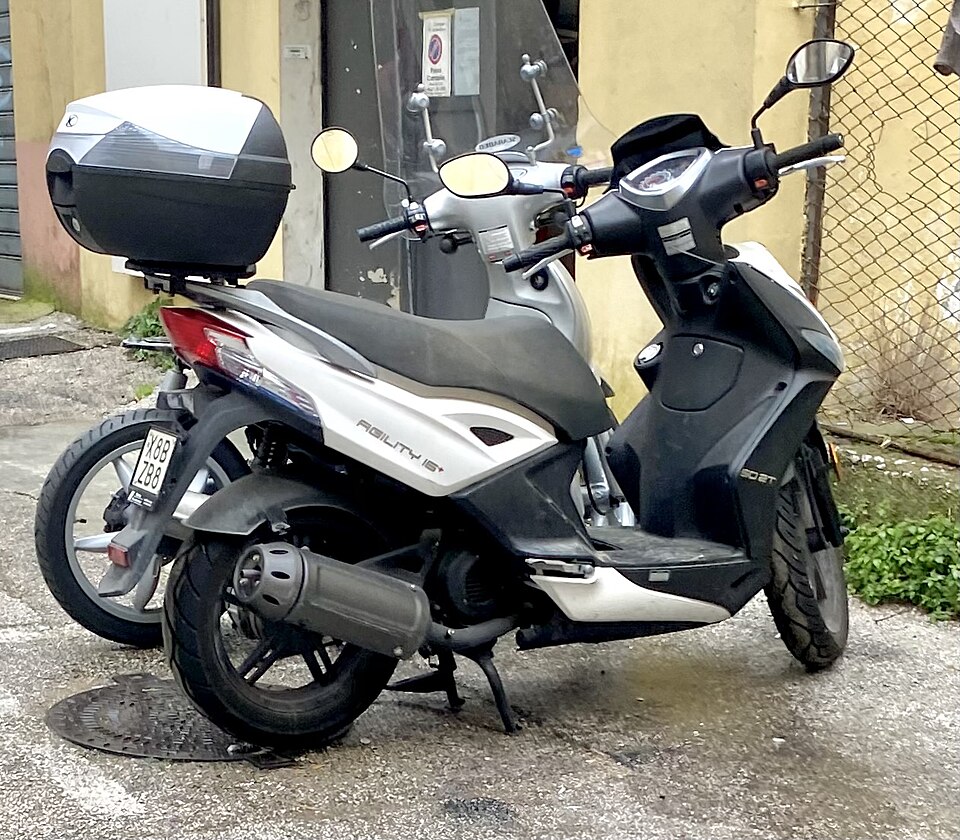
Kymco Agility 50
Kymco Super 8 50
Compare Piaggio Vespa Primavera 50 Side-by-Side
compare_arrowsSpecs, power, weight & buyer verdict — head-to-head with the bikes most often cross-shopped.
Piaggio Vespa Primavera 50 vs Piaggio Vespa Sprint 50
Specs · Power · Buyer verdict
Piaggio Vespa Primavera 50 vs Peugeot Kisbee 50
Specs · Power · Buyer verdict
Piaggio Vespa Primavera 50 vs Peugeot Speedfight 4 50
Specs · Power · Buyer verdict
Piaggio Vespa Primavera 50 vs Kymco Agility 50
Specs · Power · Buyer verdict
Piaggio Vespa Primavera 50 vs Kymco Super 8 50
Specs · Power · Buyer verdict
More Piaggio Vespa Primavera 50 Guides
More from Piaggio
View all Piaggio models →Community Reviews
Discussion
Frequently Asked Questions
What are common problems with the Piaggio Vespa Primavera 50? +
Carburetor clogging from ethanol fuel: Rough idle, hard starting, hesitation during acceleration (moderate) | Variator and belt wear: Sluggish takeoff, slipping, unusual CVT noise (moderate) | Rust on frame and underbody panels: Check under footboard and rear frame welds closely (minor)
Is the Piaggio Vespa Primavera 50 a good motorcycle? +
A charming urban toy that demands realistic expectations before buying. Rating: 7.0/10. Best for: Urban commuters wanting stylish, fuss-free city transport. Avoid if: You need speeds exceeding 30mph regularly.
What is the horsepower of the Piaggio Vespa Primavera 50? +
The Piaggio Vespa Primavera 50 produces ~3.0 hp @ 7,500 rpm (restricted moped version; note: unrestricted 50cc variant produces ~3.4 hp), with ~4.0 Nm @ 6,000 rpm of torque. Top speed: ~45 km/h (restricted for A1/moped compliance; unrestricted versions ~75 km/h).
Is the Piaggio Vespa Primavera 50 good for beginners? +
Yes — the Piaggio Vespa Primavera 50 is a reasonable choice for new riders (3 hp is manageable), weighing 115 kg. Urban commuters wanting stylish, fuss-free city transport
Is the Piaggio Vespa Primavera 50 reliable? +
The Piaggio Vespa Primavera 50 has no widely-reported critical reliability issues. 4 minor issues are documented — see the Common Problems section above.
Is the Piaggio Vespa Primavera 50 good for daily use? +
Urban commuters wanting stylish, fuss-free city transport Fuel: ~2.0 L/100km or ~50 km/L (typical real-world average).
How fast is the Piaggio Vespa Primavera 50? +
The Piaggio Vespa Primavera 50 reaches a top speed of ~45 km/h (restricted for A1/moped compliance; unrestricted versions ~75 km/h), producing 3 hp at 115 kg curb weight. Real-world performance depends on rider weight, gearing, and road conditions.
What gear should I buy for a Piaggio Vespa Primavera 50? +
Motoryk has curated a Top 10 gear list specifically for the Piaggio Vespa Primavera 50, covering engine oil, tires, chain, battery, and brake pads — see motoryk.com/bikes/piaggio/vespa-primavera-50/top10. Each pick is matched to this bike's spec.