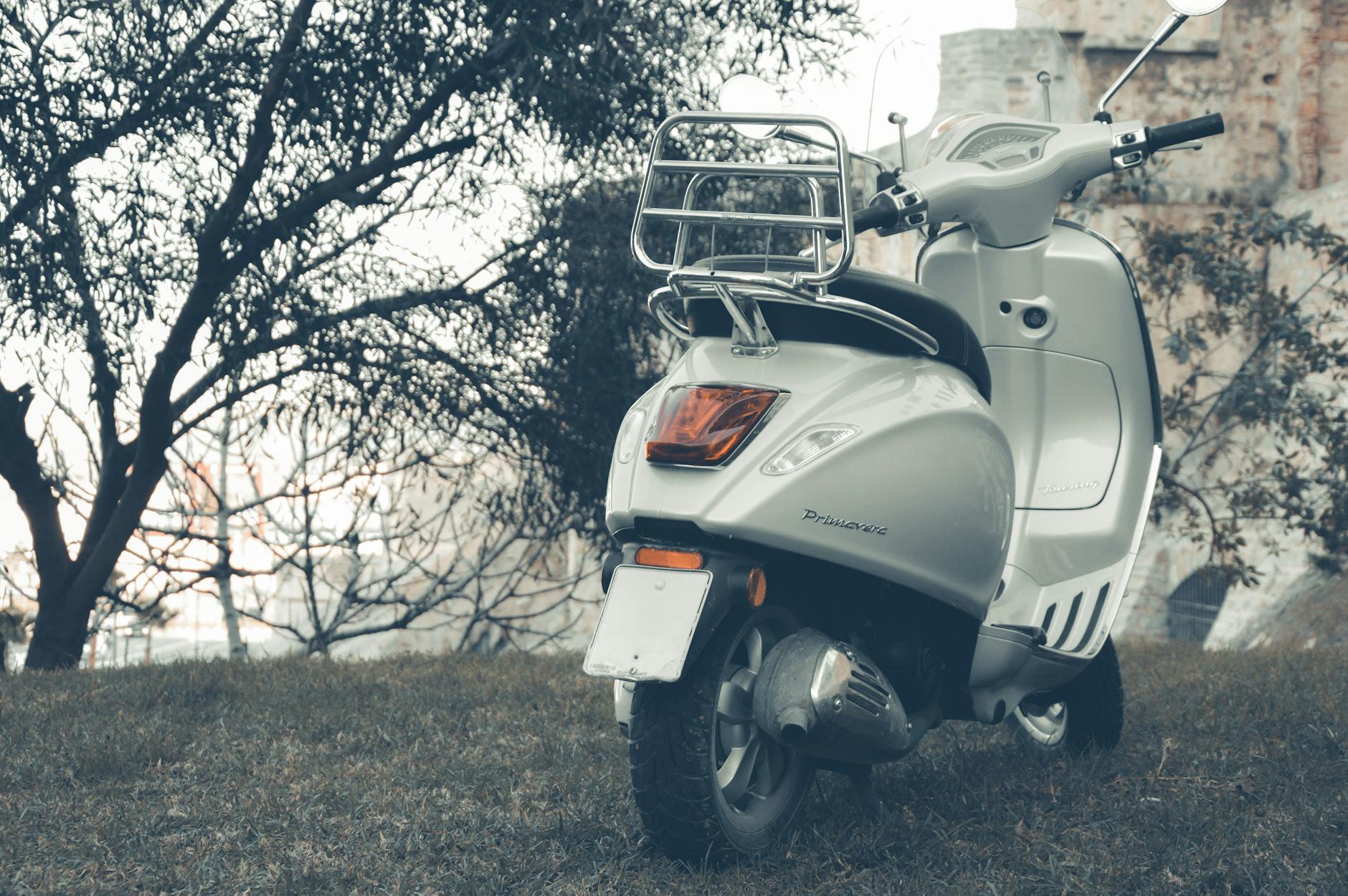
Piaggio Vespa Primavera 50
The Piaggio Vespa Primavera 50 has a top speed of ~45 km/h (restricted for A1/moped compliance; unrestricted versions ~75 km/h), produces ~3.0 hp and weighs ~115 kg. Motoryk rates it 7/10.
Der Name Vespa Primavera wurde ursprünglich 1967 als leichter 50-ccm-Roller für jüngere Fahrer eingeführt und wurde zu einer Ikone der europäischen urbanen Mobilität. Der moderne Primavera wurde 2013 von Piaggio als Nachfolger der ET-Serie im Retro-Stil neu auf den Markt gebracht und verbindet klassische Vespa-Designelemente mit moderner Technik. Sie ist zu einem der weltweit meistverkauften Modelle der Vespa geworden und wird für ihre zeitlose Ästhetik, ihre praktische Anwendbarkeit und ihre leicht erreichbare A1-Lizenzklasse gelobt.
~3.0 hp
Leistung
~4.0 Nm
Drehmoment
~115 kg
Gewicht
~45 km/h (restricted for A1/moped compliance; unrestricted versions ~75 km/h)
Höchstgeschwindigkeit
~2.0 L/100km or ~50 km/L (typical real-world average)
Treibstoff
Ausgeleitet
Körper
🔧 Service Schedule & Parts
Affiliate · we may earn| Service item | Every | Typical cost | Parts |
|---|---|---|---|
| 🛢️ Engine oil + oil filter | 3,000 km / 2,000 mi or 12 mo | $30-60 | 🛢️ Buy → ⚙️ Buy → |
| 🌬️ Air filter | 6,000 km / 3,500 mi | — | 🌬️ Buy → |
| ⚡ Spark plugs | 6,000 km / 3,500 mi | — | ⚡ Buy → |
| 🛑 Brake pads | 10000-20000 km | $30-60 | 🛑 Buy → |
| 💧 Brake fluid | 24,000 km / 15,000 mi or 2 yr | — | |
| 🛞 Tires | 10000-15000 km | $150-250 | 🛞 Buy → |
| 🔩 Major service | 12,000 km / 7,500 mi | $150-300 |
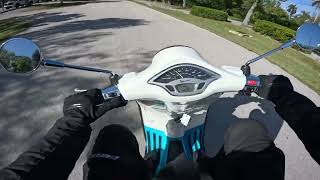
Video Review
Was Käufer wissen sollten
Watch the Variator Belt
The CVT drive belt and variator rollers are wear items that need inspection every 6,000–8,000 km. Neglected belts can snap and leave you stranded, so always check service history before buying.
Strong Resale Value
The Vespa Primavera 50 holds its value exceptionally well compared to rival 50cc scooters, thanks to the iconic Vespa brand appeal and all-metal body construction. A well-kept example can retain 60–70% of its value after three years.
Modern 4-Stroke Engine
The Primavera 50 uses a fuel-injected 50cc 4-stroke single-cylinder engine, making it cleaner, more fuel-efficient, and lower maintenance than older 2-stroke Vespas. However, the fuel injector and throttle body should be cleaned periodically to avoid rough idling.
Generationen und Spezifikationen nach Jahr
Originaler 49-cm3-Zweitaktmotor, klassische Stahlkarosserie, manuelle Gemischschmierung, Trommelbremsen vorne und hinten.
"Charmantes urbanes Relikt, das Geduld vor Geschwindigkeit belohnt."
Ich habe einen Sommer damit verbracht, diesen kleinen Primavera durch den florentinischen Verkehr zu fahren, und das Erlebnis macht wirklich süchtig — die Stahlkarosserie hat eine Solidität, die moderne Kunststoffroller nicht vortäuschen können, und der am Lenker montierte Schalthebel wird innerhalb eines Nachmittags zur Selbstverständlichkeit. Diese 1,5 Pferdestärken sind keine Ironie, sie sind einfach die Wahrheit, und jeder Hügel, der steiler ist als ein römischer Bordstein, lässt Sie einen Gang fallen und Ihr Schicksal würdevoll akzeptieren. Das manuelle Mischen des Öls ist die eigentliche Eignungsprüfung — lassen Sie sich vom Mischverhältnis verzaubern und Sie werden genau erfahren, wie sich ein getakter Zweitakt anhört. Aber wenn es richtig eingestellt ist und sich der Motor bei 4.000 Umdrehungen pro Minute in das lebhafte, rötliche Zweitaktlied einstellt, gibt es nichts Vergleichbares für Fahrten in der Stadt unter 30 km/h.
Profis
Nachteile
Aktualisierter 49-cm3-Zweitakt, Einführung einer automatischen Schmieröleinspritzung, geringfügige Änderungen am Design, verbesserter Vergaser.
"Charmantes Stadtwerkzeug, aber Geduld ist Pflicht."
Die automatische Schmierstoffeinspritzung war ein echtes Plus an Lebensqualität — kein Vormischen mehr, keine verschmutzten Stecker mehr durch Aufrauenverhältnisse auf dem Parkplatz einer Tankstelle. In der Stadt fühlt es sich bei 30-35 km/h wie zu Hause an. Die kleinen Räder sind überraschend sicher auf glattem Asphalt, und der niedrige Sitz passt gut zu kleineren Fahrern. Aber diese 1,5 PS sind kein Druckfehler: Bei jeder Steigung, die steiler als eine sanfte Steigung ist, lehnt man sich instinktiv nach vorne, als ob das Körpergewicht helfen würde, und das Zusammenführen mit etwas, das schneller ist als ein Radweg, erfordert Nerven. Die Verbesserungen beim Vergaser im Vergleich zur Generation 1 sind real — Kaltstarts sind schonender — aber der Zweitakter braucht noch gut fünf Minuten Aufwärmphase, bevor er im Leerlauf aufhört zu jagen.
Profis
Nachteile
Moderne Wiederbelebung auf neuer Plattform, 49-cm3-Viertaktmotor, Kraftstoffeinspritzung, ABS-Option, aktualisierter Rahmen.
Euro-4-Konformität, verfeinerte Abbildung der Kraftstoffeinspritzung, aktualisierte LED-Beleuchtung, Konnektivitätsfunktionen hinzugefügt.
Euro-5-Konformität, aktualisierte 49-cm3-Viertaktmotorabstimmung, überarbeitetes Kombiinstrument, verbesserte Emissionskontrolle.
Bewertung von gebrauchten Käufern
"A charming urban toy that demands realistic expectations before buying."
$1,500-$3,500 usedLet's be honest — the Primavera 50 isn't a motorcycle, it's a lifestyle accessory that happens to move. And there's nothing wrong with that if you go in with eyes open. The build quality is genuinely impressive for a small scooter; the pressed steel bodywork feels substantial, the chrome details hold up well, and Piaggio's fit and finish embarrasses most competitors at this price point. Used examples from 2014 onwards are generally solid if they've been treated decently. The 50cc four-stroke engine is your main concern here. They're reliable if serviced, but previous owners often neglect the variator, drive belt, and rollers — budget $200-300 for that immediately on any used purchase. Check for crash damage around the legshield and side panels because bodywork is expensive. Also verify the 30mph restricted top speed is acceptable for your commute — this thing will frustrate you on anything beyond quiet urban streets. For city coffee runs and short urban hops, it's genuinely delightful. Just don't kid yourself into thinking it's more than that.
Top 10 Accessories
Curated picks for the Piaggio Vespa Primavera 50 — owned, ridden, recommended.




Häufig auftretende Probleme
Rough idle, hard starting, hesitation during acceleration
Sluggish takeoff, slipping, unusual CVT noise
Check under footboard and rear frame welds closely
Intermittent no-start, flickering lights, dead dash
✅Checkliste vor dem Kauf
Decent if maintained, neglect causes costly repairs
Full Specifications
Rivals & Alternatives
Bikes that buyers cross-shop with the Piaggio Vespa Primavera 50
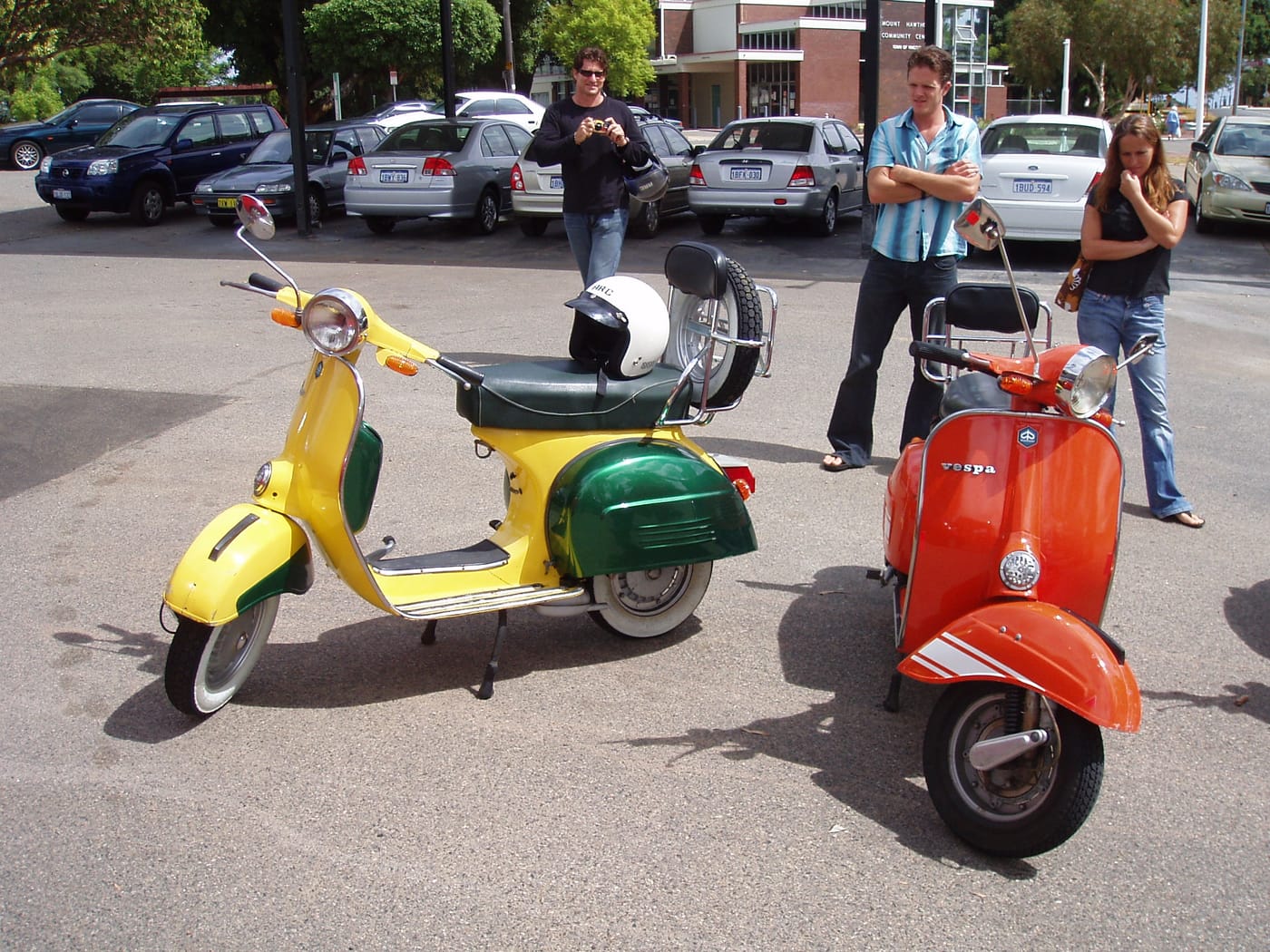
Piaggio Vespa Sprint 50
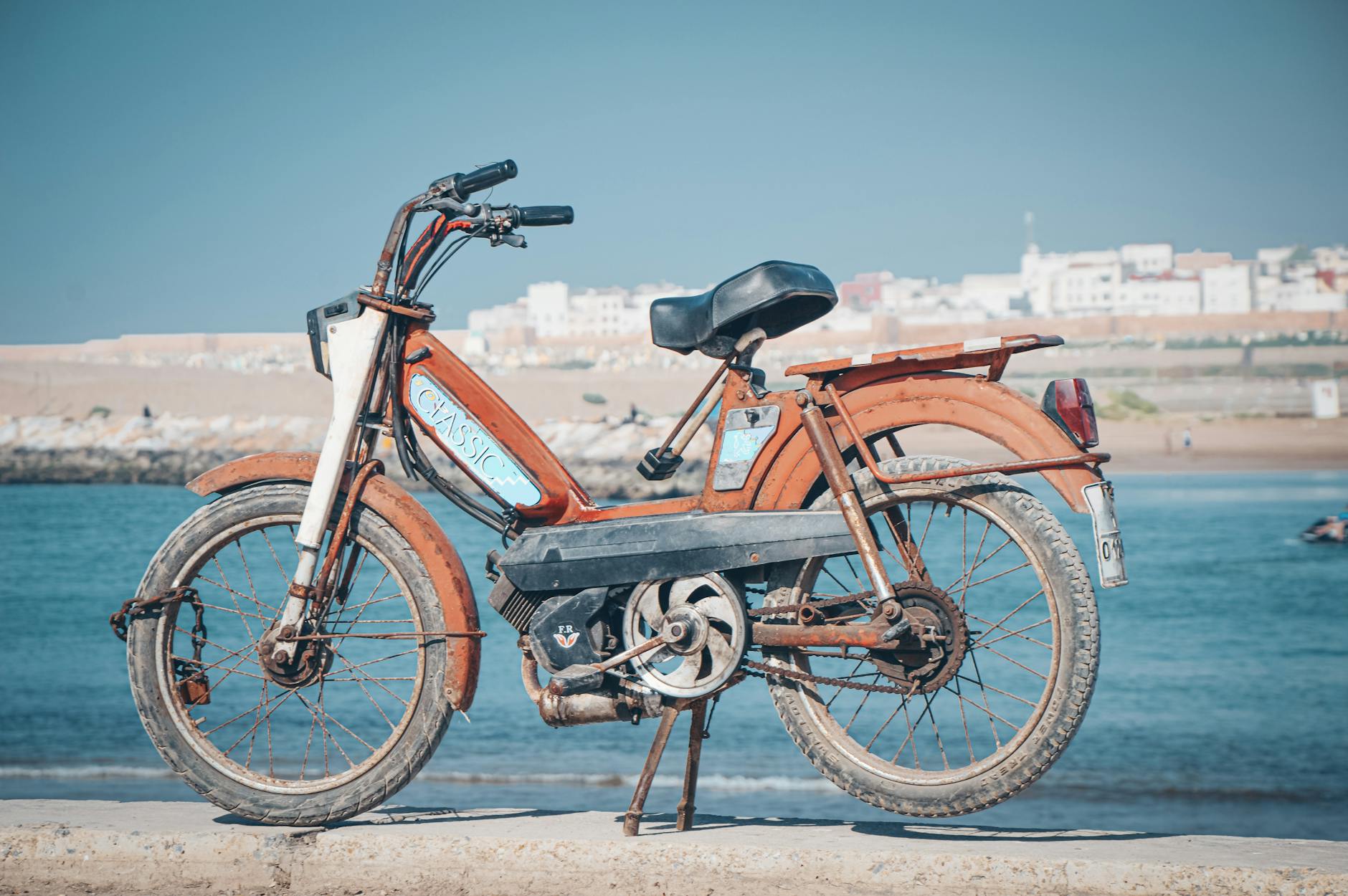
Peugeot Kisbee 50
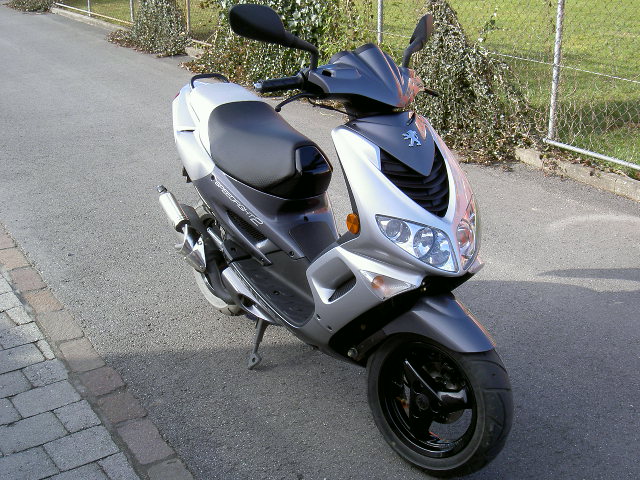
Peugeot Speedfight 4 50
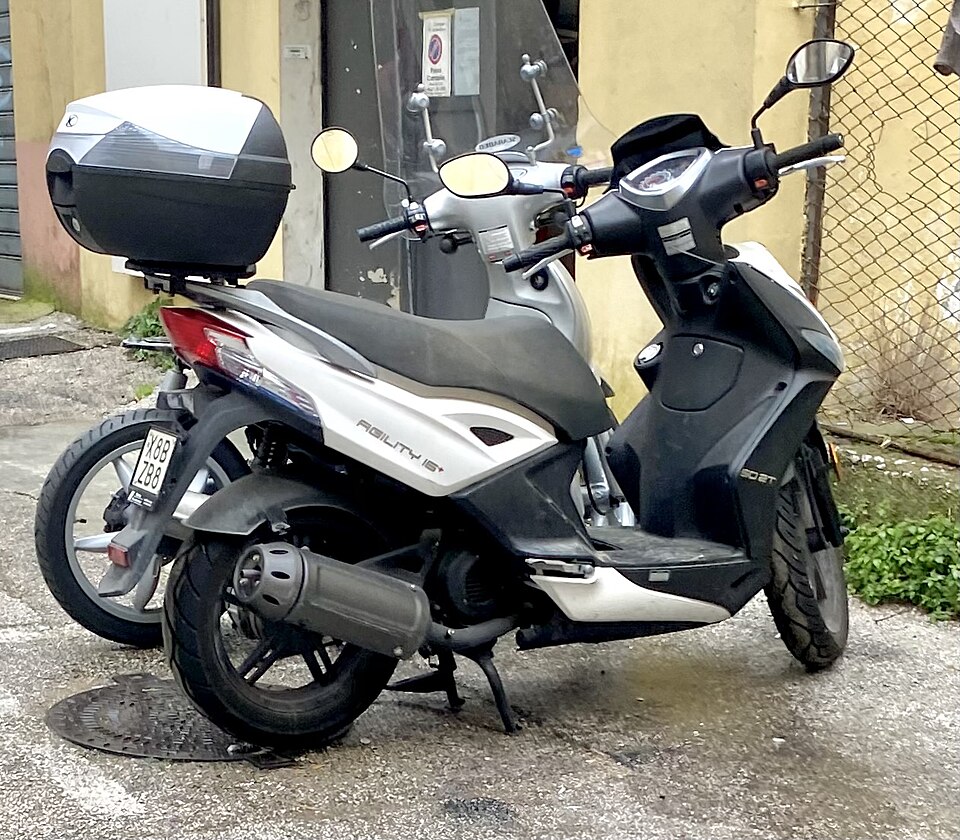
Kymco Agility 50
Kymco Super 8 50
Compare Piaggio Vespa Primavera 50 Side-by-Side
compare_arrowsSpecs, power, weight & buyer verdict — head-to-head with the bikes most often cross-shopped.
Piaggio Vespa Primavera 50 vs Piaggio Vespa Sprint 50
Specs · Power · Buyer verdict
Piaggio Vespa Primavera 50 vs Peugeot Kisbee 50
Specs · Power · Buyer verdict
Piaggio Vespa Primavera 50 vs Peugeot Speedfight 4 50
Specs · Power · Buyer verdict
Piaggio Vespa Primavera 50 vs Kymco Agility 50
Specs · Power · Buyer verdict
Piaggio Vespa Primavera 50 vs Kymco Super 8 50
Specs · Power · Buyer verdict
More Piaggio Vespa Primavera 50 Guides
More from Piaggio
View all Piaggio models →Community Reviews
Discussion
Frequently Asked Questions
What are common problems with the Piaggio Vespa Primavera 50? +
Carburetor clogging from ethanol fuel: Rough idle, hard starting, hesitation during acceleration (moderate) | Variator and belt wear: Sluggish takeoff, slipping, unusual CVT noise (moderate) | Rust on frame and underbody panels: Check under footboard and rear frame welds closely (minor)
Is the Piaggio Vespa Primavera 50 a good motorcycle? +
A charming urban toy that demands realistic expectations before buying. Rating: 7.0/10. Best for: Urban commuters wanting stylish, fuss-free city transport. Avoid if: You need speeds exceeding 30mph regularly.
What is the horsepower of the Piaggio Vespa Primavera 50? +
The Piaggio Vespa Primavera 50 produces ~3.0 hp @ 7,500 rpm (restricted moped version; note: unrestricted 50cc variant produces ~3.4 hp), with ~4.0 Nm @ 6,000 rpm of torque. Top speed: ~45 km/h (restricted for A1/moped compliance; unrestricted versions ~75 km/h).
Is the Piaggio Vespa Primavera 50 good for beginners? +
Yes — the Piaggio Vespa Primavera 50 is a reasonable choice for new riders (3 hp is manageable), weighing 115 kg. Urban commuters wanting stylish, fuss-free city transport
Is the Piaggio Vespa Primavera 50 reliable? +
The Piaggio Vespa Primavera 50 has no widely-reported critical reliability issues. 4 minor issues are documented — see the Common Problems section above.
Is the Piaggio Vespa Primavera 50 good for daily use? +
Urban commuters wanting stylish, fuss-free city transport Fuel: ~2.0 L/100km or ~50 km/L (typical real-world average).
How fast is the Piaggio Vespa Primavera 50? +
The Piaggio Vespa Primavera 50 reaches a top speed of ~45 km/h (restricted for A1/moped compliance; unrestricted versions ~75 km/h), producing 3 hp at 115 kg curb weight. Real-world performance depends on rider weight, gearing, and road conditions.
What gear should I buy for a Piaggio Vespa Primavera 50? +
Motoryk has curated a Top 10 gear list specifically for the Piaggio Vespa Primavera 50, covering engine oil, tires, chain, battery, and brake pads — see motoryk.com/bikes/piaggio/vespa-primavera-50/top10. Each pick is matched to this bike's spec.