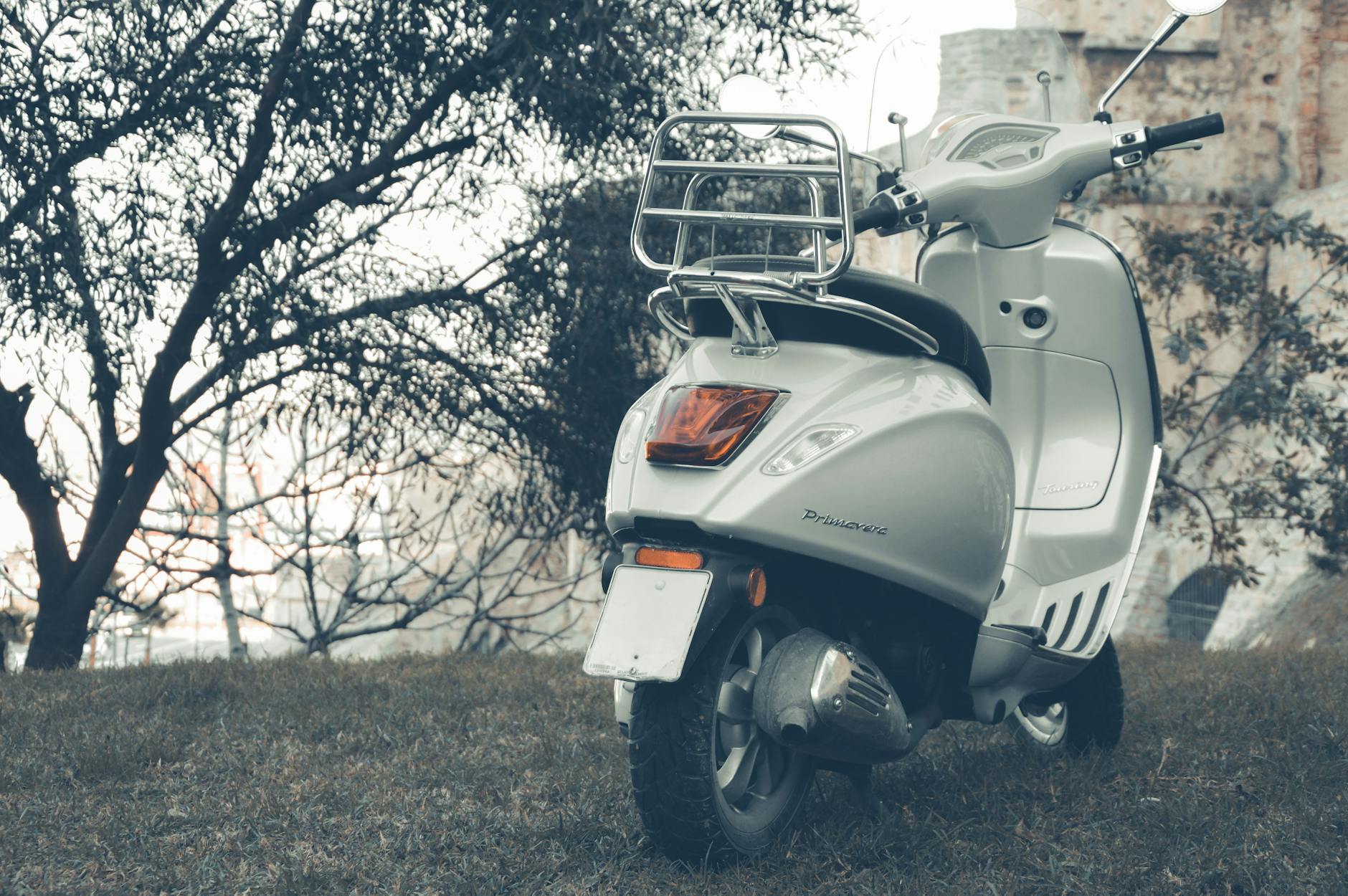
Piaggio Vespa Primavera 125
The Piaggio Vespa Primavera 125 has a top speed of 95 km/h, produces 10.4 hp and weighs 115 kg. Motoryk rates it 8/10.
Die Vespa Primavera wurde ursprünglich 1967 als leichter, stilvoller Roller für jüngere Fahrer vorgestellt. 2013 wurde der Name für ein modernes 125-cm3-Modell wiederbelebt, das auf der neuen Plattform von Piaggio gebaut wurde. Der moderne Primavera 125 verfügt über einen raffinierten Unibody-Rahmen aus Stahlrohr und einen aktualisierten Motor mit Kraftstoffeinspritzung, der die klassische Designsprache der Vespa fortführt und gleichzeitig die modernen Euro-Emissionsstandards erfüllt. Er ist nach wie vor einer der meistverkauften 125-ccm-Roller in Europa und wird für sein ikonisches italienisches Design, seine Verarbeitungsqualität und seine urbane Praktikabilität gefeiert.
10.4 hp
Leistung
10.1 Nm
Drehmoment
115 kg
Gewicht
95 km/h
Höchstgeschwindigkeit
2.9 L/100km or approximately 34 km/L (typical real-world average)
Treibstoff
Ausgeleitet
Körper
🔧 Service Schedule & Parts
Affiliate · we may earn| Service item | Every | Typical cost | Parts |
|---|---|---|---|
| 🛢️ Engine oil + oil filter | 3,000 km / 2,000 mi or 12 mo | $30-60 | 🛢️ Buy → ⚙️ Buy → |
| 🌬️ Air filter | 6,000 km / 3,500 mi | — | 🌬️ Buy → |
| ⚡ Spark plugs | 6,000 km / 3,500 mi | — | ⚡ Buy → |
| 🔧 Valve clearance check | 12,000 km / 7,500 mi | $150-300 | |
| 🛑 Brake pads | 15000-25000 km | $40-80 | 🛑 Buy → |
| 💧 Brake fluid | 24,000 km / 15,000 mi or 2 yr | — | |
| 🧊 Coolant | 24,000 km / 15,000 mi | — | |
| 🛞 Tires | 15000-25000 km | $150-300 | 🛞 Buy → |
| 🔩 Major service | 12,000 km / 7,500 mi | $250-500 |
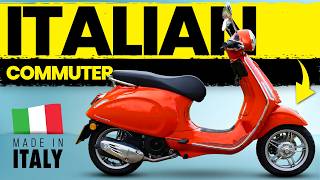
Video Review
Was Käufer wissen sollten
Watch the Variator Belt
The CVT drive belt is a known wear item and should be inspected every 10,000–12,000 km. Neglecting it can lead to sudden loss of power or a breakdown, so always ask for service records.
Strong Resale Value
The Vespa Primavera 125 holds its value exceptionally well compared to most scooters, often retaining 60–70% of its original price after 3 years. Its iconic brand and timeless design keep demand consistently high.
Modern i-Get Engine
The fuel-injected i-Get 125cc engine meets Euro 5 emissions standards and delivers a smooth, efficient ride with around 50–55 mpg. It's a reliable, low-maintenance unit when serviced on schedule.
Generationen und Spezifikationen nach Jahr
Originaler 2-Takt-125-cm3-Motor, klassischer runder Scheinwerfer, Stahlgehäuse, einsitziges Design eingeführt.
"Zeitloser italienischer Stahl, der Geduld vor Geschwindigkeit belohnt."
Ich habe eine 71er Primavera durch zwei römische Winter und einen toskanischen Sommer gefahren, und das, woran ich mich am besten erinnere, ist, wie lebendig sich dieser kleine 123-cm3-Zweitakter anfühlte, als er sein schmales Leistungsband erreichte — ein brummender, beharrlicher Anstieg zwischen 4.000 und 5.500 U/min, der den Stadtverkehr wirklich unterhaltsam machte. Unter dem Band schleppst du es, darüber ist nichts mehr übrig, also lernst du, den Viergang-Twist-Shift wie ein richtiges Instrument zu bedienen. Die Stahlkarosserie mit Monocoque nimmt eher charaktervolle Schrammen und Dellen auf als Katastrophen, und dieser runde Scheinwerfer gibt einem das Gefühl, etwas aus einem Fellini-Film zu steuern, was ehrlich gesagt etwas bedeutet. Die Schwachstellen sind jedoch real: Kaltstarts erfordern Rituale und ersticken Disziplin, der Einzelsitz schließt Passagiere völlig aus, und alles über 75 km/h ist ein Dauerargument, bei dem die Vibration irgendwann verloren geht.
Profis
Nachteile
Raffinierter 2-Takt-Motor, aktualisierte Grafik- und Farboptionen sowie geringfügige mechanische Verbesserungen behielten das klassische Design bei.
"Zeitloser urbaner Charmeur, der sich täglich seinen Reiz verdient."
Ich habe in Rom und später in Neapel zwei Jahre lang eine Primavera 125 der Generation 2 als mein erstes Citybike gefahren, und der raffinierte 2-Takt-Motor zieht sauber aus dem Leerlauf, ohne die flache Stelle, die frühere Geräte plagte — Piaggio massierte deutlich die Lüftung und den Vergaser. Mit 88 kg flattert es mit echtem Selbstvertrauen durch den Verkehr, und dank dieser 790 mm Sitzhöhe können die meisten Fahrer an Ampeln mit einem Plattfuß ein beruhigendes Gefühl auf Asphalt nehmen. Ehrlich gesagt sind 95 km/h eine Strecke auf einem beladenen Fahrrad in Gegenwind — planen Sie 85 als bequeme Decke auf der Autobahnauffahrt ein. Das größte Problem in der realen Welt ist die 2-Takt-Abhängigkeit: Sie mischen Öl, beobachten wie besessen Zündkerzen und erklären Mechanikern, warum sie sich die Mühe machen sollten, etwas so Altes zu warten.
Profis
Nachteile
Moderne Wiederbelebung, neuer 3-Ventil-125-cm3-4-Takt-Motor, LED-Beleuchtung, Retro-Design mit moderner Mechanik.
Aktualisierte ABS-Bremsoption, Euro-4-Emissionsvorschriften, Konnektivitätsfunktionen, verbesserte Federung und Ergonomie.
Einhaltung der Euro-5-Emissionen, aktualisierte Motorkennzeichnung, neue Farbpalette, Einführung kleinerer technologischer Verbesserungen.
Bewertung von gebrauchten Käufern
"The classiest 125 scooter money can sensibly buy used."
$2,500-$4,500 usedThe Primavera 125 is genuinely lovely to live with, and I say that as someone who's spent years on everything from GSX-Rs to adventure bikes. It's unapologetically a scooter, but it's a *good* scooter — the steel monocoque chassis feels solid and planted in a way that cheap Asian alternatives simply don't. City commuting becomes genuinely enjoyable rather than just tolerable. Twist-and-go simplicity means you're filtering through traffic with zero drama. Buying used, check the CVT belt and rollers — they're cheap to replace but sellers rarely do. Look for corrosion around the floorboard seams, especially on older units. The i-get fuel injection on 2014+ models is far more reliable than the old carbed versions, so stick to those. Screen scratches are usually cosmetic but factor them into your haggle. Genuine Piaggio parts aren't expensive, and dealer networks are solid enough that servicing won't be a nightmare.
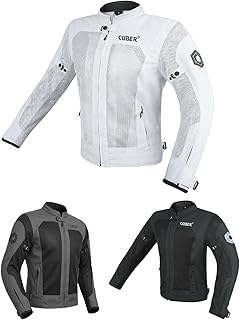
Top 10 Accessories
Curated picks for the Piaggio Vespa Primavera 125 — owned, ridden, recommended.




Häufig auftretende Probleme
🔥 1 CRITICALRough idle, hesitation on throttle, hard cold starts
Slipping feeling, vibration, poor top speed performance
Lift floor mat, inspect welds and lower frame closely
Test all lights, starter response, and battery voltage
✅Checkliste vor dem Kauf
Decent scooter, maintenance history is everything
Full Specifications
Rivals & Alternatives
Bikes that buyers cross-shop with the Piaggio Vespa Primavera 125
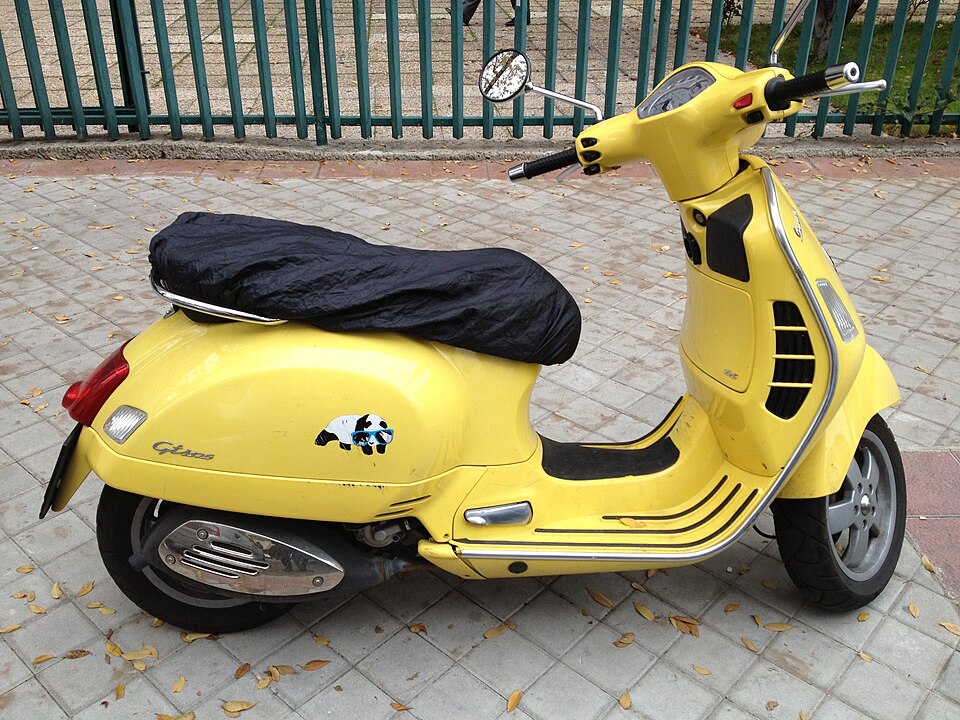
Vespa Gts 125
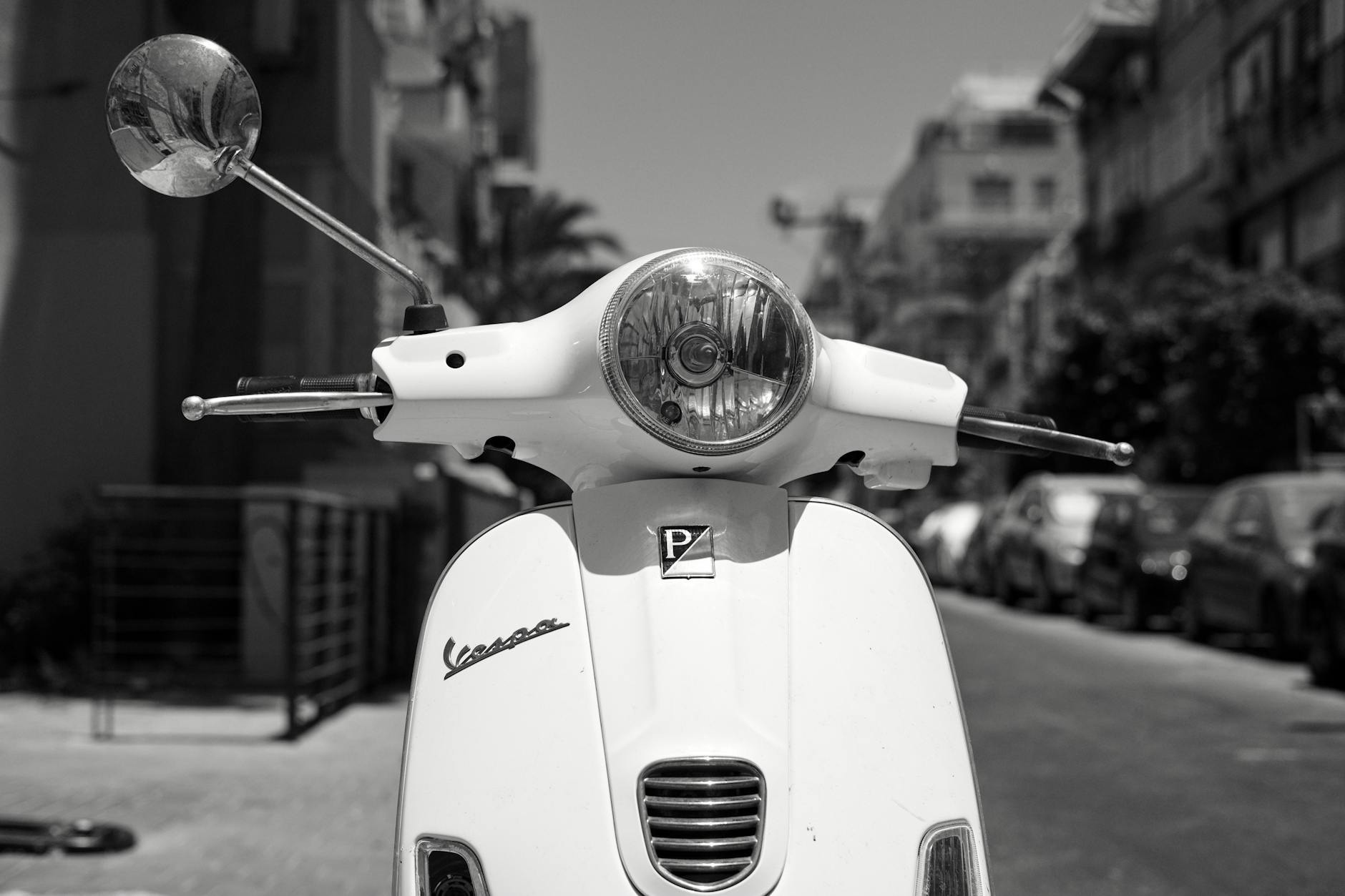
Piaggio Vespa Lx 125
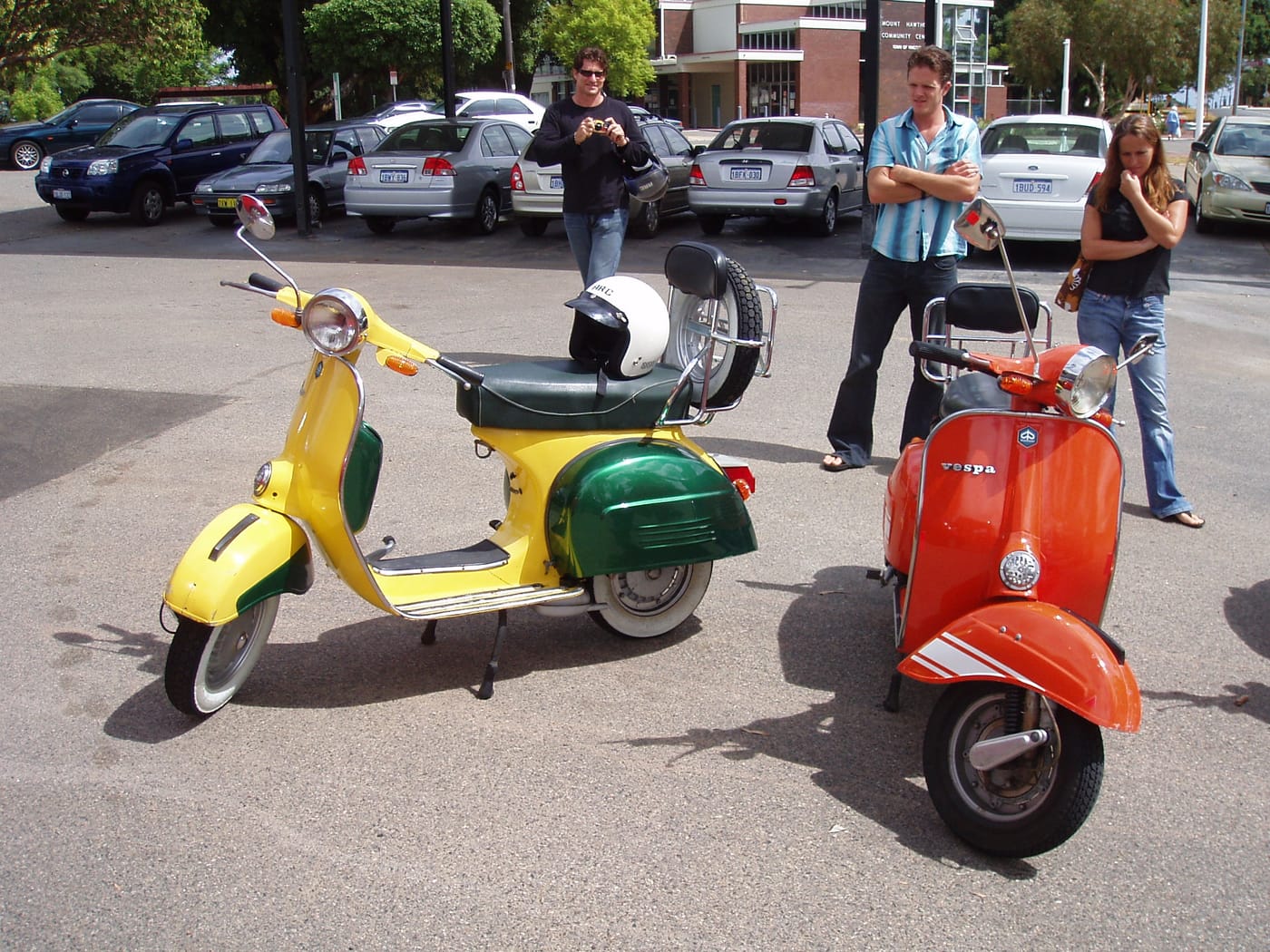
Piaggio Vespa Sprint 125
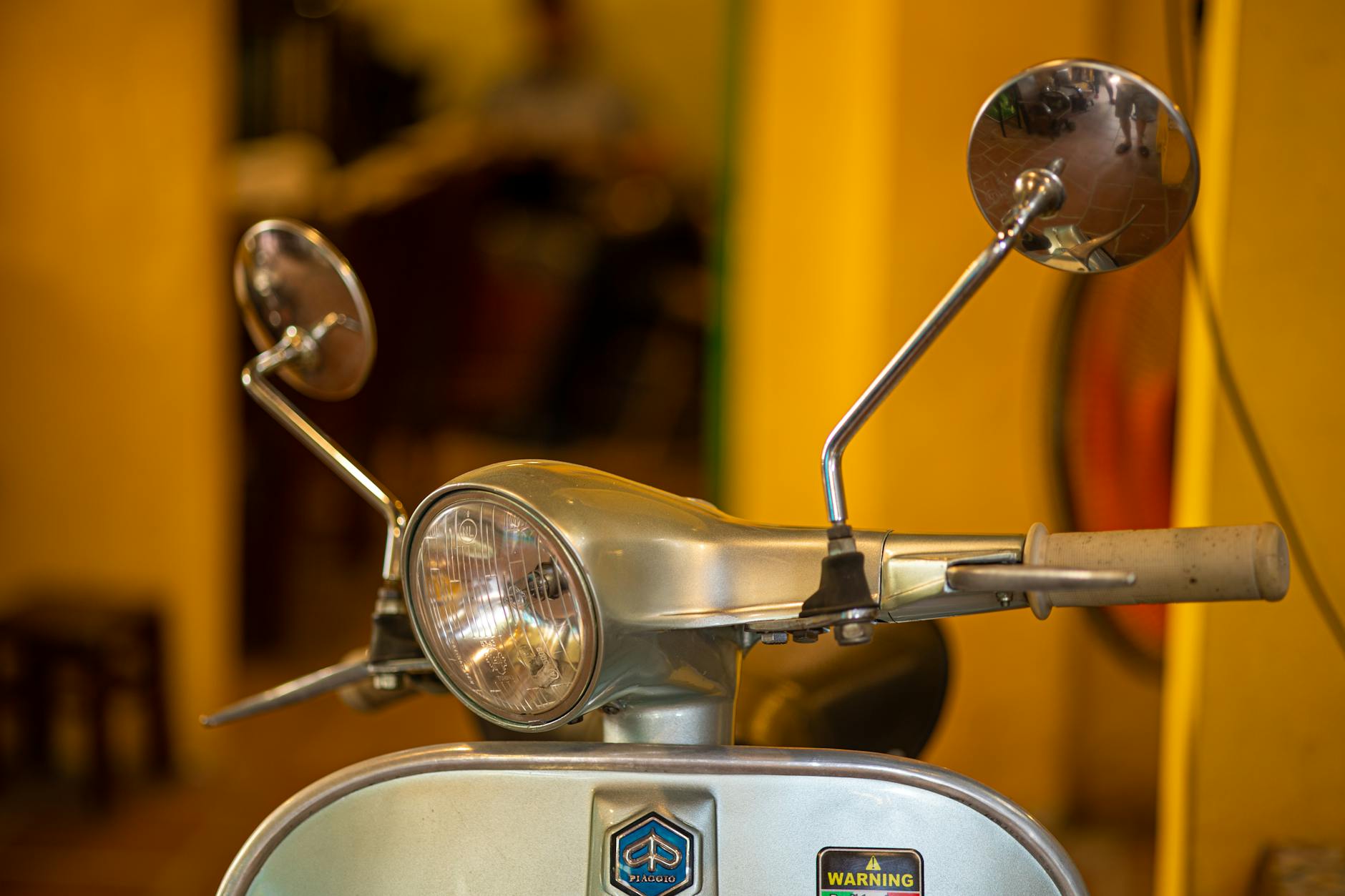
Piaggio Vespa Vxl 125
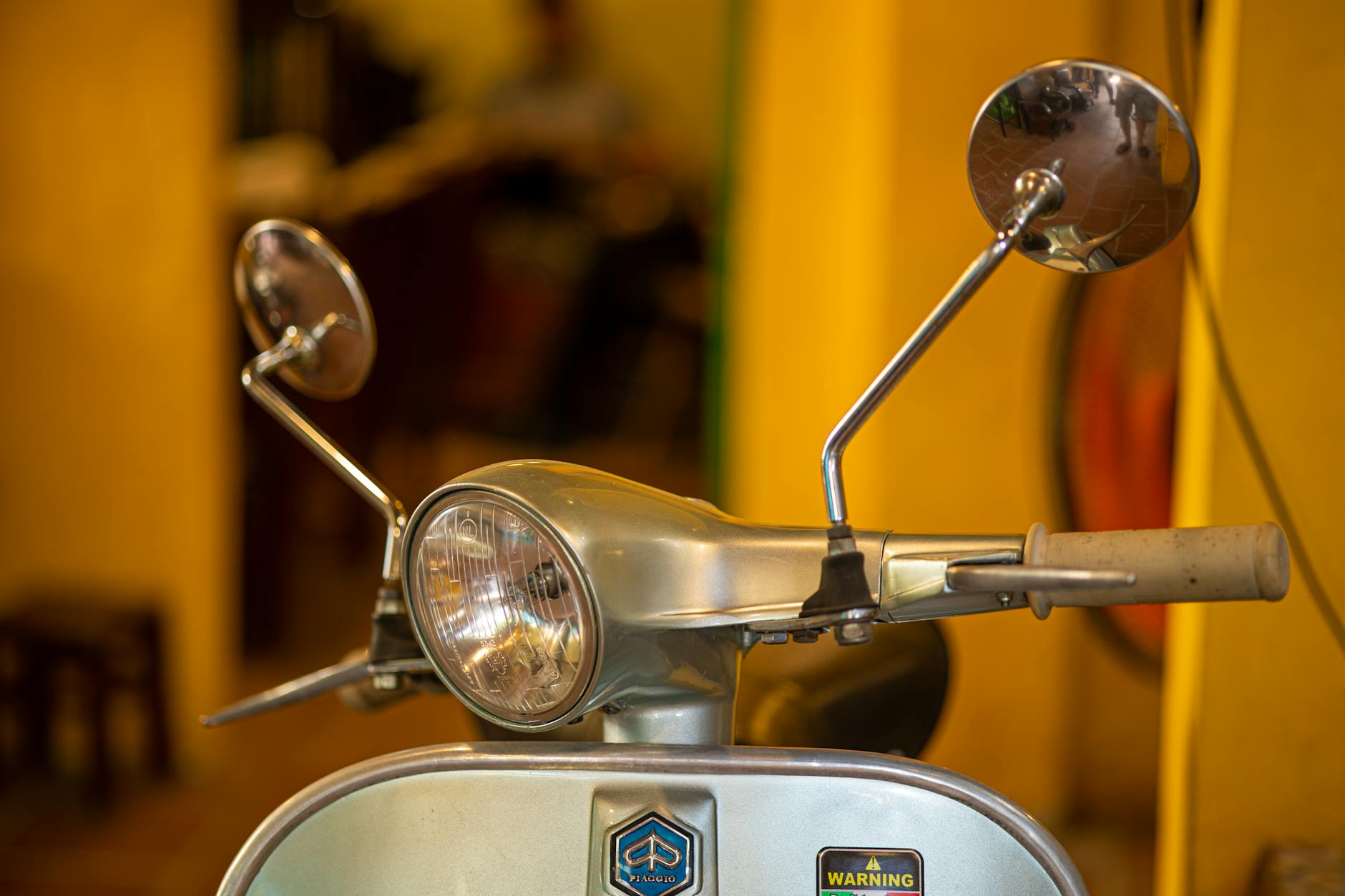
Piaggio Vespa Zio 125
Compare Piaggio Vespa Primavera 125 Side-by-Side
compare_arrowsSpecs, power, weight & buyer verdict — head-to-head with the bikes most often cross-shopped.
Piaggio Vespa Primavera 125 vs Vespa Gts 125
Specs · Power · Buyer verdict
Piaggio Vespa Primavera 125 vs Piaggio Vespa Lx 125
Specs · Power · Buyer verdict
Piaggio Vespa Primavera 125 vs Piaggio Vespa Sprint 125
Specs · Power · Buyer verdict
Piaggio Vespa Primavera 125 vs Piaggio Vespa Vxl 125
Specs · Power · Buyer verdict
Piaggio Vespa Primavera 125 vs Piaggio Vespa Zio 125
Specs · Power · Buyer verdict
More Piaggio Vespa Primavera 125 Guides
More from Piaggio
View all Piaggio models →Community Reviews
Discussion
Piaggio Vespa Primavera 125 Videos
Frequently Asked Questions
What are common problems with the Piaggio Vespa Primavera 125? +
Carburetor clogging or fuel injector issues: Rough idle, hesitation on throttle, hard cold starts (moderate) | Variator and belt wear causing sluggish acceleration: Slipping feeling, vibration, poor top speed performance (moderate) | Rust on frame or floor panel underbody: Lift floor mat, inspect welds and lower frame closely (serious)
Is the Piaggio Vespa Primavera 125 a good motorcycle? +
The classiest 125 scooter money can sensibly buy used. Rating: 8.0/10. Best for: Urban commuters wanting style and daily reliability. Avoid if: You need regular dual-carriageway or motorway travel.
What is the horsepower of the Piaggio Vespa Primavera 125? +
The Piaggio Vespa Primavera 125 produces 10.4 hp @ 8,250 rpm, with 10.1 Nm @ 6,500 rpm of torque. Top speed: 95 km/h.
Is the Piaggio Vespa Primavera 125 good for beginners? +
Yes — the Piaggio Vespa Primavera 125 is a reasonable choice for new riders (10.4 hp is manageable), weighing 115 kg. Urban commuters wanting style and daily reliability
Is the Piaggio Vespa Primavera 125 reliable? +
Owners report 1 critical issue to watch for on the Piaggio Vespa Primavera 125, notably: Rust on frame or floor panel underbody (Lift floor mat, inspect welds and lower frame closely). Buy with a pre-purchase inspection.
Is the Piaggio Vespa Primavera 125 good for daily use? +
Urban commuters wanting style and daily reliability Fuel: 2.9 L/100km or approximately 34 km/L (typical real-world average).
How fast is the Piaggio Vespa Primavera 125? +
The Piaggio Vespa Primavera 125 reaches a top speed of 95 km/h, producing 10.4 hp at 115 kg curb weight. Real-world performance depends on rider weight, gearing, and road conditions.
What gear should I buy for a Piaggio Vespa Primavera 125? +
Motoryk has curated a Top 10 gear list specifically for the Piaggio Vespa Primavera 125, covering engine oil, tires, chain, battery, and brake pads — see motoryk.com/bikes/piaggio/vespa-primavera-125/top10. Each pick is matched to this bike's spec.