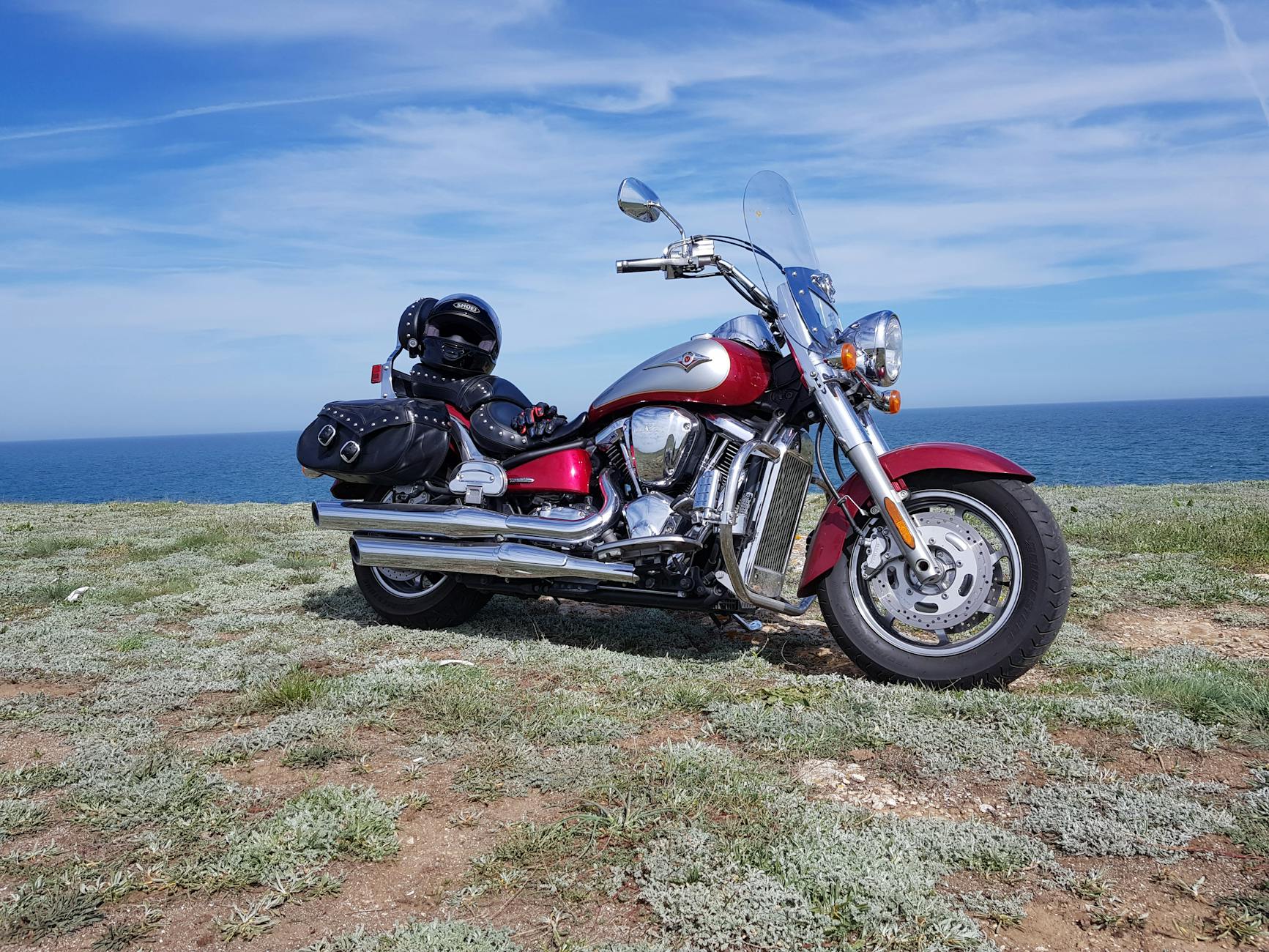
Kawasaki Vulcan 900
The Kawasaki Vulcan 900 has a top speed of 175 km/h (estimated; note: governed more by wind resistance than engine limits), produces 50 hp and weighs 272 kg. Motoryk rates it 7.5/10.
Le Kawasaki Vulcan 900 Classic (VN900B) a été introduit en 2006 en tant que croiseur de taille moyenne conçu pour concurrencer dans le segment populaire des 900 cm3 des concurrents tels que le Honda Shadow et le Yamaha V-Star 950. Il était équipé d'un moteur bicylindre en V de 903 cm3 à refroidissement liquide avec injection de carburant, alliant fiabilité moderne et style de croisière classique avec de larges ailes et des roues à rayons. Le modèle est resté largement inchangé depuis son lancement, apprécié pour son ergonomie confortable, sa puissance accessible et sa solide proposition de valeur pour les cyclistes débutants et intermédiaires.
50 hp
Pouvoir
76 Nm
Torque
272 kg
Poids
175 km/h (estimated; note: governed more by wind resistance than engine limits)
Vitesse maximale
5.2 L/100km (approx. 19.2 km/L typical real-world average)
Carburant
Nue
Corps
🔧 Service Schedule & Parts
Affiliate · we may earn| Service item | Every | Typical cost | Parts |
|---|---|---|---|
| 🛢️ Engine oil + oil filter | 6,000 km / 3,500 mi or 12 mo | $40-80 | 🛢️ Buy → ⚙️ Buy → |
| 🌬️ Air filter | 12,000 km / 7,500 mi | — | 🌬️ Buy → |
| ⚡ Spark plugs | 12,000 km / 7,500 mi | — | ⚡ Buy → |
| 🔧 Valve clearance check | 24,000 km / 15,000 mi | $150-350 | |
| 🔗 Chain & sprockets | 25000-40000 km (replace) | $150-300 | 🔗 Buy → |
| 🛑 Brake pads | 15000-30000 km | $30-60 | 🛑 Buy → |
| 💧 Brake fluid | 24,000 km / 15,000 mi or 2 yr | — | |
| 🧊 Coolant | 24,000 km / 15,000 mi | — | |
| 🛞 Tires | 15000-25000 km | $200-400 | 🛞 Buy → |
| 🔩 Major service | 24,000 km / 15,000 mi | $300-600 |
Video Review

Ce que les acheteurs doivent savoir
Rock-Solid Reliability
The Vulcan 900's fuel-injected V-twin engine is widely regarded as one of the most dependable in its class, requiring minimal maintenance beyond routine oil changes and valve checks. Many owners report 50,000+ miles with no major mechanical issues.
Watch the Final Drive
The belt drive system, while low-maintenance, should be carefully inspected for cracks or fraying on used models — a neglected belt replacement can run $200–$400 in parts and labor. Always ask for belt service history before buying.
Strong Resale Value
The Vulcan 900 holds its value unusually well for a mid-size cruiser, often retaining 60–70% of its value after three years due to steady demand and Kawasaki's reputation for durability. This also means used prices stay firm, so don't expect steep discounts.
Générations et spécifications par année
Lancement de la plateforme bicylindre en V d'origine de 903 cm3 ; les versions Classic, Custom et LT ont été introduites au fil du temps avec des mises à jour mineures.
"Un croiseur pare-balles pour débutants qui se met rarement dans l'embarras."
Le bicylindre en V de 903 cm3 tourne proprement à environ 2 000 tr/min et son couple maximal à 3 500 tr/min rend la conduite en ville vraiment relaxante. Vous êtes rarement à la recherche du bon équipement. À 695 mm, la hauteur de selle est accessible aux conducteurs de petite taille, et après 10 000 miles, l'ergonomie semble réfléchie plutôt que compromise. Honnêtement, la plus grande frustration, c'est sur l'autoroute : au-delà de 130 km/h, les vibrations à travers les barres et les piquets deviennent fatigantes, et 50 chevaux ne vous laissent presque rien en réserve lorsque vous devez dépasser de manière décisive à grande vitesse. Il supporte également un poids réel pour ce qu'il offre : 272 kg, c'est beaucoup de vélo à emporter si vous le déposez dans un parking, et les nouveaux cyclistes le feront.
Pros
Les inconvénients
Évaluation d'un acheteur d'occasion
"Dependable, honest cruiser that punches above its used asking price."
$4,500-$6,500 usedThe Vulcan 900 Classic is Kawasaki doing exactly what they're good at — building a reliable, unpretentious cruiser that won't embarrass you at the lights or at the mechanic. The 903cc V-twin pulls cleanly from low revs, the ergonomics suit a wide range of riders, and these things simply don't break down. Buy one with 20,000 miles and sleep fine about it. Genuinely bulletproof powerplant. That said, know what you're getting. It's not a Harley in terms of soul or resale value, and it's not trying to be. Handling is soft and wallowy past 70mph, the stock seat turns punishing after two hours, and the chrome bits on cheaper examples rust faster than you'd hope. Check the final drive belt carefully — a worn one is a surprise $300 bill you don't want. Used prices are honest right now, typically $4,500-$6,500 for clean 2006-2013 examples. Negotiate hard on anything over 15k miles or with cosmetic damage. Strong candidate for a first big bike.
Variants of the Kawasaki Vulcan 900
Same bike, different trim or year-range — pick the one matching the listing.
Top 10 Accessories
Curated picks for the Kawasaki Vulcan 900 — owned, ridden, recommended.




Problèmes courants
🔥 1 CRITICALHard starting, rough idle, fuel smell, carb condition
Battery voltage at idle, dimming lights, charging output
Oil residue on lower fork tubes near seals
Belt tension, cracks, fraying, pulley wear condition
✅Liste de contrôle préalable à l'achat
Solid, forgiving cruiser if well maintained
Full Specifications
Rivals & Alternatives
Bikes that buyers cross-shop with the Kawasaki Vulcan 900
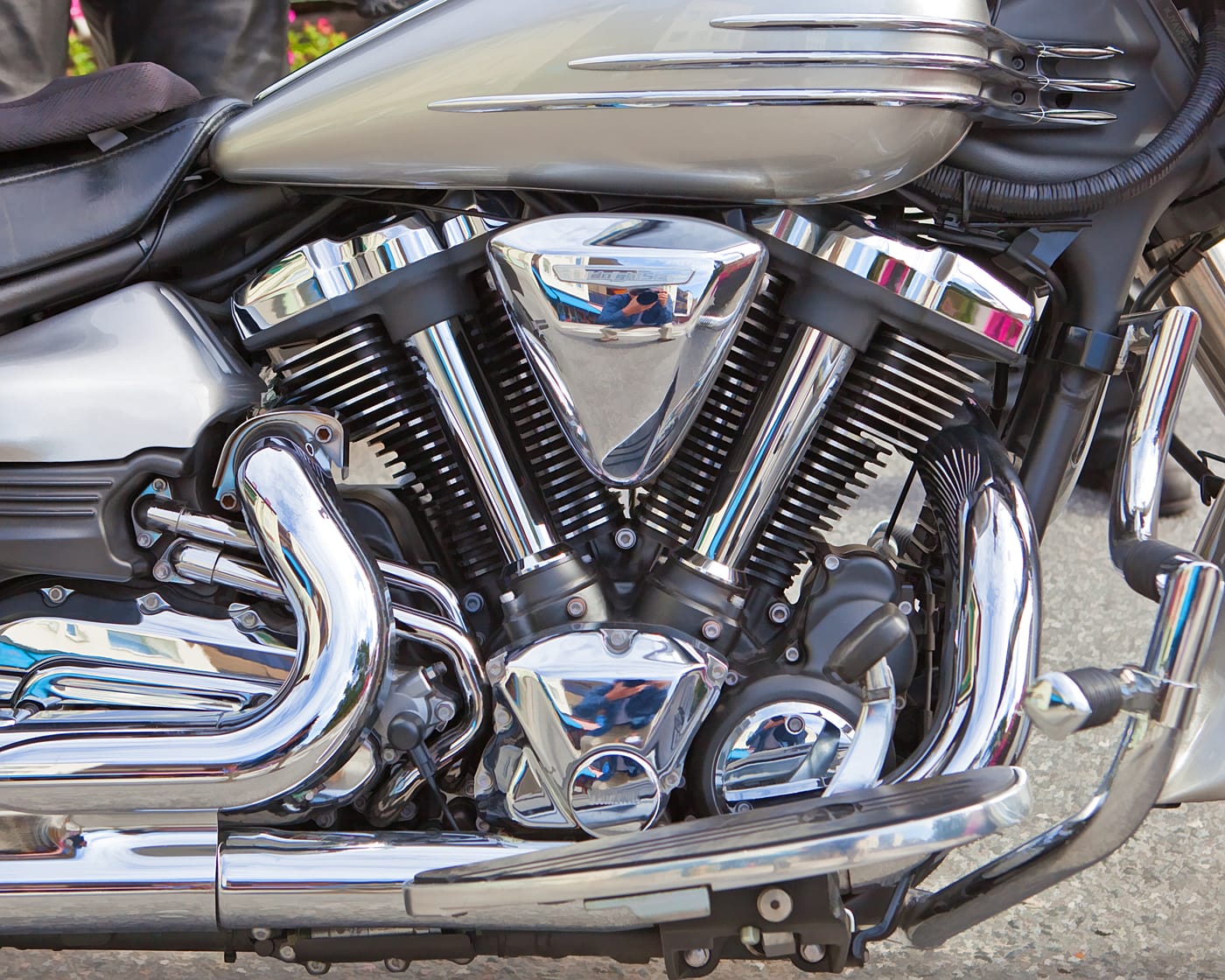
Suzuki Boulevard C50
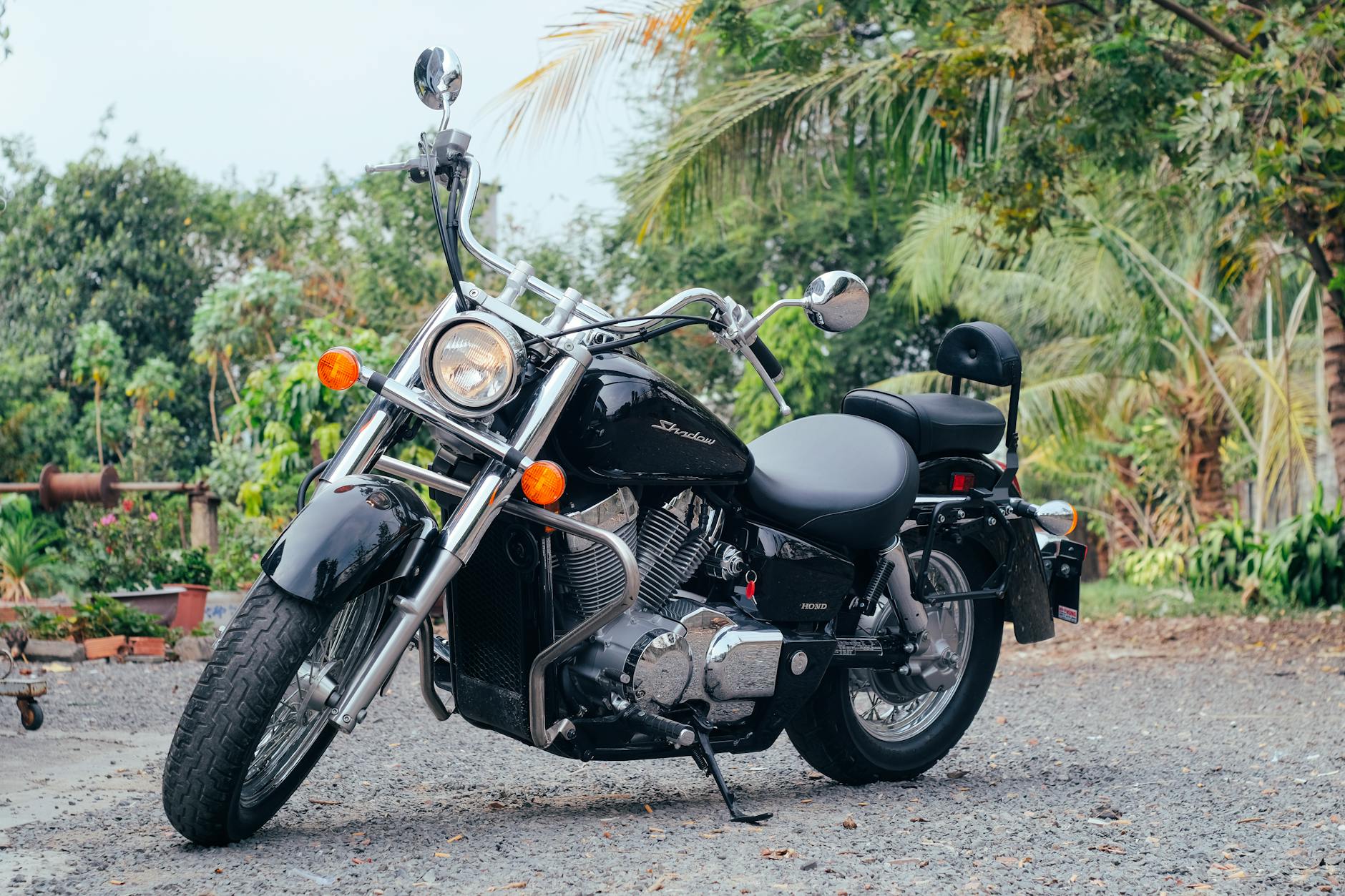
Honda Shadow Aero 750
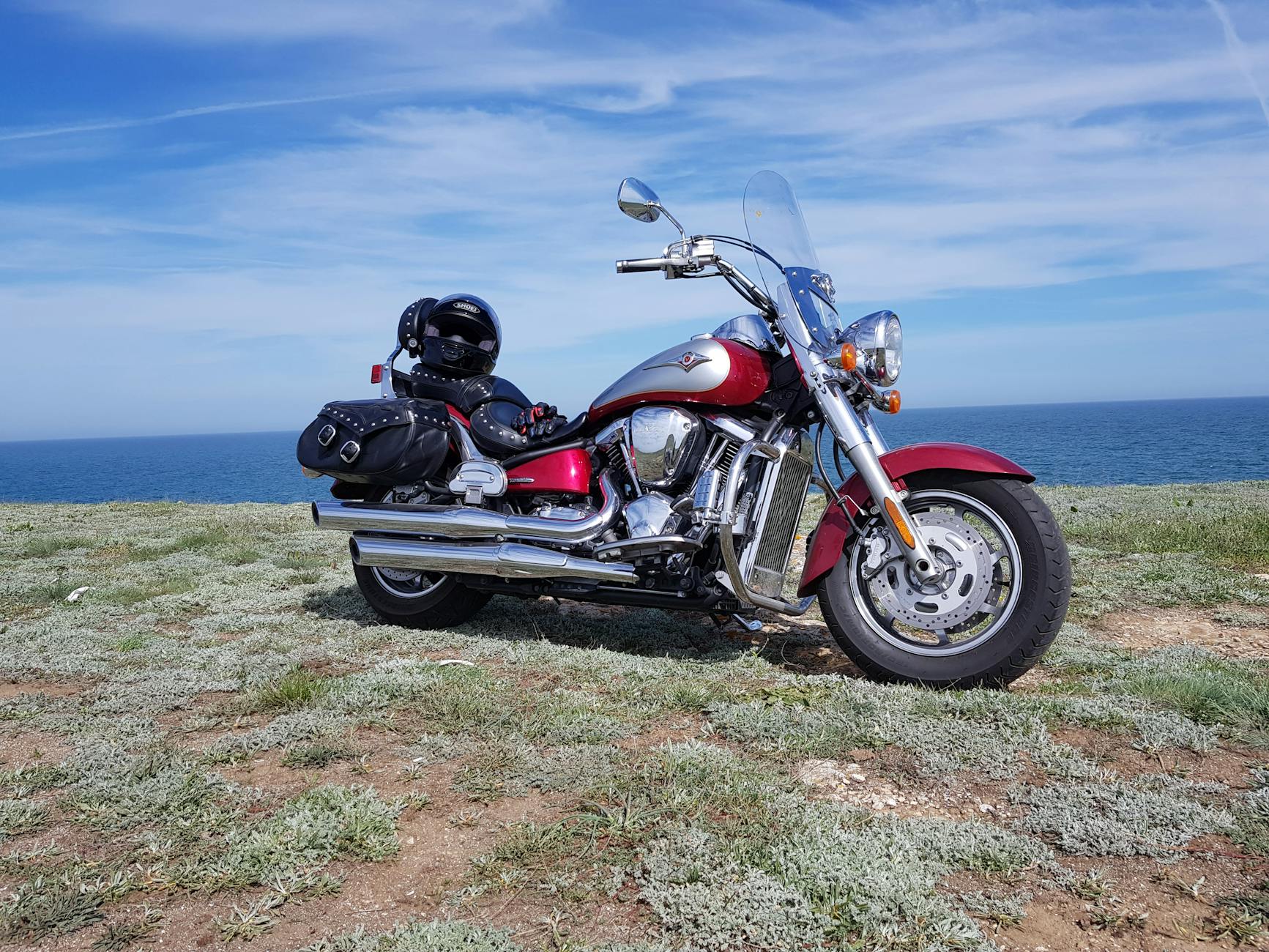
Kawasaki Vulcan 900 Classic
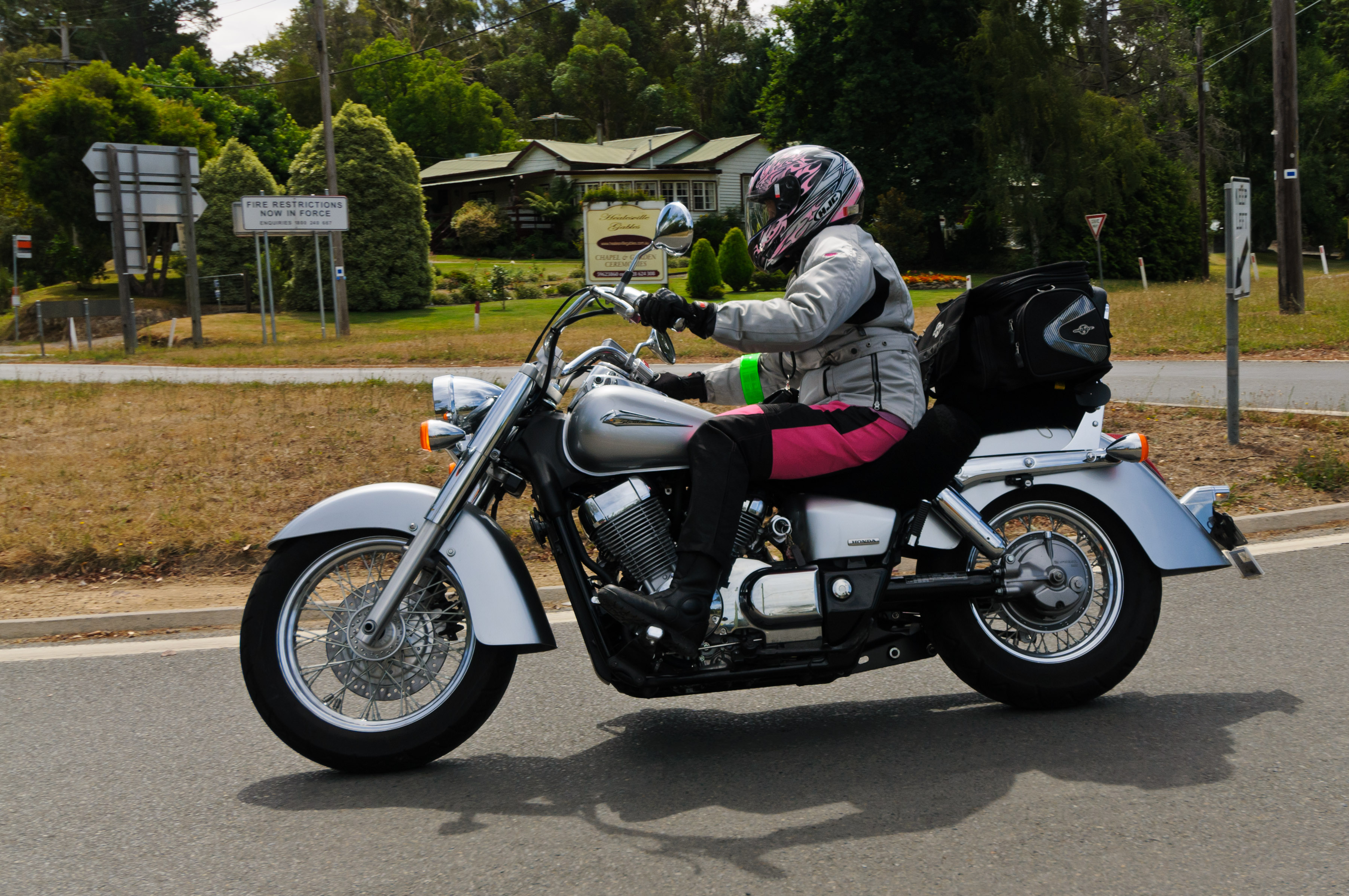
Honda Vt750 Shadow Spirit
Kawasaki Vn900 Vulcan Classic
Compare Kawasaki Vulcan 900 Side-by-Side
compare_arrowsSpecs, power, weight & buyer verdict — head-to-head with the bikes most often cross-shopped.
Kawasaki Vulcan 900 vs Suzuki Boulevard C50
Specs · Power · Buyer verdict
Kawasaki Vulcan 900 vs Honda Shadow Aero 750
Specs · Power · Buyer verdict
Kawasaki Vulcan 900 vs Kawasaki Vulcan 900 Classic
Specs · Power · Buyer verdict
Kawasaki Vulcan 900 vs Honda Vt750 Shadow Spirit
Specs · Power · Buyer verdict
Kawasaki Vulcan 900 vs Kawasaki Vn900 Vulcan Classic
Specs · Power · Buyer verdict
More Kawasaki Vulcan 900 Guides
More from Kawasaki
View all Kawasaki models →Community Reviews
Discussion
Frequently Asked Questions
What are common problems with the Kawasaki Vulcan 900? +
Carburetor clogging from ethanol fuel sitting: Hard starting, rough idle, fuel smell, carb condition (moderate) | Rectifier/regulator failure killing battery: Battery voltage at idle, dimming lights, charging output (serious) | Fork seal leaks causing oil weeping: Oil residue on lower fork tubes near seals (moderate)
Is the Kawasaki Vulcan 900 a good motorcycle? +
Dependable, honest cruiser that punches above its used asking price. Rating: 7.5/10. Best for: New cruiser riders wanting reliable, low-drama miles. Avoid if: You want highway touring or serious performance.
What is the horsepower of the Kawasaki Vulcan 900? +
The Kawasaki Vulcan 900 produces 50 hp @ 6,000 rpm (estimated; Kawasaki does not officially publish output figures for this model), with 76 Nm @ 3,500 rpm of torque. Top speed: 175 km/h (estimated; note: governed more by wind resistance than engine limits).
Is the Kawasaki Vulcan 900 good for beginners? +
Yes — the Kawasaki Vulcan 900 is a reasonable choice for new riders (50 hp is manageable), weighing 272 kg. New cruiser riders wanting reliable, low-drama miles
Is the Kawasaki Vulcan 900 reliable? +
Owners report 1 critical issue to watch for on the Kawasaki Vulcan 900, notably: Rectifier/regulator failure killing battery (Battery voltage at idle, dimming lights, charging output). Buy with a pre-purchase inspection.
Is the Kawasaki Vulcan 900 good for daily use? +
New cruiser riders wanting reliable, low-drama miles Fuel: 5.2 L/100km (approx. 19.2 km/L typical real-world average).
How fast is the Kawasaki Vulcan 900? +
The Kawasaki Vulcan 900 reaches a top speed of 175 km/h (estimated; note: governed more by wind resistance than engine limits), producing 50 hp at 272 kg curb weight. Real-world performance depends on rider weight, gearing, and road conditions.
What gear should I buy for a Kawasaki Vulcan 900? +
Motoryk has curated a Top 10 gear list specifically for the Kawasaki Vulcan 900, covering engine oil, tires, chain, battery, and brake pads — see motoryk.com/bikes/kawasaki/vulcan-900/top10. Each pick is matched to this bike's spec.